
Yes, smoothies can be an excellent and convenient option for individuals managing diabetes, provided they are carefully crafted with blood-sugar-friendly ingredients. The key is to prioritize a balance of fiber, protein, and healthy fats, while keeping sugar content low and opting for low glycemic index (GI) fruits and plenty of non-starchy vegetables. This approach ensures your smoothie is both nutritious and effective at managing blood glucose levels, making it a valuable part of a diabetic diet, helping you enjoy delicious flavors without compromising your health goals.
The Diabetic-Friendly Smoothie Framework
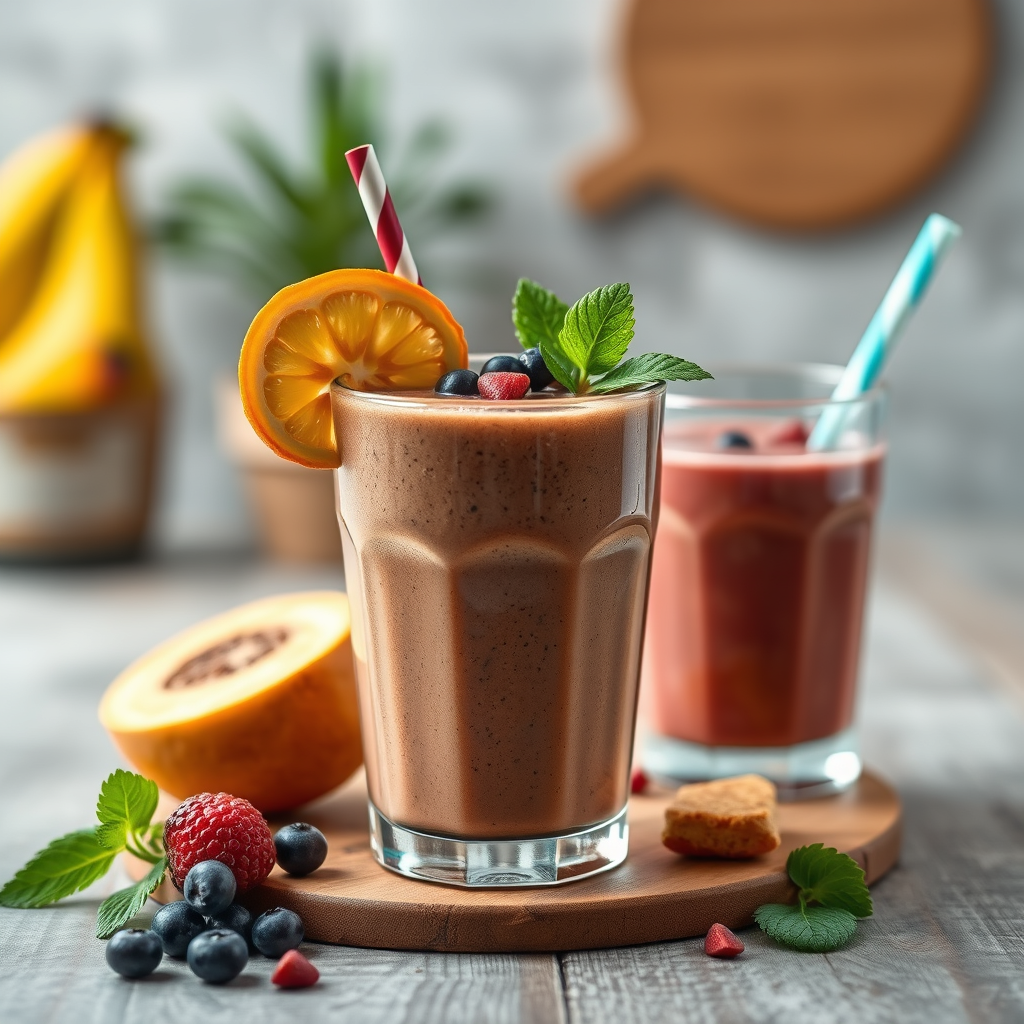
Creating a smoothie that supports healthy blood sugar management isn’t just about throwing a bunch of ingredients into a blender; it’s about making smart, strategic choices. The foundation of any diabetic-friendly smoothie lies in a carefully considered framework that balances key nutritional components.
First and foremost, you need to focus on balancing macronutrients: protein, fiber, and healthy fats are crucial for blood sugar stability. These three components work synergistically to slow down digestion, prevent rapid spikes in blood glucose, and keep you feeling full and satisfied for longer. Protein helps to stabilize blood sugar and is essential for muscle repair and growth. Fiber, particularly soluble fiber, slows the absorption of sugar into the bloodstream and aids in digestive health. Healthy fats, while calorie-dense, contribute to satiety and also help to slow glucose absorption, providing sustained energy. Without this trio, a smoothie can quickly turn into a sugary drink that sends your blood sugar soaring, even if it contains “healthy” ingredients.
Secondly, it’s vital to prioritize low glycemic index (GI) fruits and non-starchy vegetables to minimize sugar spikes. The glycemic index is a system that ranks foods on a scale of 1 to 100 based on how much they raise blood sugar levels after consumption. Low-GI foods cause a slower, more gradual rise in blood sugar, which is ideal for diabetes management. This means opting for fruits that are naturally lower in sugar and higher in fiber, and packing in a generous amount of non-starchy vegetables that offer a wealth of vitamins, minerals, and fiber with minimal impact on blood sugar.
Finally, you must understand the importance of portion control and rigorously avoiding any added sugars or high-sugar liquid bases. Even with the best intentions, it’s easy to overdo it with ingredients, leading to a calorie-dense or sugar-heavy smoothie. Portion control ensures you’re getting the right amount of nutrients without excess. The absolute rule for diabetic-friendly smoothies is to steer clear of added sugars in any form – honey, maple syrup, agave, or even concentrated fruit juices – as these can drastically increase the sugar content and negate all your careful ingredient choices. Similarly, sugary fruit juices, sweetened milks, or yogurts as a base will turn your healthy intention into a blood sugar roller coaster.
By adhering to this framework, you’ll be well on your way to crafting delicious, satisfying, and blood-sugar-smart smoothies that truly support your health.
Smart Fruit Choices & Fiber Boosters


When it comes to fruit in a diabetic-friendly smoothie, not all fruits are created equal. The goal is to maximize flavor and nutrition while minimizing sugar impact.
Opt for berries (strawberries, blueberries, raspberries) due to their low sugar content and high fiber. Berries are true nutritional powerhouses! They are packed with antioxidants, vitamins, and a significant amount of fiber, all while being naturally lower in sugar compared to many other fruits. For instance, a cup of raspberries boasts around 8 grams of fiber and only 5 grams of sugar, making them an excellent choice. Blueberries are slightly higher in sugar but still contain beneficial fiber and antioxidants. Mixed berries (frozen are super convenient!) provide a great combination of these benefits and a lovely tart-sweet flavor.
For a bit of variety, you can include small amounts of other low-GI fruits like kiwi or a small green apple slice. While berries should be your go-to, these fruits can offer different textures and nutrient profiles. Kiwi, with its vibrant green flesh, is rich in Vitamin C and fiber. A small green apple (like a Granny Smith) is tart and crisp, offering fiber and a satisfying crunch without an excessive sugar load. Remember, “small amounts” is key here – you’re adding a flavor accent, not the main component, to keep sugar levels in check.
To really supercharge your smoothie’s blood sugar-stabilizing power, you’ll want to boost fiber further with additions like chia seeds, flax seeds, or leafy greens. These ingredients are absolute superstars for adding fiber, healthy fats, and micronutrients without adding much sugar or calories.
* Chia seeds are tiny but mighty, swelling up to create a gel-like consistency in liquids, which helps with satiety and slows digestion. They’re an incredible source of soluble fiber and omega-3 fatty acids.
* Flax seeds offer both soluble and insoluble fiber, omega-3s, and lignans, which have antioxidant properties. Always grind flax seeds before adding them to ensure your body can absorb their nutrients.
* Leafy greens like spinach, kale, or even romaine lettuce are fantastic for bulking up your smoothie with vitamins, minerals, and fiber, often without significantly altering the taste, especially when blended with stronger flavors. You can add a generous handful or two without a worry!
By focusing on these smart fruit choices and integrating fiber boosters, you’ll create smoothies that are not only delicious but also highly effective at supporting your blood sugar management.
Essential Protein and Healthy Fats
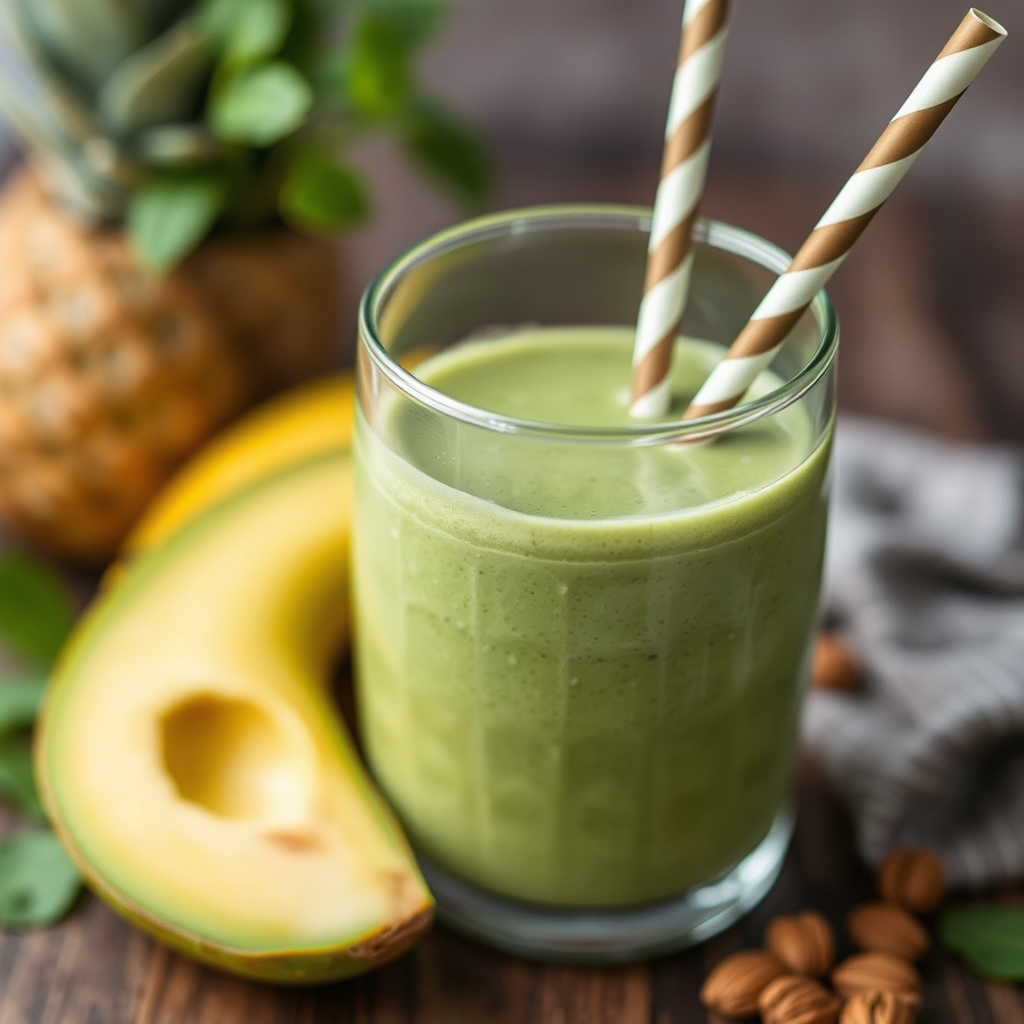
Beyond fiber, the other two pillars of a blood-sugar-friendly smoothie are protein and healthy fats. These components are absolutely critical for slowing digestion, promoting satiety, and ensuring a sustained release of energy, preventing those dreaded blood sugar spikes and subsequent crashes.
To ensure your smoothie is satisfying and keeps you full, incorporate lean protein sources such as unsweetened Greek yogurt, cottage cheese, or a high-quality protein powder (whey or plant-based).
* Unsweetened Greek yogurt is a fantastic choice, packing a significant protein punch (often 15-20 grams per serving) along with beneficial probiotics for gut health. Make sure it’s plain and unsweetened to avoid hidden sugars.
* Cottage cheese might sound unconventional for a smoothie, but a small scoop blends in surprisingly well, adding a creamy texture and a good amount of protein.
* Protein powder offers convenience and a concentrated source of protein. Look for brands that are low in sugar and artificial sweeteners. Whey protein is a popular choice, but plant-based options like pea protein, hemp protein, or a mixed plant protein powder are excellent alternatives if you have dairy sensitivities or prefer a vegan option. Protein helps to slow the emptying of the stomach, which in turn slows the absorption of carbohydrates and keeps blood sugar levels more stable.
Alongside protein, add healthy fats from ingredients like avocado, nut butters (almond, peanut, cashew), or various seeds (hemp, pumpkin, sunflower). These fats are your friends when managing diabetes, providing long-lasting energy and improving nutrient absorption.
* Avocado is a superstar, offering creamy texture, monounsaturated fats (heart-healthy!), and a good dose of fiber. It’s a great way to make a smoothie feel indulgent without adding sugar. A quarter to half an avocado is usually sufficient.
* Nut butters such as almond, natural peanut, or cashew butter are delicious sources of healthy fats, protein, and fiber. The key here is “natural” – ensure the ingredient list contains only nuts (and maybe a little salt), with no added sugars or hydrogenated oils. A tablespoon goes a long way.
* Seeds like hemp, pumpkin, and sunflower seeds are packed with healthy fats, protein, and various micronutrients. Hemp seeds, for instance, are a complete protein source and rich in omega-3s.
The benefits of including these essential protein and healthy fat sources are multifaceted: you’ll experience increased satiety, meaning you’ll feel full and satisfied for longer, reducing the urge to snack unnecessarily. This leads to sustained energy throughout your day, avoiding the energy crashes that often follow high-sugar meals. Most importantly, they contribute to improved blood sugar stabilization, creating a more gradual and controlled rise in blood glucose rather than a sharp spike.
Hydration and Veggie Power
The liquid base of your smoothie and the inclusion of non-starchy vegetables are often overlooked but critically important elements in crafting a diabetic-friendly blend. They provide essential hydration and nutrient density without piling on sugars or calories.
For your liquid base, always use unsweetened options such as water, unsweetened almond milk, unsweetened soy milk, or unsweetened coconut milk. The “unsweetened” label is non-negotiable here. These bases provide the necessary liquid to blend your ingredients into a smooth consistency without contributing to your sugar intake.
* Water is the simplest and purest option, zero calories, zero sugar.
* Unsweetened almond milk is a popular choice, offering a creamy texture with very few calories and carbs.
* Unsweetened soy milk provides a bit more protein than almond milk, making it another good option.
* Unsweetened coconut milk (from the carton, not canned full-fat coconut milk which is much higher in fat and calories) offers a subtle tropical flavor and creaminess.
Always double-check the nutrition label to ensure there are no hidden sugars or artificial sweeteners in your chosen liquid base.
Next, supercharge your smoothie with nutrients by blending in non-starchy vegetables. You can blend in non-starchy vegetables like spinach, kale, cucumber, or even zucchini for added nutrients without impacting blood sugar. These vegetables are fantastic because they’re rich in vitamins, minerals, and fiber, but very low in carbohydrates and natural sugars.
* Spinach and kale are nutrient powerhouses, loaded with vitamins A, C, and K, as well as iron and calcium. They blend into smoothies almost seamlessly, especially spinach, which has a very mild flavor.
* Cucumber adds a refreshing, hydrating element to your smoothie, along with electrolytes. It’s great for lighter, more refreshing blends.
* Zucchini might seem odd, but a small amount of raw zucchini (peeled or unpeeled) adds incredible creaminess and volume to a smoothie without any noticeable taste. It’s a fantastic way to sneak in extra nutrients and fiber.
These vegetables add bulk and satiety, helping you feel fuller on fewer calories, while providing a wealth of health benefits.
Crucially, avoid fruit juices as a base due to their concentrated sugar content and lack of fiber. While fruit juice might seem “natural,” the juicing process often removes the beneficial fiber found in whole fruit, leaving behind concentrated fruit sugar. This can lead to a rapid spike in blood sugar, even if the juice is 100% natural. Stick to unsweetened milks or water to keep your smoothies truly diabetic-friendly.
Sample Diabetic-Friendly Smoothie Ideas
To get you started on your journey to delicious and blood-sugar-friendly smoothies, here are a few ideas that perfectly embody the framework we’ve discussed:
* Berry Green Power Smoothie: This smoothie is a fantastic way to pack in nutrients, fiber, and protein. To make it, simply blend 1 cup of fresh or frozen spinach (you won’t taste it!), 1/2 cup mixed berries (strawberries, blueberries, raspberries), 1 cup unsweetened almond milk, 1 scoop of your preferred protein powder (whey or plant-based), and 1 tablespoon of chia seeds. This combination delivers antioxidants, sustained energy from protein and healthy fats, and a significant fiber boost to help regulate blood sugar.
* Creamy Avocado Chocolate Smoothie: Who says diabetic-friendly can’t be indulgent? This smoothie offers a rich, satisfying chocolate flavor without the sugar. Blend 1/4 to 1/2 of a ripe avocado, 1-2 tablespoons of unsweetened cocoa powder, 1 tablespoon of natural peanut butter (ensure no added sugar), 1 cup unsweetened plant milk (like almond or soy), and a few drops of stevia or monk fruit if you desire extra sweetness. The avocado provides incredible creaminess and heart-healthy monounsaturated fats, while the peanut butter adds protein and fiber, making this a truly satiating and delicious treat.
* Tropical Twist (Mindful Portion): While tropical fruits are typically higher in sugar, a small, mindful portion can be enjoyed when balanced correctly. For this blend, combine a small piece (about 1/4 cup) of frozen pineapple or mango, 1 cup of kale (for fiber and nutrients), 1/2 cup plain Greek yogurt (for protein and probiotics), and 1/2 cup water. The Greek yogurt and kale will help to mitigate the sugar impact from the small amount of tropical fruit, making it a refreshing option for when you crave a taste of the tropics. Always remember that “mindful portion” is key with higher-sugar fruits.
These sample recipes are just starting points. Feel free to experiment with ingredient ratios and different low-GI fruits and veggies to find your perfect blend!
Tips for Success & Monitoring
Making diabetic-friendly smoothies a regular part of your diet requires more than just knowing what to put in; it also involves smart habits and consistent monitoring.
First, always check nutrition labels for hidden sugars and be mindful of your portion sizes. Sugar can hide under many names, including sucrose, high-fructose corn syrup, dextrose, maltose, corn syrup solids, and even fruit juice concentrate. Get into the habit of scrutinizing ingredient lists, especially for things like protein powders, nut butters, and dairy-free milks. Even if a product is marketed as “healthy,” it can still contain added sugars. Portion control is equally vital; even nutrient-dense ingredients like nuts, seeds, and avocado are calorie-dense, so measuring them out ensures you don’t inadvertently consume too many calories or carbs, which can still impact blood sugar.
Second, regularly monitor your blood sugar levels after consuming different smoothies to understand their individual impact on your body. Diabetes management is highly personal. What works well for one person might have a different effect on another. By checking your blood sugar before and a couple of hours after enjoying a new smoothie recipe, you’ll gain invaluable insights into how your body responds. This empowers you to fine-tune your recipes, adjust ingredient quantities, and discover which combinations provide the best blood sugar stability for *you*. Keep a log of your smoothie ingredients and your blood sugar readings to identify patterns and make informed adjustments.
Finally, and perhaps most importantly, consult with a registered dietitian or healthcare provider for personalized advice and to ensure your smoothie choices align with your specific dietary needs. While general guidelines are helpful, a qualified professional can offer tailored recommendations based on your individual health status, medication, activity level, and dietary preferences. They can help you create a comprehensive meal plan, incorporate smoothies safely, and address any concerns you might have. Their expertise is invaluable in helping you manage your diabetes effectively and safely.
Crafting the perfect smoothie for diabetes management is all about intelligent ingredient selection, focusing on a balanced blend of fiber, protein, healthy fats, and low-sugar components. By embracing these principles, you can enjoy delicious, convenient, and blood-sugar-friendly smoothies that support your health goals, helping you feel energized and nourished. Experiment with different combinations, pay attention to your body’s response through careful monitoring, and always seek professional guidance to tailor your diet for optimal diabetic control. With a little planning and creativity, smoothies can be a fantastic tool in your diabetes management toolkit.
Frequently Asked Questions
What are the best low-sugar fruits for diabetic smoothies?
For diabetic-friendly smoothies, focus on low-sugar fruits such as berries (strawberries, blueberries, raspberries, blackberries) which are packed with antioxidants and fiber, helping to manage blood sugar. Avocado is another excellent choice, providing healthy fats and a creamy texture without adding significant sugar. You can also incorporate small amounts of kiwi or tart apples for variety.
How can I make a diabetic-friendly smoothie without spiking blood sugar?
To prevent blood sugar spikes, balance your smoothie with protein, healthy fats, and high fiber ingredients. Include a serving of lean protein like unsweetened Greek yogurt, protein powder, or cottage cheese, and add healthy fats from nuts, seeds (chia, flax), or avocado. Crucially, bulk up your smoothie with leafy greens like spinach or kale, which add nutrients and fiber without excess carbs.
What ingredients should diabetics avoid in smoothies?
Diabetics should avoid ingredients that can rapidly raise blood sugar, such as fruit juices (even 100% juice), sweetened yogurts, and excessive amounts of high-glycemic fruits like mango, pineapple, or banana. Steer clear of added sugars in any form, including honey, maple syrup, agave, and flavored syrups. Always check labels for hidden sugars, which can undermine your smoothie’s health benefits.
Why are protein and fiber important in smoothies for diabetics?
Protein and fiber are crucial for diabetics because they significantly help in managing blood sugar levels and promoting satiety. Protein slows down the digestion and absorption of carbohydrates, leading to a more gradual rise in blood glucose. Fiber, particularly soluble fiber, further slows digestion, blunts sugar spikes, and contributes to feeling full longer, preventing overeating and supporting weight management.
Which non-dairy milks are best for diabetic smoothies?
The best non-dairy milks for diabetic smoothies are unsweetened varieties, as sweetened options can contain significant hidden sugars. Unsweetened almond milk, unsweetened soy milk, and unsweetened cashew milk are excellent low-carb choices that provide a creamy base without impacting blood glucose significantly. Always check the nutrition label to ensure “unsweetened” is clearly stated and to confirm the carbohydrate content.
References
- https://diabetes.org/healthy-living/recipes-nutrition/eating-well/smoothies-and-juices
- https://www.mayoclinic.org/healthy-lifestyle/recipes/smoothies/rc-20050867
- https://www.hsph.harvard.edu/nutritionsource/healthy-drinks/
- https://health.clevelandclinic.org/healthy-smoothie-recipes/
- https://www.hopkinsmedicine.org/health/wellness-and-prevention/diabetes-friendly-recipes/healthy-berry-smoothie
- https://www.uofmhealth.org/health-library/smoothies-and-juices-healthy-eating-tool
- https://www.diabetes.org.uk/guide-to-diabetes/managing-your-diabetes/eating-well/healthy-drinks
