
For individuals with diabetes, choosing the right protein supplement is crucial for managing blood sugar levels and supporting overall health. Generally, whey protein isolate and various plant-based proteins like pea, soy, or a blend, stand out as the top choices due to their low carbohydrate content, high protein quality, and minimal impact on blood glucose. This guide will walk you through what to look for, what to avoid, and how to effectively incorporate these supplements into your diet to support your diabetes management goals.
Why Protein is Crucial for Diabetes Management

Protein is a powerful macronutrient, and its role in diabetes management goes far beyond just building muscles. For anyone navigating life with diabetes, incorporating adequate, high-quality protein can make a significant difference in daily health and long-term well-being.
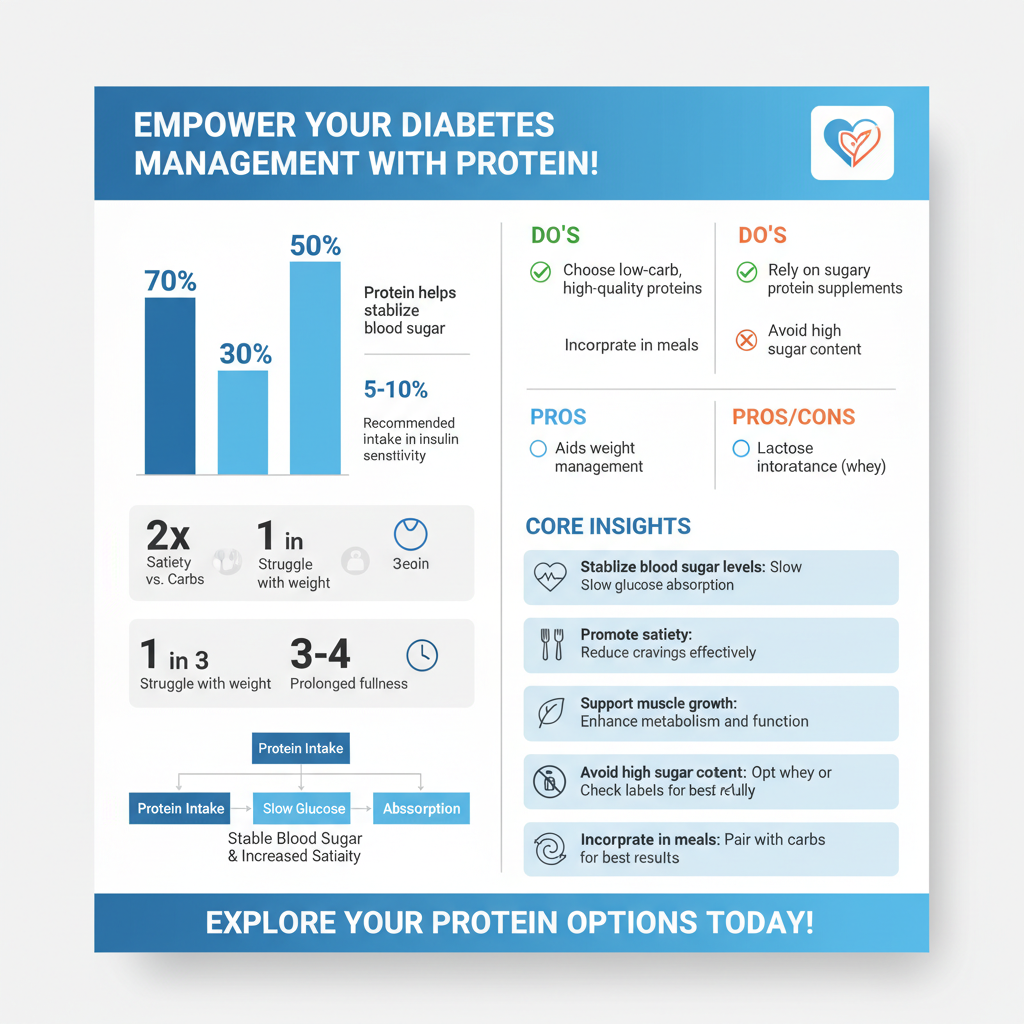
* Helps stabilize blood sugar levels by slowing down glucose absorption, preventing sharp spikes after meals. When you consume protein, especially alongside carbohydrates, it helps to slow down the digestion and absorption of sugars into your bloodstream. This means you experience a more gradual rise in blood glucose, rather than a sudden, dramatic spike, which is much healthier for your body and easier to manage with medication. Over time, consistent blood sugar control can also contribute to improved insulin sensitivity.
* Promotes satiety and reduces cravings, which can aid in weight management and control overeating. Protein is incredibly filling! It triggers the release of hormones that tell your brain you’re full, helping you feel satisfied for longer. This natural suppression of appetite can be a game-changer for weight management, a critical aspect of diabetes care. By reducing the urge to snack unnecessarily or overeat at meals, protein helps you maintain a healthier calorie intake and can lead to sustainable weight loss or maintenance.
* Supports muscle maintenance and growth, essential for metabolism and overall physical health in diabetics. Muscle tissue is metabolically active, meaning it burns more calories even at rest compared to fat tissue. Maintaining or building muscle mass is vital for diabetics because it enhances your body’s ability to use glucose for energy, improving insulin sensitivity. As we age, or when dealing with chronic conditions like diabetes, muscle loss can become a concern. Protein supplements provide the necessary building blocks (amino acids) to preserve existing muscle and support new muscle growth, contributing to a stronger metabolism and better physical function.
Key Considerations for Diabetic-Friendly Protein Supplements

When you’re sifting through the vast array of protein supplements on the market, it’s easy to feel overwhelmed. For someone with diabetes, a few critical factors should guide your decision-making process to ensure you pick a product that truly supports your health goals.
* Low in Carbohydrates and Sugars: This is perhaps the most important consideration. The primary goal of a protein supplement for someone with diabetes is to provide protein without negatively impacting blood sugar levels. Look for supplements that contain 5 grams or less of total carbohydrates per serving, and ideally, as close to zero grams of added sugars as possible. Higher carb counts, especially from simple sugars, will inevitably lead to blood glucose spikes, undermining your diabetes management efforts. Always check the “Total Carbohydrates” and “Sugars” lines on the nutrition label carefully.
* High-Quality Protein Source: Not all protein is created equal. A “high-quality” protein source provides a complete amino acid profile, meaning it contains all nine essential amino acids that your body cannot produce on its own. These essential amino acids are crucial for muscle repair, growth, hormone production, and countless other bodily functions. Look for protein sources like whey isolate, casein, pea protein, soy protein, or a blend of plant proteins to ensure you’re getting comprehensive nutritional support. These sources offer excellent bioavailability, meaning your body can efficiently absorb and utilize the protein.
* Minimal Artificial Additives: While many supplements use artificial sweeteners, colors, and fillers to enhance taste and texture, for diabetics, it’s often wise to opt for products with fewer of these ingredients. Some artificial sweeteners, even if calorie-free, have been linked to potential changes in gut microbiome composition or increased cravings for sweet foods in certain individuals. Furthermore, excessive fillers or artificial colors may not offer any health benefits and could potentially cause digestive discomfort or allergic reactions for some. Prioritizing products with natural flavorings and sweeteners (like stevia or monk fruit) and a shorter, cleaner ingredient list is generally a safer and healthier approach.
Top Protein Supplement Choices for Diabetics
Navigating the protein supplement aisle can be daunting, but certain types stand out as particularly beneficial for individuals managing diabetes. Their unique profiles make them excellent choices for supporting blood sugar control, muscle health, and satiety.
* Whey Protein Isolate: This is often considered the gold standard for protein supplements, especially for diabetics. Whey protein isolate undergoes a specialized filtering process that removes most of the lactose, fat, and carbohydrates, leaving behind a highly pure protein source. It’s incredibly low in carbs and sugars, making it an excellent choice for minimal impact on blood glucose levels. Whey isolate is also rapidly absorbed by the body, delivering amino acids quickly to muscles, which is ideal for post-workout recovery. Its high biological value ensures efficient utilization for muscle repair and growth, without adding unnecessary calories or blood-sugar-raising ingredients.
* Plant-Based Proteins (Pea, Soy, Rice Blends): For those with dairy allergies, lactose intolerance, or who follow a vegan or vegetarian diet, plant-based proteins offer a fantastic alternative.
* Pea Protein: Derived from yellow peas, pea protein is naturally low in carbohydrates and rich in branched-chain amino acids (BCAAs), which are important for muscle synthesis. It’s generally well-tolerated and easily digestible.
* Soy Protein: A complete protein, soy protein has been extensively studied and offers potential benefits beyond muscle support, including heart health. Ensure you choose non-GMO soy protein if this is a concern for you.
* Rice Protein: While rice protein alone is not a complete protein, it’s often blended with other plant proteins (like pea or hemp) to create a comprehensive amino acid profile.
Plant-based blends are an excellent option as they combine different protein sources to ensure you get all essential amino acids. They are typically low in carbs and can be a great way to boost protein intake without dairy.
* Casein Protein: Unlike whey, casein is a slow-digesting protein. It forms a gel-like substance in the stomach, leading to a gradual and sustained release of amino acids into the bloodstream over several hours. This “time-release” property makes casein an excellent choice for overnight recovery, as it can help prevent muscle breakdown during long periods without food. It’s also highly effective at promoting satiety, making it a good option to take before bed or during periods when you know you’ll be going a long time between meals, helping to control hunger and reduce the likelihood of unhealthy snacking.
Ingredients to Look For and Avoid
When you’re examining the ingredient list of a protein supplement, knowing what to prioritize and what to steer clear of is essential for managing your diabetes effectively. Think of the label as your personalized roadmap to better health choices!
* Look For:
* Natural Sweeteners like stevia, monk fruit, or erythritol: These sweeteners are derived from natural sources and have minimal to no impact on blood sugar levels, making them excellent choices for diabetics. They provide sweetness without the caloric load or glucose spikes associated with traditional sugars.
* Natural Flavors: Opting for natural flavors over artificial ones helps to reduce your exposure to synthetic compounds. While not always a direct concern for blood sugar, a cleaner ingredient profile generally aligns with a healthier lifestyle.
* Third-Party Tested Certifications for Purity and Quality: Labels like “NSF Certified for Sport,” “Informed-Sport,” or “USP Verified” indicate that the product has been independently tested for contaminants, heavy metals, banned substances, and that it contains the ingredients listed on the label in the correct amounts. This provides an extra layer of assurance regarding the product’s safety, purity, and quality, which is especially important for individuals managing a health condition.
* Avoid:
* High Fructose Corn Syrup (HFCS), Maltodextrin, Excessive Artificial Sweeteners (e.g., sucralose in large amounts), and Added Sugars: These are significant red flags for diabetics. HFCS and added sugars directly contribute to blood sugar spikes. Maltodextrin, often used as a filler or carb source, has a very high glycemic index and can raise blood sugar even more rapidly than table sugar. While artificial sweeteners like sucralose don’t directly raise blood sugar, consuming them in large quantities or frequently has been a topic of ongoing research regarding their potential impact on gut health and insulin sensitivity in some individuals. It’s generally best to minimize intake.
* Be mindful of sugar alcohols which can cause digestive discomfort in some individuals. Ingredients like xylitol, sorbitol, mannitol, and maltitol are commonly used as low-calorie sweeteners. While they have a lower impact on blood sugar than regular sugar, they can cause digestive upset such as bloating, gas, and diarrhea, especially when consumed in larger amounts. If a supplement contains these, start with a small serving to assess your tolerance.
Incorporating Protein Supplements into Your Diet
Adding a protein supplement to your daily routine can be a fantastic way to support your diabetes management, but it’s most effective when done strategically. Think about how you can best leverage its benefits to complement your existing diet and lifestyle.
* Strategic Timing: The “when” can be almost as important as the “what.”
* Post-workout for recovery: After exercise, your muscles are primed to absorb nutrients. A protein shake within 30-60 minutes post-workout can kickstart muscle repair and growth, crucial for maintaining a healthy metabolism and insulin sensitivity.
* As a high-protein snack between meals: If you find yourself getting hungry between main meals, a protein shake or a scoop of protein powder mixed into yogurt can be an excellent way to bridge the gap. It helps stabilize blood sugar, prevents hunger pangs that might lead to unhealthy snacking, and keeps you feeling full until your next meal.
* To boost the protein content of existing meals: Don’t limit protein powder to just shakes! Mixing unflavored or lightly flavored protein into oatmeal, pancake batter, or even soups can significantly increase their protein content, helping to slow down carbohydrate digestion and reduce the glycemic impact of the meal.
* Appropriate Dosage: More isn’t always better. Adhere to the serving sizes recommended on the product label, which typically provide around 20-30 grams of protein per serving. Your individual dietary needs will vary based on your body weight, activity level, and specific health goals. For example, someone aiming for significant muscle gain might need more protein than someone primarily using it for satiety. It’s always best to discuss your specific protein requirements with your doctor or a registered dietitian.
* Versatile Use: Protein supplements are incredibly adaptable, making them easy to incorporate into various foods and drinks beyond a simple shake.
* Mix seamlessly into water, milk (dairy or non-dairy), or smoothies: This is the most common and easiest way to consume protein. Use unsweetened almond milk, soy milk, or water for minimal carb impact.
* Stir into oatmeal or yogurt: Add a scoop to your morning oatmeal or Greek yogurt for an extra protein boost that keeps you satisfied through the morning.
* Baking and cooking: Many protein powders (especially unflavored or vanilla/chocolate) can be incorporated into recipes for protein pancakes, muffins, energy balls, or even savory dishes, adding nutritional value without compromising taste. Get creative and explore different ways to enjoy your protein!
Important Considerations and Professional Guidance
While protein supplements can be a powerful tool in your diabetes management kit, they are just one piece of the puzzle. It’s vital to approach their use thoughtfully and with professional oversight to ensure they are safe and effective for your unique health profile.
* Always consult your doctor or a registered dietitian before introducing any new supplement into your regimen. This is paramount. Your healthcare team understands your specific medical history, current medications, and overall health status. They can help you determine if a protein supplement is appropriate for you, recommend the best type and dosage, and ensure it won’t interact negatively with any other treatments or medications you’re taking for your diabetes or other conditions. What works for one person may not work for another, and personalized advice is key.
* Monitor your blood sugar levels closely to understand how specific protein supplements affect your unique metabolic response. Everyone’s body reacts differently to foods and supplements. Even with low-carb protein powders, it’s a good practice to check your blood sugar before and after consuming a new supplement, especially in the initial days. This monitoring will provide valuable insights into how your body responds and help you fine-tune your choices and timing for optimal blood glucose control. Keep a log if it helps you track patterns.
* Be aware of potential interactions with medications you may be taking, and ensure the supplement aligns with your overall health plan. Certain ingredients in supplements, even natural ones, can sometimes interfere with the absorption or effectiveness of prescription medications. For example, high doses of certain nutrients or specific plant extracts found in some blends could potentially interact with blood thinners, blood pressure medications, or even some diabetes medications. Your healthcare provider can screen for these potential interactions and ensure that any supplement you choose complements, rather than conflicts with, your comprehensive diabetes management plan. Remember, supplements are meant to supplement a healthy diet and lifestyle, not replace them or prescribed medications.
Selecting the best protein supplement can significantly support your diabetes management by helping control blood sugar, promote satiety, and maintain muscle health. Focus on low-carb, high-quality options like whey protein isolate or plant-based proteins, and always review ingredient lists carefully to avoid added sugars and unwanted additives. For personalized advice and to ensure any supplement fits your specific health needs and medication regimen, make sure to consult with your healthcare provider or a registered dietitian.
Frequently Asked Questions
What is the best type of protein supplement for individuals with diabetes?
For individuals with diabetes, the best protein supplement often depends on individual dietary needs and preferences, but generally, whey protein isolate, casein, or plant-based proteins like pea or soy protein are excellent choices. These options are typically low in carbohydrates and sugars, minimizing impact on blood glucose while providing essential amino acids. Always opt for products with minimal added ingredients and no artificial sweeteners or excessive fats to ensure better blood sugar management.
How do protein supplements affect blood sugar levels for someone with diabetes?
Protein supplements, when chosen wisely, can have a beneficial effect on blood sugar levels for individuals with diabetes. Protein helps slow down glucose absorption from other foods, leading to a more gradual rise in blood sugar rather than a sharp spike. Additionally, protein promotes satiety, which can assist with weight management and reduce the likelihood of overeating, both crucial factors in diabetes control.
Which ingredients should diabetics avoid when selecting a protein supplement?
Diabetics should primarily avoid protein supplements high in added sugars, artificial sweeteners like sucralose or aspartame, and excessive carbohydrates. Look out for ingredients such as maltodextrin, corn syrup solids, and hidden sugars often listed as “dextrose” or “fructose.” Furthermore, steer clear of products with unnecessary fillers, artificial colors, or unhealthy fats that could negatively impact metabolic health.
Why should someone with diabetes consider incorporating a protein supplement into their diet?
Incorporating a protein supplement can be highly beneficial for individuals managing diabetes for several reasons. Protein helps maintain muscle mass, which is crucial for metabolism and insulin sensitivity, and it can significantly improve satiety, reducing cravings and aiding in weight control. Furthermore, adequate protein intake supports stable blood sugar levels by slowing carbohydrate digestion and preventing rapid glucose spikes.
What key factors should a diabetic consider when choosing a protein supplement?
When choosing a protein supplement, diabetics should prioritize products with low net carbs, minimal or no added sugars, and a clean ingredient list. Always check the nutrition label for sugar content, carbohydrate count, and the type of protein (e.g., whey isolate, pea, casein). Consulting with a healthcare provider or registered dietitian is highly recommended to select a supplement that aligns with individual dietary needs and medical conditions.
References
- https://diabetesjournals.org/care/article/43/Supplement_1/S48/42557/7-Nutrition-Therapy-for-Adults-With-Diabetes-or
- https://www.mayoclinic.org/diseases-conditions/diabetes/in-depth/diabetes-diet/art-20044295
- https://www.mayoclinic.org/healthy-lifestyle/nutrition-and-healthy-eating/in-depth/protein-shakes/art-20045061
- https://www.ncbi.nlm.nih.gov/pmc/articles/PMC6682977/
- https://pubmed.ncbi.nlm.nih.gov/30396009/
- https://pubmed.ncbi.nlm.nih.gov/35626920/
