
The best pre-diabetic diet centers around whole, unprocessed foods rich in fiber, lean proteins, and healthy fats, while significantly reducing refined carbohydrates and added sugars. Adopting this eating pattern is crucial for stabilizing blood sugar levels, improving insulin sensitivity, and preventing the progression to type 2 diabetes. This guide will help you understand what to eat and how to plan your meals effectively.
Understanding Prediabetes and the Role of Diet
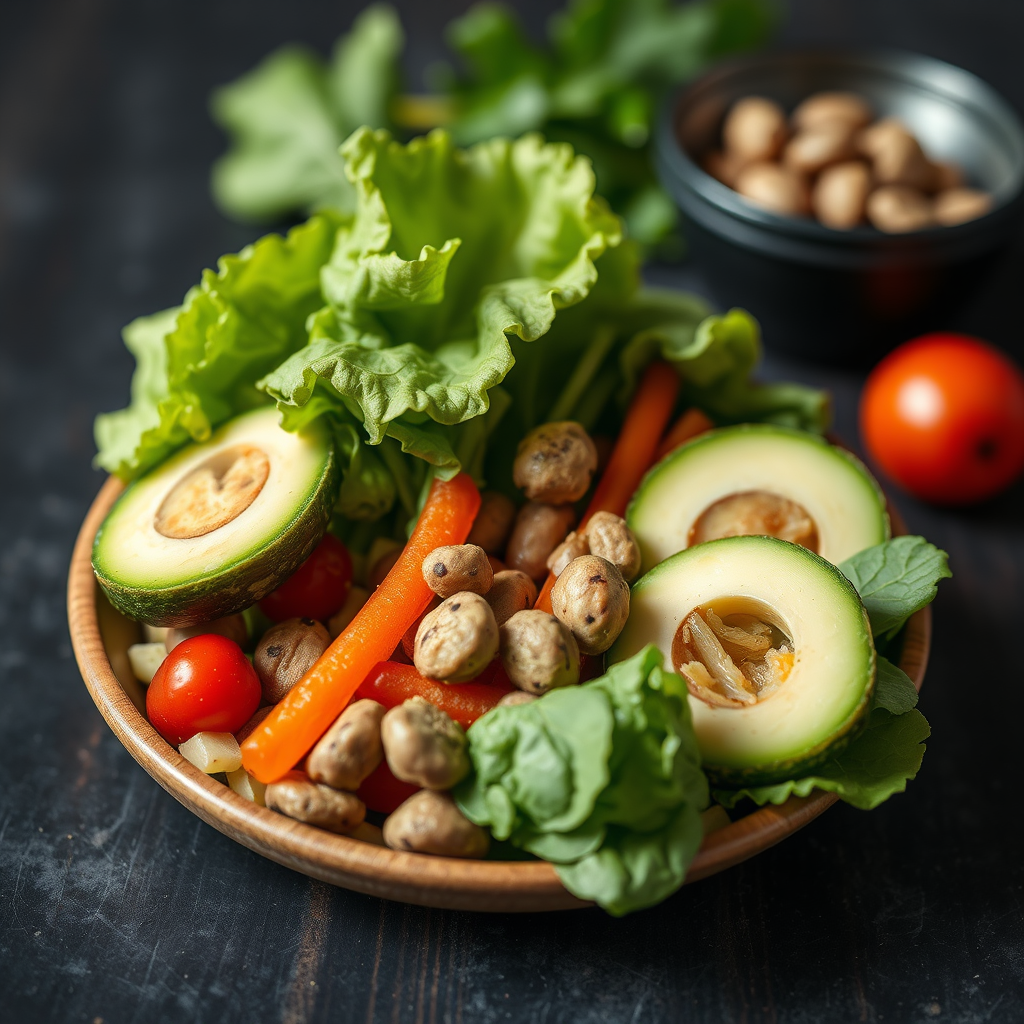
Prediabetes is a serious health condition where your blood sugar levels are higher than normal, but not quite high enough to be diagnosed as full-blown type 2 diabetes. Think of it as a critical warning sign from your body – a chance to take action and potentially reverse course. Unfortunately, millions of people have prediabetes and don’t even know it, which is why understanding your risks and making proactive changes is so important. Without intervention, prediabetes often progresses to type 2 diabetes within five to ten years, increasing your risk for serious health complications like heart disease, stroke, kidney disease, and nerve damage.
The good news? Diet isn’t just a tool for managing prediabetes; it’s arguably the primary and most powerful one. What you choose to eat on a daily basis directly impacts your blood sugar levels and your body’s ability to use insulin effectively. Insulin is the hormone responsible for allowing sugar (glucose) from your food to enter your cells for energy. When you have prediabetes, your cells may become less responsive to insulin (a condition called insulin resistance), or your pancreas may not produce enough insulin to keep up with the demand.
By making smart dietary modifications, you can significantly improve your insulin sensitivity, meaning your cells become better at responding to insulin, and help your body manage glucose more efficiently. This not only helps stabilize blood sugar but can also reduce the stress on your pancreas, potentially reversing prediabetes altogether and stopping its progression to type 2 diabetes. It’s about empowering yourself with knowledge and making conscious choices that support your long-term health.
Core Principles of an Effective Pre-Diabetic Diet
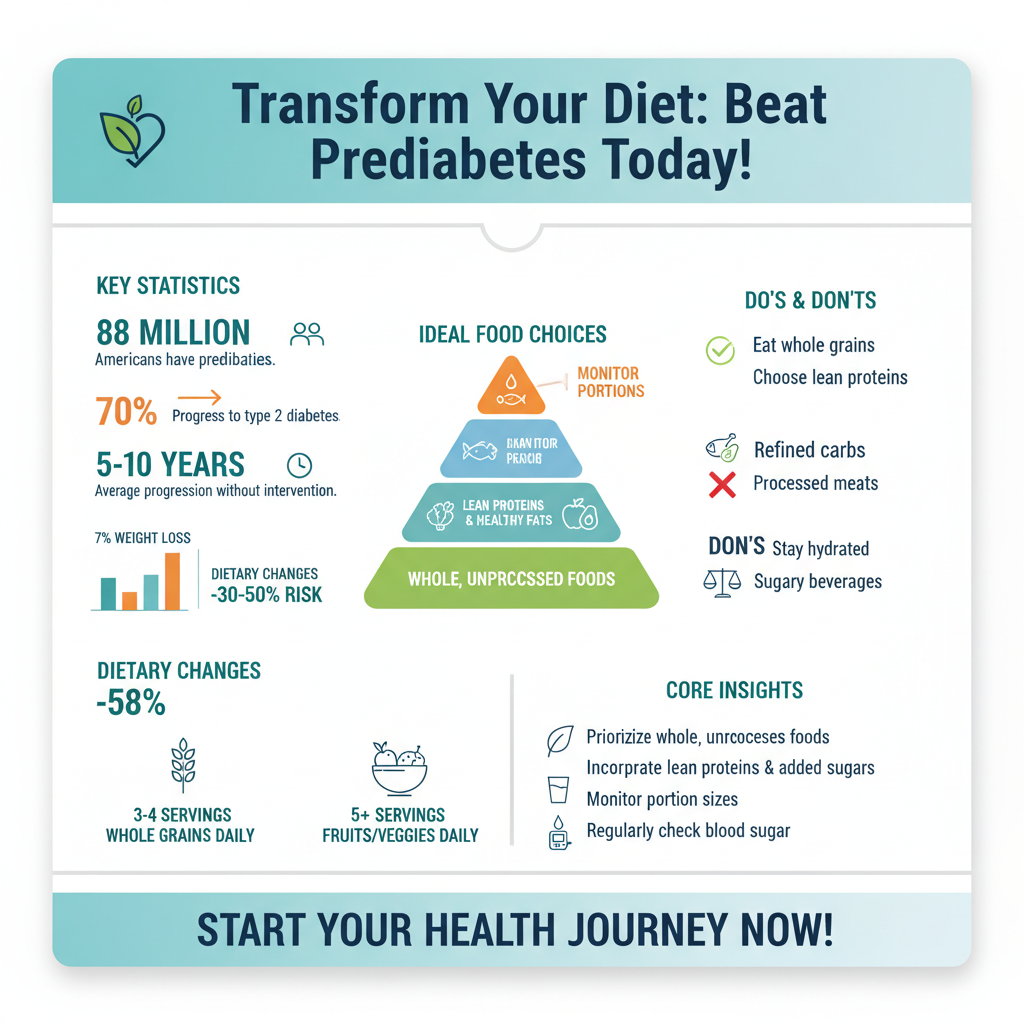
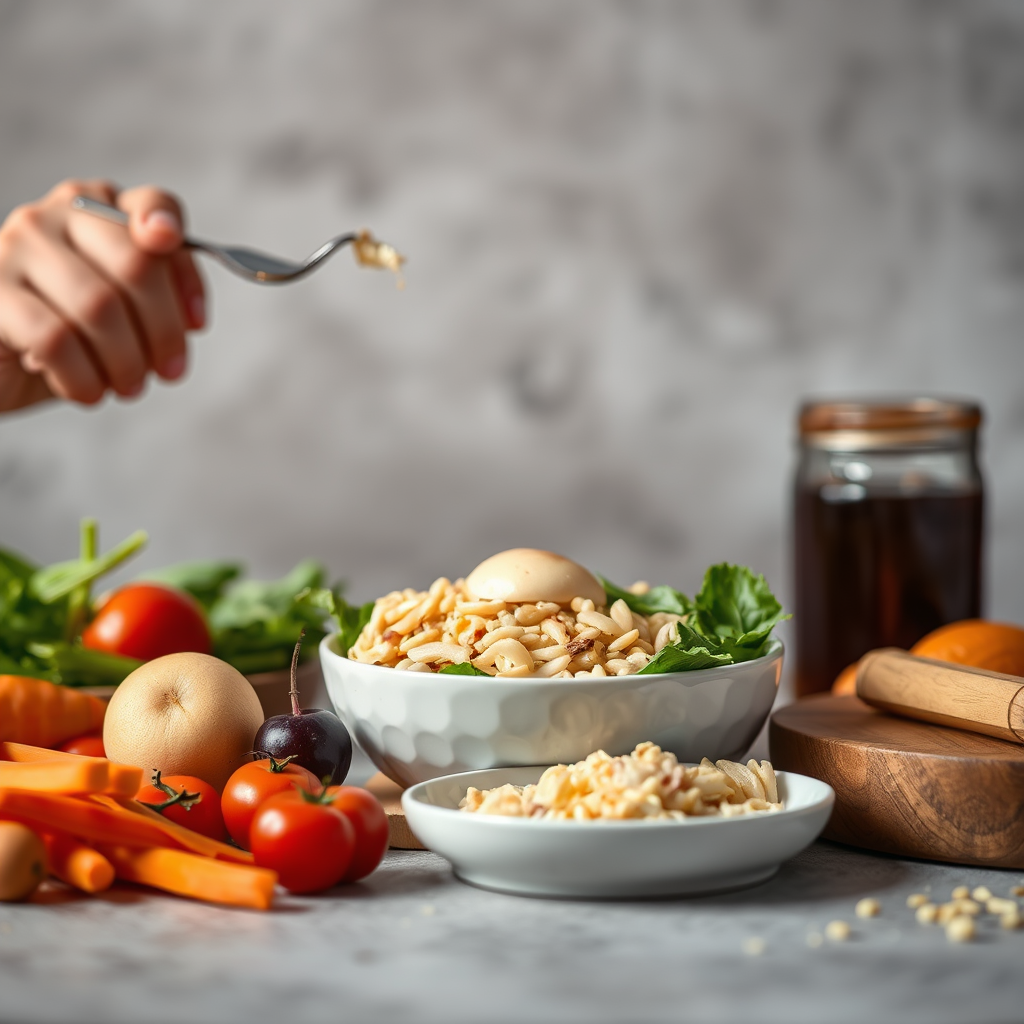
Embarking on a pre-diabetic diet doesn’t mean deprivation; it means making smart, sustainable choices that nourish your body and stabilize your blood sugar. Here are the foundational principles that will guide your eating habits:
* Focus on whole, unprocessed foods: This is the cornerstone of a pre-diabetic diet. Prioritize foods in their most natural, unrefined state. Think of it as eating “real food.” This includes fresh fruits and vegetables, whole grains like oats, quinoa, and brown rice, legumes such as lentils and beans, lean proteins like chicken, fish, and eggs, and healthy fats from avocados, nuts, and seeds. These foods are packed with essential vitamins, minerals, and antioxidants, and are free from the added sugars, unhealthy fats, and artificial ingredients often found in processed foods. Choosing whole foods helps your body regulate blood sugar more effectively because they are digested more slowly, preventing rapid spikes.
* Emphasize fiber intake: Fiber is your best friend when it comes to blood sugar management. It’s a type of carbohydrate that your body can’t digest, and it plays several crucial roles. Soluble fiber (found in oats, beans, apples, and citrus) dissolves in water to form a gel, which slows down the absorption of sugar into your bloodstream, leading to more stable blood sugar levels. Insoluble fiber (found in whole grains, nuts, and many vegetables) adds bulk to your stool, promoting digestive health. Both types of fiber also help you feel fuller for longer, reducing the likelihood of overeating and unhealthy snacking. Aim for at least 25-38 grams of fiber per day by filling your plate with a variety of high-fiber options.
* Balance macronutrients: A balanced plate is a powerful plate! Incorporating a healthy balance of complex carbohydrates, lean proteins, and healthy fats in each meal is vital for managing blood sugar spikes and maintaining sustained energy. Complex carbohydrates (like whole grains and vegetables) provide sustained energy without the rapid sugar rush. Lean proteins (like chicken, fish, and legumes) help slow down carbohydrate digestion, increase satiety, and support muscle maintenance. Healthy fats (from sources like avocados, nuts, seeds, and olive oil) also contribute to satiety, aid in nutrient absorption, and further slow digestion, preventing sharp blood sugar increases after meals. The synergy of these macronutrients working together is key to a stable metabolic response.
Foods to Prioritize for Blood Sugar Control
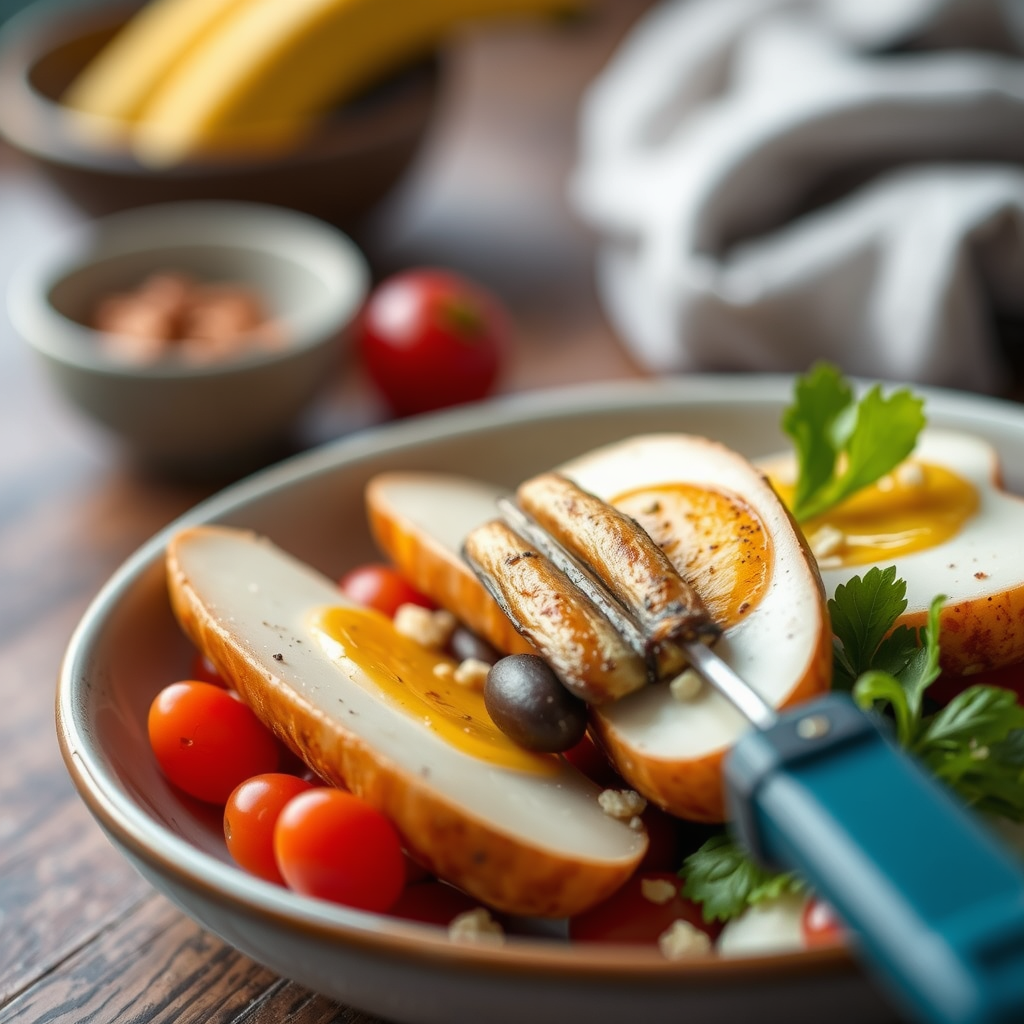
Building a delicious and effective pre-diabetic diet is all about choosing the right ingredients. Here’s a closer look at the powerhouses you should be adding to your shopping cart:
* Non-starchy vegetables: These colorful gems should be the foundation of almost every meal. They are incredibly low in calories, high in fiber, and packed with vitamins, minerals, and antioxidants, making them perfect for blood sugar control. Think about filling at least half your plate with options like vibrant leafy greens (spinach, kale, romaine), crunchy broccoli and cauliflower, sweet bell peppers, versatile zucchini and cucumber, crisp asparagus, and juicy tomatoes. They add volume, flavor, and nutrients without significantly impacting your blood sugar. Enjoy them raw in salads, steamed, roasted, grilled, or added to stir-fries and soups. The more variety you include, the broader the range of nutrients you’ll get!
* Whole grains and legumes: These provide the complex carbohydrates your body needs for energy, along with a significant boost of fiber. Unlike refined grains, which are stripped of their beneficial bran and germ, whole grains are digested slowly, preventing rapid blood sugar spikes. Choose options like steel-cut oats for breakfast, quinoa or brown rice as a side dish, or whole-wheat pasta in moderation. Legumes, including lentils, black beans, chickpeas, and kidney beans, are nutritional powerhouses. They’re rich in both fiber and plant-based protein, making them excellent choices for satiety and blood sugar regulation. Incorporate them into soups, stews, salads, or even make your own delicious bean burgers.
* Lean proteins and healthy fats: These macronutrients are essential for building and repairing tissues, promoting satiety, and ensuring steady blood sugar levels. Proteins help slow down glucose absorption, while healthy fats further contribute to that steady release of energy, keeping you feeling full and satisfied. Prioritize lean protein sources like fish (especially fatty fish like salmon, mackerel, and sardines, which are rich in omega-3s), skinless poultry (chicken and turkey breast), eggs, and plant-based options like tofu and tempeh. For healthy fats, incorporate avocados (great in salads or on whole-grain toast), nuts (almonds, walnuts, pecans) and seeds (chia, flax, pumpkin) in moderation, and extra virgin olive oil for cooking and salad dressings. These fats are crucial for overall health, including heart health, and help you absorb fat-soluble vitamins.
Foods to Limit or Avoid for Optimal Health
Just as important as knowing what to eat is understanding what to reduce or eliminate from your diet to effectively manage prediabetes and prevent its progression. These foods can wreak havoc on your blood sugar levels and contribute to insulin resistance.
* Refined carbohydrates: This category includes foods that have been highly processed, stripping them of their beneficial fiber, vitamins, and minerals. They are rapidly digested and absorbed, leading to quick and significant spikes in blood sugar. Drastically reduce your intake of white bread, pastries, sugary breakfast cereals (even many that claim to be “healthy”), white pasta, and white rice. These foods offer little nutritional value beyond empty calories and can sabotage your efforts to stabilize blood sugar. Instead, opt for their whole-grain counterparts or simply increase your intake of non-starchy vegetables as your primary carbohydrate source.
* Added sugars: This is perhaps the biggest culprit in modern diets contributing to blood sugar issues. Added sugars provide empty calories and cause rapid, dramatic blood sugar spikes, followed by energy crashes. They also contribute to inflammation and weight gain. Steer clear of obvious sources like soda, sweetened fruit juices (even “100% juice” can be very high in natural sugars, so limit intake), candy, processed desserts (cookies, cakes, ice cream), and sweetened beverages like sweet tea and many flavored coffees. Read food labels carefully, as added sugars are often hidden in sauces, condiments, yogurts, and even seemingly savory items. Look for ingredients like high-fructose corn syrup, sucrose, dextrose, and maltose.
* Unhealthy fats: While healthy fats are crucial, certain fats can negatively impact your insulin sensitivity and overall cardiovascular health, which is a particular concern for individuals with prediabetes. Limit saturated fats found in high-fat processed meats (like sausages and bacon), full-fat dairy products, and butter. Trans fats, often found in fried foods, commercial baked goods (like cookies and crackers), and some margarines, are particularly harmful and should be avoided entirely. These unhealthy fats can contribute to inflammation and make your cells more resistant to insulin. Choose leaner protein sources and cooking methods that don’t involve deep-frying, and opt for healthy fats like those from avocados, nuts, seeds, and olive oil instead.
Practical Meal Planning and Portion Control
Knowledge about what to eat is powerful, but putting it into practice requires a strategy. Meal planning and mastering portion control are game-changers for managing prediabetes successfully.
* Plan balanced meals: Don’t leave your meals to chance! Taking a little time to plan ahead can make a huge difference. Aim for meals that consistently include a lean protein, a generous serving of non-starchy vegetables, and a modest, controlled serving of complex carbohydrates. For example, a dinner could be baked salmon with a large side of roasted broccoli and a small serving of quinoa. Lunch might be a chicken and veggie stir-fry over a small amount of brown rice. Breakfast could be steel-cut oats with berries and a sprinkle of nuts, or scrambled eggs with spinach and a slice of whole-wheat toast. Planning helps ensure you have healthy options readily available, reducing the temptation for less healthy choices when hunger strikes. Consider batch cooking staples like grilled chicken or roasted vegetables at the beginning of the week.
* Smart snacking: Snacking can be a valuable tool to keep your blood sugar stable between meals and prevent you from becoming overly hungry, which can lead to overeating later. However, the *type* of snack is crucial. Skip the chips, candy bars, and cookies. Instead, choose snacks that are balanced with protein and fiber. Excellent options include a handful of raw almonds or walnuts, a serving of plain Greek yogurt with a few berries, an apple with a tablespoon of natural peanut butter, carrot sticks or bell pepper slices with hummus, or a hard-boiled egg. These choices will provide sustained energy and keep you feeling satisfied without causing a rapid spike in blood sugar.
* Portion awareness: Even healthy foods can contribute to weight gain and blood sugar issues if consumed in overly large portions. Learning appropriate portion sizes is essential. Use visual cues: a serving of protein (like chicken or fish) is about the size of your palm, a serving of complex carbohydrates (like rice or pasta) is about the size of a cupped hand, and a serving of healthy fats (like nuts) is about a small handful. Start by occasionally measuring your food to retrain your eye, or use smaller plates to make your portions look more substantial. Pay attention to your body’s hunger and fullness cues – eat slowly and mindfully, stopping when you feel comfortably full, not stuffed. This practice helps you avoid overeating, even with healthy foods, and supports stable blood sugar levels.
Beyond Diet: Lifestyle Factors for Prediabetes Management
While diet is undoubtedly the cornerstone of prediabetes management, it’s part of a holistic approach to your health. Incorporating other positive lifestyle changes can significantly amplify your efforts and improve your overall well-being.
* Regular physical activity: Moving your body is incredibly powerful for improving insulin sensitivity. When you exercise, your muscles use glucose for energy, which helps lower your blood sugar levels. It also helps your cells become more responsive to insulin, meaning your body needs less insulin to process glucose. Aim for at least 150 minutes of moderate-intensity aerobic exercise per week, such as brisk walking, swimming, cycling, or dancing. Additionally, incorporate strength training exercises (using weights, resistance bands, or your own body weight) at least two times a week, as building muscle mass further improves glucose uptake. Even small bouts of activity throughout the day, like taking the stairs or going for a short walk after meals, can make a difference. Find activities you enjoy so you’ll stick with them!
* Adequate hydration: Don’t underestimate the power of plain water! Staying well-hydrated is crucial for overall metabolic function, including how your body processes glucose. Water helps your kidneys flush out excess sugar through urine when blood sugar levels are high. It also prevents dehydration, which can sometimes lead to concentrated blood sugar readings. Make water your primary beverage throughout the day, aiming for at least 8 glasses (around 2 liters), or more if you’re active or in a hot climate. Crucially, replace sugary drinks like soda, sweetened teas, and fruit juices with water, sparkling water with a slice of lemon, or unsweetened herbal tea.
* Stress management and sleep: These often-overlooked factors have a direct impact on your blood sugar. Chronic stress triggers the release of hormones like cortisol, which can increase blood sugar levels and contribute to insulin resistance. Finding healthy ways to manage stress is vital. This could include practicing mindfulness or meditation, engaging in hobbies, spending time in nature, deep breathing exercises, or connecting with loved ones. Similarly, insufficient or poor-quality sleep can negatively affect insulin sensitivity and increase appetite, making it harder to stick to your dietary goals. Aim for 7-9 hours of quality sleep each night. Establish a consistent sleep schedule, create a relaxing bedtime routine, and ensure your bedroom is dark, quiet, and cool to promote restful sleep. Prioritizing both stress reduction and adequate sleep are essential components of a comprehensive prediabetes management plan.
Adopting a pre-diabetic diet focused on whole, nutrient-dense foods is your most powerful step toward reversing prediabetes and safeguarding your health. By prioritizing high-fiber vegetables, lean proteins, healthy fats, and complex carbohydrates, while limiting processed foods and added sugars, you can effectively manage blood sugar and improve your overall well-being. Remember that consistency is key, and even small changes can lead to significant improvements over time. Start incorporating these changes today, and consider consulting a healthcare professional or registered dietitian for personalized guidance on your journey.
Frequently Asked Questions
What is the best pre-diabetic diet, and what are its core principles?
The “best pre-diabetic diet” focuses on whole, unprocessed foods that help stabilize blood sugar and improve insulin sensitivity. Its core principles include significantly reducing intake of refined carbohydrates and added sugars, increasing fiber through abundant fruits, vegetables, and whole grains, and incorporating lean proteins and healthy fats. This dietary approach is crucial for managing blood glucose levels and preventing the progression to type 2 diabetes.
How can I effectively lower my blood sugar with dietary changes if I’m prediabetic?
To effectively lower blood sugar through diet, prioritize consistent meal patterns focusing on complex carbohydrates with a low glycemic index, such as oats, legumes, and most vegetables, over simple sugars. Ensure each meal includes plenty of non-starchy vegetables, lean protein sources like chicken, fish, or tofu, and healthy fats from avocados, nuts, or olive oil. These combined dietary changes help prevent sharp blood sugar spikes, aiding significantly in prediabetes management.
Which foods should I absolutely avoid or limit when following a prediabetes diet?
When managing prediabetes, it’s crucial to strictly limit or avoid foods high in added sugars, such as sugary drinks, candies, pastries, and many processed snacks, as they cause rapid blood sugar spikes. Minimize consumption of refined carbohydrates like white bread, white rice, and pasta, which lack fiber and are quickly converted to sugar. Additionally, reduce intake of unhealthy saturated and trans fats found in fried foods and highly processed items, as they can worsen insulin resistance.
What are the top superfoods or nutrient-dense options for a pre-diabetic meal plan?
Excellent nutrient-dense options for a pre-diabetic meal plan include leafy green vegetables (spinach, kale), berries, and whole grains like quinoa and steel-cut oats, which are rich in fiber and antioxidants. Incorporate legumes such as lentils and chickpeas for plant-based protein and complex carbohydrates. Healthy fats from avocados, nuts, seeds, and olive oil, along with lean protein sources like salmon, chicken breast, and Greek yogurt, are also highly beneficial for stable blood sugar and overall health.
How does meal timing or portion control factor into a successful pre-diabetic diet?
Meal timing and portion control are critical components of a successful pre-diabetic diet, complementing your food choices. Eating consistent, balanced meals at regular intervals throughout the day can help prevent extreme hunger and subsequent overeating, which often leads to blood sugar spikes. Controlling portion sizes, especially of carbohydrate-rich foods, ensures you’re not consuming more sugar than your body can efficiently process, thus aiding in effective blood glucose management and sustainable weight control.
References
- https://www.cdc.gov/diabetes/basics/prediabetes-diet.html
- https://diabetes.org/healthy-living/recipes-nutrition/eating-healthy/type-2-diabetes-diet-plan
- Healthy Living with Diabetes – NIDDK
- https://www.mayoclinic.org/diseases-conditions/prediabetes/expert-answers/prediabetes-diet/faq-20058273
- https://www.health.harvard.edu/staying-healthy/the-best-diet-to-prevent-diabetes
- https://my.clevelandclinic.org/health/articles/21498-prediabetes-diet
- https://www.who.int/news-room/fact-sheets/detail/diabetes
- Prediabetes
