
Navigating the world of pasta with diabetes doesn’t mean giving up your favorite meals entirely. The best pasta for diabetes generally involves options rich in fiber and protein, such as whole wheat, legume-based (lentil, chickpea), or certain low-carb alternatives. These choices help slow down glucose absorption, preventing sharp blood sugar spikes compared to traditional white pasta, allowing you to enjoy a delicious meal while keeping your health goals on track.
Understanding Pasta’s Impact on Blood Sugar
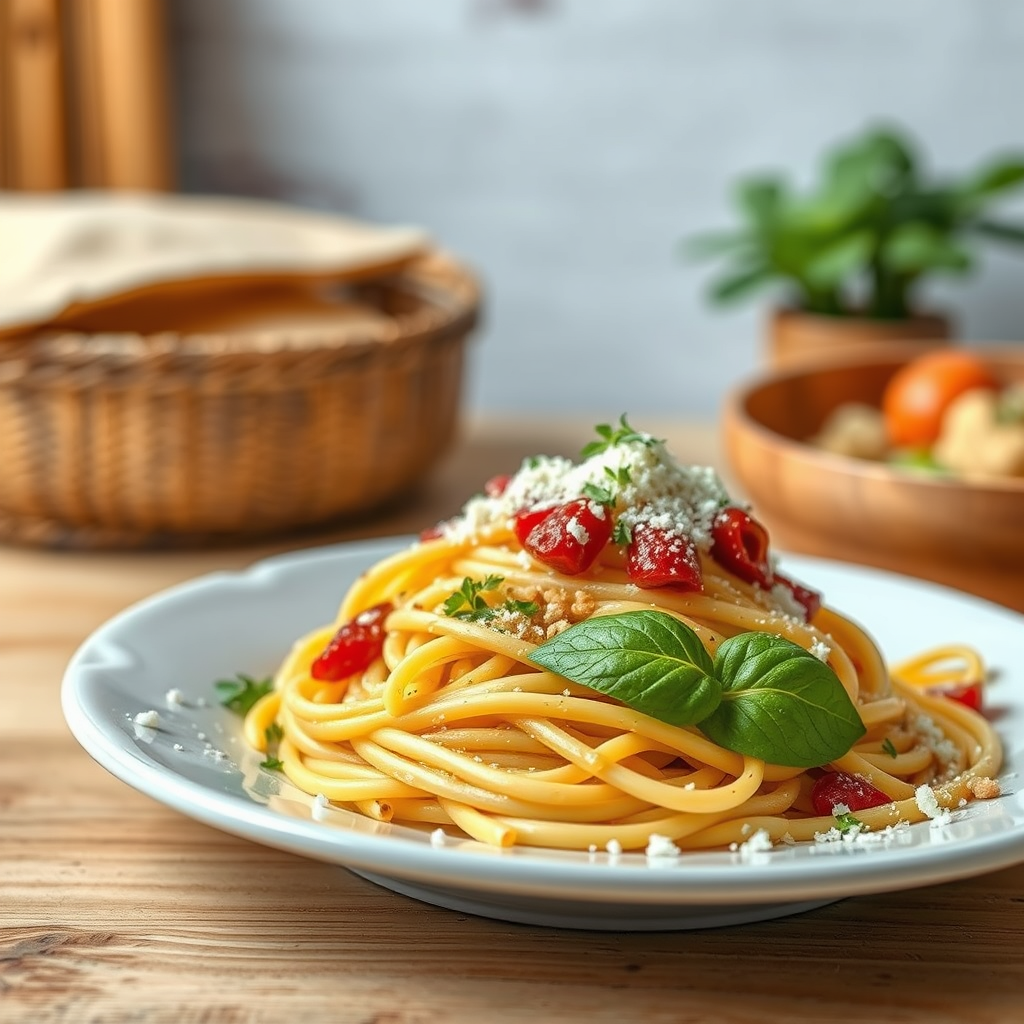
Pasta, a beloved staple in many diets, can significantly impact blood sugar levels, especially for individuals managing diabetes. Understanding why and how different types of pasta affect your body is the first step toward making smarter choices.
* Glycemic Index (GI): Traditional white pasta has a high Glycemic Index (GI), which means it can cause rapid and substantial increases in blood sugar. The GI is a value assigned to foods based on how quickly they raise blood glucose levels. Foods with a high GI are quickly digested and absorbed, leading to a fast glucose spike, whereas low GI foods are digested more slowly, resulting in a more gradual and sustained rise in blood sugar. This rapid surge from high-GI foods can be particularly challenging for people with diabetes, potentially leading to hyperglycemia and making blood sugar management more difficult in the long run.
* Refined Grains: Most conventional pastas are made from refined white flour. During the refining process, the bran and germ are stripped away from the wheat kernel, removing much of the beneficial fiber, vitamins, and minerals. What’s left is primarily the starchy endosperm, which is quickly broken down into glucose during digestion. Without the buffering effect of fiber, these refined carbohydrates hit your bloodstream quickly, contributing to those undesirable blood sugar spikes. It’s a key reason why whole grain options are often championed for better health.
* Portion Control: Even “healthy” pastas, such as whole wheat or legume-based varieties, contain carbohydrates and require careful portion management to fit within a diabetes meal plan. While they offer superior nutritional profiles compared to white pasta, they are not “carb-free.” Consuming too much, regardless of the type, can still lead to elevated blood sugar. Effective portion control is a cornerstone of diabetes management, ensuring that your carbohydrate intake aligns with your body’s needs and medication regimen. Understanding your serving size (often around ½ to ¾ cup cooked) is just as important as choosing the right kind of pasta.
Top Pasta Choices for Diabetes Management
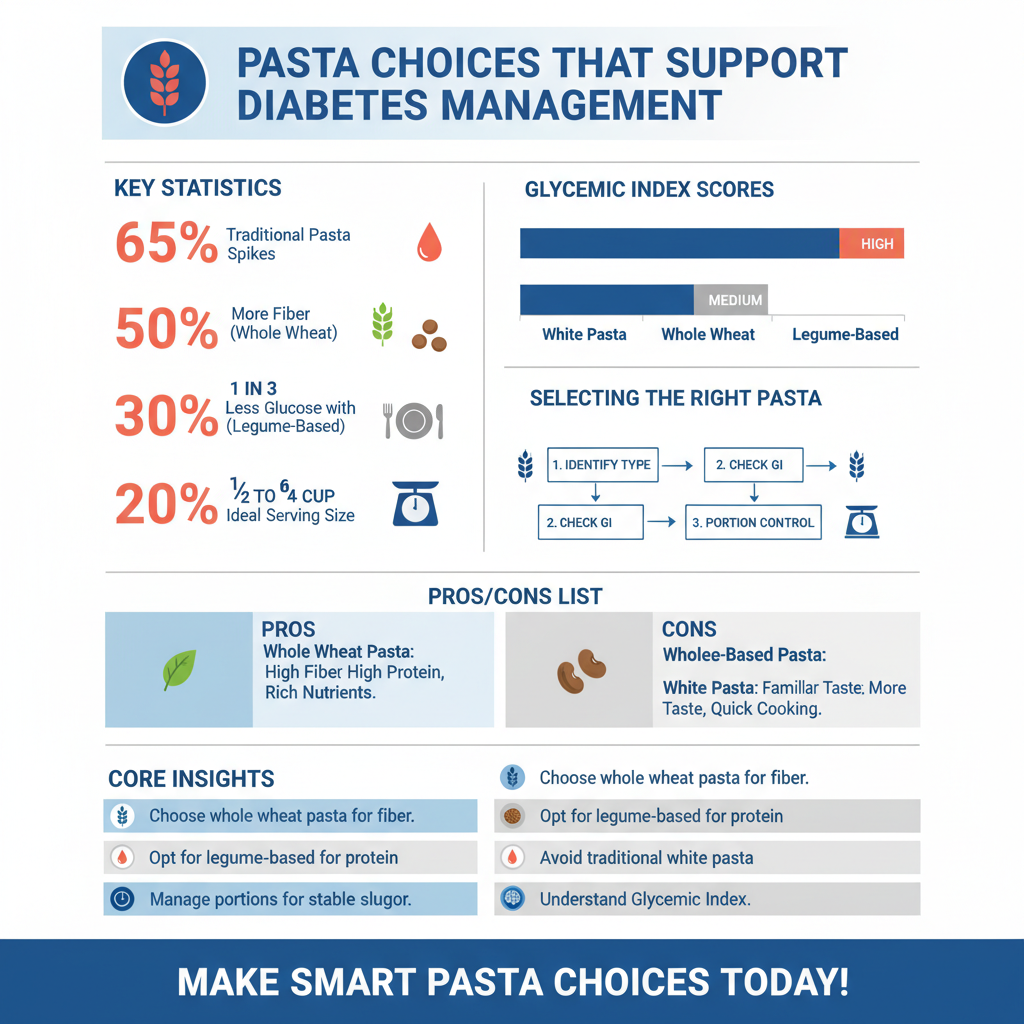

The good news is that the culinary landscape has evolved, offering fantastic pasta alternatives that cater to blood sugar management without sacrificing flavor or the comforting experience of a pasta meal.
* Whole Wheat Pasta: This is often the most accessible and popular choice for those looking to manage blood sugar. Whole wheat pasta is significantly higher in fiber than its white flour counterpart because it retains the entire wheat kernel – bran, germ, and endosperm. This increased fiber content helps to slow digestion and the absorption of glucose into the bloodstream, leading to a more gradual rise in blood sugar. Beyond fiber, whole wheat pasta also offers more B vitamins, iron, and magnesium. It provides a familiar texture and taste, making it an easy switch for many people transitioning from white pasta. Look for “100% whole wheat” on the label to ensure you’re getting the full benefits.
* Legume-Based Pastas: Made from flours derived from lentils, chickpeas, black beans, or edamame, these pastas are powerhouses of nutrition. They are exceptional sources of both fiber and plant-based protein, offering a much lower Glycemic Index compared to traditional wheat pastas. The combination of high fiber and high protein works synergistically to significantly slow down carbohydrate digestion and absorption, keeping you feeling full longer and helping to prevent sharp blood sugar spikes. For example, chickpea pasta can have nearly twice the protein and four times the fiber of regular pasta. Plus, they often come with their own unique, delicious flavor profiles and pleasing textures.
* Low-Carb & Vegetable-Based Options: For those seeking even lower carbohydrate counts, several innovative options have emerged:
* Shirataki noodles: These translucent, gelatinous noodles are made from konjac root and are almost carb-free. They consist mostly of water and a soluble fiber called glucomannan, which moves through your digestive system without being absorbed. Shirataki noodles have virtually no calories or net carbs and can be a fantastic base for various pasta dishes, taking on the flavor of your sauce. They are great for truly minimizing carbohydrate impact.
* Pastas made from almond or soy flour: These options offer a reduced carb count compared to wheat-based pastas and often boast higher protein and healthy fat content. While they may have a slightly different texture, they can be a great alternative for those on stricter low-carb eating plans. Always check the nutrition labels, as carb counts can vary between brands.
* Hearts of Palm Pasta: Another excellent, very low-carb option, hearts of palm pasta is made from the inner core of certain palm trees. It’s pre-cooked, versatile, and has a mild flavor that adapts well to various sauces.
Key Nutritional Factors to Consider
When choosing pasta for diabetes management, digging a little deeper into the nutritional label can empower you to make the best decision for your health.
* Fiber Content: This is your best friend when it comes to blood sugar control. Aim for at least 3-5 grams of fiber per serving in your pasta. Fiber slows down the rate at which carbohydrates are digested and absorbed, which means a slower, more controlled release of glucose into your bloodstream. This helps prevent rapid blood sugar spikes and contributes to greater satiety, keeping you feeling full and satisfied for longer. Adequate fiber intake also supports gut health and can help lower cholesterol.
* Protein Content: A higher protein content (look for at least 5-7 grams per serving, but more is better!) helps to further slow down carbohydrate absorption. Protein also plays a crucial role in satiety, helping to reduce hunger and prevent overeating. When carbohydrates are consumed alongside protein, the overall glycemic response of the meal is often lowered, making it a powerful combination for managing blood sugar effectively. Plant-based proteins in legume pasta are particularly beneficial.
* Net Carbs: This calculation is incredibly helpful for people managing diabetes. Net carbs are calculated by taking the total carbohydrates and subtracting the fiber (and sometimes sugar alcohols, though these are less common in pasta). Since fiber isn’t digested and absorbed in the same way as other carbohydrates, it doesn’t significantly impact blood sugar. Focusing on net carbs gives you a clearer picture of the carbohydrates that *will* affect your blood glucose. For example, a pasta with 40g total carbs and 10g fiber has 30g net carbs, which is the figure you should primarily consider for your meal plan.
* Ingredient List: Always make it a habit to read the ingredient list carefully. Prioritize pastas with simple, whole-food ingredients. For whole wheat pasta, the first ingredient should be “100% whole wheat flour.” For legume-based pasta, you should see “lentil flour,” “chickpea flour,” etc., as the primary ingredient. Avoid pastas with added sugars (which can be hidden under names like high-fructose corn syrup, dextrose, or maltose), excessive sodium, or artificial colors and flavors. Simpler is always better for nutritional integrity and blood sugar control.
Smart Strategies for Enjoying Pasta Safely
Choosing the right pasta is just one piece of the puzzle. How you prepare and combine it with other foods is equally vital for safe and enjoyable consumption within a diabetes management plan.
* Portion Control is Paramount: This cannot be stressed enough. Even with healthier pasta options, carbohydrates are still present, and consuming too much will elevate blood sugar. Stick strictly to recommended serving sizes, which are often around ½ to ¾ cup cooked pasta. Using measuring cups, a food scale, or visual cues (e.g., a serving of cooked pasta is about the size of a tennis ball) can help ensure you don’t accidentally overdo it. Understanding your personal carbohydrate targets for each meal, as advised by your healthcare professional, is key.
* Pair with Protein and Vegetables: This is a golden rule for managing blood sugar with any carbohydrate-containing meal. Combining your pasta with lean protein (such as grilled chicken, fish, lean ground turkey, shrimp, or plant-based proteins like beans and tofu) and plenty of non-starchy vegetables (like broccoli, spinach, bell peppers, mushrooms, or zucchini) helps create a balanced meal. Protein and fiber from vegetables further slow digestion, reduce the glycemic impact of the meal, and help you feel full and satisfied without needing a larger pasta portion. Aim for a plate where vegetables fill half, protein a quarter, and your healthy pasta the remaining quarter.
* Cooking Method Matters: Believe it or not, how you cook your pasta can influence its impact on blood sugar. Cook pasta *al dente* – meaning firm to the bite, not mushy. Al dente pasta has a slightly lower glycemic response than overcooked pasta because its starches are less readily available for digestion. The firmer texture requires more work for your digestive enzymes to break down, resulting in a slower release of glucose. Overcooked pasta, on the other hand, is easier to digest quickly, leading to a faster blood sugar rise.
* Choose Healthier Sauces: The sauce can add a significant amount of hidden sugars, unhealthy fats, and sodium to your pasta dish. Opt for homemade tomato-based sauces packed with plenty of non-starchy vegetables like onions, garlic, mushrooms, and bell peppers. Use healthy fats like olive oil in moderation. Avoid creamy, cheese-heavy sauces (like Alfredo), and sugary varieties (many store-bought marinara sauces can contain surprising amounts of added sugar). Pesto (made with fresh basil, pine nuts, garlic, parmesan, and olive oil) can also be a good choice in moderation due to its healthy fats, but be mindful of portion sizes.
Exploring Pasta Alternatives
Sometimes, the best “pasta” isn’t pasta at all! A range of delicious and incredibly healthy alternatives can provide the same comforting experience with significantly fewer carbohydrates.
* Spiralized Vegetables: “Zoodles” (zucchini noodles) are perhaps the most popular and versatile of these. Spiralized vegetables like zucchini, spaghetti squash, or carrot ribbons are fantastic, low-carb replacements for traditional pasta. They are packed with vitamins, minerals, and fiber, and their mild flavors allow them to beautifully absorb the flavors of your sauces. Spaghetti squash, when baked and scraped, naturally forms spaghetti-like strands. These options are perfect for light meals and significantly boost your vegetable intake.
* Cauliflower “Pasta”: While not true pasta, cauliflower can be incredibly versatile. Riced cauliflower can be used as a base for many dishes, soaking up sauces just like pasta. You can also find cauliflower “gnocchi” or other cauliflower-based pasta shapes in some stores, offering a lower-carb alternative. Roasting or steaming cauliflower until tender and then incorporating it into a saucy dish can mimic the bulk and satisfaction of pasta.
* Eggplant Lasagna: Thinly sliced eggplant, when baked or grilled, can brilliantly replace pasta sheets in lasagna for a delicious, lower-carb, and gluten-free option. Its slightly earthy flavor pairs wonderfully with rich tomato sauces and cheese. You can also experiment with other vegetable “sheets” like thinly sliced zucchini or even bell peppers for various pasta-like dishes.
* Cabbage Noodles: Steamed or lightly stir-fried cabbage can be cut into ribbons to mimic wide pasta noodles. Its mild flavor makes it a versatile base for many dishes, especially Asian-inspired stir-fries.
* Kelp Noodles: Made from seaweed, kelp noodles are another super low-carb option that doesn’t require cooking. They are clear, crunchy, and have a neutral flavor, making them ideal for cold salads or quick stir-fries.
Choosing the right pasta and preparing it thoughtfully allows individuals with diabetes to enjoy this beloved food without compromising blood sugar management. By focusing on high-fiber, high-protein options like whole wheat or legume-based pastas, practicing strict portion control, and pairing them with nutrient-rich ingredients, pasta can indeed be a part of a healthy diabetes meal plan. Remember that managing diabetes is a personalized journey, so always consult with a healthcare professional or registered dietitian for personalized dietary advice tailored to your specific needs and health goals. Enjoy your pasta, intelligently!
Frequently Asked Questions
Can people with diabetes eat pasta, and what’s the key to doing so safely?
Yes, people with diabetes can enjoy pasta as part of a balanced diet, but moderation and smart choices are crucial for effective blood sugar management. The key lies in selecting diabetes-friendly pasta options, focusing on precise portion control, and pairing it with ingredients that help stabilize glucose levels. Integrating pasta alongside plenty of fiber and protein can significantly mitigate potential blood sugar spikes.
Which types of pasta are considered best for managing blood sugar with diabetes?
For individuals managing diabetes, the best pasta choices are those with a lower glycemic index (GI) and higher fiber content. Whole wheat pasta is a preferred option due to its fiber-rich nature, which slows sugar absorption into the bloodstream. Pastas made from legumes like chickpeas or lentils are also excellent, offering both fiber and beneficial protein, while shirataki noodles provide a very low-carb, low-calorie alternative that minimally impacts blood sugar.
What is the glycemic index (GI) and why is it important when selecting pasta for a diabetic diet?
The glycemic index (GI) is a ranking system for carbohydrate-containing foods based on how quickly they raise blood sugar levels after consumption. For a diabetic diet, choosing pasta with a low GI is paramount because these foods cause a slower, more gradual rise in blood glucose, aiding in stable sugar management. Prioritizing low GI pasta varieties helps prevent rapid blood sugar spikes and supports better overall diabetes control.
How can cooking methods affect pasta’s impact on blood sugar for individuals with diabetes?
Cooking pasta al dente (firm to the bite) can significantly lower its glycemic index compared to overcooked, softer pasta. This is because al dente pasta’s starches are less digestible, leading to a slower and more controlled release of glucose into the bloodstream. Furthermore, cooling cooked pasta and then reheating it can create resistant starch, which may slightly further reduce its impact on blood sugar levels.
What are some practical tips for incorporating pasta into a diabetes-friendly meal without spiking blood sugar?
To enjoy pasta without significant blood sugar spikes, practice strict portion control, typically limiting yourself to 1/2 to 1 cup cooked. Always pair your diabetes-friendly pasta with abundant non-starchy vegetables and a lean protein source, like grilled chicken or beans, to boost fiber and protein, which slows digestion. Opting for a light, vegetable-based sauce and avoiding creamy, high-fat sauces also contributes to a more blood-sugar-friendly pasta meal.
References
- https://diabetes.org/food-nutrition/eating-well-with-diabetes/what-can-i-eat/healthy-food-choices/grains-and-starchy-foods
- Diabetes diet: Create your healthy-eating plan – Mayo Clinic
- Healthy Living with Diabetes – NIDDK
- https://www.cdc.gov/diabetes/managing/eat-well/index.html
- Diet in diabetes
- Glycemic index
- Carbohydrates • The Nutrition Source
