
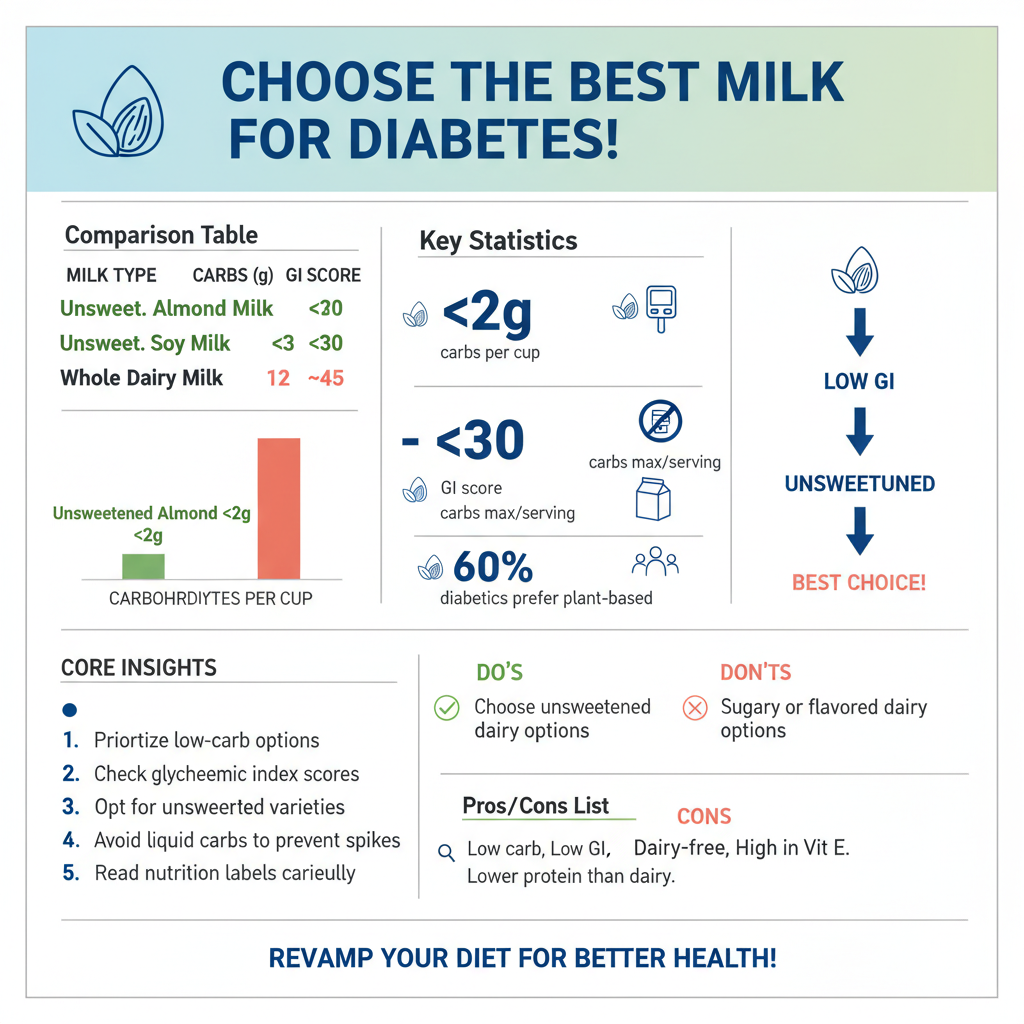
The best milk for diabetics is typically unsweetened almond milk or soy milk, as these options contain very few carbohydrates and have a minimal impact on blood sugar levels. While low-fat cow’s milk is acceptable in moderation due to its protein and calcium content, plant-based alternatives usually offer a lower glycemic index, making them safer for overall glucose management. When managing diabetes, every gram of carbohydrate counts, and liquid calories are particularly adept at causing rapid spikes in blood glucose. Therefore, understanding the nutritional nuances between dairy and non-dairy beverages is essential. Below, we break down the most suitable milk choices to help you maintain a balanced and healthy diabetic diet.
Nutritional Factors to Consider

Navigating the dairy aisle can be overwhelming given the vast array of options available today. For individuals with diabetes, the decision process must go beyond taste preferences and focus on the physiological impact of the beverage. Two primary metrics should guide your selection: carbohydrate content and the glycemic index.
– Carbohydrate Content: Prioritize milks with low carbohydrate counts, as liquid carbs digest quickly and can spike blood sugar. Unlike solid foods, which usually contain fiber and solids that slow down digestion, liquids pass through the stomach rapidly. This results in faster absorption of glucose into the bloodstream. For a diabetic, a glass of milk with 12 to 15 grams of carbohydrates can raise blood sugar almost as quickly as a piece of fruit. Therefore, reading the nutrition label for “Total Carbohydrates” is the first line of defense. Ideally, the chosen beverage should contain less than 5 grams of carbohydrates per serving to ensure it fits comfortably within a meal plan without requiring large doses of insulin or medication.
– Glycemic Index (GI): Look for options with a low GI score to ensure a slow, steady release of energy rather than a rapid glucose surge. The Glycemic Index measures how much a specific food raises blood sugar levels compared to pure glucose. Foods with a high GI cause a sharp spike followed by a crash, which can be dangerous for diabetics and lead to hypoglycemia later in the day. Milk options with a low GI are digested and absorbed more slowly, providing a sustained energy source. Most unsweetened plant milks have a very low GI, often under 30, making them ideal for maintaining stability throughout the day.
Unsweetened Almond Milk

Almond milk has surged in popularity over the last decade, becoming a staple in many households. For those managing diabetes, it is widely considered the gold standard for a milk substitute, provided it is the unsweetened variety.
– Low Carb Profile: Unsweetened almond milk contains significantly fewer carbs than dairy milk, often less than 2 grams per cup. This is a drastic reduction compared to the approximately 12 grams of sugar (lactose) found in a cup of cow’s milk. Because the carbohydrate load is so negligible, unsweetened almond milk typically does not require a specific insulin covering for Type 1 diabetics, nor does it trigger a significant insulin response in Type 2 diabetics. It allows individuals to enjoy a creamy beverage in coffee, smoothies, or cereal without “spending” their carbohydrate allowance on the liquid portion of the meal.
– Calorie Control: It is naturally low in calories, which assists in weight management—a crucial factor for type 2 diabetes. A standard cup of unsweetened almond milk contains between 30 and 40 calories, whereas whole cow’s milk contains roughly 150 calories. For individuals with Type 2 diabetes, where insulin resistance is often exacerbated by excess body weight, reducing caloric intake without sacrificing volume or satiety is a key strategy. However, it is important to note that almond milk is naturally low in protein; if you choose this option, ensure you are pairing it with a protein-rich food to ensure nutritional balance.
Soy Milk for Protein

Before almond milk took the lead, soy milk was the primary alternative to dairy, and nutritionally, it remains one of the strongest contenders. It is distinct among plant-based milks because its nutritional profile closely mimics that of cow’s milk, particularly regarding macronutrient structure.
– Complete Protein Source: Soy milk is a plant-based option that rivals dairy milk in protein content, helping to keep you full longer. One cup of soy milk typically offers 7 to 9 grams of protein, comparable to cow’s milk. Protein is vital for diabetics because it helps blunt the absorption of carbohydrates consumed in the same meal, leading to a flatter glucose curve. Furthermore, soy protein is a “complete” protein, meaning it contains all nine essential amino acids necessary for bodily function, making it an excellent choice for diabetic vegetarians or vegans who need to ensure adequate protein intake.
– Heart Health: Many soy milks are low in saturated fat, supporting cardiovascular health, which is often a concern for diabetics. There is a well-documented correlation between diabetes and an increased risk of heart disease. Soy milk is naturally free of cholesterol and low in saturated fats. Additionally, soy contains isoflavones, plant compounds that have been linked to improved cholesterol levels and reduced arterial stiffness. Choosing unsweetened organic soy milk ensures you are getting these heart-healthy benefits without the added sugars or genetically modified organisms often found in processed soy products.
Cow’s Milk: Skim vs. Whole
Despite the rise of plant-based alternatives, cow’s milk remains a viable option for many diabetics, provided it is consumed with awareness. It offers high bioavailability of calcium and added Vitamin D, which are essential for bone health—a concern for many older adults with diabetes.
– Natural Sugars: Remember that cow’s milk contains lactose, a natural sugar, so portion control is essential regardless of fat content. One cup of cow’s milk contains about 12 grams of carbohydrates. While this sugar is natural, the body still converts lactose into glucose. Therefore, drinking multiple glasses of milk a day can significantly increase total daily carbohydrate intake. Diabetics must account for these carbs in their daily limits. It is also worth noting that lactose-free milk usually has the same carbohydrate count as regular milk; the lactase enzyme breaks the sugar down, but the glucose impact remains.
– Fat Content: Skim or 1% milk is generally recommended to reduce saturated fat intake, though some studies suggest full-fat dairy may have a neutral effect on diabetes risk. Traditionally, guidelines have favored skim milk to reduce caloric and saturated fat intake to protect heart health. However, because skim milk lacks fat, the lactose may be absorbed slightly faster than in whole milk. Conversely, the fat in whole milk can slow down gastric emptying, potentially leading to a slower rise in blood sugar, but at the cost of higher calories and saturated fat. The choice between skim and whole often depends on the individual’s cholesterol levels, weight management goals, and overall dietary fat intake.
Other Plant-Based Alternatives
Innovation in the dairy-free sector has provided a wealth of other options derived from nuts, seeds, and grains. Some of these offer unique health benefits specifically relevant to diabetes management.
– Flax Milk: An excellent source of Omega-3 fatty acids with zero carbohydrates in its unsweetened form. Flax seeds are renowned for their anti-inflammatory properties, largely due to their high alpha-linolenic acid (ALA) content. Unsweetened flax milk usually contains no sugar and no carbohydrates, making it arguably the most “neutral” option regarding blood sugar impact. While it is naturally low in protein, many manufacturers fortify flax milk with pea protein to make it a more substantial beverage. Its distinct lack of carbs makes it an excellent base for smoothies where fruit provides the sweetness and bulk.
– Coconut Milk: A low-carb option, but be mindful of portion sizes due to higher saturated fat content found in canned varieties versus carton beverages. It is vital to distinguish between the thick canned coconut milk used in curries and the diluted coconut milk beverages found in cartons. The carton variety is generally low in carbs and safe for diabetics. However, coconut milk is high in medium-chain triglycerides (MCTs). While MCTs are burned for energy differently than other fats, the overall saturated fat content is higher than in almond or soy milk. Diabetics with dyslipidemia (abnormal cholesterol levels) should consult their healthcare provider before consuming coconut milk regularly.
Milks to Avoid
Not all milk alternatives are created equal. Marketing claims such as “all-natural” or “plant-based” do not automatically equate to “diabetic-friendly.” Some options can be just as detrimental to blood sugar control as full-sugar soda.
– Sweetened Varieties: Avoid vanilla or chocolate-flavored milks, as they contain added sugars that pose significant risks to blood glucose control. Even products labeled “Original” often contain added cane sugar to enhance palatability. A cup of vanilla almond milk, for instance, can contain upwards of 16 grams of sugar. Chocolate milk, whether dairy or plant-based, can contain double the sugar of plain milk. These added sugars are simple carbohydrates that hit the bloodstream immediately, causing rapid hyperglycemia. Always scrutinize the ingredient list for cane sugar, high fructose corn syrup, or evaporated cane juice.
– Rice and Oat Milk: These tend to be much higher in carbohydrates and sugar than other plant-based milks, potentially causing faster blood sugar spikes. Rice milk is inherently high in starch because it is derived from a grain; a single cup can contain nearly 30 grams of carbohydrates, which is double that of cow’s milk. Similarly, oat milk has gained massive popularity for its texture, but it is problematic for diabetics. During the enzymatic production process of oat milk, oat starches are broken down into simple sugars like maltose, which has a very high glycemic index—even higher than table sugar. Consequently, oat milk often causes a sharper spike in glucose than even standard dairy milk.
Choosing the right milk involves checking labels for added sugars and monitoring how your body reacts to different types of dairy or plant-based fluids. Generally, sticking to unsweetened almond, soy, or flax milk provides the safest nutritional profile for managing diabetes effectively. Every individual’s metabolic response is unique; what works for one person may cause a spike in another. Therefore, utilizing a continuous glucose monitor (CGM) or testing blood sugar one to two hours after trying a new milk is the best way to verify its safety for your body. Consult with your dietitian to determine the best choice for your specific dietary needs and start incorporating these healthier options into your meal plan today.
Frequently Asked Questions
Which type of milk is best for managing blood sugar levels in diabetics?
Unsweetened almond milk and unsweetened soy milk are widely considered the best options for diabetics because they are extremely low in carbohydrates and have a minimal impact on blood glucose. Soy milk is particularly beneficial as it offers a high protein content similar to cow’s milk, which helps promote satiety without the lactose sugar spike. For those who prefer dairy, ultra-filtered milk is an excellent choice as the filtration process removes most of the sugar while concentrating the protein.
Is cow’s milk safe for people with type 2 diabetes to drink?
Yes, people with diabetes can drink cow’s milk, but it must be consumed in moderation because it contains lactose, a natural sugar that contributes to your daily carbohydrate count. While skim milk is lower in calories, some experts suggest that whole milk may be better for blood sugar management because the fat content slows down the absorption of sugar into the bloodstream. Always account for the roughly 12 grams of carbs found in a standard cup of dairy milk when planning your meals.
Does oat milk cause blood sugar spikes in diabetics?
Unlike almond or soy milk, oat milk is naturally higher in carbohydrates and can cause more significant blood sugar spikes, making it a riskier choice for some diabetics. Even unsweetened varieties contain maltose, a type of sugar that has a high glycemic index and digests rapidly. If you enjoy oat milk, it is best to consume it in small quantities or pair it with a meal containing healthy fats and protein to dampen the glucose response.
Why is unsweetened almond milk often recommended over rice milk for diabetes?
Unsweetened almond milk is recommended because it typically contains less than 1 gram of carbohydrates per serving, whereas rice milk is very starchy and can contain over 20 grams of carbs per cup. Rice milk has one of the highest glycemic index scores among plant-based milks, which can lead to rapid hyperglycemia. Choosing almond milk allows diabetics to enjoy a milk substitute without “spending” a large portion of their carb allowance on a beverage.
What should diabetics look for when checking milk nutrition labels?
The most critical factor to look for on a nutrition label is the word “Unsweetened,” as flavored milks (like vanilla or chocolate) often contain substantial amounts of added cane sugar. You should specifically examine the “Total Carbohydrates” line, aiming for a product with fewer than 10 grams per serving, and check for protein content to help stabilize blood sugar. Additionally, ensure the milk is fortified with Calcium and Vitamin D to ensure you aren’t missing out on essential nutrients found in traditional dairy.
References
- Could hops extract reduce risk of breast cancer?
- Dairy and diabetes | Eating with diabetes | Diabetes UK
- https://health.clevelandclinic.org/what-kind-of-milk-should-you-drink-if-you-have-diabetes
- Which Milk is Best for Diabetes?
- https://health.usnews.com/wellness/food/articles/best-milk-for-diabetics
- https://www.everydayhealth.com/type-2-diabetes/diet/best-worst-milks-diabetes-cow-soy-almond-more/
