
While no pharmaceutical drug is 100% free of side effects for every patient, Metformin (specifically the Extended-Release version) is widely considered the best first-line medication due to its high safety profile and low risk of hypoglycemia. For patients who cannot tolerate Metformin, DPP-4 inhibitors (such as Sitagliptin) are often cited as having the fewest noticeable side effects because they are weight-neutral and rarely cause digestive distress. Ultimately, the only method to manage blood sugar with absolutely zero medication side effects is through non-pharmaceutical lifestyle interventions. Navigating the pharmaceutical landscape can be daunting, particularly when balancing efficacy with quality of life. Understanding the distinct profiles of these medications helps patients and providers make informed decisions that prioritize long-term health without compromising daily well-being.
Metformin Extended-Release (Glucophage XR)

Metformin has held the title of the “gold standard” for Type 2 diabetes management for decades, and for good reason. It is universally recommended by major health organizations, including the American Diabetes Association (ADA) and the European Association for the Study of Diabetes (EASD), as the initial therapy for most patients. Its primary mechanism involves decreasing the amount of glucose produced by the liver and increasing muscle sensitivity to insulin. Unlike older classes of drugs, such as sulfonylureas, Metformin does not stimulate the pancreas to produce more insulin, which means it carries a negligible risk of hypoglycemia (dangerously low blood sugar) when taken as a standalone therapy.
However, the standard immediate-release formulation of Metformin is notorious for causing gastrointestinal distress. Symptoms such as nausea, bloating, cramping, and diarrhea affect a significant percentage of new users, leading some to discontinue the medication prematurely. This is where the Extended-Release (XR) version becomes a critical differentiator.
Metformin XR is designed to release the medication slowly into the bloodstream over several hours rather than dumping the full dosage into the digestive tract at once. This gradual absorption significantly mitigates the gastrointestinal irritation associated with the standard version. Clinical data suggests that patients who switch from immediate-release to extended-release Metformin often see a resolution or marked improvement in digestive symptoms. Because it maintains the same efficacy in lowering A1C levels while offering a much smoother tolerability profile, Metformin XR represents the optimal balance of effectiveness and low side effects for the vast majority of patients.
DPP-4 Inhibitors (The “Gentle” Option)
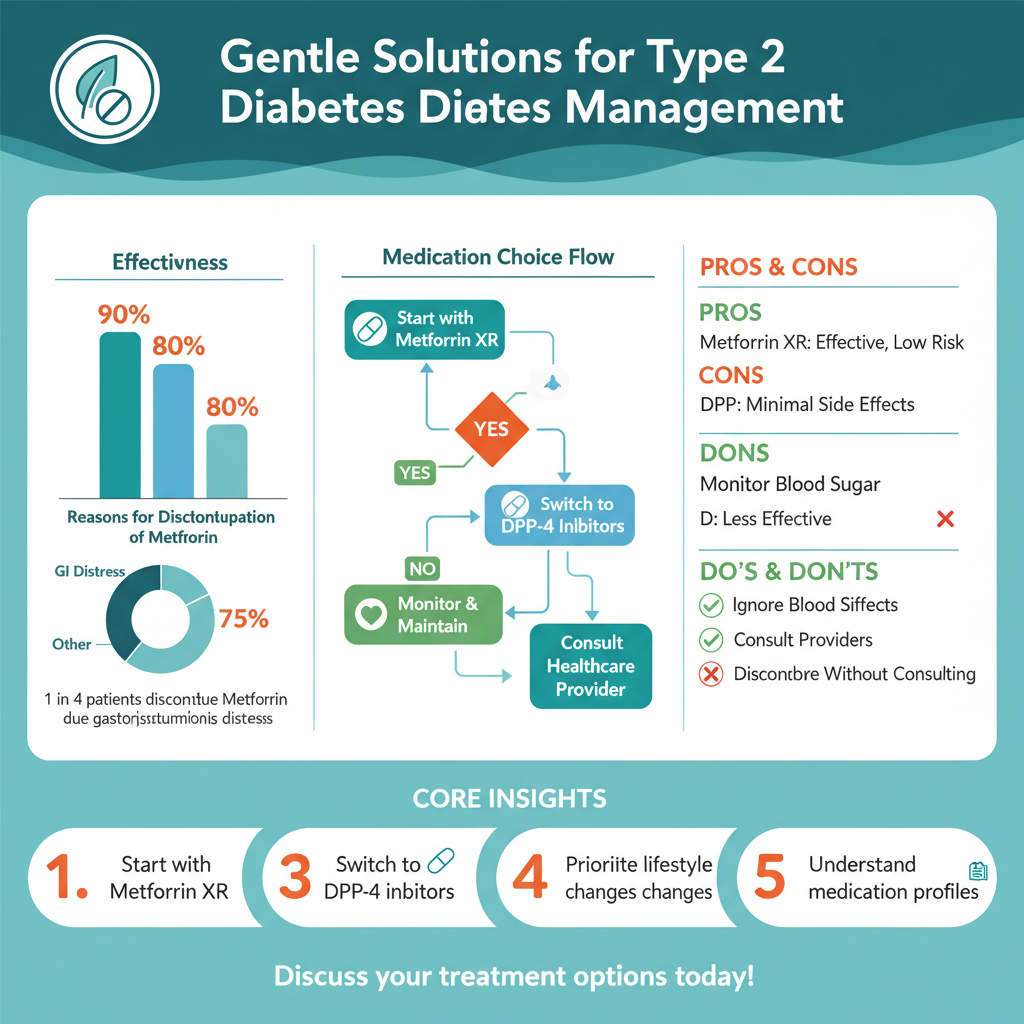

For patients who are unable to tolerate Metformin even in its extended-release form, or for those who need an add-on therapy without compounding side effects, Dipeptidyl peptidase-4 (DPP-4) inhibitors are widely regarded as the “gentle” option in diabetes pharmacotherapy. Common brand names in this class include Sitagliptin (Januvia), Linagliptin (Tradjenta), and Saxagliptin (Onglyza).
The mechanism of action for DPP-4 inhibitors is distinct and highly targeted. These drugs work by blocking the enzyme that breaks down incretin hormones—hormones that naturally tell the pancreas to release insulin after a meal. By prolonging the activity of these hormones, DPP-4 inhibitors help the body regulate blood sugar only when it is elevated. Because their action is glucose-dependent, they pose an extremely low risk of hypoglycemia.
What makes DPP-4 inhibitors particularly attractive regarding side effects is their neutrality. Clinical trials and real-world application show that these medications are:
* Weight Neutral: unlike insulin or sulfonylureas, they do not cause weight gain.
* Gastrointestinally Friendly: They rarely cause the nausea or diarrhea associated with Metformin or GLP-1 agonists.
* Well-Tolerated: The incidence of adverse effects is generally comparable to a placebo in many studies.
For geriatric patients or those with sensitive constitutions, DPP-4 inhibitors often serve as a preferred alternative, providing a steady, moderate reduction in blood sugar with minimal disruption to daily life.
SGLT2 Inhibitors for Heart and Kidney Health

Sodium-glucose cotransporter-2 (SGLT2) inhibitors have revolutionized diabetes care by offering benefits that extend beyond glycemic control. Medications such as Empagliflozin (Jardiance), Dapagliflozin (Farxiga), and Canagliflozin (Invokana) work on the kidneys. Instead of relying on insulin, these drugs prevent the kidneys from reabsorbing glucose back into the blood, allowing excess sugar to be excreted through urine.
From a systemic side effect perspective, SGLT2 inhibitors are generally well-tolerated regarding traditional symptoms like nausea or fatigue. They also offer the unique advantage of mild weight loss (due to caloric loss through urine) and a slight reduction in blood pressure. More importantly, they provide significant protective benefits for the heart and kidneys, making them a top choice for patients with existing cardiovascular disease or chronic kidney disease.
However, the “side effect” profile here is specific to the mechanism of action. Because the medication increases the sugar content in the urine, it creates an environment conducive to bacterial and fungal growth. The most common side effects are genital yeast infections and urinary tract infections (UTIs). While these are usually easily treatable and often preventable with proper hygiene and hydration, they can be a nuisance for some patients. Furthermore, because the drugs act as a diuretic, there is a risk of dehydration and hypotension (low blood pressure), particularly in elderly patients. While highly effective, the decision to use SGLT2 inhibitors requires weighing these specific local risks against the profound long-term organ protection they offer.
GLP-1 Receptor Agonists: Balancing Results and Nausea
In recent years, GLP-1 receptor agonists have dominated the conversation surrounding Type 2 diabetes treatment. Injectable medications like Semaglutide (Ozempic), Liraglutide (Victoza), and Dulaglutide (Trulicity) mimic the action of the GLP-1 hormone. They are incredibly potent, offering substantial A1C reduction and significant weight loss, which addresses the root cause of insulin resistance for many patients.
However, when discussing medications with the “fewest side effects,” GLP-1 agonists occupy a complex position. While they are safe and do not cause hypoglycemia on their own, they are frequently associated with gastrointestinal side effects, particularly during the initiation of therapy. Nausea is the most reported complaint, affecting a significant portion of users. Vomiting, diarrhea, and constipation are also common.
It is important to clarify that for most patients, these side effects are transient. They tend to peak when the medication is started or the dosage is increased and usually subside as the body adapts over several weeks. To mitigate these effects, physicians use a titration schedule, starting with a low dose and slowly increasing it over months. While GLP-1s may not be the “lowest side effect” option initially, many patients find the trade-off worth it for the profound benefits in weight management and cardiovascular protection. For those seeking immediate comfort without an adjustment period, however, this class may present initial challenges.
Lifestyle Changes: The Only True “No Side Effect” Cure
Ultimately, the pharmaceutical industry cannot produce a solution that rivals the safety profile of lifestyle intervention. Modifying diet, increasing physical activity, and managing stress constitute the only therapeutic approach with zero pharmaceutical side effects.
Dietary changes are the cornerstone of this approach. Adopting a low-carbohydrate or ketogenic diet reduces the body’s demand for insulin, directly countering the metabolic dysfunction of Type 2 diabetes. Similarly, the Mediterranean diet, rich in healthy fats, fiber, and lean proteins, improves cardiovascular health and insulin sensitivity. Unlike drugs, which force the body to process sugar differently, dietary changes stop the influx of excess sugar at the source.
Regular exercise complements this by making muscle cells more permeable to glucose, effectively “burning off” blood sugar without the need for insulin. When combined with weight loss, these interventions can lead to diabetes remission—a state where blood sugar levels return to a healthy non-diabetic range without the need for any medication. This is the ultimate “low side effect” strategy: eliminating the need for drugs entirely. While lifestyle changes require effort and discipline, the “side effects” are overwhelmingly positive: increased energy, better sleep, improved mood, and longevity.
How to Consult Your Doctor About Side Effects
Finding the right medication is a collaborative process between patient and provider. Many patients endure unpleasant side effects unnecessarily because they assume discomfort is the price of treatment. It is vital to have an open dialogue with your healthcare provider to optimize your regimen.
When consulting your doctor, consider bringing a checklist of questions to ensure a productive conversation:
* Ask about formulations: “I am experiencing stomach upset; is there an Extended-Release (XR) version of this medication available?”
* Inquire about timing: “Would taking this medication with a full meal reduce the nausea I’m feeling?”
* Discuss alternatives: “If my side effects do not improve in two weeks, what is the next best alternative class of medication?”
* Clarify longevity: “Are these side effects temporary (like with GLP-1s), or are they likely to persist as long as I take the drug?”
* Risk assessment: “Given my history of [specific condition, e.g., yeast infections], is this the best choice for me?”
If you experience side effects, report them immediately rather than stopping the medication abruptly. Abrupt cessation can lead to dangerous spikes in blood sugar. Your doctor may adjust the dosage, split the dose, or switch you to a class like DPP-4 inhibitors to maintain control while preserving your quality of life.
Finding the right balance between blood sugar control and quality of life is a personal journey, as “low side effect” medications affect every individual differently. Metformin XR and DPP-4 inhibitors generally offer the smoothest experience for most patients, but lifestyle changes remain the safest foundation. Always consult your endocrinologist before stopping or changing any medication to ensure your blood sugar remains within a safe range.
Frequently Asked Questions
Which type 2 diabetes medication generally has the fewest reported side effects?
While all medications carry some risk, DPP-4 inhibitors (such as Sitagliptin) are often considered among the best tolerated oral medications for type 2 diabetes because they rarely cause low blood sugar (hypoglycemia) or weight gain. Additionally, Metformin is the standard first-line treatment due to its long-term safety profile, and switching to the “extended-release” version can significantly reduce common stomach upset. Always consult a healthcare provider to determine which option offers the best balance of blood sugar control and tolerability for your specific health needs.
Are there natural alternatives to diabetes medicine that have no side effects?
The most effective method to manage type 2 diabetes without pharmaceutical side effects is through comprehensive lifestyle changes, specifically a low-carbohydrate diet, regular physical activity, and weight management. Many patients can achieve remission or normal blood glucose levels solely through these natural modifications, effectively avoiding medication risks altogether. However, you should never stop prescribed treatments without medical supervision, as uncontrolled high blood sugar poses a greater health risk than most medication side effects.
What is the best alternative to Metformin if I experience gastrointestinal issues?
If standard Metformin causes digestive distress, the best immediate alternative is often switching to Metformin ER (Extended Release), which is designed to be gentler on the stomach. If tolerance issues persist, doctors often prescribe SGLT2 inhibitors or GLP-1 receptor agonists, as these modern medications effectively lower blood sugar and offer heart and kidney benefits without the same gastrointestinal profile as Metformin. These alternatives are becoming increasingly popular for patients seeking effective treatment with a different side effect profile.
Which diabetes medications help lower blood sugar without causing weight gain?
Unlike older medications like sulfonylureas or insulin that often lead to weight gain, GLP-1 receptor agonists (injectables) and SGLT2 inhibitors (oral pills) are excellent options that control glucose while actually promoting weight loss. These classes of drugs are often recommended for patients concerned about weight management, as they work by removing excess sugar through urine or increasing satiety. Choosing these medications can help address both obesity and insulin resistance simultaneously.
How can I minimize the side effects of my current type 2 diabetes prescription?
To minimize side effects, it is crucial to take oral medications exactly as prescribed, often with food to buffer the stomach, and to ask your doctor about starting with a low dose that is gradually increased over time. Staying well-hydrated is particularly important for medications like SGLT2 inhibitors, while rotating injection sites can prevent irritation for those on insulin or GLP-1 therapies. Open communication with your pharmacist or doctor allows for timely adjustments or brand switches that can make your treatment plan much more comfortable.
References
- Type 2 diabetes – Diagnosis and treatment – Mayo Clinic
- Insulin, Medicines, & Other Diabetes Treatments – NIDDK
- Type 2 diabetes: Which medication is best for me? – Harvard Health
- https://diabetes.org/health-wellness/medication
- https://www.nhs.uk/conditions/type-2-diabetes/medicine/
- https://my.clevelandclinic.org/health/treatments/13901-oral-diabetes-medications
- https://www.hopkinsmedicine.org/health/conditions-and-diseases/diabetes/diabetes-medicines
