
For diabetics seeking the best lunch meat, lean, low-sodium options like roasted turkey breast, chicken breast, and lean ham are your top choices. These selections provide essential protein without the excess sodium, unhealthy fats, or hidden sugars that can negatively impact blood sugar management and cardiovascular health. Making informed decisions at the deli counter or grocery store is key to creating blood sugar-friendly meals. Navigating the myriad of options can feel overwhelming, but with a clear understanding of what to look for, you can easily incorporate delicious and diabetes-friendly lunch meats into your daily routine, helping you maintain stable blood glucose levels and support overall well-being.
Why Lunch Meat Choices Matter for Diabetes Management
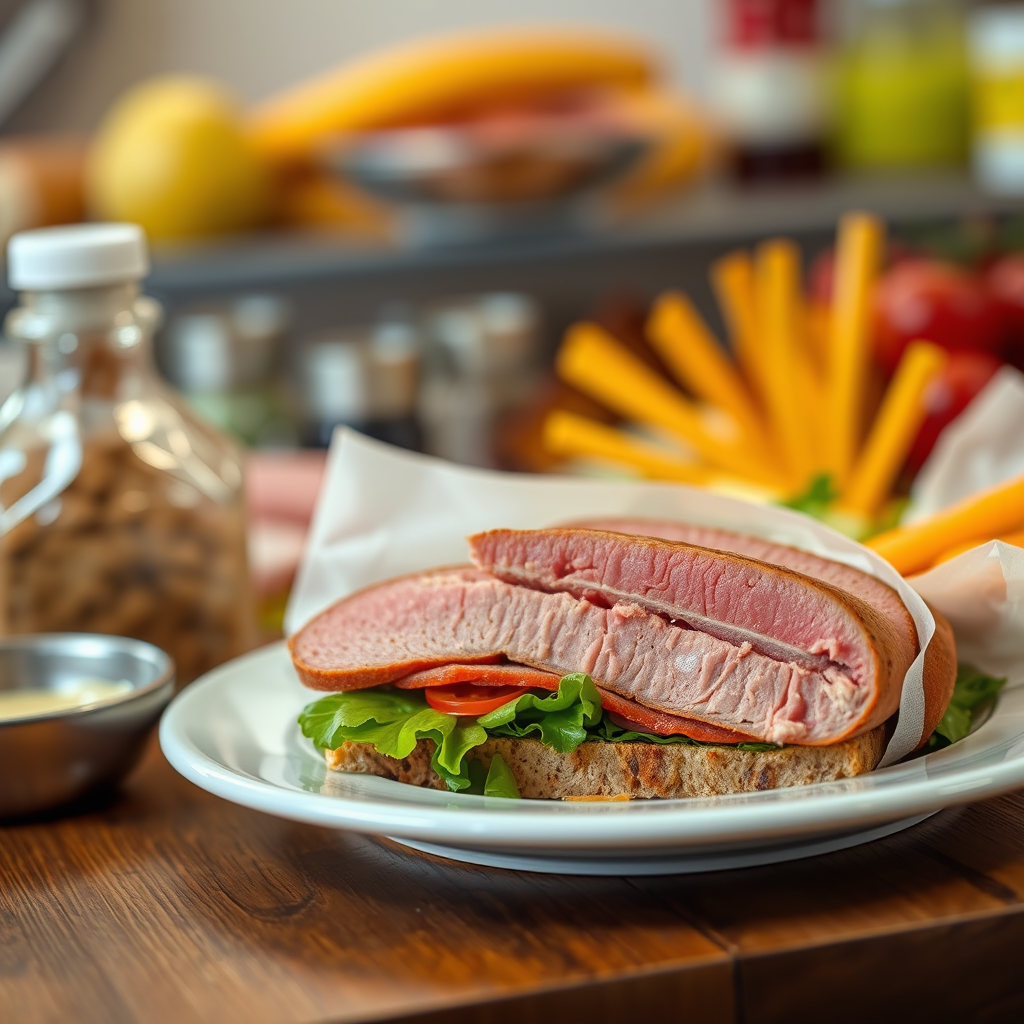
When you’re managing diabetes, every food choice contributes to your health picture, and lunch meats are no exception. The seemingly small decision of what to put in your sandwich or salad can have a significant impact on your blood sugar, heart health, and even your weight. Understanding why these choices are crucial empowers you to make smarter, healthier decisions every day.
* Blood Sugar Regulation: Highly processed meats can contain added sugars or refined starches that can spike blood glucose levels. Many conventional lunch meats include hidden ingredients like dextrose, corn syrup, or modified food starch as fillers, binders, or flavor enhancers. These sneaky carbohydrates can quickly convert to sugar in your bloodstream, leading to unwelcome spikes that make blood sugar control more challenging. For individuals with diabetes, consistent blood sugar management is vital to prevent long-term complications, making it essential to choose meats that don’t secretly sabotage your efforts.
* Cardiovascular Health: Many conventional lunch meats are high in saturated fat and sodium, increasing the risk for heart disease, a common comorbidity with diabetes. People with diabetes are already at a higher risk for cardiovascular disease, so minimizing additional risk factors is paramount. Saturated fats can raise “bad” LDL cholesterol levels, contributing to plaque buildup in arteries. High sodium intake, on the other hand, contributes to elevated blood pressure, further straining your heart and blood vessels. By opting for lean, low-sodium varieties, you actively protect your heart and reduce your overall cardiovascular risk.
* Weight Management: Lean proteins help with satiety without excessive calories, supporting healthy weight management crucial for diabetes control. Protein is known for its ability to keep you feeling fuller for longer, which can help prevent overeating and unnecessary snacking. When you choose lean lunch meats, you get that satisfying protein boost without the extra calories and unhealthy fats often found in more processed options. Maintaining a healthy weight significantly improves insulin sensitivity, making it easier for your body to manage blood sugar and, in some cases, even reduce the need for diabetes medication.
Top Picks: Lean & Low-Sodium Lunch Meats
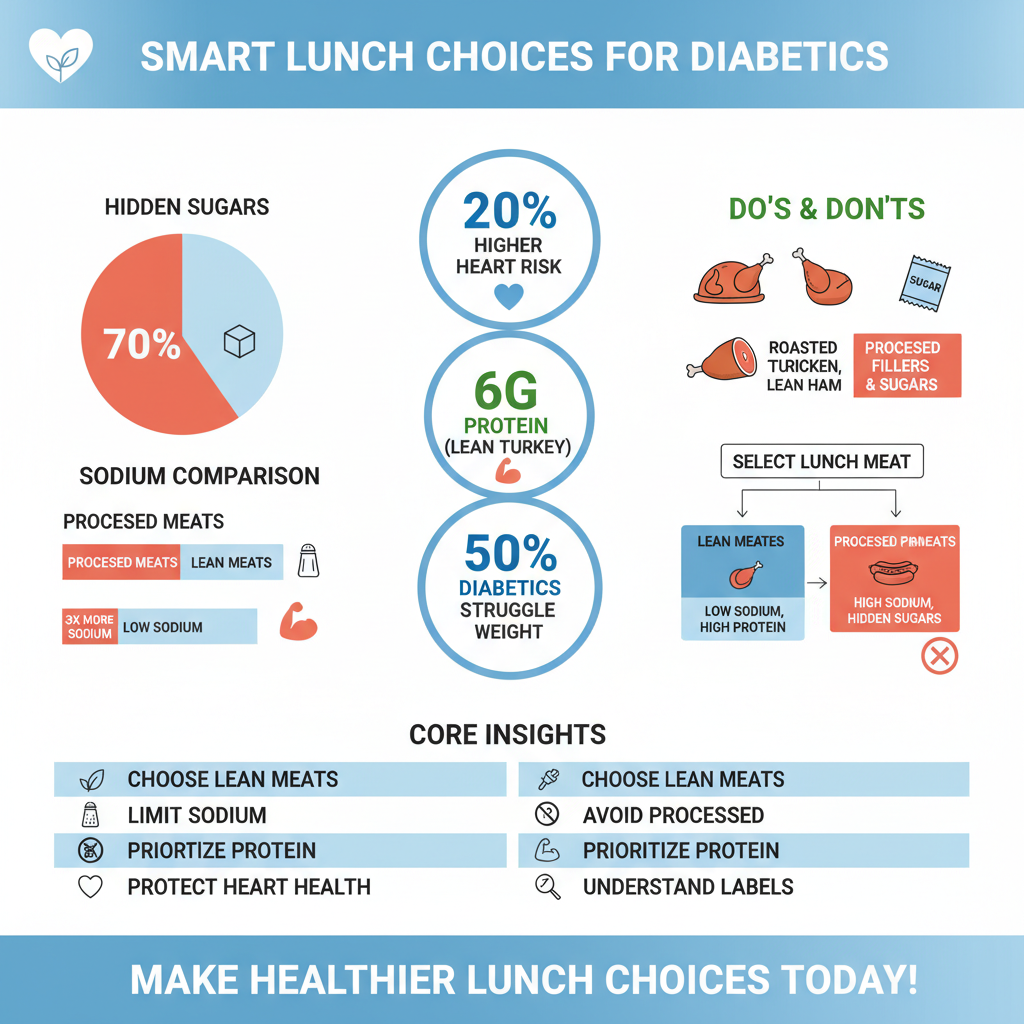

Building a diabetes-friendly plate starts with selecting the right core ingredients. When it comes to lunch meats, lean and low-sodium options are your best friends. These choices offer flavor and protein without derailing your health goals.
* Roasted Turkey Breast: This is often considered the gold standard for healthy lunch meats. Roasted turkey breast is naturally low in fat and packed with protein. To make the best choice, look for options labeled “all-natural,” “low sodium,” or even “no salt added” to avoid excess preservatives and sodium. Many brands now offer nitrate-free or uncured versions, which can be an even healthier alternative. It’s incredibly versatile, perfect for sandwiches, salads, or even rolled up with a slice of cheese and some veggies.
* Chicken Breast: Similar to turkey, plain roasted or grilled chicken breast is an excellent choice. It’s another lean protein powerhouse that’s naturally low in saturated fat. The key here is to choose varieties that are not laden with sugary glazes, high-sodium marinades, or breading. Plain, sliced chicken breast allows you to control the flavors and seasonings, ensuring they align with your dietary needs. Look for simple ingredients – chicken, water, salt (minimal amounts), and natural flavorings.
* Lean Ham (Low Sodium): If you enjoy the savory taste of ham, you don’t necessarily have to give it up entirely. The trick is to opt for specific “low sodium” or “reduced sodium” varieties. Regular ham can be incredibly high in sodium, so always check the nutrition label meticulously. Some brands offer “extra lean” or “honey-free” ham options that are better suited for a diabetes-friendly diet. Just be mindful of portion sizes, as even low-sodium ham can add up if you consume too much.
* Roast Beef (Lean Cuts): For red meat lovers, lean cuts of roast beef can be a good option. Specifically, look for deli roast beef made from cuts like top round or eye of round, which are inherently leaner. As with other meats, prioritize preservative-free or minimally processed options to get protein without high fat content or unnecessary additives. Roast beef offers a distinct flavor and can be a satisfying addition to your lunch menu when chosen wisely.
What to Look For on the Nutrition Label

The nutrition label is your best friend when navigating the deli aisle. Learning to read it effectively empowers you to make informed decisions that directly impact your blood sugar and overall health. Don’t just glance at the calories; dive into the details!
* Sodium Content: This is perhaps one of the most critical numbers for individuals with diabetes, given the increased risk of high blood pressure and heart disease. Aim for less than 350 mg of sodium per serving, or ideally, reach for “very low sodium” options, which contain less than 140 mg per serving. Even if a product claims to be “low sodium,” always double-check the exact amount, as manufacturers’ definitions can vary. Consistently choosing lower sodium options helps manage blood pressure and reduces strain on your cardiovascular system.
* Fat Content: Prioritize options with low saturated fat (less than 1.5 grams per serving) and zero trans fats. Trans fats are artificially created and are notoriously harmful to heart health, so they should be completely avoided. Saturated fats, while necessary in moderation, can raise “bad” LDL cholesterol. By choosing lean meats, you naturally reduce your intake of these fats. Check the total fat content as well, and consider the portion size; even a lean meat can become high in fat if you eat too much.
* Carbohydrates & Sugars: While lunch meats are primarily protein, it’s crucial to check for any hidden added sugars or starches in the ingredient list, which can contribute to carb count. Look out for ingredients like corn syrup, dextrose, maltodextrin, or modified food starch. These are common culprits used to add flavor, bulk, or act as binders. Ideally, your lunch meat should have 0-1 gram of carbohydrates per serving. Even small amounts can add up, especially if you’re sensitive to carbs or combine them with other carb-containing foods.
* Ingredient List: Be mindful of nitrates/nitrites and artificial preservatives; opt for natural or minimally processed options when possible. Nitrates and nitrites are chemicals used to preserve color and prevent bacterial growth, but some studies suggest potential health concerns with long-term consumption, especially for highly processed varieties. Look for labels like “uncured,” “nitrate-free,” or those that use natural curing agents like celery powder. A shorter, more recognizable ingredient list generally indicates a less processed and healthier product.
Lunch Meats to Limit or Avoid
Just as there are great choices, there are also some lunch meats that are best enjoyed in very limited quantities or avoided altogether when you’re managing diabetes. These items often come with hidden risks that can make blood sugar control and heart health more challenging.
* High-Sodium Processed Meats: Bologna, salami, pastrami, certain sausages (like pepperoni or summer sausage), and even some pre-packaged ham varieties are typically very high in sodium and unhealthy fats. These meats are often heavily processed, meaning they contain numerous additives and preservatives. The excessive sodium content can significantly elevate blood pressure, while the high levels of saturated and unhealthy fats contribute to an increased risk of heart disease. Given that diabetes already elevates cardiovascular risk, it’s wise to steer clear of these options.
* Sweetened or Glazed Options: Honey-roasted, maple-glazed, sweet-smoked, or other sweet varieties often contain added sugars that can directly impact blood glucose. While they might taste delicious, these added sugars quickly convert into glucose in your bloodstream, leading to unwanted spikes. Always read the ingredient list; even if it sounds savory, “honey” or “maple” in the description usually means added sweeteners. Opt for plain roasted or smoked versions and add your own unsweetened seasonings if you crave more flavor.
* Fatty Cuts: Avoid lunch meats with visible fat or those known to be higher in saturated fat, such as regular pastrami or corned beef. These fats contribute to increased calorie intake and can raise “bad” LDL cholesterol levels, negatively impacting your heart health. While a small amount of fat is part of a balanced diet, excessive saturated fat from processed meats is detrimental. Look for leaner cuts and trim any visible fat before consuming, or simply choose naturally lean options like turkey and chicken breast.
Beyond the Meat: Building a Diabetic-Friendly Sandwich
Choosing the right lunch meat is a fantastic start, but a truly diabetes-friendly lunch is about the entire package. The components you pair with your lean protein can significantly impact the nutritional profile and your blood sugar response. Think holistically when assembling your meal.
* Whole-Grain Bread/Wraps: Ditch the white bread and highly refined flour options. Choose 100% whole wheat or whole grain bread, low-carb tortillas, or even lettuce wraps to manage carbohydrate intake. Whole grains are rich in fiber, which helps slow down sugar absorption, preventing rapid blood sugar spikes. Look for labels that clearly state “100% whole wheat” or “whole grain” as the first ingredient. Low-carb tortillas offer a great alternative, and lettuce wraps are a fantastic, virtually carb-free way to enjoy your fillings. Always check the serving size and carbohydrate count on your chosen bread or wrap.
* Pile on the Veggies: This is where you can truly boost the nutritional power of your meal without adding many carbs. Load up on lettuce, tomatoes, cucumbers, spinach, bell peppers, sprouts, and onions for fiber, vitamins, and minerals. The fiber in vegetables helps with satiety, aids digestion, and further moderates blood sugar response. The more colorful and varied your vegetables, the broader the range of nutrients you’ll get, making your sandwich not just healthy but also vibrant and delicious.
* Healthy Spreads: Say goodbye to mayonnaise and high-sugar condiments. Instead, use mustard (Dijon or yellow), mashed avocado, or a small amount of hummus. Mayonnaise is often high in unhealthy fats, and many condiments like ketchup or BBQ sauce are surprisingly loaded with added sugars. Mustard adds flavor with minimal calories and no sugar. Avocado provides healthy monounsaturated fats and creaminess, while hummus offers fiber and protein from chickpeas. These healthier spreads enhance flavor without compromising your blood sugar goals.
* Portion Control: Be mindful of serving sizes for both the meat and other ingredients to keep calories and carbs in check. Even healthy foods can contribute to weight gain or blood sugar spikes if consumed in excess. A typical serving of lunch meat is 2-3 slices (about 2 ounces), and bread is usually one slice (or two for a full sandwich). Measure or weigh your portions until you get a good visual sense of what a healthy serving looks like. This attention to detail ensures your meal remains balanced and supports your diabetes management effectively.
Easy & Healthy Lunch Meat Meal Ideas
Making healthy choices doesn’t have to mean sacrificing flavor or convenience. With your chosen lean and low-sodium lunch meats, you can whip up a variety of delicious and diabetes-friendly meals in no time. Get creative and enjoy your food!
* Lettuce Wraps: Create quick, low-carb wraps using large, crisp lettuce leaves (like romaine, butter lettuce, or iceberg) filled with lean turkey, chicken, and your favorite non-starchy vegetables. Add a dollop of low-sugar salsa, a dash of hot sauce, or a light vinaigrette for extra flavor. You can include shredded carrots, bell pepper strips, or even a sprinkle of chopped nuts for crunch. These are fantastic for a light yet satisfying lunch that keeps your carb count low.
* Meat and Cheese Roll-Ups: This is a super simple, protein-packed option that requires no cooking. Slice a piece of low-fat cheese (like provolone, Swiss, or cheddar) and roll it with a piece of lean lunch meat (turkey or ham) and a pickle spear, bell pepper strip, or cucumber slice. You can also add a smear of mustard or a sprinkle of everything bagel seasoning for extra flavor. These are excellent for quick snacks or a light lunch, providing satisfying protein and healthy fats.
* Protein-Packed Salads: Elevate your greens by topping a bed of mixed greens with chopped lean turkey or chicken breast, hard-boiled eggs, and a light vinaigrette. Add other non-starchy vegetables like cherry tomatoes, cucumbers, shredded cabbage, or a few olives. For a healthy crunch, consider a small sprinkle of pumpkin seeds or slivered almonds. Choose a homemade vinaigrette with olive oil and vinegar to avoid hidden sugars and unhealthy fats often found in store-bought dressings. This makes for a filling, nutrient-dense meal that’s perfect for managing blood sugar.
Choosing the right lunch meat is a simple yet effective step in managing diabetes. Prioritize lean, low-sodium options like turkey and chicken, always checking labels for nutritional content to avoid hidden sugars, excessive sodium, and unhealthy fats. Combine these smart meat choices with 100% whole grains and plenty of non-starchy vegetables, and healthy spreads to create balanced, delicious, and satisfying meals that support your blood sugar management and overall health goals. Remember, small, consistent changes in your daily diet can lead to significant improvements in your well-being. Always consult your doctor or a registered dietitian for personalized dietary advice to best suit your individual needs and ensure your meal plan is safe and effective for you.
Frequently Asked Questions
What are the best lunch meat options for diabetics to help manage blood sugar and heart health?
The best lunch meat options for diabetics are lean, low-sodium varieties like fresh roasted turkey breast, chicken breast, and lean cuts of roast beef. These choices are typically high in protein, which helps stabilize blood sugar, and lower in saturated fat, supporting cardiovascular health. Look for options with minimal processing and no added sugars to ensure they align with a diabetic-friendly diet.
Which lunch meats should diabetics specifically avoid due to high sodium, saturated fat, or added sugars?
Diabetics should generally avoid highly processed lunch meats such as bologna, salami, regular ham, and certain pre-packaged deli meats like pastrami or corned beef. These often contain excessive amounts of sodium, unhealthy saturated fats, and sometimes hidden sugars, all of which can negatively impact blood pressure, cholesterol levels, and blood sugar control. Prioritizing less processed alternatives is crucial for managing diabetes effectively.
How can diabetics effectively choose low-sodium lunch meats when grocery shopping?
When grocery shopping, diabetics should always check the nutrition labels on lunch meat packages to identify low-sodium options. Look for products explicitly labeled “low sodium,” “reduced sodium,” or those containing less than 140 mg of sodium per serving. Comparing brands and choosing those with the lowest sodium content, ideally made without nitrates or nitrites, will significantly help in managing blood pressure and overall heart health.
Why is lean protein in lunch meat important for diabetics, and what are its benefits beyond blood sugar control?
Lean protein in lunch meat is essential for diabetics because it helps slow down glucose absorption, preventing rapid blood sugar spikes after meals. Beyond blood sugar management, lean protein contributes to satiety, helping with weight management by reducing cravings, and supports muscle maintenance, which is vital for metabolic health. It also provides essential amino acids without the added saturated fats often found in higher-fat protein sources.
Are there any specific brands or preparation tips for diabetic-friendly lunch meats that minimize unhealthy additives?
For minimizing unhealthy additives, look for brands that advertise “no nitrates/nitrites added,” “uncured,” or “organic” options, as these often contain fewer artificial ingredients. A practical tip is to buy fresh, unseasoned chicken or turkey breast from the deli counter and ask for it to be sliced thin, or even better, roast your own poultry or beef at home. This homemade approach ensures complete control over sodium and other additives, making it the most diabetic-friendly choice.
References
- https://www.diabetes.org/healthy-living/recipes-nutrition/truth-about-processed-meats-and-diabetes-risk
- https://www.mayoclinic.org/healthy-lifestyle/nutrition-and-healthy-eating/expert-answers/processed-meats/faq-20058284
- https://www.health.harvard.edu/blog/the-best-and-worst-deli-meats-2018041013627
- https://health.ucdavis.edu/living-healthy/articles/diabetes-friendly-lunch-ideas.html
- https://www.cdc.gov/diabetes/managing/eat-well/what-to-eat.html
- Healthy Living with Diabetes – NIDDK
- Diet in diabetes
