
For individuals managing diabetes, the best Greek yogurt choices are consistently plain, unsweetened varieties with high protein and minimal added sugars and carbohydrates. These types are optimal because they help stabilize blood sugar levels, promote lasting satiety, and provide essential nutrients without the unwanted impact of excessive sugars. Understanding how to navigate nutritional labels and prioritize key factors like protein content and sugar grams will empower you to make excellent choices that support your health goals.
Why Greek Yogurt is a Great Choice for Diabetics

Greek yogurt stands out as a superstar food for those managing diabetes, offering a powerful combination of benefits that go beyond just being a tasty snack. It’s not just about what it lacks (like added sugars when chosen correctly), but what it generously provides that truly makes a difference.
* Excellent Protein Source: One of Greek yogurt’s most celebrated features is its incredibly high protein content, often double that of regular yogurt. This is fantastic news for blood sugar management! Protein slows down the digestion and absorption of carbohydrates, which means a slower, more gradual rise in blood glucose levels rather than a sudden spike. Plus, protein helps you feel full and satisfied for longer, reducing the urge to snack unnecessarily and helping with weight management, which is crucial for diabetes control. It also supports muscle maintenance, an important factor in overall metabolic health.
* Lower Carb Potential: When comparing plain, unsweetened Greek yogurt to its traditional counterparts, you’ll often find that Greek varieties naturally contain fewer carbohydrates. This is partly due to the straining process that removes much of the whey, which contains lactose (a natural sugar in milk). For someone counting carbs to manage their diabetes, a lower baseline carbohydrate count in their yogurt means more flexibility in other parts of their meal or snack, or simply an easier way to stay within their daily carb targets.
* Probiotic Benefits: Beyond protein and carbs, Greek yogurt is a fantastic source of beneficial live and active cultures, also known as probiotics. These friendly bacteria play a vital role in supporting a healthy gut microbiome, which is increasingly linked to overall health, including digestion, immune function, and even potential impacts on metabolism and insulin sensitivity. A healthy gut can contribute to better nutrient absorption and may have a positive ripple effect on how your body manages blood sugar over time.
Key Nutritional Factors to Prioritize
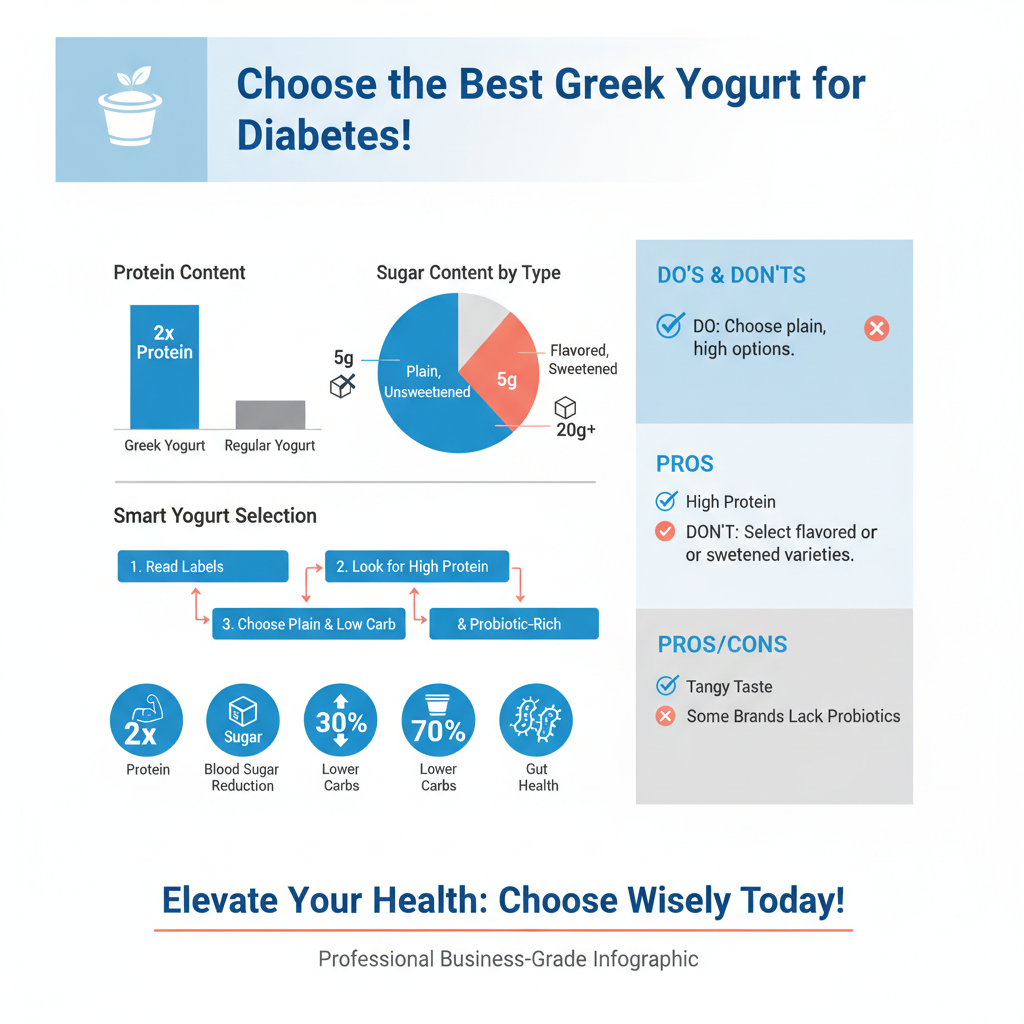

When you’re standing in the dairy aisle, faced with a dazzling array of Greek yogurt options, knowing exactly what to look for on the nutrition label is your secret weapon. Prioritizing these key nutritional factors will guide you toward the most diabetes-friendly choices.
* Minimize Added Sugar: This is perhaps the most critical factor. Naturally occurring sugars from milk (lactose) are fine in moderation, as they come packaged with protein and fat that slow absorption. However, *added* sugars are what we need to watch out for, as they can quickly elevate blood glucose levels without providing much nutritional value. Aim for yogurts with 0-5 grams of added sugar per serving. Many plain, unsweetened Greek yogurts will proudly display 0 grams of added sugar, making them ideal. Remember, the nutrition label now differentiates between total sugars and added sugars, making this much easier to track!
* High Protein Content: To truly leverage Greek yogurt’s blood sugar-stabilizing power and satiety benefits, prioritize a high protein count. Look for options that offer at least 15 grams of protein per serving. Some excellent brands even provide 18-20+ grams in a standard single serving. This robust protein punch will keep you feeling full and satisfied, helping to curb hunger and prevent overeating.
* Watch Total Carbohydrates: While protein is the star, monitoring total carbohydrates is also essential to ensure your yogurt fits into your daily carb budget. Although Greek yogurt naturally has fewer carbs than regular yogurt, fruit-flavored or sweetened varieties can sneak in extra grams. For plain, unsweetened options, you’ll typically find around 6-10 grams of total carbohydrates per serving, which is generally well within a diabetic-friendly range, especially given the high protein content.
* Fat Content: When it comes to fat, you have options! Many people opt for low-fat (1-2%) or non-fat (0%) Greek yogurt. These choices help manage saturated fat intake, which is important for heart health – a significant concern for individuals with diabetes. However, if you find that a slightly higher fat content (like 2% or even full-fat) helps you feel more satisfied or fits better into your dietary plan (e.g., if you’re following a lower-carb, higher-fat approach under medical supervision), that can be acceptable too. Always discuss your specific fat intake needs with your doctor or a registered dietitian.
Deciphering Food Labels: What to Watch For

Navigating food labels can feel like cracking a secret code, but once you know what clues to look for, you’ll become a pro at identifying the best Greek yogurts for your diabetes management. It’s all about being an informed consumer!
* “Plain” is Key: This might seem obvious, but it’s worth reiterating: always reach for “plain” Greek yogurt. Any label claiming “vanilla,” “strawberry,” “honey,” “fruit-on-the-bottom,” or even “light fruit” is almost certainly a red flag for added sugars. These innocent-sounding descriptors often conceal significant amounts of sweeteners, turning an otherwise healthy food into something akin to a dessert. Plain means just that – no added flavors, no added sweeteners.
* Ingredients List: Don’t stop at the nutrition facts; flip to the ingredients list! This is where hidden sugars often reveal themselves. Beyond “sugar” itself, be on the lookout for terms like: high-fructose corn syrup, cane sugar, brown rice syrup, evaporated cane juice, fruit juice concentrate, dextrose, maltose, sucrose, and any ingredient ending in “-ose.” If these appear early in the list, it means they are present in higher amounts. Also, pay attention to artificial sweeteners (like sucralose, aspartame, acesulfame potassium). While they don’t directly raise blood sugar, some individuals prefer to limit them, and they can sometimes impact gut health or cravings for sweetness.
* Serving Size Awareness: It’s super easy to overlook the serving size, but it’s crucial for accurately calculating your intake of protein, carbs, and sugars. The nutrition information provided is *per serving*, and a container might hold one or more servings. For instance, a larger tub might be labeled as 2 or 3 servings. If you consume the entire container without realizing it, you could be doubling or tripling your intended intake of calories, carbohydrates, and sugar. Always check the serving size and adjust your calculations accordingly.
Identifying Diabetic-Friendly Greek Yogurt Options
With your label-reading skills honed, it’s time to pinpoint those truly diabetic-friendly Greek yogurt gems on the supermarket shelves. The good news is that many major brands now offer excellent options tailored for health-conscious consumers.
* Unsweetened & Plain Varieties: This is your golden rule. Always, always, always go for plain and unsweetened. These varieties serve as a blank canvas, allowing you to control exactly what goes into your yogurt. They consistently have the lowest carbohydrate and sugar counts and the highest protein. Don’t be tempted by marketing claims like “naturally sweetened” or “real fruit” unless you’ve thoroughly checked the added sugar content.
* Specific Brand Categories: Many popular brands offer stellar plain, unsweetened Greek yogurt options. When you’re looking for 0% (non-fat) or 2% (low-fat) fat varieties, here are some excellent starting points:
* Fage Total 0% Plain Greek Yogurt: A classic choice, known for its thick texture and high protein content (often 18g+ per serving). It’s famously plain and unsweetened.
* Chobani Plain Greek Yogurt (0% or 2% fat): Another widely available and excellent option, offering robust protein and no added sugar.
* Wallaby Organic Aussie Greek Plain (0% or 2% fat): For those who prefer organic, Wallaby offers rich, creamy plain Greek yogurt with solid nutritional stats.
* Stonyfield Organic Greek 0% Fat Plain Yogurt: A good organic choice that fits the bill for high protein and no added sugar.
A note on Oikos Triple Zero: While it has 0 sugar, 0 fat, and 0 artificial sweeteners, it achieves sweetness through stevia leaf extract. This can be an option for some, but if you prefer to avoid all non-nutritive sweeteners, stick to truly plain, unsweetened yogurt.
* Check for “No Added Sugar”: Some brands explicitly highlight “No Added Sugar” on their plain varieties, which is a fantastic shortcut for quick identification. This claim reassures you that the only sugars present are those naturally found in milk, making your selection process much easier and more confident.
Delicious & Healthy Ways to Enjoy Greek Yogurt
Just because you’re choosing plain, unsweetened Greek yogurt doesn’t mean it has to be boring! With a little creativity, you can transform it into a delicious and satisfying snack or meal that perfectly supports your diabetes management.
* Smart Toppings: The beauty of plain Greek yogurt is its versatility – it’s a blank canvas for healthy flavor additions. Skip sugary granola or dried fruit and instead reach for low-sugar, high-fiber, and healthy-fat options:
* Fresh Berries: A small handful of fresh blueberries, raspberries, or sliced strawberries adds natural sweetness, antioxidants, and fiber without a huge carb load.
* Nuts & Seeds: A sprinkle of chopped almonds, walnuts, pecans, or a tablespoon of chia seeds, flax seeds, or hemp hearts provides healthy fats, fiber, and an extra protein boost, promoting satiety.
* Spices: Cinnamon is a fantastic choice, as it adds warmth and flavor while potentially offering some blood sugar benefits. A dash of vanilla extract or a pinch of nutmeg can also elevate the taste.
* Unsweetened Coconut Flakes: For a tropical twist, a small amount of unsweetened shredded coconut can add texture and flavor.
* Savory Applications: Don’t limit Greek yogurt to breakfast! It’s an incredibly versatile ingredient in savory dishes, adding creaminess and a tangy kick while boosting protein:
* Healthy Dips: Use it as a base for tzatziki (with cucumber, garlic, dill), or a creamy ranch dip (with herbs, garlic powder, onion powder).
* Salad Dressings: Whisk it with olive oil, lemon juice, herbs, and spices for a lighter, creamier salad dressing.
* Sour Cream Substitute: It’s an excellent, lower-fat, higher-protein stand-in for sour cream on baked potatoes, tacos, or chili.
* Marinades: Its acidity helps tenderize meats and poultry while infusing flavor.
* Smoothie Booster: Adding a dollop of plain Greek yogurt to your diabetic-friendly smoothies is a brilliant way to boost protein content without adding unwanted sugars. Combine it with leafy greens (spinach, kale), a small amount of low-carb fruit (like berries), and maybe some unsweetened almond milk and a healthy fat source (like avocado or nut butter) for a balanced and filling beverage.
Pitfalls to Avoid: What Not to Choose
While Greek yogurt is a powerhouse for diabetics, not all yogurts are created equal. Knowing what to steer clear of is just as important as knowing what to look for, helping you avoid common traps in the dairy aisle.
* Flavored Yogurts: This is the biggest pitfall. Almost all flavored yogurts, even those with seemingly healthy labels, are sugar bombs. “Fruit-on-the-bottom,” “harvest peach,” “mixed berry,” or “honey vanilla” varieties often contain as much, if not more, added sugar than a candy bar or a soda. These can cause rapid spikes in blood glucose, completely undermining your diabetes management efforts. Always check the added sugar content – if it’s above 5 grams, it’s generally best to avoid it.
* “Light” or “Fat-Free” with Sugar: Don’t be fooled by “light” or “fat-free” claims. While reducing fat might sound healthy, many manufacturers replace the fat with significant amounts of added sugar to maintain flavor and texture. So, a “light” yogurt might be lower in fat but much higher in sugar, making it a worse choice for blood sugar control. Always check the added sugar content, regardless of the fat content claim.
* Excessive Artificial Sweeteners: Some “sugar-free” or “diet” yogurts rely heavily on artificial sweeteners like sucralose, aspartame, or acesulfame potassium. While these don’t directly raise blood glucose, their long-term effects on gut health, metabolism, and cravings are still a subject of ongoing research. Some individuals report that artificial sweeteners can increase cravings for sweet foods, potentially leading to overconsumption later on. It’s often best to stick to truly plain yogurt and sweeten it naturally with low-sugar options like berries if desired, or at least be mindful of your body’s response to artificial sweeteners.
Choosing the best Greek yogurt for managing diabetes centers on prioritizing plain, unsweetened varieties high in protein and low in added sugars and carbohydrates. By carefully reading nutrition labels and focusing on these key factors, you can effectively incorporate this versatile and beneficial food into your diet. Remember that “plain” is your best friend, and smart, natural toppings can transform it into a delicious and satisfying part of your meal plan. Always consult with your doctor or a registered dietitian to tailor dietary advice to your specific health needs and ensure Greek yogurt fits into your personalized diabetes management plan, helping you enjoy its benefits with confidence.
Frequently Asked Questions
What are the key factors to consider when choosing Greek yogurt for managing diabetes?
When selecting Greek yogurt for diabetes management, prioritize products with low sugar content and high protein. Look for brands with minimal or no added sugars, ideally under 10 grams of total carbohydrates per serving, to prevent blood glucose spikes. The high protein content in Greek yogurt is beneficial for satiety and can help stabilize blood sugar levels, making it a smart dietary choice.
Which type of Greek yogurt is generally best for diabetics: plain, low-fat, or full-fat?
Plain, unsweetened Greek yogurt, regardless of its fat content, is generally the best choice for diabetics because it contains no added sugars. While low-fat versions are good for calorie control, full-fat options can offer increased satiety and may help slow the absorption of any accompanying carbohydrates. Always prioritize “plain” and “unsweetened” labels as the primary criteria for the best Greek yogurt for diabetics.
How can diabetics identify Greek yogurts with hidden sugars or unhealthy additives?
To avoid hidden sugars in Greek yogurt, meticulously examine the nutrition label and ingredient list. Be vigilant for terms like corn syrup, fructose, cane sugar, honey, agave nectar, or fruit juice concentrate, all of which indicate added sugars. Additionally, steer clear of artificial sweeteners if you prefer natural options, and choose brands with shorter, more recognizable ingredient lists for optimal diabetes management.
Why is plain, unsweetened Greek yogurt often recommended as the top choice for diabetics?
Plain, unsweetened Greek yogurt is highly recommended for diabetics primarily due to its naturally low carbohydrate and sugar content combined with significant protein levels. This powerful nutritional profile helps prevent rapid blood sugar spikes and promotes sustained fullness, which is crucial for glucose control. Its versatility also allows individuals to enhance it with diabetic-friendly additions like berries, nuts, or seeds without extra sugars.
Can diabetics safely enjoy flavored Greek yogurt, and if so, what should they look for?
Diabetics can enjoy flavored Greek yogurt, but extreme caution is advised due to the high added sugar content in most varieties. When choosing, look for options specifically labeled “no added sugar,” “light,” or “carb-controlled,” which often use sugar substitutes or minimal fruit. Always check the nutrition label for the lowest net carbs and added sugars per serving to ensure it aligns with your diabetes dietary plan.
References
- https://www.diabetes.org/food-nutrition/recipes/yogurt-parfait-with-berries-and-nuts
- https://www.mayoclinic.org/diseases-conditions/diabetes/expert-answers/diabetes-diet/faq-20058479
- https://www.health.harvard.edu/diseases-and-conditions/diabetic-diet-foods-to-eat-and-avoid
- Yogurt • The Nutrition Source
- Healthy Living with Diabetes – NIDDK
- https://www.cdc.gov/diabetes/managing/eat-well/index.html
- https://www.ucsfhealth.org/education/healthy-eating-for-type-2-diabetes
