
Choosing the best granola for diabetics is entirely possible, but it requires careful attention to ingredients and nutritional labels. The key insight is that while many traditional granolas are loaded with sugar and refined carbohydrates that can spike blood sugar, there are excellent options available—and even homemade recipes—that prioritize low sugar, high fiber, and whole grains, making them a smart and satisfying choice for managing diabetes. With a little knowledge and mindful selection, you don’t have to give up this beloved crunchy snack; you can enjoy it as a valuable part of your blood-sugar-friendly diet.
Understanding Granola’s Impact on Blood Sugar

Traditional granolas are often high in added sugars, honey, and refined grains, leading to rapid blood sugar spikes. Many commercially available granolas are essentially dessert masquerading as a healthy breakfast, packed with more sugar per serving than a donut. This quick influx of simple carbohydrates can cause glucose levels to rise sharply, putting a strain on the body’s insulin response and potentially leading to energy crashes and long-term health complications for individuals managing diabetes. Understanding this fundamental issue is the first step toward making better choices.
The glycemic index (GI) and glycemic load (GL) are crucial metrics when evaluating food choices for blood sugar management. The GI ranks carbohydrates based on how quickly they raise blood glucose levels, while GL takes into account the portion size, offering a more realistic picture of a food’s impact. For stable blood sugar, you should opt for granolas that contribute to a lower overall GL, meaning they have a slower, more sustained impact on your glucose levels. This is typically achieved through ingredients that are less processed and rich in fiber and healthy fats, which naturally slow digestion and absorption.
Fiber content is vital as it slows down sugar absorption, helping to mitigate post-meal glucose surges. Dietary fiber, particularly soluble fiber found in oats, forms a gel-like substance in the digestive tract that delays stomach emptying and the absorption of glucose into the bloodstream. This means that even if a granola contains some carbohydrates, a high fiber content can significantly reduce its glycemic impact, leading to a more gradual and controlled rise in blood sugar. Furthermore, fiber promotes satiety, helping you feel fuller for longer and potentially reducing overall calorie intake, which is beneficial for weight management, a key aspect of diabetes control.
Key Nutritional Factors for Diabetic-Friendly Granola
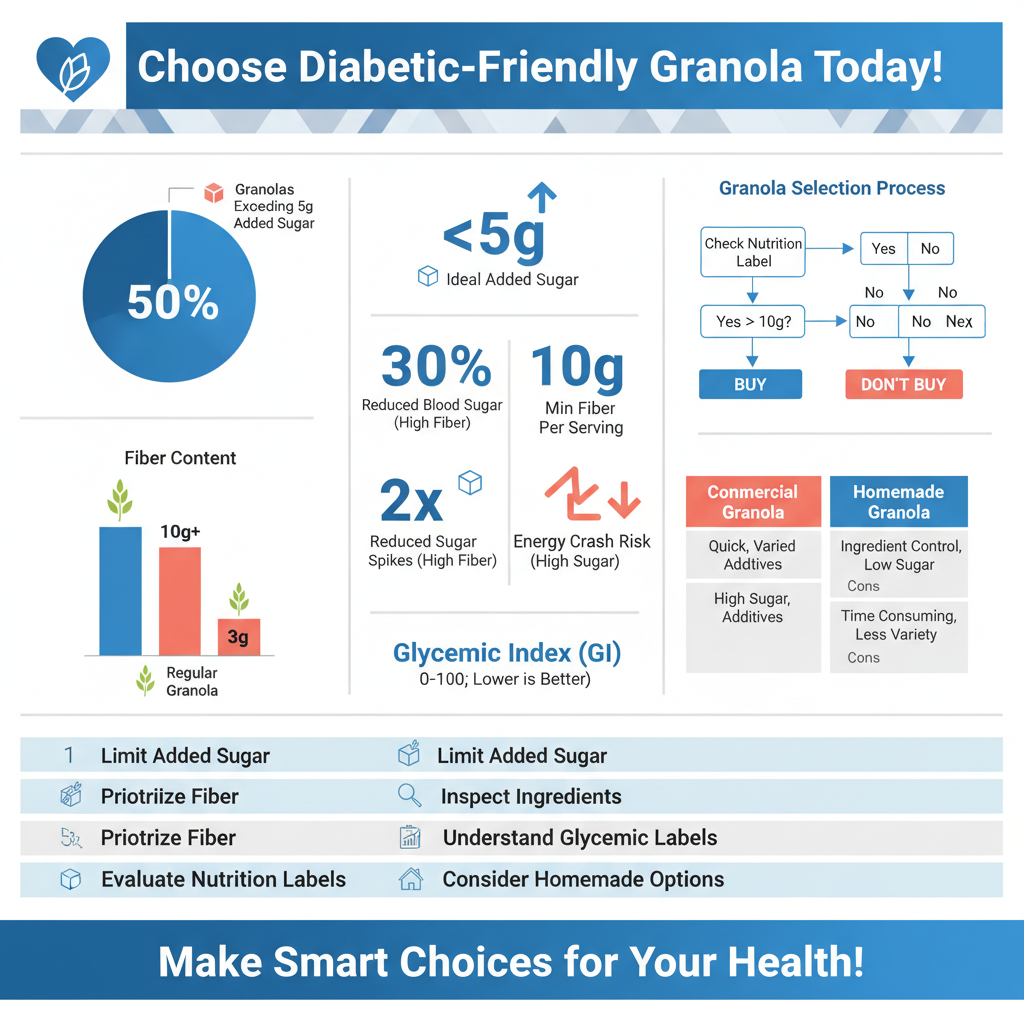

Low Added Sugar: Prioritize granolas with minimal to no added sugars, ideally less than 5 grams per serving. This is perhaps the most critical factor when selecting granola for diabetes management. Many conventional granolas use a variety of added sugars, including high-fructose corn syrup, cane sugar, brown sugar, honey, and maple syrup, all of which contribute to elevated blood glucose. Look closely at the nutrition label and ingredient list. If any form of sugar is among the first few ingredients, it’s best to put that box back. Instead, seek out granolas that rely on natural sweetness from ingredients like unsweetened dried fruit (in moderation), spices like cinnamon, or very small amounts of low-glycemic natural sweeteners such as monk fruit or stevia.
High Fiber Content: Aim for at least 3-5 grams of fiber per serving, which aids digestion and blood sugar control. As discussed, fiber is your friend when it comes to regulating blood sugar. Granola with a robust fiber profile helps slow down the digestion of carbohydrates, leading to a more gradual rise in blood glucose levels rather than a sharp spike. Ingredients like whole rolled oats, chia seeds, flax seeds, and nuts are excellent sources of dietary fiber. Make it a habit to check the fiber content on the nutrition label – the higher, the better, within reason, as it contributes significantly to the health benefits of your granola.
Whole Grains and Healthy Fats: Ensure the primary ingredients are whole grains like oats and incorporate healthy fats from nuts and seeds. Whole grains, unlike refined grains, retain all parts of the grain kernel—the bran, germ, and endosperm—which means they are rich in fiber, vitamins, and minerals. Oats are an excellent choice, providing a good source of soluble fiber (beta-glucan). Additionally, healthy fats from ingredients like almonds, walnuts, pecans, and seeds (chia, flax, pumpkin) play a crucial role. These monounsaturated and polyunsaturated fats can improve insulin sensitivity, reduce inflammation, and contribute to satiety, further helping with blood sugar management and overall heart health, which is particularly important for individuals with diabetes.
Ingredients to Seek Out and Avoid
Look For: When you’re scanning the ingredient list, you want to see a lineup of real, wholesome foods. Whole oats should be a primary ingredient, providing that valuable fiber and slow-release energy. Almonds, walnuts, pecans, and other nuts are fantastic additions, offering healthy fats, protein, and crunch. Similarly, chia seeds, flax seeds, and pumpkin seeds pack a powerful nutritional punch with fiber, omega-3 fatty acids, and essential minerals. Unsweetened coconut flakes can add flavor and healthy fats without the sugar load. Spices like cinnamon not only enhance taste but have also been studied for their potential benefits in improving insulin sensitivity. For sweeteners, if any, look for very small amounts of natural, low-glycemic options like monk fruit or stevia.
Avoid: Being aware of what to steer clear of is just as important. Absolutely avoid granolas that list high-fructose corn syrup, refined white sugar, brown sugar, honey, or maple syrup high up in the ingredient list. These are fast-acting sugars that will quickly elevate your blood glucose. While natural, honey and maple syrup are still concentrated sugars and should be avoided or used in extremely small, controlled amounts. Also, be wary of excessive dried fruits, even though they are “natural.” Dried fruits are essentially concentrated sugar bombs; when the water is removed, the sugars become much more potent in a smaller serving, leading to rapid blood sugar spikes. Lastly, while some artificial sweeteners might not raise blood sugar, using them as primary sweeteners often means the product is lacking in truly beneficial whole ingredients and might still encourage a preference for overly sweet foods.
Reading Nutrition Labels and Choosing Brands
Always check the “Nutrition Facts” panel, focusing on serving size, total carbohydrates, added sugars, and fiber. This panel is your best friend when navigating the grocery aisles. Start by looking at the serving size; manufacturers often make serving sizes deceptively small to make the numbers look better. Then, zero in on “Total Carbohydrates” – this tells you the overall carb load. Next, critically examine “Added Sugars”. This number specifically indicates sugars that were added during processing, distinct from naturally occurring sugars. Your goal is to find granolas with “Added Sugars” as close to 0 grams as possible, and definitely less than 5 grams per serving. Finally, check “Fiber” content, aiming for at least 3-5 grams per serving to help offset the carbohydrate impact.
Scan the ingredient list for whole, recognizable foods listed first, indicating their higher proportion in the product. The ingredient list is ordered by quantity, from most to least. So, if whole oats, nuts, and seeds are at the top, you’re on the right track. If sugar (in any of its many forms) is one of the first three ingredients, it’s a red flag. Look for a short, clear list of ingredients you understand, without a lot of scientific-sounding additives or artificial flavors. A simple rule of thumb: if you can’t pronounce it or don’t know what it is, it might be best to pass.
Consider brands specifically marketed as “low-sugar,” “keto-friendly,” or “diabetic-friendly,” but always verify claims with the actual label. While these labels can be a helpful starting point to narrow down your options, they are not a substitute for thorough label reading. Marketing jargon can sometimes be misleading. A “low-sugar” claim might still mean it has more sugar than you’d prefer, or it might be compensated with unhealthy fats or artificial ingredients. Always cross-reference the marketing claims with the Nutrition Facts panel and the ingredient list to ensure the product genuinely aligns with your dietary needs for managing diabetes.
Making Your Own Diabetic-Friendly Granola
Homemade granola offers complete control over ingredients, allowing you to tailor sugar and fat content precisely. This is truly the gold standard for diabetic-friendly granola. When you make it yourself, you eliminate all the guesswork and potential hidden sugars or unhealthy oils often found in commercial products. You can hand-pick every ingredient to ensure it meets your specific dietary requirements and preferences, giving you peace of mind and delicious results. Plus, making your own often proves to be more cost-effective in the long run.
Use a base of rolled oats, a mix of various nuts and seeds, a small amount of healthy oil (like coconut or olive oil), and spices. Start with old-fashioned rolled oats, not instant, for the best fiber and texture. Then, get creative with your additions: almonds, walnuts, pecans, pumpkin seeds, sunflower seeds, chia seeds, and flax seeds are all excellent choices. For binding and crispiness, a tablespoon or two of healthy oil such as virgin coconut oil or light olive oil works wonderfully. Don’t forget flavor enhancers like cinnamon, nutmeg, or a pinch of salt to round out the taste profile without adding sugar.
Sweeten sparingly with a touch of stevia, monk fruit, or a very small amount of sugar-free syrup for flavor without the blood sugar impact. The key here is sparingly. You might be surprised at how much flavor you can get from spices and toasted nuts without much sweetener at all. If you do want a touch of sweetness, natural, non-caloric sweeteners like stevia or monk fruit are great options. Alternatively, a tiny drizzle of a high-quality, sugar-free syrup (ensure it uses safe sweeteners like erythritol or allulose) can provide that hint of traditional granola flavor without impacting your blood sugar levels. Experiment to find the perfect balance that satisfies your palate.
Portion Control and Serving Suggestions
Even the best diabetic-friendly granola requires careful portion control due to its calorie density and carbohydrate content. While you’ve gone to great lengths to choose or create a low-sugar, high-fiber option, granola, by nature, is still calorie-dense. Nuts, seeds, and oats all contribute carbohydrates, healthy fats, and calories. Consuming too much, even of a “good” granola, can still lead to an excess of carbohydrates and calories, potentially impacting blood sugar levels and weight management goals. Always measure your serving size – typically ¼ to ½ cup – rather than free-pouring from the bag.
Pair your granola with low-carb, high-protein foods such as plain Greek yogurt, cottage cheese, or a handful of berries to create a balanced meal. Granola alone, even the best kind, might not offer a complete nutritional profile. By combining it with a protein source like plain, unsweetened Greek yogurt or cottage cheese, you further slow down digestion and increase satiety, helping to stabilize blood sugar. Adding a small handful of fresh, low-glycemic berries like raspberries or blueberries can provide antioxidants and natural sweetness without a significant carb load, creating a truly balanced and satisfying meal or snack.
Use it as a sprinkle or topping for added crunch and flavor, rather than consuming large bowls as a standalone meal. Think of diabetic-friendly granola as a garnish or an enhancement, rather than the main event. A light sprinkle over a smoothie, a bowl of oatmeal, or a fruit salad can provide that satisfying crunch and flavor boost without overwhelming your system with carbohydrates. This approach allows you to enjoy the texture and taste you love while keeping your portion sizes in check and ensuring your meal remains balanced for optimal blood sugar management.
Finding the best granola for diabetics hinges on informed choices and mindful consumption. By prioritizing products with low added sugar, high fiber, and whole, natural ingredients, and by practicing portion control, you can enjoy this versatile snack as part of a balanced diet. Whether you choose a carefully selected store-bought option or create your own masterpiece at home, empowering yourself with knowledge about nutrition labels and ingredients is key to making choices that support your health goals. Always consult with your healthcare provider or a registered dietitian for personalized dietary advice tailored to your specific diabetic management plan.
Frequently Asked Questions
What key nutritional factors should diabetics prioritize when choosing granola?
Diabetics should prioritize granola with low added sugars, high fiber content, and a good source of protein and healthy fats. Look for options with ideally less than 5-8 grams of added sugar per serving and at least 3-5 grams of fiber, as these components help manage blood glucose levels, promote satiety, and prevent unwanted sugar spikes. Prioritizing these factors ensures your granola choice supports stable energy for individuals managing diabetes.
How can diabetics effectively identify truly low-sugar or diabetic-friendly granola options on store shelves?
To identify diabetic-friendly granola, carefully scrutinize the nutrition label and ingredient list. Prioritize products that list whole grains, nuts, and seeds as primary ingredients, and check for added sugars disguised under various names like corn syrup, brown rice syrup, or fruit juice concentrate. Always compare the “Added Sugars” line on the nutrition panel, aiming for options with minimal amounts per serving to effectively manage blood sugar without sacrificing flavor.
Why is granola with a high fiber content especially beneficial for blood sugar management in diabetics?
High-fiber granola is particularly beneficial for diabetics because fiber helps slow down the digestion and absorption of carbohydrates, leading to a more gradual rise in blood sugar levels rather than a sharp spike. Soluble fiber, commonly found in oats, can also improve insulin sensitivity and support gut health. This sustained release of energy helps maintain stable glucose levels, making it a crucial component of a diabetic-friendly diet.
Which specific ingredients should diabetics strictly avoid or limit when selecting granola?
Diabetics should strictly avoid or limit granola containing excessive amounts of added sugars, such as high-fructose corn syrup, cane sugar, brown sugar, honey, and maple syrup, especially when they are among the first few ingredients. Also, be wary of granolas with partially hydrogenated oils (trans fats) or a long list of artificial sweeteners, as these can negatively impact metabolic health or overall well-being. Always opt for clean labels with natural, whole-food ingredients.
What are some characteristics of the “best” granola for diabetics, considering both taste and nutritional impact?
The “best” granola for diabetics strikes a balance between being low in added sugars and high in beneficial nutrients like fiber, protein, and healthy fats from ingredients such as nuts and seeds, all while offering satisfying taste and texture. Look for options that use natural, minimal sweeteners or rely on the inherent sweetness of ingredients like cinnamon or a small amount of unsweetened dried fruit. A truly diabetic-friendly granola provides satisfying crunch and flavor, contributing to stable blood sugar and supporting a healthy lifestyle.
References
- https://diabetes.org/food-nutrition/what-to-eat/understanding-carbohydrates
- https://diabetes.org/food-nutrition/what-to-eat/understanding-fiber
- Diabetes diet: Create your healthy-eating plan – Mayo Clinic
- https://www.cdc.gov/diabetes/managing/eat-well/food-choices.html
- Carbohydrates • The Nutrition Source
- Healthy Living with Diabetes – NIDDK
