
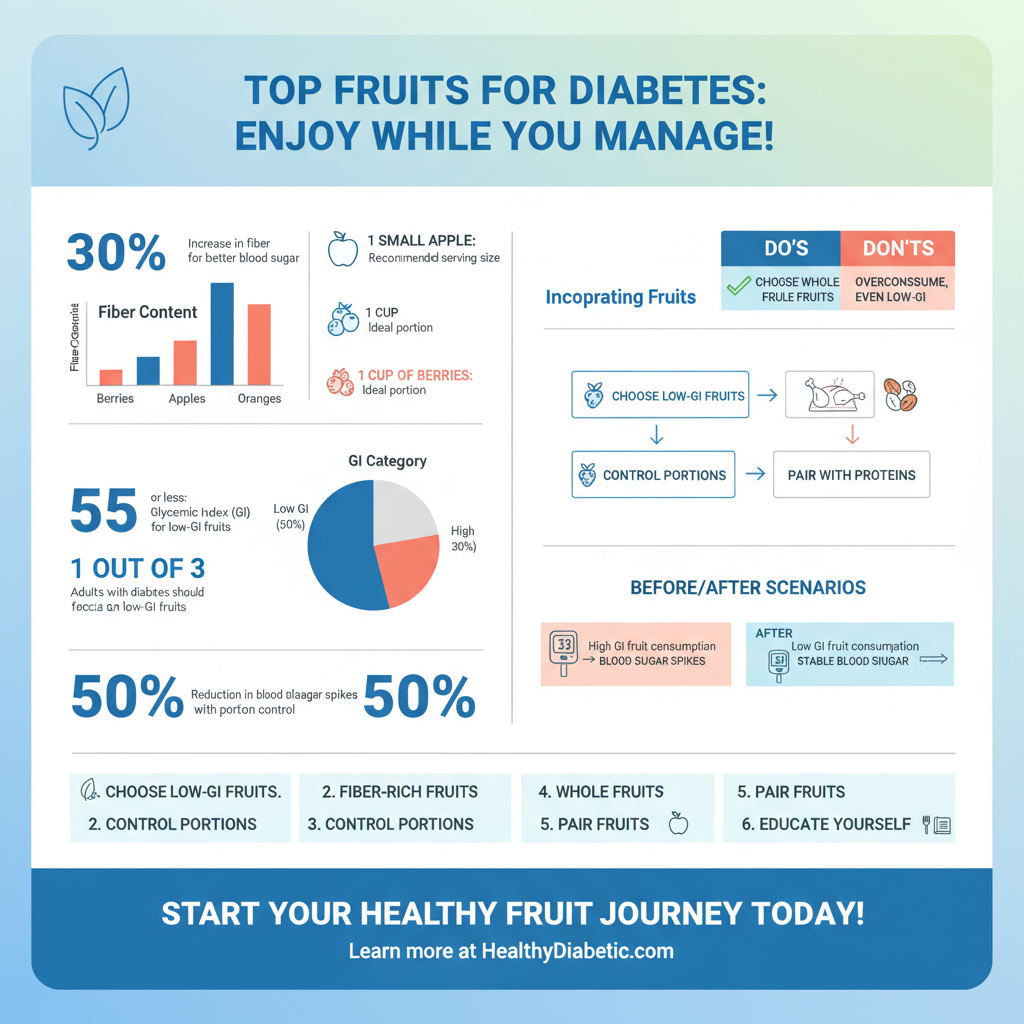
Yes, individuals managing diabetes can absolutely enjoy fruit as part of a healthy diet! The key is to make smart choices, focusing on fruits with a low to moderate glycemic index (GI) and practicing careful portion control. Many fruits offer a wealth of essential nutrients, fiber, and powerful antioxidants, all of which can support overall health without causing significant spikes in blood sugar when chosen wisely. Berries, apples, citrus fruits like oranges and grapefruits, and kiwis are among the top recommendations due to their favorable nutrient profiles and their gentle impact on blood glucose levels. This comprehensive guide will walk you through the best fruit options to seamlessly integrate into a diabetic-friendly eating plan.
Understanding Fruit and Diabetes Management

Navigating your diet when managing diabetes can feel overwhelming, but understanding a few key concepts about fruit can empower you to make excellent choices. Fruit is a natural, wholesome food, and by knowing how it interacts with your body, you can harness its benefits effectively.
* Glycemic Index (GI) and Glycemic Load (GL): These are crucial tools for understanding how different foods affect your blood sugar. The Glycemic Index (GI) measures how quickly a carbohydrate-containing food raises blood glucose levels on a scale of 0 to 100. Foods with a low GI (55 or less) cause a slower, more gradual rise in blood sugar, while high GI foods (70 or more) can lead to rapid spikes. The Glycemic Load (GL) takes this a step further by considering both the GI and the actual serving size of the food, giving you a more realistic picture of its impact. For effective diabetes management, it’s best to focus on fruits with a low to moderate GI and GL, as these options help maintain steadier blood sugar levels throughout the day.
* The Power of Fiber: Fiber is a superstar nutrient, especially for individuals managing diabetes. It’s the indigestible part of plant foods that plays a critical role in slowing down the absorption of sugar into your bloodstream. This delay helps to prevent those sharp, undesirable blood sugar spikes that can occur after eating. Beyond blood sugar control, fiber is fantastic for digestive health, helps you feel fuller for longer (promoting satiety and aiding weight management), and can even contribute to lower cholesterol levels. Eating whole fruits, rather than fruit juices, is essential to ensure you get all that beneficial fiber.
* Portion Control is Key: While fruits are incredibly healthy, they do contain natural sugars (fructose). Even the healthiest low-GI fruits can elevate blood sugar if consumed in excess. Therefore, mindful portion control is absolutely crucial for effective blood sugar management. Learning standard serving sizes for different fruits—for example, one small apple, a cup of berries, or half a grapefruit—can make a big difference. Pairing your fruit with a source of protein or healthy fat, like a handful of nuts or a spoonful of Greek yogurt, can also help further slow down sugar absorption and keep you feeling satisfied.
Berries: Antioxidant-Rich & Low GI Powerhouses

Berries are truly a gift from nature, especially for those with diabetes. These small but mighty fruits are nutritional champions, offering a wealth of benefits with a minimal impact on blood sugar.
* Top Picks: When it comes to berries, you’re spoiled for choice! Strawberries are bursting with Vitamin C and manganese, offering a sweet yet low-calorie option. Blueberries are famous for their high concentration of anthocyanins, powerful antioxidants that may improve insulin sensitivity and support cognitive function. Raspberries stand out with their impressive fiber content, often leading the pack among berries, while blackberries are rich in Vitamin K and antioxidants. All these berries share a common thread: they are fantastic choices for maintaining stable blood sugar levels.
* Nutritional Benefits: What makes berries so special? They are absolutely packed with a diverse array of antioxidants, including polyphenols and anthocyanins, which are compounds that help combat oxidative stress and inflammation—issues often heightened in individuals with diabetes. Beyond their antioxidant prowess, berries are also excellent sources of essential vitamins (like Vitamin C and K) and minerals, which support overall bodily functions. Their naturally high fiber content is a game-changer, as it slows down sugar absorption, ensuring that the natural sugars found in berries are released gradually into your bloodstream, contributing to stable blood sugar levels without the sudden peaks.
* Versatile Consumption: One of the best things about berries is how incredibly easy and delicious they are to incorporate into your daily diet. They’re fantastic on their own as a simple, refreshing snack, or you can get creative! Try tossing a handful into your morning smoothie for an antioxidant boost, mixing them into plain Greek yogurt for a fiber-rich breakfast, or adding them to a fresh spinach salad for a delightful sweet-tart contrast. They can also be a wonderful, low-sugar topping for whole-grain pancakes or used to infuse water for a naturally flavored, hydrating drink. Whether fresh or frozen (which often retain just as many nutrients!), berries are a deliciously flexible choice.
Apples and Pears: Fiber-Filled Favorites
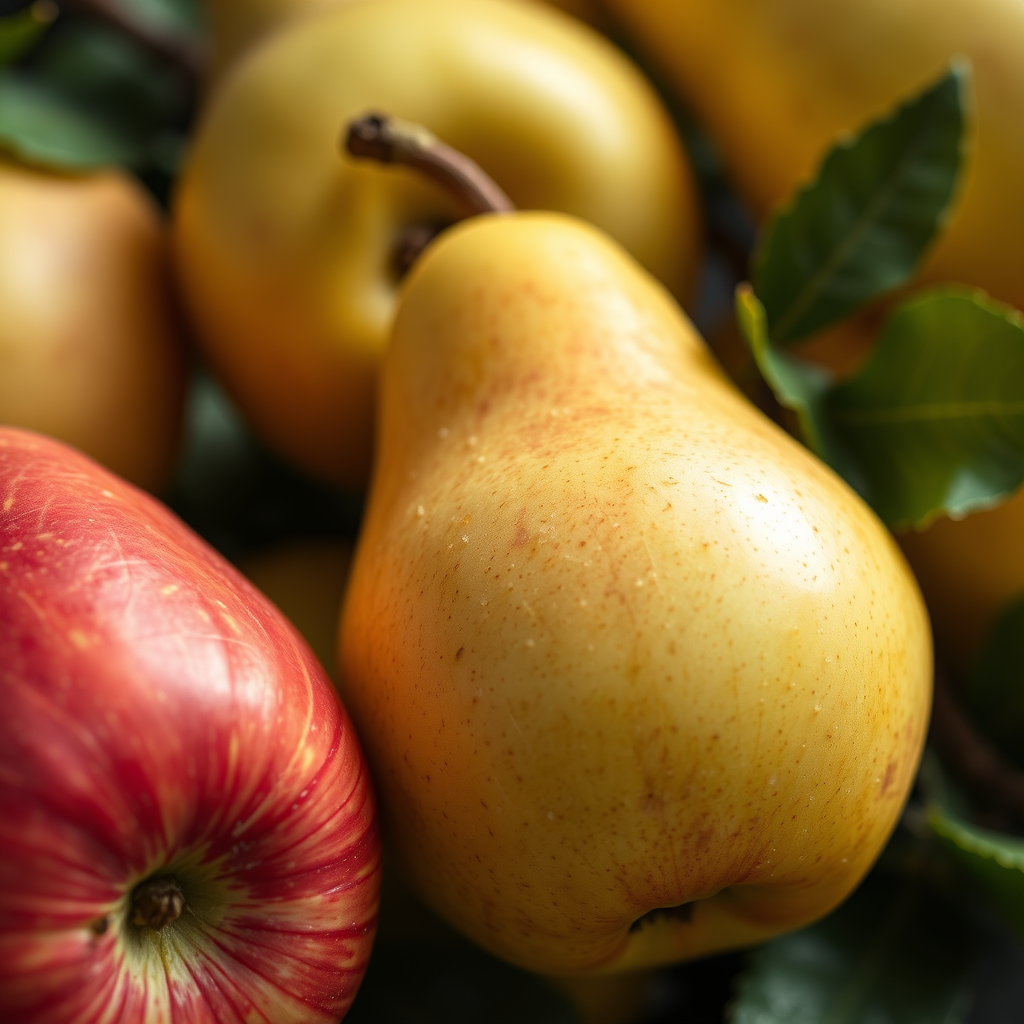
Crisp, refreshing, and incredibly satisfying, apples and pears are classic fruits that hold a special place in a diabetic-friendly diet. Their natural sweetness is beautifully balanced by their robust fiber content.
* High Fiber Content: Both apples and pears are celebrated for their significant soluble fiber content, particularly pectin. This type of fiber is a true hero for blood glucose regulation. When consumed, pectin forms a gel-like substance in your digestive tract, which effectively slows down the digestion and absorption of carbohydrates. This means that the natural sugars in apples and pears are released into your bloodstream more gradually, helping to prevent sharp blood sugar spikes. Beyond blood sugar benefits, this soluble fiber also contributes to feelings of fullness, supports healthy digestion, and can even help lower LDL (“bad”) cholesterol.
* Moderate Glycemic Index: Apples and pears typically have a moderate glycemic index, making them a safe and highly beneficial choice for people with diabetes. This moderate GI is primarily due to their natural sugar content being wonderfully balanced by their high fiber and water content. Unlike fruit juices, which strip away the fiber, consuming these fruits whole ensures you get all the components that work together to mitigate a rapid rise in blood sugar. They offer a satisfying sweetness and crunch that can curb cravings for less healthy, high-sugar snacks without derailing your blood sugar goals.
* Best with Skin On: For maximum nutritional benefit, always try to eat apples and pears with their skin on (after thoroughly washing them, of course!). The skin is where a significant portion of their beneficial fiber, antioxidants, and various vitamins reside. Peeling these fruits removes a substantial amount of the very components that make them so beneficial for blood sugar management and overall health. Enjoy them sliced with a spoonful of unsweetened nut butter for an extra boost of protein and healthy fats, diced into your morning oatmeal, or as a simple, satisfying snack on the go.
Citrus Fruits: Vitamin C Boost with Low GI
Bright, zesty, and incredibly refreshing, citrus fruits are another fantastic category of low-GI options that are perfect for a diabetic-friendly diet. They bring a burst of flavor and a wealth of health benefits.
* Excellent Options: The citrus family offers a wide variety of delicious choices. Oranges are a classic, providing a good balance of sweetness, fiber, and an impressive dose of Vitamin C. Grapefruits are known for their slightly tart flavor and even lower sugar content, though it’s important to be aware of potential interactions with certain medications. Lemons and limes are incredibly versatile, perfect for flavoring water, salads, and meals without adding significant calories or sugar. Smaller, easy-to-peel options like tangerines and clementines also make for convenient and healthy snacks.
* Rich in Vitamin C: Citrus fruits are legendary for their high Vitamin C content, and for good reason! Vitamin C is a powerful antioxidant that plays a crucial role in boosting your immune system, which is particularly important for individuals managing diabetes, as they may have a higher risk of infections. It also supports healthy skin, aids in collagen production, and helps protect your cells from damage caused by free radicals. Incorporating these fruits regularly can help ensure you’re getting enough of this vital nutrient, contributing to overall well-being and resilience.
* Hydrating and Low GI: Thanks to their high water content, citrus fruits are not only refreshing but also excellent for hydration. Proper hydration is important for everyone, but especially for those managing blood sugar levels. Their combination of water and fiber contributes to their naturally low glycemic index, meaning they cause a gradual rather than abrupt rise in blood sugar. Enjoy them whole to get all the beneficial fiber, squeeze them into water for a hydrating flavor boost, or add segments to salads for a vibrant and healthy addition.
Kiwis and Cherries: Nutrient-Dense Additions
When looking to diversify your fruit intake with unique flavors and nutrient profiles, kiwis and cherries are wonderful additions to consider for a balanced diabetic diet. They offer distinct benefits in moderate portions.
* Kiwis: These fuzzy or smooth-skinned green (or golden!) gems are nutritional powerhouses. Kiwis are an excellent source of dietary fiber, which, as we’ve learned, is crucial for slowing sugar absorption and promoting digestive health. They also boast an impressive amount of Vitamin C—often more than an equivalent serving of an orange—which supports immunity and acts as an antioxidant. Furthermore, kiwis provide Vitamin K, essential for blood clotting and bone health, and a good amount of Vitamin E. With a moderate glycemic index, they offer a sweet and tangy flavor that can be enjoyed in moderation, either scooped out, sliced into fruit salads, or blended into smoothies.
* Cherries (Tart): While all cherries are delicious, tart cherries (also known as sour cherries) are particularly noteworthy for individuals with diabetes due to their lower glycemic index compared to their sweeter counterparts. These vibrant red fruits are rich in anthocyanins, which are potent antioxidants and anti-inflammatory compounds. Research suggests that the compounds in tart cherries may help reduce inflammation and oxidative stress, potentially offering benefits for overall health and blood sugar regulation. They may also aid in muscle recovery and sleep quality. While sweet cherries can be enjoyed, tart cherries offer a more favorable profile for blood sugar management.
* Small Portions for Big Benefits: Like all fruits, even nutrient-dense options like kiwis and tart cherries should be consumed with portion control in mind. A typical serving of tart cherries might be around 10-12 cherries, while one medium kiwi is usually considered a single serving. These fruits provide a wonderful array of unique vitamins, minerals, and antioxidants that might not be as prevalent in other common fruits, making them excellent choices for adding variety and boosting your nutrient intake without overloading on sugar. Enjoy them fresh when in season, or opt for frozen unsweetened tart cherries year-round.
Fruits to Enjoy in Moderation or Watch Out For
While most fruits can fit into a diabetic-friendly diet, some varieties and forms of fruit require more cautious consumption due to their higher natural sugar content or lack of beneficial fiber. It’s not about exclusion, but about smart moderation.
* Higher GI Tropical Fruits: Some delicious tropical fruits, while nutritious, tend to have a higher natural sugar content and therefore a higher glycemic index. Bananas, for instance, are rich in potassium and offer a quick energy boost, but their sugar content can be quite high, especially when fully ripe. Opt for smaller bananas or slightly greener ones (which contain more resistant starch that acts like fiber). Mangoes and pineapples are also incredibly sweet and flavorful, but they carry a higher sugar load. When enjoying these, focus on very small portion sizes (e.g., a few slices or a small cup diced), and consider pairing them with protein or healthy fats to help buffer the blood sugar response. Always monitor your individual blood sugar levels after consuming these fruits to understand their specific impact on you.
* Dried Fruits: While incredibly convenient and portable, dried fruits like raisins, dates, apricots, and cranberries are concentrated sources of sugar. The drying process removes most of the water, leaving behind a much higher sugar content per serving compared to their fresh counterparts. This means that a small handful of dried fruit can have the same sugar impact as a much larger portion of fresh fruit, leading to a quicker and more significant rise in blood sugar. If you choose to include them, consume them very sparingly – think of them as a garnish rather than a snack, and be extremely mindful of portion sizes (e.g., just a tablespoon of raisins, not a whole box). Fresh fruit is almost always the better choice.
* Fruit Juices: This is perhaps the biggest “watch out” category for individuals managing diabetes. Even “100% fruit juice” is problematic because the juicing process strips away virtually all of the beneficial fiber that is present in whole fruits. Without fiber, the natural sugars are absorbed very rapidly into the bloodstream, leading to sharp and often significant blood sugar spikes. This effect is very similar to consuming a sugary soda. Furthermore, it’s easy to consume a large amount of fruit juice quickly, leading to an excessive sugar intake without the feeling of fullness that whole fruit provides. It’s best to avoid fruit juices altogether, or if you absolutely must have some, consume a very small amount (e.g., 4 ounces) diluted with water and always alongside a meal to help mitigate the blood sugar impact. Whole fruit is always the superior option.
Incorporating a diverse array of fruits into a diabetic diet is not only entirely possible but also highly beneficial for overall health, provided you make smart and informed choices regarding the type and portion size. Prioritizing low-GI, high-fiber options like delicious berries, crisp apples, and zesty citrus fruits will allow you to enjoy their extensive nutritional benefits without compromising your blood sugar management goals. Always remember that everyone’s body responds differently, so it’s essential to monitor your individual blood glucose levels after eating various fruits. And, of course, always consult with your healthcare provider or a registered dietitian to tailor your diet plan effectively, ensuring it meets your unique needs and health objectives.
Frequently Asked Questions
What are the best fruits for diabetics to eat that won’t spike blood sugar significantly?
Berries (strawberries, blueberries, raspberries), cherries, citrus fruits (oranges, grapefruits), kiwis, and apples are excellent choices for diabetics due to their high fiber content and relatively low glycemic index (GI). These “diabetic-friendly fruits” help to slow down sugar absorption, leading to a more gradual rise in blood glucose levels compared to high-GI alternatives. Enjoying a variety of these fruits in moderation can provide essential nutrients without compromising blood sugar control.
Why is it important for diabetics to choose fruits with a low glycemic index (GI)?
Choosing fruits with a low glycemic index is crucial for diabetics because these foods are digested and absorbed more slowly, resulting in a more gradual and controlled rise in blood sugar. This helps prevent rapid glucose spikes, which can be detrimental to long-term diabetes management and overall health. Consistently selecting low-GI fruits contributes to better blood glucose control and reduces the strain on insulin production.
How much fruit can a diabetic safely eat in a day without negatively impacting their blood glucose levels?
Generally, diabetics can safely consume 2-3 servings of fruit per day, with one serving typically being a small apple, a cup of berries, or half a banana. However, individual tolerance varies, so it’s vital to monitor your blood glucose levels after eating fruit to understand your body’s specific response. Pairing fruit with a source of protein or healthy fats can also help further minimize blood sugar fluctuations.
Which fruits should diabetics limit or avoid due to their higher sugar content or glycemic load?
Diabetics should limit or consume very small portions of fruits with a high sugar content or high glycemic load, such as watermelon, ripe bananas, mangoes, pineapples, and dried fruits like raisins, dates, and dried cranberries. While not strictly “forbidden,” these fruits can cause quicker and higher blood sugar spikes compared to low-GI options. Always check portion sizes and consider the fruit’s ripeness, as riper fruits generally have a higher sugar content.
Beyond blood sugar, what other health benefits do fruits offer for individuals managing diabetes?
Beyond aiding blood sugar management, fruits are packed with essential vitamins, minerals, and antioxidants that support overall health for individuals with diabetes. The high fiber content in fruits promotes digestive health, helps with satiety, and can contribute to better cholesterol levels, reducing the risk of heart disease. Regular consumption of diverse, whole fruits helps bolster the immune system and provides anti-inflammatory benefits, which are crucial for managing diabetes complications.
References
- https://diabetes.org/healthy-living/recipes-nutrition/eating-healthy/fruit
- Diabetes diet: Create your healthy-eating plan – Mayo Clinic
- https://www.hsph.harvard.edu/nutritionsource/healthy-eating-for-type-2-diabetes/
- https://www.diabetes.org.uk/guide-to-diabetes/enjoy-food/eating-with-diabetes/food-groups/fruit-and-vegetables/fruit
- Healthy Living with Diabetes – NIDDK
