
For individuals managing diabetes, choosing the right fruits is a key part of a healthy diet, and the good news is that many fruits can be enjoyed in moderation. While there isn’t one single “best” fruit, those low in glycemic index (GI), high in fiber, and packed with antioxidants are often the most beneficial. Berries, cherries, citrus fruits, and apples are excellent choices that provide essential nutrients without causing significant blood sugar spikes when portioned correctly. This guide will help you understand which fruits to prioritize and how to incorporate them wisely into your meal plan.
Understanding Fruit and Blood Sugar
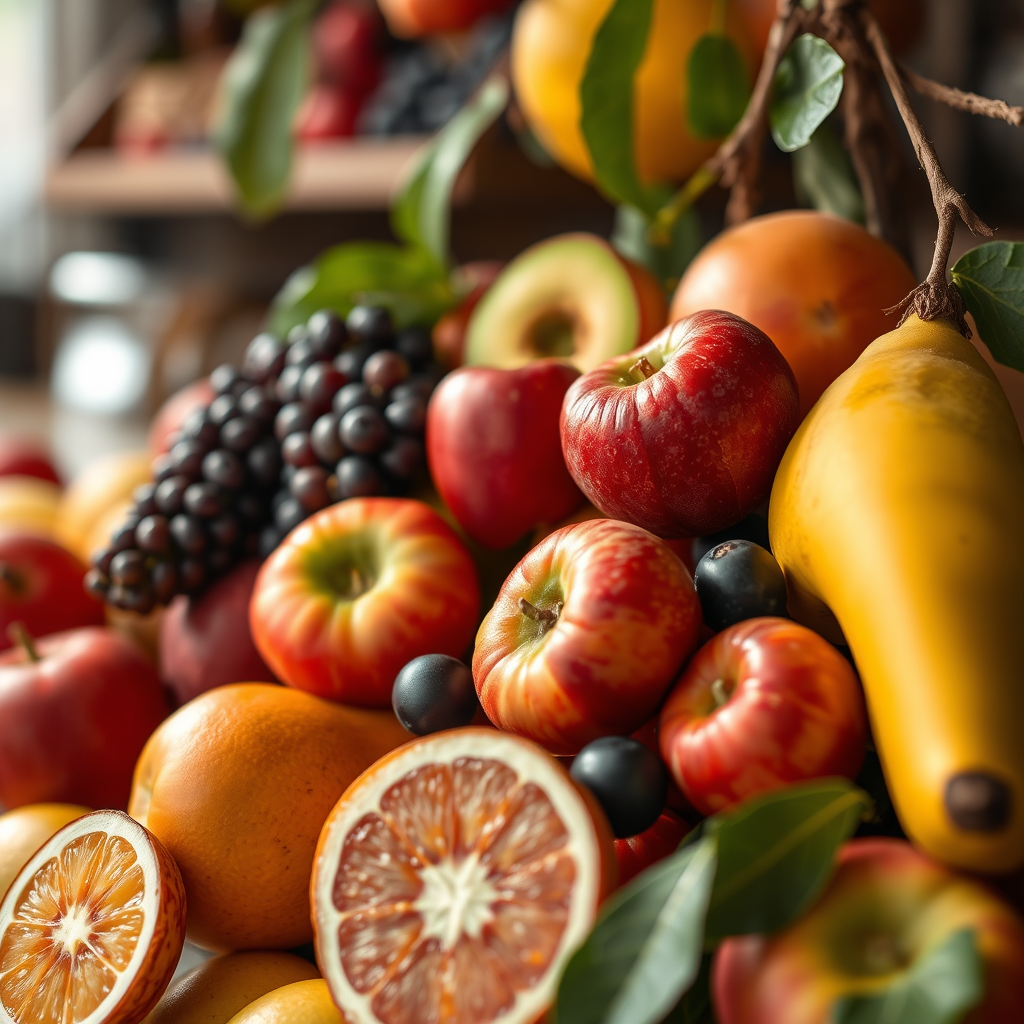
When you have diabetes, managing your blood sugar levels is a top priority, and understanding how different foods affect them is crucial. Fruits, while packed with vitamins and minerals, naturally contain carbohydrates in the form of sugars, primarily fructose. However, not all fruit sugars are created equal, and other components of fruit, like fiber, play a significant role in their impact on your body.
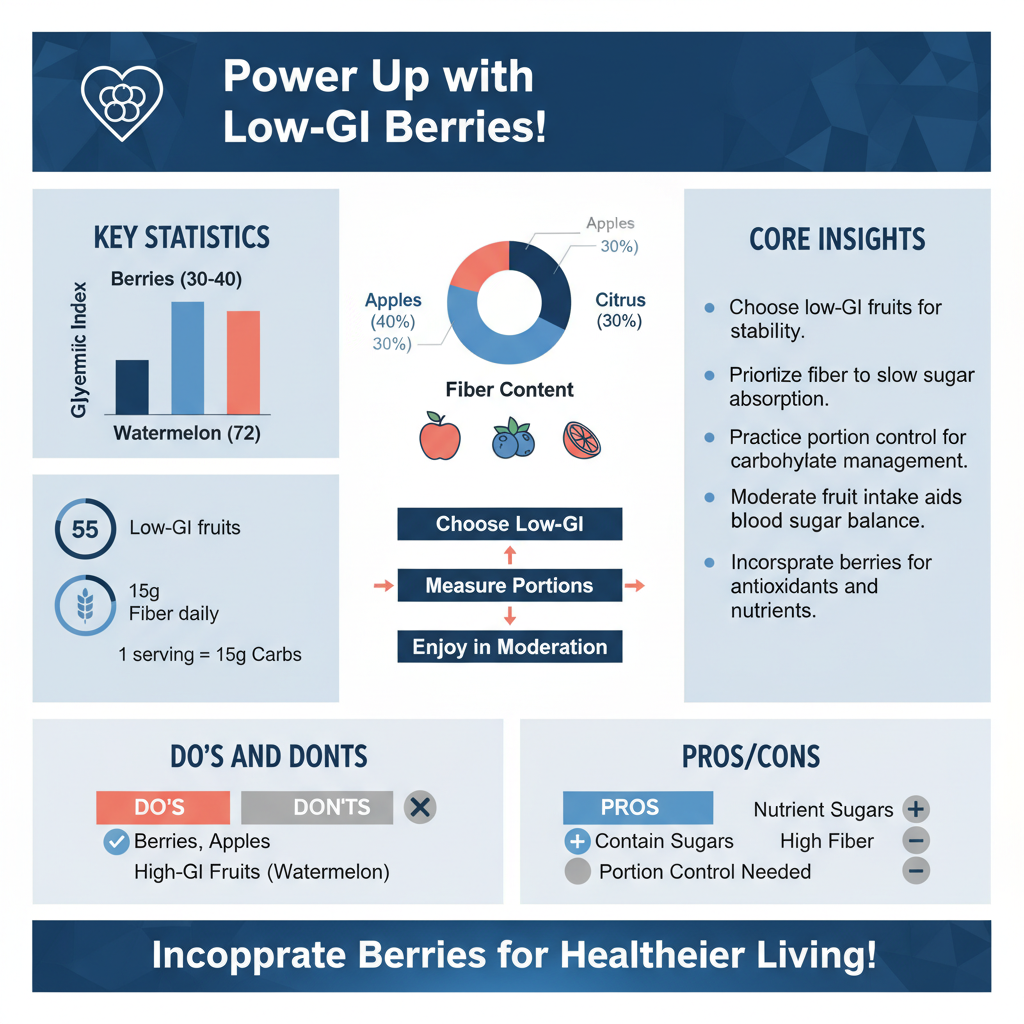
– The Glycemic Index (GI) helps classify how quickly a food raises blood sugar levels; lower GI fruits are generally preferred. The Glycemic Index is a valuable tool that measures how much a specific food can increase your blood sugar after consumption. Foods are ranked on a scale from 0 to 100. Foods with a GI of 55 or less are considered low-GI, 56-69 are moderate-GI, and 70 or higher are high-GI. For someone with diabetes, opting for low-GI fruits means a slower, more gradual rise in blood sugar, which is much easier for your body to manage. It’s important to remember that GI can be influenced by ripeness, processing, and how the fruit is consumed (e.g., with other foods).
– Fiber content in fruit is crucial as it slows down sugar absorption, helping to prevent rapid blood sugar spikes. Fiber is a superstar nutrient, especially for those managing diabetes. Fruits contain both soluble and insoluble fiber. Soluble fiber dissolves in water to form a gel-like substance, which slows down digestion and the absorption of glucose into the bloodstream, leading to a more stable blood sugar response. Insoluble fiber adds bulk to your stool and aids in digestive health. This slower absorption not only helps manage blood sugar but also contributes to a feeling of fullness, which can be beneficial for weight management.
– Portion control is vital for all fruits, even those considered healthy, to manage carbohydrate intake effectively. Even the healthiest, low-GI, high-fiber fruits contain carbohydrates, and it’s the total carbohydrate intake that most significantly impacts blood sugar levels. Learning appropriate portion sizes is essential. A common guideline is to aim for one serving of fruit per meal or snack, roughly equivalent to 15 grams of carbohydrates. For example, a small apple, half a cup of berries, or a medium orange typically fits this carbohydrate count. Regularly monitoring your blood sugar after eating can help you understand your body’s unique response to different fruits and portion sizes.
Berries: Low GI Powerhouses
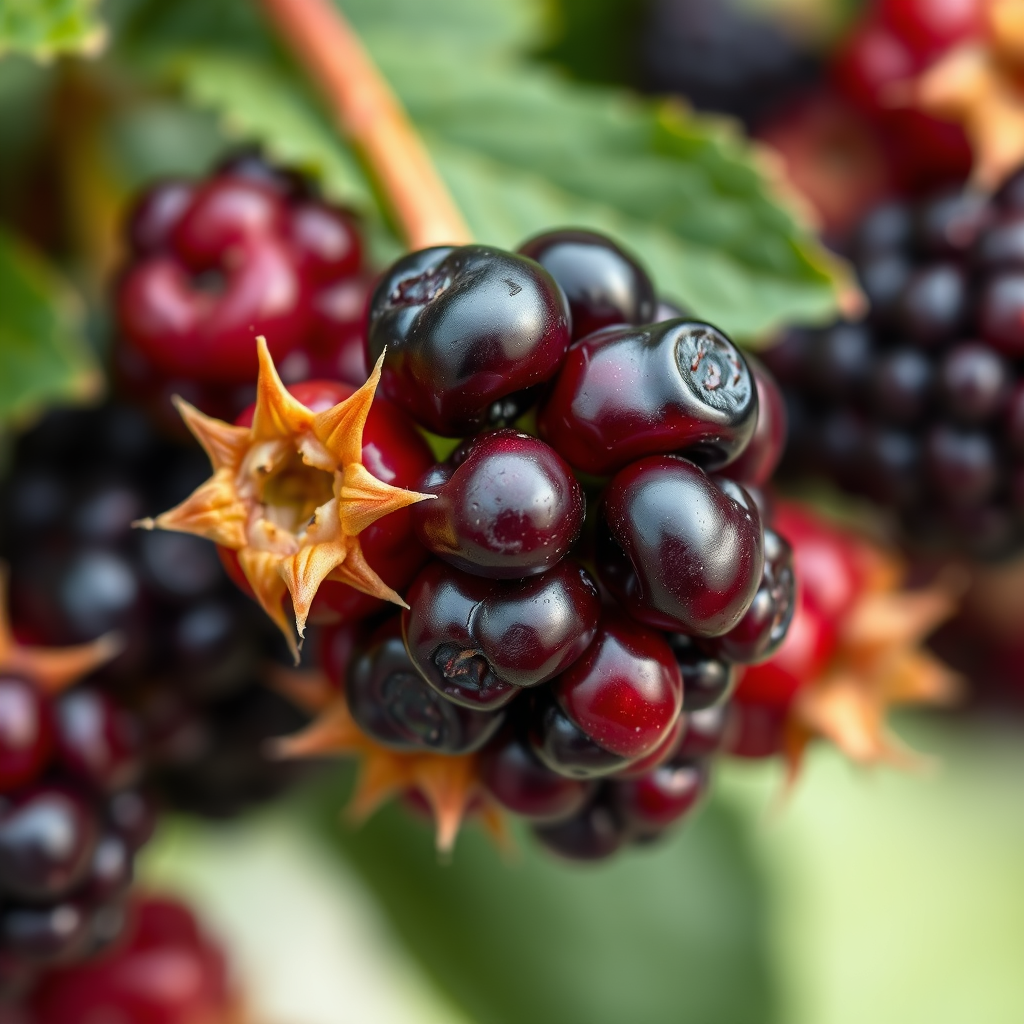
When it comes to diabetic-friendly fruits, berries often top the list, and for good reason! These tiny titans are not only delicious but also incredibly nutritious, making them a fantastic addition to almost any meal plan.
– Strawberries, blueberries, raspberries, and blackberries are excellent choices due to their low GI, high fiber, and antioxidant content. These colorful gems are particularly well-suited for individuals managing diabetes because they have a naturally low glycemic index. This means they cause a slower and more controlled rise in blood sugar compared to many other fruits. Their high fiber content, especially in raspberries and blackberries, further aids in this slow sugar absorption. Beyond blood sugar management, berries are renowned for their exceptional antioxidant profiles, containing compounds like anthocyanins (which give them their vibrant colors), ellagic acid, and resveratrol. These antioxidants combat oxidative stress and inflammation, offering protective benefits against various chronic diseases, including cardiovascular issues often associated with diabetes.
– They are versatile and can be enjoyed fresh, frozen, or added to yogurt and oatmeal. One of the best things about berries is how easily they can be incorporated into your diet. Enjoy a handful of fresh strawberries as a refreshing snack, blend frozen blueberries into a low-sugar smoothie, or sprinkle raspberries over your morning Greek yogurt or oatmeal. Their natural sweetness can also enhance salads or even savory dishes. When choosing frozen berries, just make sure they don’t have added sugars or syrups.
– These berries provide vitamins C and K, manganese, and numerous phytonutrients beneficial for overall health. Beyond fiber and antioxidants, berries are packed with essential vitamins and minerals. Vitamin C is a potent immune booster and antioxidant. Vitamin K is crucial for blood clotting and bone health. Manganese plays a role in metabolism and antioxidant defense. The vast array of phytonutrients in berries goes beyond just preventing damage; they can also support brain health, improve insulin sensitivity, and contribute to overall cellular wellness, making them a truly beneficial choice for your daily diet.
Stone Fruits: Naturally Sweet and Nutritious
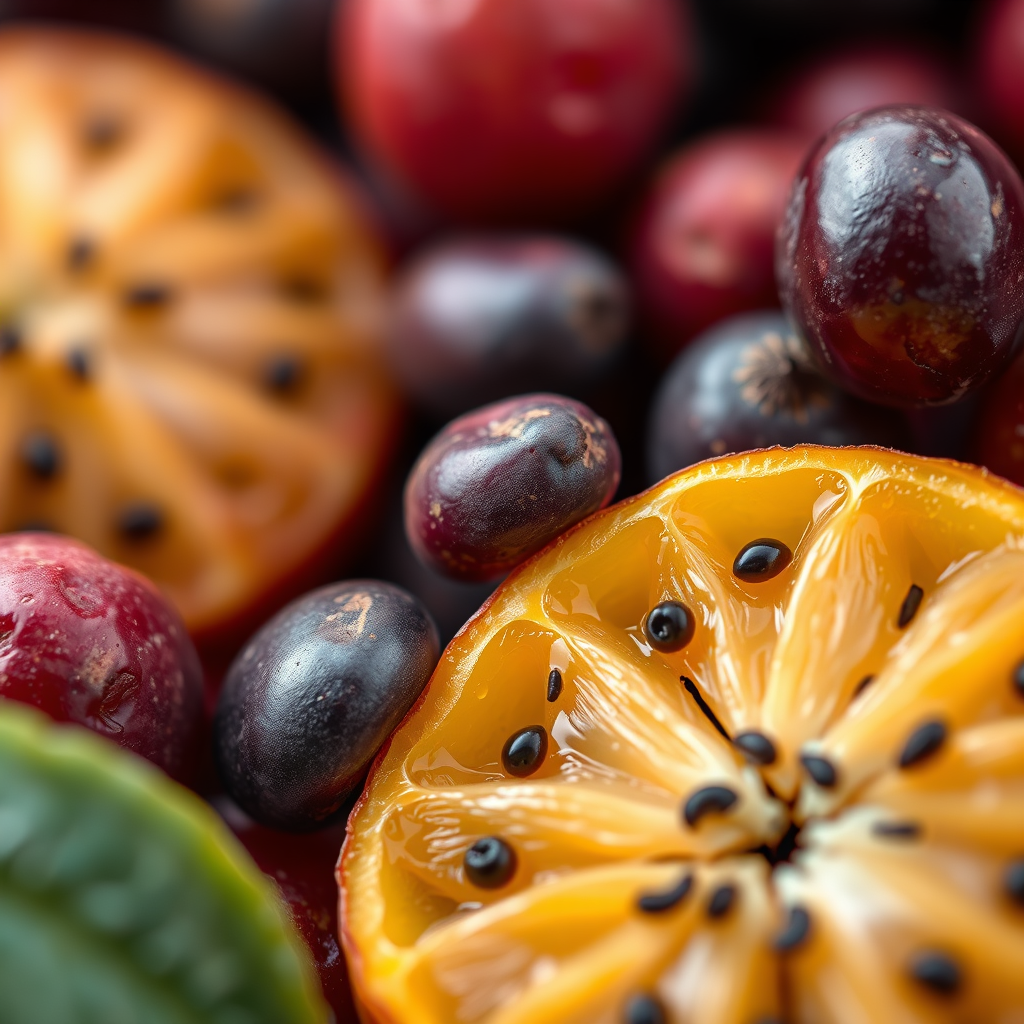
Stone fruits, named for the large pit or “stone” at their center, are another fantastic category of fruits that can be enjoyed in moderation by individuals managing diabetes. They offer a delightful natural sweetness along with a host of health benefits.
– Cherries, peaches, plums, and apricots are good options when eaten fresh and in appropriate portions. These seasonal delights provide a wonderful burst of flavor without sending your blood sugar spiraling, provided you stick to recommended serving sizes. Cherries, especially tart varieties, have a relatively low GI, and even sweet cherries can be enjoyed in smaller quantities. Peaches, plums, and apricots also fall into the low to moderate GI range. Their natural sugars are accompanied by fiber, which helps to mitigate their impact on blood glucose. A typical serving might be about 10-12 cherries, one medium peach or plum, or 2-3 small apricots.
– They offer natural sweetness along with vitamins A and C, and beneficial compounds like anthocyanins (especially in cherries). Beyond their delicious taste, stone fruits are nutritional powerhouses. Peaches and apricots are particularly rich in Vitamin A (beta-carotene), which is vital for vision, immune function, and skin health. All stone fruits provide a good dose of Vitamin C, acting as an antioxidant to protect cells from damage and supporting collagen production. Cherries, particularly darker varieties, are renowned for their high concentration of anthocyanins, potent antioxidants with anti-inflammatory properties that may help reduce muscle soreness and promote heart health, making them a smart choice.
– Always opt for fresh fruit over canned versions packed in sugary syrups. This is a crucial distinction for stone fruits. While fresh options are excellent, canned peaches, plums, or apricots are almost always packed in heavy syrup, which adds a significant amount of extra sugar and calories. This added sugar can lead to rapid blood sugar spikes, counteracting any potential benefits of the fruit itself. Look for fresh, ripe fruit in season for the best flavor and nutritional value. If fresh isn’t available, choose canned fruits explicitly labeled “in water” or “no sugar added,” and always drain and rinse them before consuming.
Citrus Fruits: Refreshing and Vitamin-Rich
Bright, zesty, and incredibly refreshing, citrus fruits are a wonderful addition to a diabetes-friendly diet. They’re not just tasty; they’re packed with nutrients that support overall health.
– Oranges, grapefruits, lemons, and limes are low in calories, hydrating, and rich in Vitamin C. These juicy fruits are largely made up of water, making them excellent for hydration without adding excess calories. A medium orange, for instance, provides a significant portion of your daily Vitamin C needs. Vitamin C is a powerful antioxidant that helps protect your cells from damage, supports a healthy immune system, and plays a role in collagen production, which is important for skin and wound healing. Lemons and limes, while often used for flavoring, still contribute to your overall nutrient intake and are extremely low in carbohydrates.
– They typically have a low to moderate GI and are good sources of fiber. The GI of most citrus fruits falls into the low to moderate range, meaning they won’t cause dramatic spikes in blood sugar when consumed in appropriate portions. The fiber, particularly in the white pith and membranes of oranges and grapefruits, helps slow down the absorption of natural sugars. This combination of high water content, fiber, and beneficial compounds makes citrus fruits a smart choice for steady energy and blood sugar management.
– Individuals on certain medications should consult their doctor about grapefruit consumption due to potential drug interactions. While grapefruit is a nutritious and low-GI fruit, it contains compounds called furanocoumarins that can interact with certain medications. These compounds can affect how your body metabolizes some drugs, leading to either dangerously high or low levels of the medication in your bloodstream. Common medications affected include statins (cholesterol-lowering drugs), certain blood pressure medications, and some immunosuppressants. If you are taking any prescription medications, it is absolutely essential to speak with your doctor or pharmacist before incorporating grapefruit into your diet to ensure it won’t cause adverse effects.
Apples and Pears: Fiber-Packed Staples
Apples and pears are classic, widely available fruits that often get overlooked in discussions about “superfoods,” but for individuals managing diabetes, they are truly fiber-packed staples that offer significant benefits.
– Apples and pears, especially with their skins on, are high in fiber, which aids in blood sugar regulation and promotes satiety. The real magic of apples and pears lies in their fiber content, particularly a soluble fiber called pectin. Pectin has been shown to slow digestion and the absorption of glucose, helping to prevent sharp blood sugar spikes. This makes these fruits excellent choices for maintaining stable blood glucose levels. Eating them with the skin on is crucial, as a significant amount of their dietary fiber and antioxidants are concentrated there. Furthermore, the fiber contributes to a feeling of fullness, which can help with weight management by reducing overall calorie intake and curbing cravings between meals.
– They have a moderate GI; therefore, mindful portioning is important. While apples and pears are incredibly healthy, they do have a moderate glycemic index, typically ranging from 30-50 depending on the variety and ripeness. This means that while they are certainly beneficial, mindful portion control is key. A medium apple or pear (about the size of a tennis ball) is generally considered one serving, providing roughly 15-20 grams of carbohydrates. It’s important not to overindulge, even with these healthy options, to keep your carbohydrate intake within your individual meal plan targets.
– These fruits are convenient snacks and provide valuable vitamins and minerals. Beyond their fiber prowess, apples and pears offer a range of essential nutrients. They contain Vitamin C, which supports immune health, and various B vitamins that play a role in energy metabolism. They also provide potassium, important for blood pressure regulation, and a host of phytonutrients that act as antioxidants, contributing to overall cellular health and reducing the risk of chronic diseases. Their portability and ease of consumption make them ideal on-the-go snacks. Grab a whole apple or pear, and you have a nutritious, satisfying treat that requires no preparation, making healthy eating simple and accessible.
Fruits to Consume with Caution
While many fruits are beneficial for individuals with diabetes, some types require extra vigilance or should be limited due to their higher sugar concentration or lower fiber content. Being aware of these can help you make smarter choices and better manage your blood sugar.
– Higher GI fruits like mango, pineapple, and watermelon can be eaten in small portions, but closely monitor their effect on blood sugar. Fruits like mango, pineapple, and watermelon are delicious and nutrient-rich, but they tend to have a higher glycemic index compared to berries or apples. This means they can raise blood sugar more quickly. They also contain more natural sugars per serving. While not strictly “off-limits,” portion control is paramount. If you choose to enjoy these, aim for very small servings—perhaps half a cup or less—and consider pairing them with a source of protein or healthy fat, like a handful of nuts or a spoonful of Greek yogurt, to help slow down sugar absorption. Always monitor your blood sugar before and after consumption to understand your body’s unique response.
– Dried fruits (e.g., raisins, dates, prunes) are concentrated in sugar and should be limited or avoided due to their potential to cause rapid spikes. Drying fruit removes most of its water content, which significantly concentrates its natural sugars. This means that a small serving of dried fruit can contain a very large amount of carbohydrates in a much smaller package compared to fresh fruit. For example, a quarter cup of raisins has roughly the same amount of carbs as a whole small apple! Without the water content, the sugars are absorbed more quickly, leading to rapid and significant blood sugar spikes. It’s generally best to limit or completely avoid dried fruits, treating them more like candy than a healthy fruit option.
– Fruit juices lack the beneficial fiber of whole fruit and can quickly elevate blood sugar; whole fruit is always the better option. This is one of the most important distinctions to make: whole fruit versus fruit juice. Even 100% pure fruit juice, without any added sugars, is problematic for diabetes management because the juicing process strips away virtually all of the beneficial fiber. Without fiber to slow down absorption, the concentrated fruit sugars in juice hit your bloodstream very quickly, causing a rapid and often substantial increase in blood glucose. This is why a glass of orange juice can be much worse for blood sugar than eating a whole orange, which provides the full package of fiber, water, and nutrients. When possible, always choose whole, fresh fruit over juice.
Smart Strategies for Fruit Consumption
Incorporating fruit into a diabetes meal plan doesn’t have to be complicated. With a few smart strategies, you can enjoy the delicious taste and nutritional benefits of fruits while keeping your blood sugar levels in check.
– Pair fruit with protein or healthy fats, like a handful of nuts or Greek yogurt, to further slow sugar absorption and enhance satiety. This is a golden rule for balancing blood sugar with carbohydrates. When you eat fruit on its own, its natural sugars can be absorbed relatively quickly. However, pairing it with a source of protein (like a dollop of cottage cheese, a hard-boiled egg, or a serving of Greek yogurt) or healthy fats (such as almonds, walnuts, or a smear of avocado) can significantly slow down the digestion process. This creates a more gradual rise in blood sugar and helps you feel fuller for longer, preventing overeating and subsequent spikes. For example, instead of just an apple, enjoy it with a small handful of unsalted almonds.
– Distribute your fruit intake throughout the day rather than consuming large amounts at once. Instead of eating a large bowl of fruit at one sitting, which could overwhelm your system with carbohydrates, try to spread your fruit servings throughout the day. This helps to maintain more consistent blood sugar levels and allows your body to process the sugars more efficiently. For instance, you might have half a cup of berries with your breakfast, a small apple as a mid-afternoon snack, and a few cherries after dinner. This strategy helps you enjoy a wider variety of fruits without consuming too many carbohydrates at any single point.
– Always consult with your healthcare provider or a registered dietitian to tailor fruit consumption to your individual dietary needs and blood sugar goals. While these guidelines provide excellent general advice, managing diabetes is highly individualized. Your specific carbohydrate targets, medication regimen, activity level, and overall health status all play a role in determining the ideal amount and types of fruit for you. A healthcare professional, particularly a registered dietitian specializing in diabetes, can help you create a personalized meal plan that incorporates fruits safely and effectively. They can guide you on portion sizes, teach you how to read food labels, and help you understand how different fruits affect *your* unique blood sugar responses. This professional guidance is invaluable for long-term diabetes management.
Incorporating a variety of low-GI, high-fiber fruits into your diabetic meal plan is an excellent way to boost nutrient intake and enjoy natural sweetness. By understanding portion sizes, monitoring your blood sugar responses, and choosing wisely, you can confidently enjoy the many benefits that fruits offer. Remember to prioritize whole, fresh fruit and consult with a healthcare professional to personalize your dietary approach.
Frequently Asked Questions
What are the best low-sugar fruits for diabetics to help manage blood sugar effectively?
For diabetics, the best low-sugar fruits are typically berries (strawberries, blueberries, raspberries), citrus fruits (oranges, grapefruits), and kiwi. These fruits are packed with essential vitamins, antioxidants, and fiber, which helps slow sugar absorption and prevents rapid blood sugar spikes. Incorporating these nutrient-dense options can support overall health and effective blood sugar management.
How does a fruit’s glycemic index (GI) affect a diabetic’s blood sugar, and why is it important to consider?
A fruit’s glycemic index (GI) measures how quickly it can raise blood glucose levels after consumption. Fruits with a low GI, like most berries and apples, cause a slower, more gradual rise in blood sugar, making them preferable for diabetics. Considering the GI is crucial because it helps individuals make informed choices to prevent unwanted blood sugar spikes and maintain stable glucose levels.
What fruits should diabetics eat in moderation due to higher sugar content, even if they offer nutritional benefits?
Diabetics should consume fruits like mangoes, bananas, pineapples, and grapes in moderation due to their higher natural sugar content. While these fruits are rich in vitamins and minerals, their larger carbohydrate load can impact blood sugar more significantly. Portion control is key when enjoying these delicious options to avoid exceeding carbohydrate limits.
Why is fiber-rich whole fruit generally better than fruit juice for people with diabetes?
Fiber-rich whole fruit is significantly better for people with diabetes than fruit juice because the fiber helps slow down the absorption of natural sugars. Fruit juice lacks this beneficial fiber, leading to a much faster rise in blood sugar levels. Whole fruits also provide greater satiety, helping with weight management and reducing the likelihood of overeating.
How can diabetics incorporate fruits into their diet safely without spiking blood sugar levels?
Diabetics can safely incorporate fruits by practicing portion control, choosing whole fruits over juices, and pairing fruit with a source of protein or healthy fat. For example, eating an apple with a handful of almonds can help stabilize blood sugar. Spreading fruit intake throughout the day rather than consuming a large amount at once also helps manage glucose response.
References
- https://diabetes.org/food-and-fitness/food/what-can-i-eat/making-healthy-food-choices/fruits.html
- https://www.cdc.gov/diabetes/managing/eat-well/fruits-vegetables.html
- Diabetes diet: Create your healthy-eating plan – Mayo Clinic
- https://www.health.harvard.edu/diseases-and-conditions/type-2-diabetes-what-to-eat
- https://www.niddk.nih.gov/health-information/diabetes/overview/diet-eating-physical-activity/meal-planning
- https://www.clevelandclinic.org/health/articles/17304-fruit-and-diabetes
