
Navigating food choices with diabetes can feel overwhelming, but the best foods for managing blood sugar and promoting overall health are generally nutrient-dense, low in refined carbohydrates, and rich in fiber. These include a variety of non-starchy vegetables, lean proteins, healthy fats, and carefully chosen whole grains and fruits. This guide will outline the key food groups that form the foundation of a diabetes-friendly eating plan, helping you make informed choices for better health and more stable blood sugar levels.
Understanding the Fundamentals of a Diabetic Diet

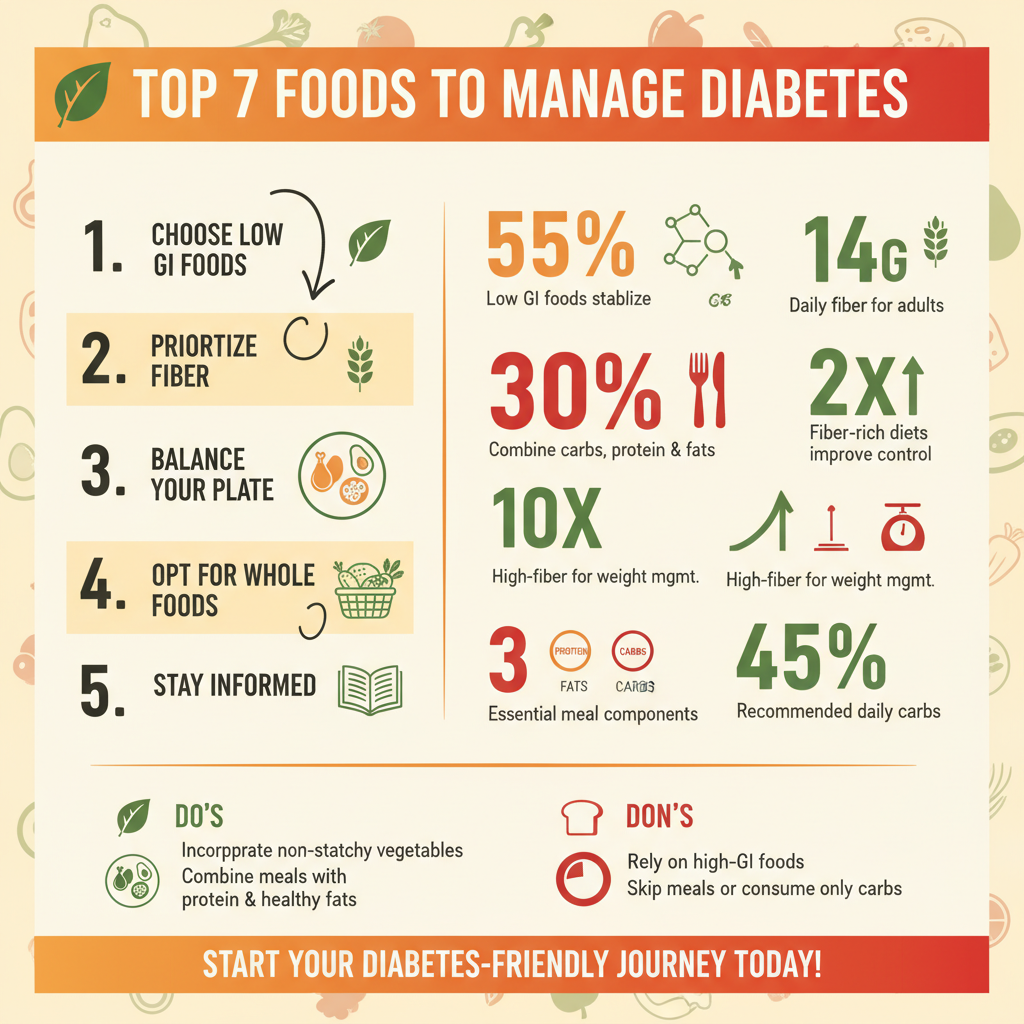
Managing diabetes effectively often comes down to making smart food choices that support steady blood sugar and overall health. It’s not about strict deprivation but rather smart swaps and thoughtful planning. When you understand the basic principles, you empower yourself to make better decisions every day.
* Focus on foods with a low glycemic index to minimize blood sugar spikes. The glycemic index (GI) is a system that ranks carbohydrate-containing foods by how much they raise blood sugar levels after eating. Foods with a low GI (55 or less) are digested and absorbed more slowly, leading to a gentler and more gradual rise in blood sugar. Think of whole, unprocessed foods like most vegetables, legumes, and certain fruits. Opting for these over high-GI foods like white bread, sugary drinks, or refined cereals can make a significant difference in your daily glucose control, helping to avoid those rollercoaster blood sugar levels that can leave you feeling sluggish and impact long-term health.
* Prioritize fiber-rich options, which aid digestion and help stabilize glucose levels. Fiber is a true hero for anyone managing diabetes. This essential nutrient, found abundantly in plant-based foods, isn’t digested or absorbed by your body, meaning it doesn’t raise blood sugar. Instead, fiber works wonders by slowing down the absorption of sugar from other foods, preventing rapid spikes. It also promotes a feeling of fullness, which can help with weight management – a critical aspect of diabetes care. Soluble fiber, found in oats, beans, and many fruits, forms a gel in water, further slowing digestion. Insoluble fiber, found in whole grains and vegetables, adds bulk and supports regular bowel movements, contributing to overall gut health.
* Emphasize balanced meals combining protein, healthy fats, and complex carbohydrates. The magic often happens when you combine different macronutrients. Instead of eating carbohydrates alone, pairing them with protein and healthy fats can significantly blunt their impact on your blood sugar. Protein and fats slow down stomach emptying, which, in turn, slows the absorption of glucose into the bloodstream. A balanced meal might include a lean protein source (like chicken or fish), a generous portion of non-starchy vegetables, a serving of healthy fats (like avocado or olive oil), and a controlled portion of complex carbohydrates (like quinoa or whole-grain bread). This approach not only helps stabilize blood sugar but also provides sustained energy and keeps you feeling satisfied for longer, reducing the temptation for unhealthy snacking.
Powerhouse Non-Starchy Vegetables
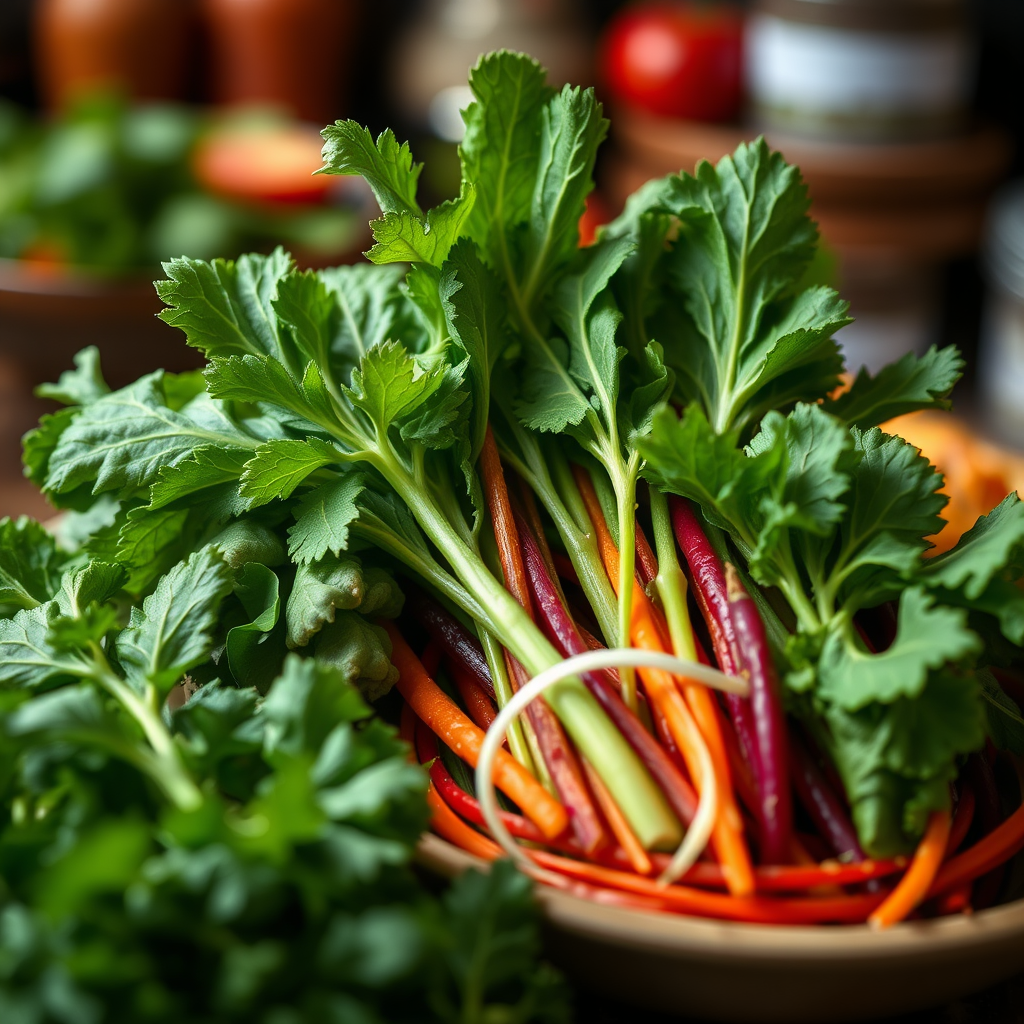
When it comes to building a diabetes-friendly plate, non-starchy vegetables are your best friends. These nutritional powerhouses are incredibly versatile, low in calories and carbohydrates, and packed with vitamins, minerals, and antioxidants, making them excellent choices for filling up without significantly impacting blood sugar.
* Load up on leafy greens like spinach, kale, and collard greens, which are low in carbs and high in vitamins. These vibrant greens are superstars in the world of healthy eating, and especially for diabetes management. Spinach, kale, Swiss chard, and collard greens are incredibly nutrient-dense, offering a wealth of vitamins A, C, E, and K, as well as magnesium, potassium, and calcium. Best of all, they’re extremely low in carbohydrates, meaning you can enjoy generous portions without worrying about blood sugar spikes. Incorporate them into salads, smoothies, stir-fries, or simply sauté them with a little garlic and olive oil for a delicious and healthy side dish.
* Include cruciferous vegetables such as broccoli, cauliflower, and Brussels sprouts for their fiber and antioxidants. The cruciferous family offers a fantastic array of vegetables that are not only delicious but also incredibly beneficial for health. Broccoli, cauliflower, Brussels sprouts, and cabbage are rich in fiber, which aids in blood sugar control and digestion, as well as powerful antioxidants and compounds that may help reduce inflammation and protect against various diseases. Roasting them brings out their natural sweetness, or you can steam them and toss with herbs for a simple yet satisfying accompaniment to any meal.
* Enjoy a colorful array of peppers, cucumbers, and tomatoes, offering essential nutrients without impacting blood sugar significantly. Don’t forget to add a rainbow of colors to your plate with other non-starchy favorites. Bell peppers (red, yellow, orange, green) are bursting with vitamin C and antioxidants. Cucumbers are hydrating and refreshing, perfect for salads or as a crunchy snack. Tomatoes, technically a fruit but often used as a vegetable, are rich in lycopene, a powerful antioxidant. These vegetables are versatile and can be added to almost any meal – think sliced peppers in an omelet, cucumber slices with hummus, or diced tomatoes in a salsa. They add flavor, texture, and essential nutrients without contributing significant carbohydrates.
Lean Proteins and Healthy Fats for Satiety

Protein and healthy fats are crucial components of a diabetes-friendly diet, working synergistically to enhance satiety, slow down carbohydrate digestion, and provide essential nutrients for overall health. They help you feel full and satisfied, which can prevent overeating and make managing your portions much easier.
* Opt for lean protein sources like chicken breast, turkey, fish (especially fatty fish like salmon for omega-3s), and plant-based options such as tofu and lentils. Protein is vital for building and repairing tissues, and it has a minimal impact on blood sugar levels compared to carbohydrates. Lean animal proteins such as skinless chicken breast, lean ground turkey, and white fish are excellent choices. Fatty fish like salmon, mackerel, and sardines are particularly beneficial due to their high content of omega-3 fatty acids, which are known to reduce inflammation and support heart health—a key concern for individuals with diabetes. For those following a plant-based diet or looking to diversify, options like tofu, tempeh, lentils, and beans provide ample protein along with fiber, contributing to better blood sugar control and gut health.
* Incorporate healthy fats from avocados, nuts (almonds, walnuts), seeds (chia, flax), and olive oil, which help with satiety and cardiovascular health. Healthy fats play a critical role in slowing down digestion and providing a lasting feeling of fullness, which is incredibly helpful for managing hunger and preventing unnecessary snacking. Monounsaturated fats found in avocados and olive oil, and polyunsaturated fats (including omega-3s) found in nuts like almonds and walnuts, and seeds like chia and flax, are heart-healthy choices. These fats can help lower bad cholesterol levels and reduce the risk of heart disease, a common complication of diabetes. Use olive oil for cooking and salad dressings, sprinkle nuts and seeds over salads or yogurt, or enjoy a slice of avocado with your meals.
* These foods slow down glucose absorption and help keep you full, preventing overeating. The combined effect of protein and healthy fats is incredibly powerful for blood sugar management. When you include these macronutrients with your meals, they help to slow the rate at which carbohydrates are digested and converted into glucose. This results in a more gradual and controlled rise in blood sugar, avoiding sharp spikes. Moreover, their ability to promote satiety means you’re less likely to feel hungry shortly after eating, reducing the temptation to reach for less healthy, high-carb snacks. This sustained fullness is a game-changer for maintaining a stable diet and achieving your health goals.
Smart Carbohydrate Choices: Whole Grains & Legumes
While carbohydrate counting is often a part of diabetes management, it’s not just about the quantity but also the quality of the carbohydrates you choose. Opting for complex carbohydrates over refined ones can make a significant difference in blood sugar stability and overall nutritional intake.
* Choose complex carbohydrates from whole grains like oats, quinoa, brown rice, and whole-wheat bread in moderation. Complex carbohydrates, particularly whole grains, are rich in fiber, vitamins, and minerals. Unlike refined grains (white bread, white rice), they are digested slowly, leading to a more gradual rise in blood sugar. Oats, for example, are a fantastic source of soluble fiber, making them a great breakfast choice. Quinoa is not only a whole grain but also a complete protein, offering an extra nutritional boost. Brown rice and whole-wheat bread (choose varieties with minimal added sugars) can be incorporated into your diet, but always remember that portion control is key. These foods still contain carbohydrates, and even healthy ones can raise blood sugar if consumed in large amounts.
* Include legumes such as black beans, chickpeas, and kidney beans, which are excellent sources of fiber and plant-based protein. Legumes are nutritional powerhouses that should definitely have a spot on your diabetes-friendly plate. Black beans, chickpeas, lentils, and kidney beans are incredibly rich in both soluble and insoluble fiber, which, as we’ve discussed, is excellent for stabilizing blood sugar and promoting satiety. Beyond fiber, they’re also fantastic sources of plant-based protein, making them a versatile option for main dishes, sides, or salads. Their unique combination of fiber and protein helps to slow down digestion, contributing to a steadier blood glucose response compared to many other carbohydrate sources.
* Portion control is crucial for these carbohydrate-rich foods to manage their impact on blood glucose. Even though whole grains and legumes are superior choices compared to their refined counterparts, they still contain carbohydrates that will affect your blood sugar. This is where mindful portion control becomes non-negotiable. A standard serving of cooked grains or legumes is often around 1/2 cup, but individual needs vary. It’s helpful to understand your personal carbohydrate allowance per meal and stick to it. Using measuring cups, paying attention to food labels, and consulting with a dietitian can help you accurately portion these foods to ensure they contribute positively to your blood sugar management without causing unwanted spikes.
Fruits in Moderation: Sweet & Nutritious
Fruits are nature’s candy, packed with essential vitamins, minerals, and antioxidants. While they contain natural sugars, their fiber content means they can absolutely be part of a healthy diabetes diet when chosen wisely and consumed in appropriate portions.
* Select fruits with a lower glycemic index, such as berries, apples, pears, and oranges. Not all fruits impact blood sugar equally. Fruits with a lower glycemic index (GI) are generally better choices as they cause a slower and less dramatic rise in blood sugar. Berries, including strawberries, blueberries, raspberries, and blackberries, are fantastic options; they’re low in sugar, high in fiber, and bursting with antioxidants. Apples and pears, especially when eaten with the skin, offer good fiber content. Oranges, grapefruits, and other citrus fruits are also excellent choices, providing a boost of vitamin C without excessive sugar. These fruits can satisfy a sweet craving in a healthy way.
* Consume whole fruits rather than juices, as whole fruits contain fiber that helps mitigate sugar absorption. This is a critical distinction for people with diabetes. Fruit juice, even 100% natural juice, strips away most of the beneficial fiber that helps slow sugar absorption. Drinking juice can lead to a rapid increase in blood sugar because the liquid sugar is absorbed very quickly into the bloodstream. In contrast, eating a whole apple or a handful of berries means you’re consuming the fruit’s natural fiber, which creates a buffering effect, allowing the sugar to be absorbed more gradually. Always opt for the whole fruit option whenever possible to get the full nutritional benefits and better blood sugar control.
* Pay attention to portion sizes, as even healthy fruits contain natural sugars. While fruits are nutritious, they do contain natural sugars (fructose), and consuming too much at once can still impact your blood sugar levels. A good rule of thumb is to stick to a single serving size at a time. For instance, one medium apple, a small banana, or about a cup of berries typically constitutes one serving. Spreading your fruit intake throughout the day rather than eating a large quantity at once can also help manage blood sugar responses. Listen to your body and monitor your blood sugar to understand how different fruits and portion sizes affect you personally.
Foods to Limit or Avoid for Optimal Control
Just as important as knowing what to eat is understanding which foods can hinder your blood sugar management and overall health. Making conscious choices to limit or avoid certain items can significantly improve your diabetes control and reduce the risk of complications.
* Significantly reduce or eliminate sugary drinks, candies, pastries, and other refined sugars that cause rapid blood sugar spikes. This is perhaps the most impactful change you can make. Sugary drinks like soda, sweetened teas, fruit juices (even 100% juice due to lack of fiber), and energy drinks are loaded with rapidly absorbed sugars that cause immediate and dramatic blood sugar spikes. Similarly, candies, cakes, cookies, donuts, and other pastries are packed with refined sugars and often unhealthy fats, offering little nutritional value while severely destabilizing glucose levels. Eliminating these “empty calorie” foods can lead to immediate and noticeable improvements in blood sugar control and energy levels.
* Limit highly processed foods, which often contain hidden sugars, unhealthy fats, and refined carbohydrates. Many processed foods are sneaky sources of ingredients that are detrimental to diabetes management. Ready meals, fast food, most snack crackers, breakfast cereals high in sugar, and processed meats often contain not only hidden sugars but also unhealthy trans and saturated fats, excessive sodium, and refined carbohydrates (like white flour) that contribute to inflammation and poor blood sugar control. These foods are designed to be hyper-palatable and can lead to overeating. Prioritizing whole, unprocessed foods allows you to have greater control over your nutrient intake and avoid these detrimental additions. Always check food labels diligently for added sugars, unhealthy fats, and refined grains.
* Be mindful of excessive intake of starchy vegetables like potatoes and corn, or portion them carefully within your daily carbohydrate allowance. While vegetables are generally encouraged, starchy vegetables like white potatoes, sweet potatoes, corn, and peas are higher in carbohydrates than their non-starchy counterparts. This doesn’t mean you have to avoid them entirely, but rather that they need to be treated as a carbohydrate source that impacts blood sugar. Enjoy them in moderation and pay close attention to portion sizes, similar to how you would portion whole grains or legumes. For example, a small baked potato could be part of a balanced meal, but a large serving of French fries would likely cause a significant blood sugar spike. Understanding your carbohydrate goals for each meal will help you integrate these foods smartly.
Building a plate that supports diabetes management involves mindful choices across all food groups, prioritizing whole, unprocessed foods. By focusing on non-starchy vegetables, lean proteins, healthy fats, and smart carbohydrate choices, you can effectively manage your blood sugar levels and enhance your overall well-being. This approach not only aids in glucose control but also contributes to better heart health, sustained energy, and a reduced risk of long-term complications. Remember, every small, consistent choice you make contributes to your larger health goals. To ensure your diet is perfectly tailored to your unique needs, always remember to consult with a healthcare professional or a registered dietitian to create a personalized meal plan that best suits your individual needs and health goals.
Frequently Asked Questions
What are the best overall food groups for managing diabetes?
The best foods for diabetics typically include non-starchy vegetables, lean proteins, healthy fats, and complex carbohydrates from whole grains. Prioritizing these food groups helps manage blood sugar levels, provides essential nutrients, and promotes overall health, forming the foundation of a diabetes-friendly diet. These choices are crucial for maintaining stable energy and reducing the risk of complications.
How can specific foods help stabilize blood sugar levels for diabetics?
Foods rich in fiber, like non-starchy vegetables, legumes, and whole grains, are excellent for stabilizing blood sugar because they slow down glucose absorption. Lean proteins and healthy fats also play a crucial role by promoting satiety and further moderating the impact of carbohydrates on blood sugar. Incorporating these nutrient-dense options into meals helps prevent sharp spikes and crashes, providing sustained energy.
Which fruits and vegetables are safest and most beneficial for a diabetic diet?
For a diabetic diet, non-starchy vegetables like leafy greens (spinach, kale), broccoli, bell peppers, and asparagus are highly beneficial due to their low carbohydrate and high fiber content. When it comes to fruits, berries, apples, citrus fruits, and peaches are generally good choices in moderation, as they offer vitamins and antioxidants with a lower glycemic impact compared to tropical fruits. Always prioritize whole, fresh produce over juices or canned options with added sugars.
Why are lean proteins and healthy fats important components of a diabetic meal plan?
Lean proteins, such as chicken breast, fish, tofu, and beans, are vital for diabetics because they help build and repair tissues without significantly impacting blood sugar levels, and they increase satiety. Healthy fats from sources like avocados, nuts, seeds, and olive oil provide essential fatty acids, support hormone production, and slow digestion, which further helps prevent post-meal blood sugar spikes. Together, these macronutrients contribute to balanced meals that keep you feeling full and energetic.
What kind of healthy snacks can diabetics enjoy without spiking blood sugar?
For diabetics, ideal snacks are those that combine lean protein and healthy fats or fiber to minimize blood sugar spikes. Excellent choices include a handful of almonds or walnuts, Greek yogurt with a few berries, vegetable sticks with hummus, or a hard-boiled egg. These options help manage hunger between meals while providing sustained energy and supporting overall blood sugar control, making them perfect additions to a healthy diabetes diet.
References
- https://diabetes.org/healthy-living/recipes-nutrition/eating-well/foods-you-can-eat
- https://www.cdc.gov/diabetes/managing/eat-well.html
- https://www.mayoclinic.org/diseases-conditions/diabetes/in-depth/diabetes-diet/art-20044295
- Healthy Living with Diabetes – NIDDK
- https://www.health.harvard.edu/diseases-and-conditions/best-diet-for-diabetes-a-healthful-eating-plan-can-control-blood-sugar
- Diabetic Diet | MedlinePlus
- https://www.diabetes.org.uk/guide-to-diabetes/managing-your-diabetes/eating-well
- https://my.clevelandclinic.org/health/articles/11261-diabetes-and-diet
