
For individuals managing diabetes, a well-planned diet centered on nutrient-dense foods is paramount for stable blood sugar levels and overall well-being. The best foods for a diabetic emphasize non-starchy vegetables, lean proteins, healthy fats, and fiber-rich complex carbohydrates, helping to prevent rapid glucose spikes and support long-term health. This guide will outline the key food groups and specific choices that can empower you to eat better and feel great.
The Power of Non-Starchy Vegetables
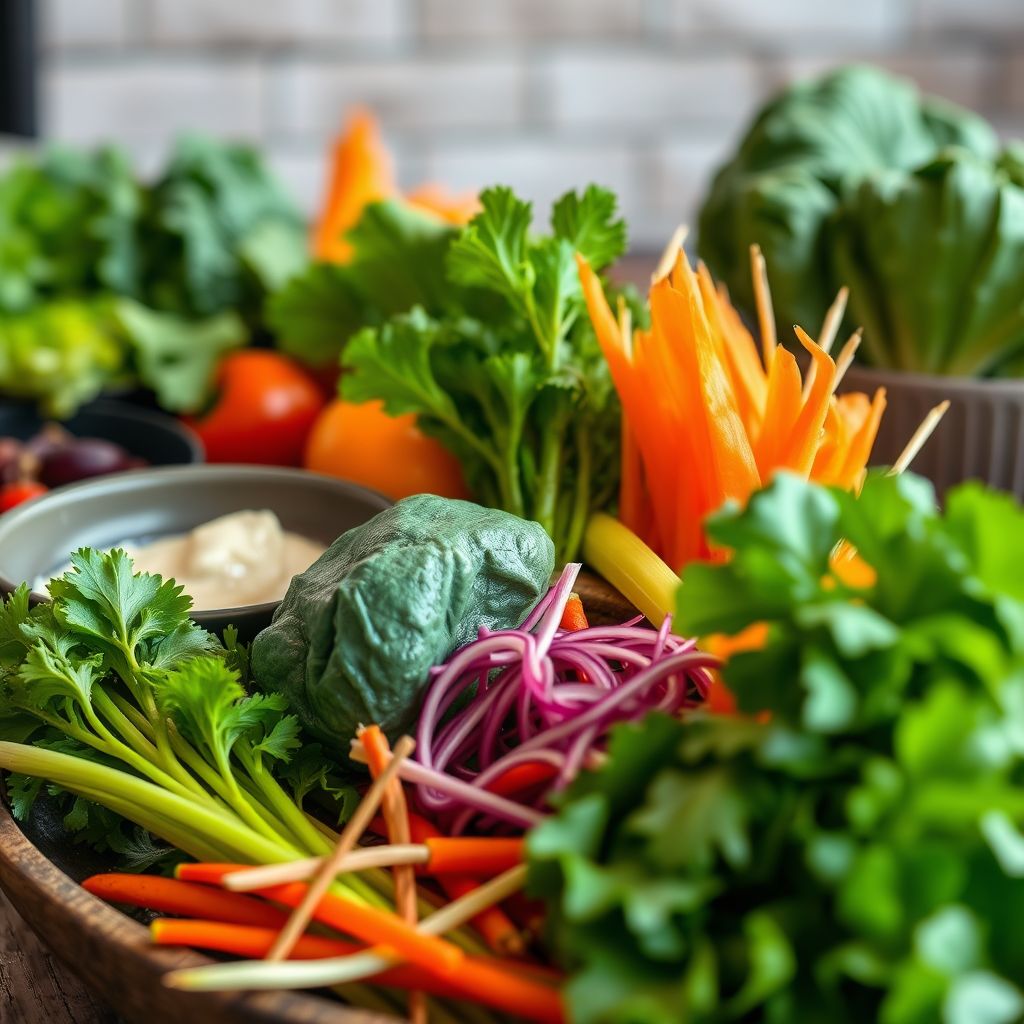
These vibrant, low-calorie powerhouses are truly the cornerstone of a diabetic-friendly diet, offering an abundance of nutrition without significantly impacting blood sugar levels. They are incredibly low in carbohydrates, yet incredibly rich in fiber, essential vitamins, and crucial minerals, making them an ideal choice for anyone looking to manage their glucose effectively. Fiber, in particular, plays a vital role by slowing down sugar absorption, promoting digestive health, and contributing to a feeling of fullness, which can be immensely helpful for weight management.
Think of piling your plate high with an array of colorful options like leafy greens (spinach, kale, collard greens, romaine lettuce), which are packed with vitamins A, C, and K, as well as antioxidants. Broccoli and cauliflower, members of the cruciferous family, offer not only fiber but also compounds that support overall health. Bell peppers, in all their vibrant hues, are fantastic sources of Vitamin C. Cucumbers and zucchini are incredibly hydrating and low in carbs, perfect for adding volume to meals without adding calories. You can enjoy them raw in salads, lightly steamed, roasted with a hint of olive oil, or even incorporated into stir-fries and omelets. By making non-starchy vegetables a significant portion of your meals, you can feel satisfied and nourished, knowing you’re supporting your blood sugar stability and overall vitality.
Lean Proteins for Satiety and Stability
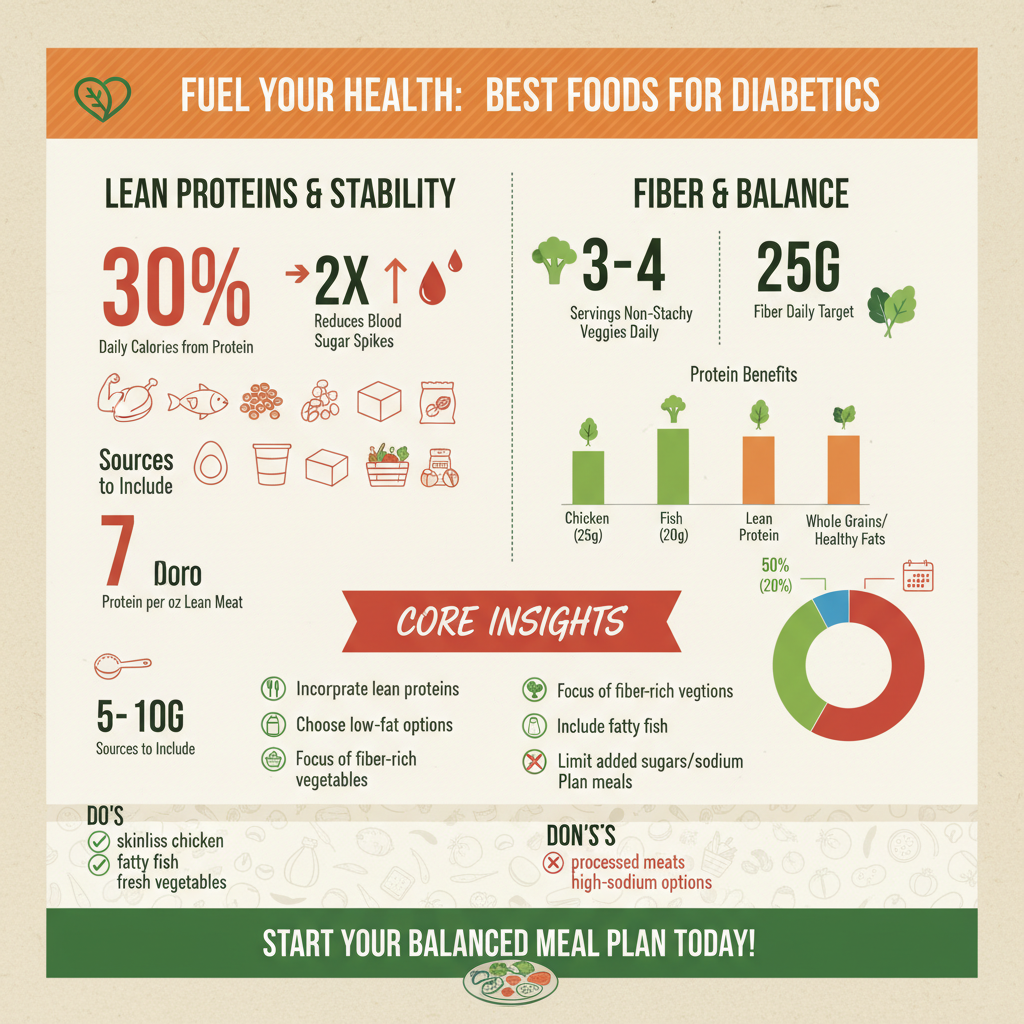

Incorporating lean protein into every meal is a smart strategy for individuals managing diabetes. Protein has a remarkable ability to slow down the digestion and absorption of carbohydrates, which is crucial for preventing those undesirable rapid blood sugar spikes. Beyond blood sugar control, protein also contributes significantly to satiety, helping you feel fuller for longer periods, thereby reducing the likelihood of overeating and supporting healthy weight management. It’s also vital for maintaining muscle mass, which is important for metabolism and overall strength.
When selecting protein sources, focus on options that are low in saturated fat and free from added sugars or excessive sodium. Skinless chicken breast and turkey are excellent choices, versatile enough for grilling, baking, or stir-frying. Fish, especially fatty fish like salmon, mackerel, and sardines, offers the added benefit of omega-3 fatty acids, which are fantastic for heart health – a crucial consideration for those with diabetes. White fish like cod, tilapia, and haddock provide lean protein with minimal fat. Plant-based proteins are also fantastic options: tofu and tempeh are complete proteins that can be marinated and cooked in numerous ways, while eggs are incredibly versatile and nutritious. Legumes such as black beans, chickpeas, lentils, and kidney beans are true superstars, providing a powerful combination of protein and fiber, making them incredibly filling and beneficial for blood sugar control. To keep your meals heart-healthy, always opt for grilling, baking, poaching, or steaming methods over frying.
Healthy Fats for Heart Health and Fullness
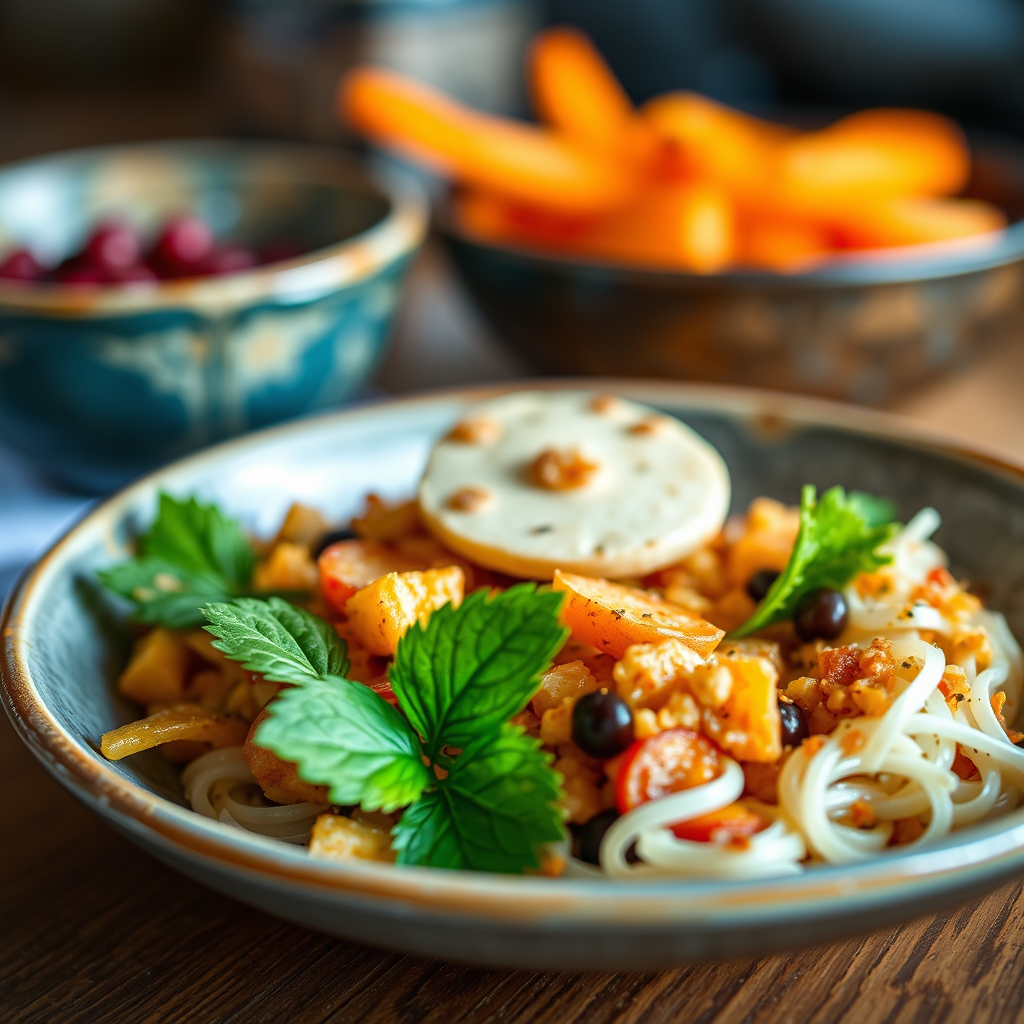
While often misunderstood, healthy fats are an indispensable component of a well-balanced diabetic diet. The key lies in choosing the right types of fats and practicing mindful portion control. Healthy fats, particularly monounsaturated and polyunsaturated fats, are crucial for supporting cardiovascular health, which is especially important as diabetes can increase the risk of heart disease. They also play a role in hormone production, nutrient absorption (especially fat-soluble vitamins A, D, E, and K), and provide a sustained source of energy. Moreover, fats significantly contribute to satiety, helping to keep hunger at bay and manage appetite, which can aid in weight management.
Focus on incorporating sources of monounsaturated fats (MUFAs) and polyunsaturated fats (PUFAs) into your meals. Avocados are a fantastic source of MUFAs, perfect for adding creaminess to salads, spreads, or as a side dish. Nuts like almonds, walnuts, pecans, and cashews offer a mix of healthy fats, fiber, and protein – just be mindful of portion sizes due to their calorie density. Seeds such as chia, flax, and hemp seeds are rich in omega-3 fatty acids and fiber; they can be sprinkled into smoothies, yogurts, or salads. Extra virgin olive oil is an excellent choice for dressings, drizzling over vegetables, or light sautéing. Other beneficial oils include avocado oil and high-oleic safflower oil. Remember, even healthy fats are calorie-dense, so enjoying them in moderation is key to reaping their benefits without overconsuming calories.
Smart Carbohydrate Choices: Whole Grains and Legumes
It’s a common misconception that all carbohydrates are off-limits for individuals with diabetes. In fact, smart carbohydrate choices are vital for energy, fiber, and various nutrients. The trick is to distinguish between refined carbohydrates, which can cause rapid blood sugar spikes, and complex carbohydrates, which are rich in fiber and digested slowly, providing a steady release of glucose into the bloodstream. Fiber-rich complex carbohydrates are your friends because they help maintain stable blood sugar levels, promote digestive health, and contribute to a feeling of fullness.
Prioritize whole grains over their refined counterparts. Excellent options include quinoa, which is not only a whole grain but also a complete protein; brown rice, which provides more fiber and nutrients than white rice; whole oats, especially steel-cut or rolled oats, which are packed with soluble fiber called beta-glucan known to help manage cholesterol; and barley, another great source of soluble fiber. When choosing bread or pasta, always look for products labeled “100% whole grain.” Legumes, such as chickpeas, black beans, kidney beans, and lentils, are nutritional powerhouses, offering a unique combination of complex carbohydrates, protein, and dietary fiber, including resistant starch, which can further support blood sugar control and gut health. While these are healthier choices, portion control remains paramount. Even healthy carbohydrates can impact blood sugar if consumed in large quantities, so learning appropriate serving sizes is a crucial skill for effective diabetes management.
Fruitful Choices: Best Fruits for Diabetics
Fruits are nature’s candy, offering essential vitamins, minerals, and a wealth of antioxidants that contribute to overall health. However, their natural sugars (fructose) mean that moderation and smart choices are particularly important for individuals managing diabetes. The key is to select fruits that have a lower glycemic index and are rich in fiber, which helps to slow down the absorption of sugar. Consuming whole fruit rather than juice is always the best approach, as the fiber in whole fruit mitigates the sugar’s impact.
Prioritize low glycemic index fruits that provide maximum nutritional benefit with less blood sugar impact. Berries of all kinds—strawberries, blueberries, raspberries, and blackberries—are fantastic choices. They are packed with antioxidants, relatively low in sugar, and high in fiber. An apple a day might indeed keep the doctor away, especially with its soluble fiber, pectin, which aids digestion and blood sugar control. Citrus fruits like oranges, grapefruits, and tangerines are rich in Vitamin C and have a moderate glycemic index. Kiwis, peaches, and plums are also great options. A helpful tip is to pair your fruit with a protein or a healthy fat, such as a handful of almonds or a spoonful of Greek yogurt, as this combination can further help to mitigate blood sugar spikes by slowing down digestion. Remember to enjoy fruit as part of a balanced meal plan, focusing on variety and appropriate portion sizes.
Hydration and Healthy Beverages
Staying well-hydrated is absolutely crucial for everyone, but it takes on added significance for individuals with diabetes. Proper hydration helps the kidneys remove excess glucose through urine, preventing dehydration and aiding in overall metabolic function. The choices you make regarding your beverages can have a significant and immediate impact on your blood sugar levels, so making smart decisions here is just as important as your food choices.
Hands down, water is the absolute best choice. It has zero calories, zero carbohydrates, and zero impact on blood sugar. If plain water feels a bit bland, try infusing it with slices of lemon, lime, cucumber, or a few berries for a natural, refreshing flavor without added sugar. Unsweetened teas, such as green tea, black tea, or herbal teas, are also excellent options, often providing beneficial antioxidants without affecting blood glucose. Black coffee, consumed in moderation and without added sugar or artificial sweeteners, can also be part of a healthy hydration strategy. Sparkling water with a squeeze of fresh lemon or lime offers a bubbly alternative to plain water. On the flip side, it’s critical to completely avoid sugary drinks like regular sodas, sweetened teas, sports drinks, and most fruit juices (even those labeled “100% juice” can be concentrated sources of natural sugars with minimal fiber). These beverages can cause rapid and significant elevations in blood sugar, making diabetes management much more challenging. By prioritizing water and unsweetened options, you’ll be doing a great service to your blood sugar and overall health.
Adopting these food choices is a powerful step towards managing diabetes effectively and enhancing your overall health. By focusing on non-starchy vegetables, lean proteins, healthy fats, fiber-rich complex carbohydrates, and mindful fruit and beverage selections, you’re building a solid foundation for stable blood sugar and long-term well-being. Remember that individual needs can vary, so it’s always recommended to consult with your doctor or a registered dietitian. They can help create a personalized meal plan tailored to your specific health requirements, preferences, and lifestyle, ensuring you get the most benefit from your dietary changes. Start making these smart choices today for a healthier, happier tomorrow – your body will thank you!
Frequently Asked Questions
What are the best food categories for managing blood sugar levels in diabetics?
The best foods for diabetics generally fall into categories rich in fiber, lean protein, and healthy fats, with a focus on low glycemic index (GI) carbohydrates. Non-starchy vegetables like leafy greens, broccoli, and peppers are excellent choices due to their low calorie and carbohydrate content. Lean protein sources such as fish, chicken breast, beans, and tofu help with satiety and minimize blood sugar spikes. Incorporating healthy fats from avocados, nuts, and olive oil can also support heart health and blood sugar control within a balanced diabetic diet.
Which fruits are safe and beneficial for diabetics to include in their diet?
Diabetics can safely enjoy many fruits, especially those with a lower glycemic index and high fiber content, as part of a balanced diet. Berries (strawberries, blueberries, raspberries), apples, pears, and citrus fruits like oranges and grapefruit are excellent choices. These fruits provide essential vitamins, minerals, and antioxidants while their fiber content helps to slow sugar absorption, preventing rapid blood sugar spikes. Always consume whole fruits rather than juices to maximize fiber benefits and practice portion control.
How can diabetics choose healthy snacks to prevent blood sugar spikes between meals?
Choosing healthy diabetic snacks involves selecting options that combine protein, fiber, or healthy fats to promote satiety and stabilize blood glucose. Examples include a handful of almonds, Greek yogurt with a few berries, vegetable sticks with hummus, or a hard-boiled egg. These snacks help to prevent overeating at subsequent meals and provide sustained energy without causing sudden surges in blood sugar levels. Portion control is key when incorporating snacks into a diabetes management plan.
Why are whole grains and legumes recommended over refined carbohydrates for people with diabetes?
Whole grains and legumes are highly recommended for diabetics because they are rich in dietary fiber, which slows down glucose absorption into the bloodstream. Unlike refined carbohydrates that cause rapid blood sugar spikes, the fiber in whole grains (like oats, brown rice, quinoa) and legumes (such as lentils, chickpeas, black beans) ensures a more gradual and sustained release of energy. This helps improve blood sugar control, supports digestive health, and can contribute to better weight management in individuals with diabetes.
What types of foods should diabetics limit or avoid to maintain good health?
Diabetics should significantly limit or avoid foods high in added sugars, unhealthy trans fats, and highly processed refined carbohydrates to maintain optimal health. This includes sugary drinks, candies, pastries, white bread, white rice, and many fast foods. These items typically lack nutritional value, can cause sharp blood sugar spikes, and contribute to inflammation and weight gain, making diabetes management more challenging. Prioritizing whole, unprocessed foods is crucial for effective blood glucose management.
References
- https://www.diabetes.org/healthy-living/recipes-nutrition/eating-healthy
- https://www.cdc.gov/diabetes/managing/eat-well.html
- Healthy Living with Diabetes – NIDDK
- Diabetes diet: Create your healthy-eating plan – Mayo Clinic
- https://health.clevelandclinic.org/best-and-worst-foods-for-people-with-diabetes/
- https://www.hsph.harvard.edu/nutritionsource/disease-prevention/diabetes-prevention/preventing-diabetes-diet/
- Diet in diabetes
- Not Found | American Heart Association | American Heart Association
