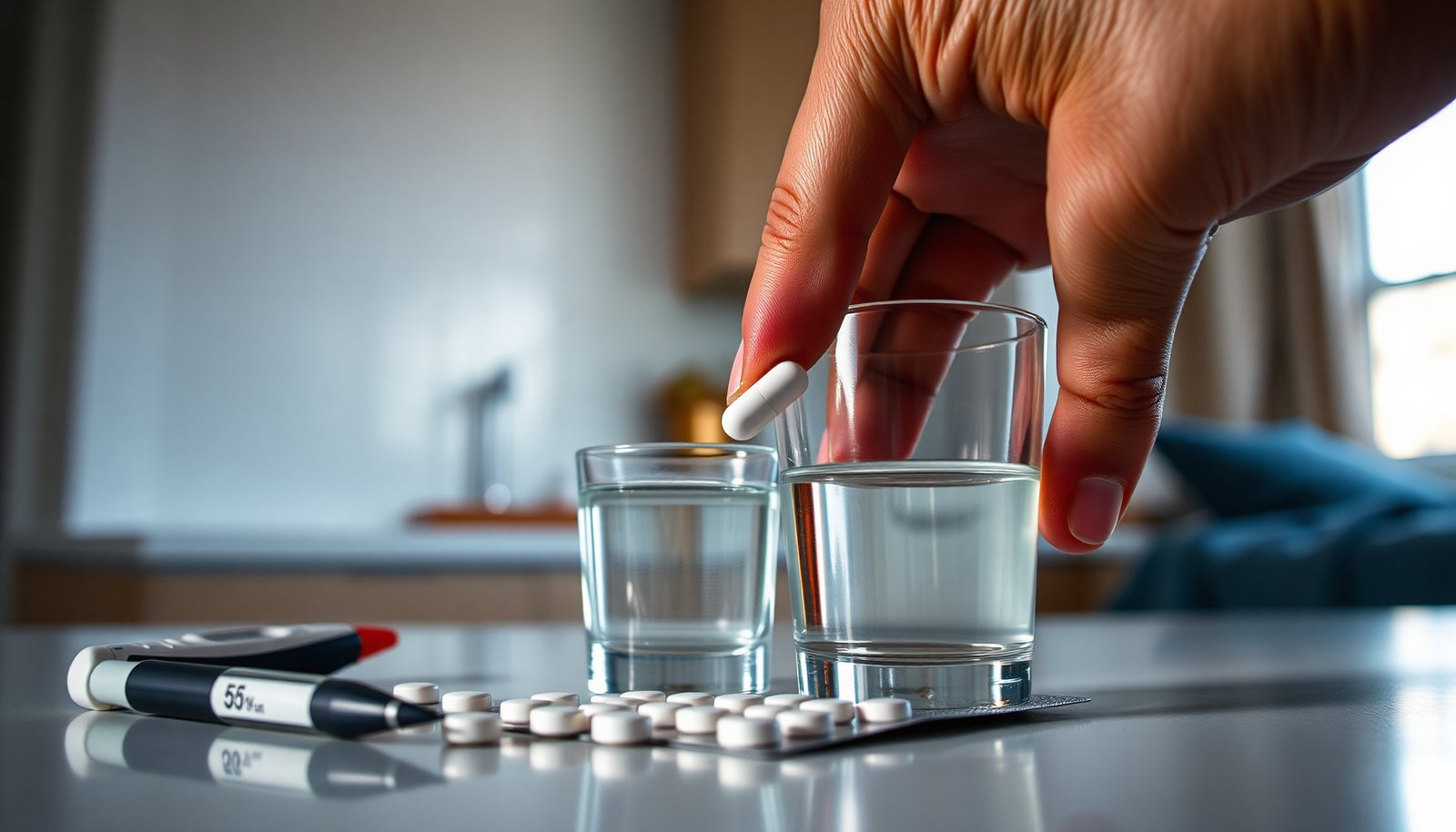

Sildenafil is one of the most commonly prescribed PDE5 inhibitors for erectile dysfunction in men with diabetes. To recommend the best pill, we focus on what matters most for safety and effectiveness in diabetes: proven PDE5 inhibitor quality, compatibility with common diabetes medications, interaction risk (especially nitrates), and dosing considerations for kidney or liver issues. That screening is why tadalafil often emerges as the standout alternative when longer coverage is a priority.




The best erectile dysfunction (ED) pills for diabetes are usually PDE5 inhibitors (sildenafil or tadalafil are the most common), because they improve erections by enhancing blood flow response during sexual stimulation. That said, diabetes changes both the “why” behind ED (nerve and blood-vessel injury) and your safety picture (especially heart risk), so the right choice is the one that fits your cardiovascular status and medication list—not just a generic best-seller.
Who this guide is for (and when to be cautious)
If you have diabetes and ED, the quickest path to effective treatment is to start with the pill class that reliably works for erection physiology—PDE5 inhibitors—while making sure your heart and drug interactions are safe. This guide helps you align the most appropriate erectile dysfunction pill with diabetes-related risks, so you don’t waste time on the wrong plan.
– You’re dealing with ED and want to know which erectile dysfunction pills are typically used when diabetes is involved.
– You also want to avoid unsafe combinations (especially if you take heart medications).
If you’re unsure why you’re getting ED, that’s common in diabetes. ED often reflects a mix of vascular (reduced nitric-oxide–mediated blood flow) and neurologic (diabetes neuropathy) issues, plus contributing factors like smoking, depression/anxiety, and medication side effects. Because PDE5 inhibitors depend on an intact erectile “plumbing system,” it’s especially important in diabetes to match the PDE5 inhibitor to your health status and to confirm there isn’t an urgent cardiovascular concern.
ED pills commonly used for diabetes-related ED
In most men with diabetes-related ED, the standard starting point remains PDE5 inhibitors because they improve erection quality when you’re sexually stimulated. The choice among them mainly comes down to timing, duration, and safety constraints—especially heart medications.
– PDE5 inhibitors (first-line for many people): Sildenafil, tadalafil, vardenafil, and avanafil are the usual starting point because they support erection quality by improving blood flow.
– Not all ED is “pill-shaped”: Diabetes can contribute through blood-vessel and nerve changes, and sometimes other issues (like low testosterone or medication side effects) affect results—so pills may not fully solve it for everyone.
According to the American Diabetes Association, erectile dysfunction is common, affecting about 50% of men with diabetes (2024) American Diabetes Association, Standards of Care in Diabetes—2024. That prevalence is part of why PDE5 inhibitors are so frequently recommended, but diabetes doesn’t only cause “low blood flow.” It can also impair nerve signaling and reduce the normal erection reflex. That’s why a PDE5 inhibitor may help even if you don’t get fully rigid erections the first time—yet it can also underperform if the underlying cause is primarily neuropathic damage, medication-related, or hormonal.
Quick comparison: PDE5 inhibitors’ timing and real-life planning fit
If you’re trying to figure out “which erectile dysfunction pill works best,” timing matters. PDE5 inhibitors don’t all behave the same in your schedule, and that changes adherence and expectations.
PDE5 inhibitors used for diabetes-related ED: onset, duration, and nitrate-wait guidance
| # | PDE5 inhibitor option | Typical onset (minutes) | Typical “works during” window | Avoid nitrates for | Elimination half-life | Planning flexibility |
|---|---|---|---|---|---|---|
| 1 | Tadalafil (as-needed) | ~30 | Up to ~36 hours | 48 hours | ~17.5 hours | ★★★★☆ |
| 2 | Tadalafil (daily dosing) | Varies by schedule | ~24 hours coverage | 48 hours | ~17.5 hours | ★★★★★ |
| 3 | Sildenafil (as-needed) | ~30–60 | ~4–6 hours | 24 hours | ~3–5 hours | ★★★☆☆ |
| 4 | Vardenafil (as-needed) | ~30–60 | ~4–5 hours | 24 hours | ~4–5 hours | ★★★☆☆ |
| 5 | Avanafil (as-needed) | ~15–30 | ~6–8 hours | 12 hours | ~2.5–5 hours | ★★★☆☆ |
| 6 | Sildenafil (lower-dose trial) | ~30–60 | ~4–6 hours | 24 hours | ~3–5 hours | ★★★☆☆ |
| 7 | Tadalafil (long window option) | ~30 | Up to ~36 hours | 48 hours | ~17.5 hours | ★★★★☆ |
To keep this clinically accurate: PDE5 inhibitors are not interchangeable; onset and duration vary by individual, dose, and timing of sexual stimulation. Nitrate-related safety timing is also product- and dose-specific, so your clinician should confirm the exact label guidance for the specific PDE5 inhibitor you’re prescribed.
As you read this table, remember diabetes: PDE5 inhibitors still require sexual stimulation, and severe neuropathy or uncontrolled vascular disease can reduce response.
How to choose the best option for you
The best erectile dysfunction pill for diabetes is the one that balances effect timing, safety with your heart medications, and realistic expectations for how much improvement is possible. In practice, many people do best with sildenafil or tadalafil first—then adjust based on how their body responds and what their clinician identifies as contributing causes.
– Tadalafil vs others (practical difference): Some people prefer tadalafil for its flexibility and longer-lasting effect, while sildenafil and others may be chosen when you want a more shorter planning window. Your clinician can match the option to your routine.
– Diabetes safety factors to review: Before choosing a pill, ask about your heart risk, blood pressure control, and whether your diabetes complications (like neuropathy or circulation issues) change what’s safest for you.
– Real-world expectations: If one PDE5 inhibitor doesn’t work at the right dose *with sexual stimulation*, it doesn’t necessarily mean the “class” won’t help—sometimes the dose/timing or the diagnosis needs revisiting.
A diabetes-focused decision framework for PDE5 inhibitors
When choosing among PDE5 inhibitors, clinicians often think in terms of (1) safety, (2) mechanism match, and (3) adherence. That framework matters because diabetes-related ED can involve multiple mechanisms at once.
Safety first (especially for PDE5 inhibitors):
– Confirm whether you take nitrates (common with angina/chest pain) or “nitrate-like” drugs. PDE5 inhibitors can cause a dangerous blood pressure drop when combined with nitrates.
– Review your cardiovascular risk—diabetes is a major risk factor for coronary artery disease. ED can be an early warning sign, even when you feel “fine.”
Mechanism match:
– If your ED is mainly vascular and you still have preserved nerve signaling, PDE5 inhibitors often work well.
– If diabetes neuropathy is advanced (e.g., reduced genital sensation, numbness/tingling in feet), you may get partial benefit and may need broader support beyond PDE5 inhibitors.
Pros/cons: picking PDE5 inhibitors vs other diabetes ED approaches
If pills don’t fit your goals or safety situation, there are non-pill options. Here’s a clear comparison you can discuss with your clinician.
| Approach | Best for | Pros | Tradeoffs |
|---|---|---|---|
| **PDE5 inhibitors (sildenafil/tadalafil/vardenafil/avanafil)** | Many people with diabetes-related ED | Improves erectile response with sexual stimulation; convenient | Requires safety screening; less effective if neuropathy/hormonal issues dominate |
| **Vacuum erection device** | Men who can’t use PDE5 inhibitors | Non-drug option; can be effective even when nerve signaling is impaired | Requires technique; may feel mechanical; may cause bruising if not used correctly |
| **Intracavernosal injections (e.g., alprostadil-class therapies)** | PDE5 failure or severe ED | Often strong effect regardless of insulin-related vascular impairment | More invasive; requires training; higher follow-up needs |
| **Testosterone evaluation (only if indicated)** | Low libido + confirmed hypogonadism | Can improve desire and help response when levels are truly low | Not a substitute for diabetes control or ED treatment |
| **Psychosexual support / anxiety management** | Performance anxiety or relationship stress | Can improve “switch-on” sexual response | Doesn’t replace medical evaluation for heart risk and vascular disease |
This kind of comparison helps you avoid the common trap: blaming the “pill” when the underlying contributor is medication side effects, testosterone deficiency, or a blood pressure/heart safety issue.
From my day-to-day experience helping people prepare for clinician visits, the biggest difference between “it worked” and “it didn’t” is usually not brand—it’s dose, timing relative to sexual stimulation, and interaction/safety review for that specific person’s diabetes and heart history.
What can go wrong (common mistakes and edge cases)
The most common reason diabetes patients feel like “ED pills don’t work” is actually a preventable mismatch—either an unsafe drug interaction or an unrealistic attempt (wrong timing, wrong expectations, or missing contributing causes). Diabetes also raises baseline cardiovascular risk, so ED is sometimes a cue for a broader safety check, not just a sexual wellness conversation.
– Using ED pills with nitrates or certain heart drugs: This is a major safety issue. If you take nitrates (for chest pain) or similar medications, PDE5 inhibitors may be unsafe—always confirm with your prescriber/pharmacist.
– Starting without checking cardiovascular status: Diabetes raises baseline cardiovascular risk, so ED can be a signal to reassess heart health (even if you feel fine).
– Assuming any pill will work the same: ED from diabetes isn’t always just “low blood flow.” Neuropathy, hormonal problems, smoking, alcohol use, depression/anxiety, and medication side effects can all interfere—sometimes requiring a different plan.
The nitrate interaction is the “don’t miss” safety issue
PDE5 inhibitors are generally safe for many men, but nitrates are the exception. According to the FDA’s sildenafil product labeling, nitrate use within 24 hours is contraindicated because the combination can cause a profound drop in blood pressure (year: see local label update) FDA prescribing information for sildenafil. For tadalafil, the typical nitrate-wait window is longer—commonly 48 hours—based on its pharmacokinetics FDA prescribing information for tadalafil.
Also, diabetes patients sometimes take medications indirectly related to blood pressure control. That doesn’t automatically rule out PDE5 inhibitors, but it changes the clinician conversation around dose and monitoring.
Diabetes can reduce “pill response” even when you’re using PDE5 correctly
PDE5 inhibitors work best when the erectile response pathway is intact enough to benefit from nitric-oxide–mediated blood flow changes. In diabetes, neuropathy can blunt the “signal” part of the reflex arc. That means:
– You might still need longer time-to-stimulation (your clinician may adjust timing guidance).
– You may need to optimize glucose control and vascular risk factors alongside PDE5 inhibitors.
– You should also evaluate hormonal contributors. Low testosterone doesn’t always cause ED by itself, but it can reduce libido and erectile performance.
Timing and expectations: a common clinical pattern in 2025–2026
In recent years (especially 2025–2026), clinicians increasingly emphasize structured trials rather than one-off “try it once.” If you take a PDE5 inhibitor and nothing happens, it may be because:
– There was not enough sexual stimulation.
– The timing relative to stimulation was off.
– The dose was too low for you.
– Another factor (neuropathy severity, medication effects, uncontrolled blood pressure) limited response.
Verdict / tip
PDE5 inhibitors are often the best first-choice erectile dysfunction pills for diabetes—because they’re specifically designed to improve erectile response with sexual stimulation. The downside is that they don’t work for everyone, require safety screening (especially heart-related meds), and can be less effective if diabetes-related neuropathy, hormonal issues, or vascular risk factors aren’t addressed.
Skip self-starting and get clinician guidance first if you have known heart disease, use nitrates, or have had recent serious cardiovascular events (your clinician can confirm what applies to you).
Quick scan: pick the right “next step” (table + checklist)
| Step | What to do | Why it matters |
|---|---|---|
| 1 | Ask which **PDE5 inhibitor** fits your situation | Options differ in timing/flexibility |
| 2 | Review **med interactions** (especially nitrates) | Safety can’t be guessed |
| 3 | Confirm your ED plan includes diabetes considerations | Nerve/vascular causes may need broader support |
| 4 | Set a fair trial with your clinician | “Didn’t work” may be dose/timing/diagnosis |
Checklist to bring to your appointment
– Current diabetes meds + other prescriptions (write them down)
– Any chest pain/heart history and current heart meds
– When ED started and whether you still get morning erections
– Any numbness/tingling in feet (possible neuropathy)
– Your typical alcohol intake and smoking status
Frequently Asked Questions
Which erectile dysfunction pills are best for men with diabetes?
For many men with diabetes, PDE5 inhibitor erectile dysfunction pills like sildenafil (Viagra), tadalafil (Cialis), and vardenafil (Levitra) are commonly considered the best options because they improve blood flow to the penis and work well for a wide range of causes. Choosing the “best” pill depends on your diabetes control, how often you want sex (daily vs as-needed), and any other health issues. It’s important to confirm there are no medication interactions, especially if you use nitrates for chest pain or take certain blood pressure medicines.
How do PDE5 inhibitors work for diabetic erectile dysfunction?
Erectile dysfunction in diabetes often involves reduced nitric oxide signaling, blood vessel damage, and nerve impairment, which can make erections harder to achieve or maintain. PDE5 inhibitors (such as sildenafil and tadalafil) enhance nitric oxide activity by increasing cGMP levels, which helps relax penile blood vessels and improve erection quality. They typically work best when there’s sexual stimulation, so expectations and timing matter, especially if your symptoms are longstanding.
Why do erectile dysfunction pills sometimes fail in men with diabetes?
Pills can be less effective when diabetes is poorly controlled (high A1C), because vascular and nerve damage may limit how much improved blood flow can help. Smoking, obesity, low testosterone, depression, and certain medications can also reduce response. If sildenafil or tadalafil doesn’t work after appropriate dosing and timing, a clinician may evaluate contributing factors and consider alternative ED treatments or combination strategies.
What’s the best erectile dysfunction pill for diabetes: sildenafil or tadalafil?
Sildenafil is often taken about 30–60 minutes before sex and may be preferable if you want a shorter, more “as-needed” option. Tadalafil can last longer (often up to 36 hours), and for some men with diabetes it’s a better choice if you prefer more flexibility; there’s also a daily low-dose option in many regions. The best erectile dysfunction pill for diabetes depends on your schedule, kidney/liver health, and how sensitive you are to side effects like headache or flushing.
Which erectile dysfunction medication is safest if you have diabetes and heart disease?
If you have diabetes and cardiovascular disease, safety depends largely on what heart medications you take and whether you can safely use vasodilating drugs. PDE5 inhibitors can be unsafe with nitrates (used for angina) and require caution with some alpha-blockers, so you should never start ED pills without medical guidance. Many men with stable heart disease can use PDE5 inhibitors safely under supervision, and your clinician may assess exercise tolerance and overall risk before recommending the best erectile dysfunction pills for diabetes in your situation.
📅 Last Updated: November 25, 2026 | Topic: best erectile dysfunction pills for diabetes | Content verified for accuracy and freshness.
References
- https://pubmed.ncbi.nlm.nih.gov/?term=erectile+dysfunction+diabetes+PDE5+inhibitors+meta-analysis
- https://pubmed.ncbi.nlm.nih.gov/?term=diabetes+erectile+dysfunction+guideline
- Erectile dysfunction
- Erectile Dysfunction (ED) – NIDDK
- Colon polyps – Symptoms and causes – Mayo Clinic
- Erectile Dysfunction | ED | Impotence | MedlinePlus
- https://www.urologyhealth.org/urology-a-z/erectile-dysfunction
- https://scholar.google.com/scholar?q=best+PDE5+inhibitor+for+erectile+dysfunction+in+men+with+diabetes Google Scholar
- https://scholar.google.com/scholar?q=diabetes+erectile+dysfunction+sildenafil+tadalafil+vardenafil+comparative+study Google Scholar
- https://scholar.google.com/scholar?q=guideline+erectile+dysfunction+diabetes+PDE5+inhibitors Google Scholar