
There isn’t one single ‘best’ diabetic medication that suits everyone; instead, the most effective treatment is highly individualized. The optimal choice depends on various factors including your type of diabetes, overall health, potential side effects, and personal preferences. This guide will explore the range of available diabetic medications, helping you understand the options and the considerations involved in finding the right regimen for you. Navigating diabetes management can feel overwhelming, but with the right information and a close partnership with your healthcare team, you can find a treatment plan that works best for your unique needs and helps you live a healthy, fulfilling life.
The Foundation: Metformin and Its Role

When it comes to managing Type 2 diabetes, Metformin often stands as the initial hero in many treatment plans. This isn’t by chance; it’s often the first-line treatment due to its proven efficacy, excellent safety profile, and its affordability, making it accessible to a wide range of patients. For many years, it has been the cornerstone of oral diabetes therapy.
So, how does this widely prescribed medication work its magic? Metformin primarily works in a few key ways. Its main action is to reduce the amount of glucose (sugar) your liver produces. Our livers naturally make sugar, especially overnight, but in people with Type 2 diabetes, this production can be excessive. Metformin helps to put a cap on that. Additionally, it improves your body’s sensitivity to insulin, meaning your cells become better at taking up sugar from your blood. This is crucial because insulin resistance is a hallmark of Type 2 diabetes. By making your body’s existing insulin more effective, Metformin helps lower blood sugar levels more efficiently.
Beyond its blood sugar-lowering capabilities, Metformin offers several attractive benefits. It’s often associated with a modest amount of weight loss, which is a significant plus for many individuals with Type 2 diabetes, as excess weight can exacerbate insulin resistance. Furthermore, it carries a very low risk of causing hypoglycemia ( dangerously low blood sugar), especially when used alone, making it a safe choice for many. While generally well-tolerated, the most common side effects are gastrointestinal upset, such as nausea, diarrhea, or stomach cramps. These can often be minimized by starting with a low dose and gradually increasing it, or by taking the medication with food. For many, Metformin is an indispensable part of their diabetes management journey.
Oral Non-Insulin Medications
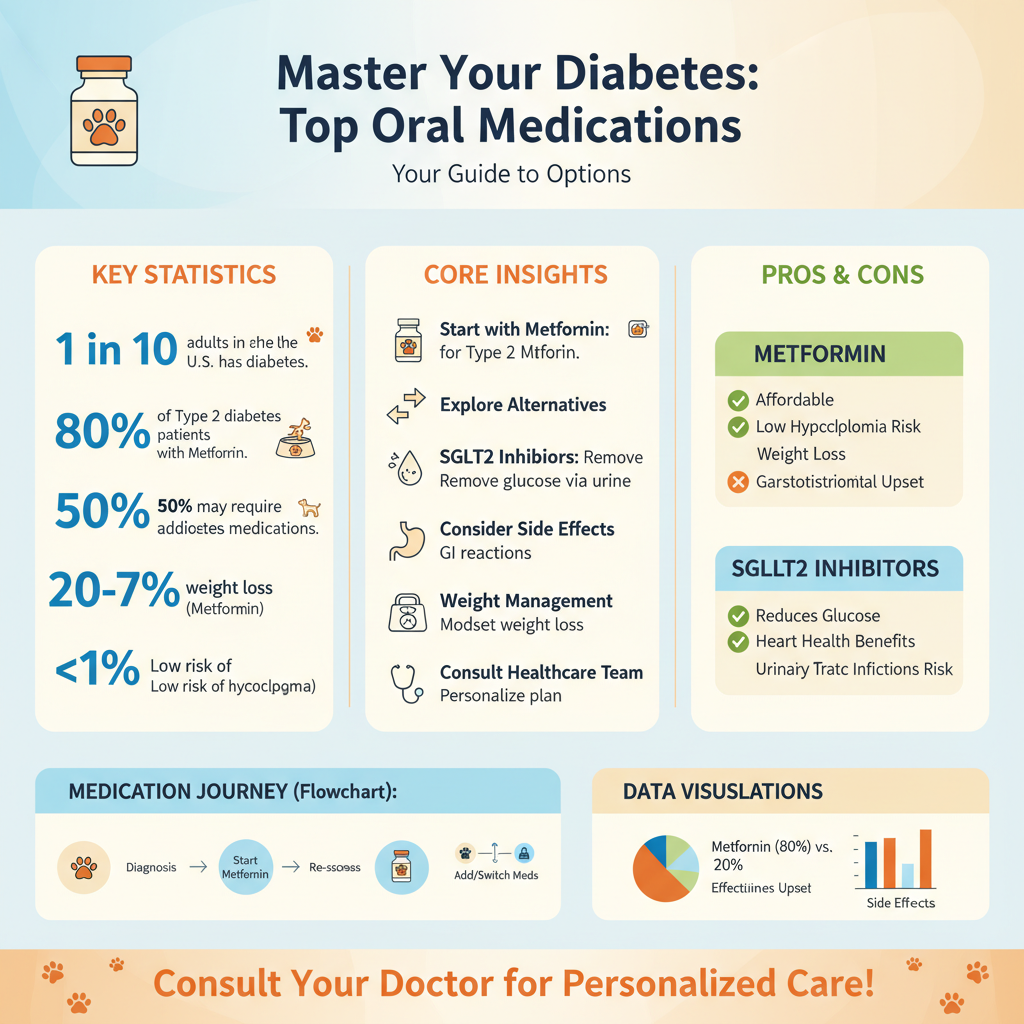

While Metformin often leads the charge, a whole host of other oral medications can be added to the regimen or used if Metformin isn’t suitable. These innovative drugs work through different mechanisms, offering diverse benefits and tackling various aspects of blood sugar control.
* SGLT2 Inhibitors (e.g., Jardiance, Farxiga): This class of medications has revolutionized diabetes care, moving beyond just blood sugar control to offer significant protective benefits for other vital organs. SGLT2 inhibitors work in your kidneys. Normally, your kidneys reabsorb most of the glucose that filters through them back into your bloodstream. SGLT2 inhibitors block this reabsorption, causing more glucose to be excreted in your urine. This unique mechanism lowers blood sugar effectively, but the benefits don’t stop there! Studies have shown that these medications offer significant cardiovascular benefits, reducing the risk of heart failure hospitalizations and cardiovascular death, particularly in individuals with pre-existing heart disease. They also provide renal (kidney) protection, slowing the progression of kidney disease in many patients. Common side effects can include genitourinary infections (like yeast infections or urinary tract infections) due to the increased sugar in the urine.
* DPP-4 Inhibitors (e.g., Januvia): If you’re looking for a medication that works with your body’s natural systems, DPP-4 inhibitors might be a good fit. These medications enhance your body’s natural ability to lower blood sugar by influencing hormones called incretins (like GLP-1 and GIP). Incretins are released after you eat and signal your pancreas to release more insulin when blood sugar levels are high and decrease the release of glucagon (a hormone that raises blood sugar). DPP-4 inhibitors block the enzyme that breaks down these beneficial incretins, allowing them to work longer. The result is better blood sugar control, particularly after meals, with a low risk of hypoglycemia and usually no impact on weight. They are generally well-tolerated with few side effects.
* Sulfonylureas (e.g., Glipizide) & Thiazolidinediones (TZDs, e.g., Actos): These are older, more established classes of oral medications, each with a distinct way of lowering blood sugar.
* Sulfonylureas work by directly stimulating the beta cells in your pancreas to produce and release more insulin. They are effective at lowering blood sugar and are generally affordable. However, because they directly stimulate insulin release regardless of your current blood sugar level, they come with a higher risk of hypoglycemia and can sometimes lead to weight gain.
* Thiazolidinediones (TZDs), on the other hand, primarily improve your body’s insulin sensitivity in muscle and fat cells. They make your body more efficient at using the insulin it already produces. While effective, TZDs have specific considerations, including a potential risk of fluid retention (which can worsen heart failure in some individuals) and, for some, a slight increase in the risk of bone fractures. Your doctor will weigh these factors carefully if considering a TZD.
Powerful Injectables Beyond Insulin

While pills are convenient, some of the most powerful and exciting advancements in diabetes care come in the form of injectable medications that are not insulin. These drugs mimic natural hormones and offer substantial benefits for blood sugar control, weight management, and even cardiovascular health.
* GLP-1 Receptor Agonists (e.g., Ozempic, Trulicity, Rybelsus-oral form): This class of medications has gained significant attention, and for good reason! GLP-1 (Glucagon-Like Peptide-1) is a natural hormone that plays multiple roles in regulating blood sugar. GLP-1 receptor agonists mimic this hormone, leading to a cascade of beneficial effects:
They stimulate insulin release from the pancreas in a glucose-dependent manner (meaning it only happens when blood sugar is high, reducing hypoglycemia risk).
They reduce glucagon secretion, preventing the liver from releasing too much sugar.
They slow gastric emptying, which helps you feel fuller for longer and reduces post-meal blood sugar spikes.
They act on the brain to reduce appetite, often leading to excellent A1c reduction and significant weight loss.
Many GLP-1 RAs have also demonstrated remarkable cardiovascular benefits, reducing the risk of major adverse cardiovascular events in people with Type 2 diabetes. While most are given via once-weekly or daily injections, Rybelsus offers an oral tablet form, providing a non-injectable option for this powerful class.
* Dual GIP/GLP-1 Receptor Agonists (e.g., Mounjaro, Zepbound): Taking the success of GLP-1 RAs to the next level, dual GIP/GLP-1 receptor agonists are a newer class offering even greater efficacy. These medications target *two* incretin hormone pathways – GLP-1 and Glucose-dependent Insulinotropic Polypeptide (GIP). By activating both receptors, they deliver enhanced benefits for blood sugar control and particularly for weight management. Patients often experience superior A1c reductions and more substantial weight loss compared to single-receptor agonists. These innovative therapies represent a significant leap forward for individuals seeking comprehensive metabolic control.
Both GLP-1 and dual GIP/GLP-1 receptor agonists are typically administered via once-weekly or daily injections using convenient pre-filled pens, making them relatively easy to incorporate into your routine. Their impressive ability to lower blood sugar, promote weight loss, and often boast cardiovascular benefits makes them invaluable tools in modern diabetes management.
Insulin Therapy: When and Why It’s Essential
For many, the mention of insulin might evoke a sense of trepidation, but it’s crucial to understand that insulin is a life-saving hormone and a highly effective medication. It’s not a sign of failure but rather a powerful tool to achieve optimal blood sugar control when other treatments are no longer sufficient.
Insulin therapy is the cornerstone treatment for Type 1 diabetes. In Type 1 diabetes, the body’s immune system mistakenly attacks and destroys the insulin-producing beta cells in the pancreas, meaning the body produces little to no insulin. Without external insulin, individuals with Type 1 diabetes cannot survive. For them, insulin isn’t just a treatment; it’s essential for life itself.
For people with Type 2 diabetes, insulin often becomes necessary as the disease progresses. Over time, the beta cells in the pancreas can become exhausted and lose their ability to produce enough insulin to overcome insulin resistance. When oral medications and other injectables can no longer maintain blood sugar targets, adding insulin helps to restore vital blood sugar control, prevent complications, and often improves overall well-being. It’s simply helping your body do what it can no longer do effectively on its own.
The world of insulin is diverse, designed to meet various needs and mimic the body’s natural insulin release patterns. Various types of insulin exist:
* Rapid-acting insulins (e.g., Novolog, Humalog): Taken just before or with meals, they work quickly to cover the carbohydrates eaten.
* Short-acting insulins (e.g., Humulin R, Novolin R): Similar to rapid-acting but with a slightly slower onset and longer duration.
* Intermediate-acting insulins (e.g., NPH): Provide a longer-lasting effect, often used twice daily.
* Long-acting insulins (e.g., Lantus, Levemir, Tresiba): Provide a steady, background level of insulin for 24 hours or more, helping to control fasting blood sugar (often called “basal” insulin).
* Pre-mixed insulins: Combinations of short or rapid-acting with intermediate-acting insulins, offering convenience for some individuals.
Each type has a different onset (how quickly it starts working), peak (when it’s most active), and duration (how long it lasts), allowing healthcare providers to tailor regimens to specific eating habits and glucose patterns.
Delivery methods have also evolved significantly, offering greater precision and convenience. They range from traditional syringes, which are simple and reliable, to user-friendly insulin pens, which are pre-filled and offer easy dialing of doses. For those seeking even more advanced management, continuous insulin pumps deliver small, continuous doses of insulin throughout the day and night, mimicking the pancreas more closely and allowing for precise adjustments around meals and activity. The right insulin regimen and delivery method are carefully chosen in collaboration with your healthcare team to best suit your lifestyle and glucose control goals.
Key Factors in Choosing Your Best Medication
Finding the “best” diabetic medication isn’t a one-size-fits-all quest; it’s a personalized journey. Your healthcare provider will consider many factors to tailor a treatment plan that’s just right for you. Understanding these key factors can help you participate actively in discussions about your care.
* Type of Diabetes: This is perhaps the most fundamental determinant. Treatment approaches vary significantly between Type 1, Type 2, and gestational diabetes. For instance, insulin is indispensable for Type 1 diabetes, whereas Type 2 diabetes often begins with oral medications. Gestational diabetes, occurring during pregnancy, has its own unique guidelines, prioritizing medications safe for both mother and baby, often starting with lifestyle changes and progressing to insulin if needed. Your specific diagnosis dictates the initial framework of your treatment plan.
* Co-existing Health Conditions: Your overall health profile plays a huge role. The presence of other health issues like heart disease (including heart failure), kidney disease, or obesity strongly influences medication choice. For example, some newer medications, like SGLT2 inhibitors and GLP-1 receptor agonists, not only help manage blood sugar but also offer significant protective benefits for the heart and kidneys, and promote weight loss. If you have cardiovascular disease or chronic kidney disease, these medications might be prioritized due to their proven organ-protective effects. Conversely, certain medications might be avoided or used with caution if you have specific conditions (e.g., TZDs in severe heart failure, or certain oral medications if kidney function is significantly impaired).
* Side Effects, Cost, and Lifestyle: These practical considerations are crucial for long-term adherence and success.
* Side Effects: While all medications have potential side effects, understanding and discussing them with your doctor is vital. For example, some drugs carry a higher risk of hypoglycemia (low blood sugar), which might be a concern for someone with an unpredictable schedule or who lives alone. Others might cause gastrointestinal upset or genitourinary infections. The goal is to find an effective medication that you can tolerate well.
* Cost: The price of medication and your insurance coverage are significant factors. Newer, highly effective drugs can sometimes be expensive, and out-of-pocket costs can be a barrier. Your doctor can help you explore generic options, patient assistance programs, or alternative medications that fit your budget while still providing good control.
* Lifestyle: Your daily routine and preferences also matter. Do you prefer pills over injections? How many doses per day are manageable? A once-weekly injection might be more convenient than daily pills for some, while others might prefer oral medications exclusively. Your ability to consistently take your medication as prescribed is paramount, so finding a regimen that aligns with your lifestyle is key to sustained success.
Integrating Lifestyle Changes for Optimal Management
While medication plays a pivotal role in managing diabetes, it’s truly most effective when integrated with consistent, proactive lifestyle changes. Think of medication as a powerful aid, but your daily habits are the foundation of good health. Embracing these changes can not only enhance the effectiveness of your medications but also significantly improve your overall well-being and reduce the risk of complications.
* Diet and Nutrition: What you eat profoundly impacts your blood sugar levels. Adopting a balanced eating plan, focusing on whole, unprocessed foods, and managing carbohydrate intake is fundamental for blood sugar control. This doesn’t necessarily mean a restrictive diet, but rather making informed choices:
Prioritize vegetables, lean proteins, and healthy fats.
Choose complex carbohydrates (like whole grains, legumes, and fruits) over refined sugars and starches.
Practice portion control to manage calorie and carbohydrate intake.
Consider working with a registered dietitian or certified diabetes educator who can help you develop a personalized meal plan, teach you carb counting, and guide you in making sustainable dietary changes that fit your cultural preferences and lifestyle.
* Physical Activity: Regular exercise is a game-changer for diabetes management. It significantly improves insulin sensitivity, meaning your body’s cells become better at utilizing glucose from your bloodstream, often requiring less medication. Physical activity also helps with weight management, boosts overall cardiovascular health, strengthens muscles and bones, reduces stress, and improves mood. Aim for at least 150 minutes of moderate-intensity aerobic activity (like brisk walking, swimming, or cycling) per week, along with two to three sessions of strength training. Always consult your doctor before starting any new exercise regimen, especially if you have pre-existing conditions, to ensure it’s safe and appropriate for you.
* Blood Glucose Monitoring: Consistent self-monitoring of your blood glucose levels provides invaluable data. Whether you use a traditional glucometer to check fingerstick blood samples or a continuous glucose monitor (CGM) for real-time readings, this information is your personalized feedback loop. It helps you understand:
How different foods, physical activities, and stress impact your blood sugar.
How well your medications are working.
If you’re at risk of hypoglycemia or hyperglycemia.
This data allows you and your healthcare team to make informed adjustments to your medication dosages, meal plans, and activity levels, guiding you toward better control and helping you stay within your target ranges. Regular monitoring empowers you to be an active participant in your diabetes care.
Ultimately, the ‘best’ diabetic medication is a personalized choice, a dynamic part of a broader management plan tailored to your unique health profile and goals. While medications play a vital role in controlling blood sugar and preventing complications, they are most effective when combined with consistent lifestyle adjustments in diet and exercise. We strongly encourage you to discuss these options comprehensively with your healthcare provider to determine the most appropriate and effective treatment strategy for managing your diabetes and empowering you to live your healthiest life.
Frequently Asked Questions
What are the primary types of medication prescribed for managing Type 2 Diabetes, and how do they differ?
Type 2 Diabetes management often involves various medication classes, including oral agents and injectables. Common oral medications like Metformin reduce glucose production in the liver, while sulfonylureas stimulate insulin release. Newer classes like SGLT2 inhibitors help the kidneys remove glucose, and GLP-1 receptor agonists are injectables that enhance insulin secretion and slow digestion, often leading to weight loss. The choice of diabetic medication depends on individual health needs, comorbidities, and blood sugar targets.
How do newer injectable diabetic medications like GLP-1 receptor agonists work to control blood sugar and offer additional benefits?
GLP-1 receptor agonists, a class of highly effective injectable diabetic medications, mimic a natural hormone to lower blood sugar in several ways. They stimulate insulin release from the pancreas when blood sugar is high, decrease glucagon secretion, and slow gastric emptying, which helps reduce post-meal glucose spikes and promote satiety. These medications are also notable for often leading to significant weight loss and providing cardiovascular and renal benefits beyond just glycemic control, making them a preferred option for many patients.
Are there diabetic medications that offer additional benefits beyond blood sugar control, such as weight loss or cardiovascular protection?
Yes, several modern diabetic medications provide significant benefits beyond simply lowering blood sugar, addressing common concerns for many patients. GLP-1 receptor agonists (e.g., Ozempic, Trulicity) are well-known for promoting weight loss and offering robust cardiovascular protection, while SGLT2 inhibitors (e.g., Jardiance, Farxiga) also demonstrate strong cardiovascular and kidney-protective effects, alongside aiding in weight management. Discussing these multi-benefit options with your doctor can lead to a more holistic diabetes management plan.
How do doctors determine the “best” diabetic medication regimen for an individual, considering various factors?
The “best” diabetic medication regimen is highly individualized, with doctors considering numerous factors beyond just blood sugar levels. They evaluate a patient’s kidney function, heart health, existing medical conditions, potential side effects, cost, and personal preferences, aiming for a comprehensive approach. The goal is to select medications that effectively control glucose while also protecting vital organs, minimizing side effects, and supporting overall well-being, often requiring a combination therapy.
When is insulin therapy considered for Type 2 Diabetes, and is it always a last resort?
Insulin therapy for Type 2 Diabetes is considered when other medications are insufficient to achieve target blood sugar levels, or if symptoms are severe at diagnosis. It is not necessarily a “last resort” but rather an essential tool in diabetes management, especially as the disease progresses and the pancreas’s ability to produce insulin declines. Early initiation of insulin can help preserve pancreatic function and prevent long-term complications, often used in conjunction with other diabetic medications for optimal control.
References
- https://diabetesjournals.org/care/article/47/Supplement_1/S129/153927/9-Pharmacologic-Approaches-to-Glycemic-Treatment
- https://www.niddk.nih.gov/health-information/diabetes/overview/type-2-diabetes/medications
- https://www.cdc.gov/diabetes/managing/medication.html
- https://www.mayoclinic.org/diseases-conditions/type-2-diabetes/in-depth/diabetes-medications/art-20046902
- https://www.who.int/publications/i/item/9789240003429
- https://en.wikipedia.org/wiki/Management_of_diabetes_mellitus
- https://my.clevelandclinic.org/health/treatments/17700-diabetes-medications
- https://www.bbc.com/news/health-66917711
