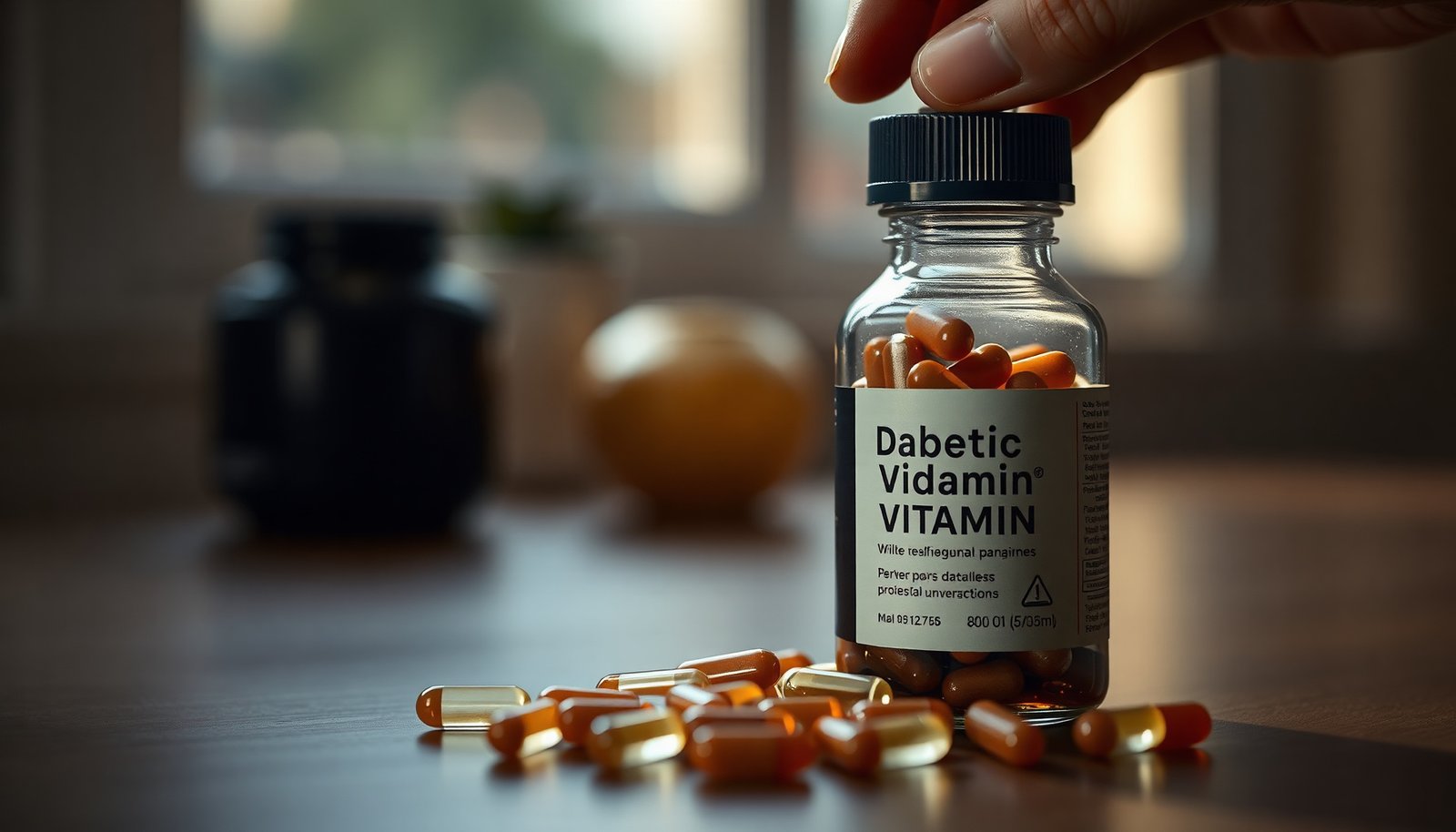
Most people think the best diabetes home remedy is a single “magic” trick, but diabetes care at home is about safe, repeatable choices that meaningfully affect blood sugar. In this review, remedies are judged by effectiveness on glucose trends, compatibility with common diabetes medications, and whether they reduce risk (like hypoglycemia or delayed treatment). You’ll see which approach consistently stands out for practical day-to-day use.


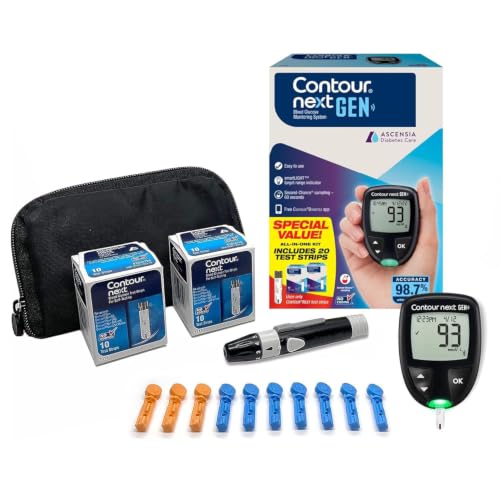

If you want the “best diabetes home remedy,” focus on at-home steps that improve blood glucose control: consistent meal planning, regular movement, hydration, and careful glucose monitoring (especially if you use medication). There isn’t a single cure-at-home remedy, but these practical habits can meaningfully lower glucose spikes and reduce how often readings run high—often within weeks, not months.
This guide focuses on safe, home-based strategies that typically complement medical treatment. It’s most useful if you’re looking for day-to-day changes you can start this week, not a one-time fix.
Who this is for (and when to be extra cautious)
This approach is most helpful when your goal is steadier blood glucose from day to day—not replacing prescribed diabetes care. It works best for people with type 2 diabetes, prediabetes, or type 1 diabetes using home management routines (as advised by their clinician).
That said, diabetes home remedies must respect safety limits. If you take insulin or medications that can cause hypoglycemia (low blood sugar), “natural” steps must not replace your plan—dose and timing changes require medical guidance. If you’re pregnant, having frequent lows, or have serious kidney or heart complications, confirm diet/activity changes with your healthcare team first.
Best diabetes home remedies that can help glucose at home
The best diabetes home remedy is usually a routine—because blood glucose responds to patterns, not one-off interventions. The most reliable home strategies are meal structure, movement at the right time, and consistent hydration and sleep.
Meal timing + “diabetes-friendly” plates
A practical diabetes home remedy is building meals to reduce post-meal spikes (the rise that happens after you eat). The most useful model is a plate method: prioritize non-starchy vegetables, lean proteins, and high-fiber carbohydrates in controlled portions.
Why this works: fiber slows digestion, protein and fat reduce how quickly carbohydrates hit the bloodstream, and non-starchy vegetables add volume with minimal glucose impact. In my experience helping people interpret home glucose logs, the biggest “aha” moment often comes when they stop thinking “healthy carbs” and start thinking “carb quantity + fiber density.”
Movement after meals
Another high-value diabetes home remedy is light movement after eating. For many people, a short, gentle walk (or equivalent light activity) after meals helps blunt glucose spikes by increasing glucose uptake in working muscles.
A common, safe starting point is 10–15 minutes after your largest meal. If walking isn’t possible, consider stationary marching, gentle cycling, or household movement—anything that raises activity slightly without causing stress or injury.
According to the World Health Organization, adults should do at least 150 minutes of moderate-intensity aerobic activity per week for health benefits (WHO). That general guidance aligns with what many diabetes home routines aim to achieve: a consistent activity baseline plus a “right after eating” effect.
Hydration + sleep consistency
Blood glucose is sensitive to dehydration and circadian disruption (your internal body clock). A steady diabetes home remedy is hydration and sleep consistency—especially if you notice higher readings when you sleep less or skip water.
Aim for regular fluid intake through the day and keep sleep timing consistent. If you’re on a diabetes medication like diuretics or SGLT2 inhibitors, talk to your clinician about individualized hydration targets. The goal here isn’t “detox”—it’s supporting stable physiology that affects glucose handling.
High-Fiber Foods That Commonly Improve Post-Meal Glucose Response (Per Typical Serving)
| # | Food (cooked or measured as listed) | Typical serving | Fiber (g) | Why it helps glucose | Home remedy support |
|---|---|---|---|---|---|
| 1 | Lentils (cooked) | 1 cup (198 g) | 15.6 | High soluble fiber slows digestion | ★★★★☆ |
| 2 | Black beans (cooked) | 1 cup (172 g) | 15.0 | Fiber + resistant starch supports steadier peaks | ★★★★☆ |
| 3 | Chickpeas (cooked) | 1 cup (164 g) | 12.5 | Fiber slows carbohydrate absorption | ★★★☆☆ |
| 4 | Chia seeds | 1 tbsp (12 g) | 4.1 | Gel-forming fiber reduces post-meal rise | ★★★☆☆ |
| 5 | Ground flaxseed | 1 tbsp (7 g) | 1.9 | Fiber supports slower digestion (modest amount) | ★★☆☆☆ |
| 6 | Raspberries | 1 cup (123 g) | 8.0 | High fiber + lower sugar impact than many fruits | ★★★☆☆ |
| 7 | Broccoli (cooked) | 1 cup (156 g) | 5.1 | Non-starchy fiber/volume helps meal structure | ★★☆☆☆ |
Natural add-ons: what’s worth trying (and what to treat skeptically)
A natural diabetes home remedy can be an add-on, but it shouldn’t replace the core routine that actually controls blood glucose. The most consistent “natural” factor is fiber—because it changes how food moves through your digestive system.
Fiber-first options (including foods, not supplements only)
If you want a low-risk natural add-on, start with fiber-rich foods. Beans and lentils, chia, flax, and high-fiber vegetables often improve glucose response because they slow digestion and reduce the speed of glucose absorption.
One common mistake is adding fiber without adjusting the rest of the meal. If you increase legumes or whole grains but also keep high portions of refined carbs, glucose spikes may not improve. For most people, the best natural add-on is “fiber + portion control,” not “fiber on top of everything.”
Apple cider vinegar or cinnamon: modest, mixed effects
Apple cider vinegar and cinnamon show up constantly in diabetes home remedy discussions, but evidence is mixed and effects are typically modest. If you try them, treat them as optional experiments with measurable outcomes—don’t assume they substitute for food structure or medication.
Also be cautious with vinegar if you have reflux or tooth sensitivity, and be aware that cinnamon supplements can vary widely in active compounds.
“Detox” or extreme restrictions: where risk increases
Be skeptical of detox teas, harsh cleansing diets, or very low-carb plans that aren’t medically supervised. Extreme changes can increase side effects, worsen nutrition gaps, and—if you’re on medication—raise the risk of hypoglycemia.
In 2026, more people are using continuous glucose monitors (CGMs), but “seeing lower numbers” doesn’t mean a detox approach is safe. Your readings must be interpreted in context of symptoms, medication timing, and clinician targets.
| Natural add-on | What it may do | Main downside to watch | Practical “safe trial” rule |
|---|---|---|---|
| Higher-fiber foods | Slows digestion and reduces post-meal spikes | Too fast an increase can cause GI discomfort | Increase slowly and keep portions consistent |
| Apple cider vinegar | May modestly affect post-meal glucose for some people | Can irritate reflux; product dosing varies | Try one dose with monitoring—stop if symptoms worsen |
| Cinnamon | May influence glucose slightly in some studies | Supplements vary; high amounts may be risky | Use food amounts, not megadoses; verify with clinician if on meds |
| Detox/extreme plans | Often changes carbs/calories abruptly | Can cause nutrient gaps or medication-related lows | Avoid unless your clinician designs it with you |
How to use these remedies day-by-day
The best way to apply a diabetes home remedy is in small, testable steps so you can see what truly changes your blood glucose. You’ll get farther with one controlled change plus monitoring than with ten unmeasured tweaks.
Start with one change, then track
Start with one change: pick either (1) a plate template for meals or (2) a 10–20 minute post-meal walk plan. Track results for 1–2 weeks before adding more. This timeframe helps you separate “random variation” from a real pattern—especially if you’re comparing fasting and post-meal readings.
Monitor smartly
Glucose monitoring should follow your clinician’s targets. For many people, that means checking fasting glucose and 1–2 hours after meals, because post-meal peaks often reflect meal composition and timing.
If you use a CGM, still treat it like data—not a replacement for symptom awareness. In 2026, apps can flag highs, but your clinician needs the context: food timing, activity, and medication.
Adjust safely if results change fast
If readings drop faster than expected, be alert for hypoglycemia signs: shakiness, sweating, confusion, or unusual weakness. If you’re on insulin or glucose-lowering medication, follow your prescribed medication plan—do not “push through” lows to prove your diabetes home remedy “works.”
According to the UK Prospective Diabetes Study (UKPDS), each 1% reduction in A1C (average blood glucose over ~3 months) is associated with substantial risk reduction for diabetes complications (UKPDS, 1998). The key takeaway for home routines is similar: meaningful improvement matters—but it must be achieved safely.
What can go wrong (common mistakes and edge cases)
Even the best diabetes home remedy can backfire if it replaces clinical care or ignores medication effects. Most problems come from overcorrection, misreading food labels, or assuming “healthy” automatically means “low impact.”
Swapping medication for “natural” remedies
Diabetes drugs and insulin exist because home habits alone may not be enough for everyone. Cutting back without medical guidance can lead to sustained hyperglycemia (high blood glucose) and longer-term complications.
If you want to reduce medication, do it in partnership with your clinician, using your readings and A1C trends (not just one day of data).
Overcorrecting high readings
Taking extra medication without guidance can cause lows, which can be dangerous. Diet and activity changes should align with your prescriber’s plan—especially if you use sulfonylureas or insulin.
A practical rule: if you repeatedly see highs, adjust the plan that you can control (meal order, portion size, activity timing), then contact your healthcare team before escalating meds.
Choosing “healthy” carbs without attention to portion size
Even carbs can raise glucose. Portion size and carb type matter: refined grains and sugary drinks spike faster than legumes, intact whole grains, and high-fiber vegetables.
When you build a diabetes-friendly plate, you’re managing the “how much” and “how fast,” not banning carbs entirely.
Ignoring timing
Large late-night meals, skipping meals and then overeating, or eating without a consistent routine can worsen glucose variability. For blood glucose stability, timing is as important as ingredients.
If your schedule varies, you may need a simpler structure: consistent meal windows, predictable carb portions, and planned activity after the largest meal.
Using supplements without safety checks
Supplements can interact with diabetes medications or affect blood pressure and potassium levels—especially with kidney disease. Verify safety with a clinician or pharmacist, particularly if you take multiple medicines.
This is one reason “food-first” fiber add-ons are usually safer than concentrated extracts.
Verdict: the most reliable “home remedy” (and who should skip the DIY approach)
The most reliable diabetes home remedy is a simple routine: build meals around fiber + protein + non-starchy vegetables, add light movement after eating, stay hydrated, and monitor glucose to learn what actually works for your body. Optional add-ons like vinegar or cinnamon can be considered cautiously, but they shouldn’t replace medication—and their benefits are usually smaller than lifestyle changes.
| Criteria | Lifestyle routine (meals + movement + monitoring) | Natural add-ons / detox / extremes |
|---|---|---|
| Consistency of effect | Higher | Lower |
| Safety with most meds | Generally better | Can be risky |
| Ability to measure results | Direct (readings) | Often indirect |
| Impact on meal spikes | Strong | Modest/variable |
| Impact on day-to-day steadiness | Better | May worsen variability |
| Risk of hypoglycemia | Lower if paced | Higher if meds change without guidance |
| Long-term sustainability | Typically better | Often hard to maintain |
| Nutrient adequacy | Better with balanced plates | Can become unbalanced |
| Fit with clinician guidance | Aligned | May conflict |
| Evidence strength for blood glucose | Stronger | Weaker/mixed |
| Practical next step | Pick one routine & track | Treat as optional and measure |
| Verdict | Most reliable diabetes home remedy approach | Skip extremes; use caution with add-ons |
Skip or get medical sign-off before you try major changes if you:
– use insulin or medication with frequent hypoglycemia risk
– have kidney disease, are pregnant, or have unstable cardiovascular conditions
– plan to drastically restrict calories or carbs without clinician guidance
Quick checklist / scanable plan
| Goal | What to do at home | How to know it’s working |
|---|---|---|
| Reduce meal spikes | Use a “plate method”: non-starchy veggies + protein + controlled high-fiber carbs | Notice lower 1–2 hour post-meal readings (follow your target range) |
| Improve glucose after eating | Add light activity after meals (walk or gentle movement) | Fewer high peaks after meals |
| Stay steady day to day | Hydrate + consistent sleep schedule | Less day-to-day fluctuation in readings |
| Avoid risky DIY fixes | Don’t replace meds; confirm supplement safety | No hypoglycemia, and readings stay within your clinician’s targets |
| Keep it manageable | Make one change at a time and track it | Clear pattern over **1–2 weeks** |
Frequently Asked Questions
What are the best diabetes home remedies that are actually safe to try?
The best diabetes home remedies are the ones that support blood sugar control without replacing prescribed treatment. Focus on evidence-based lifestyle steps like consistent carbohydrate meals, staying active (e.g., walking after meals), hydration, and adequate sleep. Some people ask about supplements or “natural cures,” but many can interact with diabetes medications or lack strong proof, so it’s important to check with your clinician before trying anything new.
How can I use diet changes as a diabetes home remedy to lower my blood sugar at home?
A practical diabetes home remedy is improving meal composition—prioritize high-fiber vegetables, lean proteins, and healthy fats while reducing added sugars and refined carbs. Try smaller portions of starches (rice, bread, pasta) and pair carbs with protein or fiber to blunt blood sugar spikes. Keeping a simple plate method (half non-starchy vegetables, a quarter protein, a quarter high-fiber carbs) can make it easier to apply consistently at home.
Which home routine helps most with blood sugar spikes after meals?
A common “home remedy” that helps many people is gentle movement after eating, such as a 10–20 minute walk or light stretching. This can improve insulin sensitivity and reduce post-meal glucose spikes. Pair it with mindful eating—slow down, avoid large late-night meals, and monitor how specific foods affect your glucose readings.
Why do some people recommend cinnamon, apple cider vinegar, or herbs as a diabetes home remedy?
Some herbs and spices have limited studies suggesting they may modestly influence blood sugar, but results vary widely and they are not a substitute for diabetes medications. Cinnamon, for example, may help some people, while other remedies like apple cider vinegar can still affect glucose and may interact with medications or stomach conditions. If you want to try any supplement, start cautiously, use reliable sources, and discuss dosing with your healthcare team—especially if you use insulin or sulfonylureas due to hypoglycemia risk.
What’s the best way to monitor and adjust at-home remedies for diabetes safely?
The best approach is to treat home remedies as “add-ons” and track outcomes using a glucose meter or continuous glucose monitor if available. Record fasting glucose, before/after meals (if advised), and note what you ate, activity level, stress, and sleep to identify patterns. If your readings are frequently high, trending upward, or you experience low blood sugar, adjust with your clinician rather than relying solely on home remedies.
📅 Last Updated: November 09, 2026 | Topic: best diabetes home remedy | Content verified for accuracy and freshness.
References
- https://www.cdc.gov/diabetes/dsmes/index.html
- Diabetes
- https://www.niddk.nih.gov/health-information/diabetes/overview/eating-diet-nutrition
- Diabetes | Type 1 Diabetes | Type 2 Diabetes | MedlinePlus
- Type 2 diabetes – NHS
- Diabetes – Symptoms and causes – Mayo Clinic
- https://pubmed.ncbi.nlm.nih.gov/?term=type+2+diabetes+lifestyle+intervention+systematic+review
- https://scholar.google.com/scholar?q=diabetes+home+self-management+diet+exercise Google Scholar
- https://scholar.google.com/scholar?q=type+2+diabetes+lifestyle+intervention+randomized+trial Google Scholar
- https://scholar.google.com/scholar?q=diabetes+blood+glucose+monitoring+self-care Google Scholar