
When considering diabetes drugs that also promote weight loss, GLP-1 receptor agonists and SGLT2 inhibitors currently stand out as the most effective options. These medications not only help manage blood sugar levels but also offer significant benefits in weight reduction, addressing a common comorbidity for individuals with type 2 diabetes. This guide will explore these leading drug classes and other relevant medications, detailing their mechanisms, benefits, and important considerations to help you understand your options.
Understanding Diabetes and the Weight Loss Connection

The relationship between diabetes and weight is profound and often cyclical, creating a significant challenge for many individuals. Navigating this connection is crucial for effective long-term health management.
* Obesity as a Risk Factor: Excess weight, particularly around the abdomen, is a major contributor to insulin resistance, a cornerstone of type 2 diabetes. When your body carries extra pounds, your cells become less responsive to insulin, meaning your pancreas has to work harder to produce enough insulin to keep blood sugar levels stable. Over time, this can lead to pancreatic burnout and the full onset of type 2 diabetes, often exacerbating its complications such as heart disease, kidney disease, and neuropathy.
* Benefits of Weight Reduction: The good news is that even a modest amount of weight loss can yield remarkable health improvements. Losing just 5-10% of your body weight can significantly improve glycemic control (lowering HbA1c), reduce the need for diabetes medications, lower blood pressure, improve cholesterol levels (raising “good” HDL and lowering “bad” LDL and triglycerides), and decrease the risk of cardiovascular events. Beyond these clinical markers, patients often report increased energy, better mobility, and an overall enhanced quality of life.
* Challenges with Traditional Treatments: Historically, many older diabetes medications, such as insulin and sulfonylureas, can paradoxically lead to weight gain. Insulin, while vital for blood sugar control, is an anabolic hormone that promotes fat storage. Sulfonylureas stimulate insulin production, which can also contribute to weight gain. This makes the search for effective weight-reducing options crucial, as managing blood sugar without adding to weight challenges is a major goal for many people living with diabetes.
GLP-1 Receptor Agonists: Leading the Way in Weight Loss
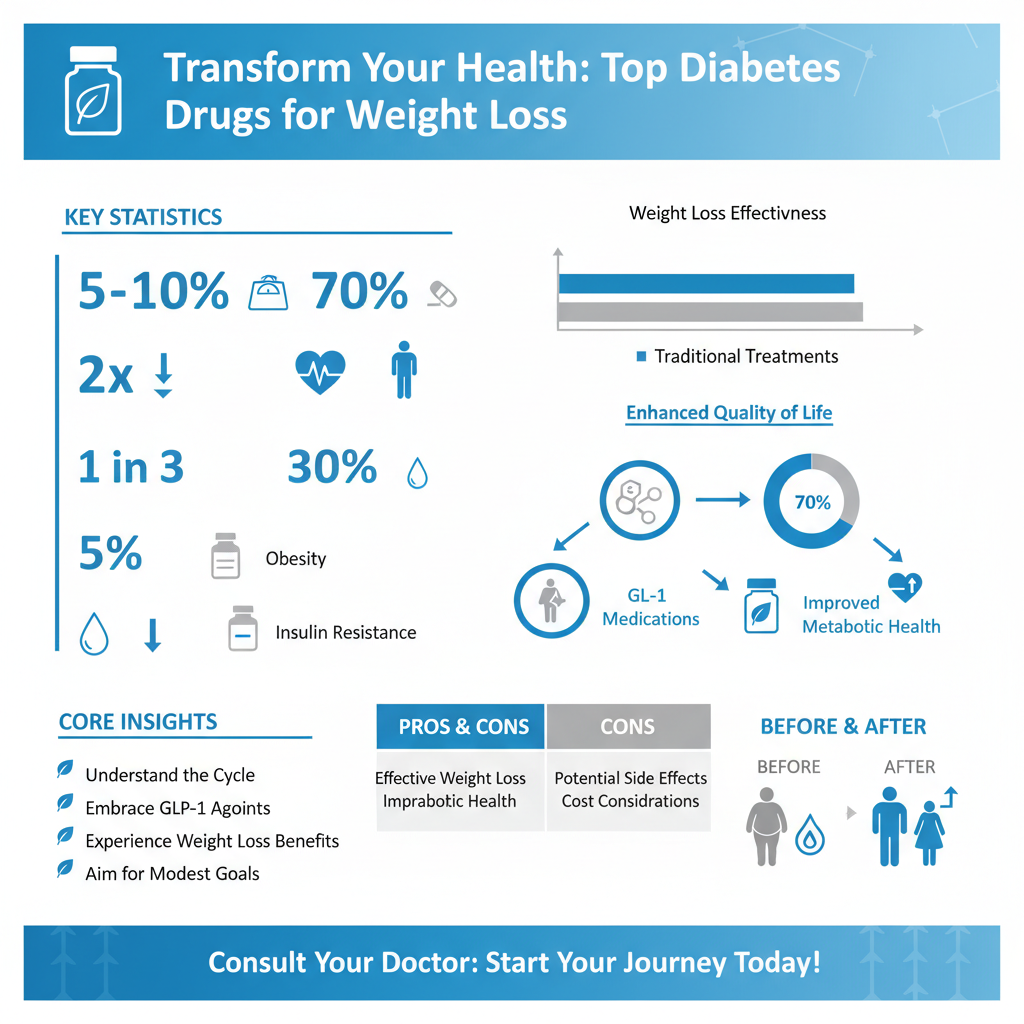

This class of medications has truly revolutionized diabetes and weight management, offering substantial benefits that go beyond simple blood sugar control.
* Key Medications: The GLP-1 receptor agonist class includes popular drugs like semaglutide (marketed as Ozempic for diabetes, and Wegovy for weight loss in non-diabetics) and tirzepatide (Mounjaro for diabetes, and Zepbound for weight loss in non-diabetics). Semaglutide is typically administered as a weekly injection, though an oral daily form (Rybelsus) is also available. Tirzepatide, also a weekly injectable, is unique as it’s a “twincretin” medication, meaning it activates *both* GLP-1 and glucose-dependent insulinotropic polypeptide (GIP) receptors, potentially leading to even greater efficacy.
* Mechanism of Action: GLP-1s mimic the action of a natural gut hormone called glucagon-like peptide-1. They work in several powerful ways:
1. Increase Insulin Release: They stimulate the pancreas to release more insulin when blood sugar levels are high, helping to lower glucose without causing hypoglycemia when levels are normal.
2. Decrease Glucagon Secretion: They suppress the release of glucagon, a hormone that raises blood sugar, particularly after meals and during fasting.
3. Slow Gastric Emptying: By slowing how quickly food moves from the stomach to the intestines, GLP-1s help you feel fuller for longer, reduce post-meal blood sugar spikes, and decrease overall food intake.
4. Brain Receptors: Crucially, GLP-1s act on specific receptors in the brain, particularly in areas that regulate appetite and satiety. This direct action reduces hunger signals and enhances feelings of fullness, leading to a significant reduction in calorie consumption.
* Dual Benefits: Beyond their impressive ability to lower blood sugar and promote substantial weight loss (often 10-15% or more of initial body weight), GLP-1 agonists also offer robust cardiovascular and kidney protective benefits. Studies have shown they can reduce the risk of major adverse cardiovascular events (like heart attack and stroke) and slow the progression of chronic kidney disease in people with type 2 diabetes.
SGLT2 Inhibitors: Glucose Excretion for Modest Weight Benefits

While not as potent for weight loss as GLP-1s, SGLT2 inhibitors offer a unique mechanism of action and significant cardiovascular and kidney protection.
* Key Medications: Widely prescribed examples include empagliflozin (Jardiance), dapagliflozin (Farxiga), and canagliflozin (Invokana). These are generally taken as oral medications once daily, fitting easily into many routines.
* Mechanism of Action: SGLT2 stands for Sodium-Glucose Co-Transporter 2. These proteins are found in the kidneys and are responsible for reabsorbing about 90% of the glucose filtered from your blood back into your bloodstream. SGLT2 inhibitors work by blocking these proteins, preventing the kidneys from reabsorbing excess glucose. This causes the body to excrete glucose through the urine, effectively removing calories from the body. This process also leads to some fluid loss, which can contribute to blood pressure reduction.
* Additional Advantages: While the weight loss from SGLT2 inhibitors is generally modest (typically 2-5% of body weight) compared to GLP-1s, their benefits extend far beyond just blood sugar management. They provide excellent glycemic control and have proven benefits for reducing hospitalizations for heart failure, protecting kidney function, and reducing cardiovascular death, even in individuals without diabetes who have heart failure or chronic kidney disease. These protective effects are a major reason why SGLT2 inhibitors are often a preferred choice for many patients with type 2 diabetes.
Other Diabetes Medications with Weight Effects
While GLP-1s and SGLT2s are the stars for weight loss, other diabetes medications can also influence body weight, though generally to a lesser degree.
* Metformin: Often the first-line treatment for type 2 diabetes, Metformin is a true workhorse. It is typically weight-neutral or can lead to modest weight loss (a few pounds) over time. Its primary mechanism involves reducing glucose production by the liver and improving insulin sensitivity in muscle and fat cells, allowing the body to use insulin more effectively. Some patients also experience a slight reduction in appetite, which can contribute to its weight-neutral or modest weight-loss effect. It’s often continued alongside newer medications due to its long-standing safety profile and efficacy.
* Amylin Analogs: Pramlintide (Symlin) is an injectable medication that mimics amylin, a natural hormone co-secreted with insulin by the pancreas. It’s used in conjunction with insulin for both type 1 and type 2 diabetes. Pramlintide works by slowing gastric emptying, suppressing post-meal glucagon secretion, and promoting satiety, which can lead to modest weight loss. It helps to smooth out post-meal blood sugar spikes and reduce overall calorie intake.
* DPP-4 Inhibitors: Medications like sitagliptin (Januvia), saxagliptin (Onglyza), and linagliptin (Tradjenta) are generally weight-neutral. They work by inhibiting the enzyme dipeptidyl peptidase-4 (DPP-4), which breaks down the natural incretin hormones GLP-1 and GIP. By preventing this breakdown, DPP-4 inhibitors allow the body’s own incretins to remain active for longer, leading to glucose-dependent insulin release and reduced glucagon. While effective for blood sugar control, the increase in incretin levels is typically not enough to induce significant weight loss like the direct, higher-dose GLP-1 receptor agonists do.
How These Drugs Promote Weight Loss: Deeper Dive
Understanding the specific mechanisms by which these medications influence weight can help you appreciate their effectiveness and how they complement a healthy lifestyle.
* Appetite Suppression and Satiety: This is the primary driver of weight loss for GLP-1 receptor agonists. By mimicking GLP-1, these drugs send signals to the brain’s satiety centers (like the hypothalamus), telling your body you’re full and satisfied. This significantly reduces hunger cravings and overall appetite. Additionally, by slowing gastric emptying, food stays in your stomach longer, physically contributing to a prolonged feeling of fullness. The combined effect means you naturally eat less, consume fewer calories, and find it easier to make healthier food choices without feeling deprived.
* Caloric Excretion: SGLT2 inhibitors contribute to weight loss through a very different, yet effective, mechanism: directly removing calories from the body. By blocking glucose reabsorption in the kidneys, these drugs cause hundreds of calories worth of glucose to be excreted in the urine daily. While the exact amount varies, this consistent caloric deficit, typically ranging from 200-400 calories per day, accumulates over time to facilitate modest but consistent weight loss. This mechanism also leads to some osmotic diuresis (increased urination), which can contribute to a slight fluid loss and blood pressure reduction.
* Metabolic Improvements: Both GLP-1 receptor agonists and SGLT2 inhibitors contribute to broader metabolic improvements that can indirectly support weight management. For instance, both classes can lead to improved insulin sensitivity, meaning your body’s cells respond better to insulin, helping to regulate blood sugar more efficiently and potentially reducing fat storage. They can also help reduce chronic inflammation, a common issue in obesity and type 2 diabetes, which itself can impair weight loss and overall metabolic health. These systemic benefits create a more favorable environment for your body to lose weight and maintain it.
Important Considerations and Potential Side Effects
While these medications offer exciting benefits, it’s crucial to be aware of their potential side effects and consider individual suitability. Always discuss these with your healthcare provider.
* Common Side Effects (GLP-1s): The most common side effects associated with GLP-1 receptor agonists are gastrointestinal, including nausea, vomiting, diarrhea, and constipation. These are particularly prevalent when initiating treatment or increasing the dose, and often lessen over time. Your doctor will typically start you on a low dose and gradually increase it to help your body adjust. Less common but serious side effects can include pancreatitis (inflammation of the pancreas) and gallbladder issues. There’s also a rare warning for thyroid C-cell tumors (including medullary thyroid carcinoma) observed in rodent studies; while not confirmed in humans, it’s a precaution, making these drugs unsuitable for individuals with a personal or family history of such conditions or Multiple Endocrine Neoplasia syndrome type 2 (MEN2).
* Common Side Effects (SGLT2s): Due to the increased glucose in urine, SGLT2 inhibitors can lead to a higher risk of genital yeast infections and urinary tract infections (UTIs). Good hygiene practices are often recommended. Other potential side effects include dehydration, dizziness, and low blood pressure, especially in elderly patients or those also taking diuretics. A rare but serious risk is euglycemic diabetic ketoacidosis (DKA), where DKA occurs despite relatively normal blood sugar levels. This can be triggered by acute illness, surgery, or very low-carbohydrate diets. Patients should be educated on the symptoms of DKA and instructed to temporarily stop the medication before major surgeries or during severe illness.
* Individual Suitability: These powerful medications are not suitable for everyone. A thorough medical evaluation by your doctor is essential. They will consider your specific health profile, including existing heart or kidney conditions, any history of pancreatitis, thyroid issues, and all other medications you are taking to check for potential interactions. Your personal tolerance to side effects, cost, and insurance coverage will also play a role in determining if these are the right options for you.
Consulting Your Healthcare Provider
Making an informed decision about diabetes medication, especially those with weight loss benefits, is a collaborative effort between you and your healthcare team.
* Personalized Treatment Plan: There is no one-size-fits-all answer for the “best” drug. Your healthcare provider will consider a multitude of factors to craft a personalized treatment plan. This includes your current HbA1c levels, your individual weight loss goals, the presence of any existing cardiovascular disease or chronic kidney disease, other medications you are taking, potential side effects, and your personal preferences and ability to adhere to the treatment regimen. Open communication about your lifestyle and expectations is key.
* Discuss Risks and Benefits: It’s crucial to have an open and honest discussion with your doctor about the potential benefits, specific side effects you might experience, and the proper administration of any prescribed medication. Don’t hesitate to ask questions about how the medication works, what to expect, how long it will take to see results, and what to do if you miss a dose or experience side effects. Understanding these aspects fully will empower you to manage your treatment effectively.
* Lifestyle Integration: Remember that even the most advanced and effective medications work best when integrated into a comprehensive healthy lifestyle. Medications are powerful tools, but they are most impactful when combined with sustainable changes in diet (e.g., reducing processed foods, focusing on whole foods, portion control) and regular physical activity (e.g., brisk walking, resistance training, cardiovascular exercises). These lifestyle modifications not only amplify the benefits of the medications but also contribute significantly to long-term weight management and overall diabetes control.
Finding the right diabetes drug that also supports weight loss can be a game-changer for managing your health. GLP-1 receptor agonists and SGLT2 inhibitors offer compelling benefits for both blood sugar control and weight reduction, along with important cardiovascular and kidney protection. However, medication choices must always be made in consultation with your doctor, who can guide you to the most appropriate and safest treatment plan based on your unique needs. Take the proactive step to discuss these options with your healthcare provider to optimize your diabetes management and pursue a healthier weight.
Frequently Asked Questions
What are the primary types of diabetes medications that can also help with weight loss?
The leading classes of diabetes medications known for promoting weight loss are GLP-1 receptor agonists and SGLT2 inhibitors. GLP-1 receptor agonists, often called “weight loss drugs for diabetes,” mimic a natural hormone that helps regulate blood sugar and appetite. SGLT2 inhibitors work by causing the kidneys to excrete more glucose through urine, which can lead to modest weight reduction in addition to lowering blood sugar.
How do GLP-1 receptor agonists like Ozempic and Wegovy contribute to both blood sugar control and significant weight loss?
GLP-1 receptor agonists, including semaglutide (Ozempic, Wegovy) and liraglutide (Victoza, Saxenda), work by stimulating insulin release, suppressing glucagon secretion, and slowing gastric emptying, which collectively lowers blood sugar. For weight loss, they increase feelings of fullness and reduce appetite by acting on brain receptors, leading to decreased caloric intake and significant weight reduction for many individuals with type 2 diabetes.
Are there any SGLT2 inhibitors that show promise for weight reduction in individuals with type 2 diabetes?
Yes, SGLT2 inhibitors like empagliflozin (Jardiance), dapagliflozin (Farxiga), and canagliflozin (Invokana) are effective diabetes drugs that also typically lead to some weight loss. These medications help the kidneys remove excess glucose from the body via urine, which results in a loss of calories and, consequently, a modest but consistent reduction in body weight, usually around 2-5 kg. They also offer cardiovascular and renal benefits.
What should I consider when discussing diabetes drugs for weight loss with my doctor?
When discussing diabetes medications that aid in weight loss, consider your overall health profile, existing conditions, and potential side effects. Key points include understanding the expected weight loss range, administration method (e.g., injections vs. pills), and cost. It’s crucial to have an open conversation about your weight loss goals, current medications, and lifestyle to determine the most appropriate and safe treatment plan tailored to your needs.
Beyond GLP-1s and SGLT2s, are there other diabetes medications with weight-neutral or mild weight-loss benefits?
While GLP-1s and SGLT2s are the primary classes for significant weight loss, other diabetes medications can be weight-neutral or offer slight weight benefits. Metformin, often a first-line treatment for type 2 diabetes, is typically weight-neutral and can sometimes lead to modest weight loss. Additionally, pramlintide (Symlin), an amylin analog, can promote satiety and contribute to some weight reduction, though it’s less commonly prescribed than GLP-1s for this purpose.
References
- https://diabetesjournals.org/care/article/45/Supplement_1/S144/138902/3-Prevention-or-Delay-of-Type-2-Diabetes-and
- https://www.fda.gov/news-events/press-announcements/fda-approves-first-treatment-weight-management-people-type-2-diabetes-and-obesity-or-overweight
- https://www.mayoclinic.org/diseases-conditions/type-2-diabetes/in-depth/diabetes-medications/art-20046940
- GLP-1 receptor agonist
- https://www.nejm.org/doi/full/10.1056/NEJMoa2117527
- https://my.clevelandclinic.org/health/articles/24647-diabetes-medications-that-cause-weight-loss
- https://www.health.harvard.edu/blog/diabetes-drugs-that-can-help-you-lose-weight-202302172886
- https://www.niddk.nih.gov/health-information/diabetes/overview/diet-eating-physical-activity/weight-management-type-2-diabetes
