
Navigating dessert options when managing diabetes can feel overwhelming, but the good news is that enjoying a sweet treat is absolutely possible with the right choices. The “best” desserts for diabetics are those that are low in added sugars, rich in fiber, incorporate healthy fats, and are consumed in mindful portions. This means focusing on options that utilize natural sweeteners, whole fruits, and lean proteins to satisfy cravings without significantly spiking blood glucose levels.
Understanding Diabetic-Friendly Desserts

When you’re managing diabetes, making smart dessert choices is all about understanding how different foods affect your blood sugar. It’s not about deprivation, but rather about making informed, delicious substitutions. Our primary goal is to keep those blood glucose levels stable, and we can achieve this by being mindful of what we put on our plates.
– Focus on desserts with a low glycemic index to minimize blood sugar spikes. The glycemic index (GI) is a value used to measure how quickly specific foods cause an increase in blood sugar levels. Opting for desserts made with ingredients that have a lower GI, like whole grains, fruits, and healthy fats, means your body will digest them more slowly, leading to a more gradual and less dramatic rise in blood sugar. Think of it as a gentle wave rather than a tidal surge!
– Prioritize natural ingredients, whole foods, and minimal processing. The closer a food is to its natural state, the better it generally is for your health, and especially for blood sugar management. Highly processed foods often contain hidden sugars, unhealthy fats, and artificial ingredients that can negatively impact your glucose levels and overall well-being. By choosing whole fruits, nuts, seeds, and unsweetened dairy, you’re embracing the goodness nature intended.
– Ensure adequate fiber content to help regulate sugar absorption. Fiber is a superstar nutrient for diabetics. It’s the unsung hero that helps slow down the absorption of sugar into your bloodstream, preventing those unwelcome spikes. Foods rich in fiber also promote satiety, helping you feel fuller for longer and reducing the likelihood of overindulging. Berries, whole grains, nuts, and seeds are fantastic sources of dietary fiber that can transform a simple dessert into a blood sugar-friendly delight.
Smart Sweeteners and Ingredients


Navigating the world of sweetness when you have diabetes can feel like a maze, but thankfully, there are many fantastic alternatives to traditional refined sugar. The key is to be discerning and choose ingredients that offer flavor without the blood sugar roller coaster.
– Opt for natural, calorie-free sweeteners like Stevia, Erythritol, or Monk Fruit. These modern marvels provide sweetness without adding calories or impacting blood glucose levels. Stevia, derived from a plant, is incredibly potent, so a little goes a long way. Erythritol, a sugar alcohol, has a mild taste and is often well-tolerated. Monk Fruit, another plant-based gem, is gaining popularity for its clean taste. Always check labels to ensure you’re choosing pure forms without added fillers or hidden sugars. These can be game-changers in baking and everyday sweetening.
– Utilize the natural sweetness from fruits, herbs, and spices (cinnamon, vanilla). Mother Nature provides us with an abundance of natural sweetness! Ripe fruits can provide a wonderful base for desserts, and their fiber content helps mitigate sugar impact. Don’t underestimate the power of aromatic enhancers like cinnamon, nutmeg, ginger, and vanilla extract. Cinnamon, in particular, has been studied for its potential to improve insulin sensitivity. A dash of vanilla can elevate the perception of sweetness in a dish, allowing you to cut back on other sweeteners.
– Incorporate healthy fats (avocado, nuts) and proteins (Greek yogurt, cottage cheese) to slow sugar absorption. This is a crucial strategy for diabetic-friendly desserts! Healthy fats and proteins act like speed bumps for sugar, slowing down its absorption into your bloodstream. Avocados lend a creamy texture and beneficial monounsaturated fats. Nuts and seeds (almonds, walnuts, chia seeds) provide healthy fats, protein, and fiber. Plain Greek yogurt or cottage cheese can be the base for many desserts, offering a significant protein boost that helps stabilize blood sugar and keeps you feeling satisfied. These ingredients not only make your desserts more nutritious but also help keep you fuller for longer.
Delicious Fruit-Based Treats
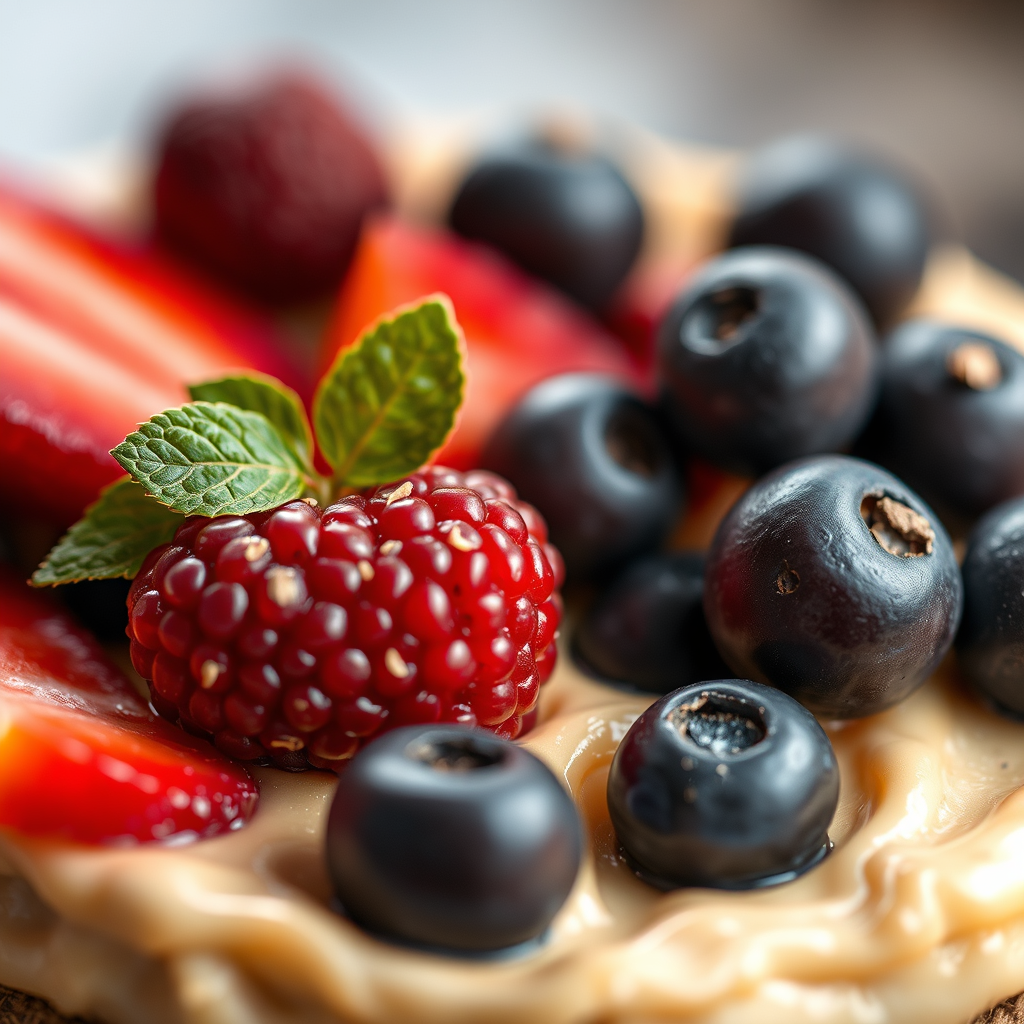
Fruits are nature’s candy, packed with vitamins, minerals, fiber, and natural sweetness. For diabetics, they can be the star of many wonderful desserts, especially when chosen and prepared mindfully.
– Fresh berries (strawberries, blueberries, raspberries) are naturally low in sugar and high in fiber. These vibrant gems are a top pick for a reason! Berries boast a low glycemic index and are bursting with antioxidants. Enjoy a simple bowl of mixed berries as a refreshing dessert, or swirl them into plain Greek yogurt for a creamy, satisfying treat. Their natural tartness often means you need very little, if any, added sweetener. A handful of fresh raspberries can feel incredibly indulgent and won’t send your blood sugar soaring.
– Baked apples or pears with cinnamon and a sprinkle of nuts for a warm, comforting treat. As the weather cools, a warm dessert can be incredibly comforting. Baking apples or pears brings out their natural sugars, making them wonderfully sweet without needing extra sugar. Core an apple or pear, fill the center with a sprinkle of cinnamon, a tiny bit of nutmeg, and a few chopped walnuts or pecans, then bake until tender. The nuts add healthy fats and protein, further balancing the sweetness and providing a delightful crunch.
– Fruit parfaits layered with plain Greek yogurt and a small amount of sugar-free granola. Parfaits are a fantastic way to create a visually appealing and satisfying dessert. Start with a base of plain, unsweetened Greek yogurt (a protein powerhouse!), then layer with fresh berries or other diced low-GI fruits like kiwi. For a touch of texture, add a small sprinkle of sugar-free, low-carb granola or a tablespoon of chopped nuts. This combination of protein, fiber, and natural sweetness makes for a dessert that truly hits the spot without the guilt.
Creamy & Chilled Delights
Sometimes, nothing quite hits the spot like a cool, creamy dessert. The good news is that many chilled treats can be adapted to be diabetic-friendly, offering a delightful way to satisfy that craving without compromising your health goals.
– Sugar-free gelatin or puddings made with unsweetened almond milk. These classics can be easily transformed into guilt-free indulgences. Sugar-free gelatin comes in a variety of flavors and provides a light, refreshing option that’s virtually carb-free. For a creamier texture, look for sugar-free pudding mixes and prepare them with unsweetened almond milk or soy milk instead of dairy milk to reduce sugar and carb content. You can even fold in a few fresh berries for an extra layer of flavor and fiber, turning a simple pudding into a mini parfait.
– Homemade frozen yogurt pops using plain Greek yogurt and mashed berries. Store-bought frozen treats often hide a lot of added sugar, but making your own is surprisingly easy and incredibly rewarding. Blend plain, unsweetened Greek yogurt with mashed fresh berries (strawberries, blueberries, or raspberries work wonderfully), a splash of vanilla extract, and a natural sweetener like Stevia or Monk Fruit to taste. Pour the mixture into popsicle molds and freeze until solid. These pops are packed with protein from the Greek yogurt and antioxidants from the berries, making them a fantastic and refreshing choice.
– Avocado chocolate mousse, using unsweetened cocoa powder and a natural sweetener, offers healthy fats. Don’t let the idea of avocado in dessert scare you off – it’s a game-changer! Ripe avocados lend an incredible creaminess to mousse, along with a healthy dose of monounsaturated fats. To make it, blend ripe avocado with unsweetened cocoa powder, a natural sweetener, a splash of unsweetened almond milk, and a dash of vanilla extract until silky smooth. The result is a rich, decadent chocolate treat that’s surprisingly good for you, helping to keep blood sugar stable thanks to those healthy fats.
Healthier Baked Goods & Snacks
The aroma of freshly baked goods is hard to resist, and you don’t have to! With a few smart substitutions and recipe tweaks, you can enjoy delicious muffins, cookies, and other snacks that are much kinder to your blood sugar.
– Muffins or cookies made with almond flour or oat flour, reduced sugar, and natural sweeteners. Traditional white flour can spike blood sugar, but almond flour and oat flour are excellent low-carb, high-fiber alternatives. Almond flour adds a nutty flavor and moist texture, while oat flour (simply ground rolled oats) offers whole-grain goodness. When baking, swap out most of the refined sugar for natural sweeteners like Stevia, Erythritol, or Monk Fruit, and use applesauce or mashed ripe banana for some natural sweetness and moisture (just remember to account for their carb content). Incorporating ingredients like chopped nuts, seeds, or unsweetened cocoa powder can further enhance flavor and nutritional value.
– Small squares of high-quality dark chocolate (70% cocoa or higher) for an antioxidant boost. This is one of the easiest and most satisfying diabetic-friendly treats! High-quality dark chocolate is rich in antioxidants and has less sugar than milk chocolate. Aim for varieties with 70% cocoa or higher; the higher the percentage, the less sugar it typically contains. A small square or two can satisfy a chocolate craving without overdoing it. It’s a wonderful way to enjoy a luxurious treat mindfully.
– Energy balls made with oats, nut butter, and unsweetened coconut, sweetened with a touch of dates (in moderation). These no-bake wonders are perfect for a quick, satisfying snack or a small dessert. Combine rolled oats (for fiber), your favorite unsweetened nut butter (peanut, almond, or cashew for healthy fats and protein), unsweetened shredded coconut, and a touch of natural sweetness. While dates are natural, they are high in sugar, so use them sparingly for binding and sweetness, perhaps just one or two blended dates per batch. You can also add chia seeds or flax seeds for an extra fiber and omega-3 boost. These are fantastic for meal prepping and having a healthy option readily available.
Tips for Enjoying Desserts Mindfully
Enjoying dessert when managing diabetes isn’t just about what you eat, but also how you eat it. Mindful consumption plays a huge role in keeping your blood sugar in check and ensuring you genuinely savor your sweet moments without distress.
– Portion control is paramount; even healthy desserts can impact blood sugar if overeaten. This cannot be stressed enough! While we’ve talked about choosing low-sugar, high-fiber options, even these can affect your blood sugar if consumed in large quantities. Think of “diabetic-friendly” as a guide to making better choices, not an invitation to unlimited indulgence. Use smaller plates, measure out servings, and truly appreciate each bite. Enjoying a small, satisfying portion will leave you feeling content without the subsequent blood sugar spike.
– Pair your dessert with a meal or snack containing protein and fiber to further mitigate blood sugar spikes. Timing can be everything. Eating a dessert on its own, especially if it contains some carbohydrates, can lead to a quicker blood sugar rise. However, if you enjoy your dessert shortly after a balanced meal that includes plenty of protein and fiber (like lean meat and vegetables), those macronutrients will help slow down the digestion and absorption of sugars from your dessert. This strategy creates a buffer, leading to a more gradual and manageable blood glucose response.
– Always monitor your blood sugar levels to understand how different desserts affect you personally. Everyone’s body reacts differently to foods. What works perfectly for one person with diabetes might have a slightly different effect on another. The best way to understand your personal response to various desserts is to monitor your blood sugar levels before and a couple of hours after enjoying a new treat. This personalized data is invaluable and empowers you to make the smartest choices for *your* body, helping you fine-tune your dessert game and enjoy sweets confidently.
Indulging in a delightful dessert doesn’t have to be off-limits when you have diabetes. By making informed decisions about ingredients, focusing on portion control, and exploring innovative recipes, you can savor sweet moments without compromising your health goals. Experiment with different options, listen to your body, and don’t hesitate to consult with a dietitian for personalized guidance on incorporating diabetic-friendly desserts into your eating plan. With a little creativity and mindfulness, you can absolutely have your cake (or a healthier version of it!) and eat it too, all while maintaining excellent blood sugar control and enjoying the sweeter side of life.
Frequently Asked Questions
What are the best types of desserts for individuals managing diabetes?
The best desserts for diabetics are typically low in added sugars, rich in fiber, and have controlled carbohydrate content. Excellent choices often include fresh fruit like berries or baked apples, sugar-free gelatin or puddings, and small portions of homemade treats made with sugar substitutes and whole grains. Prioritizing whole, unprocessed ingredients helps maintain stable blood sugar levels while satisfying a sweet tooth.
How can I make my favorite dessert recipes more diabetic-friendly at home?
To adapt your favorite recipes, start by reducing the amount of added sugar by at least half and substituting it with natural sweeteners like stevia, erythritol, or monk fruit. Incorporate fiber-rich ingredients such as whole-wheat flour, oats, or nuts to slow glucose absorption. You can also swap full-fat dairy for lower-fat or plant-based alternatives and always focus on smaller, controlled portion sizes to manage carbohydrate intake effectively.
Why is portion control especially important when choosing desserts for diabetics?
Portion control is crucial for diabetics because even healthy or sugar-free desserts can contain carbohydrates that impact blood sugar levels. Eating larger portions can lead to an unexpected spike in blood glucose, even if the dessert itself is considered “diabetic-friendly.” Mindful portioning helps ensure carbohydrate intake aligns with your personal meal plan and medication, supporting better blood sugar management and preventing adverse effects.
Which sugar substitutes are generally recommended for baking diabetic-friendly desserts?
Several sugar substitutes are highly recommended for baking diabetic-friendly desserts due to their minimal impact on blood sugar. Erythritol, stevia, and monk fruit are popular choices as they provide sweetness without significant calories or carbohydrates and are stable at high temperatures. Xylitol is another option, though it should be used cautiously around pets, and all sugar alcohols can cause digestive discomfort in large amounts.
What are some quick and easy no-bake diabetic dessert ideas for busy days?
For quick and easy no-bake diabetic desserts, consider options like Greek yogurt parfaits layered with fresh berries and a sprinkle of chopped nuts or a small amount of sugar-free granola. Another excellent choice is sugar-free pudding or gelatin, which can be prepared in minutes. You can also blend unsweetened cocoa powder with avocado and a touch of stevia for a rich, healthy chocolate mousse, providing a satisfying treat without the need for an oven.
References
- https://diabetes.org/food-nutrition/recipes/dessert-recipes
- Coronary artery spasm: Cause for concern? – Mayo Clinic
- https://health.clevelandclinic.org/a-diabetes-friendly-spin-on-chocolate-chip-cookies/
- https://www.hsph.harvard.edu/nutritionsource/disease-prevention/diabetes-diet/
- Diabetic Diet | MedlinePlus
- https://www.ucsfhealth.org/education/healthy-eating-with-diabetes
- https://www.joslin.org/news/satisfy-your-sweet-tooth-healthy-and-diabetic-friendly-desserts
- Healthy Living with Diabetes – NIDDK
- https://www.cdc.gov/diabetes/managing/eat-well/what-to-eat.html
