
For diabetics, the best deli meats are primarily lean, low-sodium, and minimally processed options like roasted turkey breast, chicken breast, and specific types of lean ham. Prioritizing these choices helps manage blood sugar levels, supports cardiovascular health, and reduces the intake of unhealthy fats and excessive sodium often found in highly processed deli items. This guide will help you navigate the deli counter for healthier selections.
Why Choosing Wisely Matters for Diabetics

Navigating the deli counter might seem straightforward, but for individuals managing diabetes, every food choice holds significant weight. The meats we choose, even for a quick sandwich, can have a profound impact on health markers. Making informed decisions here isn’t just about avoiding a “bad” food; it’s about actively choosing foods that support your health goals.
* Blood Sugar Management: It might surprise you, but many processed meats can contain hidden sugars and carbohydrates. These aren’t always obvious; they might be listed as dextrose, corn syrup, or maltodextrin, used to enhance flavor or as a binding agent. Consuming these can directly lead to spikes in blood sugar, making daily management more challenging. Beyond hidden sugars, the high fat content, particularly saturated fat, common in many deli meats can indirectly impact insulin sensitivity over time. When your body’s cells become less responsive to insulin, it requires more insulin to process glucose, potentially leading to higher blood sugar levels and increasing the burden on the pancreas. Opting for leaner, less processed options helps stabilize glucose levels and supports better long-term insulin function.
* Cardiovascular Health: Diabetes significantly increases the risk of heart disease and stroke, making cardiovascular health a paramount concern. Many deli meats are notoriously high in sodium and saturated fat. A diet rich in sodium can elevate blood pressure, putting extra strain on your heart and blood vessels. Similarly, high intake of saturated fat can raise LDL (“bad”) cholesterol levels, further contributing to plaque buildup in arteries. These factors collectively escalate the risk of cardiovascular events, which are already a major complication for people with diabetes. By consciously selecting low-sodium and low-fat deli meats, you take a proactive step in protecting your heart and maintaining healthy blood pressure and cholesterol levels.
* Additives and Processing: Beyond fat and sodium, the degree of processing and the additives used in deli meats are another crucial consideration. Nitrates and nitrites, often used as preservatives and for color in cured meats, have been a subject of health concerns, with some studies suggesting potential links to increased risk of certain cancers, particularly with high consumption. While research is ongoing, minimizing intake of these additives is generally a sensible approach. Furthermore, artificial ingredients, colors, and flavorings common in highly processed meats may have negative health implications over time, contributing to inflammation or other systemic issues. Choosing “uncured,” “no nitrates added,” or “minimally processed” options can help reduce your exposure to these less-than-ideal compounds, aligning with a cleaner, more whole-foods-focused dietary pattern.
Top Lean Deli Meat Choices for Diabetics
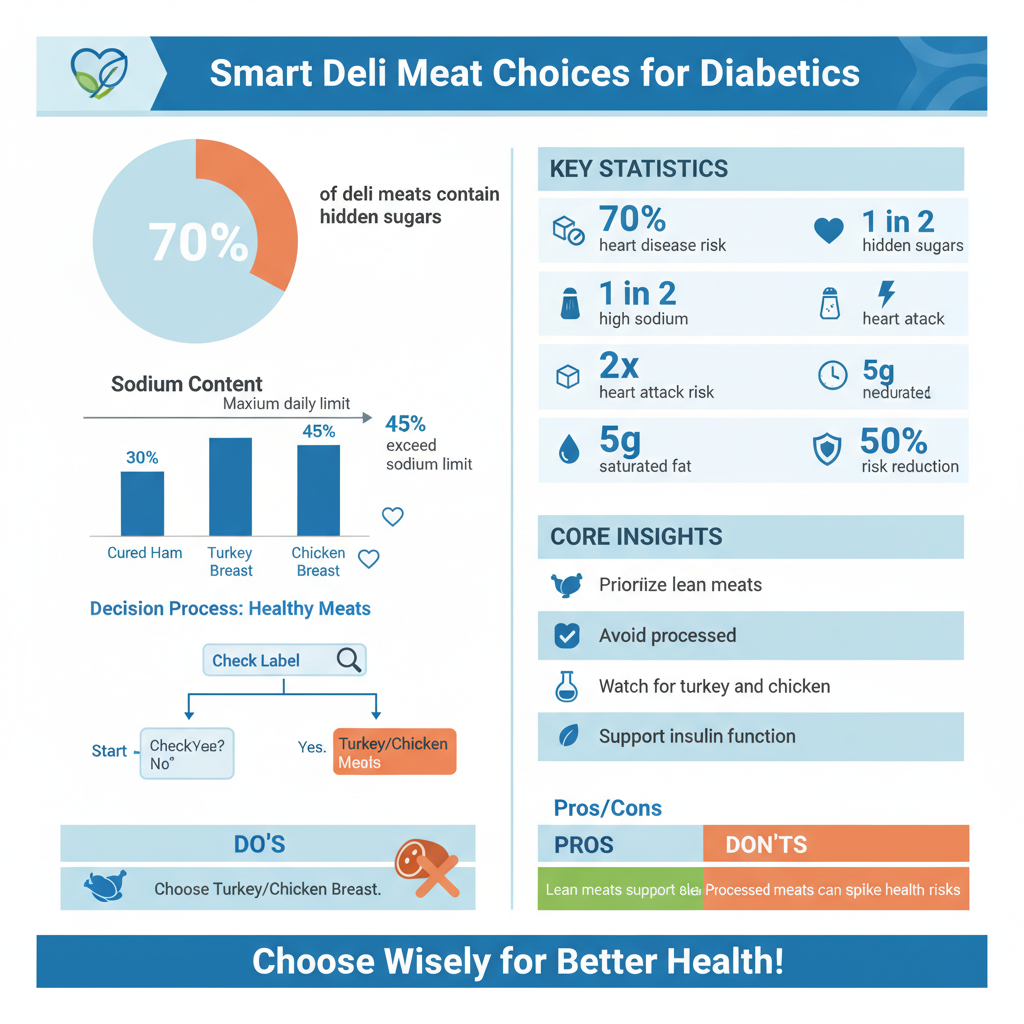

When you’re looking to enjoy a deli meat sandwich or wrap, the key is to prioritize options that are naturally lean, minimally processed, and have controlled sodium levels. These choices provide valuable protein without the added health risks.
* Roasted Turkey Breast: This is often considered the gold standard for healthy deli meats, especially for diabetics. Roasted turkey breast is an excellent source of lean protein, which is essential for satiety, muscle maintenance, and blood sugar stability. It’s naturally very low in fat, particularly saturated fat, which is great for cardiovascular health. The critical part, however, is to select the right kind. Always opt for “roasted” or “oven-roasted” turkey breast over highly processed, pre-sliced varieties that often contain fillers and excess sodium. Even better, look for “uncured” versions or those specifically labeled “no-sodium-added” or “low sodium” to minimize preservative intake and keep your blood pressure in check. Slicing turkey fresh from the deli counter, rather than buying pre-packaged slices, can also give you more control over the quality and freshness.
* Chicken Breast: Similar to turkey, roasted, skinless chicken breast is another fantastic lean, protein-rich option for diabetics. It offers a similar nutritional profile: high in protein, very low in fat, and a versatile base for many meals. Again, the preparation matters immensely. Choose plain “roasted” chicken breast over honey-glazed, barbecue-flavored, or heavily seasoned versions, which can hide significant amounts of sugar, sodium, and unhealthy fats. Freshly sliced chicken breast from the deli, or even leftover home-cooked chicken breast, is ideal. It provides that satisfying protein boost without contributing to blood sugar spikes or excessive sodium intake, making it perfect for wraps, salads, or a quick snack.
* Lean Ham (Low Sodium): While ham can sometimes get a bad rap due to its curing process and high sodium content, specific types of lean ham can be an acceptable choice for diabetics *if chosen carefully*. The trick here is to be very discerning. You must actively look for labels that explicitly state “extra lean” or “low sodium” ham varieties. These versions are specifically formulated to reduce fat and salt content, making them a more diabetes-friendly option. A typical serving of regular ham can contain upwards of 600-800mg of sodium, which is far too high for regular consumption. Low-sodium varieties aim for less than 350mg per serving. Always check the nutrition label meticulously and confirm the fat content as well. When found, a small portion of lean, low-sodium ham can offer protein and flavor without derailing your dietary goals.
Deli Meats to Limit or Avoid
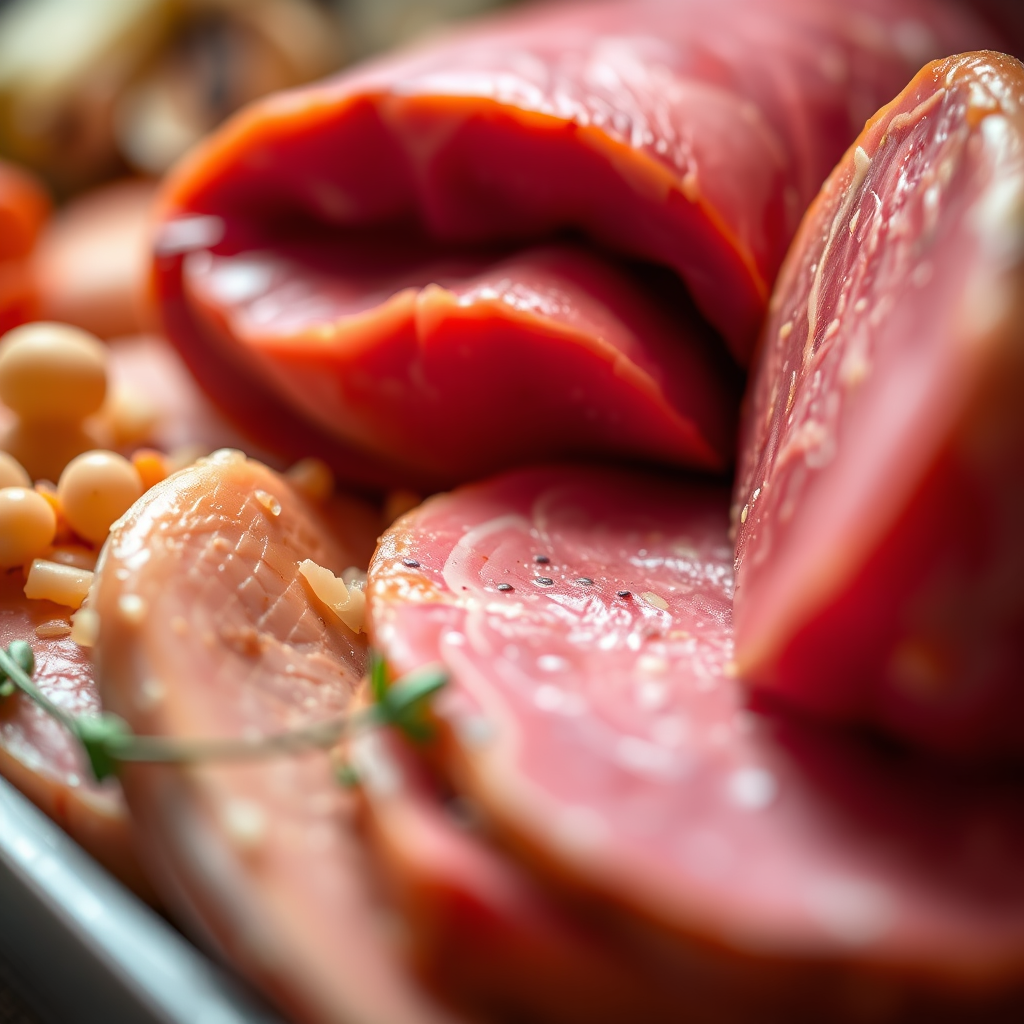
Just as there are smart choices, there are also deli meats that are best enjoyed rarely or avoided altogether when managing diabetes. These options often present a triple threat: high sodium, unhealthy fats, and sometimes hidden sugars.
* High-Sodium Meats: This category includes some of the most popular deli counter staples, but they are particularly detrimental to blood pressure control, which is vital for diabetics. Salami, bologna, pastrami, corned beef, and most other cured meats are typically very high in sodium. For example, a single slice of salami can contain over 200-300mg of sodium, and who eats just one slice? Consuming these regularly can quickly push your daily sodium intake well above recommended limits, contributing to hypertension, fluid retention, and increased strain on your heart and kidneys. Their curing process also often involves nitrates and nitrites, which are best limited. It’s wise to view these as occasional treats, if at all, and always in very small portions, never as a regular part of your diet.
* Processed Meats with Added Sugars/Fats: Be incredibly wary of deli meats that sound appealingly sweet or rich. Watch out for glazed hams, honey-roasted options, or highly marbled meats. The term “honey-roasted” often means significant amounts of added sugar, which will directly impact your blood glucose levels. Glazes and marinades can contain high-fructose corn syrup, brown sugar, or other forms of added carbohydrates. Beyond sugar, some processed meats are deliberately formulated to be fattier for flavor. These can contain unhealthy trans fats or high levels of saturated fat. While the occasional small amount won’t break your diet, making these a regular choice can lead to weight gain, increased LDL cholesterol, and diminished insulin sensitivity over time, all of which complicate diabetes management. Always read the ingredients list to spot these hidden additions.
* Fatty Options: Some deli meats are naturally higher in fat, particularly saturated fat, even without added sugars. Deli roast beef with visible fat marbling, pepperoni, and some types of sausage should be consumed sparingly due to their high saturated fat content. While protein is good, excessive saturated fat contributes to elevated cholesterol levels and increased risk of cardiovascular disease, which, as a diabetic, you are already at a higher risk for. For roast beef, always choose the leanest cuts, asking for slices with minimal visible fat. Pepperoni and sausage, often found in convenience store delis, are usually loaded with both sodium and saturated fat, making them particularly poor choices for consistent consumption. The goal is to maximize lean protein intake while minimizing saturated and unhealthy fats.
Essential Label Reading Tips
Becoming a savvy label reader is one of the most powerful tools in your diabetes management toolkit, especially when navigating the deli counter. Nutrition labels provide a wealth of information that can help you make the best choices.
* Check Sodium Content: This is arguably the most critical factor for diabetics when choosing deli meats. Your goal should be to aim for deli meats with less than 300mg of sodium per serving, or ideally, look for products explicitly labeled “low sodium” (meaning 140mg or less per serving) or “no salt added.” Be cautious of packaging that boasts “reduced sodium,” as this merely means it has 25% less than the original product, which could still be very high. Compare different brands and types of meat. Even within the “healthy” categories like turkey breast, sodium levels can vary wildly from brand to brand. Always check the serving size; sometimes a low per-serving number is misleading if the serving size is unrealistically small.
* Scrutinize Added Sugars: Sugars can be sneaky and appear under many different names in processed foods. Don’t just look for “sugar” on the ingredient list. Instead, look for “no added sugar” on labels, and be vigilant for terms like dextrose, maltodextrin, corn syrup, high-fructose corn syrup, evaporated cane juice, honey, molasses, or fruit juice concentrate. These are all forms of added sugar that can impact your blood glucose levels. Manufacturers sometimes add sugar to deli meats to improve flavor, texture, or browning. The lower down an ingredient is on the list, the less of it there is, but ideally, you want a product with no added sugars at all.
* Look for “Lean” or “Extra Lean”: These terms are regulated and indicate lower fat content, which is beneficial for heart health and calorie management. “Lean” typically means less than 10g total fat, 4.5g saturated fat, and 95mg cholesterol per 100g serving. “Extra Lean” means even less: less than 5g total fat, 2g saturated fat, and 95mg cholesterol per 100g serving. Prioritizing these terms ensures you’re choosing options that are lower in saturated fat, which helps manage cholesterol levels and supports overall cardiovascular health—a key concern for diabetics. Also, check the “total fat” and “saturated fat” numbers on the nutrition panel directly to confirm.
Creative & Healthy Ways to Enjoy Deli Meats
Deli meats don’t have to be confined to a standard sandwich. With a little creativity, you can incorporate your healthy choices into a variety of delicious, diabetes-friendly meals that keep your carbohydrates, sodium, and fat in check.
* Beyond the Bread: One of the quickest ways to reduce carbohydrate intake is to ditch traditional bread. Instead of using bread, use large, crisp lettuce leaves (like romaine or butter lettuce), bell pepper halves, or even sturdy cucumber slices as wraps. This is a fantastic way to enjoy your lean deli meat without the added carbs and calories from bread, which can impact blood sugar. You can create a “protein style” wrap by layering turkey or chicken with low-fat cheese, a slice of avocado, and plenty of fresh veggies like spinach, tomato, and onion. This boosts fiber and nutrients while keeping carb count low.
* Pair with Vegetables: Make vegetables the star of your meal, with lean deli meat as a supporting player. Combine a generous portion of non-starchy vegetables in colorful salads, light stir-fries, or satisfying skewers. For a quick salad, chop your roasted turkey or chicken breast and toss it with mixed greens, cherry tomatoes, cucumbers, bell peppers, and a light vinaigrette. You can also thread chunks of lean ham with bell pepper, zucchini, and cherry tomatoes onto skewers and lightly grill them. This strategy ensures you’re getting plenty of fiber, vitamins, and minerals, which are crucial for managing diabetes, and helps you feel full without overeating.
* Portion Control is Key: Even healthy options should be consumed in moderation. It’s easy to overdo it, especially with convenient foods. Stick to recommended serving sizes, typically 2-3 slices (around 2-3 ounces or 56-84 grams), to effectively manage calorie and sodium intake. You can pre-portion your deli meat when you buy it or when preparing meals to avoid mindless overconsumption. Think of deli meat as a protein component, not the entire meal. A balanced plate for a diabetic should include half non-starchy vegetables, a quarter lean protein, and a quarter complex carbohydrates. Using deli meat as your protein fits perfectly into this model when portioned correctly. This mindful approach helps you stay within your daily nutritional targets.
Choosing the right deli meats is a small yet impactful step in managing diabetes. By opting for lean, low-sodium, and minimally processed varieties like turkey and chicken breast, and by carefully reading nutrition labels, you can enjoy deli meats as part of a balanced and diabetes-friendly diet. Always remember to consult with your healthcare provider or a registered dietitian for personalized dietary advice tailored to your specific health needs.
Frequently Asked Questions
What are the best low-carb and low-sodium deli meats for diabetics?
The best low-carb and low-sodium deli meats for diabetics typically include lean turkey breast, chicken breast, and roast beef. Look for varieties explicitly labeled “low sodium,” “no sugar added,” or “uncured,” as these minimize unwanted additives. These options are generally high in protein and naturally low in carbohydrates, making them excellent choices for managing blood sugar levels and blood pressure. Prioritizing fresh, minimally processed versions from the deli counter can further ensure a healthier selection.
How can diabetics identify healthy deli meat options when grocery shopping?
When grocery shopping, diabetics should carefully read nutrition labels for deli meats, prioritizing those with 0-1g of carbohydrates per serving and less than 350mg of sodium. Look for terms like “low sodium,” “no nitrates/nitrites added,” “uncured,” or “sugar-free” on the packaging. Additionally, choose lean cuts and consider purchasing freshly sliced meats from the deli counter, where ingredient lists are often simpler and more transparent.
Why should diabetics be cautious about processed deli meats, even if they seem low-carb?
Diabetics should be cautious about many processed deli meats because, even if low in carbs, they often contain dangerously high levels of sodium, which can exacerbate high blood pressure, a common comorbidity for diabetics. Furthermore, many processed options include unhealthy additives like nitrates, nitrites, and artificial ingredients, which have been linked to increased health risks. These meats can also contain hidden sugars and unhealthy fats that negatively impact cardiovascular health and blood glucose control.
Which specific deli meat additives or ingredients should diabetics try to avoid?
Diabetics should specifically try to avoid deli meats with high sodium content (above 350mg per serving), added sugars like dextrose, corn syrup, or maltodextrin, and artificial preservatives such as nitrates and nitrites. Other ingredients to watch out for include MSG, carrageenan, and excessive fillers or binders that might increase carbohydrate count or provide little nutritional value. Prioritizing “uncured” and “no sugar added” options significantly reduces exposure to these undesirable components.
Are there any convenient, pre-packaged deli meat options that are generally safe for diabetics?
Yes, there are convenient pre-packaged deli meat options generally safe for diabetics, especially from brands focusing on healthier or organic lines. Look for packages specifically labeled “low sodium,” “uncured,” “no sugar added,” or “organic,” as these often contain fewer undesirable additives. While brands like Applegate Naturals or some Boar’s Head low-sodium selections can be good choices, always double-check the nutrition label for sodium, carb, and sugar content before purchasing.
References
- Narrow stools: Should I be concerned? – Mayo Clinic
- https://health.clevelandclinic.org/is-deli-meat-bad-for-you/
- https://www.health.harvard.edu/blog/is-highly-processed-food-bad-for-you-202206012759
- https://diabetes.org/food-nutrition/what-to-eat/understanding-food-labels
- https://www.cdc.gov/diabetes/managing/healthy-eating.html
- https://medlineplus.gov/healthyeatingfordiabetes.html
- Processed meat
