
Navigating the snack aisle as a diabetic can be challenging, but finding the right crackers doesn’t have to be. The best crackers for diabetics are generally those high in fiber, low in net carbohydrates, and free from excessive added sugars and refined grains. Prioritize options made from whole grains, seeds, or nut flours, and always scrutinize the nutrition label to make informed choices that help manage blood sugar levels effectively.
Why Crackers Can Be Tricky for Diabetics

Crackers have long been a pantry staple, a quick and easy snack often seen as innocent. However, for individuals managing diabetes, many traditional cracker varieties pose significant challenges. Understanding why they can be tricky is the first step toward making smarter choices that support blood sugar control.
Traditional crackers are frequently made from highly processed, refined carbohydrates. Think about your typical white flour cracker – it’s light, crispy, and often melts in your mouth. This texture is a tell-tale sign of refined grains, which have been stripped of their fibrous outer layers (bran) and nutrient-rich germ, leaving mostly the starchy endosperm. When consumed, these refined carbohydrates are rapidly broken down into glucose by the digestive system, leading to a quick and often significant spike in blood sugar levels. This rapid rise can be particularly problematic for diabetics, as it strains the body’s ability to produce or utilize insulin effectively, potentially causing hyperglycemia and making long-term blood sugar management more difficult.
To better predict how a food will impact your blood glucose, it’s helpful to understand concepts like the Glycemic Index (GI) and Glycemic Load (GL). The Glycemic Index ranks carbohydrates based on how quickly and how much they raise blood sugar compared to a reference food (like pure glucose). Many common crackers made with refined white flour tend to have a high GI, meaning they cause a fast and dramatic blood sugar response. The Glycemic Load takes this a step further by considering both the GI of a food and the amount of carbohydrates in a typical serving. So, even a cracker with a moderate GI could have a high GL if you eat a large portion. Many crackers, due to their refined ingredients and ease of overconsumption, can contribute to a high GL in your diet, making consistent blood sugar management a juggling act.
Furthermore, a significant challenge with crackers lies in portion sizes. It’s incredibly easy to mindlessly munch on crackers, turning a small snack into a substantial carb load without realizing it. Even seemingly “healthy” crackers, if consumed in excess, can quickly add up in carbohydrate count. Many cracker serving sizes are surprisingly small, perhaps just 2-4 crackers. If you find yourself eating double or triple that amount, you’re also doubling or tripling the calories, carbohydrates, and potential blood sugar impact listed on the nutrition label. This subtle but often overlooked aspect makes portion control an absolutely critical consideration when incorporating crackers into a diabetic meal plan.
Key Nutritional Factors to Prioritize

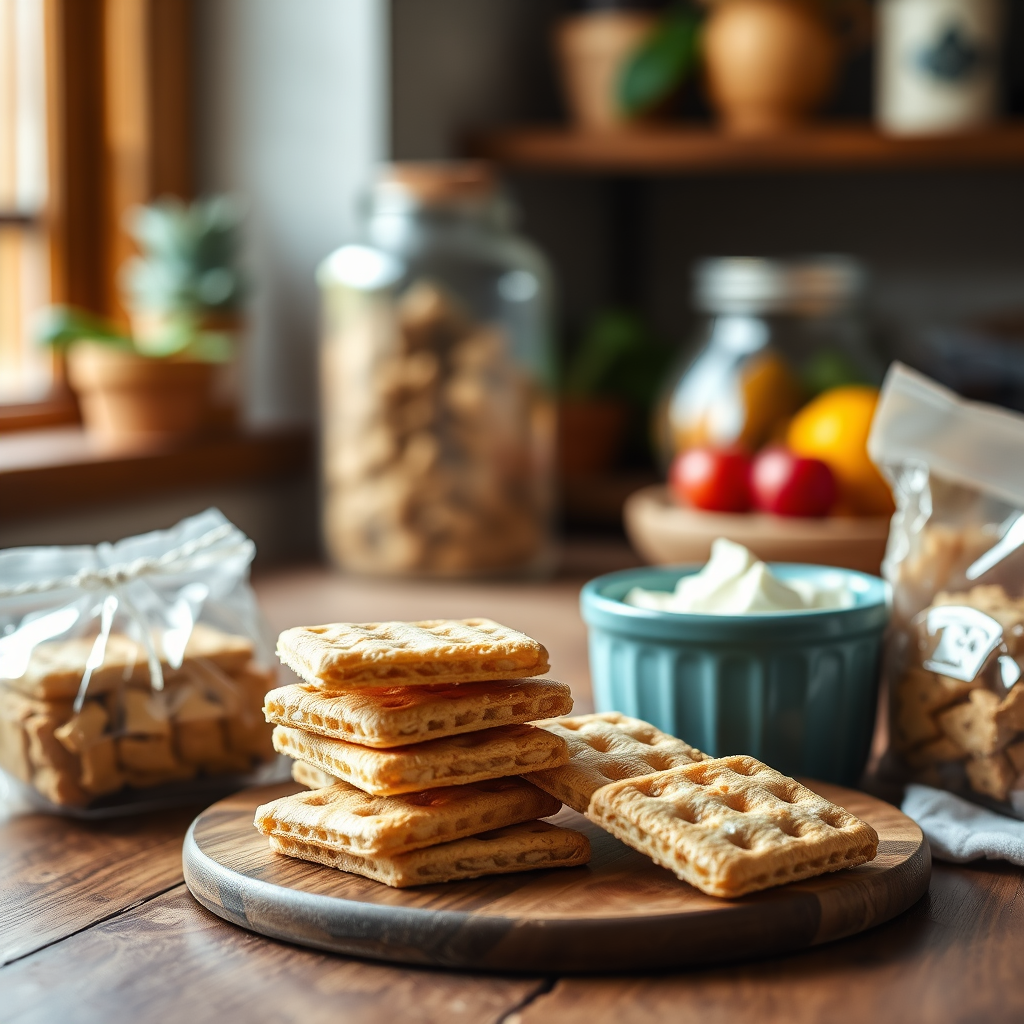
When you’re searching for diabetic-friendly crackers, shifting your focus to specific nutritional factors can make all the difference. These aren’t just buzzwords; they represent key components that actively help in managing blood sugar and supporting overall health.
First and foremost, Dietary Fiber is your best friend. Fiber, particularly soluble fiber, forms a gel-like substance in the digestive tract, which slows down the absorption of sugars into the bloodstream. This means a more gradual and sustained release of glucose, helping to prevent those sharp blood sugar spikes. Beyond blood sugar control, fiber promotes satiety, helping you feel fuller for longer, which can prevent overeating and support weight management. It also plays a crucial role in digestive health, keeping things moving smoothly. When scanning cracker labels, aim for options that provide at least 3-5 grams of fiber per serving. Ingredients like whole grains, seeds, nuts, and legumes are excellent sources of dietary fiber.
Next up are Net Carbohydrates. While total carbohydrates tell you the overall carb content, net carbs give you a more accurate picture of the carbohydrates that will actually impact your blood sugar. Net carbohydrates are calculated by subtracting the fiber content and any sugar alcohols (which have a minimal impact on blood glucose) from the total carbohydrates. For diabetics, lower net carb options are generally preferable because they contribute less to blood sugar elevation. Focusing on net carbs helps you prioritize foods where a significant portion of the total carbs comes from fiber, rather than rapidly digestible starches. This calculation allows you to make more informed choices tailored to your daily carb allowance.
Finally, don’t underestimate the power of Protein and Healthy Fats. These two macronutrients are incredibly valuable for mitigating blood sugar spikes. Protein requires more energy to digest and doesn’t directly raise blood sugar in the same way carbohydrates do. Healthy fats, particularly monounsaturated and polyunsaturated fats, also slow down the digestive process, which in turn slows the release of glucose into the bloodstream. Both protein and healthy fats are renowned for their ability to promote satiety, helping you feel satisfied and less likely to reach for more snacks. When crackers include these nutrients, either within their ingredients or through smart pairings, they become a much more balanced and blood-sugar-friendly snack choice.
Ingredients to Seek Out

To make a truly informed choice, you need to become a detective in the grocery aisle, carefully scrutinizing ingredient lists. The ingredients at the top of the list make up the bulk of the product, so prioritizing certain whole, nutrient-dense foods there is crucial.
Whole Grains should be at the very top of your “seek out” list. Unlike refined grains, whole grains retain all three parts of the grain kernel: the bran, germ, and endosperm. This means they are packed with fiber, B vitamins, iron, magnesium, and other essential nutrients. The fiber content is particularly important for slowing down sugar absorption. Look for crackers where the first ingredient explicitly states “whole wheat,” “100% whole rye,” “whole oats,” “quinoa,” or “brown rice.” Be wary of terms like “wheat flour” or “multigrain” without the word “whole” because these often refer to refined grains that lack the full nutritional benefits.
Seeds and Nuts are nutritional powerhouses and fantastic additions to diabetic-friendly crackers. Ingredients like flaxseeds, chia seeds, sesame seeds, pumpkin seeds, sunflower seeds, almond flour, or coconut flour provide a wealth of benefits. They are rich in dietary fiber, which, as we know, is excellent for blood sugar management and satiety. Additionally, seeds and nuts are loaded with healthy fats, including omega-3 fatty acids, and provide a good source of plant-based protein. These fats and proteins further help to slow digestion, stabilize blood sugar levels, and keep you feeling satisfied for longer, preventing the urge to overeat. They also contribute a delightful crunch and distinct flavor to crackers.
Don’t overlook the potential of Legumes in your cracker choices! Crackers made from chickpea flour, lentil flour, black bean flour, or other bean-based flours are becoming more common and offer a fantastic nutritional profile. Legumes are naturally high in both fiber and plant-based protein, making them an excellent choice for diabetics. Their unique composition means crackers made with legume flours often have a lower glycemic index compared to traditional wheat crackers. They provide complex carbohydrates that break down slowly, offering sustained energy without the drastic blood sugar spikes. Plus, they add a hearty, satisfying texture and often a unique, savory flavor that can elevate your snacking experience.
Ingredients to Limit or Avoid
Just as important as knowing what to look for is understanding what to steer clear of. Many common cracker ingredients can undermine your blood sugar management efforts, even in seemingly small amounts.
First on the “limit or avoid” list are Refined Grains. These are the white flour culprits that cause rapid blood sugar spikes. Terms to watch out for include “enriched wheat flour,” “white flour,” “all-purpose flour,” or similar descriptions that don’t specify “whole.” During the refining process, the bran and germ are removed, stripping the grain of its fiber, vitamins, and minerals. This leaves behind a carbohydrate that behaves much like sugar in your body, leading to quick digestion and a rapid rise in blood glucose levels. Prioritizing crackers made with 100% whole grains or alternative flours is a simple yet effective way to avoid this common pitfall.
Next, be extremely vigilant about Added Sugars. Many crackers, even savory ones, contain surprising amounts of added sugars to enhance flavor, texture, or shelf life. These aren’t just obvious sugars like granulated sugar; they come in many forms. Keep an eye out for ingredients like high-fructose corn syrup, sucrose, dextrose, maltose, corn syrup solids, brown rice syrup, agave nectar, fruit juice concentrate, molasses, honey, and even terms ending in “-ose” like glucose or fructose. These added sugars contribute empty calories and directly raise blood glucose, making blood sugar control more challenging. Always check the “Added Sugars” line on the nutrition label and aim for crackers with minimal to no added sugar.
Finally, you should limit or avoid crackers containing Unhealthy Fats, particularly hydrogenated oils or partially hydrogenated oils. These are sources of trans fats, which are detrimental to heart health and can contribute to insulin resistance, making it harder for your body to manage blood sugar effectively. Trans fats are often used to improve texture and extend shelf life but come with significant health risks. While full hydrogenated oils are generally safe as they contain no trans fats, partially hydrogenated oils are the ones to avoid completely. Also, be mindful of crackers that are excessively high in saturated fats, often found in heavily processed snacks. Opt instead for crackers made with healthy fats like olive oil, avocado oil, or those naturally present in seeds and nuts.
Smart Choices: Types of Crackers to Consider
Now that you know what to look for and what to avoid, let’s explore some specific types of crackers that generally make smart choices for diabetics. These options prioritize nutrient density, fiber, and controlled carbohydrate content.
Whole-Grain Crackers are an excellent starting point. Varieties made with 100% whole wheat, rye, or other whole grains offer a significant fiber boost and complex carbohydrates that digest slowly. Look for brands like Ryvita Crispbread, Wasa Crispbread, or specific varieties of Triscuit or Ak-Mak that proudly state “100% whole grain” as their primary ingredient. These crackers tend to be thinner, providing a satisfying crunch without a huge carb load per piece. Always double-check the ingredient list to ensure “whole grain” is truly the first ingredient and that there aren’t hidden refined flours or excessive sugars. When choosing these, remember that “whole grain” doesn’t mean “carb-free,” so portion control remains vital.
For an even bigger nutritional punch, Seed-Based Crackers are a fantastic option. These crackers are often made predominantly from ingredients like flaxseeds, chia seeds, sesame seeds, and sunflower seeds, bound together with minimal flour or binders. Brands such as Mary’s Gone Crackers, Flackers, or similar artisanal seed crackers are renowned for their high fiber, healthy fat, and protein content. They are inherently lower in net carbohydrates due to their seed composition, making them an excellent choice for blood sugar stability. Their robust texture and nutty flavor make them incredibly satisfying, whether enjoyed on their own or paired with your favorite toppings.
Finally, for those closely monitoring their carbohydrate intake, Low-Carb or Nut/Coconut Flour Crackers are specifically designed with blood sugar control in mind. These specialty crackers often use almond flour, coconut flour, or other low-carb alternatives as their base. Brands like Fat Snax, Hu Kitchen, or various homemade recipes often fall into this category. They are typically much lower in net carbohydrates than even whole-grain options, making them suitable for ketogenic or very low-carb dietary approaches. While they might have a different texture or flavor profile than traditional crackers, they provide an excellent vehicle for spreads and dips without significantly impacting blood glucose levels. These can be a game-changer for maintaining a sense of normalcy in your snack routine while adhering to strict carb limits.
The Importance of Portion Control and Pairing
Even with the best, most diabetic-friendly crackers, success in blood sugar management hinges critically on two factors: portion control and smart pairing. Overlooking these can negate the benefits of choosing healthier cracker options.
First, let’s talk about portion control. This is non-negotiable. Even a cracker made with 100% whole grains and minimal added sugar still contains carbohydrates. While these complex carbs are better than refined ones, they still contribute to your overall carbohydrate budget for the day. It’s incredibly easy to mindlessly eat an entire sleeve of crackers, consuming several servings’ worth of carbohydrates without realizing it. Always check the “serving size” on the nutrition label – it’s typically just a few crackers (e.g., 2-4 pieces). Stick to this serving size, or even less, depending on your individual carbohydrate targets set by your healthcare provider or dietitian. Using a food scale or counting out your crackers can help maintain strict portion control and prevent accidental carb overloads. Remember, even the healthiest food in excess can be detrimental to blood sugar goals.
Second, pair crackers with protein and healthy fats to further stabilize blood sugar. This strategy is incredibly effective because protein and fats slow down gastric emptying, meaning the carbohydrates from the cracker are digested and absorbed more slowly. This leads to a gentler, more sustained rise in blood sugar rather than a sharp spike. Excellent pairings include a slice of low-fat cheese, a dollop of hummus, a smear of avocado, a small amount of sugar-free nut butter (like almond or peanut butter), or lean deli meat such as turkey or chicken. These additions not only help control blood glucose but also boost satiety, keeping you feeling fuller and more satisfied, which in turn reduces the likelihood of overeating.
Finally, always understand that the “serving size” on the nutrition label dictates the listed nutritional values. The carbohydrate count, fiber content, and calorie information all correspond to that specific serving. If you eat twice the serving size, you are consuming double the listed nutrients. It’s not just a suggestion; it’s the key to accurately tracking your intake. Adjust your portion based on your personal carbohydrate budget and how your body responds to certain foods. Observing how different cracker portions and pairings affect your blood sugar through monitoring can provide invaluable personal insights.
Tips for Reading Nutrition Labels Effectively
Becoming proficient at reading nutrition labels is one of the most powerful tools in your diabetes management toolkit, especially when it comes to selecting the right crackers. It empowers you to make data-driven decisions that directly impact your blood sugar.
Your first stop should always be the “Total Carbohydrates” and “Dietary Fiber” lines per serving. The total carbohydrates tell you the overall carb load. Then, subtract the dietary fiber from this total to get an estimate of the “net carbohydrates.” A lower net carb count is generally more favorable for blood sugar management. Aim for crackers where fiber makes up a significant portion of the total carbohydrates (e.g., if total carbs are 15g, and fiber is 5g, that’s a good ratio). Look for crackers that provide at least 3-5 grams of fiber per serving, as this will help mitigate blood sugar spikes.
Next, pay close attention to the “Added Sugars” line. Newer nutrition labels explicitly list “Added Sugars” separate from “Total Sugars.” This is a crucial distinction, as naturally occurring sugars (like lactose in dairy) behave differently than sugars intentionally added during processing. Even in seemingly savory crackers, manufacturers often add sugars for flavor, browning, or texture. These added sugars directly contribute to blood glucose elevation and offer little nutritional value. Your goal should be to find crackers with 0 grams of added sugars, or as close to it as possible (e.g., 1-2 grams max). Don’t be fooled by crackers that list “zero grams of sugar” but have “malt syrup” or “molasses” in the ingredient list – those are still added sugars.
Finally, always scan the ingredient list itself. The ingredients are listed in descending order by weight, meaning the first few ingredients make up the largest proportion of the product. Prioritize crackers that list whole, recognizable foods at the top, such as “100% whole wheat,” “almond flour,” “flaxseeds,” or “oats.” Avoid products where refined grains (“enriched wheat flour”) or various forms of sugar (as discussed above) appear among the first few ingredients. A long list of unfamiliar ingredients or chemicals can also be a red flag, indicating a highly processed product that might not be the best choice for blood sugar control. Opt for simplicity and whole food ingredients whenever possible.
Choosing the right crackers is a simple yet impactful step in managing diabetes through diet. By prioritizing fiber-rich, whole-ingredient options and carefully reading nutrition labels, you can enjoy this versatile snack without compromising your health goals. Remember to pair your crackers wisely and practice portion control. Consult with your healthcare provider or a registered dietitian for personalized dietary advice to best suit your individual needs.
Frequently Asked Questions
What nutritional factors should diabetics prioritize when selecting crackers?
When choosing crackers for diabetes management, prioritize options rich in fiber and made from whole grains to help stabilize blood sugar levels. Look for crackers with low net carbohydrates (total carbs minus fiber) and minimal added sugars. Additionally, crackers containing healthy fats, such as those from seeds, can contribute to satiety and overall glycemic control.
Which specific cracker brands are often recommended for people with diabetes?
Several cracker brands are generally well-suited for a diabetic diet due to their nutritional profiles. Popular choices include Wasa crispbreads, Ryvita, and certain varieties of Triscuit (specifically the “original” or whole grain options), which are known for their high fiber content. Brands like Mary’s Gone Crackers also offer excellent whole-grain, seed-based options that are often lower in net carbs and beneficial for blood sugar management.
How can I effectively read cracker labels to choose diabetes-friendly options?
To select diabetes-friendly crackers, start by checking the serving size and then examine the “Total Carbohydrates” and “Dietary Fiber” content. Aim for crackers with at least 2-3 grams of fiber per serving and a lower net carb count (total carbs minus fiber). Crucially, scrutinize the ingredients list; ensure whole grains (like whole wheat flour, oat flour, or rye flour) are listed as the first ingredient and avoid products with high amounts of added sugars or unhealthy fats.
Why is choosing whole-grain, high-fiber crackers especially beneficial for managing type 2 diabetes?
Whole-grain, high-fiber crackers are particularly beneficial for managing type 2 diabetes because fiber slows down sugar absorption, leading to a more gradual rise in blood glucose and preventing sharp blood sugar spikes. This sustained energy release helps improve glycemic control and can reduce the risk of insulin resistance over time. Furthermore, fiber promotes satiety, which can assist with weight management—a critical aspect of diabetes care.
What common types of crackers should individuals with diabetes generally avoid?
Individuals with diabetes should generally avoid crackers made from refined white flour, which offers little fiber and can cause rapid blood sugar spikes due to quick carbohydrate digestion. Also, steer clear of crackers with high amounts of added sugars, high-fructose corn syrup, or hydrogenated oils (trans fats), as these ingredients can negatively impact blood sugar levels and cardiovascular health. Many flavored or buttery crackers often fall into these categories, so always check the nutrition label carefully.
References
- https://health.clevelandclinic.org/best-and-worst-snacks-for-people-with-diabetes
- https://diabetes.org/healthy-living/recipes-nutrition/eating-well/healthy-snacks
- Diabetes diet: Create your healthy-eating plan – Mayo Clinic
- https://extension.sdstate.edu/healthy-snacking-diabetes
- Page Not Found | Utah State University
- https://www.cdc.gov/diabetes/managing/eat-well/index.html
- https://www.health.harvard.edu/diseases-and-conditions/diabetes-and-the-foods-you-eat
- https://diabetes.org/healthy-living/recipes-nutrition/eating-well/meal-planning/glycemic-index-and-diabetes
