
For individuals managing diabetes, the best crackers are generally those high in fiber, made from whole grains or alternative flours like almond or flaxseed, and low in net carbohydrates and added sugars. Prioritizing crackers with a low glycemic index helps stabilize blood sugar levels, making healthy and satisfying snacking achievable. This guide will help you identify the best options and what to look for on nutrition labels.
What Makes a Cracker Diabetic-Friendly?
Navigating the cracker aisle can feel like a maze when you’re focusing on blood sugar management. But understanding a few key principles can simplify your choices and empower you to pick snacks that truly support your health.
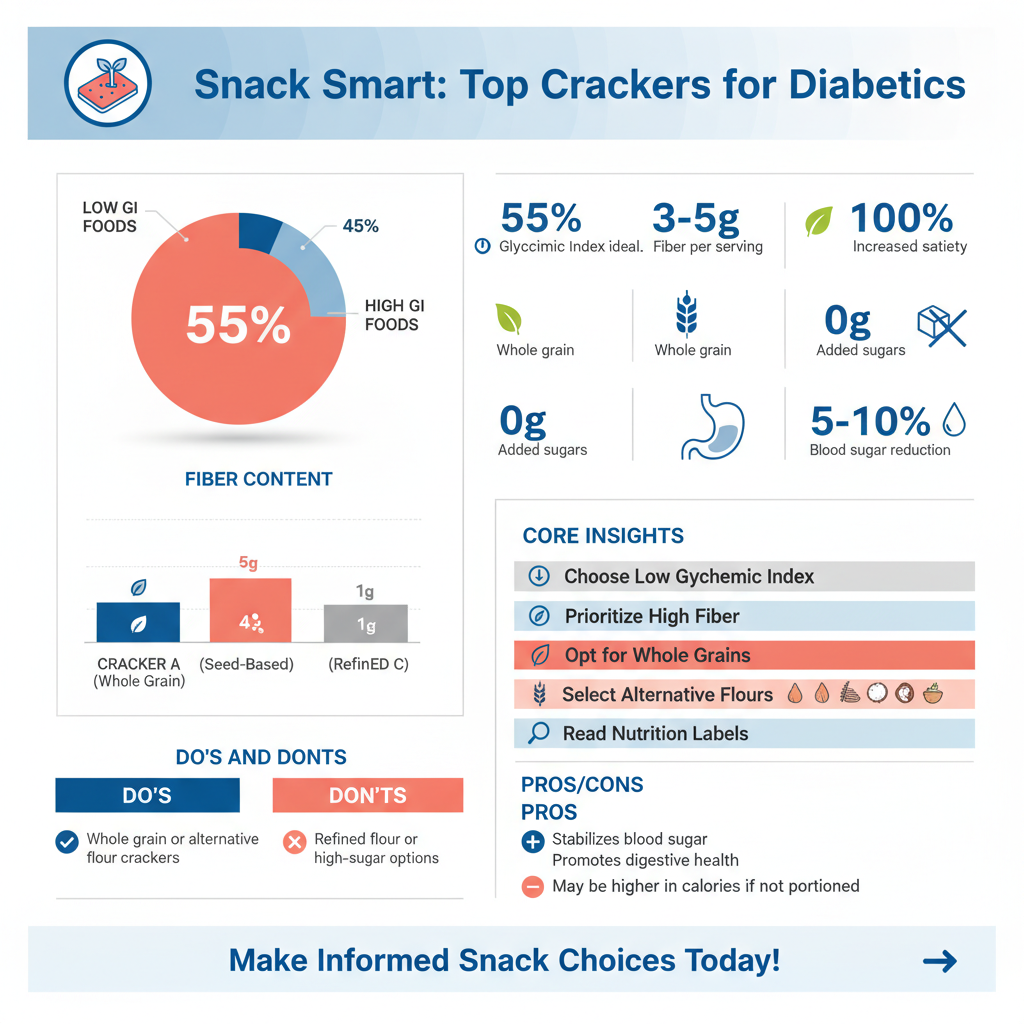
* Low Glycemic Index (GI): The Glycemic Index is a system that ranks carbohydrate-containing foods based on how quickly they raise blood glucose levels. Foods with a low GI (55 or less) are digested and absorbed more slowly, leading to a gradual and stable rise in blood sugar, rather than a sharp spike. For crackers, this means choosing options that avoid refined carbohydrates, which are quickly broken down into glucose. Instead, look for ingredients that contribute to a slower release, such as whole grains and nuts. Opting for low-GI crackers is a cornerstone of effective blood sugar control, helping you avoid the energy crashes and cravings associated with rapid glucose fluctuations.
* High Fiber Content: Fiber is a superstar nutrient, especially for those with diabetes. It’s a type of carbohydrate that your body can’t digest, meaning it doesn’t raise blood sugar. Instead, fiber slows down the absorption of other carbohydrates, which helps prevent blood sugar spikes after eating. Beyond blood sugar benefits, fiber also promotes digestive health, helps you feel full longer (which can aid in weight management), and can even contribute to lower cholesterol levels. When scanning cracker labels, look for at least 3-5 grams of fiber per serving. This significant fiber boost will make your snack more satisfying and much gentler on your blood sugar.
* Whole Grains or Alternative Flours: The foundation of a diabetic-friendly cracker lies in its primary ingredients. “Whole grain” means the cracker is made from the entire grain kernel – the bran, germ, and endosperm – all of which are packed with fiber, vitamins, and minerals. Common examples include 100% whole wheat, oats, rye, barley, or brown rice. These are far superior to refined grains (like white flour), which have had the bran and germ removed, stripping away most of the beneficial fiber and nutrients. Additionally, alternative flours derived from nuts and seeds, such as almond flour, coconut flour, flaxseed meal, or chia seed flour, are fantastic options. These flours are naturally lower in carbohydrates and often higher in healthy fats and protein, providing a great nutrient profile for managing blood sugar effectively.
Key Ingredients and Nutrients to Prioritize
Beyond the basic building blocks, a deeper dive into the nutrition label will reveal crucial details that differentiate truly smart cracker choices from less ideal ones.
* Net Carbs: For many managing diabetes, carbohydrate counting is an essential tool. Net carbohydrates represent the total carbohydrates in a food minus the fiber and sugar alcohols, as these generally have a lesser impact on blood sugar. When evaluating crackers, focusing on net carbs gives you a more accurate picture of how a serving will affect your glucose levels. Aim for crackers with a lower net carb count per serving – generally less than 10-15 grams, but your personal target may vary based on your meal plan. Remember that even healthy carbs need to be accounted for, so understanding net carbs is key to smart snacking.
* Healthy Fats and Protein: While crackers are primarily a carbohydrate source, the presence of healthy fats and protein can significantly improve their impact on your blood sugar and satiety. Both protein and healthy fats slow down stomach emptying and digestion, which means the carbohydrates in your cracker are absorbed more gradually into your bloodstream. This sustained release helps prevent sharp blood sugar spikes and keeps you feeling full and satisfied for longer, reducing the urge to overeat. Look for crackers that naturally incorporate ingredients like nuts (almonds, walnuts), seeds (flax, chia, sesame, pumpkin), or healthy oils (olive oil, avocado oil). These ingredients also contribute essential micronutrients and heart-healthy compounds.
* No Added Sugars: This might seem obvious, but added sugars can hide in the most unexpected places, even in savory crackers! Sugars contribute “empty” calories and can rapidly raise blood glucose levels. Always scrutinize the ingredient list for common sugar aliases like high-fructose corn syrup, dextrose, maltose, sucrose, brown sugar, molasses, honey, agave nectar, and even fruit juice concentrates. The less sugar you consume, the easier it is to manage your blood sugar. A truly diabetic-friendly cracker will list little to no added sugars. If sugar appears high on the ingredient list, it’s best to steer clear.
Top Cracker Choices for Diabetics

With a clear understanding of what to look for, let’s explore some excellent cracker options that you can confidently add to your snack rotation.
* Whole-Grain Wheat/Rye Crackers: These are often among the most accessible and affordable options. The key is to be diligent about checking the label to ensure they are 100% whole grain. Phrases like “wheat flour” or “enriched flour” are red flags, as they indicate refined grains. Instead, look for “100% whole wheat flour,” “whole rye flour,” “stone-ground whole wheat,” or “whole oat flour” as the first ingredient. Brands offering sturdy rye crispbreads or whole-grain crackers with minimal ingredients are fantastic. These provide a good dose of fiber and complex carbohydrates, offering a satisfying crunch without the blood sugar rollercoaster. They’re excellent bases for savory toppings.
* Seed Crackers: Crackers made predominantly from various seeds are nutritional powerhouses and a top-tier choice for diabetics. Flaxseeds, chia seeds, sesame seeds, and pumpkin seeds are rich in fiber, healthy omega-3 fatty acids, and sometimes even protein. The high fiber content significantly slows digestion and glucose absorption, while the healthy fats contribute to satiety and overall heart health – a critical consideration for people with diabetes. Many seed crackers are naturally gluten-free and have a wonderful, nutty flavor and substantial texture. You can find pre-made seed crackers from various health food brands, or even try making your own at home for ultimate control over ingredients. They offer a unique, satisfying crunch that pairs well with almost anything.
* Almond or Coconut Flour Crackers: For those looking for lower-carb options or following a gluten-free diet, crackers made from almond flour or coconut flour are exceptional. Almond flour, made from finely ground almonds, is particularly low in carbohydrates and high in healthy monounsaturated fats and protein. Coconut flour, made from dried and ground coconut meat, is also low in carbs and very high in fiber. These crackers tend to have a lighter, often crispier texture than whole-grain crackers and a subtle, pleasant flavor that doesn’t overpower your toppings. They are excellent for savory dips, cheese, or even as a base for a mini-pizza snack. Always check the ingredient list to ensure no hidden sugars or starches are added, as some brands might include them.
Smart Snacking: Portion Control and Pairings
Even the healthiest crackers require a strategic approach to snacking to ensure they contribute positively to your diabetes management.
* Mindful Portion Sizes: This is perhaps the most critical aspect of snacking for anyone managing blood sugar. While diabetic-friendly crackers are a better choice, they still contain carbohydrates, and consuming too many can elevate blood sugar levels just like any other food. Always adhere to the recommended serving size listed on the nutrition label. It’s helpful to count out your crackers or even weigh them if you’re precise with carb counting. Avoid eating directly from the box, as it’s easy to lose track of how much you’ve consumed. Using a small plate and pre-portioning your snack can make a huge difference in managing your carb intake and, consequently, your blood sugar.
* Pair with Protein or Healthy Fats: Elevate your cracker snack by pairing it with protein or healthy fats. This smart strategy further slows down glucose absorption and significantly boosts satiety, helping you feel fuller and more satisfied for longer.
* Cheese: A slice of low-fat or full-fat cheese, cottage cheese, or a dollop of cream cheese provides protein and fat.
* Nut Butter: A tablespoon of natural almond butter, peanut butter, or cashew butter (check for no added sugar) offers protein, healthy fats, and a creamy texture.
* Avocado: Slices of avocado or a scoop of guacamole add heart-healthy monounsaturated fats and fiber.
* Hummus: A generous spread of hummus (made from chickpeas, which are legumes) delivers both protein and fiber.
* Other options: Consider pairing with lean deli meat, a hard-boiled egg, smoked salmon, or a small portion of tuna salad (made with Greek yogurt or avocado mayo). These pairings transform a simple cracker into a more balanced and blood-sugar-friendly mini-meal.
* Monitor Blood Sugar: Your body is unique, and how it responds to different foods can vary. The best way to truly understand the impact of any cracker on your blood sugar is to monitor your levels before and after snacking. Keep a food diary, noting the type and amount of cracker (and pairing) you consumed, along with your pre- and post-snack blood glucose readings. This personalized data will help you identify which specific crackers and pairings work best for your body, allowing you to fine-tune your choices and build a snack routine that consistently supports stable blood sugar levels. Don’t hesitate to share this information with your healthcare provider or a registered dietitian for tailored advice.
Crackers to Approach with Caution (or Avoid)
Just as there are great choices, there are also crackers that are best left on the shelf when you’re managing diabetes. Knowing what to avoid is just as important as knowing what to choose.
* Refined Flour Crackers: These are perhaps the most common culprits for blood sugar spikes. Crackers made with white flour, “enriched flour,” or “unbleached wheat flour” (unless specified as *whole* unbleached) have had the bran and germ stripped away during processing. This removes most of the fiber, vitamins, and minerals, leaving behind primarily starch. Without fiber to slow digestion, these crackers are rapidly converted to glucose in your bloodstream, leading to quick and often significant blood sugar spikes. Common examples include many popular snack crackers designed for dipping, plain saltines, and most “butter crackers.” They offer little nutritional value and can actively work against your blood sugar management goals.
* High Sugar or Flavored Crackers: Many seemingly innocent crackers can be laden with hidden sugars, syrups, and artificial sweeteners that are detrimental to diabetic management. Sweet crackers, graham crackers, and many cheese-flavored crackers often contain significant amounts of added sugar. Even some savory varieties might include sugar to enhance flavor or texture. Always check the ingredient list for terms like corn syrup, high-fructose corn syrup, dextrose, sucrose, maltodextrin, honey, or even fruit juice concentrates. These added sugars contribute empty calories and can cause rapid blood sugar surges. Opt for plain, unsweetened varieties and add your own healthy flavorings if desired.
* Crackers with Hydrogenated Oils: These are a red flag for overall health, especially for individuals with diabetes who are at an increased risk for cardiovascular disease. Hydrogenated oils, particularly “partially hydrogenated oils,” contain trans fats. Trans fats are notorious for raising “bad” LDL cholesterol levels while lowering “good” HDL cholesterol, and they contribute to inflammation throughout the body. These effects significantly increase the risk of heart attack and stroke. Even if a product claims “0g trans fat” on the nutrition label, if “partially hydrogenated oil” appears in the ingredient list, it still contains some amount. Always prioritize crackers made with healthy fats like olive oil, avocado oil, or those naturally present in nuts and seeds.
Choosing the right crackers is an empowering step towards managing your diabetes effectively without sacrificing flavor or crunch. By prioritizing options high in fiber, low in net carbs, and free from added sugars, you can enjoy satisfying snacks that support your health goals. Always remember to read nutrition labels carefully and consult with your healthcare provider or a registered dietitian for personalized dietary advice.
Frequently Asked Questions
What key nutritional factors should diabetics prioritize when selecting healthy crackers?
Diabetics should prioritize crackers high in fiber and protein, which help slow glucose absorption and promote satiety, crucial for blood sugar management. Look for options made from 100% whole grains or seeds, with low net carbohydrates, minimal added sugars, and healthy fats to support stable energy levels without sharp spikes. Checking the ingredient list for whole foods and avoiding refined grains is key for truly *diabetic-friendly crackers*.
Which specific cracker types or brands are generally considered good options for people managing diabetes?
Generally, good options for *crackers for diabetics* include whole-grain varieties like Wasa Crispbreads, Ryvita, or original Triscuit, which offer excellent fiber content. Seed-based crackers such as Mary’s Gone Crackers (original) or those made from almond/flax meal are also great low-carb, high-fiber choices. Always compare nutrition labels to ensure low added sugars and higher fiber for optimal *blood sugar management*.
Why is it important for diabetics to carefully read cracker labels, and what ingredients should they avoid?
Reading cracker labels is crucial for diabetics because many seemingly innocent snacks can contain hidden sugars, refined carbohydrates, and unhealthy fats that quickly raise blood sugar levels. Key ingredients to avoid include high-fructose corn syrup, enriched white flour, hydrogenated oils (trans fats), and excessive sodium, as these can negatively impact *diabetes diet management* and overall health. Opt for crackers with short ingredient lists, focusing on whole, recognizable foods.
How can diabetics effectively manage portion sizes to enjoy crackers without significantly affecting blood sugar levels?
Effective portion control is vital; even healthy *crackers for diabetics* can raise blood sugar if consumed in excess. Diabetics should adhere strictly to the serving size listed on the nutrition label and consider pre-portioning snacks to avoid mindless eating. Combining crackers with protein or healthy fats also enhances satiety and slows glucose absorption, further supporting *stable blood sugar*.
Besides choosing the right crackers, what are smart pairing strategies to further stabilize blood sugar when snacking?
To further stabilize blood sugar when enjoying *diabetic-friendly crackers*, smart pairing is essential. Combine your chosen cracker with sources of protein and healthy fats, such as a slice of cheese, a smear of avocado, hummus, nut butter (sugar-free), or a hard-boiled egg. These strategic pairings help slow digestion, reduce the glycemic impact of the crackers, and keep you feeling fuller for longer, which is excellent for overall *diabetes diet management*.
References
- https://diabetes.org/food-nutrition/recipes/healthier-snacks
- https://diabetes.org/blog/healthy-snack-ideas-manage-blood-sugar
- https://www.cdc.gov/diabetes/managing/eat-well/snack-ideas.html
- https://www.ucsfhealth.org/education/healthy-snacks-for-people-with-diabetes
- https://www.michiganmedicine.org/health-lab/healthy-eating-type-2-diabetes-tips-snack-time
- Health and Nutrition Facts for You | Patients & Families | UW Health
- https://www.bbcgoodfood.com/howto/guide/healthy-snacks-diabetics
- Diabetes diet: Create your healthy-eating plan – Mayo Clinic
