
For individuals managing diabetes, the best cereals are those high in fiber, low in added sugars, and primarily made from whole grains, such as plain rolled oats, unsweetened shredded wheat, or certain bran flakes. Making smart breakfast choices, including cereal, is a crucial step in maintaining stable blood sugar levels and ensuring a nutritious start to your day. This guide will help you navigate the cereal aisle to find the most beneficial options for your diabetic diet.
Why Cereal Choice Matters for Diabetes Management

When you’re managing diabetes, every food choice you make has a direct impact on your health, and breakfast cereal is no exception. What might seem like a simple and quick meal can actually be a powerful tool for blood sugar control, energy levels, and overall well-being. Opting for the right cereal can set a positive tone for your entire day, helping you feel your best and stay on track with your health goals.
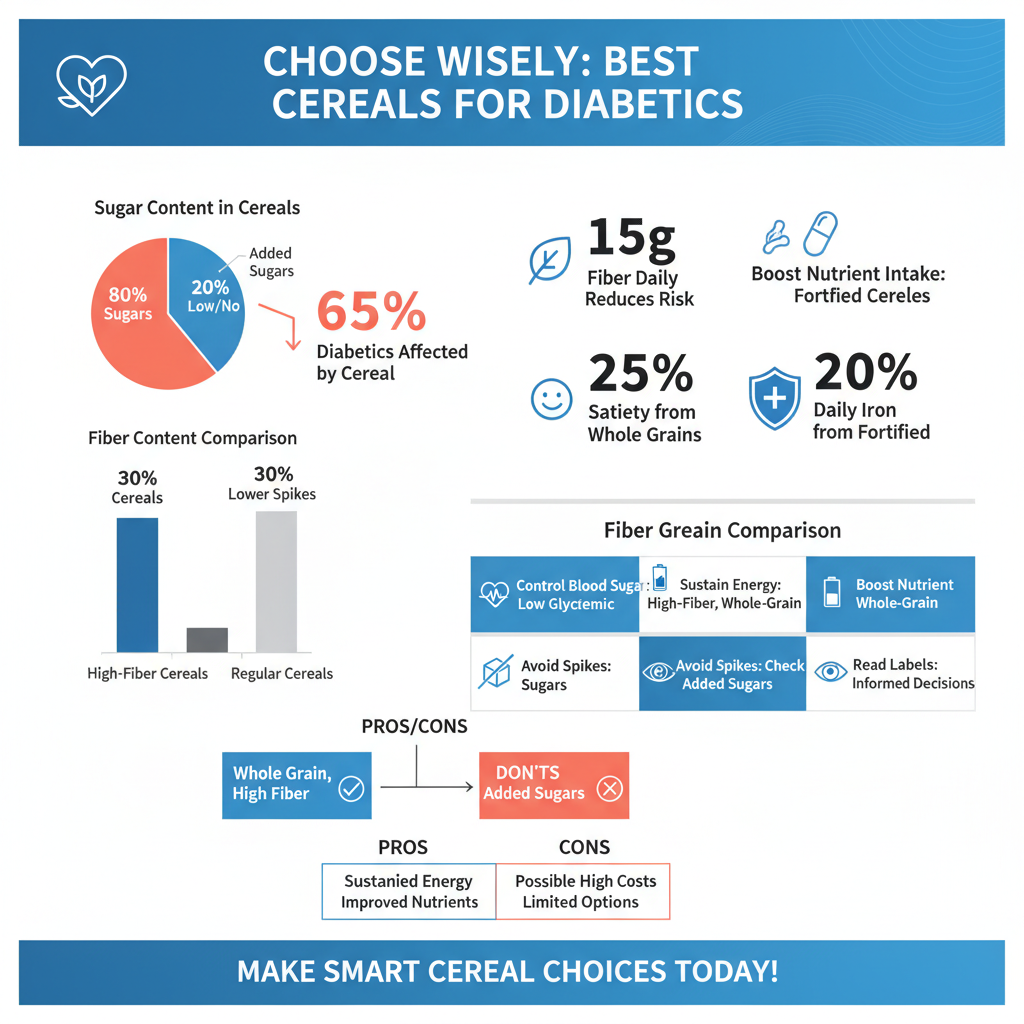
* Blood Sugar Control: The glycemic index and nutrient profile of your cereal directly impact how quickly and significantly your blood sugar rises. Cereals packed with refined carbohydrates and sugar can cause rapid spikes, followed by dramatic drops, leading to fatigue and cravings. Conversely, whole-grain, high-fiber cereals are digested more slowly, leading to a gradual and more manageable rise in blood glucose. This consistent approach to blood sugar management is key to preventing long-term complications associated with diabetes and feeling more stable throughout the day.
* Sustained Energy: High-fiber, whole-grain cereals provide a slow release of energy, preventing spikes and crashes throughout the morning. The fiber creates a feeling of fullness and delays the absorption of carbohydrates, ensuring a steady supply of glucose to your cells. This means you can avoid that dreaded mid-morning slump, stay focused, and maintain productivity without reaching for unhealthy snacks. A breakfast that truly sustains you is a game-changer for daily energy and mood.
* Nutrient Density: Opting for nutrient-rich cereals ensures you’re getting essential vitamins, minerals, and dietary fiber vital for overall health. Beyond just managing blood sugar, your body needs a wide array of micronutrients to function optimally. Many whole-grain cereals are fortified with iron, B vitamins, and magnesium, all of which contribute to energy production, nerve function, and bone health. Choosing nutrient-dense options ensures your breakfast isn’t just filling, but also contributes significantly to your overall dietary needs, promoting wellness from the inside out.
Key Nutritional Factors to Look For
Navigating the cereal aisle can feel overwhelming with countless options, but focusing on a few key nutritional factors will simplify your choice and ensure you pick a cereal that supports your diabetes management. Reading nutrition labels becomes your superpower here, helping you quickly identify the best candidates for your breakfast bowl.
* High Fiber Content: Aim for at least 3-5 grams of fiber per serving to aid digestion and help slow glucose absorption. Fiber is truly a superstar for diabetics. Soluble fiber, found in oats and some fruits, forms a gel-like substance in the digestive tract, which can help lower cholesterol and slow the absorption of sugar, preventing sudden blood sugar spikes. Insoluble fiber, common in whole grains and bran, adds bulk and aids in regular bowel movements, contributing to overall gut health. A high-fiber breakfast keeps you feeling fuller for longer, reducing the urge to snack unnecessarily and supporting steady blood sugar levels throughout the morning.
* Low Added Sugars: Choose cereals with less than 5-8 grams of added sugar per serving to prevent blood sugar spikes. This is one of the most critical factors. Many popular cereals are loaded with hidden sugars, which can quickly derail your blood sugar goals. Always check the “Added Sugars” line on the nutrition facts label. Even seemingly healthy options can have surprising amounts of added sweeteners. Opting for truly unsweetened or very low-sugar varieties gives you control over your breakfast, allowing you to add natural sweetness from fruits if desired, without the unhealthy sugar overload.
* Whole Grains as Primary Ingredient: Look for “whole wheat,” “whole oats,” “brown rice,” or “whole corn” listed first on the ingredient list. The term “whole grain” indicates that all parts of the grain kernel – the bran, germ, and endosperm – are intact. This means you’re getting all the natural fiber, vitamins, and minerals that are often stripped away during the processing of refined grains. When the first ingredient is a whole grain, it’s a strong indicator that the cereal provides complex carbohydrates that are digested slowly, leading to a more gradual and sustained rise in blood sugar compared to refined grain products.
* Moderate Protein: Some protein (e.g., 5+ grams) can enhance satiety and further stabilize blood sugar. While cereal is primarily known for carbohydrates, a decent amount of protein can make a big difference in how your body processes that meal. Protein helps slow digestion, which in turn helps regulate glucose absorption. It also contributes significantly to satiety, making you feel full and satisfied longer, reducing the likelihood of overeating or snacking on less healthy options before lunch. Look for cereals that naturally contain protein, or consider boosting your bowl with protein-rich additions like nuts, seeds, or a scoop of protein powder.
Top Cereal Choices for Diabetics
When you’re trying to make the best choices for managing diabetes, it’s helpful to have a list of go-to options that are consistently reliable. These cereals stand out for their excellent nutritional profiles, particularly their fiber content and minimal added sugars, making them fantastic choices for a balanced and blood-sugar-friendly breakfast.
* Plain Rolled or Steel-Cut Oats: These are an excellent source of soluble fiber, specifically beta-glucan, which can help lower cholesterol and blood sugar. Steel-cut oats are minimally processed, offering the most fiber and a chewier texture, while rolled oats are a quicker-cooking, still highly nutritious option. Both types cook up beautifully and can be customized with healthy additions. The soluble fiber in oats works wonders by forming a gel in your digestive tract, which slows down the absorption of glucose and helps prevent sudden blood sugar spikes. This makes oats a powerhouse for sustained energy and heart health, too! Just be sure to choose plain, unsweetened varieties and watch your portion size.
* Unsweetened Shredded Wheat: Made from whole wheat, this classic cereal offers a good amount of fiber without any added sugars. It’s simply pressed whole wheat, often in biscuit or mini-biscuit form, making it a straightforward and wholesome choice. Because it’s 100% whole grain, it provides a steady release of energy and contributes to feelings of fullness. When selecting shredded wheat, always double-check the label to ensure it’s the “unsweetened” version, as some varieties might have a sugary coating. Its simple composition makes it a versatile base for adding your own healthy toppings like berries or nuts.
* Certain Bran Flakes: While many bran flakes can be a good source of fiber, it’s crucial to look for varieties with minimal added sugar, as they are rich in insoluble fiber. Insoluble fiber is fantastic for digestive health, promoting regularity and contributing to a healthy gut. However, some brands sweeten their bran flakes quite a bit, so careful label reading is essential. Aim for options that keep the added sugar count low, ideally under 5 grams per serving. When you find the right unsweetened or very low-sugar bran flakes, they offer a crisp, satisfying texture and a significant fiber boost to your morning meal.
* Puffed Whole Grains (e.g., Puffed Wheat, Puffed Millet): These cereals are excellent when you ensure they are unsweetened and use whole grain versions for fiber. Puffed cereals are typically made by heating whole grains under pressure until they expand, creating a light, airy texture. This minimal processing often means they retain much of their natural fiber and nutrients. Puffed wheat, for example, is essentially just whole wheat kernels puffed up, offering a satisfying crunch. Puffed millet is another great choice, providing a gluten-free whole grain option. The key is to avoid any flavored or sweetened varieties and stick to the plain, whole-grain versions to keep your blood sugar in check.
Cereals to Avoid or Limit
Just as there are excellent choices for managing diabetes, there are also many cereals on the market that can sabotage your blood sugar goals and overall health. Understanding which types of cereals to steer clear of can be just as important as knowing which ones to embrace. These options are typically high in refined carbohydrates, added sugars, and low in beneficial fiber, leading to quick blood sugar spikes and offering little sustained nutrition.
* Sugary Frosted Cereals: These cereals are often high in refined carbohydrates and added sugars, leading to rapid blood sugar increases. Think of cereals with names that suggest sweetness, fun shapes, or have visible coatings. They are engineered to be highly palatable, but this comes at the cost of your health. The high sugar content provides a quick burst of energy followed by an inevitable crash, leaving you feeling tired and hungry again soon after. Regular consumption of these types of cereals can make blood sugar management incredibly challenging and contribute to weight gain. Always be wary of cereals where sugar is among the first few ingredients on the label.
* Refined Grain Cereals: Many common cereals are made from refined flour, stripping away beneficial fiber and nutrients. Cereals made from white flour or degermed cornmeal, for instance, have had the bran and germ removed, which are the parts of the grain containing most of the fiber, B vitamins, and iron. Without this natural fiber, the carbohydrates are digested very quickly, leading to a rapid rise in blood glucose levels. These cereals often lack the nutritional punch of whole grains and offer little satiety, meaning you might feel hungry again sooner. Look for “enriched flour” as an indicator that the grain has been refined.
* Low-Fiber Options: Cereals with less than 3 grams of fiber per serving offer little benefit for blood sugar management or satiety. Fiber is your ally in diabetes management, helping to slow down sugar absorption and keep you feeling full. Cereals that are low in fiber essentially offer “empty calories” from carbohydrates that are quickly broken down. This means they won’t help you feel satisfied, nor will they contribute meaningfully to stable blood sugar. They also lack the digestive benefits that fiber provides. Always check the fiber content on the nutrition label; if it’s minimal, it’s best to leave that box on the shelf.
Beyond the Bowl: Enhancing Your Diabetic Cereal
Choosing the right base cereal is a fantastic start, but you can further optimize your breakfast for diabetes management through smart additions and mindful eating practices. Think of your cereal bowl as a canvas where you can add extra layers of nutrition, flavor, and blood-sugar-stabilizing power. These simple strategies can transform a good breakfast into a great one.
* Portion Control: Always measure your cereal serving size according to the nutrition label to manage carbohydrate intake. It’s incredibly easy to accidentally overpour, turning a recommended serving into two or three! Most nutrition labels list values for a specific serving size, usually in grams or cups. Using a measuring cup or a food scale ensures you’re accurately tracking your carbohydrate intake, which is fundamental for blood sugar control. Understanding your typical bowl size versus the recommended serving can be eye-opening and is a crucial step in maintaining stable glucose levels.
* Smart Additions: Boost nutrition with a handful of berries (for natural sweetness and fiber), nuts or seeds (for healthy fats and protein), or a sprinkle of cinnamon (which may help with insulin sensitivity).
* Berries: A small handful of fresh or frozen berries (like blueberries, strawberries, or raspberries) adds natural sweetness without a sugar rush, along with a powerful dose of antioxidants and additional fiber.
* Nuts and Seeds: Chia seeds, flax seeds, almonds, or walnuts provide healthy monounsaturated and polyunsaturated fats, fiber, and protein. These additions help slow digestion and contribute to a feeling of fullness, further stabilizing blood sugar.
* Cinnamon: Just a sprinkle of cinnamon can add a lovely flavor and has been studied for its potential role in improving insulin sensitivity and helping to lower blood glucose levels, making it a fantastic addition.
* Choose the Right Milk: Pair your cereal with unsweetened almond milk, soy milk, or low-fat dairy milk to minimize additional sugars and calories. The type of milk you choose can significantly impact the overall sugar content of your breakfast. Many plant-based milks come in sweetened varieties, so always opt for the “unsweetened” version. If you prefer dairy milk, low-fat or skim milk are good choices to keep saturated fat intake in check. Unsweetened options give you control over your sugar intake for the meal, ensuring your efforts to choose a low-sugar cereal aren’t undermined.
Decoding Cereal Labels for Diabetes
Becoming a savvy label reader is one of the most empowering skills you can develop when managing diabetes. Cereal boxes often use appealing marketing language, but the real truth lies in the nutrition facts panel and ingredient list. Learning to quickly scan and understand these details will consistently guide you to the best choices and help you avoid common pitfalls.
* Scrutinize Ingredient Lists: Prioritize whole grains and look out for hidden sugars disguised as corn syrup, dextrose, fructose, maltose, molasses, or turbinado sugar. Ingredients are listed in descending order by weight, so you want to see whole grains at the very top. Be diligent about identifying added sugars, which can hide under many different names beyond just “sugar.” If multiple forms of sugar appear high on the list, it’s a red flag. Also, be mindful of artificial sweeteners; while they don’t raise blood sugar, some people prefer to limit them, and they don’t offer the nutritional benefits of natural ingredients.
* Check Serving Sizes: Be mindful that nutritional values are per serving, and bowls are often larger than a single serving. This is a common trap! A “serving” on a cereal box might be much smaller than what you typically pour into your bowl. For example, if a serving is 1/2 cup and you usually eat 1 full cup, you’re consuming double the calories, carbohydrates, and sugars listed. Always check the specified serving size (e.g., 3/4 cup, 1 cup, 30g) and then compare it to what you actually consume. Adjust your calculations accordingly to get an accurate picture of your intake.
* Compare Carbohydrate Counts: Aim for cereals that fit within your daily carbohydrate goals, typically 15-30 grams per serving for cereal. Carbohydrates are the primary nutrient that impacts blood sugar, so monitoring their intake is crucial for diabetics. Once you’ve accounted for the correct serving size, look at the “Total Carbohydrates” line. Discuss with your doctor or dietitian what your individual carbohydrate targets are per meal. For many, a cereal serving between 15-30 grams of carbohydrates is a good starting point, but this can vary. Don’t forget to factor in any carbohydrates from milk or fruit you add to your bowl.
Choosing the right cereal is a simple yet effective step in managing diabetes. Focus on whole grains, high fiber, and low sugar options, and remember that portion control and smart additions can further enhance your breakfast. By becoming a savvy label reader and making intentional choices, you can enjoy a delicious and satisfying breakfast that supports stable blood sugar levels and contributes to your overall health. Always consult with your healthcare provider or a registered dietitian for personalized dietary advice tailored to your specific needs.
Frequently Asked Questions
What criteria should diabetics look for when choosing a healthy cereal?
Diabetics should prioritize cereals that are high in fiber, low in added sugars, and made from whole grains to help manage blood sugar levels effectively. Look for options with at least 3-5 grams of fiber per serving and ideally less than 5-8 grams of added sugar. Additionally, ensure the primary ingredient is a whole grain, such as oats, wheat, or barley, which provides sustained energy and aids digestion for better blood sugar control.
Which specific types or brands of cereal are generally recommended for diabetics?
Generally, plain rolled oats, steel-cut oats, and shredded wheat (unsweetened) are excellent choices for diabetics due to their high fiber and low sugar content. Other good options include certain brands of puffed whole grain cereals or high-fiber bran flakes, provided they have minimal added sugars and a good carbohydrate-to-fiber ratio. Always check the nutrition label for these “best cereals for diabetics” to confirm suitability for your dietary needs.
How can I effectively read a cereal nutrition label to ensure it’s suitable for diabetes management?
When reviewing a cereal nutrition label, focus on the “Total Carbohydrates” and “Dietary Fiber” content, aiming for a higher fiber count relative to carbohydrates to help mitigate blood sugar spikes. Pay close attention to “Added Sugars,” striving for the lowest amount possible, ideally under 5-8 grams per serving. Also, be mindful of the “Serving Size” to accurately track your intake and manage portions effectively for optimal diabetes control.
Why is a high-fiber, low-sugar cereal crucial for managing blood sugar levels in diabetics?
A high-fiber, low-sugar cereal is crucial for diabetics because fiber slows down glucose absorption, preventing rapid spikes in blood sugar levels after eating. Low sugar content directly reduces the amount of glucose entering the bloodstream, making it easier for the body to manage insulin. This combination helps maintain more stable blood sugar throughout the day, which is vital for long-term diabetes management and preventing complications.
Are there any common cereals that diabetics should absolutely avoid due to high sugar or carb content?
Yes, diabetics should generally avoid highly processed, sugary cereals often marketed to children, as these typically contain excessive amounts of added sugars and refined carbohydrates. Examples include frosted flakes, sweetened oat rings, and many granola varieties with added sweeteners, which can cause significant blood sugar spikes. Always check the nutrition label to steer clear of cereals with more than 10-15 grams of sugar per serving and low fiber content to protect your blood sugar health.
References
- https://diabetes.org/food-nutrition/everyday-healthy-eating/breakfast
- Diabetes diet: Create your healthy-eating plan – Mayo Clinic
- https://www.cdc.gov/diabetes/managing/eat-healthy.html
- Healthy Living with Diabetes – NIDDK
- https://www.health.harvard.edu/diseases-and-conditions/eating-to-prevent-and-control-type-2-diabetes
- https://www.medicalnewstoday.com/articles/best-cereals-for-diabetics
- https://health.clevelandclinic.org/best-and-worst-foods-for-diabetes/
