
Navigating the cereal aisle with type 2 diabetes can be challenging, but the best choices generally prioritize high fiber, whole grains, and minimal added sugars. Opt for options like plain steel-cut oats, shredded wheat, or specific bran cereals to help manage blood sugar levels effectively and start your day on a healthy note. This guide will help you identify cereals that support your health goals.
Understanding Cereal’s Impact on Blood Sugar
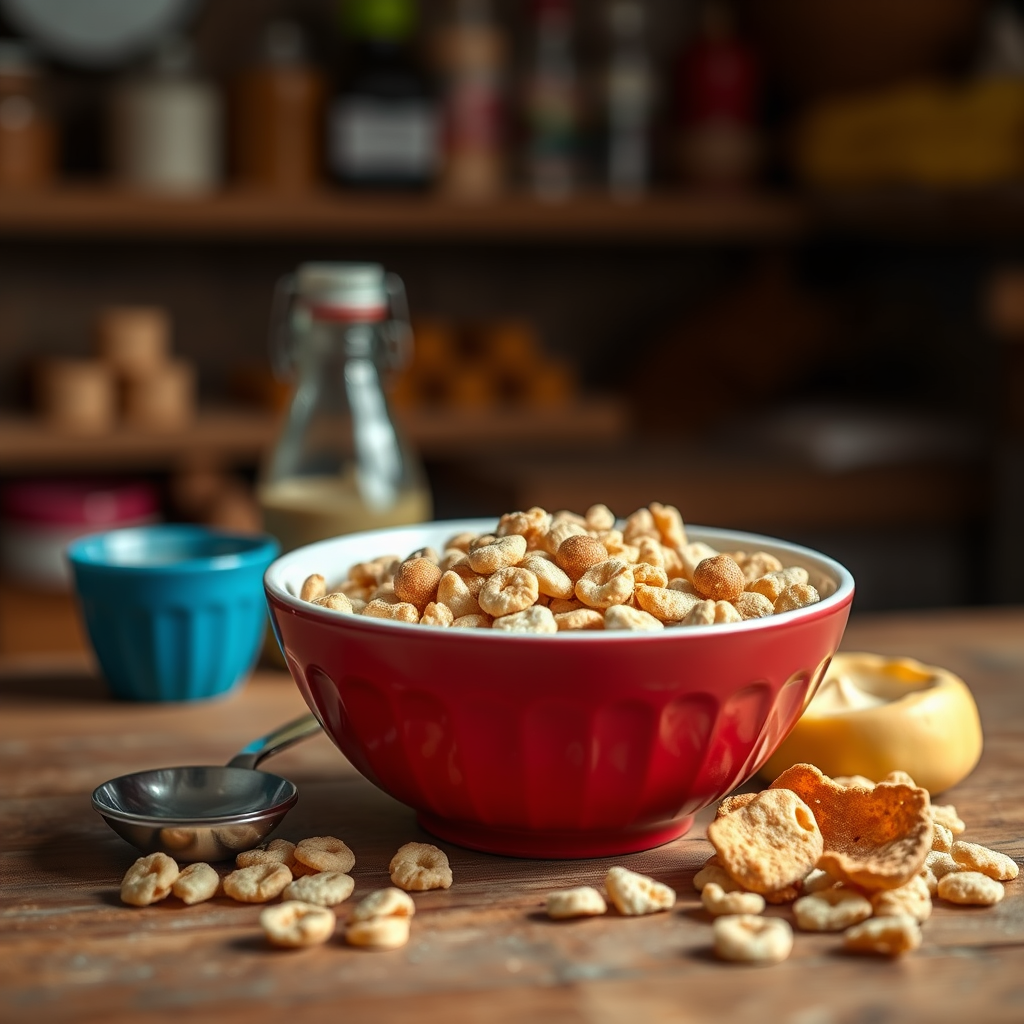
Choosing the right cereal isn’t just about taste; it’s about understanding how different ingredients interact with your body, especially when managing type 2 diabetes. The carbohydrates in cereal are broken down into glucose, which then enters your bloodstream. How quickly and significantly this happens is key.
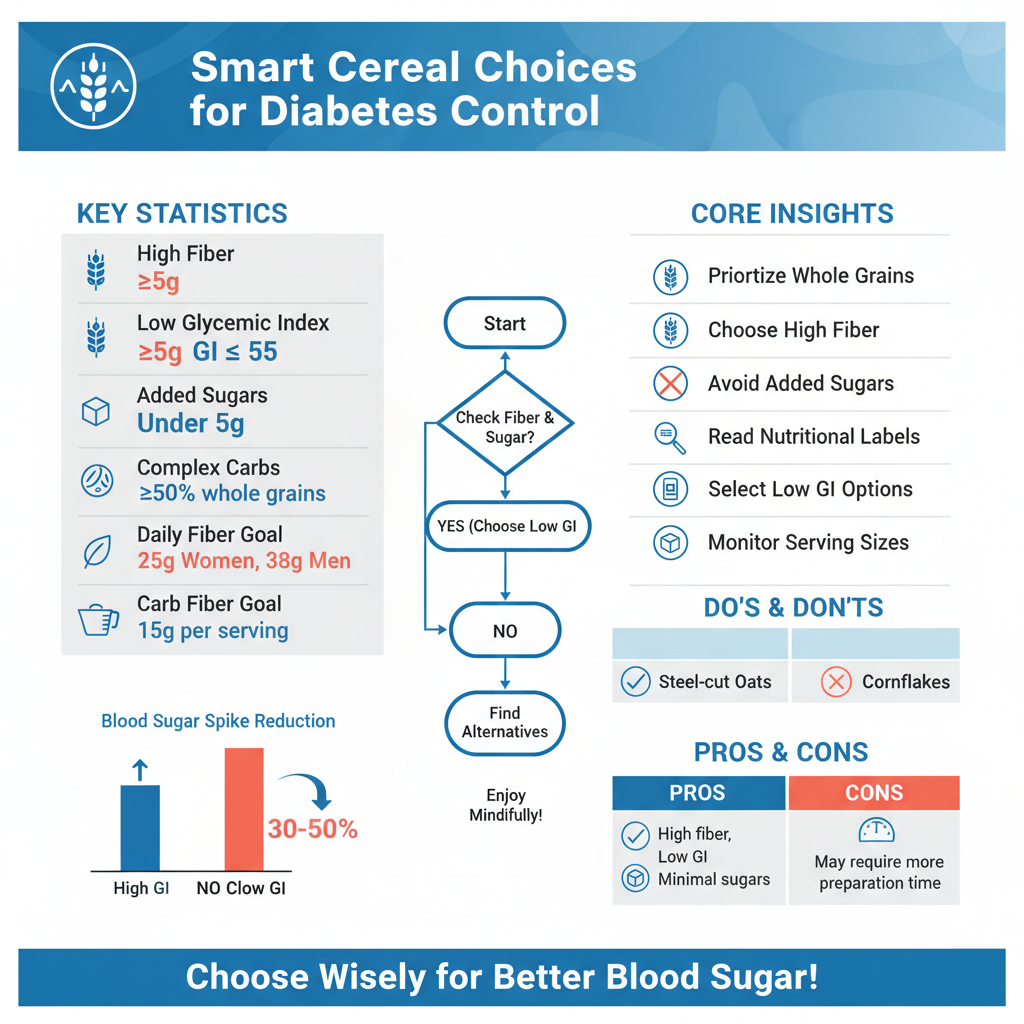
* Glycemic Index (GI): The Glycemic Index is a system that ranks carbohydrate-containing foods based on how much they raise blood sugar levels after eating. Foods with a high GI are quickly digested and absorbed, causing a rapid spike in blood glucose. Conversely, low GI foods are digested more slowly, leading to a gradual and more stable rise in blood sugar, which is precisely what you want when managing diabetes. For instance, highly processed cereals like cornflakes often have a high GI, while steel-cut oats are known for their lower GI. Learning to identify low GI options is a powerful tool in your dietary arsenal.
* Carbohydrates and Fiber: All cereals contain carbohydrates, but not all carbs are created equal. Simple carbohydrates, like those found in added sugars and refined grains, are quickly broken down, leading to rapid blood sugar spikes. Complex carbohydrates, found in whole grains, are rich in fiber and are digested much more slowly. This slower digestion means a more sustained release of glucose into the bloodstream, helping to maintain stable blood sugar levels. Fiber, in particular, is a superstar nutrient. It physically slows down the absorption of sugar, helps you feel fuller for longer, and supports healthy digestion, all of which are crucial for diabetes management.
* Nutritional Labels: Becoming a pro at reading nutritional labels is perhaps the most important skill you can develop. Don’t just glance at the front of the box; turn it over! Key metrics to scrutinize include:
* Total Carbs: While you need to be mindful of this number, it’s not the whole story. You also need to consider the fiber content within those carbs.
* Sugar: Look specifically for the “Added Sugars” line. This tells you how much sugar has been added during processing, distinct from naturally occurring sugars. Your goal is to keep this number as low as possible.
* Dietary Fiber: Aim for a high number here! The more fiber, the better for blood sugar control and satiety.
* Always pay attention to the serving size as well, as all these numbers are calculated per serving.
Key Nutritional Factors to Prioritize
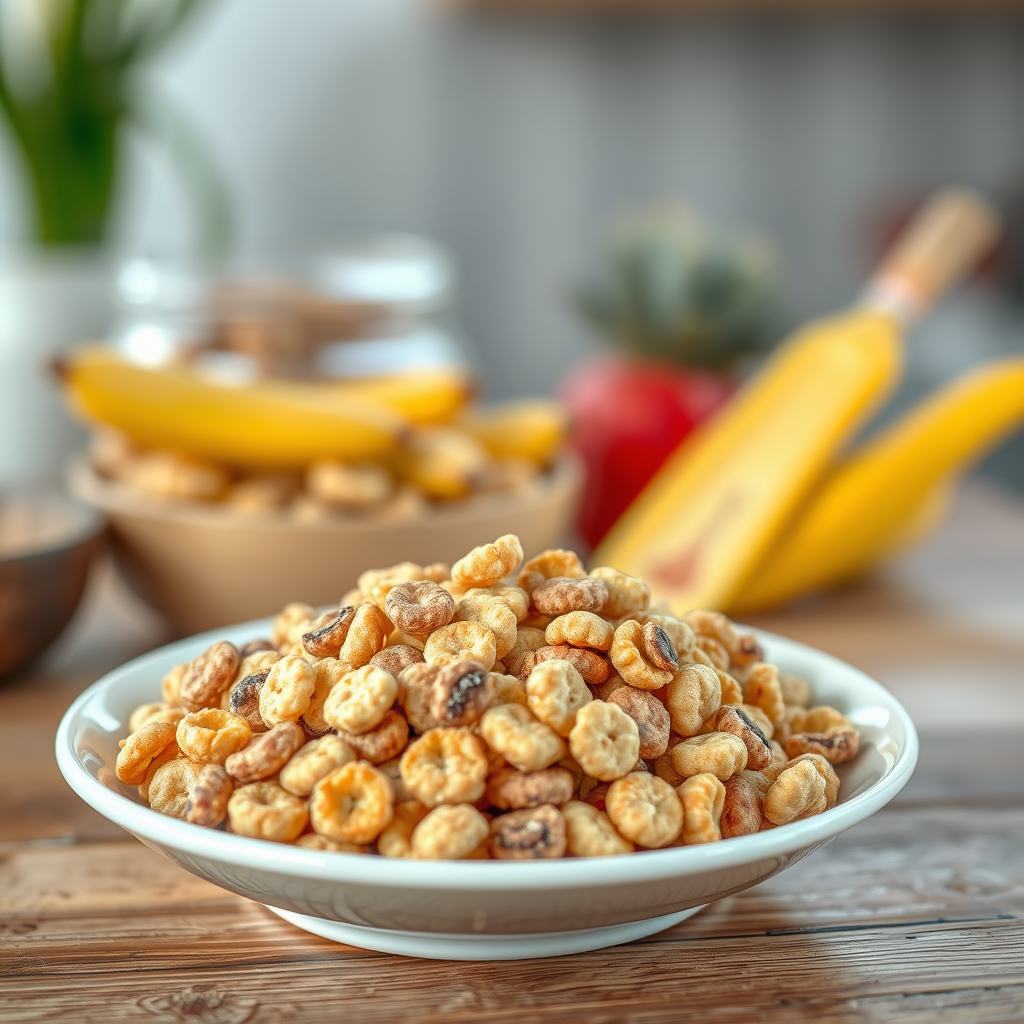
When standing in the cereal aisle, armed with your label-reading skills, here’s what to actively seek out to make the best choices for your health.
* High Fiber Content: This is non-negotiable for anyone managing type 2 diabetes. Aim for cereals that provide at least 5 grams of fiber per serving, and ideally more. Fiber acts like a natural brake on sugar absorption, preventing those unwanted blood sugar rollercoasters. It also adds bulk to your meal, helping you feel satisfied and less likely to overeat or snack impulsively later. Soluble fiber (found in oats) can even help lower cholesterol, while insoluble fiber (found in bran) supports digestive regularity.
* Whole Grains First: The “whole grain” stamp or statement on a package is a good start, but always check the ingredients list. The first ingredient should explicitly state “whole wheat,” “whole oats,” “steel-cut oats,” “whole barley,” or another “whole grain.” This ensures you’re getting the entire grain kernel – the bran, germ, and endosperm – which provides fiber, vitamins, minerals, and complex carbohydrates. Refined grains, like white flour or corn grits, have been stripped of the bran and germ, losing most of their fiber and nutrients, and leading to quicker blood sugar spikes.
* Low Added Sugar: This is one of the most critical factors. Many cereals are laden with added sugars, often marketed as a “delicious” part of a healthy breakfast. For individuals with type 2 diabetes, these added sugars can wreak havoc on blood glucose control. Look for cereals with less than 5 grams of added sugar per serving. Be wary of ingredients like corn syrup, high-fructose corn syrup, cane sugar, brown sugar, molasses, honey, and fruit juice concentrate, as these are all forms of added sugar. The less added sugar, the better for preventing rapid blood sugar spikes and managing your weight.
* Adequate Protein: While most cereals aren’t primary protein sources, some do offer a decent amount, and it’s a factor worth considering. Protein helps slow down digestion and nutrient absorption even further, contributing to greater satiety and more stable blood glucose levels. If your chosen cereal is lower in protein, you can easily boost your meal’s protein content with smart toppings like nuts, seeds, or by pairing it with a protein-rich milk alternative.
Top Cereal Picks for Type 2 Diabetes
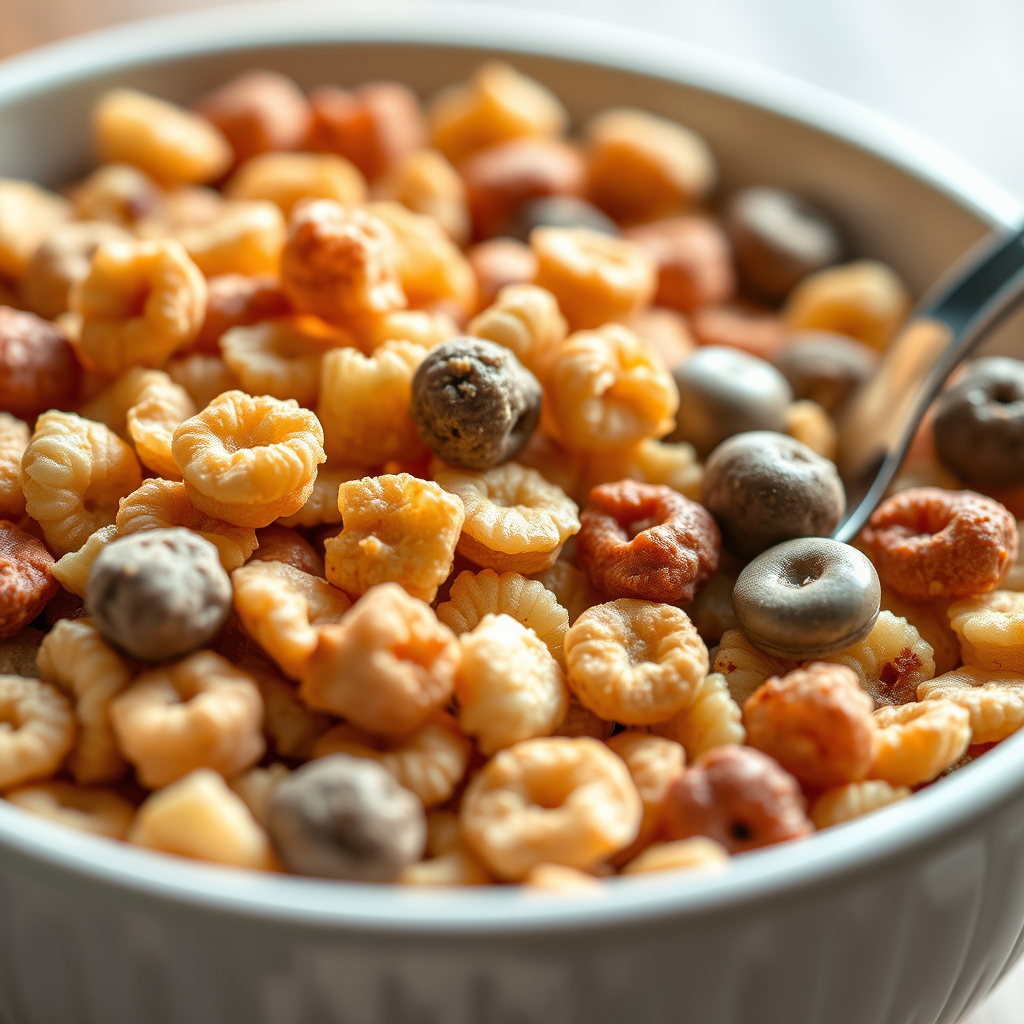
Now that you know what to look for, let’s explore some of the best specific cereal options that align with these nutritional priorities.
* Plain Steel-Cut or Rolled Oats: These are truly champions for diabetes management. Steel-cut oats are minimally processed, retaining their full nutritional integrity and offering a hearty texture. Rolled oats are a close second. Both are packed with soluble fiber, specifically beta-glucan, which forms a gel-like substance in your digestive tract. This gel slows down the rate at which carbohydrates are broken down and absorbed, leading to a much more gradual rise in blood sugar. Remember the key: ensure they are plain and unsweetened. Avoid instant oatmeals that often come with added sugars, flavorings, and sometimes have a higher glycemic index due to finer processing.
* Shredded Wheat (Unfrosted): A classic for a reason! Unfrosted shredded wheat is essentially just whole wheat – pure and simple. It’s an excellent source of whole grains and insoluble fiber, which promotes digestive health and helps regulate blood sugar. When choosing shredded wheat, be absolutely certain to pick the unfrosted variety. The frosted versions, while tempting, are heavily coated in sugar and will defeat the purpose of a healthy choice. Check the ingredients list to confirm it’s 100% whole grain wheat with no added sugars.
* Bran Flakes or High-Fiber Cereals: Cereals like Kellogg’s All-Bran or Fiber One are specifically designed to be high in dietary fiber, often providing a significant portion of your daily recommended intake in just one serving. This makes them incredibly effective at promoting satiety and stabilizing blood sugar. However, vigilance is crucial here: always scrutinize the nutrition label for added sugars. Some high-fiber cereals can still have a surprising amount of sugar added for taste. Opt for brands that keep the sugar content minimal while maximizing the fiber.
Cereals to Avoid or Limit
Just as important as knowing what to choose is knowing what to steer clear of. Many popular cereals can actively hinder your efforts to manage type 2 diabetes.
* Sugary Breakfast Cereals: This category includes most cereals marketed towards children, but also many adult-oriented options that are high in added sugars. Think frosted flakes, chocolate cereals, fruit-flavored loops, sugary granola, or any cereal with marshmallows, candy pieces, or a visible sugar coating. These cereals are typically low in fiber and packed with simple carbohydrates, leading to immediate and dramatic blood sugar spikes followed by a crash, leaving you feeling hungry shortly after. They offer little nutritional value beyond empty calories.
* Refined Grains: Many seemingly innocent cereals fall into this category. Examples include most cornflakes, puffed rice cereals (unless specifically labeled whole grain and high fiber), and many instant, highly processed options. These cereals are made from grains that have had their bran and germ removed, leaving only the starchy endosperm. This processing strips away vital fiber, vitamins, and minerals, making them digest very quickly and causing rapid blood sugar increases without the benefit of sustained energy or satiety. Always look for “whole grain” as the first ingredient to avoid refined grain pitfalls.
* “Light” or “Diet” Cereals: Don’t be fooled by clever marketing. Cereals labeled “light,” “diet,” or “reduced-calorie” might seem like a good choice, but they can be misleading for individuals with type 2 diabetes. While they might be lower in fat or calories, manufacturers often compensate by increasing the amount of refined carbohydrates or artificial sweeteners. Artificial sweeteners can have their own impact on gut health and, for some, may still trigger a metabolic response that affects glucose. Always, *always* check the nutrition label for actual carbohydrate, fiber, and sugar content, rather than relying solely on marketing claims.
Enhancing Your Healthy Cereal Bowl
Even with the best cereal choice, you can further boost its nutritional power and blood sugar stabilizing effects with smart additions and mindful practices.
* Smart Toppings: This is where you can truly customize your breakfast for maximum benefit.
* Fresh Berries: Strawberries, blueberries, raspberries, and blackberries are fantastic. They’re naturally sweet, low in calories, high in fiber, and packed with antioxidants. A small handful adds flavor, nutrition, and helps slow sugar absorption.
* Nuts: A small handful of unsalted nuts like almonds, walnuts, pecans, or pistachios provides healthy fats, protein, and additional fiber. These healthy fats and proteins further contribute to satiety and help to slow down the overall digestion of your meal, keeping blood sugar stable.
* Seeds: Chia seeds, flax seeds (ground for better absorption), or hemp seeds are tiny powerhouses. They offer omega-3 fatty acids, fiber, and protein. Just a tablespoon can significantly upgrade your cereal bowl.
* Portion Control: This cannot be stressed enough. Even the healthiest cereals contain carbohydrates, and consuming too much of any food, regardless of its health benefits, can lead to elevated blood sugar levels. Always stick to the recommended serving size listed on the nutrition label. Using measuring cups can help you become more aware of appropriate portions, preventing accidental overconsumption. Listen to your body’s hunger and fullness cues to avoid eating past satisfaction.
* Milk Choices: The type of milk you pour over your cereal can also impact your blood sugar.
* Unsweetened Plant-Based Milks: Opt for unsweetened almond milk, unsweetened soy milk, or unsweetened cashew milk. These typically contain very few carbs and no added sugars. When choosing oat milk, ensure it’s unsweetened, as some varieties can be surprisingly high in natural sugars.
* Low-Fat Dairy Milk: If you prefer dairy, choose low-fat or skim milk. While dairy milk contains natural sugars (lactose), it also provides protein and calcium, which can help mitigate the blood sugar response compared to sugary beverages. Always avoid flavored milks, as they are loaded with added sugar.
Beyond the Cereal Bowl: Other Breakfast Ideas
While a healthy cereal bowl can be a great option, it’s wise to diversify your breakfast routine to ensure a wide range of nutrients and to keep things interesting.
* Protein-Rich Options: Starting your day with a significant source of protein is an excellent strategy for blood sugar management. Protein has a minimal impact on blood glucose and is highly effective at promoting satiety, keeping you full and energized for hours.
* Eggs: Whether scrambled, boiled, poached, or as an omelet with vegetables, eggs are a versatile, low-carb, and protein-packed breakfast.
* Greek Yogurt (Unsweetened): Unsweetened Greek yogurt is a fantastic source of protein and probiotics. You can enhance it with a few fresh berries, a sprinkle of nuts, or a dash of cinnamon for flavor.
* Cottage Cheese: Another high-protein, low-carb dairy option that can be enjoyed plain or with a few sliced tomatoes or berries.
* Whole-Grain Toast Alternatives: If you enjoy toast, make it a smart choice.
* 100% Whole-Grain Toast: Ensure the bread is truly 100% whole grain, with “whole wheat” or another whole grain as the first ingredient. Avoid white bread or breads made primarily with refined flour.
* Avocado Toast: Top your whole-grain toast with mashed avocado for healthy monounsaturated fats and fiber, which helps slow digestion and provides sustained energy.
* Nut Butter Toast: A thin layer of unsweetened peanut, almond, or cashew butter provides protein and healthy fats. Always check the label for added sugars in nut butters.
Choosing the right cereal is a simple yet impactful step in managing type 2 diabetes. By focusing on whole grains, high fiber, and low sugar content, you can enjoy a satisfying breakfast that supports stable blood sugar levels. Always remember to check nutrition labels carefully and consider adding nutrient-dense toppings to boost your meal’s health benefits. Make these smart choices consistently to better manage your condition and improve your overall well-being.
Frequently Asked Questions
What key nutritional factors should I prioritize when selecting cereal for type 2 diabetes?
When choosing the best cereal for type 2 diabetes, prioritize options rich in fiber, low in added sugars, and made from whole grains. Look for cereals with at least 3-5 grams of fiber per serving, as fiber helps slow sugar absorption and stabilize blood glucose levels. Additionally, selecting cereals with a moderate amount of protein can further enhance satiety and blood sugar control, making them a smart choice for diabetes management.
How can I effectively read a cereal nutrition label to find a diabetes-friendly option?
To find a diabetes-friendly cereal, carefully examine the nutrition label, starting with the ingredients list. Ensure “whole grain” is listed as the first ingredient, and check the “Total Carbohydrates” section, paying close attention to “Added Sugars.” Aim for cereals with less than 5 grams of added sugar and at least 3 grams of dietary fiber per serving to support healthy blood sugar management and minimize spikes.
Why is high-fiber, whole-grain cereal particularly beneficial for individuals with type 2 diabetes?
High-fiber, whole-grain cereals are incredibly beneficial for type 2 diabetes because they have a lower glycemic index, meaning they cause a slower, more gradual rise in blood sugar compared to refined grains. The fiber also promotes digestive health, increases feelings of fullness, and can help improve insulin sensitivity. This makes them a cornerstone for stable blood glucose control and overall well-being.
Which specific types of cereal are generally considered best for managing type 2 diabetes?
For managing type 2 diabetes, the best types of cereal include plain, unsweetened options like steel-cut or rolled oats, shredded wheat (without added sugar), and certain high-fiber bran flakes. These cereals are typically rich in soluble and insoluble fiber, which are crucial for maintaining stable blood sugar levels and promoting gut health. Always check labels to ensure minimal added sugars and high whole-grain content for effective diabetes management.
Are there common cereal types I should strictly avoid if I have type 2 diabetes?
Yes, individuals with type 2 diabetes should strictly avoid cereals high in added sugars, refined carbohydrates, and artificial ingredients. This includes many sweetened children’s cereals, frosted flakes, honey-nut varieties, and most cereals with a long list of processed ingredients. These options can cause rapid spikes in blood sugar and offer little nutritional value, making them detrimental to diabetes management and overall health.
References
- https://diabetes.org/food-nutrition/eating-well/diabetes-superfoods/whole-grains
- https://diabetes.org/food-nutrition/eating-well/food-labels
- Diabetes diet: Create your healthy-eating plan – Mayo Clinic
- https://www.mayoclinic.org/healthy-lifestyle/nutrition-and-healthy-eating/in-depth/healthy-breakfast/art-20046269
- https://www.health.harvard.edu/diseases-and-conditions/type-2-diabetes-diet-what-to-eat-what-to-limit
- https://www.health.harvard.edu/newsletter_article/Whole_grains_play_a_role_in_diabetes_prevention
- https://www.cdc.gov/diabetes/managing/eat-well/index.html
- Healthy Living with Diabetes – NIDDK
- Glycemic index
