
For individuals managing diabetes, the best carbohydrates are those that are fiber-rich, nutrient-dense, and have a lower impact on blood sugar levels, primarily found in whole grains, non-starchy vegetables, legumes, and certain fruits. Making smart carbohydrate choices is crucial for effective blood sugar control, weight management, and overall health. This guide will help you identify the best carbohydrate sources to incorporate into a diabetes-friendly diet, focusing on options that provide sustained energy without sharp glucose spikes. Embracing these foods can transform your diet, making it both delicious and diabetes-friendly, helping you feel your best every day.
Understanding Carbohydrates and Blood Sugar Management

Carbohydrates are one of the three main macronutrients, and they are your body’s primary source of energy. However, for someone managing diabetes, understanding how carbohydrates interact with blood sugar is paramount. When you eat carbohydrates, your digestive system breaks them down into glucose (sugar), which then enters your bloodstream. In individuals with diabetes, either the body doesn’t produce enough insulin, or it can’t effectively use the insulin it produces, leading to higher-than-normal blood glucose levels after meals. Therefore, learning to choose the right types and amounts of carbohydrates is a fundamental skill for maintaining stable blood sugar and preventing complications.
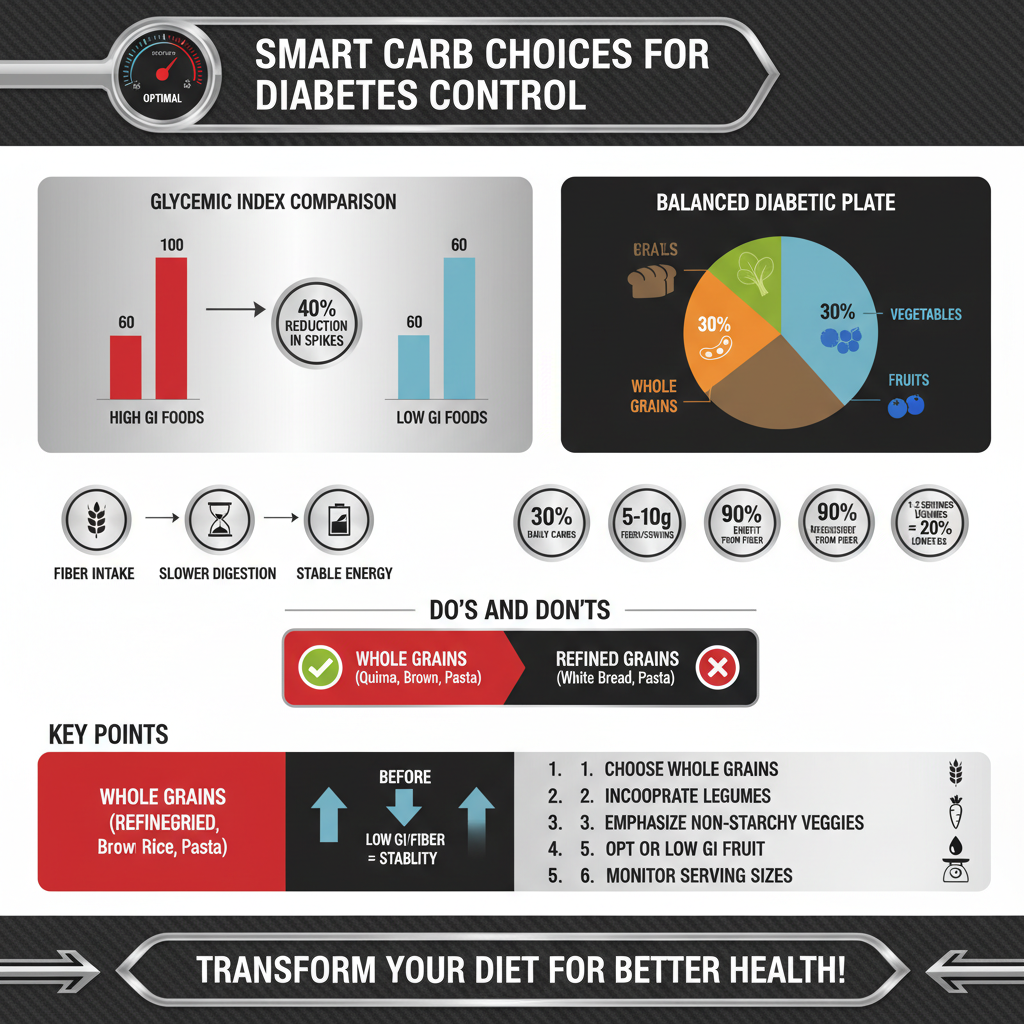
The glycemic index (GI) and glycemic load (GL) help indicate how quickly a carbohydrate food raises blood glucose. The Glycemic Index ranks carbohydrate-containing foods based on their effect on blood glucose levels over a two-hour period after eating. Foods with a high GI are rapidly digested and absorbed, causing a quick and sharp rise in blood sugar, while low GI foods are digested more slowly, leading to a more gradual and sustained rise. The Glycemic Load takes this a step further by factoring in the typical serving size of a food, providing a more realistic picture of its impact. While these tools can be helpful, remember that individual responses can vary, and factors like cooking methods, ripeness, and what other foods are eaten with the carbohydrate can also influence its effect on blood sugar.
Fiber plays a critical role in slowing down sugar absorption, promoting stable blood sugar. This indigestible part of plant foods is a true superstar for diabetes management. When present in carbohydrate-rich foods, fiber acts like a natural speed bump, slowing down the digestion and absorption of glucose into the bloodstream. This means no sudden spikes and drops in blood sugar, leading to more stable energy levels throughout the day. Beyond blood sugar control, fiber also promotes feelings of fullness, which can aid in weight management, and supports a healthy digestive system. There are two main types: soluble fiber, which dissolves in water to form a gel (found in oats, beans, apples), and insoluble fiber, which adds bulk to stool (found in whole grains, vegetables). Both are essential for optimal health.
Fiber-Rich Whole Grains
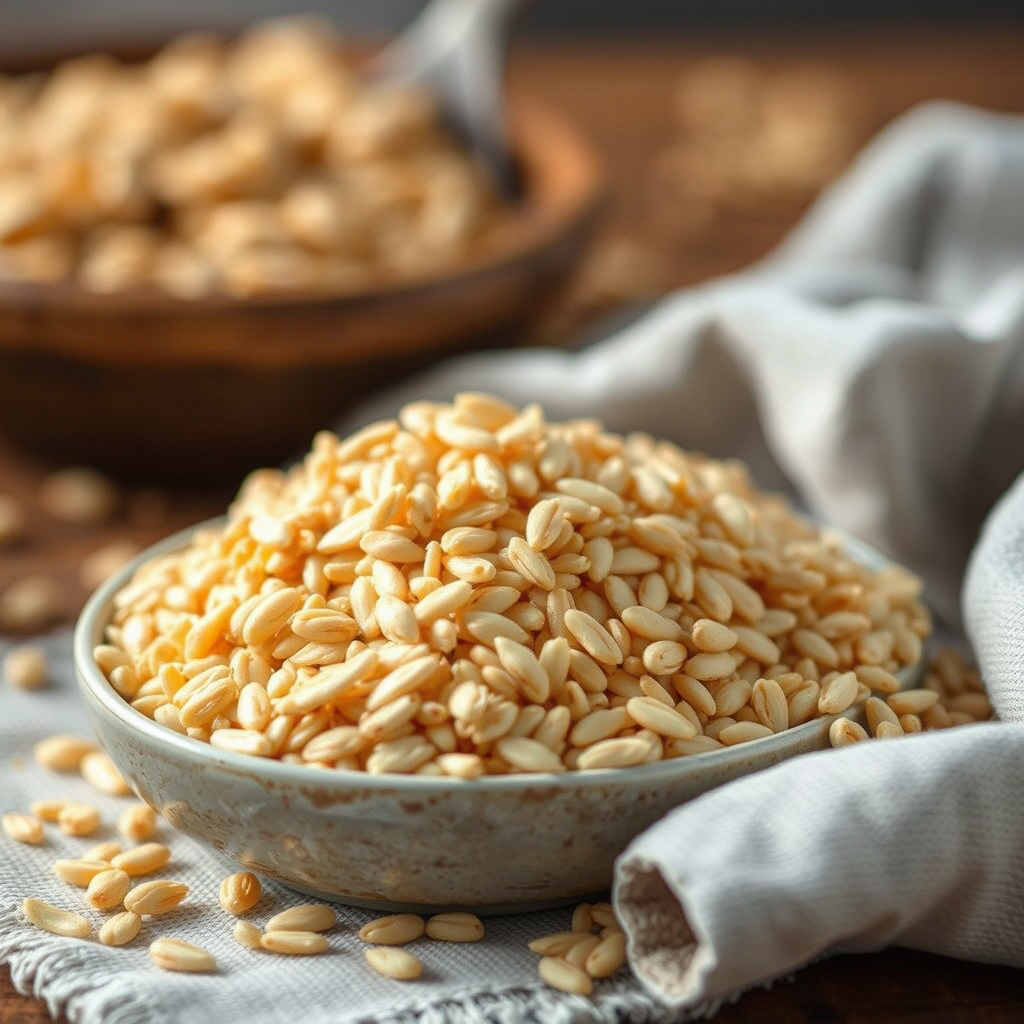
When it comes to grains, prioritizing whole grains is one of the best choices you can make for diabetes management. Unlike refined grains, which have been stripped of their bran and germ (and thus, much of their fiber and nutrients), whole grains retain all three parts of the grain kernel – the bran, germ, and endosperm. This intact structure is what makes them so beneficial.
Prioritize whole grains like oats (steel-cut or rolled), quinoa, brown rice, and whole-wheat bread/pasta. Steel-cut oats, for instance, are minimally processed and have a lower GI than instant oats, providing a slow, steady release of energy. Quinoa is another excellent choice, standing out as a complete protein, meaning it contains all nine essential amino acids, alongside a good amount of fiber. Brown rice offers more fiber and nutrients compared to white rice, while whole-wheat bread and pasta, when genuinely “whole” (check for “100% whole wheat” as the first ingredient), are superior to their refined counterparts. These grains contribute to a feeling of fullness and help prevent the overeating that can lead to blood sugar imbalances.
These options are rich in fiber, vitamins, and minerals, providing sustained energy. The high fiber content in whole grains is primarily responsible for their beneficial effect on blood sugar. It slows down the conversion of carbohydrates to glucose, leading to a more gradual rise in blood sugar and sustained energy levels throughout the day. Beyond fiber, whole grains are packed with essential nutrients like B vitamins (important for energy metabolism), magnesium (which plays a role in insulin sensitivity), iron, and antioxidants. Incorporating a variety of these grains into your diet ensures you’re getting a broad spectrum of nutrients that support overall health, not just blood sugar control.
Even healthy whole grains require careful portion control to manage carbohydrate intake. While incredibly beneficial, whole grains are still carbohydrate-rich foods, and consuming them in excess can lead to elevated blood sugar levels. Think of them as a valuable part of your plate, but not the entire plate. Always measure your portions – for example, a typical serving size for cooked grains like quinoa or brown rice is about 1/2 cup, and for whole-wheat bread, it’s usually one slice. Learning to eye portion sizes or using measuring cups initially can make a big difference in keeping your carbohydrate intake balanced and aligned with your individual meal plan.
Nutrient-Dense Legumes and Pulses
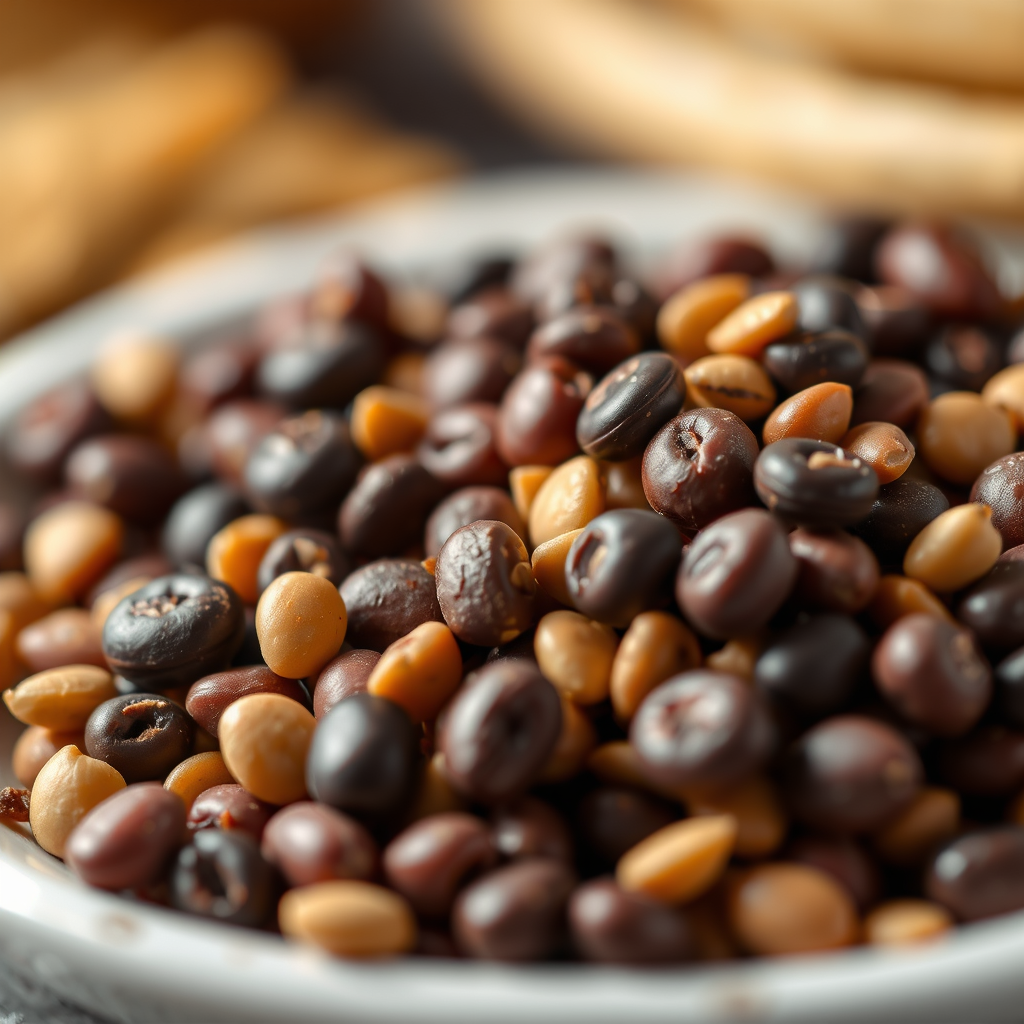
Legumes and pulses are often hailed as superfoods, and for good reason, especially for individuals managing diabetes. This diverse family includes beans, lentils, peas, and chickpeas, all boasting an impressive nutritional profile that makes them a cornerstone of a healthy, blood sugar-friendly diet. They are incredibly versatile, budget-friendly, and can be easily incorporated into a wide array of meals.
Include lentils, black beans, chickpeas, kidney beans, and other pulses in your diet. Lentils, quick to cook and highly digestible, come in various types (green, red, brown) and are perfect for soups, stews, and salads. Black beans and kidney beans are staples in many cuisines, offering a hearty base for chilis, tacos, and grain bowls. Chickpeas are fantastic roasted for a crunchy snack, blended into hummus, or added to curries. Exploring the variety within legumes means you’ll never run out of delicious and nutritious meal ideas.
They are excellent sources of soluble fiber and plant-based protein, both beneficial for blood sugar control. This powerful combination is what makes legumes so effective. The soluble fiber forms a gel-like substance in the digestive tract, which slows down the absorption of glucose into the bloodstream, leading to a more controlled rise in blood sugar. At the same time, the plant-based protein helps increase satiety, keeping you fuller for longer and reducing the likelihood of overeating. Protein also has a minimal impact on blood sugar directly and can help slow down the digestion of accompanying carbohydrates. Furthermore, legumes are rich in important micronutrients like folate, potassium, iron, and magnesium, all contributing to overall health and well-being.
Legumes are versatile and can be added to soups, salads, stews, or eaten as a side dish. Their adaptability in the kitchen is one of their greatest strengths. Use them to bulk up vegetable soups, add a satisfying chew to green salads, or create hearty stews. They can be pureed into dips, mashed into vegetarian burgers, or simply seasoned and served as a nutritious side. If using canned legumes, remember to rinse them thoroughly to reduce sodium content. For dried legumes, soaking them overnight can reduce cooking time and improve digestibility.
Abundant Non-Starchy Vegetables
If there’s one category of food you can truly load up on without much worry about blood sugar spikes, it’s non-starchy vegetables. These vibrant, nutrient-packed powerhouses are your allies in managing diabetes, offering immense benefits for very few carbohydrates. They add volume, flavor, and an incredible array of vitamins, minerals, and antioxidants to your plate, making your meals satisfying and nutrient-dense.
Load up on non-starchy vegetables such as broccoli, spinach, kale, bell peppers, asparagus, and green beans. The list goes on and on: cauliflower, Brussels sprouts, zucchini, cucumbers, tomatoes, mushrooms, celery, cabbage, and all sorts of leafy greens like romaine lettuce and collard greens. These vegetables are incredibly versatile and can be enjoyed raw, steamed, roasted, grilled, or stir-fried. Aim for a rainbow of colors to ensure you’re getting a broad spectrum of nutrients and protective plant compounds.
These vegetables are very low in carbohydrates, high in fiber, and packed with essential vitamins and antioxidants. Because they contain minimal carbohydrates, non-starchy vegetables have a negligible impact on blood sugar levels, allowing you to enjoy generous portions. Their high fiber content, while not as significant as in legumes or whole grains, still contributes to satiety and digestive health. Moreover, they are treasure troves of essential vitamins (like Vitamin C for immunity, Vitamin K for bone health, and Vitamin A for vision) and powerful antioxidants that combat oxidative stress and inflammation, supporting overall cellular health.
They can be consumed in larger quantities, adding bulk and nutrients to meals without significantly affecting blood sugar. Non-starchy vegetables are often referred to as “free foods” in diabetes meal planning because you can eat substantial amounts without derailing your blood sugar goals. They are perfect for filling up your plate, creating satisfying meals that help you feel full without consuming excess calories or carbohydrates. Try starting your meals with a large salad or a bowl of vegetable soup, or simply double your serving of cooked non-starchy veggies alongside your protein and healthy carb source. This strategy is fantastic for weight management and ensuring you meet your daily nutritional requirements.
Smart Fruit Choices
Fruits, with their natural sweetness, are a topic that often raises questions for individuals with diabetes. While fruits do contain natural sugars (fructose), they are also packed with fiber, vitamins, and antioxidants. The key lies in making smart choices and being mindful of portion sizes to harness their benefits without causing unwanted blood sugar spikes.
Opt for whole fruits with skin when possible, such as berries (strawberries, blueberries, raspberries), apples, pears, and oranges. Berries are often considered the “diabetes-friendly” superstars of the fruit world. They are lower in sugar and higher in fiber and antioxidants compared to many other fruits. A cup of raspberries, for example, boasts 8 grams of fiber! Apples and pears, especially when eaten with their skins, provide a good dose of soluble fiber (pectin), which aids in blood sugar control. Oranges and grapefruit (in moderation and if they don’t interact with your medications) are rich in Vitamin C and fiber. Always choose whole fruit over fruit juice, as juicing removes the beneficial fiber.
The fiber in whole fruits helps mitigate the impact of their natural sugars on blood glucose. When you eat whole fruit, the fiber acts as a buffer, slowing down the absorption of fructose into your bloodstream. This prevents the rapid surge in blood sugar that you might experience from a glass of fruit juice or a sugary snack. Furthermore, fruits provide a wealth of vitamins, minerals, and phytonutrients that support overall health, boost immunity, and may help reduce the risk of chronic diseases. They are a much healthier choice for satisfying a sweet craving than processed sugary treats.
Be mindful of portion sizes for fruits, as their natural sugar content can still accumulate. Even healthy fruit can impact blood sugar if consumed in large quantities. A good rule of thumb is to stick to one serving at a time. For example, a small apple, a medium orange, 1 cup of berries, or half a banana are generally considered appropriate single servings. Avoid dried fruits, as their sugars are highly concentrated (e.g., a small handful of raisins contains significantly more sugar than a cup of fresh grapes). Pairing fruit with a source of protein or healthy fat, like a handful of nuts or a spoonful of Greek yogurt, can further slow sugar absorption and enhance satiety.
Carbohydrates to Limit or Avoid
While focusing on the best carbohydrate choices is crucial, it’s equally important to understand which carbohydrates can actively hinder your diabetes management and overall health. These are typically processed, refined, and sugar-laden foods that offer minimal nutritional value and can cause significant problems with blood sugar control.
Minimize intake of refined carbohydrates like white bread, pastries, sugary cereals, and regular pasta. These foods have undergone processing that strips away the fiber, vitamins, and minerals that are present in their whole grain counterparts. Without fiber to slow down digestion, refined carbohydrates are quickly broken down into glucose, leading to rapid and often dramatic spikes in blood sugar. Examples include white rice, crackers made from white flour, sugary breakfast cereals (even those marketed as “healthy”), white flour tortillas, and many baked goods. These foods also tend to be less filling, which can lead to overeating and contribute to weight gain, further complicating diabetes management.
Avoid sugar-sweetened beverages, candies, and processed snacks that offer little nutritional value and cause rapid blood sugar spikes. This category is arguably one of the most detrimental for anyone managing diabetes. Sugar-sweetened beverages like soda, fruit punches, sweetened teas, and energy drinks are essentially liquid sugar that hits your bloodstream almost immediately, causing a massive and swift rise in blood glucose. Candies, chocolates (unless very dark and portioned), and most processed cookies, cakes, and pastries are likewise packed with added sugars and unhealthy fats. These items provide “empty calories” – calories that contribute to energy intake without offering beneficial nutrients like fiber, vitamins, or minerals.
These “empty calorie” foods can lead to weight gain and poor blood sugar control. Regular consumption of refined carbohydrates and sugary products not only causes erratic blood sugar levels but also contributes significantly to weight gain. Excess calories from sugar are often stored as fat, and obesity is a major risk factor for insulin resistance and type 2 diabetes complications. By eliminating or severely limiting these foods, you’ll not only see an improvement in your blood sugar readings but also likely notice better weight management, increased energy levels, and an overall improvement in how you feel. Making conscious choices to replace these with whole, nutritious foods is a powerful step towards better health.
Practical Tips for Incorporating Healthy Carbs
Successfully incorporating healthy carbohydrates into your daily routine doesn’t have to be complicated. With a few practical strategies, you can make informed choices that support your blood sugar goals and overall well-being. It’s all about mindful eating and understanding how different foods work together.
Always pair carbohydrates with protein and healthy fats to further slow digestion and stabilize blood sugar. This is one of the most effective strategies for managing blood sugar after meals. Protein and healthy fats take longer to digest than carbohydrates, which means they slow down the rate at which glucose enters your bloodstream. This creates a more gradual and stable blood sugar response. For example, instead of just an apple, have an apple with a handful of almonds or a tablespoon of peanut butter. If you’re having whole-grain toast, top it with an egg or avocado. This pairing not only helps with blood sugar control but also increases satiety, keeping you feeling fuller and more satisfied for longer.
Read food labels carefully to identify fiber content, added sugars, and portion sizes. Food labels are your best friend in the grocery store! Always check the “Total Carbohydrates” to understand the overall carb count per serving. Critically, look at the “Fiber” content – aim for foods with at least 3-5 grams of fiber per serving, or even more. The “Added Sugars” line is also vital; try to choose products with little to no added sugars. Finally, pay close attention to “Serving Size” and “Servings Per Container.” What might seem like a single-serving snack could actually contain two or three servings, multiplying the carbohydrate and sugar content without you realizing it.
Focus on whole, unprocessed foods and cook at home to have better control over ingredients. The simplest and most impactful way to manage your carbohydrate intake and overall diet is to prioritize whole, unprocessed foods. This means choosing fresh fruits, vegetables, lean proteins, and whole grains over packaged, pre-made, or fast-food options. Cooking at home gives you complete control over what goes into your meals – you can select high-quality ingredients, manage portion sizes, and avoid hidden sugars, unhealthy fats, and excessive sodium commonly found in restaurant and processed foods. Experiment with simple recipes, enjoy the process, and discover how delicious and satisfying healthy eating can be.
Choosing the right carbohydrates is a cornerstone of effective diabetes management. By focusing on fiber-rich whole grains, nutrient-dense legumes, abundant non-starchy vegetables, and smart fruit choices, you can significantly improve blood sugar control, enhance satiety, and boost overall nutritional intake. Remember to pay close attention to portion sizes, read food labels diligently, and always aim to pair your carbohydrates with protein and healthy fats for optimal blood sugar stability. Empower yourself by making informed food choices, enjoying the process of preparing nutritious meals, and most importantly, consult with a healthcare professional or registered dietitian to tailor these recommendations to your individual needs and dietary plan. Your journey to better health through smart carbohydrate choices is an incredibly rewarding one!
Frequently Asked Questions
What are the best types of carbohydrates for individuals with diabetes?
The best carbohydrates for diabetics are primarily complex carbohydrates rich in fiber, such as whole grains, legumes, non-starchy vegetables, and certain fruits. These foods, including oats, quinoa, lentils, broccoli, and berries, help regulate blood sugar levels by slowing down glucose absorption. Prioritizing these nutrient-dense options can significantly improve glycemic control and overall health outcomes for individuals managing diabetes.
Why is choosing complex carbohydrates important for managing blood sugar in diabetics?
Choosing complex carbohydrates is vital for diabetics because their high fiber content leads to a gradual, sustained release of glucose into the bloodstream, preventing rapid blood sugar spikes. This steady energy supply helps maintain more stable blood glucose levels throughout the day, crucial for effective diabetes management. Furthermore, the fiber in these carbs promotes satiety, supports digestive health, and can enhance insulin sensitivity over time.
How can diabetics incorporate healthy carbohydrates into their daily meal planning?
Diabetics can effectively incorporate healthy carbohydrates by focusing on portion control and pairing them with proteins and healthy fats to further minimize blood sugar impact. For instance, opt for a controlled serving of brown rice with lean protein and plenty of non-starchy vegetables, or choose whole-wheat bread topped with avocado and eggs. Reading nutrition labels to prioritize high-fiber options and making half your plate vegetables are practical strategies for balanced carbohydrate intake.
Which common high-carb foods should diabetics limit or avoid to maintain stable blood sugar?
To maintain stable blood sugar, diabetics should limit or ideally avoid refined carbohydrates like white bread, sugary cereals, pastries, and sweetened beverages, as these can cause immediate and significant blood glucose spikes. Highly processed snacks, white pasta, and foods with large amounts of added sugars also offer minimal nutritional value and complicate diabetes management. Opting for whole, unprocessed alternatives is crucial for preventing hyperglycemia and supporting long-term health.
Are fruits considered good carbohydrates for diabetics, and what are the best choices?
Yes, many fruits are excellent carbohydrate choices for diabetics due to their fiber, vitamins, and antioxidants, but portion size remains key. Berries (strawberries, blueberries, raspberries), apples, pears, and citrus fruits (oranges, grapefruit) are often considered the best options because they generally have a lower glycemic index. Always choose whole fruits over fruit juices, as juices lack the beneficial fiber that helps moderate blood sugar responses.
References
- Types of Carbohydrates | ADA
- Healthy Living with Diabetes – NIDDK
- https://www.cdc.gov/diabetes/managing/eat-well/index.html
- Diabetes diet: Create your healthy-eating plan – Mayo Clinic
- https://www.mayoclinic.org/diseases-conditions/diabetes/in-depth/carbohydrate-counting/art-20047765
- Carbohydrates • The Nutrition Source
- https://www.diabetes.org/healthy-living/recipes-nutrition/understanding-carbs/carbohydrate-counting
- https://www.diabetes.org/healthy-living/recipes-nutrition/eating-well/fiber
- Diabetes • The Nutrition Source
