
Navigating the dietary needs of a diabetic cat can feel overwhelming, but a key component of effective management is selecting the right canned food. For diabetic felines, the best canned cat food options are consistently high in protein, very low in carbohydrates, and have moderate fat content, mimicking their natural carnivorous diet to help stabilize blood sugar levels and improve insulin sensitivity. This guide will help you identify optimal choices and understand the crucial nutritional factors for your diabetic companion, making diet management a little less daunting.
The Dietary Foundation for Feline Diabetes

Understanding what makes a diet ideal for a diabetic cat starts with recognizing their fundamental biological needs as obligate carnivores. Their bodies are designed to process nutrients primarily from animal sources, a concept central to managing their blood sugar.
– High Protein is Key: Cats are true obligate carnivores, meaning their bodies are metabolically wired to thrive on a diet rich in animal-based protein. This isn’t just a preference; it’s a physiological necessity. High-quality protein helps diabetic cats maintain crucial lean muscle mass, which is metabolically active and plays a vital role in glucose utilization. Unlike carbohydrates, protein doesn’t cause rapid spikes in blood sugar, providing a steady energy source and promoting satiety, which can help prevent overeating and weight gain – a common issue that exacerbates diabetes. Look for specific animal proteins like chicken, turkey, beef, or fish as the predominant ingredients.
– Minimizing Carbohydrates: This is perhaps the most critical factor in a diabetic cat’s diet. Carbohydrates, whether simple or complex, are converted into glucose during digestion, directly impacting blood sugar levels. A diet high in carbohydrates forces the pancreas to work harder to produce insulin, and in diabetic cats, this system is already compromised. By drastically reducing carbohydrate intake, you can significantly lessen the workload on your cat’s pancreas, stabilize blood glucose levels, and in many cases, reduce insulin requirements or even achieve diabetic remission, especially in newly diagnosed cats. Their natural diet in the wild contains almost no carbohydrates, so a domestic diet should reflect this as closely as possible.
– Moderate, Healthy Fats: While often misunderstood, fats are an essential part of a cat’s diet, providing a concentrated source of energy and contributing significantly to the food’s palatability, which is vital for picky eaters. However, moderation is key, especially for diabetic cats who may also be overweight, as excessive caloric intake from fat can lead to unwanted weight gain. Healthy fats, particularly omega-3 fatty acids found in fish oil, also offer anti-inflammatory benefits and support skin and coat health. The goal is to provide enough fat for energy and essential fatty acids without overdoing it, maintaining a balance that supports their health without contributing to obesity or other complications.
Essential Nutritional Criteria for Diabetic Cat Food
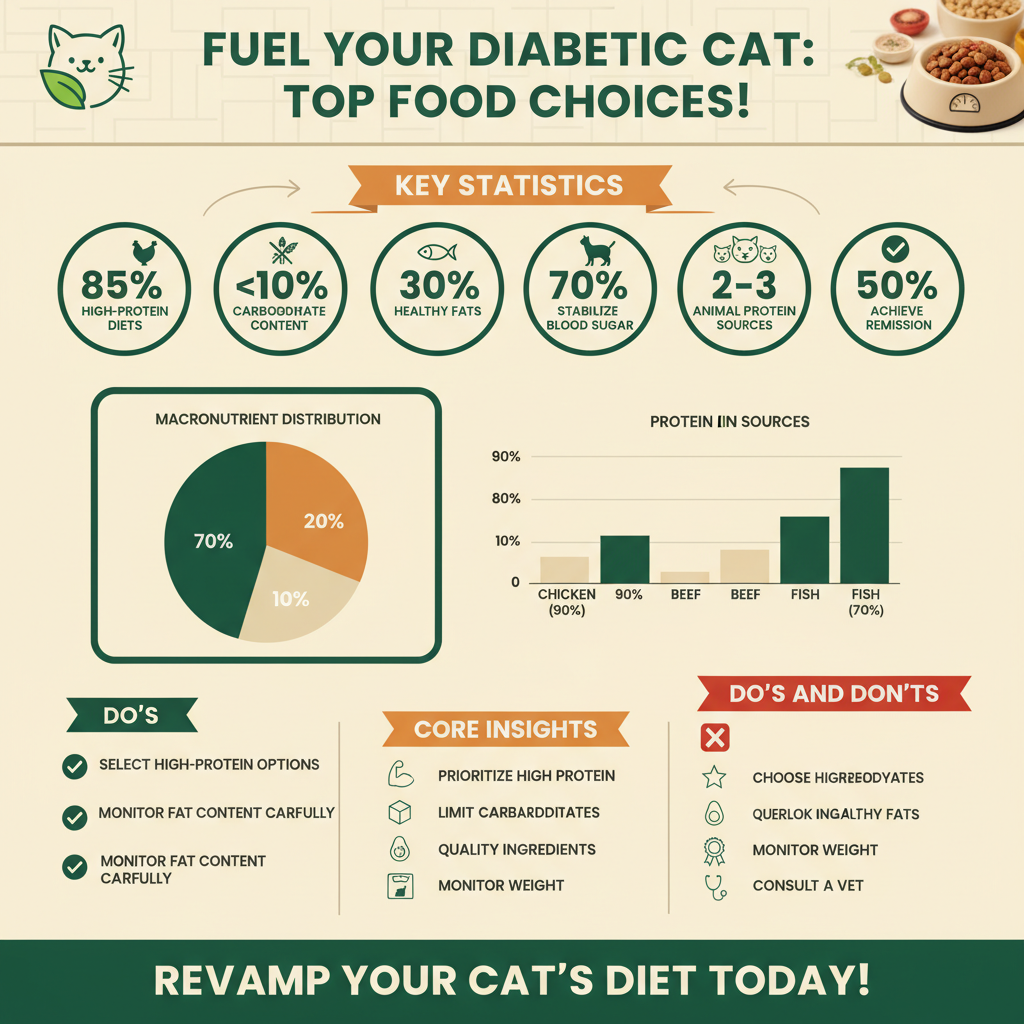

When you’re scanning the pet food aisle, knowing exactly what to look for and what to avoid will make your decision-making process much clearer. These specific criteria are non-negotiable for effectively managing your cat’s diabetes.
– Low Carbohydrate Content: This is the paramount consideration. You should aim for canned cat foods where less than 10% of the calories come from carbohydrates on a dry matter basis. Many “pate” style canned foods naturally fit this criterion because their formulation often relies less on carbohydrate fillers for texture and binding compared to gravy or shredded varieties. These low-carb foods help keep your cat’s blood sugar stable, reducing the need for high insulin doses and minimizing fluctuations throughout the day. Be wary of foods marketed as “grain-free” as they can still contain high levels of other problematic carbohydrates like potatoes, peas, or tapioca.
– High-Quality Protein Sources: The first few ingredients on the label are incredibly important. Prioritize foods that list identifiable meat, poultry, or fish as the very first ingredients. This ensures that the primary protein source is animal-based, providing the essential amino acids your obligate carnivore needs. Look for specific names like “chicken,” “turkey,” “salmon,” or “beef,” rather than generic terms like “meat by-products” or “animal digest,” although some meat by-products can be perfectly nutritious when specified (e.g., “chicken liver”). High-quality protein is vital for muscle maintenance and overall metabolic health in diabetic felines.
– Avoid Fillers and Sugars: This point cannot be stressed enough. Ingredients like corn, wheat, soy, potatoes, rice, and peas are high in carbohydrates and provide minimal nutritional value for a cat. They are often used as cheap fillers that can directly contribute to blood sugar spikes. Similarly, be vigilant about added sugars, which can be hidden under various names such as molasses, corn syrup, dextrose, sucrose, or even more natural-sounding ones like fruit juice or beet pulp (which, while a fiber source, can contain significant sugar). These ingredients are detrimental to a diabetic cat’s health and should be completely avoided to maintain stable blood glucose levels.
Recommended Canned Food Brands and Formulas

While specific recommendations should always be discussed with your veterinarian, knowing some generally recognized options can help guide your initial research.
– Prescription Diets: For many diabetic cats, particularly when first diagnosed, prescription veterinary diets are the gold standard. Brands like Purina Pro Plan Veterinary Diets DM (Diabetes Management) or Royal Canin Veterinary Diet Glycobalance are specifically formulated with precise ratios of high protein and very low carbohydrates to support stable blood glucose levels and promote optimal weight. These diets are clinically tested and designed to work synergistically with insulin therapy. Your veterinarian will typically recommend these options and provide a prescription, ensuring your cat receives a nutritionally complete and balanced diet tailored to their specific medical needs.
– Over-the-Counter Options: It is absolutely possible to manage feline diabetes effectively with commercial over-the-counter (OTC) canned foods, but it requires meticulous label reading. Many pate-style foods from widely available brands can be suitable. For example, Fancy Feast Classic Pates (especially flavors like Turkey & Giblets, Chicken Feast, and Beef Feast) are often cited for their low carbohydrate content. Similarly, certain Friskies Pate varieties (again, classic pate textures rather than gravies or shreds) can also fit the bill. Weruva offers several lines, such as “B.F.F. Best Feline Friend” or “Cats in the Kitchen,” that frequently feature low-carb formulas, though you must check the nutritional analysis for *each specific product*. Other brands to explore include Tiki Cat (many flavors), Koha, and Nulo Freestyle. The key is to check the guaranteed analysis and calculate the carbohydrate percentage for every single can.
– Always Vet-Approved: Regardless of whether you choose a prescription diet or an over-the-counter option, it is absolutely crucial to discuss your food choice with your veterinarian *before* making any changes. Your vet has a complete understanding of your cat’s unique health profile, including the severity of their diabetes, any co-existing conditions (like kidney disease or pancreatitis), and their current insulin regimen. They can help you calculate the precise nutritional breakdown of potential OTC foods and advise on how to safely transition your cat while monitoring their blood sugar and adjusting insulin dosages as needed. This partnership with your vet is indispensable for successful diabetes management.
Deciphering Food Labels: What to Look For
Navigating a pet food label can feel like solving a puzzle, but for a diabetic cat, it’s a vital skill. Beyond just reading ingredients, understanding the nutritional analysis is key to making informed choices.
– Guaranteed Analysis: This section provides percentages for crude protein, crude fat, crude fiber, and moisture “as fed.” While it offers a basic overview, it’s not enough on its own for diabetic cats. The “as fed” basis includes the water content, making direct comparisons between dry and wet foods, or even different wet foods, difficult. More importantly, it doesn’t directly list carbohydrate content, which is the most critical factor for diabetic felines. To accurately assess a food’s suitability, you’ll need to go a step further and convert these percentages to a dry matter basis and then calculate the caloric distribution.
– Carbohydrate Calculation: This is the detective work! To get an approximate dry matter carbohydrate percentage, you’ll use a simple formula. First, convert all “as fed” percentages to a dry matter basis by subtracting the moisture content (e.g., if moisture is 80%, dry matter is 20%). Then, use this formula: [100 – % protein (DM) – % fat (DM) – % fiber (DM) – % ash (DM)] = approximate dry matter carb percentage. If the ash content isn’t listed, you can use an estimated average of 2-3% for canned food, but know that this introduces a small variable. Your goal is to find foods with values under 10% for dry matter carbohydrates. Many online calculators or veterinary nutrition charts can also help simplify this process.
– Ingredient List Scrutiny: After the numbers, turn your attention to the ingredient list. Prioritize real meat ingredients (like “chicken,” “turkey,” “salmon”) listed as the first few items. These signify high-quality, animal-based protein sources crucial for your cat. Conversely, be highly critical of ingredients that indicate high carbohydrate content or unnecessary fillers. Look out for corn, wheat, soy, rice, potatoes, peas, tapioca, and sweet potatoes – all of which can spike blood sugar. Also, be vigilant for any form of added sugar, often disguised as molasses, corn syrup, dextrose, fructose, or carrageenan in significant amounts. A clean, simple ingredient list with identifiable animal proteins is always the best bet.
Transitioning Your Cat’s Diet Safely
Changing your cat’s food, especially a diabetic cat’s, requires patience and close monitoring. A sudden switch can not only cause digestive upset but also significantly impact blood glucose levels.
– Gradual Introduction: The golden rule for any diet change is to do it slowly. For a diabetic cat, this is even more critical. Over 7-10 days (or even longer for very sensitive cats or picky eaters), gradually mix small amounts of the new food with their old food. Start with a ratio of about 25% new food to 75% old for a few days. If your cat tolerates this well, increase to 50/50, then 75/25, until they are eating 100% of the new food. This slow introduction allows their digestive system to adjust and helps you monitor for any adverse reactions or significant changes in blood sugar.
– Monitor Blood Glucose Closely: This is the most vital step during a diet transition for a diabetic cat. Switching to a significantly lower-carb diet will almost certainly lower your cat’s blood sugar, sometimes quite dramatically. It is imperative to work with your veterinarian to establish a plan for monitoring their blood glucose during this period. Your vet will likely advise more frequent blood sugar checks, either at home or in the clinic, and will guide you on how to adjust insulin dosages *as needed*. Never change insulin doses without your vet’s explicit instruction, as over-insulinization with a lower-carb diet can lead to dangerous hypoglycemia.
– Watch for Hypoglycemia: With the potential for blood sugar to drop on a new, low-carb diet, you must be extremely vigilant for signs of hypoglycemia (low blood sugar). Symptoms can include lethargy, weakness, disorientation, stumbling, tremors, unusual vocalization, seizures, or even collapse. If you notice any of these signs, contact your veterinarian immediately. As an emergency measure while waiting for vet advice, you can rub a small amount of corn syrup or honey on your cat’s gums to quickly raise their blood sugar. Being prepared and knowing these signs can be life-saving for your feline friend during a diet transition.
Veterinary Guidance and Ongoing Management
Managing feline diabetes is a lifelong commitment that thrives on a strong partnership between you and your veterinary team. Diet is a cornerstone, but it’s part of a larger, integrated approach.
– Regular Vet Check-ups: Consistent communication and regular check-ups with your veterinarian are paramount. Diabetes is a dynamic condition, and your cat’s needs will evolve over time. Routine visits allow your vet to perform necessary blood work, urine tests, and physical examinations to monitor blood glucose curves, assess organ function, and adjust their treatment plan as needed. These check-ups are also an opportunity for you to ask questions and share any observations about your cat’s behavior or health, ensuring the best possible ongoing care.
– Discuss Diet Changes Thoroughly: We cannot emphasize this enough: never change your diabetic cat’s food without first consulting your veterinarian. Even if you’ve found a food that seems perfect based on your research, your vet needs to be involved. A new diet, especially one that significantly lowers carbohydrate intake, will almost certainly require adjustments to their insulin regimen to prevent dangerous blood sugar fluctuations. Additionally, your cat might have other health conditions (like chronic kidney disease or pancreatitis) that influence dietary choices, and your vet can help you navigate these complex needs.
– Home Glucose Monitoring: If feasible and comfortable for you and your cat, learning to monitor your cat’s blood glucose at home can be an incredibly powerful tool. Home monitoring provides a less stressful, more accurate picture of your cat’s typical blood sugar levels throughout the day, uninfluenced by “stress hyperglycemia” often seen at the vet’s office. This data is invaluable for your veterinarian in fine-tuning insulin dosages and assessing the effectiveness of their diet. Many vets can teach you how to perform a simple ear prick test, and there are numerous resources available to support you in this essential aspect of ongoing diabetes management.
Selecting the best canned food for your diabetic cat is a cornerstone of their health management, focusing on high protein and very low carbohydrates to help stabilize their condition. By understanding nutritional labels, choosing appropriate brands, and implementing a gradual transition, you can make a significant positive impact. Always consult your veterinarian before making any dietary changes to ensure the food aligns with their specific medical needs and to properly adjust any necessary insulin dosages. With careful planning, diligent monitoring, and professional guidance, you can significantly improve your diabetic cat’s quality of life, helping them to live a longer, happier, and healthier life.
Frequently Asked Questions
What are the most important nutritional factors to consider when choosing canned cat food for a diabetic cat?
When selecting canned cat food for a diabetic cat, prioritize formulas that are very high in protein (ideally over 40-50% on a dry matter basis) and very low in carbohydrates (under 10% on a dry matter basis). Look for meat-first ingredients like chicken, turkey, or fish, and ensure the fat content is moderate. These ratios help stabilize blood sugar by minimizing glucose spikes and promoting satiety, which is crucial for managing feline diabetes.
Why is wet or canned food generally recommended over dry kibble for cats with diabetes?
Wet or canned cat food is highly recommended for diabetic cats primarily because it typically has a significantly lower carbohydrate content compared to most dry kibble, which helps stabilize blood glucose levels. Additionally, its high moisture content promotes better hydration and supports kidney and urinary tract health, common concerns in diabetic felines. The higher protein levels often found in quality wet foods also aid in muscle maintenance and overall satiety.
What specific ingredients or types of canned cat food should I strictly avoid when feeding a diabetic cat?
You should strictly avoid canned cat foods that list high carbohydrate ingredients such as corn, wheat, rice, potatoes, peas, or other grains and starches near the top of the ingredient list. Also, steer clear of foods containing added sugars (like molasses, corn syrup), fruits, or excessive plant-based fillers. These ingredients can cause dangerous spikes in your diabetic cat’s blood glucose levels, making diabetes management much more challenging.
Are there specific over-the-counter canned cat food brands or types that are often recommended for diabetic cats?
While prescription diets are available, many over-the-counter canned cat foods can be suitable for diabetic cats, provided they meet the low-carb, high-protein criteria. Look for brands like Fancy Feast Classic Pâté (ensure it’s the “Classic Pâté” varieties without gravies or sauces), Friskies Pâté (similarly, stick to pâté options), Weruva, Koha, or Tiki Cat (specific low-carb formulas). Always double-check the nutritional analysis for carbohydrate content (often calculated from the guaranteed analysis) to ensure it’s appropriate for managing feline diabetes.
How does switching to a low-carb canned cat food diet help manage or potentially reverse feline diabetes?
A low-carb, high-protein canned food diet helps manage feline diabetes by significantly reducing the amount of glucose absorbed from food, thereby decreasing the demand on the pancreas to produce insulin. This stabilization of blood sugar can improve a cat’s insulin sensitivity, reduce the required insulin dosage, and, in some cases, even lead to diabetic remission, particularly if diagnosed early and the dietary change is implemented promptly. Consistent adherence to this diet is crucial for long-term health and management.
References
- Feline Diabetes | Cornell University College of Veterinary Medicine
- https://ceh.vetmed.ucdavis.edu/sites/g/files/dgxmgt567/files/inline-files/Dietary%20Management%20of%20Feline%20Diabetes%20Mellitus.pdf
- Allergies: Atopic Dermatitis in Dogs and Cats – Veterinary Partner – VIN
- https://vet.osu.edu/vmc/companion/our-services/internal-medicine/feline-diabetes-mellitus-treatment-and-monitoring
- https://vetmed.tufts.edu/wp-content/uploads/Feline-Diabetes-Mellitus.pdf
- https://hospital.vetmed.wsu.edu/feline-diabetes-mellitus/
- https://en.wikipedia.org/wiki/Diabetes_mellitus_in_cats
