
For diabetics looking to enjoy a beer responsibly, the best options generally involve light, low-carbohydrate, and lower-alcohol choices, consumed in strict moderation. The key is to minimize the impact on blood sugar levels, and thankfully, there are several beer styles and brands designed with this in mind. This guide will help you understand what to look for and make informed decisions, but always remember to consult your healthcare provider first.
How Beer Impacts Blood Sugar Levels
Understanding how beer interacts with your body, especially concerning blood sugar, is crucial for anyone managing diabetes. It’s a bit of a double-edged sword: alcohol and carbohydrates each play distinct roles. Initially, alcohol can actually cause your blood sugar to drop. This happens because your liver, which typically helps maintain stable blood glucose levels by releasing stored glucose, prioritizes metabolizing the alcohol instead. This shift in priority means less glucose is released, potentially leading to hypoglycemia – a dangerously low blood sugar level. This risk is particularly high if you drink on an empty stomach, as there’s no incoming food to help buffer these effects. On the other hand, the carbohydrates present in beer can cause a spike in blood sugar. Heavier, full-bodied beers, especially those with higher sugar content or brewed with added ingredients, are packed with more carbs and can lead to a significant rise. It’s a delicate balance, which is why monitoring your blood glucose before, during, and after drinking is not just recommended, but absolutely crucial for managing these unpredictable effects and understanding your personal response to alcohol. Always be prepared with a quick source of glucose if you feel your blood sugar dropping.
What to Look for on Beer Labels
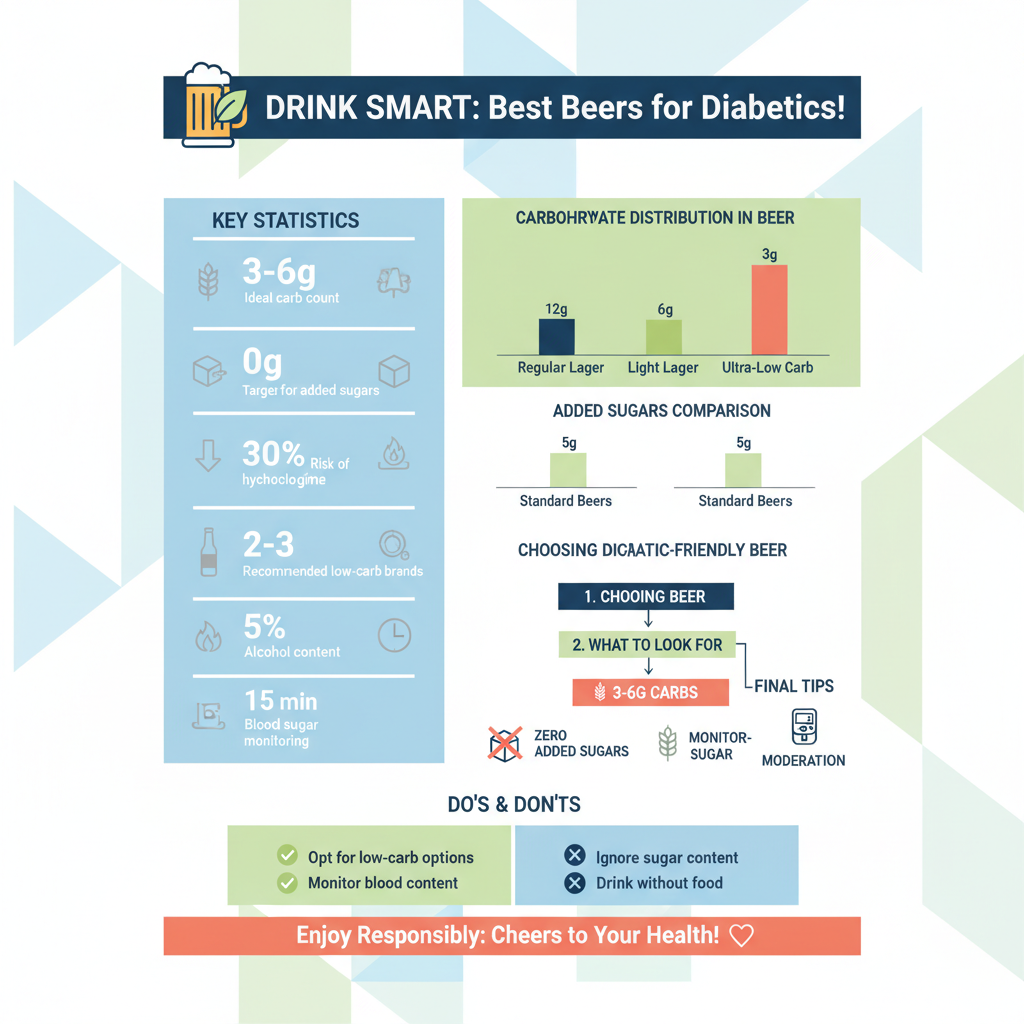

When you’re trying to make an informed choice, the beer label is your best friend. Learning to decipher it can make all the difference in managing your blood sugar.
* Carbohydrate Count: This is undoubtedly the most critical factor for diabetics. Carbohydrates directly convert to sugar in your body, impacting your blood glucose levels. Your goal should be to find beers with a very low carb count, ideally aiming for options with 3-6 grams of carbohydrates per 12-ounce serving or less. Some super-light options go even lower! Many breweries are now explicitly marketing “low-carb” or “keto-friendly” beers, making this information easier to spot. Always check the nutrition facts, just like you would with any food product.
* Sugar Content: While carbohydrate count gives you the total picture, specifically looking for minimal or no added sugars is also very important. Some beers, particularly flavored ones or those with higher alcohol content, might contain residual sugars or added sweeteners that can contribute to unwanted blood sugar spikes. A beer that boasts “zero sugar” or “no added sugar” is generally a safer bet, assuming its carb count is also low.
* Alcohol by Volume (ABV): The alcohol content also plays a significant role. Lower ABV beers, typically ranging from 3% to 5%, are generally preferable. Higher alcohol content can not only intensify the initial blood sugar-lowering effect (as your liver works harder to process it) but also carry more calories and potentially more carbs. It can also impair your judgment and make it harder to recognize the symptoms of hypoglycemia. Opting for a sessionable beer with a modest ABV can help mitigate some of these risks and allow you to enjoy the flavor without overdoing it on the alcohol or carbohydrate front.
Top Beer Styles for Diabetics
Navigating the vast world of beer can seem daunting, but thankfully, certain styles naturally lend themselves to being more diabetic-friendly due to their typical brewing processes and ingredient profiles.
* Light Lagers/Pilsners: These crisp, clean, and refreshing beers are often a go-to choice for those watching their carb intake. Brewed for easy drinkability, light lagers and pilsners are typically designed to be less caloric and carbohydrate-heavy than their fuller-bodied cousins. They achieve this through specific brewing techniques, such as using fewer fermentable sugars or extending fermentation times to convert more sugars into alcohol, which then might be watered down slightly to achieve a lower ABV. Their straightforward flavor profile means fewer complex ingredients that could contribute to higher carb counts. Think of them as the classic “light beer” category, and for good reason – they deliver on their promise of lower carbs and calories.
* Low-Carb Craft Beers: The craft beer revolution isn’t just about bold flavors; it’s also about innovation. Recognizing the growing demand for healthier options, many craft breweries are now specifically formulating “keto-friendly” or “low-carb” versions of popular styles, including IPAs, stouts, and pale ales. These beers are engineered with special yeasts or brewing processes that ferment out almost all the sugars, leaving behind a beer that’s rich in flavor but significantly lower in carbohydrates. It’s a fantastic development, offering diabetics a wider, more exciting range of choices beyond the traditional light lagers, so you don’t have to sacrifice taste for health. Always check the label, as “craft” doesn’t automatically mean low-carb unless specified.
* Session Beers: The term “session beer” refers to any beer that is lower in alcohol by volume (typically below 5% ABV) and designed for easy, prolonged enjoyment without overwhelming the palate or senses. Because they are brewed to be less potent, session beers often naturally contain fewer calories and, critically for diabetics, lower carbohydrate counts. Whether it’s a Session IPA, a Session Stout, or a Session Lager, the emphasis is on balance, flavor, and drinkability over high alcohol content. This makes them a much better choice than their full-strength counterparts, allowing for a more controlled intake of both alcohol and carbs.
Popular Low-Carb Beer Examples
When you’re standing in the beer aisle, having a few specific names in mind can make your decision much easier. These popular brands have made a name for themselves by offering significantly lower carbohydrate counts, making them a safer bet for diabetics when consumed responsibly.
* Michelob Ultra: This is arguably one of the most widely recognized and heavily marketed low-carb beers, and for good reason. Michelob Ultra boasts an impressive 2.6 grams of carbohydrates and only 95 calories per 12-ounce serving. Its crisp, light, and refreshing profile makes it a highly drinkable option that doesn’t compromise too much on the traditional beer experience while keeping blood sugar impact minimal. It’s a go-to choice for many who are monitoring their carb intake.
* Budweiser Select 55: For those seeking the absolute lowest in calories and carbs, Budweiser Select 55 is an excellent contender. Living up to its “55” name, it contains only 55 calories and an incredibly low 1.9 grams of carbohydrates per 12-ounce serving. This makes it one of the lightest beers on the market. While its flavor might be exceptionally mild due to its very light nature, it serves its purpose perfectly as an extremely low-impact alcoholic beverage for diabetics.
* Miller Lite/Coors Light: These two classic light beers remain popular choices for a reason. They strike a good balance between flavor and reduced carb content, making them accessible and widely available. Miller Lite typically comes in at around 3.2 grams of carbohydrates and 96 calories per 12 ounces, while Coors Light is often around 5 grams of carbohydrates and 102 calories. While slightly higher in carbs than Ultra or Select 55, they are still significantly lower than full-bodied regular beers and represent a much better choice for managing blood sugar levels without feeling like you’re completely missing out on the typical beer experience. They offer a familiar taste with a more mindful nutritional profile.
Beyond the Beer: Safe Drinking Practices
Choosing the right beer is just one piece of the puzzle. How you drink is equally, if not more, important when managing diabetes. Adopting safe drinking practices can significantly reduce risks and help you maintain control.
* Always Drink with Food: This is a golden rule for diabetics consuming alcohol. Never consume alcohol on an empty stomach. Eating food before or while you drink slows down the absorption of alcohol into your bloodstream, which helps to mitigate the rapid drop in blood sugar that alcohol can cause. Opt for balanced meals that include protein, healthy fats, and complex carbohydrates to provide a steady release of glucose. This acts as a buffer, giving your liver more time to process both the alcohol and maintain blood glucose levels.
* Monitor Your Blood Sugar: Consistent monitoring is non-negotiable. Check your blood glucose levels before you start drinking, periodically while you are drinking, and especially before you go to bed. Alcohol can affect blood sugar for several hours after consumption, so a nighttime check is crucial to prevent nocturnal hypoglycemia. This frequent monitoring helps you understand how alcohol uniquely affects your body and allows you to make immediate adjustments if needed.
* Stay Hydrated: Alternate alcoholic drinks with water. Alcohol is a diuretic, meaning it makes you urinate more, leading to dehydration. Dehydration can exacerbate the effects of alcohol and potentially impact blood sugar control. By sipping water between beers, you not only stay hydrated but also slow down your alcohol consumption, giving your body more time to process it and helping you avoid excessive intake.
* Inform Others: It’s a wise safety measure to let friends, family, or anyone you’re socializing with know that you have diabetes, especially if you plan on drinking. In the event of an emergency, such as severe hypoglycemia, they will be aware of your condition and know how to assist you or what information to provide to emergency responders. Symptoms of hypoglycemia can sometimes be mistaken for drunkenness, so having someone informed can literally be life-saving.
Non-Alcoholic Beers and Other Alternatives
Sometimes, the best choice isn’t beer at all, or at least not the alcoholic kind! Thankfully, there are many excellent alternatives that can satisfy your craving without the same risks to your blood sugar.
* Non-Alcoholic (NA) Beers: The world of non-alcoholic beers has exploded in recent years, with quality and variety dramatically improving. Many NA options now offer sophisticated flavors that closely mimic their alcoholic counterparts, without the intoxicating effects of alcohol. This eliminates the risk of alcohol-induced hypoglycemia and impaired judgment. However, it’s absolutely critical to always check the carb content on NA beers. While they lack alcohol, some non-alcoholic beers can surprisingly contain just as many, or even more, carbohydrates than a light alcoholic beer, as the sugar isn’t fully fermented out. Look for NA beers specifically marketed as “low-carb” or check the nutritional label carefully to ensure they align with your dietary needs.
* Sugar-Free Mixers: If you prefer spirits, the mixer you choose is paramount. Opting for sugar-free sodas (like diet cola or sugar-free tonic water), club soda, or plain water can make a significant difference. Avoid sugary juices, regular sodas, and pre-made cocktail mixes, as these are loaded with carbohydrates and will cause a rapid blood sugar spike. A simple spirit like vodka, gin, or whiskey with a sugar-free mixer can be a low-carb option, but remember to still consider the alcohol’s impact on blood sugar.
* Wine Spritzers: For wine lovers, a wine spritzer is an excellent way to enjoy a glass while reducing both alcohol and carbohydrate intake. By diluting dry red or white wine with sparkling water or club soda, you effectively cut the amount of wine (and thus alcohol and carbs) per serving by half or more. Dry wines generally have lower carb counts than sweeter varieties, making them a better starting point. This alternative allows you to savor the flavor of wine in a lighter, more diabetic-friendly format, helping to extend your drink and slow down alcohol consumption.
Navigating beer choices with diabetes requires careful consideration of carbohydrates, alcohol content, and personal blood sugar management. While light, low-carb options like Michelob Ultra or Miller Lite can be enjoyed in moderation, always prioritize your health and practice responsible drinking habits. The most important step before making any dietary or lifestyle changes, especially concerning alcohol consumption with diabetes, is to have an open conversation with your doctor or a registered dietitian to ensure it aligns with your individual health plan. They can provide personalized advice based on your specific medication, blood sugar control, and overall health status, ensuring you make choices that keep you safe and healthy.
Frequently Asked Questions
Can individuals with diabetes safely drink beer, and what are the primary considerations?
Yes, many individuals with diabetes can safely drink beer in moderation, but it’s crucial to consult with a healthcare provider first to understand personal limitations and how alcohol might interact with medications. The primary considerations include closely monitoring blood sugar levels before, during, and after consumption, always consuming beer with food, and opting for lower-carb or lighter beer options to minimize glucose spikes. Prioritizing responsible drinking habits is essential for managing diabetes while enjoying social occasions.
What nutritional characteristics should diabetics prioritize when selecting a beer to manage blood sugar?
When selecting beer, diabetics should prioritize options that are low in carbohydrates, low in sugar, and have a moderate alcohol by volume (ABV). Beers with higher carbohydrate and sugar content can lead to significant blood sugar spikes, while high-ABV beers increase the risk of delayed hypoglycemia. Looking for labels that explicitly state “low-carb” or provide detailed nutritional information, including net carbs and calories, is key for making an informed and safer choice.
Which specific types or styles of beer are generally considered better choices for people with diabetes?
For individuals managing diabetes, light lagers, specific low-carb beers (often marketed as “light” or “ultra-light”), and some highly attenuated sour beers can be better choices due to their typically lower carbohydrate and sugar content. Non-alcoholic beers are also an excellent option as they eliminate the alcohol’s impact on blood sugar regulation while still offering a similar taste experience. Always verify the nutritional data for any specific brand to confirm its suitability for your diet.
How does alcohol, particularly from beer, affect blood sugar levels and overall diabetes management?
Alcohol in beer can initially cause a temporary rise in blood sugar dueaters due to its carbohydrate content, but it can also lead to delayed hypoglycemia hours after drinking, or even overnight. This is because the liver prioritizes metabolizing alcohol over producing glucose, which impairs its ability to raise blood sugar when needed. Diabetics must be vigilant about monitoring their glucose levels, especially after consumption, and should never drink alcohol on an empty stomach to mitigate these risks.
Are all “light” beers automatically the best option for diabetics, and what practical tips help manage beer consumption with diabetes?
Not all “light” beers are equally suitable for diabetics; while generally lower in calories and carbs than regular beers, their nutritional profiles can still vary significantly. It’s crucial to check the specific carbohydrate and sugar content listed on the label or manufacturer’s website, as some “light” options might still have higher carb counts. Practical tips for managing beer consumption with diabetes include sticking to one or two drinks, never drinking on an empty stomach, staying well-hydrated with water, and always discussing alcohol consumption with your doctor or a registered dietitian.
References
- Alcohol and Diabetes | ADA
- Vegetarian diet: Can it help me control my diabetes? – Mayo Clinic
- https://health.clevelandclinic.org/how-alcohol-affects-blood-sugar
- https://www.niddk.nih.gov/health-information/diabetes/overview/diet-eating-physical-activity/alcohol
- https://www.health.harvard.edu/diseases-and-conditions/diabetes/can-people-with-diabetes-drink-alcohol
- https://www.diabetes.org.uk/guide-to-diabetes/enjoy-food/eating-with-diabetes/alcohol-and-diabetes
- H1N1 influenza (Swine flu): MedlinePlus Medical Encyclopedia
- https://en.wikipedia.org/wiki/Alcohol_and_diabetes_mellitus
