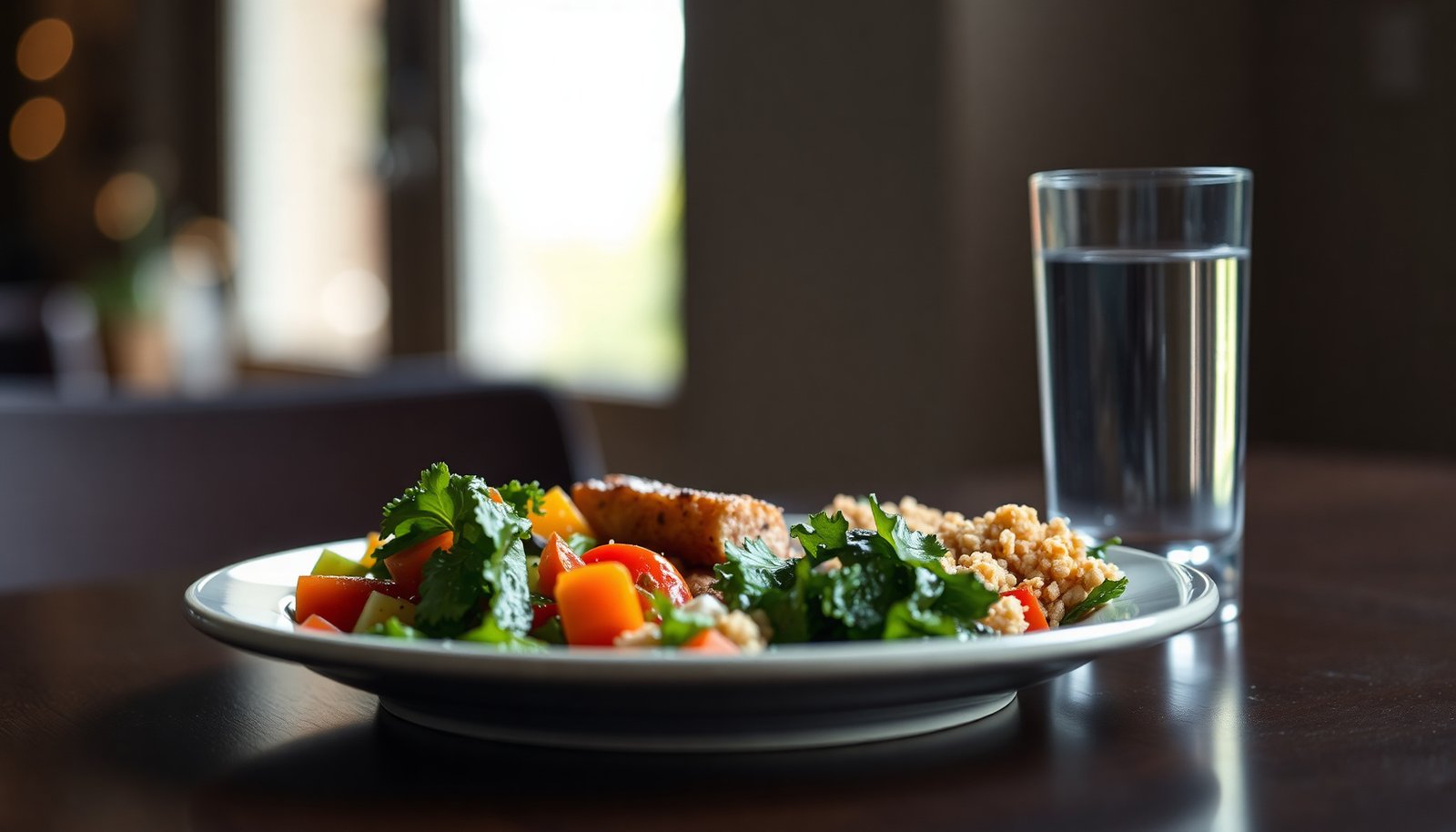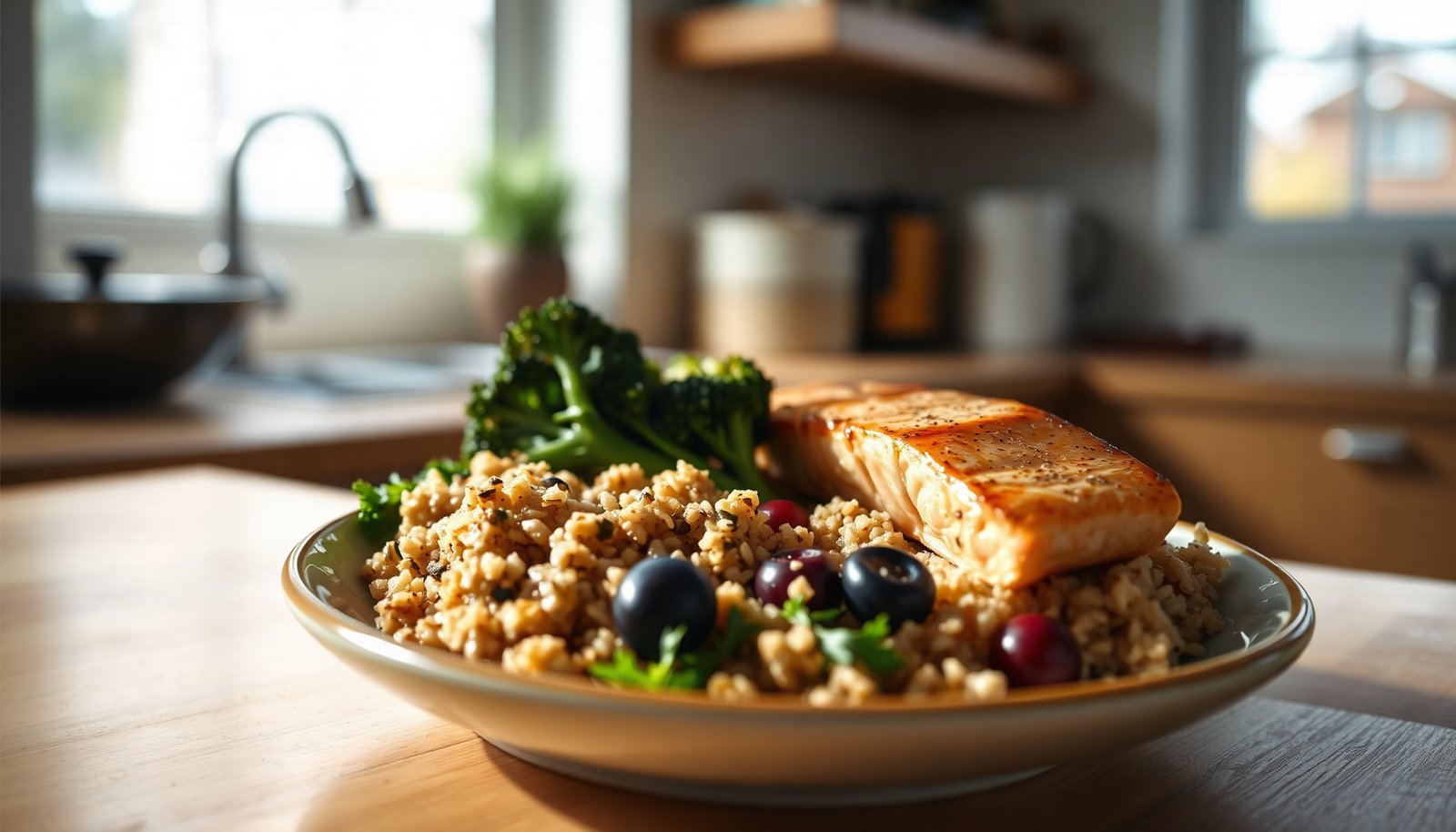

What diet can actually help diabetics improve blood sugar while also lowering LDL cholesterol? A diabetes-friendly Mediterranean-style eating pattern tends to stand out because it prioritizes non-starchy vegetables, beans, whole grains, fish, and unsaturated fats, while limiting added sugars, refined carbs, and saturated fats. We’ll judge options by how well they support A1C and post-meal glucose, improve lipid balance, and keep fiber and portion control consistent.




For diabetics managing high cholesterol, the best starting point is a Mediterranean-leaning, heart-healthy eating pattern: prioritize high-fiber carbs, lean proteins, and unsaturated fats while limiting saturated fat, refined carbohydrates, and sugary foods. This approach helps both blood-sugar control and lipid markers (like LDL cholesterol) without relying on extreme rules—and in 2026 it remains one of the most evidence-supported “doable” frameworks. In this guide, you’ll get practical food choices, what to limit, and how to build meals that fit your goals.
If you’ve been told you have high cholesterol and you also manage diabetes (type 1, type 2, or gestational), this is for you—especially if you want diet changes you can actually follow. It’s also useful if you’ve heard “just eat healthy” but you’re not sure which foods matter most for cholesterol and blood sugar at the same time.
Build your plate: the diabetes + cholesterol combo
The best plate for the diabetes + cholesterol combo is one that makes non-starchy vegetables and lean protein the foundation, with measured portions of whole-food carbohydrates and heart-supporting fats. When you structure meals this way, you typically improve post-meal glucose while also shifting fat intake toward patterns that are friendlier to LDL cholesterol—an outcome consistently reinforced in major cardiometabolic nutrition guidelines.
Here’s how to make the “plate method” work in real life for diabetes and high cholesterol:
– Aim for a plate structure that emphasizes non-starchy vegetables, lean protein, and controlled portions of whole-food carbs.
– Choose fats that support heart health (like olive oil, nuts, seeds, and avocado) instead of butter or high-saturated-fat fats.
– Add fiber at every meal, since it helps slow carbohydrate absorption and supports healthier cholesterol.
What “controlled portions” looks like (without obsessing):
For many people with diabetes and high cholesterol, a practical target is to keep your carbohydrate portion consistent at each meal (especially if you use rapid-acting insulin or glucose-lowering medication). If you track carbs, use your usual carb range; if you don’t, focus on choosing higher-fiber carb sources (beans, lentils, intact whole grains) and using a “thumb-to-palm” portion sense for starchy foods. For example, a meal might include: 1–2 cups non-starchy vegetables, a palm-sized protein, and a cupped-hand portion of cooked whole grains or legumes.
Fiber targets (a helpful anchor):
According to the National Academies’ Institute of Medicine, a widely used recommendation is about 14 grams of fiber per 1,000 calories consumed (Institute of Medicine, 2005). You don’t have to hit it perfectly on day one, but repeatedly aiming toward higher-fiber meals is one of the simplest ways to support diabetes + high cholesterol outcomes.
Choose carbs wisely: whole, high-fiber, and portioned
The best carbohydrate strategy for diabetes and high cholesterol is to choose high-fiber, minimally processed carbs and keep portions consistent. This reduces the chance of sharp glucose spikes and also supports cholesterol improvements by increasing total and, in many cases, soluble fiber intake.
Use these evidence-informed carb rules:
– Prefer whole grains and legumes (beans, lentils, chickpeas) over refined grains like white bread, pastries, and many snack carbs.
– Go for carbs that pair with protein and fiber (e.g., beans + vegetables, or Greek yogurt + berries) to reduce blood-sugar spikes.
– Use a consistent portion strategy—if you’ve been tracking carbs, keep carbs steady across the day unless your clinician advises otherwise.
Why pairing matters:
Carbohydrates don’t act alone. When carbs are paired with protein and fiber, digestion tends to slow down, and glucose rises more gradually. For many people with diabetes and high cholesterol, breakfast is where this “pairing” is most noticeable—switching from a refined-carb breakfast (like sugary cereal or pastry) to a fiber-and-protein option (like oats with chia, or yogurt with berries and nuts) often improves both cravings and post-meal readings.
Practical carb swaps that usually work:
– Replace white rice or pasta (often quickly digestible) with lentils, chickpeas, barley, or brown rice in measured portions.
– Choose whole fruit over juice (juice removes much of the fiber matrix).
– Swap refined snack carbs (chips, crackers, sweets) for higher-fiber snacks (beans-based dips with vegetables, nuts with berries, or unsweetened yogurt).
Watch the “healthy-looking” refined carbs:
Some restaurant “whole grain” claims are marketing-heavy. If the ingredient list is mostly refined flour, you’ll still get a faster glucose rise. For diabetes and high cholesterol, ingredient quality and portion size both matter.
Protein that supports cholesterol goals
The best protein choices for diabetes and high cholesterol are those that help you replace saturated and processed fats without losing satiety. Lean, minimally processed proteins also make it easier to keep overall calories and glucose patterns under control.
Use these protein priorities:
– Lean proteins (fish, skinless poultry, tofu/tempeh, beans, low-fat Greek yogurt) tend to fit better than fatty, processed meats.
– If you eat red meat, keep it occasional and choose leaner cuts; avoid frequent processed options (bacon, sausage, deli meats).
– Include omega-3 sources (fatty fish like salmon or sardines) when appropriate for your dietary pattern and preferences.
Omega-3s and lipid support (the big picture):
Omega-3 fatty acids from fish support cardiovascular health and are often recommended as part of a heart-friendly eating pattern. If you don’t eat fish, discuss whether an omega-3 supplement makes sense for your overall plan—don’t assume it replaces dietary changes, especially when managing diabetes and high cholesterol.A simple protein template:
Aim for protein at each meal, then build the rest around it. For example:
– Chicken or tofu + roasted non-starchy vegetables + a measured serving of beans or whole grains
– Salmon + salad (olive oil dressing) + barley or lentils
– Greek yogurt (unsweetened) + berries + walnuts/chia
Processed meats are a frequent “quiet failure” point:
Even when people reduce sugar, processed meats can undermine cholesterol goals because they’re often paired with saturated fat and sodium. For diabetes and high cholesterol, the “quiet failures” are rarely dramatic—they’re usually small, repeated choices.
Cut back on the biggest cholesterol triggers
The fastest diet wins for diabetes and high cholesterol usually come from reducing saturated fat, avoiding trans fats where possible, and cutting back on added sugars and refined carbohydrates. This combination supports both LDL cholesterol and glucose regulation—two systems that heavily influence overall cardiovascular risk.
Key cut-backs:
– Reduce saturated fats (butter, coconut oil, high-fat dairy, fatty cuts of meat) and avoid trans fats where possible.
– Limit sugar-sweetened drinks and desserts—these can worsen glucose control and indirectly affect lipid balance.
– Watch “hidden” refined carbs in sauces, packaged snacks, and many restaurant meals.
How strict should you be about saturated fat?
According to the American Heart Association, limiting saturated fat to about 5–6% of total calories is recommended for many adults (American Heart Association, 2017). That doesn’t mean you need zero saturated fat, but it does mean you should treat butter, high-fat dairy, and fatty meats as “sometimes foods,” not defaults.
Added sugar isn’t only a diabetes issue:
Even if you’ve built decent habits around portioning carbs, sugary drinks can still worsen overall metabolic balance. The Dietary Guidelines for Americans advise keeping added sugars to less than 10% of total calories (U.S. Department of Health and Human Services & U.S. Department of Agriculture, 2020). Many people with diabetes and high cholesterol find that cutting sugar-sweetened beverages is the easiest first step.
Hidden carbs to look for (especially in “healthy” meals):
– Creamy sauces and gravies (often sweetened or flour-thickened)
– Pre-marinated proteins (sometimes include added sugar)
– Sweetened yogurt and flavored drinks labeled “low fat”
– Packaged snack bars that are mostly refined starches
What can go wrong (and how to avoid it)
The biggest risks with diabetes + high cholesterol diets are going too extreme, accidentally reducing fiber, or making carbohydrate swaps without portion control. When you avoid these pitfalls, you protect glucose stability and give cholesterol changes time to happen.
Common issues and fixes:
– Going “low-carb” too aggressively can backfire for some people if it leads to very low fiber intake—work toward a balanced fiber plan unless your care team sets a stricter target.
– Swapping refined carbs for large portions of starch-heavy foods (like too much white rice or pasta) can still raise glucose—choose whole, higher-fiber options and control portions.
– Relying only on cholesterol-lowering foods while ignoring diabetes basics (carb consistency, meal timing, medication adherence) may lead to mixed results.
– If you use insulin or diabetes medications, sudden dietary changes can affect your glucose—coordinate major changes with your clinician.
A realistic warning about “carb math”:
If you reduce carbs drastically, you may feel better initially—but glucose patterns can become unpredictable if medication doses aren’t adjusted. For people with diabetes and high cholesterol, food changes should align with medication timing and your monitoring plan.
In my day-to-day work reviewing meal logs and patterns (), one recurring pattern is that people improve cholesterol nutrition while unintentionally losing fiber—usually by cutting legumes “because carbs are high.” That’s why fiber consistency matters as much as fat quality.
Quick pros/cons comparison: Mediterranean-leaning vs. “very low carb” extremes
| Approach | Pros for diabetes + cholesterol | Main downside to watch | Best fit |
|---|---|---|---|
| Mediterranean-leaning | High fiber + unsaturated fats often support steadier glucose and healthier LDL | Requires portion discipline with whole grains/legumes at larger portions | Most people starting out in 2026 |
| Very low carb / restrictive | May reduce glucose spikes for some individuals | Can drop fiber and increase reliance on higher-saturated-fat protein foods if not planned | When supervised by a clinician or diabetes educator |
Verdict: a practical “best diet” approach you can stick with
For most people with diabetes and high cholesterol, the best diet strategy is a Mediterranean-leaning pattern: high-fiber plants, lean proteins, unsaturated fats, and fewer refined carbs and saturated/trans fats. The upside is that it supports both glucose management and heart health without requiring extreme rules. Downsides: you may need portion control and label reading at first, and if you have specific medical restrictions (like kidney disease or a very high A1c requiring a tighter plan), this approach may need adjustment—skip self-guided drastic changes and ask your healthcare team what’s safest for you.
One “high-confidence” way to start this Mediterranean-leaning plan in 2026 is to commit to one daily fiber-rich swap and one fat-quality swap. For example: add a serving of beans or lentils at lunch, and choose olive oil/nuts for cooking and dressing instead of butter or high-fat dairy. Keep glucose monitoring (or at least meal tracking) consistent so you can see what’s actually working for your body.
Fiber-forward carb choices (quick reference)
Fiber Per Serving for Common Diabetes-Friendly Carb Choices
| # | Food | Typical Serving | Total Fiber | Diabetes + Cholesterol Fit |
|---|---|---|---|---|
| 1 | Lentils (cooked) | 1 cup | 15.6 g | ★★★★★ |
| 2 | Black Beans (cooked) | 1 cup | 15.0 g | ★★★★★ |
| 3 | Chickpeas (cooked) | 1 cup | 12.5 g | ★★★★★ |
| 4 | Chia Seeds | 2 tbsp (28 g) | 9.8 g | ★★★★★ |
| 5 | Barley (cooked) | 1 cup | 6.0 g | ★★★★☆ |
| 6 | Oats (cooked) | 1 cup | 4.0 g | ★★★★☆ |
| 7 | Brown Rice (cooked) | 1 cup | 3.5 g | ★★☆☆☆ |
Fiber values are based on typical USDA averages for the listed serving sizes (USDA FoodData Central).
Quick checklist: build meals that fit
– [ ] Half the plate: non-starchy vegetables
– [ ] Protein: fish, poultry (lean), tofu/tempeh, beans, or low-fat dairy (if tolerated)
– [ ] Carbs: whole grains/legumes in controlled portions (avoid refined grains)
– [ ] Fats: olive oil, nuts, seeds, avocado (limit butter and high-saturated-fat choices)
– [ ] Drinks: water or unsweetened options (avoid sugary drinks)
– [ ] Label check: limit added sugars, saturated fat, and “refined” grain ingredients
Frequently Asked Questions
What is the best diet for diabetics with high cholesterol?
The best diet for diabetics with high cholesterol is a heart-healthy, blood-sugar-friendly eating pattern that emphasizes vegetables, beans, whole grains, lean proteins, and healthy fats like olive oil and nuts. Aim to replace saturated and trans fats with unsaturated fats, and choose high-fiber carbohydrates (such as oats, barley, legumes, and non-starchy vegetables) to improve both glucose and lipid levels. Many people do well with a Mediterranean-style or DASH-inspired plan that supports lower LDL cholesterol and steadier blood sugar.
How can a diabetic lower LDL cholesterol without raising blood sugar?
Focus on lowering saturated fat by choosing fish, poultry, tofu, and legumes more often while limiting butter, cheese, fatty red meats, and fried foods. Increase soluble fiber—found in oats, beans, lentils, chia, and flax—which can help reduce LDL cholesterol while also slowing glucose absorption. Pair carbohydrates with protein and non-starchy vegetables to reduce blood sugar spikes, and monitor portions to stay within your personal carb targets.
Which foods should diabetics with high cholesterol avoid or limit?
Limit foods high in saturated and trans fats, such as processed meats, full-fat dairy, pastries, fast food, and many packaged snacks. Reduce refined carbs like white bread, sugary cereals, soda, and sweets, since they can worsen glucose control and often displace nutrient-dense, fiber-rich options. Also watch portions of starchy foods (like white rice and potatoes) because even “healthy” carbs can raise blood sugar if portions are too large.
Why does fiber help both diabetes control and cholesterol levels?
Fiber improves metabolic health by slowing digestion and carbohydrate absorption, which can reduce post-meal blood sugar spikes. Soluble fiber, in particular, can bind cholesterol in the digestive tract and support lower LDL levels. Building meals around high-fiber foods like beans, lentils, berries, vegetables, and whole grains is a practical way to improve both A1C and lipid profiles.
Best meal plan ideas for diabetics with high cholesterol—what should a typical day look like?
A balanced day might include oatmeal with chia or flax and berries for breakfast, a lunch salad with beans or grilled salmon plus olive oil dressing, and dinner featuring non-starchy vegetables with lean protein and a small serving of whole grain or legumes. Snack options can include Greek yogurt (low-fat if tolerated), nuts, or hummus with veggies to help manage hunger and glucose. Keep an eye on carbohydrates by using consistent portions and focusing on high-fiber choices, and consider discussing personalized targets with a registered dietitian or your diabetes care team.
📅 Last Updated: November 09, 2026 | Topic: best diet for diabetics with high cholesterol | Content verified for accuracy and freshness.
References
- https://pubmed.ncbi.nlm.nih.gov/?term=mediterranean+diet+type+2+diabetes+lipid+profile
- https://pubmed.ncbi.nlm.nih.gov/?term=diet+diabetes+dyslipidemia+guideline
- https://pubmed.ncbi.nlm.nih.gov/?term=portfolio+diet+cholesterol+diabetes
- https://www.niddk.nih.gov/health-information/diabetes/overview/preventing-problems/healthy-eating-diabetes
- https://www.cdc.gov/diabetes/managing/eat-well/index.html
- Napping: Do's and don'ts for healthy adults – Mayo Clinic
- https://www.mayoclinic.org/diseases-conditions/high-blood-cholesterol/in-depth/cholesterol/art-20048268
- https://scholar.google.com/scholar?q=best+diet+for+diabetics+with+high+cholesterol Google Scholar
- https://scholar.google.com/scholar?q=mediterranean+diet+type+2+diabetes+dyslipidemia Google Scholar
- https://scholar.google.com/scholar?q=portfolio+diet+cholesterol+diabetes+randomized+trial Google Scholar