

When choosing milk as a diabetic, the best options generally prioritize unsweetened varieties with low carbohydrate content to minimize blood sugar spikes. Unsweetened plant-based milks like almond and soy often emerge as leading contenders, alongside skim or low-fat dairy milk in moderation. This guide will walk you through making informed decisions about which milk is right for you, focusing on nutritional value and blood sugar management. Making smart choices here can significantly impact your daily glucose levels and overall well-being, proving that you don’t have to give up your favorite creamy drinks entirely – just learn to pick wisely!




The Basics: How Milk Impacts Blood Sugar

Understanding how milk affects your body is the first step toward making informed choices. Most people think of milk as just a source of calcium, but for diabetics, its carbohydrate content is a major player. Milk contains a natural sugar called lactose, which is a type of carbohydrate. When you consume milk, your body breaks down this lactose into simpler sugars, which then enter your bloodstream and can raise your blood glucose levels. The amount of lactose varies between different types of milk, directly influencing their impact on blood sugar.
Beyond carbohydrates, fat content also needs to be on your radar, particularly the saturated fat found in full-fat dairy products. While fat itself doesn’t directly raise blood sugar, a diet high in saturated fat can contribute to other health concerns often associated with diabetes, such as cardiovascular disease and insulin resistance. So, it’s not just about the carbs; it’s about the bigger picture of your overall health and how each component of your diet contributes to it.
The absolute key, however, and something you’ll hear us emphasize repeatedly, is to opt for unsweetened versions of any milk. Many commercially available milks, both dairy and plant-based, come packed with added sugars to enhance flavor. These added sugars are refined carbohydrates that are rapidly absorbed, leading to a quick and often significant spike in blood sugar. Avoiding these sugary additions is perhaps the most critical rule for managing diabetes effectively when it comes to your milk choices.
Dairy Milk Options for Diabetics
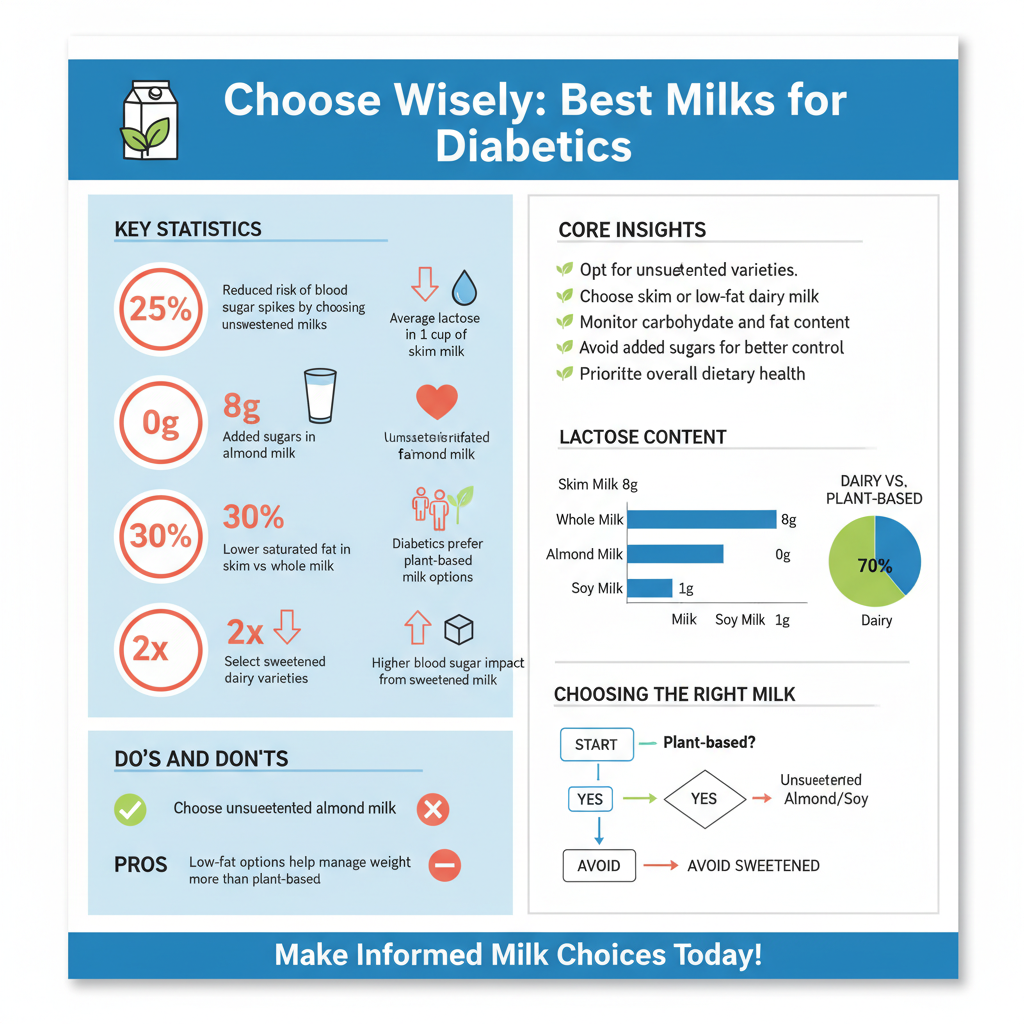

For those who prefer traditional dairy milk, there are definitely better choices than others when you’re managing diabetes. It’s all about understanding the nutritional profile and making conscious decisions.
* Skim or Low-Fat Milk: These options are generally recommended over whole milk for diabetics because they have significantly reduced saturated fat content. As we touched on, managing saturated fat intake is crucial for cardiovascular health, a particular concern for individuals with diabetes. While skim and low-fat milk are better in terms of fat, they still contain natural lactose carbohydrates. A cup of skim milk, for example, typically contains around 12-13 grams of carbohydrates. This means it will still impact your blood sugar, but the lower fat content is a definite plus for heart health. When choosing, always check the label to ensure no sugars have been added, as some flavored low-fat milks can be deceivingly sweet.
* Lactose-Free Milk: If you’re lactose intolerant, lactose-free milk can be a fantastic alternative. Here’s how it works: the lactose sugar in the milk is broken down into simpler sugars (glucose and galactose) *before* you drink it, making it easier for your body to digest. However, it’s important to understand that while the lactose is broken down, the *carbohydrate content remains similar* to regular dairy milk. In fact, because the sugars are already broken down, some people may find it tastes slightly sweeter than regular milk, and it can potentially cause an even quicker blood sugar rise in some individuals due to the pre-digested sugars. So, while it solves the lactose intolerance issue, it doesn’t necessarily offer a blood sugar advantage over regular skim milk.
* Portion Control: Regardless of whether you choose skim, low-fat, or lactose-free dairy milk, moderation is absolutely essential due to their carbohydrate load. Even a “healthy” choice can throw off your blood sugar if consumed in large quantities. A standard serving size is usually 8 ounces (one cup). If you’re adding milk to your coffee, cereal, or smoothie, be mindful of how much you’re pouring. Integrating dairy milk into your meal plan means accounting for its carbohydrate contribution, just like any other carb-containing food. Always pair it with fiber and protein where possible to help slow down sugar absorption.
Top Plant-Based Milk Choices
Plant-based milks have exploded in popularity, offering a fantastic range of options for everyone, including those managing diabetes. The key differentiator here, again, is to always choose the unsweetened versions.
* Unsweetened Almond Milk: This is often hailed as a top choice for diabetics, and for good reason! Unsweetened almond milk is remarkably low in carbohydrates and calories. A typical 8-ounce serving might contain just 1-2 grams of carbohydrates and around 30-40 calories. This minimal carbohydrate content means it has a very low impact on blood sugar levels, making it ideal for daily use in coffee, smoothies, or with low-carb cereals. Plus, it’s usually fortified with calcium and vitamin D, providing essential nutrients that might be lacking if you’re avoiding dairy. Its mild flavor also makes it incredibly versatile.
* Unsweetened Soy Milk: If you’re looking for a plant-based milk with a good protein punch, unsweetened soy milk is an excellent contender. It offers a similar amount of protein to cow’s milk (around 7-8 grams per serving), which can help you feel fuller and slow down the absorption of carbohydrates, contributing to better blood sugar control. Its carbohydrate content is moderate, typically around 3-4 grams per serving for unsweetened varieties. Soy milk is often fortified with calcium and vitamin D, and some studies suggest soy protein may even have heart-healthy benefits. Just ensure you’re picking an unsweetened plain variety, as flavored soy milks are often loaded with sugar.
* Unsweetened Cashew Milk: Another fantastic low-carb, low-calorie option is unsweetened cashew milk. Similar to almond milk, it typically contains very few carbohydrates (1-2 grams per serving) and calories, making it a friendly choice for blood sugar management. Many people also find that unsweetened cashew milk offers a wonderfully creamy texture, making it a great alternative for those who miss the richness of whole dairy milk without the added carbs or saturated fat. Like other plant milks, look for fortified versions to boost your nutrient intake.
* Unsweetened Oat Milk: While delicious and popular for its creaminess, unsweetened oat milk can be a bit more challenging for diabetics compared to almond, soy, or cashew milk. Oats are naturally higher in carbohydrates, and this translates to oat milk. An 8-ounce serving of unsweetened oat milk can contain anywhere from 12-16 grams of carbohydrates – comparable to or even higher than skim dairy milk. If you choose oat milk, it’s absolutely crucial to pick fortified, unsweetened versions and *check labels carefully* for carbohydrate content and added sugars. Due to its higher carb count, it’s generally best used in smaller portions or less frequently, and always accounted for in your carbohydrate budget for the day.
Milks to Limit or Avoid
Just as there are great choices, there are also milks that are best left on the shelf if you’re managing diabetes. These options can easily derail your blood sugar management efforts.
* Sweetened Milks: This is a big one. *All* flavored and sweetened dairy or plant-based milks are typically loaded with significant amounts of added sugars. Think chocolate milk, vanilla almond milk, strawberry soy milk, sweetened coffee creamers, or even “original” flavored plant milks (which often contain added sugar despite not being explicitly called “sweetened”). These added sugars lead to rapid and often dramatic blood glucose spikes, making them unsuitable for regular consumption by diabetics. Always, always check the “Added Sugars” line on the nutrition label. Your goal is 0 grams of added sugars.
* Full-Fat Dairy Milk: While natural and unprocessed, full-fat dairy milk (whole milk) contains a high amount of saturated fat. As previously mentioned, individuals with diabetes are already at an increased risk for cardiovascular disease. Consuming high levels of saturated fat can further contribute to this risk by raising LDL (“bad”) cholesterol levels and potentially impacting insulin sensitivity. While it won’t directly spike your blood sugar any more than skim milk (due to similar lactose content), its impact on heart health makes it a less favorable choice in the long run.
* Rice Milk: This is another plant-based milk that generally should be limited or avoided by diabetics. Rice milk is typically much higher in carbohydrates than other plant milks. An 8-ounce serving can contain around 20-25 grams of carbohydrates, which is considerably more than dairy milk, and almost double that of oat milk. Furthermore, rice milk often has a higher glycemic index, meaning its carbohydrates are digested and absorbed very quickly, leading to rapid blood sugar increases. Its nutritional profile, particularly its high carb load and low protein content, makes it one of the least suitable choices for blood sugar management.
Decoding Nutrition Labels
Becoming a pro at reading nutrition labels is one of the most powerful tools you have in managing diabetes, and it’s especially critical when choosing milk. Don’t just grab the carton; take a moment to turn it around and inspect the facts.
* Check Total Carbohydrates: This is your primary number to focus on. Look at the “Total Carbohydrate” content per serving. Your aim should be for the lowest possible number. For most plant-based milks, you’re looking for 1-2 grams per serving. For dairy milk, be aware of the 12-13 grams of natural lactose carbs. Understanding this number allows you to fit the milk into your daily carbohydrate budget. Some people also track “net carbs” (total carbs minus fiber), but for most milks, the fiber content is negligible, so total carbs is the most important metric.
* Look for Added Sugars: This is absolutely crucial! Below the “Total Carbohydrates” line, you’ll find “Added Sugars.” This number should be 0 grams. Many seemingly plain or unsweetened products can still have added sugars to improve taste or texture. Be vigilant! Manufacturers can be tricky with ingredient lists, sometimes using terms like “cane sugar,” “evaporated cane juice,” “agave nectar,” “honey,” or “maple syrup” which are all just different forms of added sugar. If you see any of these in the ingredients list, put it back on the shelf.
* Review Protein and Fat Content: While carbs and added sugars are your top priorities, protein and fat also play a role. Protein can be beneficial as it helps to slow down the absorption of carbohydrates, which can lead to a more gradual rise in blood sugar and increased satiety. Look for milks with a decent protein content, like unsweetened soy milk. When it comes to fat, keep an eye on saturated fat. As discussed, limiting saturated fat is important for cardiovascular health in individuals with diabetes. Opt for milks with lower saturated fat content, such as skim dairy milk or most plant-based alternatives.
Making the Best Personal Choice
Ultimately, the “best” milk isn’t a one-size-fits-all answer. What works wonderfully for one person might not be ideal for another. Making the best personal choice involves a combination of expert advice, self-monitoring, and considering your unique dietary needs.
* Consult Your Healthcare Provider: This is always your first and most important step when making significant dietary changes. Discuss your milk preferences and options with your doctor or, even better, a registered dietitian who specializes in diabetes management. They can provide personalized advice based on your current health status, blood sugar control, other medical conditions, and overall dietary plan. They can help you understand how different milks fit into your specific carbohydrate budget and nutrient requirements.
* Monitor Your Blood Sugar: One of the most effective ways to determine which milk works best for *you* is to monitor your blood sugar levels after consumption. Try a new unsweetened milk and check your blood glucose before and then 1-2 hours after drinking it (perhaps with a meal that you typically eat). Keep a log to track how different types and brands of milk affect your individual blood glucose levels. You might find that while unsweetened almond milk has a minimal impact, unsweetened oat milk, even in small amounts, might cause a noticeable rise. This personal feedback is invaluable.
* Consider Other Nutritional Needs: Milk isn’t just about blood sugar; it’s also a source of essential nutrients. Ensure your chosen milk provides adequate calcium and vitamin D, which are crucial for bone health. Many plant-based milks are fortified to match the nutrient profile of dairy milk, but it’s essential to check the labels. If you’re relying on milk as a significant source of protein, unsweetened soy milk might be a better choice than almond or cashew. Consider your overall diet and whether your milk choice helps fill any nutritional gaps.
Choosing the best milk for diabetes involves prioritizing unsweetened, low-carbohydrate options, with unsweetened almond and soy milks often being top recommendations, alongside skim or low-fat dairy. Always remember to carefully read nutrition labels, pay close attention to added sugars, and consult with your healthcare team to tailor your choices to your specific dietary needs and blood sugar management goals. Start experimenting with different unsweetened varieties today to find what works best for you. Your taste buds and your blood sugar will thank you for making these informed, healthy choices!
Frequently Asked Questions
What is the best type of milk for diabetics to manage blood sugar levels?
The best milk for diabetics typically contains low carbohydrates and sugars to help effectively manage blood sugar levels. Unsweetened plant-based milks like almond milk, soy milk, or flax milk are excellent choices due to their minimal impact on glucose. If opting for dairy, skim milk or low-fat milk can be consumed in moderation, but always prioritize unsweetened varieties to prevent blood sugar spikes.
How does regular cow’s milk affect blood sugar, and which dairy options are better for diabetics?
Regular cow’s milk contains lactose, a natural sugar that can impact blood glucose levels in diabetics. While whole milk has higher fat, both whole and skim milk contain similar amounts of lactose. For diabetics, skim or low-fat dairy milk is preferable over whole milk due to lower saturated fat, but portion control remains key. Always choose plain, unsweetened versions to avoid added sugars and monitor carbohydrate intake closely.
Why is unsweetened almond milk frequently recommended for individuals with diabetes?
Unsweetened almond milk is highly recommended for individuals with diabetes because it is naturally low in carbohydrates, sugar, and calories. This makes it an ideal option for managing blood sugar levels without causing significant spikes. Additionally, it’s a versatile, refreshing alternative that provides a good source of vitamins and minerals, often fortified with calcium and Vitamin D, supporting overall health for diabetics.
Which plant-based milks should diabetics be cautious of or avoid due to higher sugar content?
Diabetics should be cautious of, or avoid, sweetened varieties of any plant-based milk, as these can contain significant amounts of added sugars that rapidly raise blood glucose. Even some unsweetened plant milks, like rice milk and oat milk, can naturally have a higher carbohydrate and sugar content compared to unsweetened almond or soy milk. Always read nutrition labels carefully to check for total carbohydrates and added sugars when choosing milk alternatives.
Are there any fortified milk options that provide additional health benefits for people with diabetes?
Yes, fortified milk options can offer additional health benefits crucial for people with diabetes beyond just blood sugar management. Many unsweetened plant-based milks (like almond, soy, or flax milk) and even some dairy milks are fortified with essential nutrients such as Vitamin D and calcium, which are important for bone health. These nutrients can be particularly beneficial for diabetics, who may be at higher risk for bone density issues.
References
- https://diabetes.org/healthy-living/recipes-nutrition/eating-well/dairy
- https://www.health.harvard.edu/diseases-and-conditions/type-2-diabetes-and-the-best-drinks-to-choose
- https://health.clevelandclinic.org/best-and-worst-milks-for-diabetes/
- Healthy Living with Diabetes – NIDDK
- Diabetes diet: Create your healthy-eating plan – Mayo Clinic
- Milk and Diabetes – Calorie Content, Blood Glucose, Lactose and Casein