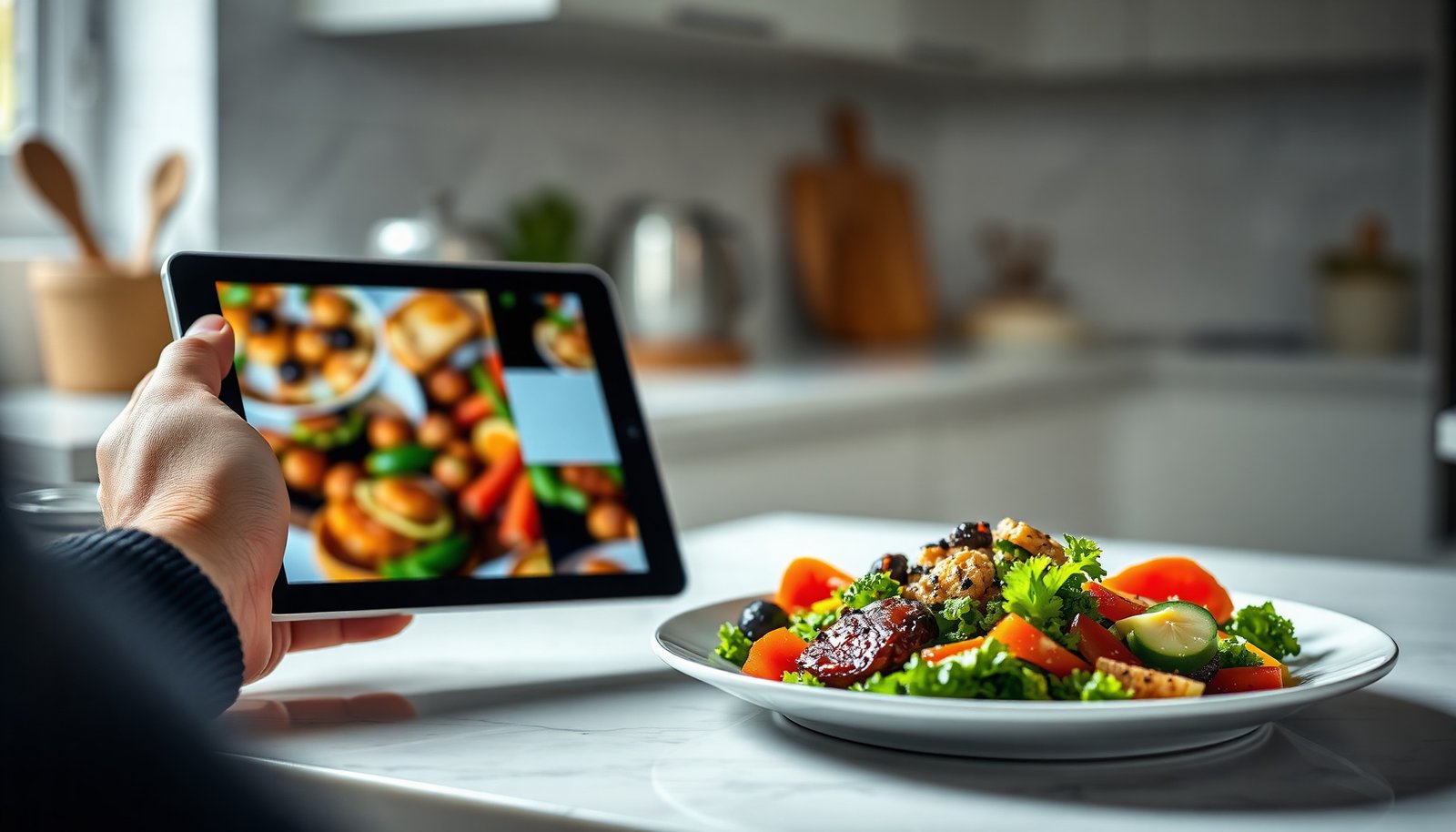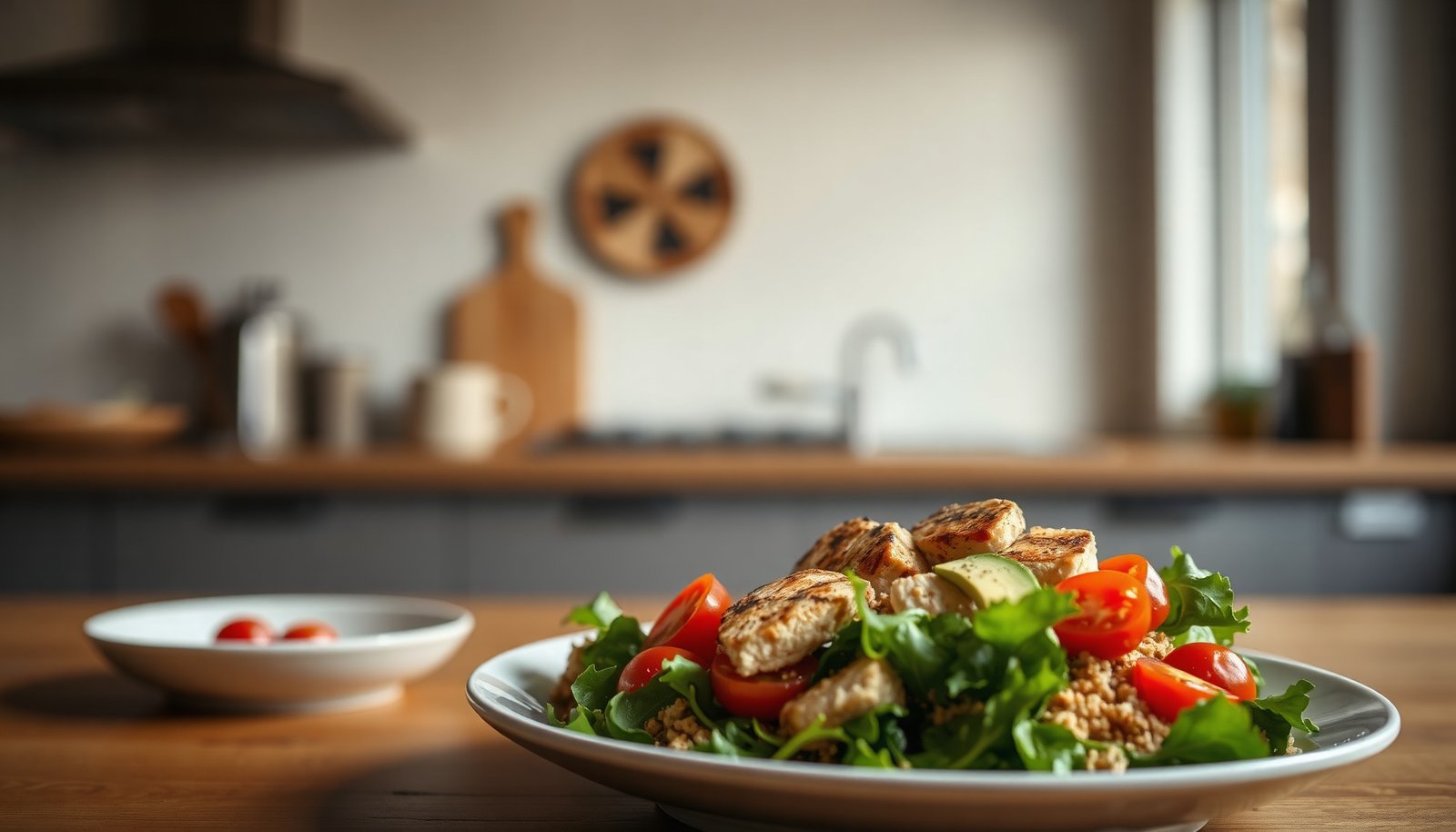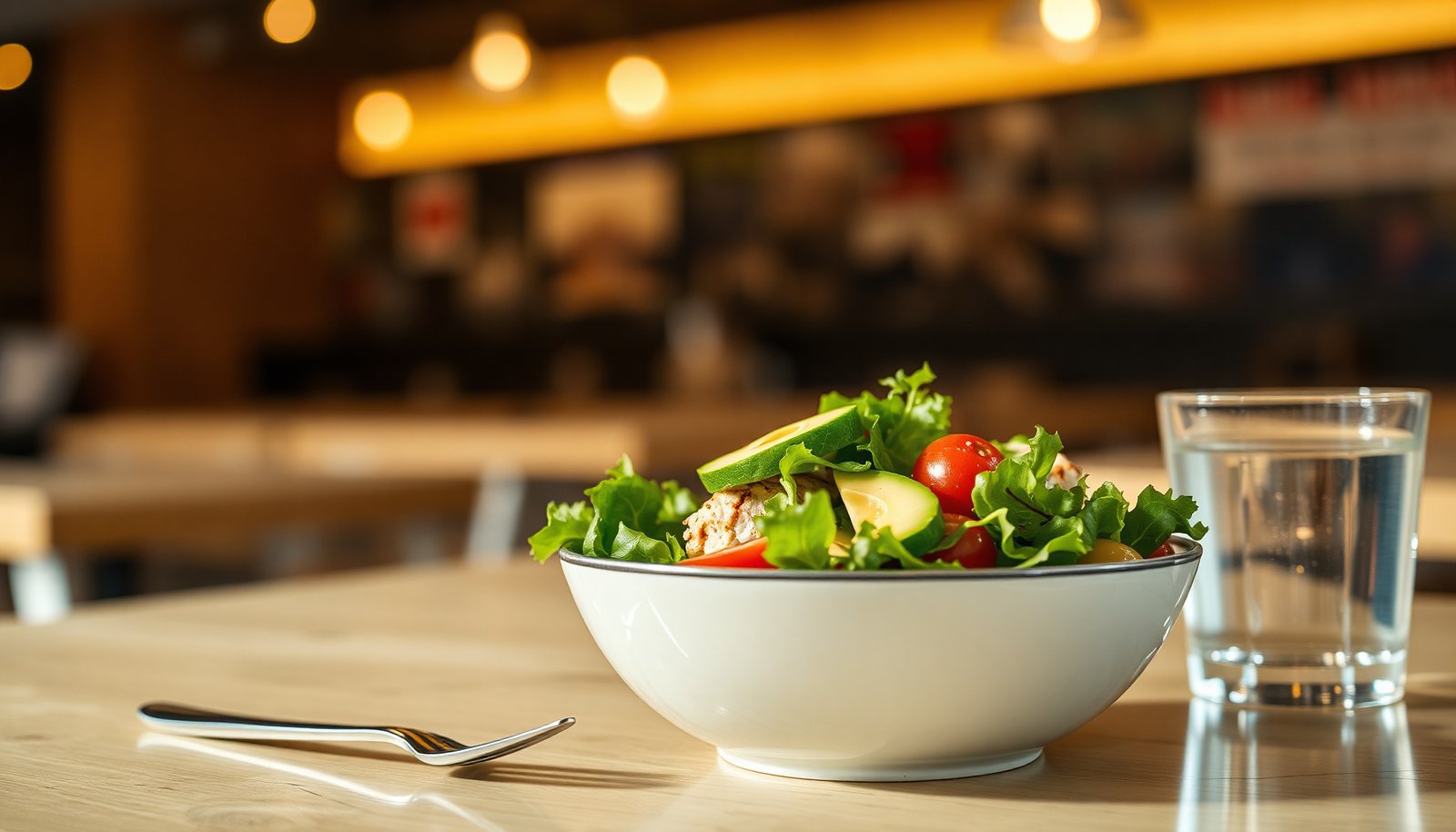

The best diabetic fast food options are the ones that keep carbs predictable, calories reasonable, and added sugars low without sacrificing portion control. This is for anyone who wants a trustworthy order recommendation at common drive-thrus, whether for everyday lunches or planned meals out. We judge picks by net carbs per serving, sauce and drink sugar load, protein-to-fiber balance, and menu flexibility so you can modify, with the standout option being the meal built around lean protein plus non-starchy sides and a minimal-sugar dressing.




The best diabetic fast food strategy is to order grilled protein + non-starchy sides + controlled carbohydrate portions, while keeping sauces and dressings on the side; this reduces the chance of a blood-sugar spike. Choose fast-food meals that keep carbs steady and avoid sugar-heavy add-ons. Look for grilled proteins, non-starchy sides, and sauces on the side—then confirm the carbohydrate (and sugar) info in the chain’s nutrition guide before you order. This article will help you pick safer menu options fast and customize your order to reduce blood-sugar spikes.
If you’re living with diabetes (type 1, type 2, or gestational), this is for you—especially if you need a practical “what should I order at fast food?” plan for busy nights, drive-thru stops, or travel.
Build your order: the “protein + fiber + controlled carbs” rule

A steadier glucose pattern usually comes from balancing protein, fiber/volume, and a measured amount of carbohydrate—not from eliminating carbs entirely. Build your order by using a repeatable structure: protein first, then fiber-rich volume, then a smaller carbohydrate “anchor” so you can predict how your body responds.
– Start with a protein (grilled chicken, fish, turkey, eggs, or a burger patty without the bun).
– Add fiber and volume with non-starchy vegetables (salads, extra veggies, lettuce wraps, broth-based soup when available).
– Keep carbs controlled by swapping buns/versions and choosing smaller portions of rice, fries, or sweet items.
Why this “protein + fiber + controlled carbs” balance works
Carbohydrate (carbs) is still the main driver of glucose after a meal, but it doesn’t act alone. Protein can slow gastric emptying (how quickly food leaves the stomach), and fiber from vegetables can blunt how quickly glucose enters the bloodstream. In practice, that means a meal with fewer “fast carbs” (like sugary sauces or large refined-starch portions) often produces a smoother curve—even if you still eat some carbohydrate.
What “controlled” should look like in real orders
“Controlled carbs” doesn’t mean you must find a perfectly carb-free item. It means you’re choosing:
– Smaller portions (e.g., a smaller side of fries rather than upgrading to a large)
– Less sugary versions (unsweetened sauces or sauces without honey/BBQ glaze)
– More predictable components (carbs that are clearly listed in the nutrition guide)
According to the Centers for Disease Control and Prevention (CDC), diabetes affects 38.4 million Americans (2019). When you eat out frequently, consistent carbohydrate handling becomes a practical part of daily management—not an occasional “extra credit” move.
Best diabetic fast food options to look for on menus
The safest fast-food choices are usually the ones that reduce hidden sugar and refine the carb source—so you can plan around it. The best options tend to be: grilled or roasted proteins, salads/vegetables you can customize, bunless burgers or lettuce wraps, and sides that you can portion.
– Grilled or roasted items: grilled chicken sandwiches (no sugary sauces), grilled chicken bowls, fish options, or plain grilled meat with veggies.
– Salads that you can control: salads with dressing on the side and extra protein; skip croutons and sweet toppings when possible.
– “Bunless” burgers / wraps: burger patties or lettuce wraps that reduce refined carbs; add avocado or extra veggies if the chain offers them.
– Soup and sides (when they fit your plan): clear soups/broth-based options can be easier to portion, but check carbs because some contain noodles, potatoes, or added sugar.
The menu logic: pick components, then confirm totals
Even when you choose a grilled entrée, the total carbohydrate and sugar can still change based on:
1) the sauce (BBQ glaze vs. a basic mayo-based sauce),
2) the base (regular bun vs. lettuce wrap), and
3) the default side size.
As of 2025–2026, many chains publish nutrition details directly in their apps and drive-thru ordering screens. Still, you should treat menu boards as “marketing,” not nutrition math—use the chain’s nutrition guide to verify your exact item and portion.
A quick “menu category” guide (why these options often behave better)
In my day-to-day planning for diabetes-friendly eating, I’ve found that the biggest wins come from choosing items where the carb source is clearly labeled (e.g., “lettuce wrap” vs. “bun”), and then controlling the sauce quantity.
Fast-Food Chains Known for Publishing Nutrition Details (U.S., 2024)
| # | Brand | U.S. Locations (Approx.) | Founded | Nutrition-Info Availability |
|---|---|---|---|---|
| 1 | McDonald’s | 13,500 | 1955 | ★★★★★ |
| 2 | Starbucks | 8,500 | 1971 | ★★★★☆ |
| 3 | Subway | 7,500 | 1965 | ★★★★☆ |
| 4 | Chick-fil-A | 2,200 | 1946 | ★★★★☆ |
| 5 | Wendy’s | 5,800 | 1969 | ★★★☆☆ |
| 6 | Burger King | 7,300 | 1954 | ★★★☆☆ |
| 7 | Taco Bell | 6,000 | 1962 | ★★★☆☆ |
> Note: Nutrition-info availability is a practical scoring lens (how consistently carbohydrate/sugar totals are accessible when you customize). Verify the exact item in the chain’s official nutrition guide for your location and date.
What to avoid (it’s usually the combo, not just one item
A lot of fast-food “diabetes trouble” comes from the pairing—the drink plus the sugary sauce plus a default carb side—rather than one single “bad” item. Avoid the common traps below to reduce hidden sugar and keep carbohydrate absorption more predictable.
– Sugary drinks and desserts: soda, sweet tea, shakes, smoothies, and most dessert items are common hidden sugar sources.
– Carb-heavy sides as the default: fries, large rice portions, garlic bread, and anything “stacked” with refined grains.
– Sauce traps: BBQ glaze, teriyaki, sweet chili, honey mustard, creamy sweet dressings—these can raise carbs and sugar even when the main protein sounds “okay.”
Pros/cons: the sauce decision that changes everything
Sauces are often the highest “surprise carbohydrate” lever. Using the same grilled protein, you can see big differences in total carbs based on whether you control sauce quantity.
| Order move | Pros for diabetes management | Cons / risks |
|---|---|---|
| Sauce/dressing on the side | Lets you measure intake and avoid accidentally eating a carb- and sugar-heavy amount | Some sauces still contain sugar; you may need a smaller portion than you think |
| Sauce mixed into the meal | Convenient and tastes integrated | You usually lose control; the entire sandwich/bowl can become more carbohydrate-dense |
The fastest way to order correctly (use these customization moves)
The fastest correct order is the one you can repeat at every drive-thru: sauce on the side, grilled protein, and a smaller carb serving. Use these moves to make your order diabetes-friendlier without slowing your night down.
– Sauce/dressing on the side: You control how much you use, which helps keep glucose more predictable.
– Ask for swaps: lettuce wrap instead of bun, extra veggies instead of fries, or a smaller starch serving if the menu allows it.
– Choose grilled over breaded: breaded and fried coatings add carbs and can create bigger post-meal spikes.
– Watch portion size: if the meal includes a default large side, consider skipping or splitting it.
– Use the nutrition calculator/apps: check total carbohydrate per item and choose the lowest-carb version that still fits what you’ll actually eat.
A medication-safe mindset
Even with excellent food choices, the “best order” depends on how your diabetes plan is set up (insulin timing, correction factors, or diet-medication balance). According to the American Diabetes Association (ADA), many nonpregnant adults target an A1C around 7% (guideline-based, generalized goal). ADA Standards of Care in Diabetes are individualized, so use this fast-food approach as a support—not a replacement—for your clinician’s plan.
Example ordering patterns (mix and match)
– Drive-thru safe-leaning pick: grilled protein + side salad (dressing on the side) + water/unsweetened drink
– Comfort-food compromise: “bunless” burger or lettuce wrap + smaller fries portion (or swap to veggies)
– Bowl approach: protein bowl with extra non-starchy veggies + sauce controlled on the side
What can go wrong (common mistakes and edge cases)
Even well-intentioned choices can still spike glucose if you miss a hidden carb source. Here are the most common edge cases that derail people even when they “follow the rules.”
– Assuming “healthy” means low carb: salads can still be high in carbs if they include sweet toppings, croutons, or sugary dressing.
– Relying on taste alone: teriyaki/BBQ sauces can be unexpectedly sweet—what tastes savory may still affect glucose.
– Forgetting drinks and add-ons: a sweet beverage can outweigh a good main choice.
– Not matching your meds/meal plan: even a “better” fast-food meal may not fit your insulin timing or diabetes management plan.
– Hidden carbs in “small” items: sauces, dressings, and some toppings can add more carbohydrate than you expect.
– Erratic eating patterns: if you frequently vary portion sizes or switch from high-carb to low-carb meals without planning, glucose can be harder to predict.
Added sugar limits matter—especially for beverages
Sugar doesn’t only show up in desserts. Beverages often deliver sugar quickly with little satiety. According to the American Heart Association (AHA), added sugars should be limited to no more than 36 grams/day for men and 25 grams/day for women (2019–2020 guideline messaging). American Heart Association recommendations are general, but they explain why a sweet tea or soda can erase the benefits of a “good” entrée.
Verdict / tip: pick smarter, but don’t chase perfection
If you want the best chance of keeping blood sugar steadier at fast food, focus on the combination: grilled protein + non-starchy vegetables + controlled carbs + sauce on the side. The downside is that you may not get a “perfectly carb-free” meal, and customization can take extra time at busy restaurants.
You should skip this approach (or get personalized guidance) if fast-food stops frequently derail your diabetes plan, if you’re having frequent high/low blood sugar episodes, or if you need tighter carbohydrate counting—then work with your clinician or diabetes educator for a more structured plan.
Quick scan checklist (save this for your next drive-thru)
| Decision | Choose this | Skip/limit this |
|---|---|---|
| Main | Grilled/roasted protein | Breaded/fried chicken, glazed meats |
| Base | Lettuce wrap / bunless options | Regular bun, large refined grain portions |
| Sides | Non-starchy veggies, salad (controlled) | Fries, large rice/potatoes |
| Sauce | On the side, measured | BBQ/teriyaki/honey-sweet sauces |
| Drinks | Water or unsweetened | Soda, sweet tea, shakes, smoothies |
| Final check | Look up carbs/sugar in nutrition info | Ordering without checking |
Frequently Asked Questions
What are the best fast food options for diabetics to keep carbs low?
Look for meals built around grilled proteins and non-starchy sides, such as grilled chicken sandwiches without sugary sauces, bunless burgers, or bowls with extra lettuce and vegetables. Choose sides like side salads or steamed vegetables instead of fries, and skip or minimize ketchup, BBQ sauce, and other high-sugar condiments. Checking nutrition facts for total carbs and aiming for a lower-carb option is one of the easiest ways to reduce blood sugar spikes.
Which fast food drinks are safest for diabetics?
The safest choices are water, unsweetened iced tea, sparkling water, or diet soda with no sugar. If you prefer juice or sweet tea, consider avoiding them because even small portions can raise glucose quickly. When ordering, confirm whether the drink is “sugar-free” or “diet” to avoid accidental added sugar that increases carbs and calories.
How can I order at fast food restaurants to avoid high blood sugar spikes?
Ask for modifications like “no bun,” “extra vegetables,” “sauce on the side,” and “no sugary glaze” to better control carbohydrates. Pair your meal with protein and fiber (like chicken, salads, and veggies) and choose smaller portions of starchy sides. If the menu lists carbs, compare total carbs and pick the lowest option available, since sauces and sides often contribute more carbs than the main item.
Why are grilled chicken and salads often better diabetic fast food choices than fried items?
Grilled options typically contain less added fat and can have fewer carbs than breaded and fried meals, especially when you skip sweet sauces. Salads can work well when they include plenty of non-starchy vegetables and you use dressing sparingly, since creamy or sweet dressings may add significant sugar and carbs. Choosing grilled or unbreaded items and keeping toppings controlled helps many people manage blood glucose more effectively.
Best fast food meals for diabetics when dining out—what should I choose at popular chains?
Common diabetic-friendly picks include a grilled chicken sandwich without the bun, a burger wrapped in lettuce with no sugary sauces, or a salad bowl with grilled protein and dressing on the side. At many chains, you can find nutrition details online—use them to compare total carbs and choose the meal with the lowest carb count and highest fiber. If you want something “filling,” prioritize lean protein plus vegetables and limit fries or swap for a side salad to support steadier blood sugar.
📅 Last Updated: November 09, 2026 | Topic: best diabetic fast food options | Content verified for accuracy and freshness.
References
- https://www.cdc.gov/diabetes/managing/eat-well/index.html
- https://www.niddk.nih.gov/health-information/diabetes/overview/eating-nutrition
- Diabetes diet: Create your healthy-eating plan – Mayo Clinic
- Diabetes
- https://www.britannica.com/topic/diabetes
- https://pubmed.ncbi.nlm.nih.gov/?term=fast+food+diabetes
- https://scholar.google.com/scholar?q=best+fast+food+choices+for+people+with+diabetes Google Scholar
- https://scholar.google.com/scholar?q=restaurant+ordering+diabetes+low+carbohydrate+options Google Scholar
- https://scholar.google.com/scholar?q=fast+food+consumption+type+2+diabetes+systematic+review Google Scholar