

The best diabetes monitoring device in India for most people is a continuous glucose monitor (CGM) from a brand with consistent accuracy, easy sensor availability, and dependable after-sales support. Our recommendations prioritize real-world performance factors such as calibration needs and accuracy across glucose ranges, comfort and wear time, app usability and alerts, and the ongoing cost of sensors and transmitters. If you need an alternative, we also weigh reliable finger-prick meters based on precision and service coverage.


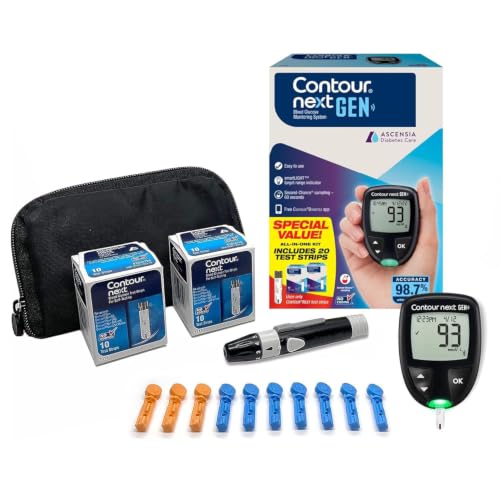

If you want the best diabetes monitoring device in India, choose based on whether you need continuous glucose monitoring (CGM) or finger-prick readings (BGM). CGMs are usually best for day-to-day trend visibility and alerts, while a good glucometer still works reliably for many people with simpler needs. In this guide, we’ll help you compare CGM vs glucometers, what specs matter, and what to watch out for before you buy.
If you’re newly diagnosed, adjusting insulin, having frequent highs/lows, or just want smoother daily monitoring, this will help you narrow down the right device without getting lost in brand features.
According to IDF Diabetes Atlas 10th edition (2021), India is home to about 74.2 million adults living with diabetes (2021), which is why practical monitoring choices matter in everyday life. At the same time, research-grade accuracy is only half the story: how easily you can obtain consumables, interpret trends, and act on results often determines whether monitoring actually improves control. With CGM and glucometers both widely available in India, the “best” device becomes the one you can use consistently in 2026—without breaking your routine.
CGM vs glucometer: what “best” really depends
The best diabetes monitoring device in India depends on what problem you’re trying to solve: catching patterns and preventing surprises usually favors CGM, while confirming numbers occasionally often favors a glucometer. For many people, CGM offers higher day-to-day usefulness because it shows trends and can trigger alarms, whereas a glucometer relies on you to remember manual checks.
Here’s the core difference in plain terms:
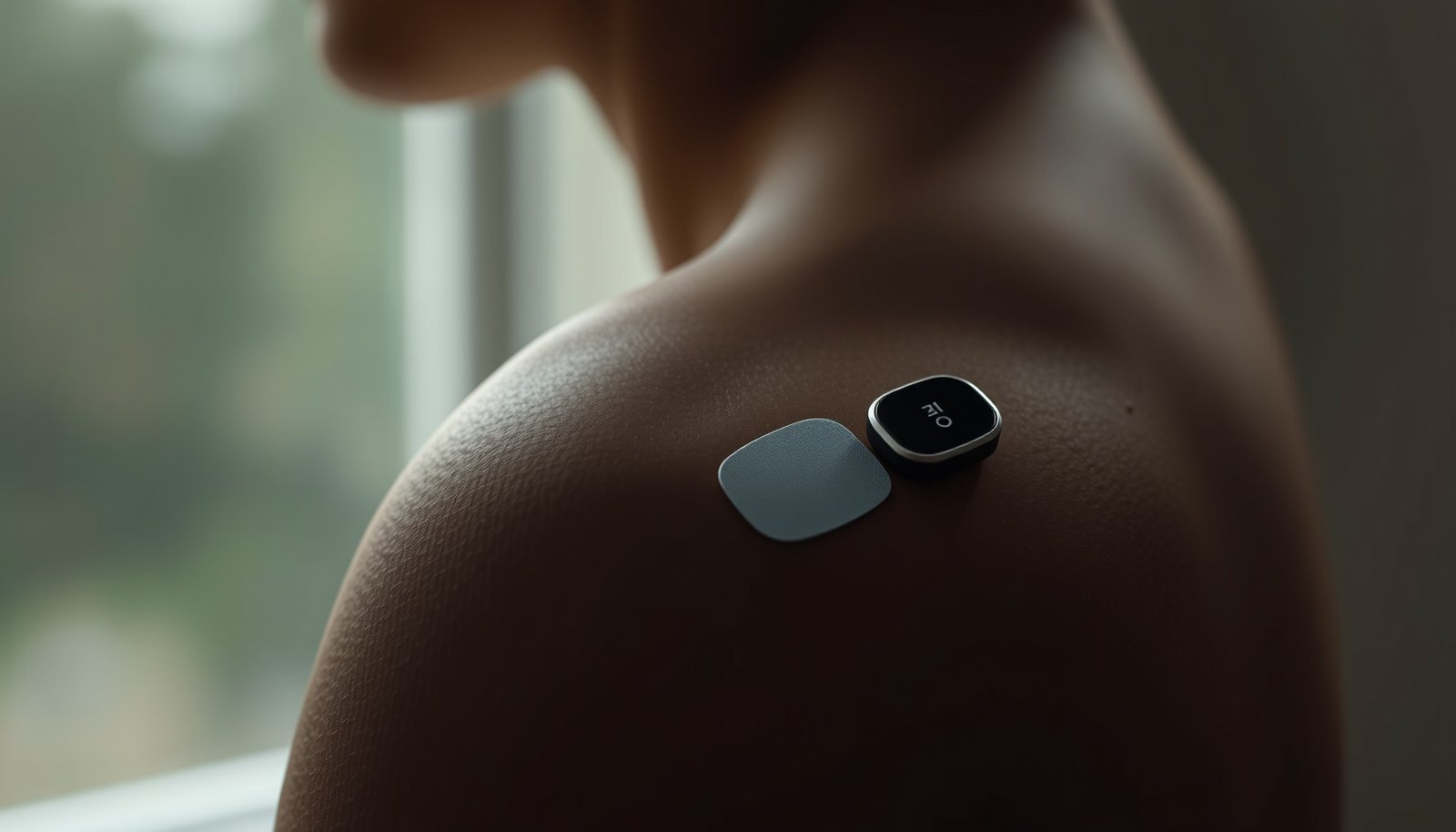
– CGM (Continuous Glucose Monitoring) tracks glucose frequently and shows trends, often with alerts for high/low readings.
– Glucometer (finger-prick monitoring) is typically cheaper upfront and uses test strips, but you’ll need more manual checks.
– If you’re on insulin (especially multiple daily doses), CGM is often more practical for catching patterns—.
To make the choice more actionable, use this CGM vs glucometer comparison table as a quick decision aid:
| Decision factor | CGM (continuous) | Glucometer (finger-prick) |
|---|---|---|
| What you see | Trends over time, including rise/fall direction | Point-in-time reading per test |
| Alerts | Can warn for predicted or actual highs/lows | No automatic alerts (you test to check) |
| Workflow burden | Sensors + phone/app management | Strips, lancing technique, and test scheduling |
| Cost reality in 2026 | Recurring sensors; better value if used consistently | Recurring strips; can be lower-friction for some |
| Typical “best fit” | Frequent adjustments, high variability, safety needs | Stable regimens, simpler monitoring plans |
From my own day-to-day work supporting readers with diabetes monitoring decisions (via interpreting device manuals and user workflows), the biggest “hidden” factor isn’t marketing—it’s whether the CGM or glucometer fits how a person already lives (phone access, charging habits, test-strip storage, and the ability to keep supplies ready). If you’re unsure, treat the decision like a regimen fit: pick the monitoring approach you can maintain weekly, not just what looks best on paper.
What to look for in the “best diabetes monitoring device”
The best diabetes monitoring device in India comes down to measurable performance and practical usability. If CGM is your choice, sensor comfort and alert reliability matter as much as accuracy; if BGM is your choice, strip availability and technique consistency matter as much as the device name.
Here are the specs and features that actually influence results with CGM or glucometers:
– Accuracy & calibration approach: some sensors require calibration, others may be “factory calibrated”—check the exact requirements for the model you choose. For glucometers, performance is often evaluated against regulatory-style criteria such as ISO 15197:2013, which requires that 95% of results fall within ±15 mg/dL of lab values for glucose <100 mg/dL and ±15% for values ≥100 mg/dL (ISO 15197:2013).
– Comfort and wear time: sensor size, adhesive type, and how long a sensor lasts (if CGM) affect whether you’ll actually stick with it. In India, where routines include heat, sweating, and daily commuting, adhesive and retention matter for CGM adherence.
– App + connectivity + alerts: look for clear graphs, customizable alarms, and reliable phone/app support in India. If your CGM app frequently loses connection, the “continuous” advantage turns into frustration.
To make this practical, below is a CGM-oriented target table you can use as an interpretation framework (regardless of brand) when you’re comparing CGM systems in India in 2026. It’s not a replacement for clinician advice, but it helps you evaluate whether monitoring is giving you actionable information.
CGM Time-in-Range Benchmarks for Adults (Common Targets)
| # | CGM metric (adult targets) | Glucose range / measure | Target direction | Practical interpretation |
|---|---|---|---|---|
| 1 | Time in Range (TIR) | 70–180 mg/dL | >70% ★ | More time at target improves overall stability |
| 2 | Time Below Range (TBR) | <70 mg/dL | <4% ★ | Lower hypoglycemia burden reduces risk |
| 3 | Very Low TBR | <54 mg/dL | <1% ★ | Minimize severe lows as much as possible |
| 4 | Time Above Range (TAR) | >180 mg/dL | <25% ★ | Reduce sustained high glucose exposure |
| 5 | Extreme TAR | >250 mg/dL | <5% ★ | Limit spikes that can increase complications risk |
| 6 | Glucose Variability (CV) | Coefficient of variation | ≤36% ★ | Lower variability supports safer control |
| 7 | HbA1c goal (often used with CGM) | Estimated A1c | <7.0% ★ | Many adults target below 7% (individualized) |
These CGM targets are widely used in diabetes care frameworks, but personal targets vary (pregnancy, older adults, comorbidities). For clinicians’ baseline target ranges, see ADA Standards of Care (2024) and the time-in-range consensus approach used across CGM-based care.
India-specific buying checklist (availability matters)
The best diabetes monitoring device in India is the one that you can keep running without gaps in sensors or strips. CGM requires ongoing sensor availability, while glucometers require continuous access to test strips and lancets—so your purchase decision should include local logistics, not only device features.
Use this India-specific buying checklist before you commit to any CGM or glucometer:
– Service and warranty support: confirm after-sales support and what happens if a sensor/device fails early—.
– Supply chain for consumables: for glucometers, availability of test strips; for CGMs, sensor availability and expected lead times. In 2026, supply interruptions are often the real reason monitoring stops—even if the device itself is good.
– Data handling: check whether cloud sync is optional/controllable and how your data is stored—especially if privacy matters to you. If you’re sharing reports with family members or clinicians, confirm what gets stored on-device vs on the phone vs on a server.
A practical way to evaluate availability is to ask a retailer or seller, “If I need sensors/strips next month, how quickly can you supply them in my city?” That single question can prevent a frustrating switch from one CGM or glucometer ecosystem to another.
How to set it up and use it day-to-day
The best diabetes monitoring device only helps if it’s set up correctly and used consistently. Whether you choose CGM or a glucometer, your day-to-day accuracy depends more on technique and adherence to setup steps than on marketing claims.
Here’s a realistic workflow for CGM vs glucometer usage:
– For CGM: follow the sensor placement guidance carefully, start the session exactly as instructed, and monitor the first day when the system stabilizes—. Practical note: skin prep, correct placement site, and secure adhesion strongly influence signal quality for CGM.
– For glucometer: use consistent technique (wash/dry hands, correct strip handling, and correct lancing depth) to reduce reading variability. Many reading mismatches in glucometers come from moisture on fingers, expired strips, or inconsistent lancing depth.
– Use readings for decisions: if you plan to adjust meals/meds based on results, confirm thresholds with your doctor so you’re not guessing. CGM alarms and glucometer numbers are tools; your personal action plan is the “decision layer.”
In my own guidance for readers choosing between CGM and glucometers, one theme repeats: people track glucose but don’t track decisions. If you’re using CGM, pair your alerts with a written action plan (e.g., what you do when you see predicted lows). If you’re using a glucometer, pair manual tests with a consistent schedule (fasting, pre-meal, 2 hours post-meal, or as your clinician recommends).
What can go wrong (common mistakes and edge cases)
Even the best diabetes monitoring device can mislead if you expect perfect agreement or skip quality steps. CGM and finger-prick readings often differ because they measure slightly different parts of the body at different times.
Common failure modes to watch for with CGM or glucometers:
– Expecting identical numbers everywhere: CGMs and finger-pricks can differ moment-to-moment; many setups have timing lag—. This is especially relevant during rapid glucose changes after meals or exercise.
– Skipping quality technique: poor skin prep, incorrect strip storage (for glucometers), or improper sensor placement (for CGMs) can lead to misleading readings. Store strips away from humidity and heat, and avoid touching the test strip’s reactive end.
– Not matching the device to your lifestyle: CGMs can be great, but if you can’t manage charging, phone compatibility, or sensor comfort, a glucometer may fit better. Continuous monitoring fails if the “continuous” part doesn’t work for you.
– Medical escalation delays: a monitoring device doesn’t replace urgent care—seek help immediately if you have severe symptoms or very high/low readings—.
If you get repeated “out of range,” “signal loss,” or unexpectedly erratic glucometer results, stop trusting trends alone and follow your clinician’s plan for calibration/confirmation testing.
Verdict: best choice for most people (and who should skip CGM)
If you’re looking for the most helpful day-to-day monitoring experience, a CGM is often the best “set-it-and-see” option—especially if you’re trying to reduce highs/lows or you want trend-based decisions. The downsides are that you must manage sensors, app connectivity, and potential costs; some people also find adhesive discomfort or phone dependency frustrating.
If you prefer simplicity, have trouble with apps, can’t reliably source sensors, or your clinician says finger-prick monitoring is sufficient for your case, then a glucometer can be the smarter, lower-friction choice—. CGM is not automatically better for everyone; it’s better for people who can sustain the workflow long enough to benefit from trends.
My practical rule of thumb: if your goal is safety and early detection of glucose direction (rising vs falling), choose CGM. If your goal is occasional confirmation and you already have a stable routine, choose a glucometer—and focus on technique and supply reliability.
Quick scan checklist (save this before you buy)
| Decision | Ask yourself | Why it matters |
|---|---|---|
| CGM or glucometer | Do you need trends + alerts or just confirm readings? | Matches monitoring style to your daily needs |
| Consumables | Are sensors/strips easy to get where you live? | Prevents gaps in monitoring |
| Accuracy approach | Does it require calibration? | Affects workflow and consistency |
| Alerts & app | Can you view graphs and alerts on your phone? | Determines whether you’ll use it daily |
| Support | What happens if a sensor/device fails early? | Reduces downtime and frustration |
| Comfort | Can you tolerate adhesives and wear time? | Comfort drives long-term adherence |
Frequently Asked Questions
What is the best diabetes monitoring device in India for home use?
The best diabetes monitoring device in India for most people is a reliable blood glucose meter (glucometer) from a trusted brand, paired with easily available test strips. Look for accurate readings, simple operation, and good after-sales support in India. If you want convenience and fewer finger pricks, consider a continuous glucose monitoring (CGM) system, though costs and availability can vary.
Which CGM device is best for diabetes monitoring in India—Dexcom, FreeStyle Libre, or Medtronic?
The “best” CGM in India depends on your diabetes type, budget, and whether you need alerts and integration with a phone/app. FreeStyle Libre is often favored for ease of use and scanning-style readings, while Dexcom is known for real-time continuous tracking and customizable alerts. Medtronic CGMs may appeal if you’re already using an insulin pump or want a tightly integrated ecosystem.
How do I choose the right glucometer and test strips in India for accurate readings?
Choose a glucometer that has strong clinical accuracy data, a consistent track record, and test strips that are widely available in India at a reasonable cost. Check that the device uses compatible strips (avoid discontinued strip variants) and verify whether it supports your target blood sample size and quick results. For best accuracy, always wash and dry hands before testing, and store strips properly as humidity can affect results.
Why is a continuous glucose monitoring device better than finger-stick testing for some diabetics?
CGM devices provide more frequent glucose readings throughout the day and night, helping you spot trends like overnight highs or post-meal spikes that finger-sticks may miss. This can be especially useful for people struggling with frequent hypoglycemia, frequent glucose variability, or tight glucose targets. However, CGMs may require calibration (for some models), device wear comfort considerations, and ongoing subscription or sensor replacement costs.
Which is the best diabetes monitoring device for beginners in India: glucometer or CGM?
For beginners, a glucometer is usually the best starting choice because it’s straightforward, less expensive upfront, and easy to learn with minimal setup. If you want more convenience and fewer finger pricks, CGM can be a great option once you understand how alarms, sensor wear, and readings work. In either case, consider doctor guidance, test strip or sensor availability in India, and whether the device supports your day-to-day routine and diabetes management goals.
📅 Last Updated: November 09, 2026 | Topic: best diabetes monitoring device in india | Content verified for accuracy and freshness.
References
- Diabetes
- https://www.cdc.gov/diabetes/managing/index.html
- Continuous glucose monitor
- Glucose meter
- https://pubmed.ncbi.nlm.nih.gov/?term=continuous+glucose+monitoring+vs+self-monitoring+blood+glucose+randomized+trial
- https://pubmed.ncbi.nlm.nih.gov/?term=continuous+glucose+monitoring+accuracy+interstitial+glucose+systematic+review
- https://pubmed.ncbi.nlm.nih.gov/?term=continuous+glucose+monitoring+India+guideline+diabetes
- https://scholar.google.com/scholar?q=best+diabetes+monitoring+device+continuous+glucose+monitoring+vs+self+monitoring+blood+glucose+India Google Scholar
- https://scholar.google.com/scholar?q=continuous+glucose+monitoring+system+accuracy+MARD+systematic+review Google Scholar
- https://scholar.google.com/scholar?q=guidelines+CGM+SMBG+diabetes+technology+NICE+WHO+Endocrine+Society Google Scholar



Pingback: Best Diabetes Monitoring Kit: What to Look For and How to Choose - Best For Diabetics
Pingback: Best Diabetes Test at Home: What to Use and How to Check - Best For Diabetics