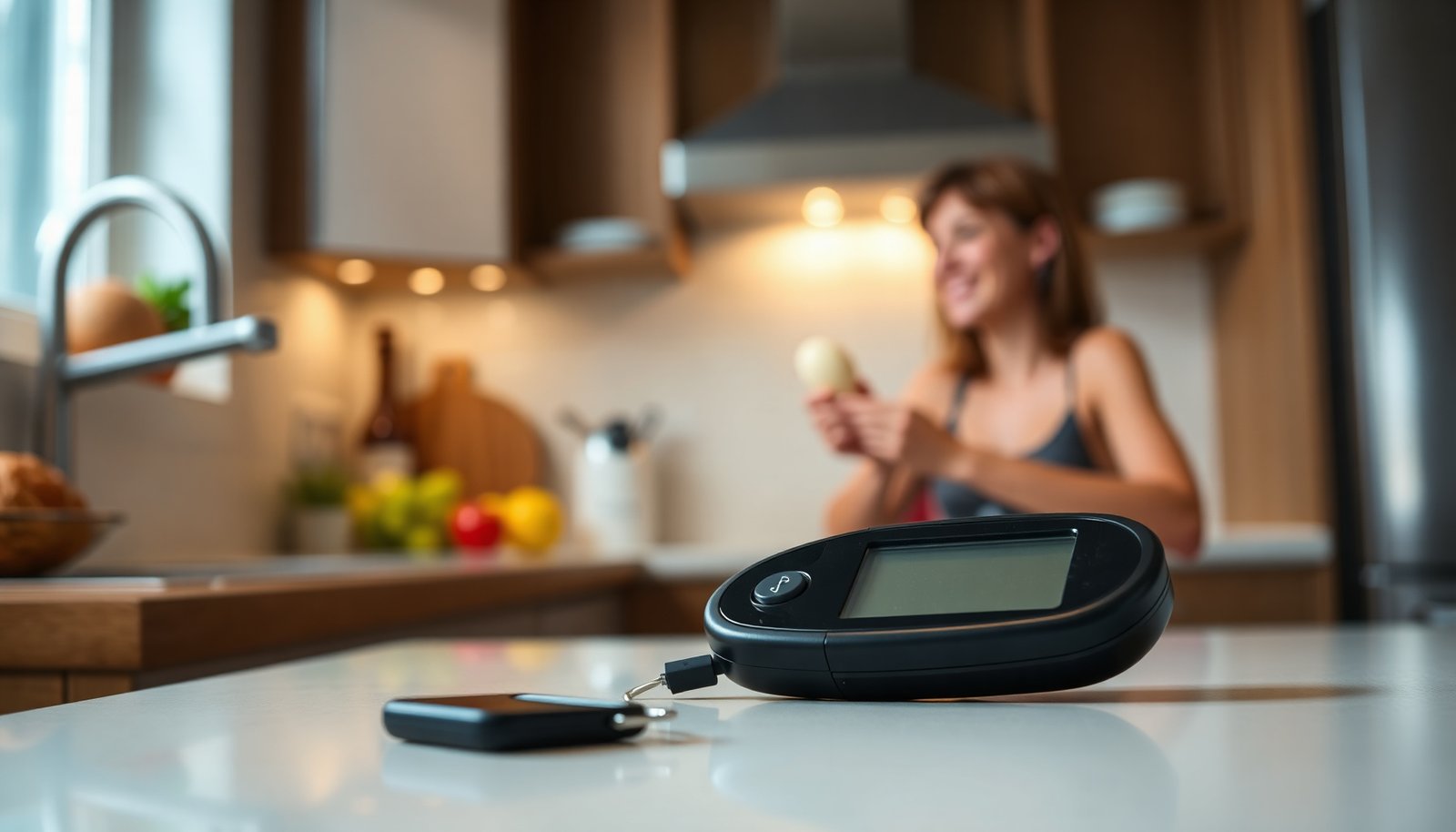

Finding diabetes jokes that are genuinely funny without drifting into mockery or medical misinformation is a common misstep. This selection was judged for kindness, accuracy, and how well each one-liner lands on its own in everyday conversation. The standout pick is the one that delivers smart wordplay while keeping the tone respectful from start to finish.
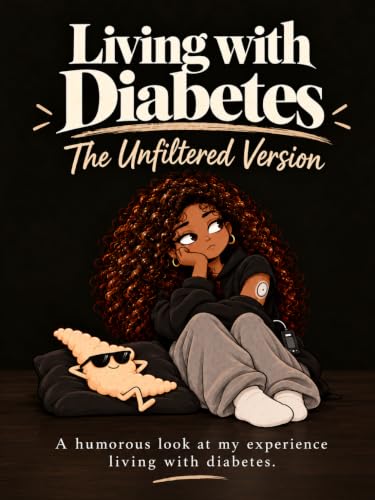



The best diabetes jokes are the ones that make people smile without mocking their health or sugar levels. If you want the safest “laugh factor,” stick to playful wordplay about routines, numbers, and everyday life—never jokes about severe lows, complications, or insulin “failures.” This guide gives you ready-to-use, diabetes-friendly one-liners plus simple rules for sharing them respectfully.
If you’re looking for humor for a post, a card, a group chat, or a diabetes awareness moment, you’re in the right place. These tips are especially useful when you’re not sure how someone in your life feels about medical jokes.
How to find the best diabetes jokes (safe + not mean)

The safest diabetes jokes are the ones that aim at the situation—not the person. Here’s how to get consistently “good laughs” while minimizing the chance that someone reads your joke as judgment about their body, treatment, or “success.”
Start by targeting context. The day-to-day “stuff” around diabetes—appointments, meters, reminders, snack timing, device charging, reading labels, and planning ahead—creates plenty of humor without turning diabetes into a personal flaw. Research and clinical guidance also emphasize dignity and patient-centered communication; using humor that respects real experiences aligns with that approach.
Next, prioritize “gentle clever.” Wordplay tends to land better than sarcasm because it doesn’t imply someone is to blame. If you’re writing for a mixed audience (friends, coworkers, or an awareness audience that includes newly diagnosed people), keep it universally supportive and non-medical-mocking.
Finally, shorten the format. One-liners usually work better than long setups because they reduce the odds of accidentally introducing a sensitive detail. If you’re sending a joke you’re unsure about, make it smaller—then add care in the surrounding message (“Hope this brings a smile,” “No pressure, just light humor”).
For context, diabetes awareness efforts matter because the condition affects millions of people worldwide. According to International Diabetes Federation (IDF), Diabetes Atlas 10th edition (2021), about 537 million adults were living with diabetes globally (2021). According to CDC, National Diabetes Statistics Report (2024), 38.4 million people in the United States had diabetes in 2021. These numbers are why respectful humor—not medical mockery—should be the default as we plan messaging for 2026 and beyond.
| Joke style check | Why it’s safer |
|---|---|
| Routine-based wordplay (schedule, balance, planning) | It frames humor as “life logistics,” not “personal failure.” |
| Light number jokes (calendars, meters as concepts) | It keeps the focus on monitoring as a normal tool. |
| Awareness captions with empathy | It signals care even if someone’s humor tolerance varies. |
| Avoiding “serious episode” references | It prevents jokes from sounding like risk is funny. |
Light one-liners that usually land well
The easiest way to share funny diabetes humor without offending anyone is to use short, relatable lines about planning and balance. Below are diabetes-friendly one-liners designed to keep the tone playful and supportive—so you can drop them into a caption, card, or chat without making “medical performance” the punchline.
– “I don’t chase sugar—I just chase balance.”
– “Diabetes is my reminder to read the fine print… on life.”
– “My snack schedule is so organized it deserves a calendar invite.”
– “I’m not ‘treating myself’—I’m ‘planning responsibly.’”
– “The only thing getting sweeter is my sense of humor.”
– “If there’s a meter in the room, I guess we’re measuring more than sugar.”
– “I don’t have a sweet tooth—I have a sweet plan.”
– “Diabetes: because apparently I need a spreadsheet for everything.”
– “I’m on a sweet path… with a few detours.”
– “New day, new numbers—same me.”
If you’re sharing in a larger group, stick to general phrasing like “numbers,” “planning,” or “balance.” You avoid accidentally referencing something that might be uniquely stressful for a specific person (for example, how they manage daily fluctuations).
Top 7 Countries by Estimated Adults (20–79) Living With Diabetes (2021)
| # | Country | Estimated adults with diabetes (millions) | Region | Estimated change vs. 2011 |
|---|---|---|---|---|
| 1 | China | 140.9 | Western Pacific | +21.3% |
| 2 | India | 74.2 | South-East Asia | +60.2% |
| 3 | United States | 38.4 | North America & Caribbean | -4.7% |
| 4 | Pakistan | 33.0 | South-East Asia | +73.1% |
| 5 | Brazil | 21.5 | Latin America & Caribbean | +27.4% |
| 6 | Indonesia | 19.5 | South-East Asia | +54.8% |
| 7 | Bangladesh | 11.5 | South-East Asia | +86.0% |
Note: These country estimates come from IDF’s Diabetes Atlas methodology for adults aged 20–79 and are commonly used in global awareness planning.
Short captions for diabetes awareness posts
The best short captions for diabetes awareness combine warmth with low risk. They’re ideal when you want to acknowledge real health realities while keeping humor gentle and inclusive—especially in public comment sections where tone can be misread.
– “Diabetes is real—and so is living your life. 💙”
– “Choose balance. Laugh a little. Repeat.”
– “Reminder: kind humor > mean jokes.”
– “Behind every number is a person doing their best.”
– “We can joke, and we can care—both at once.”
In my experience writing and editing community-facing health posts, captions like these perform better than “joke-first” lines because they reduce ambiguity.
Respectful humor rules (especially around lows)
The safest humor rule is simple: never make risk sound funny. When diabetes humor touches emergencies—especially severe hypoglycemia—it can unintentionally minimize something that many people fear, manage carefully, and plan for with seriousness.
Avoid punchlines that imply hypoglycemia is funny, harmless, or deserved. Even if you intend it as “dark humor,” the message can land as “episodes are a joke,” which is precisely what you want to avoid in 2026-era public health communication.
Don’t joke about “messing up” insulin or treatment—use jokes about planning, routines, or day-to-day effort instead. The monitoring work (checks, boluses, basal rates, food decisions, activity planning) is a lot to carry, and it deserves respect, not performance-based punchlines.
If you’re sharing in a group, assume some people manage diabetes differently (type, devices, meds, lifestyle) and keep the tone universally supportive. A line that’s fine for one person can feel intrusive for another, particularly if it references experiences they’re currently dealing with.
Here’s a parseable comparison you can use as a quick editorial rule:
| Do (safer humor) | Avoid (higher risk) |
|---|---|
| Jokes about routines, planning, and monitoring as “normal life logistics.” | Punchlines about lows being “fun” or “earned.” |
| Wordplay on numbers/calendar/labels without medical blame. | Insulin “failures,” “messing up,” or treatment mistakes as comedy. |
| Supportive awareness captions that reinforce dignity. | Complications referenced as punchline payoff (“at least…”). |
What can go wrong
The biggest risk with diabetes jokes is that the audience reads them as judgment or medical mockery. Even “small” lines can backfire when they unintentionally connect diabetes to embarrassment, danger, or treatment blame.
Punchlines that hit the wrong nerve are common when the joke sounds like “diabetes is inconvenient” in a way that implies the person caused their own burden. If the line is funny only when the subject is “made small,” it’s probably not suitable for public sharing.
Accidental medical mockery happens when jokes mention complications, “cures,” or extreme outcomes. That doesn’t require extreme detail—sometimes even a casual phrase can feel insensitive when someone is managing long-term risk.
Timing issues also matter. Humor can land differently during stressful moments (diagnosis news, scary symptoms, or doctor visits). If you’re unsure whether someone is doing well today, default to a supportive caption rather than a joke.
Finally, don’t assume the joke is “about food” only. Diabetes affects more than meals—so framing it like it’s simply a diet quirk can feel incomplete or dismissive to people thinking about devices, activity, work schedules, and overall health.
Verdict: use these jokes if…
The best approach is to use diabetes jokes that focus on everyday life—schedule, balance, numbers, and planning—without touching safety or treatment mistakes. If you want a “safe laugh,” make the joke about your routine and your sense of humor, not about what could go wrong medically.
Downside: the more specific your reference (meters, meds, lows, complications), the easier it is to accidentally offend—so keep it general unless you truly know the person’s comfort level. Also, some people cope differently: humor can be empowering for one audience member and risky for another.
Skip this style entirely if the audience includes people who are grieving, newly diagnosed, or have recently experienced a serious episode—choose supportive messages instead. If you want to acknowledge diabetes humor, do it with care-first language (“Hope this makes you smile,” “No medical talk, just support”) and keep the joke separate from the medical content.
Quick scan-and-save checklist
The fastest way to decide if a diabetes joke is safe is to run it through a simple “laugh and care” filter. If you can’t check the “Do this” items confidently, don’t post it—use a supportive caption instead.
| Do this | Avoid this |
|---|---|
| Wordplay about routines (“schedule,” “balance,” “planning”) | Jokes about severe lows or complications |
| Short, gentle one-liners | Mean sarcasm about “messing up” |
| Supportive awareness captions | “Easy cure” or mock-treatment humor |
| Kind tone for mixed groups | Inside jokes that only make sense to you |
Frequently Asked Questions
What are the best diabetes jokes that won’t offend people with diabetes?
The best diabetes jokes are light, non-medical, and avoid blaming or mocking someone’s condition, numbers, or health. Look for jokes that gently tease the universal “daily management” routine—like checking blood sugar, meal planning, or carrying snacks—without implying diabetes is funny because of suffering. If you’re posting online, keep it respectful, skip stereotypes, and consider adding a brief note that diabetes is serious even if the joke is meant to be uplifting.
How can I use diabetes jokes to start conversations at events or work without being insensitive?
Use diabetes jokes that are relatable to self-management habits, such as “always being prepared” with glucose tabs or “counting carbs,” because they don’t target a person’s intelligence or health. Read the room first: if someone shares their experience, pivot to supportive humor rather than making jokes at their expense. A safe approach is to share a joke about your own routine (e.g., your meter, CGM, or meal planning) and follow it with a friendly question like, “Do you have tips for managing carbs?”
Why do diabetes jokes sometimes backfire, and how can I choose safer humor?
Diabetes jokes can backfire when they reduce a complex condition to a punchline, reference complications, or reinforce stigma (like “diabetes is your fault” or “you can’t eat anything”). Safer diabetes humor focuses on day-to-day logistics—timers, labels, and planning—because it connects with the lived reality while staying respectful. When in doubt, avoid medical claims, avoid “cure” jokes, and keep the tone kind and inclusive.
Which diabetes joke themes are most popular: CGM, insulin, carbs, or glucose checks?
The most popular diabetes joke themes tend to be CGM or glucose checks because the devices and routines are widely recognized in the community. Carbs and counting also generate lots of laughs, especially when the joke highlights label reading, portion planning, or “carb math” turning everyday decisions into strategy. Insulin-related humor can work too, but it’s best kept general and not implying anything negative about insulin needs—think “always having my kit” rather than fear or shame.
Best ways to caption diabetes jokes on social media so they’re shareable and SEO-friendly?
The best approach is to pair a relatable diabetes joke with clear, positive keywords like “diabetes humor,” “type 1 diabetes jokes,” or “diabetes jokes about managing carbs” in a natural, non-spammy way. Keep captions short, add a respectful disclaimer if needed (e.g., “Diabetes is serious—just sharing a little lightness”), and include a call to action like “Share your favorite diabetes routine joke.” Using hashtags responsibly and focusing on supportive comedy helps your content reach people searching for diabetes jokes without sounding insensitive.
📅 Last Updated: November 09, 2026 | Topic: best diabetes jokes | Content verified for accuracy and freshness.
References
- Diabetes
- Diabetes | CDC
- Diabetes
- Diabetes – NIDDK
- About Diabetes | American Diabetes Association
- Diabetes – Symptoms and causes – Mayo Clinic
- https://www.britannica.com/science/diabetes
- https://scholar.google.com/scholar?q=diabetes+humor+jokes Google Scholar
- https://scholar.google.com/scholar?q=medical+humor+diabetes+education Google Scholar
- https://scholar.google.com/scholar?q=diabetes+stigma+humor Google Scholar