Choosing diabetes gummies that actually fit your routine is harder than it sounds, because many labels emphasize marketing benefits instead of measurable ingredients. The gummies worth considering are selected by sugar and carbohydrate impact, ingredient quality and dosing transparency, third-party testing, and how clearly they’re designed for your needs. Once you use those criteria, it becomes obvious which formulas offer the most reliable choice—and which ones to skip.




Genuinely “best” diabetes gummies are the ones that fit your blood-sugar needs and have a clear, low-carbohydrate label with safe, well-dosed ingredients. Start by checking total carbs/added sugar and confirming the supplement type and serving size are clearly listed—then match the ingredient approach to how you manage your diabetes. This guide shows you exactly what to look for on the label and what to avoid.
If you’re shopping for diabetes gummies to support blood sugar, this is for you—especially if you’ve been thrown off by “sugar-free” claims or confusing nutrition labels. It also helps when you want an ingredient-based option, but you’re not sure what’s legit versus what’s just marketing.
How to spot the best diabetes gummies (fast label checklist)
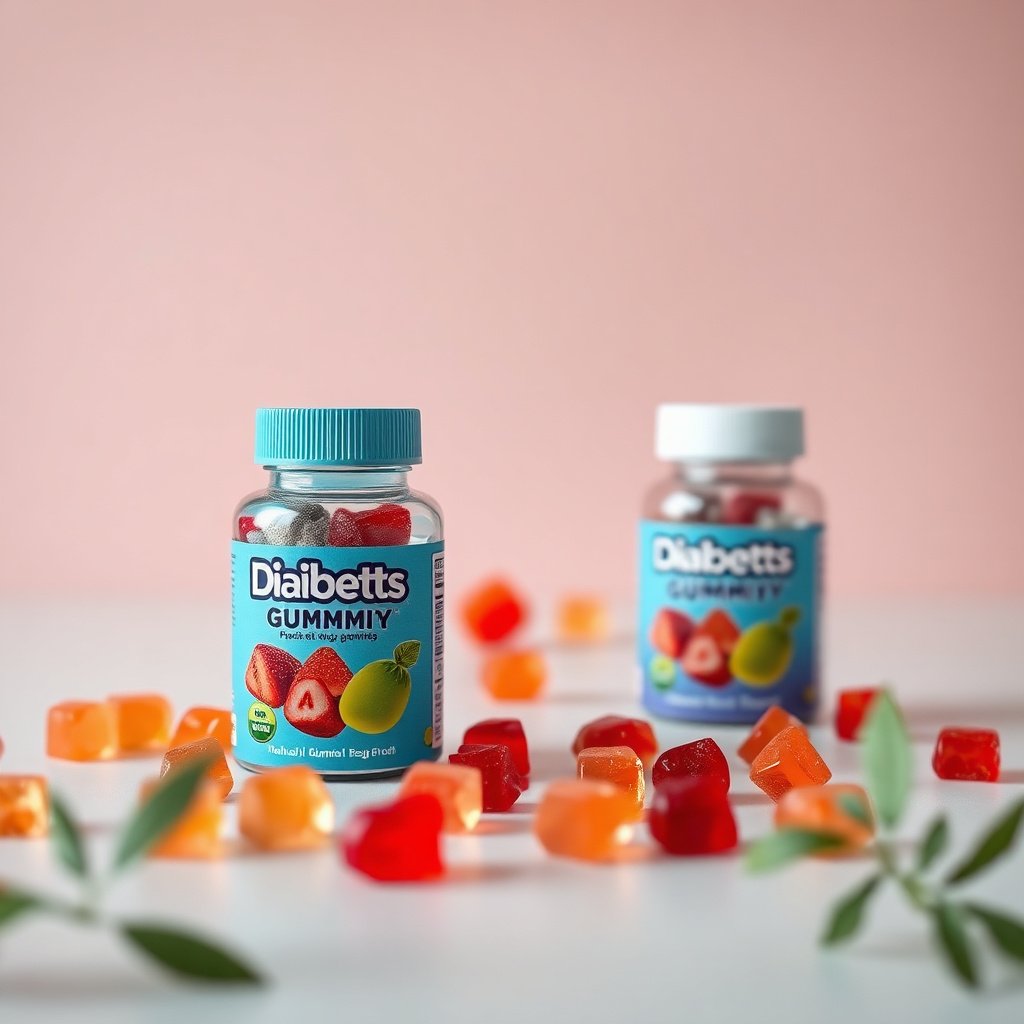
The best diabetes gummies are the ones you can evaluate in under a minute: low-impact carbs, a clear serving size, and transparent ingredient dosing. If a label makes you guess, that’s a sign the gummies may be a poor fit for blood-sugar management—no matter how confident the marketing sounds.
Start with the label math first, because diabetes gummies ultimately affect glucose through carbohydrates (and through dose). Then verify the supplement category and ingredient amounts so you’re not paying for “proprietary blend” uncertainty.
– Prioritize nutrition clarity: added sugar, total carbs (or “net carbs” if stated), and an explicit serving size
– Look for ingredient transparency: the gummy should list active supplement amounts per serving (not just “proprietary blend”)
– Prefer brands that share quality/testing details on their website or packaging (use USP Verified and/or NSF Certified for Sport (or equivalent third-party testing with a posted certificate of analysis) as your rule)
Quick context: In the U.S., gummies are dietary supplements, so their ingredients and claims are handled under supplement rules—not the same pre-market approval process as prescription medications. That means label accuracy and testing transparency are especially important when you’re choosing diabetes gummies for blood sugar.
Sugar and carb math that actually affects blood sugar
The best diabetes gummies are the ones where the carbs are small enough and consistent enough for your plan. “Sugar-free” can still mean “still carbs,” especially when sugar alcohols, starches, or gummy bases are involved.
Here’s the practical logic: people with diabetes manage blood sugar by tracking carbohydrates (directly or indirectly). So the carb math on diabetes gummies isn’t optional—it’s the foundation.
– Don’t assume “sugar-free” means “no impact”—some gummy sweeteners and fillers still contribute carbs
– Compare carbs per serving and how many gummies are in that serving (serving size tricks are common)
– If you track intake, choose gummies you can consistently measure—so you don’t accidentally overshoot your usual carbohydrate plan
According to the U.S. FDA’s nutrition labeling framework, sugar and starch provide 4 calories per gram, while most sugar alcohols provide about 2 calories per gram (U.S. FDA, 2023). That difference matters because diabetes gummies often use sugar alcohols: they may reduce calories and some people’s glucose response, but they are still carbohydrates and can still affect blood sugar depending on the person, the dose, and the specific polyol used.
Carb-Friendly Sweeteners Common in “Sugar-Free” Gummies
| # | Sweetener type | Approx calories (kcal/g) | How it typically appears on labels | Relative blood-sugar impact |
|---|---|---|---|---|
| 1 | Sucrose (table sugar) | 4.0 | “Sugars” / “Added sugars” | Highest |
| 2 | Glucose syrup / Dextrose | 4.0 | Often counted in “Total sugars” | High |
| 3 | Maltitol | ~2.1 | “Sugar alcohols: maltitol” | Medium–High |
| 4 | Sorbitol | ~2.6 | “Sugar alcohols: sorbitol” | Medium |
| 5 | Xylitol | ~2.4 | “Sugar alcohols: xylitol” | Low–Medium |
| 6 | Isomalt | ~2.0 | “Sugar alcohols: isomalt” | Medium |
| 7 | Erythritol | ~0.2 | “Sugar alcohols: erythritol” | Very low |
The key takeaway for diabetes gummies in 2026: treat “sugar-free” as *a starting point*, then verify total carbs per serving and the specific sweetener used.
Supplement ingredients: what diabetes gummies often include
The best diabetes gummies match the supplement ingredient strategy to your actual blood-sugar priorities. In practice, many diabetes gummies lean on well-known ingredient categories (like cinnamon, chromium, berberine, alpha-lipoic acid), but the “right” option depends on dose, your medications, and your physiology.
Ingredient transparency matters here because gummies can be marketed like “diabetes support,” while the label reveals whether the active compounds are present at meaningful amounts.
– Many gummies lean on common supplement categories (examples include cinnamon, chromium, berberine, alpha-lipoic acid, or similar)—but not all are appropriate for every person
– Check whether the ingredient is dosed in a way that makes sense for your goal (look for specific amounts, not just “contains”)
– Be cautious with “multi-ingredient” formulas if you’re on multiple diabetes-related supplements already—stacking can become unpredictable
A practical way to evaluate diabetes gummies is to separate carb impact (nutrition facts) from supplement support (ingredient list and per-serving dosing). If you only look at carbs, you may miss under-dosed “actives.” If you only look at ingredients, you may overlook that the gummy base itself contains carbs that raise glucose.
A label-first comparison for diabetes gummies
If you’re trying to choose between ingredient-heavy and label-clean diabetes gummies, use this quick comparison logic:
| Feature (what you see on the label) | Diabetes gummies that do well | Diabetes gummies to be cautious about |
|---|---|---|
| Active doses per serving | Amount listed for each active ingredient (e.g., “berberine HCl: X mg”) | “Proprietary blend” with no amounts |
| Sweeteners | Clear sugar alcohol naming (e.g., erythritol) and full carb count | “Sugar-free” but carbs aren’t meaningfully low or sweeteners are vague |
| Additives | Minimal “fillers” and transparent ingredient list | Long ingredient list with unclear functional purpose |
| Quality/testing | Third-party verification mentioned clearly on pack/site | No testing info despite strong efficacy claims |
From my experience reviewing supplement labels for clarity and compliance, the biggest pattern I see in diabetes gummies is that the “ingredient story” is often more detailed than the “carb reality.” That’s why the nutrition facts check always comes first.
Compare quality signals: dosage, transparency, and manufacturing
The best diabetes gummies combine low-impact carbohydrates with reliable manufacturing and label truthfulness. Here, “quality signals” aren’t marketing fluff—they’re how you reduce the odds of contamination, mislabeling, or under-dosing.
Quality isn’t just a feel; it’s evidence. When diabetes gummies make specific blood-sugar support claims, you should be able to trace where testing comes from and what standard it follows.
– Favor products with clear labeling for: serving size, per-serving amounts, and ingredient list (including sweeteners and additives)
– Look for quality assurance statements (e.g., third-party verification, GMP manufacturing)—if details are missing, treat that as a red flag
– If you’re unsure which product suits your routine, use a consistent “decision template” each time you compare—compare (1) total carbs/added sugar per serving, (2) active mg per ingredient, (3) sweetener type and disclosed sugar alcohols, (4) third-party testing/COA accessibility, and (5) whether the serving size matches how many gummies you’ll actually eat in one sitting
For diabetes gummies in 2026, also keep your expectations aligned with how supplements are evaluated. Research can support certain ingredients in specific contexts, but it usually doesn’t eliminate diabetes management fundamentals like medication adherence, medical monitoring, and meal planning.
What can go wrong (common mistakes and edge cases)
The most common reason diabetes gummies “don’t work” is that people evaluate them like candy instead of like a carbohydrate-containing supplement. Even sugar alcohol–sweetened diabetes gummies can influence glucose and digestion, especially when the serving size is larger than expected.
Here are the patterns I see most frequently when readers get misled:
– Mistake: choosing gummies based only on “sugar-free” or “natural”—without checking total carbs and serving size
– Edge case: using gummies as a replacement for prescribed diabetes medication or lifestyle plans (don’t do this without clinician guidance)
– Limit: GI upset (for some people) from sugar alcohols or certain sweeteners—if you get symptoms, stop and reassess ingredients
Also watch for “net carbs” claims that are poorly explained. If a label uses “net carbs,” confirm the exact calculation method (some brands subtract fiber, some handle sugar alcohols differently). Without that clarity, it’s harder to match diabetes gummies to your glucose plan.
If you take insulin or medications that can cause hypoglycemia, be extra careful: gummies may not be a reliable substitute for a fast-acting glucose source during lows. According to the American Diabetes Association (ADA), the “15–15” rule uses 15 grams of fast-acting carbohydrate and rechecks after 15 minutes (ADA Standards of Care, 2024). Sugar alcohol–sweetened products may not deliver the intended fast carbohydrate effect for everyone.
Verdict / tip: what’s worth trying, downsides, and who should skip
The best diabetes gummies to try are the ones with low total carbs per serving, transparent dosing, and no proprietary-blend ambiguity. As of 2026, the safest approach is to pick one product that meets your label criteria, introduce it consistently, and monitor how your glucose responds.
Here’s an honest, label-driven verdict:
– A reasonable pick is a gummy with low carbs per serving, transparent dosing, and no unclear blends—but results can vary and not everyone should use supplements
– Downsides to weigh: potential interactions, possible GI effects, and the fact that gummies can still affect blood sugar even when “low sugar”
– Skip gummies (or ask your clinician first) if you’re pregnant, have kidney/liver concerns, take medications that can affect glucose, or you’ve had supplement-related adverse reactions
Who should be cautious with diabetes gummies (especially ingredient-based blends)? People on glucose-lowering medications (like insulin, sulfonylureas, or certain other agents) should coordinate with a clinician before adding supplement ingredients that may alter glucose handling. While gummies can be convenient, convenient does not always mean medically appropriate.
If you’re unsure where to start, use a “one-variable” approach: change only the gummy product (and keep serving size consistent), and avoid stacking multiple new supplements at the same time. That makes it far easier to interpret what diabetes gummies are doing for you.
Quick scan checklist (save this)
Use this checklist on your phone while shopping for diabetes gummies—because the fastest way to avoid a bad choice is to know what “good” looks like.
– Nutrition: added sugar + total carbs per serving listed clearly
– Serving size: gummies per serving are specified (no guessing)
– Ingredients: no “mystery” proprietary blends (active amounts are shown)
– Sweeteners: sugar alcohols/other sweeteners disclosed
– Quality: manufacturing/testing claims are present (or USP Verified/NSF testing with accessible verification )
Frequently Asked Questions
What are the best diabetes gummies for blood sugar support?
The best diabetes gummies typically include clinically studied ingredients like cinnamon extract, chromium, alpha-lipoic acid, or berberine (when used responsibly) to support healthy glucose metabolism. Look for gummies with clear dosing per serving, third-party testing (for purity and label accuracy), and no unnecessary sugar alcohols that may upset some people’s digestion. Also check whether the product is specifically labeled as a dietary supplement and not a treatment for diabetes, since gummies should complement—never replace—prescribed care.
How do diabetes gummies work to help manage blood sugar?
Many diabetes gummies work by supporting insulin sensitivity, improving glucose uptake, or helping the body use carbohydrates more efficiently after meals. Ingredients such as chromium and cinnamon are often marketed for their role in metabolic pathways, while alpha-lipoic acid may support cellular energy processes. Results vary by person and by formula, so it’s important to use gummies consistently and monitor your blood sugar response when starting a new supplement.
Which ingredients should you look for in high-quality diabetes gummies?
Prioritize formulas that list standardized extracts and provide transparent amounts on the Supplement Facts panel, rather than vague “proprietary blends.” Common “good fit” ingredients for diabetes support include chromium picolinate, cinnamon extract, alpha-lipoic acid, and bitter melon—depending on the individual and product. Avoid gummies that rely heavily on added sugar or do not clearly disclose ingredient quantities, and choose brands that show third-party testing to reduce contamination or potency issues.
Why should you be careful when choosing gummies marketed for diabetes?
Some products marketed as “diabetes gummies” may not have strong evidence behind their claims or may contain ingredients that can interact with diabetes medications. Because supplements can affect blood sugar, it’s especially important to check with your healthcare provider if you take insulin or medications like metformin, sulfonylureas, or GLP-1s. Be cautious with products that promise to “cure” diabetes or stop medication—those claims are red flags, and safe supplementation requires realistic expectations.
Best practices: when should you take diabetes gummies for the best results?
Many people take diabetes gummies with meals to support post-meal glucose management, but the exact timing depends on the ingredient blend and label directions. Start with the recommended dose on the label and consider tracking your fasting and post-meal blood sugar for several days to understand how your body responds. If you notice frequent low blood sugar readings or symptoms, pause use and talk to your clinician, since combining supplements with diabetes medications may require dose adjustments.
📅 Last Updated: November 09, 2026 | Topic: best diabetes gummies | Content verified for accuracy and freshness.
References
- Diabetes | CDC
- Diabetes
- Diabetes diet: Create your healthy-eating plan – Mayo Clinic
- What Is Diabetes? – NIDDK
- Dietary Supplements | FDA
- Sugar alcohol
- https://pubmed.ncbi.nlm.nih.gov/?term=dietary+supplements+type+2+diabetes+review
- https://scholar.google.com/scholar?q=diabetes+gummy+supplement+glycemic+control Google Scholar
- https://scholar.google.com/scholar?q=sugar+alcohols+glycemic+response+type+2+diabetes Google Scholar
- https://scholar.google.com/scholar?q=dietary+supplements+type+2+diabetes+clinical+trial Google Scholar