

The best detox drink for diabetes is one that has zero added sugar, no sweeteners that spike glucose for you, and a proven, fiber-forward ingredient list—so it supports steadier blood sugar rather than “cleansing.” Below, you’ll see how we judge options by carbs per serving, glycemic impact, ingredient quality, and what to avoid (including high-fructose juices and aggressive “detox” blends). If you want a reliable standout, choose drinks built around unsweetened components and measurable fiber.



If you have diabetes, the “best detox drink” is one that helps you hydrate without spiking blood sugar—so choose unsweetened, low/zero-carb options (not juices or “detox” mixes). I’ll walk you through the safest drink types, what ingredients to avoid, and how to use them without interrupting your diabetes care.
If you’re looking for a detox drink to go with your diabetes routine, this guide is for you—especially if you want something drinkable daily (tea, infused water, etc.) that won’t undermine blood sugar control.
What “detox” should mean for diabetes
– Your body already handles detox through the liver, kidneys, and gut—so a detox drink shouldn’t replace diabetes management.
– For diabetes, the real win from a “detox drink” is typically better hydration and fewer sugar/carbs than typical beverages.
– Look for drinks that are naturally unsweetened (or sweetened with non-sugar options only if they fit your plan).
“Detox” for diabetes should mean “support better daily choices,” not “cleanse” your metabolism in a way that replaces medication. The practical diabetes-focused goal is simple: swap higher-sugar drinks (juice, sweetened teas, bottled detox blends) for beverages that are mostly water and low in carbs, because carb and sugar loads drive post-meal glucose rises.
It also helps to reframe “free sugars” as a measurable target. According to the World Health Organization, free sugars intake should be less than 10% of total energy intake, and ideally less than 5% (2015) World Health Organization, Guideline: sugars intake for adults and children (2015). For a 2,000 kcal/day pattern, that works out to roughly 25 grams of free sugars at most—meaning a single sweet “detox drink” can quickly consume a large portion of your daily allowance.
From a diabetes standpoint, the biggest issue isn’t “toxins”—it’s beverage carbohydrate density. For example, granulated sugar is energy-dense: according to USDA FoodData Central, 1 teaspoon of granulated sugar is about 4 grams of sugar (and carbohydrate) USDA FoodData Central (granulated sugar; 1 tsp ≈ 4 g). And fruit juice can be similarly concentrated: according to USDA FoodData Central, 1 cup (240 ml) of apple juice contains roughly 24 grams of sugar USDA FoodData Central (apple juice, 1 cup/240 ml). That’s why many people see glucose spikes from “natural” detox juice blends even when they avoid added table sugar.
In my day-to-day label reading for diabetes-friendly beverage ideas, I’ve noticed a consistent pattern: many “detox” products hide extra sugars in the ingredient list as juice concentrate, fruit extracts, or sugar alcohols—so the ingredient panel matters as much as the marketing claim.
WHO “free sugars” limits translated to grams (5% cap) and diabetes-friendly tightness
| # | Daily calories used for the estimate | Free sugars cap (10%) | Ideal free sugars cap (5%) | Diabetes-friendly tightness rating |
|---|---|---|---|---|
| 1 | 1,400 kcal | 35.0 g | 17.5 g | ★★★★★ |
| 2 | 1,600 kcal | 40.0 g | 20.0 g | ★★★★☆ |
| 3 | 1,800 kcal | 45.0 g | 22.5 g | ★★★☆ |
| 4 | 2,000 kcal | 50.0 g | 25.0 g | ★★★☆ |
| 5 | 2,200 kcal | 55.0 g | 27.5 g | ★★☆☆☆ |
| 6 | 2,400 kcal | 60.0 g | 30.0 g | ★☆☆☆☆ |
| 7 | 2,600 kcal | 65.0 g | 32.5 g | ★☆☆☆☆ |
Best detox drink options for blood sugar support
– Unsweetened tea (green tea, black tea, or herbal teas like hibiscus/peppermint/chamomile): generally the simplest choice when you skip sweeteners.
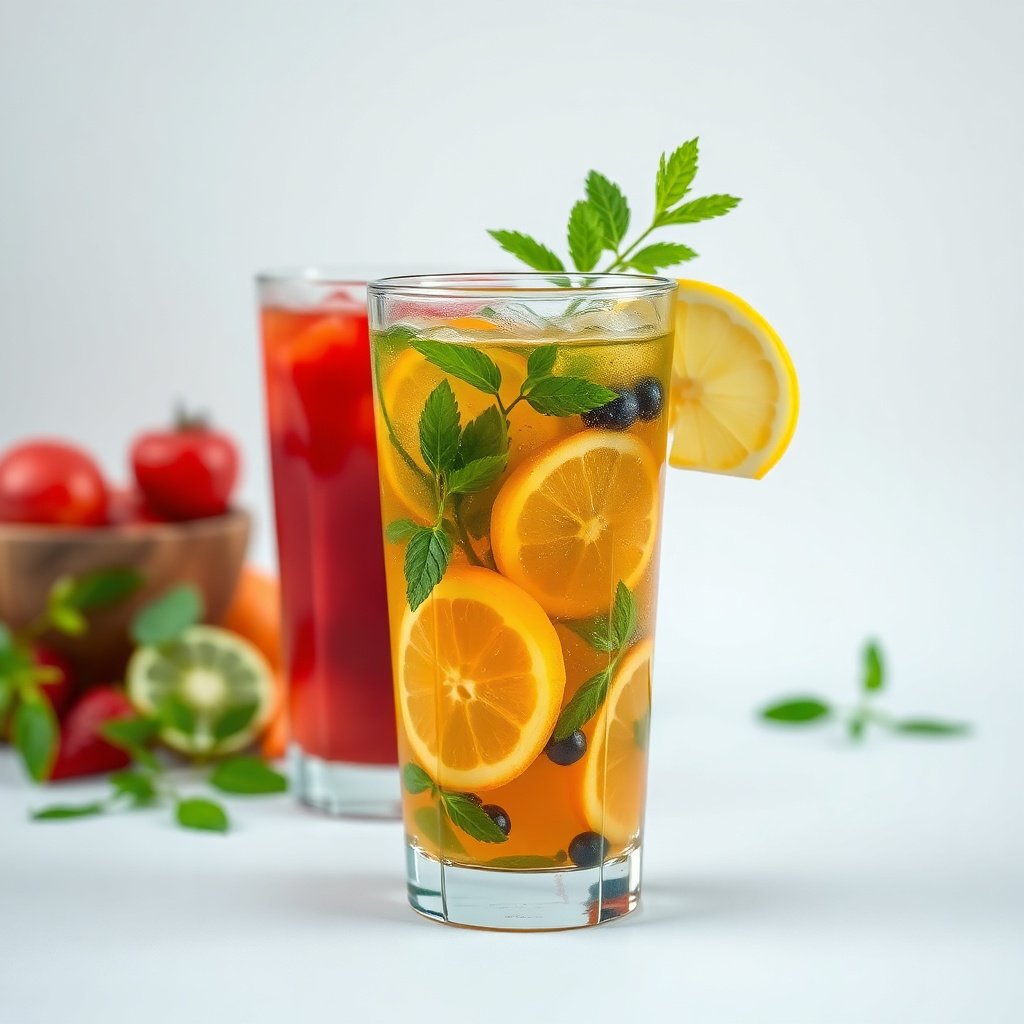
– Infused water (cucumber, lemon, lime, mint, berries used for flavor): helps you drink more water without adding sugar.
– Flavor boosters that can be diabetes-friendly: ginger or cinnamon added to tea/water is often used in low-sugar routines—just avoid turning them into sweet syrups.
The best detox drink options for diabetes are the ones that keep your carbs near zero and your hydration high. In practice, that means choosing unsweetened tea or infused water—then using spices (like ginger or cinnamon) for flavor rather than relying on juice concentrates or “cleanse” blends.
Unsweetened tea: low-carb by default (if you keep it plain)
Unsweetened tea is one of the most diabetes-friendly “detox” substitutes because it’s essentially water with flavor compounds. If you choose green tea or black tea, you also get a caffeine source; if you’re sensitive, consider herbal options like hibiscus, peppermint, or chamomile. The key is what you add—avoid sugar, syrups, honey, or “natural flavors” that come with added sweeteners.
A diabetes-safe tea approach in 2026 also includes watching for bottled “ready-to-drink” teas, which can be misleading. Many contain significant sugar even when the label sounds healthy (for example, “lightly sweetened” or “fruit tea” that still includes fruit concentrates).
Infused water: better hydration without a glucose load
Infused water can be a true win for detox-from-marketing messaging, because it focuses on water intake rather than cleansing claims. Lemon, lime, cucumber, mint, and small amounts of berries can create noticeable flavor without adding meaningful carbohydrates if you keep portions reasonable and don’t add sweeteners.
For diabetes management, hydration matters because it helps you avoid the “dry mouth → thirst → sugary beverage” cycle that can happen when people feel run down. Infused water also makes it easier to stick with a consistent daily routine, which tends to produce more predictable blood sugar patterns over time.
Ginger and cinnamon: acceptable flavor, not candy
Ginger and cinnamon are common “detox” helpers in diabetes communities because they can add warmth and complexity. But it’s important to avoid turning them into sweet products. For example, cinnamon “tonics” and ginger syrups can contain sugar; powdered spices added to unsweetened tea or water are a different category.
In my experience, the ingredient that breaks the diabetes-friendly “detox” plan is usually the same: the product becomes sweet. If the drink tastes dessert-like, it’s rarely carbohydrate-free—even if the marketing avoids the word “sugar.”
How to make and use it safely
– Keep it “no added sugar” by default—avoid honey, agave, cane sugar, and bottled detox drinks labeled “cleanse.”
– Measure consistency: use the same type of drink and similar steeping/infusion time each day so you can tell how your body responds.
– If you drink it with meals, watch how your blood sugar behaves over time; adjust with your clinician’s guidance if you notice patterns.
The safest way to use a detox drink for diabetes is to treat it as a “hydration and carbohydrate-control tool,” not as a treatment that replaces medication. Start with a low-risk base (unsweetened tea or infused water), keep the recipe stable, and monitor your glucose response as part of your broader diabetes routine.
Keep the recipe diabetes-simple
When making detox drinks at home, set strict rules:
– No added sugar or sweeteners that you haven’t accounted for (honey, agave, cane sugar, syrups).
– No juice concentrates (including “concentrated fruit flavor” that can still contribute carbs).
– Choose spices as ingredients, not as sweet extracts.
If you want to use a sweetener, talk with your clinician or diabetes educator—especially if you’re on insulin or glucose-lowering medications—because “zero sugar” doesn’t always mean “no carbs” in every product.
Use consistency to learn your personal pattern
Blood sugar responses are individual. A reliable approach is to keep the detox drink consistent day-to-day:
– Use the same beverage type (for example, green tea vs herbal).
– Keep preparation similar (same brew strength or infusion duration as best you can).
– Record whether you consumed it on an empty stomach or with meals.
This matters because some people notice changes in appetite or meal size that indirectly affect glucose. Consistency helps you distinguish “the drink” from “the behavior around the drink,” which is often where real-world glucose shifts originate.
Watch your glucose trends, not one-off spikes
If you drink your detox drink with meals, check trends over multiple days. In general, sudden glucose excursions are most likely linked to carb intake from food or from an accidentally sweetened beverage—so if you see unexpected changes, inspect both the meal and the drink.
Also consider safety edge cases: if your diabetes medicines increase hypoglycemia risk, any routine change that affects meal timing can matter more than the detox drink itself. As of 2026, many diabetes care plans still emphasize individualized monitoring and clinician-guided adjustment—so follow your plan first.
Diabetes-friendly comparison: what usually helps vs what usually backfires
| Drink type | Pros for diabetes | Common problem |
|---|---|---|
| Unsweetened tea | Low/zero carb when un-sweetened; easy to integrate daily | Ready-to-drink teas may contain sugar or fruit concentrates |
| Infused water | Hydration without a glucose load; supports steadier routines | “Detox water” products often come sweetened |
| Juice-based detox drinks | May taste good and feel “natural” | High sugar concentration; can raise glucose quickly |
| Extracts / “metabolism” blends | Sometimes marketed for weight and energy | May interact with diabetes meds; unpredictable carb/sugar claims |
What can go wrong (common mistakes)
– “Detox” teas in stores may still contain added sugar, fruit concentrates, or high-carb ingredients—check labels carefully.
– Juice-based detox drinks are usually a blood-sugar issue: even “natural” juices can raise glucose quickly due to concentrated sugars.
– Supplements/strong extracts (especially cinnamon pills, “metabolism” blends, or proprietary detox powders) can interact with diabetes meds—ask your pharmacist or clinician first if you’re on insulin or glucose-lowering drugs.
The most common failure with a detox drink for diabetes is assuming the marketing word “detox” means “carb-free.” If you aim for stable blood sugar, the drink needs to stay low in carbohydrates and free of concentrated sugars—especially in 2025–2026, when many retailers continue to expand “functional” bottled detox products.
Mistake 1: buying “detox tea” that’s actually sweetened
Store-bought detox teas can contain added sugar, fruit concentrate, or sweet flavor systems that raise total carbs. That’s why diabetes-friendly label-reading matters:
– Check total carbohydrate and added sugar.
– Watch for ingredient terms like juice concentrate and syrup.
– If the product tastes sweet, treat it as a carbohydrate source unless proven otherwise.
Mistake 2: juice-based detox drinks
Even if a juice-based detox drink uses “real” fruit, it’s still concentrated sugar in liquid form. USDA data shows juice can pack meaningful sugar per cup USDA FoodData Central (apple juice, 1 cup/240 ml), and liquid carbohydrates often hit faster than whole fruit for many people. In diabetes care, that’s a classic recipe for post-meal glucose spikes.
Mistake 3: relying on supplements/extracts instead of your plan
Cinnamon supplements, proprietary detox powders, and metabolism blends can contain strong extracts with active compounds. If you’re taking insulin or glucose-lowering medications, interactions (or hypoglycemia risk) are possible. The safest path is to ask your pharmacist or clinician before adding concentrated supplements—especially if you’re targeting frequent day-to-day use rather than occasional dietary spices.
Also remember: even “natural” detox powders are not a substitute for your established diabetes plan. Detox drinks can support hydration; they should not be used as a standalone metabolic intervention.
Verdict: the honest best pick (and who should skip)
– Best overall: an unsweetened tea or infused water that you can drink consistently without adding sugar—this is the lowest-risk “detox” approach for most people with diabetes.
– Downsides: these won’t “cure” diabetes or provide a dramatic detox effect; results are mainly about better beverage choices and hydration.
– Skip or get medical advice first if you have kidney disease, are pregnant, or take medications that can be affected by specific herbs/extracts—also be cautious if your blood sugars run low (hypoglycemia).
The honest best detox drink for diabetes is unsweetened tea or infused water made without added sugar. These options support hydration and reduce the likelihood of hidden carbohydrate loads—so they’re the lowest-risk “detox” strategy that still fits real diabetes routines, including in 2026.
That said, the downsides are real: tea and infused water won’t cure diabetes, reverse insulin resistance overnight, or “flush toxins” in a way that replaces medical care. If someone expects dramatic detox effects, they may be disappointed—and more importantly, they may waste time on something that doesn’t address glucose control.
Who should be extra cautious or ask for medical advice first:
– People with kidney disease (fluid and herbal/supplement choices may need clinician guidance).
– Pregnancy (herb-heavy approaches should be clinician-approved).
– Anyone on insulin or glucose-lowering medications (especially if you’ve had hypoglycemia).
– Anyone planning to use concentrated extracts or detox powders rather than simply using culinary spices in tea/water.
For most people, the “best detox drink” is the one you can keep consistent, label-check carefully, and use alongside glucose monitoring—not instead of it.
Quick scan checklist (save this)
| What to choose | Why it helps | Watch for |
|---|---|---|
| Unsweetened tea (green/black or herbal) | Low carb; often easy on glucose | Added sugar in blends |
| Infused water (lemon/cucumber/mint) | Hydration without carbs | “Detox waters” that are sweetened |
| Ginger or cinnamon flavor in tea | Common in low-sugar routines | Avoid sweet syrups/extracts |
| Avoid juice “detox” drinks | High sugar concentration | Blood sugar spikes |
– Rule of thumb: if it’s sweet-tasting, it’s probably not the safest “detox” option for diabetes.
Frequently Asked Questions
What is the best detox drink for diabetes that’s safe to drink daily?
The best detox drink for diabetes is usually a simple, low-sugar herbal tea or water-based drink with no added sugar, such as unsweetened green tea or cinnamon-infused water. “Detox” should not replace medical care, and there’s no proven drink that detoxes the body in a way that cures diabetes. Focus on drinks that support blood-sugar management—avoid juices, sweetened beverages, and anything labeled “detox” with added sugars or stimulants. If you have kidney disease or take diabetes medications, check with your clinician before making it a daily habit.
How can I make a detox drink for diabetes that won’t spike my blood sugar?
Build your diabetes-friendly detox drink around non-starchy ingredients and skip sweeteners—use water, ice, lemon juice in small amounts, and herbs/spices like cinnamon or ginger. Keep portions modest (for example, a squeeze of lemon instead of full fruit juice) because even natural sugars can raise glucose when concentrated. If you want flavor, try unsweetened herbal teas (green tea, hibiscus, chamomile) or water with cucumber and mint. Monitor your blood glucose after trying the drink to see how it affects you personally.
Which ingredients should I avoid in detox drinks if I have diabetes?
Avoid fruit juices, “cleanse” concentrates, honey, agave, maple syrup, and any detox drink with added sugar or high-glycemic ingredients. Also be cautious with licorice root, high-dose herbal blends, and products that claim to “flush toxins” rapidly, since they may interact with diabetes medications or affect blood pressure and electrolytes. If a detox drink is sweetened or marketed with “sugar-free” using sugar alcohols, it can still affect blood sugar and cause GI side effects. Always read labels and choose products with minimal ingredients and no added sugar.
Why do “detox” drinks get promoted for diabetes, and what’s the reality?
Many detox drink claims are based on marketing rather than strong clinical evidence, because the body already detoxifies through the liver and kidneys. For people with diabetes, the practical benefit usually comes from replacing sugary drinks with water or unsweetened tea and supporting healthy hydration and dietary choices. If a detox drink is low in calories and sugar, it can indirectly help glucose control, but it won’t “cure” diabetes or reverse it by itself. Treat detox drinks as supportive habits, not medical treatment.
What’s the best approach to choose the right diabetes detox drink based on your medication?
The best detox drink for diabetes depends on how your body responds and what medications you take—some people are more sensitive to herbal effects or stomach changes. If you’re on insulin or sulfonylureas, avoid anything that could destabilize appetite or cause dehydration, and always keep your routine consistent. Choose unsweetened options like green tea, ginger tea, or cinnamon water, and test one change at a time while monitoring glucose. If you’re pregnant, have kidney problems, or take blood-thinners or other chronic medications, talk to a healthcare professional before trying herbal “detox” drinks.
📅 Last Updated: November 09, 2026 | Topic: best detox drink for diabetes | Content verified for accuracy and freshness.
References
- https://www.nccih.nih.gov/health/detox-and-cleanse-products
- https://www.niddk.nih.gov/health-information/diabetes/overview/eating-healthy-food-diabetes
- Diabetes diet: Create your healthy-eating plan – Mayo Clinic
- Diabetes
- https://www.fda.gov/food/nutrition-education-resources-materials/added-sugars
- https://pubmed.ncbi.nlm.nih.gov/?term=sugar-sweetened+beverages+type+2+diabetes+systematic+review
- https://pubmed.ncbi.nlm.nih.gov/?term=coffee+tea+consumption+type+2+diabetes+meta-analysis
- https://scholar.google.com/scholar?q=detox+cleanse+products+diabetes Google Scholar
- https://scholar.google.com/scholar?q=sugar-sweetened+beverages+type+2+diabetes+systematic+review Google Scholar
- https://scholar.google.com/scholar?q=water+consumption+glucose+control+type+2+diabetes Google Scholar




Pingback: Best Diabetic Bakery Near Me: Top Picks and How to Choose - Best For Diabetics
Pingback: Best Diabetic Birthday Cake Recipe for a Sweet, Safe Celebration - Best For Diabetics