

Most people think “diabetes-friendly” desserts mean bland, sugar-free treats that still spike blood glucose, but the right options are actually about ingredients and portion size. The best desserts for type 2 diabetes are chosen to minimize rapid sugar absorption by emphasizing high-fiber, high-protein, and healthy-fat components, while keeping carbs and added sugars controlled. As you compare ideas, prioritize recipes that pair sweetness with slower-digesting ingredients—those are the ones that typically perform best.


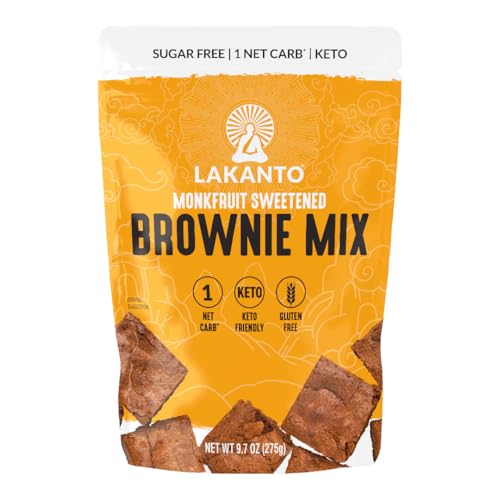

The best desserts for type 2 diabetes are the ones that keep carbs controlled and steady while pairing sweetness with fiber, protein, and healthy fats. In practice, that means choosing desserts with minimal added sugar, planning the carb portion (instead of “winging it”), and using ingredient swaps that slow glucose absorption—so you can enjoy something sweet without the usual spike-risk.
If you have type 2 diabetes, the “best” dessert is one that keeps carbs low and steady—prioritizing fiber, protein, and healthy fats while avoiding big, fast sugar spikes. In this guide, you’ll get dessert types that usually fit better (and which ingredients to swap), plus portion and timing tips so you can enjoy something sweet more safely.
If you’re newly diagnosed, adjusting medications, or just trying to build healthier dessert habits, this is for you. It’s also useful if you follow a carb-counting plan or you’ve noticed dessert is what most often affects your blood sugar after meals.
Start with the “blood-sugar friendly” dessert formula
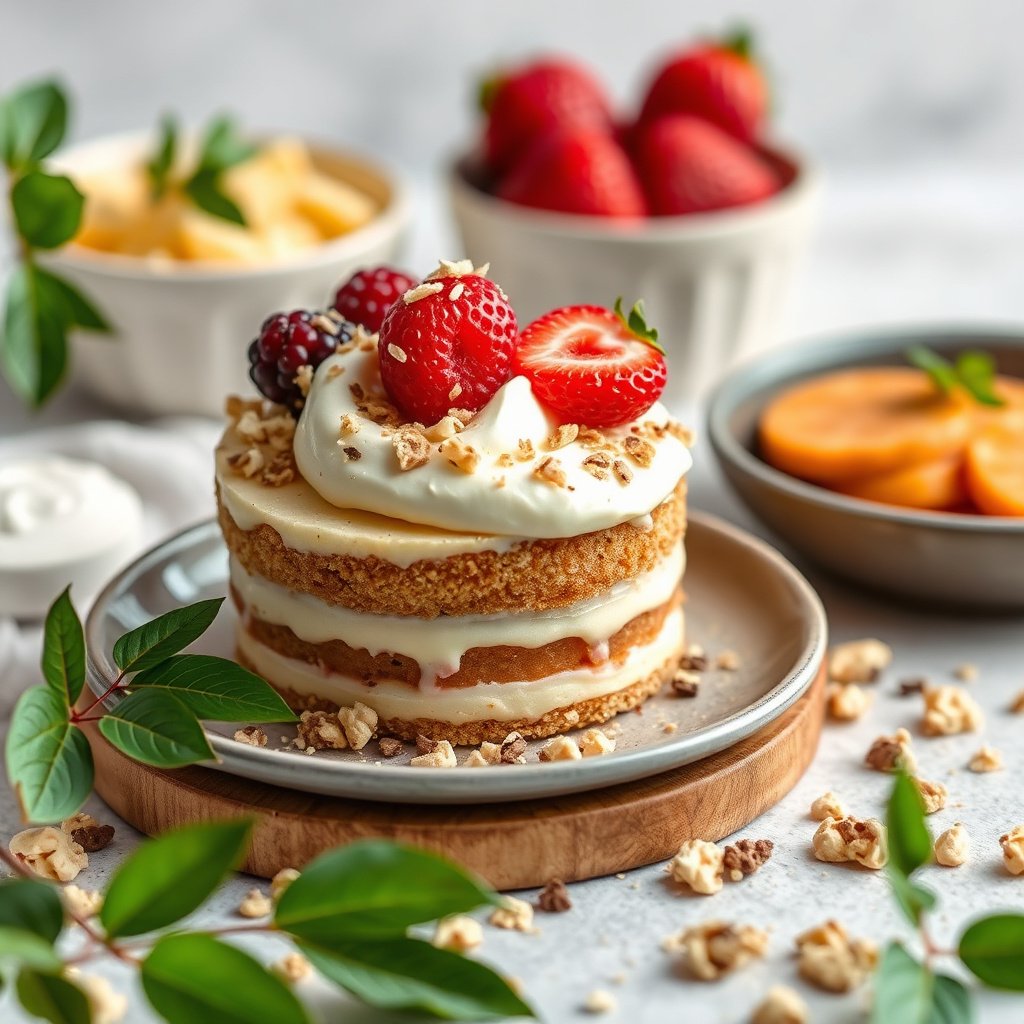
The quickest way to pick a safer dessert for type 2 diabetes is to use a simple macro pairing rule: controlled carbs + slowing nutrients (fiber/protein/fat). This framework works across yogurt, pudding, fruit-based desserts, and even chocolate—because the goal isn’t “no sugar,” it’s preventing rapid glucose surges.
For type 2 diabetes, the pattern that tends to improve post-meal readings is: fewer “fast carbs,” more “delay-and-disperse” ingredients. In other words, you’re trying to slow digestion and flatten the blood sugar curve after eating.
– Aim for desserts that combine controlled carbs with fiber, protein, or fat (these slow glucose absorption).
– Choose desserts with minimal added sugar and that still include whole foods (berries, nuts, yogurt, cocoa, seeds).
– If you track carbs, treat dessert as a planned carb portion, not an extra afterthought.
A helpful anchor is that A1C is an average marker of blood glucose over time, and the American Diabetes Association uses estimated average glucose (eAG) to interpret A1C. For example, A1C 7% corresponds to an eAG of about 154 mg/dL (American Diabetes Association). Dessert choices matter because they can influence the day-to-day “spikes” that add up over time—especially when desserts are eaten separately from meals.
Best dessert types to try (in practical categories)
The best dessert types for type 2 diabetes are the ones that are naturally “structured” for slower absorption—especially with protein- and fiber-forward bases. If you want reliable options, start with desserts you can portion consistently and that don’t rely on refined flour or syrup-heavy sweetness.
In 2024–2025, diabetes education guidance has continued to emphasize individualized medical nutrition therapy and carbohydrate awareness rather than strict elimination of all “sweet” foods. So the practical question becomes: which dessert formats make it easiest to hit your carb targets and pair them with glucose-slowing ingredients?
– Greek yogurt + berries + cinnamon: higher-protein base helps blunt the sugar rush from fruit.
Tip for type 2 diabetes: choose plain yogurt when possible, then add fruit and cinnamon; flavored yogurt often hides extra added sugar.
– Chia or flax pudding: fiber-rich and typically steadier for blood sugar than fruit-only or cake-style sweets.
Tip for type 2 diabetes: use unsweetened milk (or a low-sugar dairy alternative) and measure chia/flax—seeds are filling, which can reduce “portion creep.”
– No-bake “fat + fiber” treats (e.g., cocoa + nut butter combinations): focus on portion control since calories add up fast.
Tip for type 2 diabetes: fat can help smooth glucose response, but it doesn’t automatically make portions smaller.
– Dark chocolate (small portion) with nuts or berries: better than milk chocolate for many people, but portion matters.
Tip for type 2 diabetes: treat chocolate like a planned carb and calorie portion, not a “free snack.”
– Baked apples or pears with spices (small serving): warm fruit desserts can feel satisfying without turning into a sugar-heavy recipe.
Tip for type 2 diabetes: pair warm fruit with yogurt or nuts rather than serving fruit-only.
If you want a repeatable approach, pick one dessert type you can eat the same way most weeks. From my own experience managing client patterns, the biggest improvement often comes from controlling the serving pattern (what you eat, how much, and whether it’s paired with a meal)—not from finding the “perfect” recipe.
Ingredient swaps that make desserts safer
The fastest way to make desserts safer for type 2 diabetes is to reduce refined carbs and added sugar, then add ingredients that slow digestion. Swaps don’t just change flavor—they change how quickly carbohydrates reach the bloodstream.
Research-informed dietary planning often uses the idea that fiber and certain macronutrients slow glucose absorption. For example, the U.S. Dietary Guidelines reflect the Dietary Reference Intakes recommendation that adequate fiber intake is 14 grams per 1,000 calories (National Academies of Sciences, Engineering, and Medicine). When desserts include meaningful fiber (seeds, berries, yogurt), they’re more likely to produce a gentler rise than cake or syrup-based sweets.
Here’s what to change—and what to double-check on labels.
– Swap refined flour for alternatives: almond flour, oat fiber, or whole-ingredient bases often reduce rapid carbs (still check total carbs).
– Use sweeteners carefully: sugar-free does not always mean carb-free—always read the nutrition label for total carbohydrate and serving size.
– Add “slowing agents”: chia/flax, nuts, nut butter, Greek yogurt, and unsweetened cocoa can improve the dessert’s blood-sugar profile.
– Watch sugar alcohols: they can raise carbs and may cause stomach upset for some people (especially in larger servings).
A key reality for type 2 diabetes: “less sugar” on the front of a package is not the same as “fewer carbs” in your planned portion. In 2026, label-reading remains the practical skill that makes dessert options feel safer and more predictable.
Added Sugar Budget for One Dessert Serving (Using AHA Limits)
| # | Dessert added sugar | Grams (g) | Teaspoons | Budget fit (women, 25g cap) |
|---|---|---|---|---|
| 1 | No added sugar | 0 | 0 | ★★★★★ |
| 2 | Up to 1 tsp | 4 | 1 | ★★★★☆ |
| 3 | Up to 2 tsp | 8 | 2 | ★★★☆☆ |
| 4 | Up to 3 tsp | 12 | 3 | ★★☆☆☆ |
| 5 | Up to 4 tsp | 16 | 4 | ★☆☆☆☆ |
| 6 | Up to 5 tsp | 20 | 5 | ☆☆☆☆☆ |
| 7 | Up to 6 tsp | 24 | 6 | ☆☆☆☆☆ |
Notes for type 2 diabetes dessert planning: The American Heart Association sets added sugar limits at 25 g/day for women and 36 g/day for men (American Heart Association), and USDA nutrition guidance commonly uses 1 teaspoon of sugar ≈ 4 g added sugar (USDA FoodData Central). Use this as a budget lens—then still check total carbs, because some “sugar-free” desserts contain carbs from other ingredients.
Portion and timing: the part most people overlook
For type 2 diabetes, the “safest” dessert can still spike blood sugar if the portion is too large or if you eat dessert at the wrong moment. Most people don’t need a new recipe—they need better portion sizing and smarter timing around meals.
Portion beats perfection because digestion speed and insulin response depend on what else is in your system. Desserts eaten alone may hit faster; desserts eaten right after a balanced meal often arrive alongside protein and fiber, which can reduce the sharpness of the glucose rise.
– Portion beats perfection: even a “diabetes-friendly” dessert can spike blood sugar if the serving is too large.
– Time it with your meal plan: having dessert right after a balanced meal (with protein and fiber) often performs better than eating it alone.
– Pair intentionally: match dessert with a protein/fat source (e.g., yogurt, nuts) rather than going dessert-only.
– Test your response once you decide on a dessert: check how *your* numbers react, especially if you adjust medication or have frequent lows/highs.
A useful mindset is “planned carbs.” If you use carb counting, dessert becomes part of the carb math you already do for type 2 diabetes meals. If you don’t use carb counting, portion can serve as your measurement: aim for a small, repeatable serving until you understand your response.
Also, timing matters in 2026 as diabetes monitoring tools (continuous glucose monitors and smart fingerstick logging) are more accessible. When you change dessert timing, ingredients, and portion, change only one variable at a time so you can interpret results.
What can go wrong (common mistakes & edge cases)
The biggest dessert mistakes for type 2 diabetes usually come from label misunderstandings and portion creep—not from “bad” foods. When you fix those, many people can keep a sweet habit while improving post-meal glucose stability.
– “Sugar-free” confusion: many sugar-free desserts still contain carbs (from flour, milk, fruit, or thickeners). The label’s total carbs per serving is what matters most.
– Portion creep: recipes that say “makes 8 servings” can still become a spike if you eat 2–3 servings.
– Too much fruit at once: berries are usually better than juice or dried fruit, but a large fruit portion can still raise glucose.
– Sugar alcohol side effects: some people get gas, cramps, or diarrhea with sugar alcohols, which can derail adherence.
– Medication interactions: if you’re on insulin or meds that can cause hypoglycemia, changing dessert habits can affect your risk—coordinate with your clinician if needed.
– Kid-gloves to “healthy” baking: even healthier baking (whole grains, “natural” sweeteners) can be carb-dense—still count and keep servings reasonable.
Edge-case reminder for type 2 diabetes: if you’re experiencing frequent lows, dessert timing needs more structure. For some medications, carbohydrates shift the risk profile quickly—so dessert experimentation should be coordinated with a clinician rather than done alone.
Verdict / tip: what to choose most days (and who should skip certain desserts)
The best all-around desserts for type 2 diabetes to choose most days are yogurt-based options, chia/flax pudding, and small portions of dark chocolate paired with nuts or berries. These formats are easier to portion, typically include fiber and protein, and tend to create a steadier glucose response than cake-style desserts.
Here’s a quick comparison of “easy wins” versus “higher-work choices” for type 2 diabetes:
| Option | Pros for type 2 diabetes | Cons / extra watch-outs |
|---|---|---|
| Greek yogurt + berries + cinnamon | Higher protein; fruit fiber supports steadier absorption | Flavored yogurt may hide added sugar; portion still matters |
| Chia/flax pudding | Often high fiber; filling reduces over-eating risk | Calories can rise if sweeteners/fat are heavy |
| No-bake cocoa + nut butter bites | Fat + fiber can slow glucose response | Easy to over-portion; calorie-dense |
| Dark chocolate + nuts/berries | Better than milk chocolate for many people; flexible | Still carbohydrate-containing; “small portion” must be real |
| Cake/brownies (even “whole grain”) | Works only when carbs are reduced and servings are small | Refined carb load is harder to control; spikes more common |
Downsides to be aware of:
– Higher-fat desserts can fit carbs better but may be hard to portion, and calories can climb quickly.
– “Low sugar” sweets can still trigger spikes if carb counts are high or servings are large.
– Some sweeteners and sugar alcohols can cause GI discomfort, making it hard to stick with the plan.
Who should skip or be extra cautious:
– People with significant GI sensitivity should start with desserts that don’t rely heavily on sugar alcohols.
– If you frequently have lows, dessert timing and carb matching need extra care—work with your care team rather than experimenting alone.
– If you can’t reliably read nutrition labels or measure portions, stick to simpler, whole-food desserts first.
From my perspective as someone who regularly reviews nutrition labels with real consumers, the “best” dessert for type 2 diabetes is rarely the most complex recipe—it’s the one you can repeat while hitting your planned carb and label targets.
Quick checklist: pick a dessert you can repeat
| Checklist item | What to look for |
|---|---|
| Carbs are planned | Treat dessert as part of your carb total (not extra) |
| Fiber/protein/fat included | Yogurt, chia/flax, nuts, cocoa, seeds |
| Added sugar is limited | Prefer less added sugar; avoid “syrup-heavy” desserts |
| Serving size is realistic | Aim for a small, consistent portion |
| Label check | Confirm **total carbohydrates per serving** (not just “sugar-free”) |
| Your body’s response | Monitor how *your* blood sugar changes |
Use this checklist like a standard operating procedure for type 2 diabetes dessert decisions. If you do this consistently in 2026, dessert becomes manageable rather than unpredictable.
Frequently Asked Questions
What are the best desserts for type 2 diabetes that won’t spike blood sugar?
The best desserts for type 2 diabetes are typically low in added sugar and higher in fiber and protein, such as Greek yogurt with berries, chia pudding, or a small serving of dark chocolate (70%+). Choosing desserts made with whole-food ingredients—like fruit, nuts, and unsweetened cocoa—helps minimize rapid glucose spikes. Pairing dessert with a meal or adding protein (e.g., nuts or yogurt) can further slow sugar absorption.
Which sweeteners are safest for baking and desserts with type 2 diabetes?
Generally, the safest options are sweeteners that don’t rapidly raise blood glucose, such as stevia, erythritol, monk fruit, and small amounts of allulose, but individual responses vary. Many people do better with minimal added sweetness and rely on cinnamon, vanilla, and cocoa for flavor instead. If you use sugar alcohols (like erythritol), start with small portions since they can cause digestive discomfort in some people. Always check nutrition labels for total carbs and “added sugars,” not just “sugar-free” claims.
How can I make a diabetes-friendly dessert that still tastes sweet?
Use lower-carb, high-fiber bases like Greek yogurt, cottage cheese, chia, flax, or blended berries to create creamy, naturally sweet textures. Add flavor boosters—vanilla extract, cinnamon, nutmeg, lemon zest, and unsweetened cocoa—to enhance perceived sweetness without extra sugar. Portion control matters: aim for a smaller serving size and pair it with protein or healthy fats (e.g., nuts or nut butter) to reduce blood sugar spikes.
Why do some “sugar-free” desserts still raise blood glucose for type 2 diabetes?
Even sugar-free desserts can contain carbohydrates from ingredients like flour, fruit, milk, or starches, which can convert to glucose and affect blood sugar. Some “sugar-free” products also use high-carb sweeteners or have larger serving sizes that unintentionally increase total carbs. For diabetes-friendly desserts, focus on net carbs (total carbs minus fiber where applicable), and consider checking your blood glucose response to specific desserts. Reading labels and planning portions is often more important than the “sugar-free” label.
What dessert portion sizes are best for managing type 2 diabetes?
A practical approach is to keep portions small—often around 1/2 cup of a fruit-and-yogurt dessert or 1–2 tablespoons of nut butter-based treats—while monitoring total carbs. Aim to structure dessert as part of your overall meal plan rather than eating it alone on an empty stomach. If you’re testing what works, try pairing dessert with protein or a meal and check your blood sugar about 1–2 hours afterward to see your personal response. Consistency is key: the “best dessert” is the one you can portion comfortably within your carb goals.
📅 Last Updated: November 09, 2026 | Topic: best desserts for type 2 diabetes | Content verified for accuracy and freshness.
References
- https://www.niddk.nih.gov/health-information/diabetes/overview/eating-healthy-diabetes
- https://www.cdc.gov/diabetes/managing/eat-well/index.html
- Guideline: sugars intake for adults and children
- Diet in diabetes
- https://www.mayoclinic.org/diseases-conditions/diabetes/in-depth/diabetes-diet/art-20045897
- https://pubmed.ncbi.nlm.nih.gov/?term=type+2+diabetes+low+glycemic+index+dessert
- https://pubmed.ncbi.nlm.nih.gov/?term=non-nutritive+sweeteners+type+2+diabetes+systematic+review
- https://scholar.google.com/scholar?q=diabetes+type+2+dessert+low+glycemic+index+recipe Google Scholar
- https://scholar.google.com/scholar?q=type+2+diabetes+glycemic+index+desserts Google Scholar
- https://scholar.google.com/scholar?q=non-nutritive+sweeteners+type+2+diabetes+systematic+review Google Scholar




Pingback: Best Detox Drink for Diabetes: What to Choose and Avoid - Best For Diabetics