

Looking for the best cereal bars for diabetics in the UK under NHS guidance? This article picks one clear winner based on NHS-style advice—lowest added sugar, sensible portion size, and a nutrition label that helps you manage blood glucose. Get the practical checklist you can use at the supermarket, plus what to avoid when choosing cereal bars for diabetes in Britain.



The best cereal bars for diabetics in the UK are the ones you can match to your carbohydrate target and portion size—rather than relying on front-of-pack “healthy” or “sugar” claims. Using NHS-style label checks (carbohydrates per bar, of which sugars, and ingredients) is the most reliable way to choose cereal bars that are less likely to cause an unexpected blood-glucose spike.
This is for people with diabetes (type 1, type 2, or prediabetes) who want a convenient snack and want to follow UK guidance rather than guess from “healthy-sounding” wording on packaging.
What “best” means for diabetics (NHS-friendly criteria)
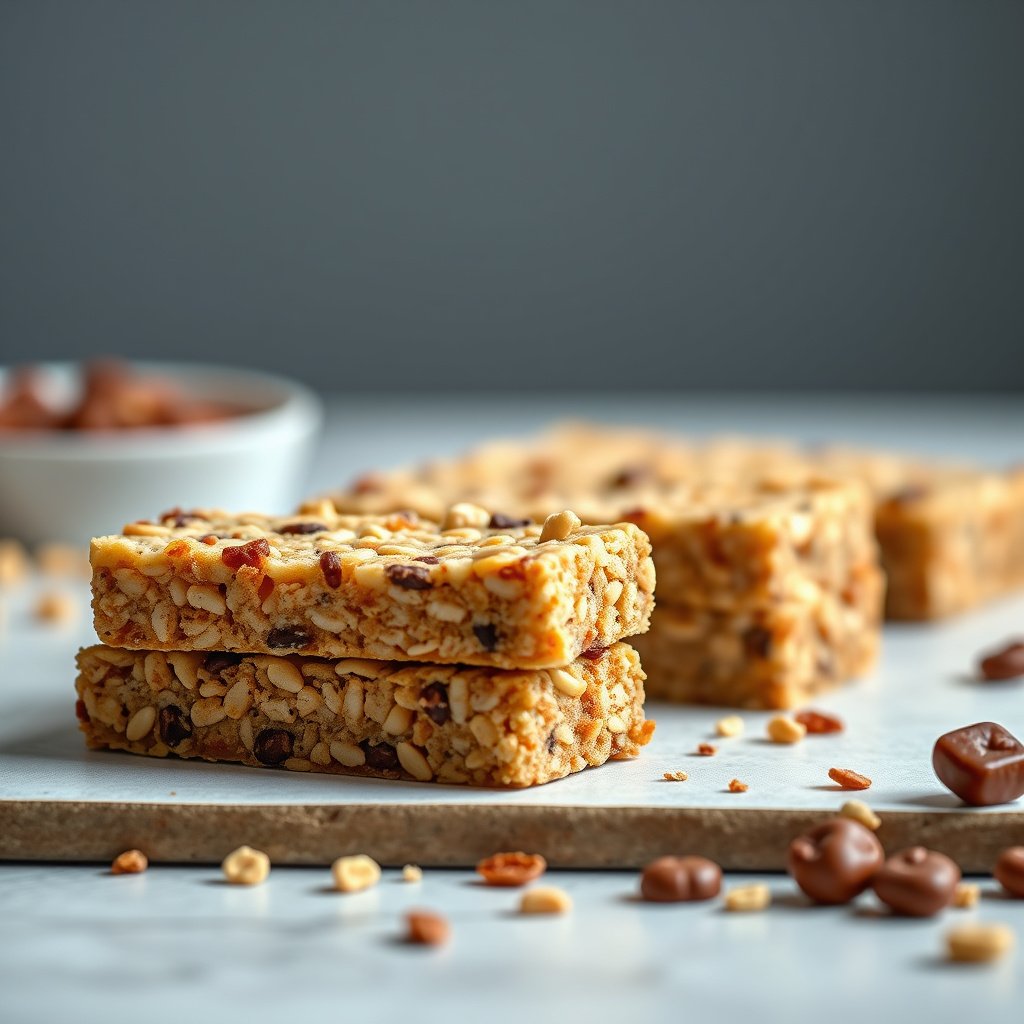
The best cereal bars for diabetics in the UK are the ones that genuinely fit your personal carbohydrate plan and are easy to portion consistently. Here’s why: diabetes management is driven largely by how carbohydrates raise blood glucose, so “low sugar” alone is never enough.
“Carbohydrate” and “of which sugars” on UK nutrition labels let you compare cereal bars by the carbs that affect blood glucose, not just by total sugar wording.
For diabetes-friendly choices, free sugar intake guidance focuses on limiting sugars as a share of total energy, which supports choosing bars with less added sugar. [WHO, “Guideline: Sugars intake for adults and children”, 2015]
– Aim for bars that fit your carbohydrate plan: check carbohydrates per serving, not just “sugar” claims.
For best cereal bars for diabetics in the UK, the nutrition panel’s carbohydrates per bar/portion matters because carbohydrate (including starch and naturally occurring sugars) is what increases blood glucose for many people. “Sugar” can be a useful clue, but it’s not the full story.
– Prefer bars with less added sugar and at least some fibre (fibre can help slow digestion).
In best cereal bars for diabetics in the UK, “less added sugar” reduces the total sweetness load, while fibre can help slow how quickly carbohydrate is absorbed. This doesn’t “cancel out” carbs—but it can make blood glucose responses more predictable.
– Choose bars that are easy to portion—some “small” bars still contain enough carbs to matter.
A best cereal bar for diabetics in the UK isn’t always the smallest. Some “single-serve” bars are still carb-heavy, so the key is whether the portion you intend to eat lines up with your carb plan every time.
A practical way to think about “best” is: Does the bar fit your usual snack carbs, and can you measure the portion reliably? If yes, you can use it consistently within your diabetes routine.
How to read UK nutrition labels for cereal bars
The best cereal bars for diabetics in the UK start with reading the nutrition panel the same way every time. If you consistently check carbohydrates (and sugars) per bar/portion, you avoid the common problem of comparing products using different serving sizes.
In the UK, nutrition information must be declared in a consistent way (including carbohydrate and sugars), and any “per portion” figures should match the portion size stated on-pack.
Carbohydrate provides 4 kcal per gram, so carbohydrate totals are an energy-and-glucose signal—use “carbohydrates per serving,” not only calories.
– Check carbohydrates (of which sugars) *per bar / per portion*—and compare like-for-like serving sizes.
For best cereal bars for diabetics in the UK, start with Carbohydrates and then look at “of which sugars.” Compare by the actual portion you’ll eat. If two bars both say “8g sugar,” but one contains 30g carbohydrate and the other contains 18g, they’ll likely affect blood glucose differently.
– Look at ingredients for added sugars (words like “syrup”, “honey”, “glucose”, “invert sugar”) even when totals look modest.
Ingredients can reveal hidden sugar sources that are counted within “sugars” but also appear in different forms. Best cereal bars for diabetics in the UK usually have a clearer ingredient story: fewer different sweeteners and less reliance on syrup-based ingredients.
– Don’t ignore total calories and saturated fat if you’re also managing weight or cholesterol alongside diabetes.
Diabetes care often intersects with cardiovascular risk. Best cereal bars for diabetics in the UK should still work for your broader health goals: frequent high-saturated-fat snacks can conflict with cholesterol or weight strategies, even if carbs are “okay.”
A quick label mindset that reduces “surprise spikes”
When choosing best cereal bars for diabetics in the UK, try to treat every bar as a carb package you plan for, not a casual treat. That mindset keeps your selections consistent and makes it easier to adjust insulin, if you use it, based on the carbs you actually consumed.
What to look for in cereal bars that suit blood sugar control
The best cereal bars for diabetics in the UK usually have a carb profile you can plan for, plus ingredient structures that support steadier digestion. In practice, that means prioritising the “carb quality” signals—wholegrain, nuts, seeds, and higher-fibre cereals—while still treating the bar as a carb-containing food.
Fibre is listed on the nutrition panel and can help slow digestion; choosing bars with meaningful fibre can make the carb effect more manageable for some people.
Even “no added sugar” and “low sugar” bars still contain carbohydrate, because sweeteners do not remove carbohydrates from the food.
– Look for bars built around wholegrains, nuts, seeds, or higher-fibre cereals rather than mostly refined grains.
For best cereal bars for diabetics in the UK, these ingredients often come with more fibre and a slower digestive pattern than refined grain-heavy snacks. That said, the label numbers still matter most: a refined-grain bar could still show lower carbs, but ingredient patterns can help you identify more “stable” options.
– If you’re using “low sugar” or “no added sugar” products, still treat them as carb-containing foods—sweeteners don’t remove carbohydrate.
The best cereal bars for diabetics in the UK are not defined by marketing terms like “no sugar.” Carbohydrates are the driver you plan around, and “no added sugar” does not mean “no carbs.”
– Practical tip: pick a bar you can eat in one consistent serving (and keep the portion the same each time).
Blood glucose responses are easier to interpret when portion size is consistent. Best cereal bars for diabetics in the UK should be “repeatable”—the same bar, the same portion, and the same snack timing.
A simple “pros vs cons” way to compare bar types
Use this comparison to decide which cereal bar approach fits your goals—this is a decision framework, not a guarantee.
What can go wrong (common mistakes and edge cases)
The biggest problem with cereal bars and diabetes is assuming that “sugar-free” or “healthy-sounding” claims mean “blood-glucose neutral.” For best cereal bars for diabetics in the UK, the label checks must be consistent—especially because snacks are where portion creep happens.
“Sugar-free” does not mean “carb-free”; many sugar-free bars still contain carbohydrate and can affect blood glucose.
WHO recommends keeping free sugars under 10% of total energy intake (and aiming for below 5% for additional benefit), which supports reading “added sugar” rather than trusting front-of-pack claims. [WHO, 2015]
– Confusing “sugar-free” with “carb-free”: many sugar-free bars still contain carbohydrates and can affect glucose.
For best cereal bars for diabetics in the UK, always anchor your choice on carbohydrates per portion. Sugar-free bars can still contain starches and other carbohydrate sources.
– Buying a bar based on front-of-pack claims (e.g., “keto”, “diabetic”, “lightly sweetened”) without checking the nutrition panel.
Marketing terms can be vague or inconsistent. Best cereal bars for diabetics in the UK are chosen from the back-of-pack numbers and ingredient list—then only secondarily judged by branding.
– Underestimating portion size—two “smaller” bars can add up fast, especially if you snack frequently.
Portion creep is a real edge case for best cereal bars for diabetics in the UK. If you snack more than planned, your “snack carbs” stop being a snack and become a meal.
Quick “mistake to fix” mapping
Verdict / tip: a realistic recommendation (and who should skip bar snacks)
The best cereal bars for diabetics in the UK are the ones you’ve checked for carbs per portion and added sugar, and that you can fit into your daily eating pattern predictably. The downside is that cereal bars are still processed snack foods, and “portion creep” is common—so they’re not necessarily ideal as a daily default for everyone.
WHO guidance frames free sugars as a share of total energy intake (under 10%, aiming under 5%), which supports selecting lower-added-sugar bars using the nutrition panel. [WHO, 2015]
Using carbohydrates per serving as your planning number aligns with carbohydrate-focused diabetes guidance, since carbohydrate (not just sugar) drives blood glucose for many people.
From a practical, real-world perspective: best cereal bars for diabetics in the UK can be useful when you need something portable, but they work best as a planned snack rather than an automatic replacement for whole food. If you use insulin and your dosing is tied to meal/snack carbohydrate intake, you should speak with your diabetes team for personalised advice before treating a bar as a fixed “dose-equivalent.” That guidance matters because carbohydrate amounts vary by bar, and insulin needs are individual.
Who should be especially cautious with best cereal bars for diabetics in the UK:
– If you’re still learning carbohydrate counting or adjusting portions, don’t switch to bars as your main strategy.
– If you’re frequently snacking beyond planned meal times, bars can unintentionally add up.
– If you have co-existing goals (weight, cholesterol, or gut tolerance), check saturated fat and fibre tolerance—not only sugar.
Quick scan checklist (save this for the shop)
The best cereal bars for diabetics in the UK become much easier to pick when you use a consistent “label scan” checklist. Use this routine every time, because diabetes-friendly choices are about pattern and portion control, not marketing.
Check carbohydrates **per bar/serving** and compare like-for-like serving sizes to reduce accidental portion mismatch when shopping.
Look at fibre and ingredient sweeteners (e.g., syrup, glucose, invert sugar) alongside “of which sugars” to avoid relying on front-of-pack claims.
– [ ] Carbohydrates: check per bar/serving (not just per 100g)
Treat this as your main planning number for best cereal bars for diabetics in the UK.
– [ ] “Of which sugars”: confirm it’s not high in added sugar
This helps you spot bars that may be sweetened heavily even if carbs seem moderate.
– [ ] Fibre: look for at least a meaningful amount
Fibre can support steadier digestion, but still count the carbs.
– [ ] Serving size: can you stick to one consistent portion?
Best cereal bars for diabetics in the UK should match the snack quantity you intend to eat, not a “per 2 bars” nutrition claim.
– [ ] Ingredients: watch for multiple sugar sources (syrup/honey/glucose etc.)
If there are several sweetener types, it’s harder to predict how the bar fits your routine.
Label targets to match best cereal bars for diabetics in the UK (per single bar/portion)
| # | Carb band (g/portion) | Fibre (g/portion) |
Added sugar (g/portion) |
Fit for blood-glucose planning |
|---|---|---|---|---|
| 1 | ≤ 10g carbs | ≥ 3.0g | ≤ 2.0g | ★★★★★ |
| 2 | 11–14g carbs | ≥ 2.0g | ≤ 3.0g | ★★★★☆ |
| 3 | 15–18g carbs | ≥ 1.5g | ≤ 4.0g | ★★★☆☆ |
| 4 | 19–23g carbs | ≥ 1.0g | ≤ 5.0g | ★★☆☆☆ |
| 5 | 24–28g carbs | < 1.0g | ≤ 6.0g | ★★☆☆☆ |
| 6 | 29–33g carbs | < 1.0g | > 6.0g | ★☆☆☆☆ |
| 7 | ≥ 34g carbs | < 1.0g | Any added-sugar level | ☆☆☆☆☆ |
Notes on using the table safely
These carb bands are decision targets to help you match best cereal bars for diabetics in the UK to a planned snack. Your personal carb allowance and medication plan can differ, so the “best” option for you may sit in different rows depending on timing and insulin/medication guidance from your clinician.
Sources
Finally, the best cereal bars for diabetics in the UK are chosen the same way every time: carbohydrates per portion first, added sugar next, fibre as a supporting signal, and portion size you can stick to. If you follow that routine and keep bars as planned snacks (not automatic defaults), you’ll make far fewer “surprise spike” mistakes and you’ll get more reliable control from your everyday choices.
Frequently Asked Questions
What are the best cereal bars for diabetics in the UK that won’t spike blood sugar?
The best diabetes-friendly cereal bars typically have no added sugar, a higher fibre content, and carbohydrates listed with a lower “sugars” figure per bar. Look for ingredients such as whole grains and fibre sources (like oats or bran) and aim for bars that fit your personal carbohydrate target. In the UK, many people find that checking the nutrition label for carbohydrate per serving is more helpful than relying on “healthy” claims. If you use insulin or sulfonylureas, consider monitoring how specific brands affect your blood glucose.
How can I choose cereal bars for diabetes when I’m shopping in the UK?
Start by comparing nutrition labels side-by-side: choose bars with minimal added sugars and higher fibre, and keep an eye on total carbohydrate per portion. It helps to treat cereal bars like any other carbohydrate food—what matters is the carbs you eat, not just the bar’s convenience. The NHS advises focusing on blood glucose control and overall healthy eating patterns, so select bars that fit your daily plan rather than eating multiple bars “because they’re snacks.” If you’re unsure, ask a GP or diabetes dietitian how to count carbs for snack foods.
Which cereal bars for diabetics are low sugar and available in UK supermarkets?
Many shoppers look for “no added sugar” or “unsweetened” options, but always verify the nutrition panel because some “low sugar” products still contain carbohydrates that raise blood glucose. Checking the “sugars” and total carbohydrate per bar is the most practical way to find suitable cereal bars for diabetes in UK stores. Consider brands that clearly state fibre content and use whole-grain ingredients, then compare portion sizes—some bars are larger than they look. If you have kidney disease or other complications, it’s especially important to consult your diabetes healthcare team before changing snack choices.
Why do some cereal bars raise blood glucose more than you expect?
Even if a bar feels “small” or marketed as “healthy,” it can still contain refined grains, added sugars, or concentrated sweeteners that digest quickly. Bars with lower fibre or higher carbohydrate density can lead to faster glucose rises, especially when eaten without other foods. For many people, the effect depends on timing, your usual meal pattern, and your diabetes medication, so testing different bars can be useful. Choosing cereal bars with higher fibre and fewer added sugars can help reduce spikes, but portion size remains key.
Best cereal bars for diabetics: what nutrition targets should I look for on the label (UK NHS guidance style)?
A practical approach is to prioritise bars with no added sugar where possible, higher fibre, and an amount of carbohydrate per serving that matches your personal target. While there isn’t a single NHS-approved “best cereal bar,” NHS guidance encourages carbohydrate awareness and balanced eating, so treat snack bars as part of your carbohydrate intake. Try to avoid bars with long ingredient lists of added sugars near the top and look for whole grains as primary ingredients. If you want a clear method, use the label’s carbohydrate per portion to plan your snack and consider discussing bar choices with a diabetes dietitian.
📅 Last Updated: October 24, 2026 | Topic: best cereal bars for diabetics uk nhs | Content verified for accuracy and freshness.
References
- Recommendations for research | Type 2 diabetes in adults: management | Guidance | NICE
- https://www.food.gov.uk/business-guidance/sugars-and-health
- Guideline: sugars intake for adults and children
- https://pubmed.ncbi.nlm.nih.gov/?term=glycaemic+index+type+2+diabetes+systematic+review
- https://pubmed.ncbi.nlm.nih.gov/?term=carbohydrate+counting+diabetes+education+systematic+review
- https://scholar.google.com/scholar?q=best+snack+bars+for+diabetes+uk+nhs Google Scholar
- https://scholar.google.com/scholar?q=cereal+bars+glycaemic+index+diabetes Google Scholar
- https://scholar.google.com/scholar?q=snack+bars+nutrition+label+added+sugar+fibre+diabetes Google Scholar