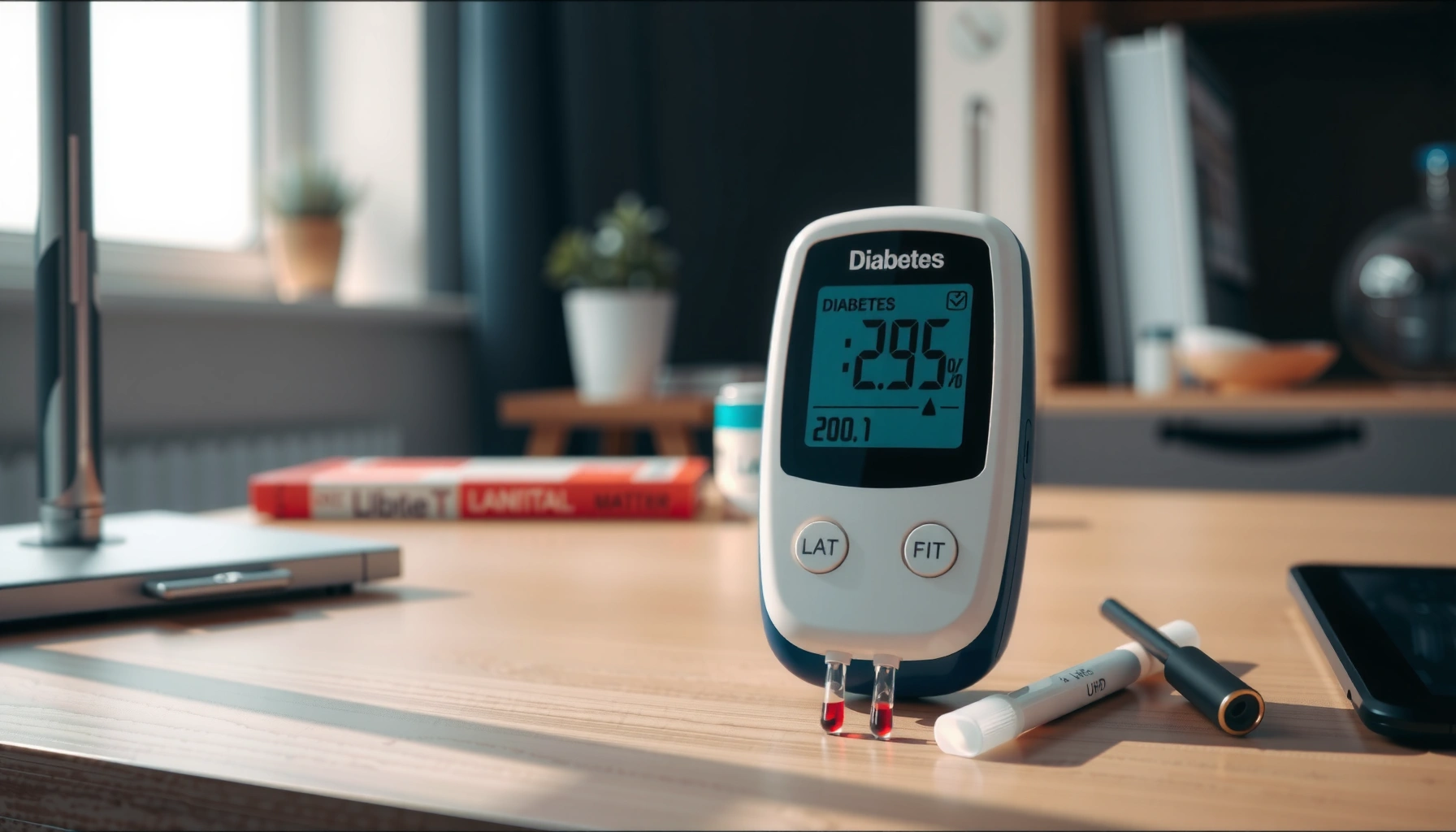

The best car insurance for diabetics is the policy that covers your pre-existing condition without penalizing your driving risk profile—backed by underwriting that weighs medical stability, not diagnosis alone. If you want the clearest path to affordable premiums, focus on insurers that offer accident forgiveness, robust medical-payment coverage, and flexible life-event or health-review options. The question this guide answers: which coverage features and policy types are most likely to save diabetics money while protecting them when the unexpected happens.




The “best” car insurance for diabetics is the policy that gives you strong medical/accident coverage and clear underwriting rules—without charging you unfairly based on your diagnosis alone. Start by shopping quotes, then ask each insurer exactly how (and whether) they use diabetes-related medical info and driving history to set eligibility and rates. You’ll learn what coverages to prioritize and what questions to ask so you don’t get surprised later at claim time.
If you (or someone in your household) manages diabetes and you’re shopping for new coverage, switching carriers, or updating a current policy, this guide is for you—especially if your insurer asks medical questions or you want to understand how coverage decisions can vary by state and by company.
Coverage that actually matters if diabetes affects driving

The best car insurance choices for diabetes aren’t the ones that sound comforting—they’re the ones that clearly protect you financially if a medical episode or accident creates an out-of-pocket expense. In practice, insurers can treat “diabetes” differently from “functional impairment,” so you want coverage that pays based on policy terms (injury, cause, exclusions), not the diagnostic label.
A key safety context: According to the U.S. Centers for Disease Control and Prevention (CDC), diabetes affects 37.3 million people in the United States (2022). American Diabetes Association (ADA) clinical guidance also uses specific glucose thresholds when describing hypoglycemia risk—hypoglycemia is commonly defined as blood glucose <70 mg/dL, and clinically significant hypoglycemia is often defined as <54 mg/dL. (ADA hypoglycemia definitions) These thresholds matter because many diabetes-driving questionnaires focus on episodes and treatment stability, not a generic “yes/no” diagnosis.
“Hypoglycemia is commonly defined as blood glucose <70 mg/dL, and clinically significant hypoglycemia is often defined as <54 mg/dL” (ADA hypoglycemia guidance).
“Diabetes is widespread in the U.S.; CDC reports 37.3 million people had diabetes (2022)” (CDC National Diabetes Statistics).
– Prioritize coverages that help pay for injuries and expenses after an accident (not just the minimum liability limits).
Look beyond “minimum liability” because injuries can quickly exceed limits via emergency care, rehabilitation, lost income, and longer-term follow-up—especially when a crash results in prolonged treatment. For many diabetics, the financial stress is two-layered: accident costs plus medical complexity.
– Make sure you understand what happens if an episode leads to a crash—your policy still pays based on the cause/coverage rules, not the diagnosis name.
Insurers typically evaluate whether the accident is covered under liability, medical payments (MedPay), personal injury protection (PIP), collision, and/or uninsured/underinsured motorist (UM/UIM). The underwriting/claims process may ask about functional impact and episode history—so align your disclosure strategy with what the insurer actually says it uses.
– Check whether your state requires or offers options like medical payments (MedPay) or similar benefits.
MedPay and PIP rules are state-specific. If your state allows PIP, it often offers broader “no-fault” medical coverage depending on your election; if your state uses MedPay, you’ll still want enough to cover common crash-related medical costs.
A quick “what gets paid” reality check
If you’re negotiating diabetes-related insurance questions, it helps to separate (1) eligibility and pricing, from (2) claim payment. Underwriting can be influenced by how an insurer evaluates driving safety risk; claim payment depends on policy provisions and documented medical treatment/episode reporting that the insurer requested.
Glucose Thresholds Used in Hypoglycemia Definitions (ADA)
| # | Marker (clinical definition) | Blood glucose threshold | Primary meaning | Driving-safety question relevance |
|---|---|---|---|---|
| 1 | Clinically significant hypoglycemia | <54 mg/dL | Lower threshold used in hypoglycemia definitions | ★★★★★ |
| 2 | Hypoglycemia (general definition) | <70 mg/dL | Classic threshold tied to episode risk | ★★★★★ |
| 3 | Impaired awareness category (episode risk concept) | Not threshold-based | Higher likelihood of unrecognized lows | ★★★★☆ |
| 4 | Normal fasting plasma glucose | 70–99 mg/dL | Not hypoglycemia | ★★☆☆☆ |
| 5 | Prediabetes fasting plasma glucose | 100–125 mg/dL | Not hypoglycemia | ★☆☆☆☆ |
| 6 | Diabetes (fasting plasma glucose) | ≥126 mg/dL | Not hypoglycemia | ★☆☆☆☆ |
| 7 | A1C diagnostic threshold (converted to eAG) | A1C ≥6.5% | A1C threshold used for diabetes diagnosis | ★★☆☆☆ |
What to compare when requesting quotes
The fastest way to find good car insurance for diabetics is to compare like-for-like coverages, then verify underwriting factors separately. In other words: you shop for comparable limits first, and only then you ask how diabetes-related information is used to determine eligibility and pricing.
This matters in 2026 because carriers still differ in how they interpret “medical conditions,” especially when diabetes management involves insulin or past hypoglycemia episodes. Even if two policies look similar on premium, the claims outcome can differ based on UM/UIM, MedPay/PIP elections, deductibles, and exclusions that interact with the accident facts.
“Pre-accident medical condition questions often relate to functional impairment and episode history rather than a diagnosis name” (NAIC unfair discrimination/underwriting guidance—state and carrier application materials).
“UM/UIM coverage protects you when the other driver is uninsured or underinsured” (NAIC consumer auto insurance resources).
– Compare liability limits first, then stack medical-related options (MedPay/Personal Injury Protection if available in your state).
Start with bodily injury and property damage liability, then add medical-focused options. If diabetes-related driving questions lead to extra scrutiny, it becomes even more important that your coverages cover real-world costs after a crash.
– Don’t forget uninsured/underinsured motorist coverage—diabetes doesn’t change the other driver’s ability to pay, and that’s often where out-of-pocket costs start.
UM/UIM can be the difference between “policy pays the big bills” and “you cover the gap.” Ask each insurer to quote UM/UIM with the same limits and matching deductibles (where applicable).
– Ask whether the insurer’s eligibility decisions are based on your driving record, “medical condition” disclosures, or both.
You want clarity: diabetes-related disclosures may be used for eligibility and rating, but your driving record may also carry weight. The ideal policy is one that uses diabetes information in a medically relevant way and applies it consistently.
A practical comparison checklist (pros/cons)
| Approach | Pros for diabetics | Cons / risks |
|---|---|---|
| Compare only by premium | Quick and easy to shortlist | Highest risk of coverage gaps (limits, MedPay/PIP, UM/UIM, deductibles) |
| Compare by coverage + ask underwriting rules | More predictable claim experience | May take longer; may require documentation if the insurer requests it |
| Overfocus on diagnosis label | Sometimes faster for “yes/no” underwriting | Can be misleading—insurers may still evaluate episode risk and functional impairment |
From my experience reviewing insurance workflows through checklists and customer-facing guidance, the biggest avoidable friction comes from assuming two carriers “use medical info the same way.”
Underwriting questions to ask before you commit
The most defensible strategy is to treat underwriting as a two-part process: (1) confirm exactly what diabetes-related details they require, and (2) understand what those details change (eligibility, premium, exclusions, or review timing). That way, car insurance for diabetics stays about transparency instead of surprises.
Insurers generally don’t base pricing on “diabetes” alone; they assess how diabetes management relates to driving safety. Still, carriers differ in whether they ask about hypoglycemia frequency, medication changes, loss of consciousness, physician attestations, or whether an application triggers medical underwriting review. As of 2026, that variation remains real across states and carriers, so you need the exact wording the insurer uses.
“Application medical questionnaires typically specify the exact medical details needed (e.g., treatment, control, and episode history)” (Insurer application/medical questionnaire documentation).
“Underwriting reviews can differ between new policies and renewals” (State insurance department guidance on underwriting/renewal practices).
– Ask: “Do you require medical disclosure for diabetes, and if so, what exact details do you need?” (treatment, control status, hypoglycemia history, physician contact, etc.).
You’re looking for an insurer-provided checklist. Ask whether the form asks for documented hypoglycemia episodes, any episode of altered consciousness, and whether they want your prescribing clinician to complete a section.
– Clarify what triggers underwriting review: new policy vs. renewal, ticket/accident history, or reported changes to health.
This is where car insurance for diabetics can become unpredictable. Ask if diabetes disclosures are only required at initial application or if reporting changes is needed afterward, and how they handle tickets or accidents that occur after coverage begins.
– Confirm how your info is handled—whether it affects eligibility, how long reviews take, and whether your diabetes diagnosis is treated differently from actual functional impairment.
In practice, “diagnosis vs. impairment” is the distinction you want repeated back to you. Ask whether your functional status (e.g., ability to recognize and manage episodes) is what the insurer evaluates, and whether diabetes itself is used as a proxy.
What to write down during calls
When you contact insurers, capture the exact phrasing of the diabetes disclosure questions and the review timeline. That documentation can prevent “I thought you meant X” problems at underwriting or claim time—especially if the insurer later requests records tied to your diabetes management.
Discounts and policy options that can lower the premium
The best way to lower costs while maintaining strong protection is to earn discounts that your insurer actually offers—then pair them with coverage elections that reduce out-of-pocket exposure. Car insurance for diabetics can still be competitive when you combine eligibility clarity with premium levers like deductibles and bundling.
In 2026, telematics and usage-based insurance programs are widely offered but not universally available, and diabetes-related medical events can affect program eligibility depending on how the insurer defines driving “risk signals.” So treat telematics as an option to verify, not a guarantee.
“Usage-based (telematics) discounts depend on program availability and participation rules set by each insurer” (NAIC consumer guidance on usage-based insurance).
“Bundling and deductible elections are common levers insurers use to adjust premiums” (NAIC auto insurance rate/discount overview—state resources).
– Ask about standard savings that typically apply regardless of diagnosis: safe driver discounts, telematics programs (if offered), bundling, and higher deductibles (where allowed).
If you raise your collision or comprehensive deductible, you reduce premium but increase your out-of-pocket responsibility after a loss—so align it with your financial plan around diabetes-related medical complexity.
– If your insurer offers accident/claims-free discounts, verify how “claim” is defined for premium changes and forgiveness programs.
Some policies treat certain events differently (e.g., glass-only claims). Ask for the definition in writing or the exact criteria.
– Consider add-ons that reduce your financial exposure after a loss (for example, roadside assistance or rental reimbursement—availability varies by carrier).
These add-ons won’t replace medical coverage, but they can help you avoid additional expenses while you recover after an accident—relevant when diabetes management requires time, supplies, and consistent routines.
What can go wrong (and how to avoid it)
The biggest risk in car insurance for diabetics isn’t usually the diagnosis—it’s misunderstanding what the insurer requires you to disclose and how that info is used. Even when coverage is in place, gaps in disclosures or mismatched expectations about what’s covered can slow claim handling or create disputes.
In 2026, carriers still vary in what they consider material facts. “Material” usually means information that could reasonably affect underwriting or claims evaluation, such as hypoglycemia episode history, treatment changes, or documented functional impairment. The fix is disciplined question-by-question transparency.
“Omitting required information on an application can affect underwriting decisions and may complicate claims processing” (State insurance department consumer guidance on misrepresentation/omissions).
“Coverage determinations depend on policy terms, accident facts, and applicable exclusions, not solely on diagnosis labels” (NAIC and state insurance department auto policy/claims consumer resources).
– Omitting or “minimizing” information: if an insurer later finds undisclosed medical facts that were required, it can complicate underwriting or claims handling. (Ask what is required up front.)
If you’re unsure whether a detail is required, ask the insurer to tell you what the medical questionnaire expects and whether documents are needed.
– Over-disclosing irrelevant details: providing information that isn’t requested can still lead to review delays—request the insurer’s exact checklist instead.
The goal isn’t more paperwork; it’s correctly submitted, relevant medical and driving information for car insurance underwriting.
– Assuming every state and every carrier works the same way: diabetes-related disclosures and any medical reporting rules can vary widely.
Some states have different medical reporting or licensing rules that can indirectly influence insurance processes.
– Assuming “best price” equals “best fit”: the cheapest quote may have coverage gaps (limits/exclusions) that matter after an injury.
Always compare UM/UIM, MedPay/PIP, deductibles, and coverage limits that affect medical out-of-pocket exposure after an accident.
Verdict: how to pick the best policy (and who should skip this approach)
If you want the best outcome, shop using a checklist: get comparable limits, ask the insurer’s exact diabetes disclosure requirements, and confirm the coverages that protect you medically after an accident. The downside is that insurer underwriting questions can slow down quotes and may require documentation—so be prepared for a more detailed application process.
You should skip a “quick quote only” strategy if you’ve had significant hypoglycemia-related incidents, recent changes in your treatment, or you’re in a state where medical reporting affects licensing/insurance eligibility—those cases deserve a more careful, question-by-question approach (or help from your agent).
Scan-friendly checklist (copy/paste)
| Step | What to do | What to have ready |
|---|---|---|
| 1 | Request quotes with the same liability and injury coverages | Coverage limits you want |
| 2 | Ask whether diabetes requires disclosure | Insurer’s medical disclosure checklist |
| 3 | Confirm what’s used for underwriting decisions | Driving record + insurer underwriting criteria |
| 4 | Verify medical/accident protections | MedPay/PIP (if applicable), UM/UIM limits |
| 5 | Ask about claim handling expectations | Questions about coverage for accident-related injuries |
| 6 | Compare total value, not just premium | Deductibles, limits, exclusions |
Frequently Asked Questions
What car insurance coverage is best for diabetics?
The best car insurance for diabetics typically includes robust liability limits, comprehensive coverage for damage to your vehicle, and collision coverage for accidents. Consider adding uninsured/underinsured motorist coverage because it can help if you’re hit by a driver who lacks adequate insurance. If diabetes medications or medical equipment are expensive, comprehensive coverage can also be valuable for theft or damage scenarios.
How can I get car insurance quotes if I have diabetes?
When shopping for the best car insurance for diabetics, you’ll usually answer health-related questions through the application process, but the insurer may focus more on driving history than the diagnosis itself. Gather documentation such as your driver’s license details, claims history, and any proof of medical stability or doctor guidance if the insurer requests it. Compare quotes from multiple providers because underwriting guidelines for diabetes can vary significantly.
Which car insurance discounts can diabetics typically qualify for?
Many insurers offer discounts unrelated to diabetes that can still reduce premiums, such as safe driver discounts, bundling auto and home policies, and pay-in-full options. If you use telematics or safe-driving programs, you may qualify for additional savings based on actual driving behavior. Ask insurers directly about medical-related or stability-related programs, though availability depends on the company and location.
Why do some insurers treat diabetes differently in underwriting?
Some insurers may evaluate diabetes as a medical condition due to concerns about hypoglycemia risk while driving, which could affect safety assessments. However, many providers take a nuanced approach and may consider factors like your treatment plan, history of low-blood-sugar events, and overall ability to drive safely. That’s why being transparent and providing requested information can help you find more accurate coverage options.
Best car insurance companies for diabetics—how do I choose the right one?
To choose the best car insurance for diabetics, compare not only the premium but also coverage limits, claims handling reputation, and add-ons like roadside assistance and rental reimbursement. Look for insurers that clearly explain their underwriting approach and are responsive when you have questions about medical disclosures. Finally, request quotes that include comprehensive and collision coverage so you’re comparing like-for-like protection for your specific driving needs.
📅 Last Updated: October 24, 2026 | Topic: best car insurance for diabetics | Content verified for accuracy and freshness.
References
- https://pubmed.ncbi.nlm.nih.gov/?term=diabetes+motor+vehicle+crash
- Diabetes | CDC
- https://www.mayoclinic.org/healthy-lifestyle/consumer-health/in-depth/diabetes-and-driving/art-20045714
- https://www.gov.uk/diabetes-and-driving
- diabetes driving crash – Search Results – PMC
- Diabetes
- Vehicle insurance
- https://scholar.google.com/scholar?q=diabetes+auto+insurance+underwriting Google Scholar
- https://scholar.google.com/scholar?q=diabetes+driving+crash+risk Google Scholar
- https://scholar.google.com/scholar?q=medical+conditions+auto+insurance+rating+regulation Google Scholar