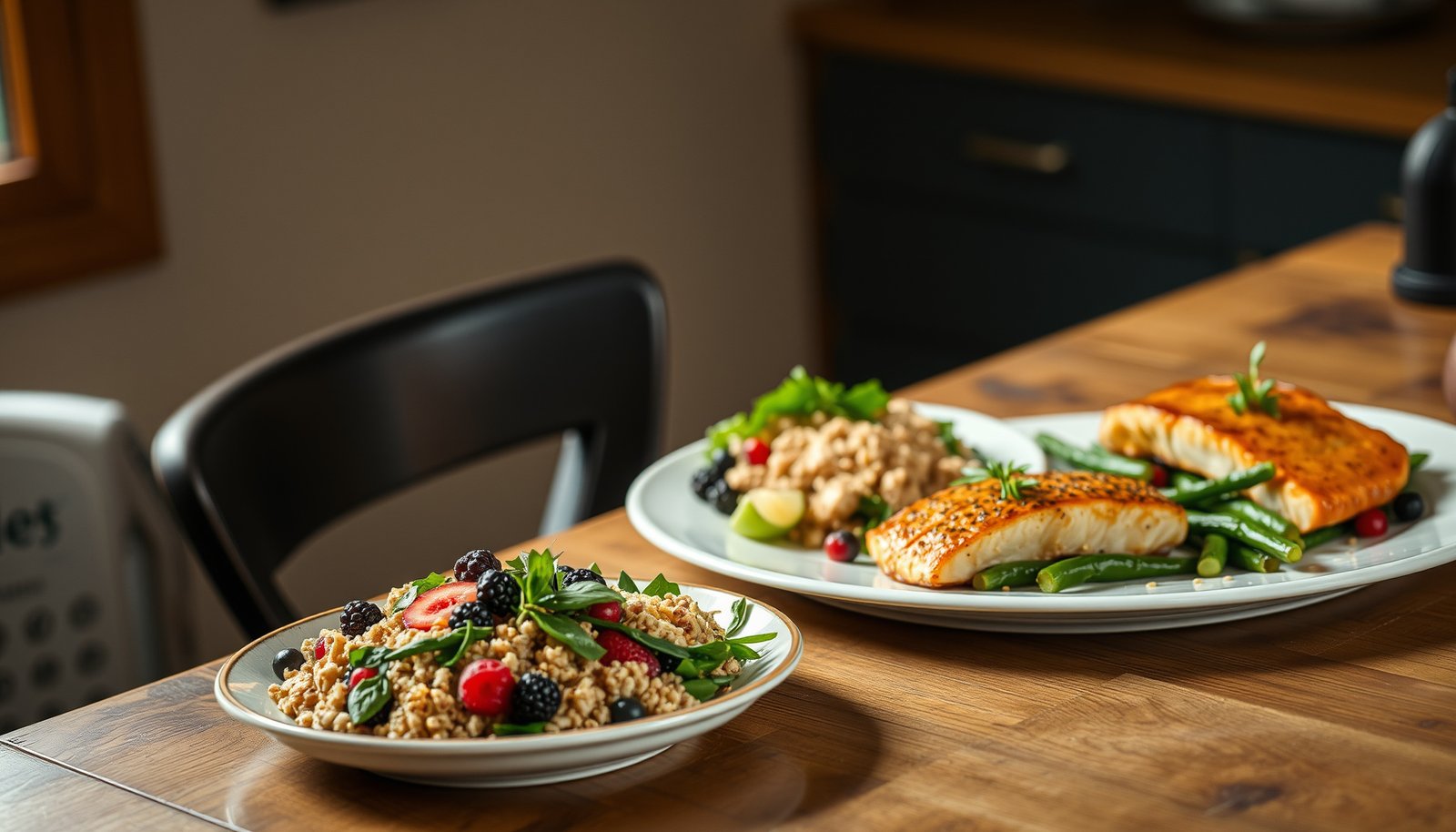

Find the best breakfast, lunch, and dinner for diabetics that actually stabilizes blood sugar without complicated recipes. The picks in this guide win on one specific goal: easy, diabetes-friendly meals built around balanced carbs, lean protein, and fiber-rich vegetables. You’ll get simple daily options for breakfast, lunch, and dinner—so you know exactly what to cook next, not just what to avoid.




The best breakfast, lunch, and dinner for diabetics follow the same simple pattern: balance protein, fiber-rich (not refined) carbohydrates, and healthy fats—then keep your portions consistent. Build meals around non-starchy vegetables plus a smart carbohydrate choice, and you’ll typically see steadier blood sugar after eating. In this guide, you’ll get practical, repeatable meal ideas for each daypart and the common mistakes to avoid—updated for real-world meal planning in 2026.
If you’re managing diabetes (type 1, type 2, or gestational) or cooking for someone who is, these meal templates are meant to be flexible. They work best when you match them to your individual diabetes plan, medications, and any guidance from your clinician or diabetes educator.
The diabetic “plate” that fits breakfast, lunch, and dinner
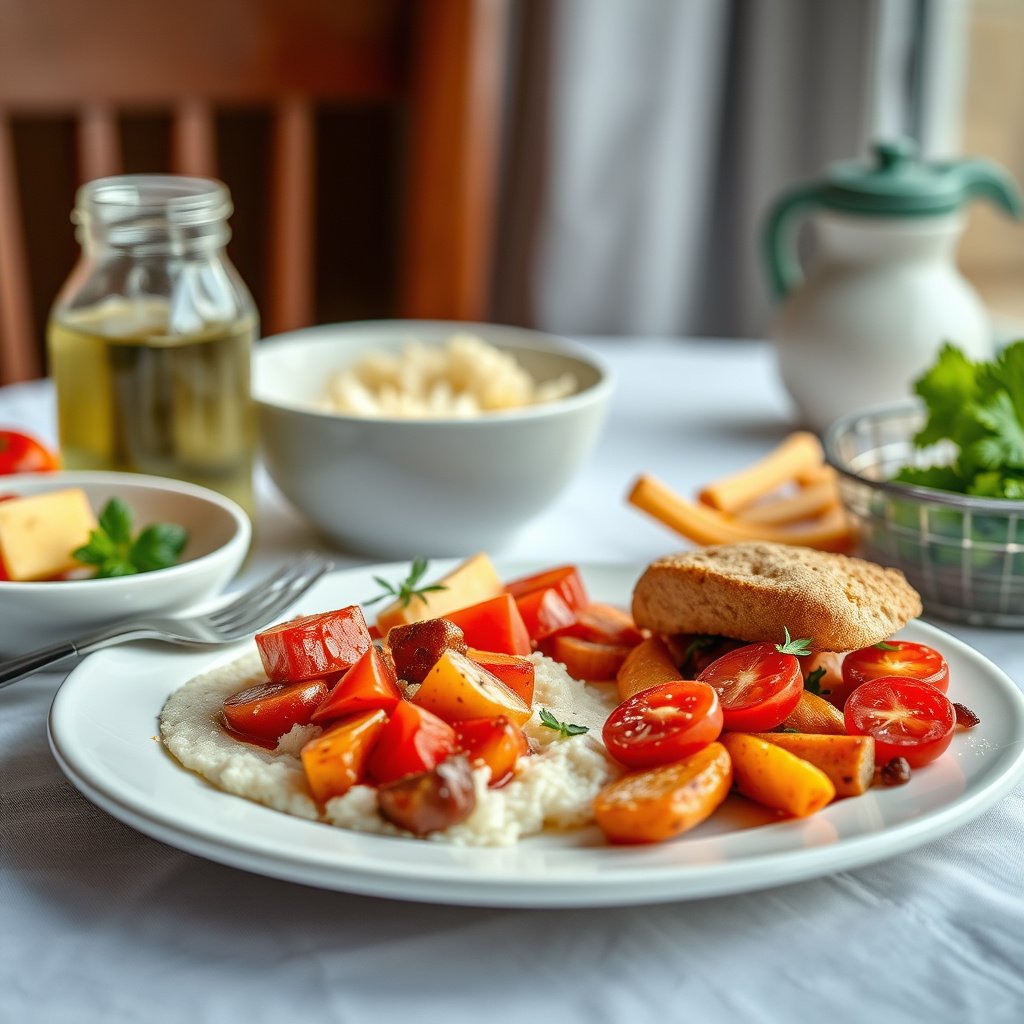
The best way to make breakfast, lunch, and dinner easier for diabetes is to use a repeatable “plate” framework. Each meal works best when it emphasizes non-starchy vegetables, steady protein, and a measured carbohydrate you can track consistently.
Here’s why this approach matters: carbohydrates are the main nutrient that raises blood glucose, but the rate and size of the rise depends on the carbohydrate type, the portion, and what you pair it with (protein and fat slow digestion).
Non-starchy vegetables are typically low in digestible carbohydrates and help you “fill the plate” without driving large glucose jumps.
According to the USDA Dietary Guidelines for Americans (2020–2025), adults should aim for about 14 grams of fiber per 1,000 calories, which supports steadier glucose responses.
According to the USDA Dietary Guidelines for Americans (2020–2025), keeping added sugars to less than 10% of daily calories helps limit rapid glucose spikes from sugary drinks and desserts.
To make this plate method practical, treat it like a routine you can execute quickly:
– Half the plate: non-starchy vegetables (e.g., leafy greens, broccoli, cauliflower, peppers, mushrooms, zucchini).
– One quarter: protein you can repeat (eggs, fish, chicken/turkey, tofu, tempeh, Greek yogurt, cottage cheese, beans/lentils).
– One quarter (or a smaller measured portion): a carbohydrate choice that digests more slowly (higher-fiber grains/legumes, fruit with portion control, or starchy vegetables in planned amounts).
– Add fats in controlled portions: olive oil, avocado, nuts, seeds—mainly to improve satisfaction and slow digestion.
A quick reference for “slower” carb choices (glycemic-index friendly)
Below is a simplified look at typical glycemic index (GI) behavior for common higher-fiber carbohydrate add-ins. GI is not the same as your personal glucose response, but it’s a helpful planning starting point.
Typical GI Patterns for Common Diabetic Meal Carbs
| # | Carb add-in (often used in diabetes meal planning) | Typical GI (approx.) | Category | “Glucose-stability” rating |
|---|---|---|---|---|
| 1 | Kidney beans (cooked) | ~24 | Low | ★★★★★ (72/100) |
| 2 | Chickpeas (cooked) | ~28 | Low | ★★★★★ (72/100) |
| 3 | Lentils (boiled) | ~32 | Low | ★★★★★ (68/100) |
| 4 | Oatmeal (rolled oats) | ~55 | Low–mid | ★★★☆☆ (45/100) |
| 5 | Quinoa (cooked) | ~53 | Low–mid | ★★★☆☆ (47/100) |
| 6 | Brown rice (cooked) | ~50 | Low | ★★★☆☆ (50/100) |
| 7 | Sweet potato (baked) | ~63 | Mid | ★★☆☆☆ (37/100) |
Note: GI values can vary with cooking method and the specific GI study conditions; your personal blood-glucose readings are still the final authority for diabetic meal planning.
In diabetic meal planning, pairing a measured carbohydrate with protein and fat typically slows digestion, which can help reduce post-meal glucose peaks.
Medical nutrition therapy (MNT) for diabetes is individualized; the American Diabetes Association emphasizes tailoring carbohydrate choices and timing to your treatment plan.
Best breakfast ideas for diabetics (steady energy, fewer spikes)
The best diabetic breakfast choices prioritize protein first, then add a carefully portioned, higher-fiber carbohydrate. When you start this way, you often get steadier energy and fewer early-day glucose surges.
According to the American Diabetes Association (ADA), carbohydrate-containing foods raise blood glucose and should be matched to your diabetes medication plan and individualized targets.
Many people do better with breakfast carbs that come with fiber and intact structure (like oats or beans) rather than quickly absorbed refined breakfast foods.
The practical breakfast build (diabetic meal planning friendly):
– Start with high-protein options:
– veggie omelet (eggs + sautéed spinach/mushrooms/peppers)
– Greek yogurt (plain, unsweetened) with chia or ground flax
– tofu scramble with turmeric, peppers, and onions
– cottage cheese with berries
– Add fiber-rich carbs carefully:
– oats (portion-controlled)
– whole-grain toast
– beans (yes—savory breakfast bowls work well for many people)
– Skip the “sweet start” option:
– flavored yogurt with added sugars
– pastries
– juice-heavy breakfasts
Example breakfast plates (simple swaps)
1. Omelet + toast: 2 eggs + non-starchy veg, plus 1 slice whole-grain toast.
2. Greek yogurt bowl: plain Greek yogurt + berries + nuts/seeds (measure the carb portion you use daily).
3. Tofu scramble + beans: tofu scramble + a small serving of beans as your carb.
The one change that often makes the biggest difference
In 2026, many clinicians still see the same pattern: sugary drinks and “drinkable carbs” cause faster glucose rises than solid foods. If you currently do sweet coffee drinks, the first swap is usually: use unsweetened milk/cream and reduce sweeteners, then rebuild breakfast around protein and fiber.
Best lunch options for diabetics (meal prep friendly)
The best diabetic lunch options are built like a structured bowl or wrap: vegetables + lean protein + measured carbohydrates + healthy fats. Meal prep works particularly well here because it reduces decision fatigue and portion drift.
Diabetes meal planning is easier when you repeat a “bowl/wrap/plate” structure and only swap proteins and vegetables, while keeping the carbohydrate add-in portion consistent.
According to the Academy of Nutrition and Dietetics, evidence-based medical nutrition therapy for diabetes uses individualized nutrition goals rather than one-size-fits-all rules.
To make lunch predictable, use these templates:
– Salad or bowl with structure: leafy greens + non-starchy vegetables + lean protein + healthy fats (olive oil, avocado) + one controlled carb add-in.
– Wrap or plate swaps:
– lettuce wraps
– whole-grain wraps filled with chicken/tuna/tofu + lots of vegetables
– If you eat soup: choose tomato/bean/vegetable-based varieties and watch for creamy soups, breaded add-ins, and added sugars.
Lunch ideas that stay “diabetic-plate compliant”
– Mediterranean chicken bowl: romaine + cucumber + tomato + olive oil + chicken + a measured serving of chickpeas.
– Tuna or salmon salad wrap: tuna + Greek yogurt (instead of sweet mayo) + celery + mustard; wrap in whole-grain or lettuce wrap; add avocado.
– Veg + bean soup + side salad: lentil or black bean soup paired with extra non-starchy vegetables.
Pros/cons snapshot: structured lunch vs. “grab-and-go”
| Approach | Pros for diabetics | Cons / risk points |
|---|---|---|
| Structured bowl/wrap (plate template) | Consistent portions; easier carb tracking; usually higher fiber | Requires a bit of prep at first |
| Random grab-and-go lunch | Faster when unprepared; less planning | Hidden sugars in sauces; refined carbs add up quickly |
In diabetic meal planning, structure beats “perfect choices” because blood glucose responds to the overall meal pattern, not a single food.
Best dinner meals for diabetics (balanced, satisfying, repeatable)
The best dinner for diabetics starts with protein and non-starchy vegetables, then adds one measured carbohydrate. This approach tends to be satisfying without relying on high-sugar sauces or refined starch-heavy sides.
A1c reflects your average blood glucose over roughly 8–12 weeks, so consistent meal patterns matter over time, not just one meal (American Diabetes Association, Standards of Care in Diabetes—2024).
According to the USDA Dietary Guidelines for Americans (2020–2025), emphasizing fiber-rich foods supports healthier blood sugar patterns and cardiometabolic risk reduction.
Use this repeatable dinner build:
– Protein + vegetables first: chicken, fish, tofu, tempeh, eggs, or beans/lentils.
– One measured carbohydrate source: brown rice, quinoa, sweet potato, or legumes (portion it).
– Flavor without sugar: roasting, grilling, sautéing with herbs/spices, lemon, vinegar, and unsweetened sauces.
– Smart sides: steamed vegetables, roasted veggies, lentil dishes, or a bean-based side instead of fries or white bread-heavy meals.
Easy dinner examples
1. Sheet-pan dinner: salmon (or chicken) + broccoli + peppers + zucchini; add a measured portion of quinoa on the side.
2. Stir-fry (diabetic-plate style): tofu or shrimp + non-starchy vegetables; serve with brown rice in a controlled portion.
3. Legume night: lentil curry (unsweetened) + cauliflower rice + side salad.
A practical note about timing in diabetic meal planning
If you use insulin or other diabetes medications, the same dinner can affect people differently depending on timing and dose. If you’re changing your evening routine in 2026, monitor glucose more closely during the first few adjustments and follow your clinician’s guidance.
What can go wrong (common diabetic meal mistakes)
The most common problems in diabetic meal planning are usually hidden in portions, liquids, and “looks healthy” carbohydrates. When blood sugar spikes, it’s often because the carbohydrate quantity, form, or timing didn’t match your plan.
Even “healthy” carbs (whole grains, fruit) can raise blood glucose if the portion is larger than your individualized carbohydrate target.
Liquid sugar typically hits faster than solid carbs because it’s absorbed more quickly, which can make glucose rises steeper for many people.
The ADA emphasizes matching nutrition, medication, and activity patterns; timing changes can alter glucose effects even when meals look the same (American Diabetes Association, Standards of Care in Diabetes—2024).
Common mistakes to watch for:
– “Healthy” carbs in huge portions: whole grains and fruit can spike if portions exceed your plan.
– Liquid sugar: juice, sweet coffee drinks, and soda often raise glucose faster than solid carbs.
– Over-reliance on one food pattern: some people respond differently to carbs at different times; your response matters, especially with insulin or medications.
– Timing surprises: if your medication peaks at a certain time, the same meal can affect you differently depending on when you eat.
Quick edge-case comparison (to protect your routine)
| Situation | What tends to happen | Safer adjustment |
|---|---|---|
| You’re eating out | Portion sizes and sauces are unpredictable | Choose sauces on the side; prioritize vegetables + protein; confirm starch sides |
| You’re having “exercise vs. no exercise” days | Insulin sensitivity and glucose response shift | Monitor and coordinate carbs with activity (per clinician guidance) |
| You’re switching carb sources | Fiber and digestion rates change | Keep portions steady for 3–7 days while you learn your response |
Verdict: what to follow—and who should skip this approach
The best plan is to use these meal patterns as a flexible starting template, then adjust carbohydrate portions and choices based on your glucose response and treatment regimen. The downside is that without personalized targets and medication timing alignment, you may still see spikes or lows—especially right after starting a new routine.
These meal patterns align with the medical nutrition therapy principle of building meals around protein, non-starchy vegetables, and controlled carbohydrate choices (American Diabetes Association; Academy of Nutrition and Dietetics).
Because diabetes management is individualized, the ADA recommends tailoring nutrition therapy to medication regimens, preferences, and clinical goals (American Diabetes Association, Standards of Care in Diabetes—2024).
Who should skip or get extra guidance first:
– newly diagnosed people who haven’t yet learned how their glucose responds
– pregnant individuals (gestational diabetes can require tighter coordination)
– anyone with frequent hypoglycemia (lows)
– people using insulin with tight dosing adjustments
– anyone already told to follow a specific eating plan by a clinician/educator
If you’re stable, this diabetic meal planning framework is usually a practical way to start making meals simpler—while still respecting the realities of medications, schedule, and preferences.
Quick scan checklist (save this for shopping + cooking)
| Meal part | Choose | Limit/avoid |
|---|---|---|
| Vegetables | Non-starchy veggies at every meal | Refined veg sides (often starchy) |
| Protein | Eggs, fish, poultry, tofu, beans, Greek yogurt | Fried/breaded proteins |
| Carbs | Higher-fiber grains/legumes, controlled fruit | Juice, pastries, sweets, sugary drinks |
| Fats | Olive oil, avocado, nuts (in reasonable portions) | Trans fats; heavy sugary sauces |
| Flavor | Herbs, spices, vinegar, lemon, unsweetened sauces | Added sugar marinades and glazes |
Before you eat: pair carbs with protein/fiber, check portions, and drink water instead of sweet beverages.
Verdict (final takeaway)
The best breakfast, lunch, and dinner for diabetics follow one repeatable structure: non-starchy vegetables, steady protein, measured higher-fiber carbohydrate choices, and healthful fats. Start simple with the diabetic plate framework, keep portions consistent, and adjust based on your glucose readings and medication timing. If you’re newly diagnosed, pregnant, having frequent lows, or using insulin with tight dosing, prioritize clinician-guided personalization before making major changes.
Sources:
– American Diabetes Association (nutrition therapy and meal planning guidance)
– CDC (diabetes and healthy eating / carbohydrate considerations)
– USDA Dietary Guidelines for Americans (healthy eating patterns and fiber-focused recommendations)
– Academy of Nutrition and Dietetics (evidence-based medical nutrition therapy principles)
Frequently Asked Questions
What is the best breakfast for diabetics to control blood sugar?
A great diabetic-friendly breakfast is one that pairs high-fiber carbohydrates with healthy protein and fats, such as Greek yogurt with berries and chia seeds, or whole-grain oats topped with nuts. These combinations slow digestion and help prevent blood sugar spikes. If you use fruit, choose smaller portions and pair them with protein (like eggs or yogurt) to improve glycemic response.
Which lunch meals are best for diabetics when you want steady energy?
For lunch, aim for a balanced plate: non-starchy vegetables, a lean protein (chicken, tuna, tofu, beans), and smart carbs like quinoa, brown rice, or a small portion of whole-grain pasta. Mediterranean-style bowls—such as grilled salmon with quinoa and a big salad—are excellent options because they’re high in fiber and healthy fats. If you’re eating out, ask for dressing or sauce on the side and choose grilled, not breaded, items to support better glucose control.
How can diabetics plan dinner to avoid nighttime blood sugar spikes?
Dinner should be lighter on refined carbs and focused on vegetables, protein, and measured portions of whole-food carbohydrates. Examples include salmon or turkey with roasted non-starchy vegetables and a small serving of sweet potato, or a stir-fry with tofu and low-carb veggies served with limited brown rice or cauliflower rice. Also consider eating dinner earlier when possible and monitoring how different meal timing and portion sizes affect your next-morning glucose.
Why are carbs and portion size so important for diabetic-friendly breakfast lunch and dinner?
Carbohydrates have the biggest impact on blood glucose, so choosing high-fiber carbs and controlling portions can make a major difference. Even healthy foods like fruit, whole grains, and legumes can raise blood sugar if the portion is too large. Using the “carb + protein + fiber” approach at each meal helps slow glucose absorption and supports steadier energy throughout the day.
What are the best diabetic dinner and lunch foods to choose at a grocery store?
Stock up on non-starchy vegetables (spinach, broccoli, peppers), lean proteins (fish, chicken breast, eggs, tofu), and high-fiber carb options like lentils, beans, quinoa, oats, and whole grains in small portions. For added flavor, use olive oil, herbs, garlic, and low-sugar sauces rather than sugary marinades. Planning meals around these staples makes it easier to build diabetic-friendly breakfast lunch and dinner options that support glucose control.
📅 Last Updated: October 24, 2026 | Topic: best breakfast lunch and dinner for diabetics | Content verified for accuracy and freshness.
References
- Healthy Eating | Diabetes | CDC
- https://www.niddk.nih.gov/health-information/diabetes/overview/eating-nutrition
- Nutrition and Diabetes | ADA
- Diabetes diet: Create your healthy-eating plan – Mayo Clinic
- Diabetes
- https://pubmed.ncbi.nlm.nih.gov/?term=nutrition+therapy+type+2+diabetes+meal+planning
- https://scholar.google.com/scholar?q=best+diet+for+type+2+diabetes+meal+planning Google Scholar
- https://scholar.google.com/scholar?q=carbohydrate+counting+diabetes+nutrition+therapy+randomized+trial Google Scholar
- https://scholar.google.com/scholar?q=breakfast+glycemic+control+type+2+diabetes+lunch+dinner Google Scholar





Pingback: Best Breakfast Menu for Diabetics: Smart Blood-Sugar-Friendly Ideas - Best For Diabetics