
The best breakfast for type II diabetes is the one you eat first in the morning: a high-protein, high-fiber meal that keeps blood sugar steady and curbs hunger. This guide answers what to eat first at breakfast—specifically which foods to prioritize and which to skip—to get the most immediate glucose-control benefit. If your goal is safer, smoother mornings, we’ll tell you the clear winner and why it works.

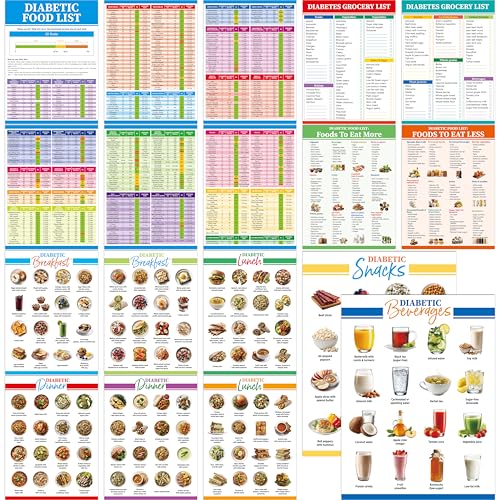

The best breakfast for type 2 diabetes is one that starts with protein, adds fiber-rich carbohydrates, and includes healthy fats—while avoiding sugar-sweetened drinks and refined grains. This combination helps you aim for steadier blood sugar after breakfast (not a “no-carb” breakfast), using repeatable portion habits that fit your diabetes care plan in 2025–2026.
Who this is for / when it applies

If you have type 2 diabetes and want a breakfast plan you can repeat most days, this is for you. It’s especially useful when your main challenge is post-meal blood sugar spikes and you want clarity on which “carb-containing” foods actually matter—without overcomplicating every meal in 2026.
The American Diabetes Association emphasizes that nutrition therapy should be individualized and coordinated with diabetes medications to improve glycemic outcomes. American Diabetes Association (ADA), Standards of Care in Diabetes
If you use insulin or diabetes medications that can cause hypoglycemia, making big breakfast changes should be discussed with a clinician to avoid lows. American Diabetes Association (ADA), Hypoglycemia guidance in Standards of Care
When breakfast changes are “medication-sensitive”
Many people with type 2 diabetes take metformin, GLP-1 receptor agonists, SGLT2 inhibitors, or basal/bolus insulin. The reason breakfast composition and timing matters is that medication action peaks can overlap with digestion, affecting whether your glucose rises too fast or drops too low—especially with insulin or sulfonylureas (e.g., glipizide, glyburide). If your clinician has given you a specific carbohydrate target for breakfast, treat that number as the anchor; foods then become the “how” to hit the target.
Works best when you focus on the “first bite”
A practical way to reduce glucose spikes is not just choosing “better carbs,” but changing the order and balance so glucose enters the bloodstream more gradually. Protein and healthy fats slow gastric emptying, and fiber from whole foods reduces the speed of carbohydrate absorption. That’s why “protein first” is more than a slogan—it’s a digestion strategy that’s easier to repeat daily.
Best breakfast formula for type II diabetes
The best breakfast formula is protein + fiber-rich carbs + healthy fats, built to match your prescribed carb range rather than eliminating carbs altogether. Here’s why this works: protein and fat improve meal satisfaction and slow glucose rise, while fiber-rich carbs provide energy with less rapid digestion.
ADA nutrition guidance supports carbohydrate management as part of overall diabetes care rather than eliminating carbohydrates for everyone. American Diabetes Association (ADA), Nutrition Therapy / Meal Planning
High-fiber foods generally slow carbohydrate absorption, which can reduce post-meal glucose spikes compared with refined carbohydrate sources. American Diabetes Association (ADA), Meal planning guidance
The repeatable plate: protein first, then fiber, then fats
Use this baseline formula every time you plan breakfast, and fine-tune only the “slow carb” portion size.
– Start with protein: eggs, Greek yogurt, cottage cheese, tofu, tempeh, beans/lentils, or chicken/turkey leftovers.
– Add fiber and “slow carbs”: berries, chia/flax, non-starchy vegetables, or whole grains in reasonable portions.
– Choose healthy fats: nuts, nut butter, olive oil, avocado—helpful for fullness and meal satisfaction.
A quick reality check: “carb” is broader than bread
Many people assume carbs are only found in toast or cereal. In practice, carbs also come from milk, yogurt, fruit, juice, some sweeteners, and even “healthy” granolas. When you keep breakfast consistent, you can better interpret how different food swaps affect your glucose—especially important in 2025–2026 when meal patterns shift frequently with work and travel.
Diabetes-Friendly Breakfast Components: Typical Macro Snapshot (commonly used servings)
| # | Breakfast component | Typical serving | Carbs (g) | Fiber (g) | Protein (g) | Diabetes-friendly rating |
|---|---|---|---|---|---|---|
| 1 | Whole eggs | 2 large | ~1.0 | 0 | ~12.6 | ★★★★★ |
| 2 | Plain Greek yogurt | 3/4 cup | ~6 | 0 | ~17 | ★★★★☆ |
| 3 | Cooked lentils | 1/2 cup | ~20 | ~8 | ~9 | ★★★★☆ |
| 4 | Blueberries | 1/2 cup | ~10 | ~2 | ~0.5 | ★★★☆☆ |
| 5 | Chia seeds | 1 tbsp | ~4 | ~2 | ~2 | ★★★☆☆ |
| 6 | Steel-cut oats (cooked) | 1/2 cup | ~27 | ~2 | ~5 | ★★☆☆☆ |
| 7 | Orange juice | 1 cup | ~26 | 0 | ~1.7 | ★☆☆☆☆ |
Note: Macro values vary by brand and exact serving size; confirm with the specific label or database you use at home (e.g., USDA FoodData Central).
How to use this table without overthinking
Treat these as directionally useful, not perfect nutrition math. The goal is consistent breakfast structure so your glucose response becomes predictable over time. In 2025–2026, the biggest wins often come from repeatable meals and portion discipline, not “finding the one perfect food.”
Breakfast choices that usually work well
The best breakfast choices for type 2 diabetes are the ones that match the protein + fiber + healthy fat structure you can repeat. The list below focuses on meals that reduce the chances of accidental sugar spikes.
Whole-food breakfasts that include fiber tend to produce more gradual glucose responses than breakfasts dominated by refined starches or added sugars. American Diabetes Association (ADA), Nutrition Therapy / Meal Planning
Blended beverages (especially those with added sugars) can raise glucose faster than eating whole fruit because blending can accelerate carbohydrate digestion. American Diabetes Association (ADA), carbohydrate/meal planning guidance
Quick meal patterns (with swaps you’ll actually use)
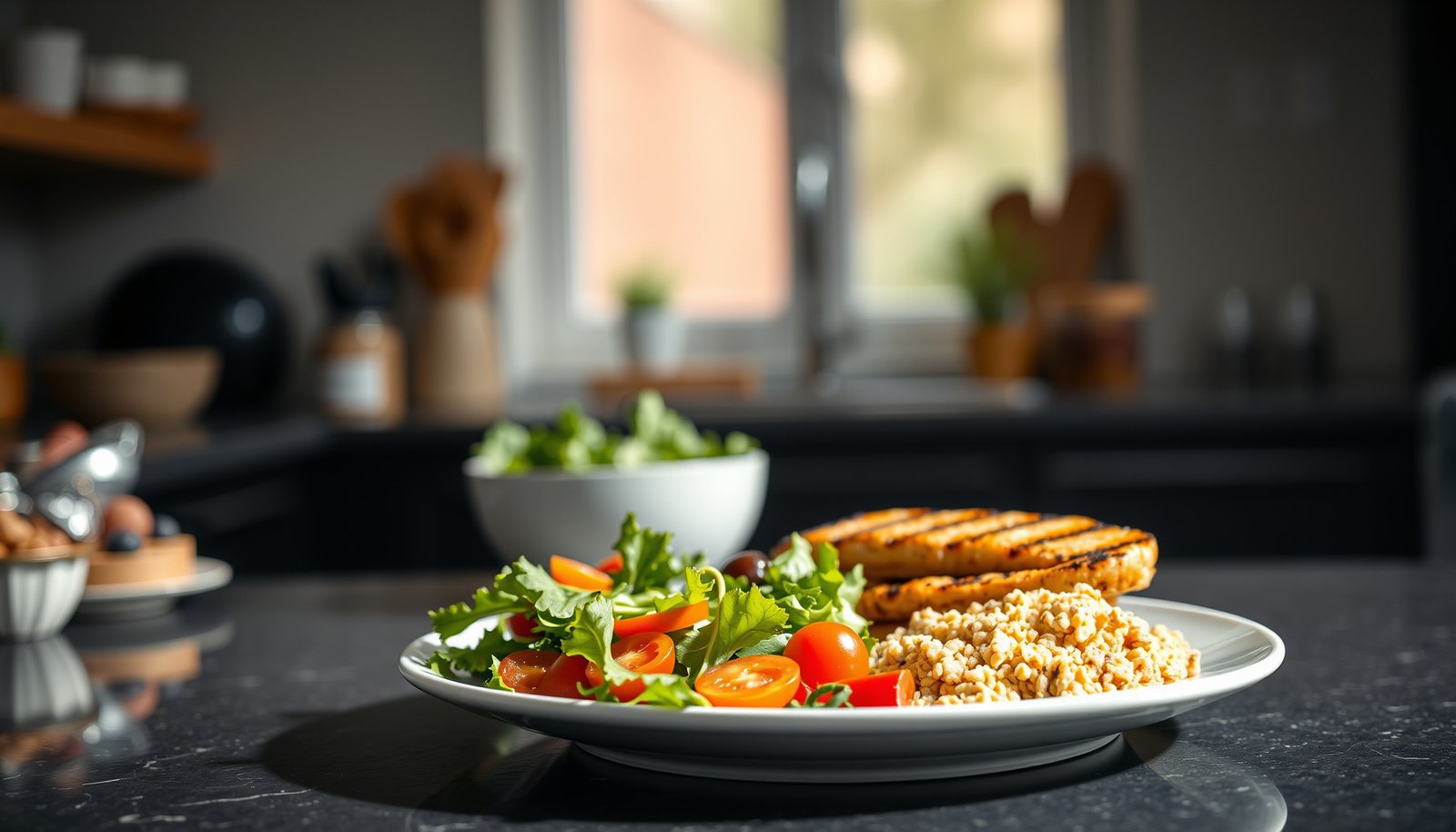
– Egg-based + veggies: veggie omelet or scrambled eggs with spinach/peppers/mushrooms (easy, low added sugar).
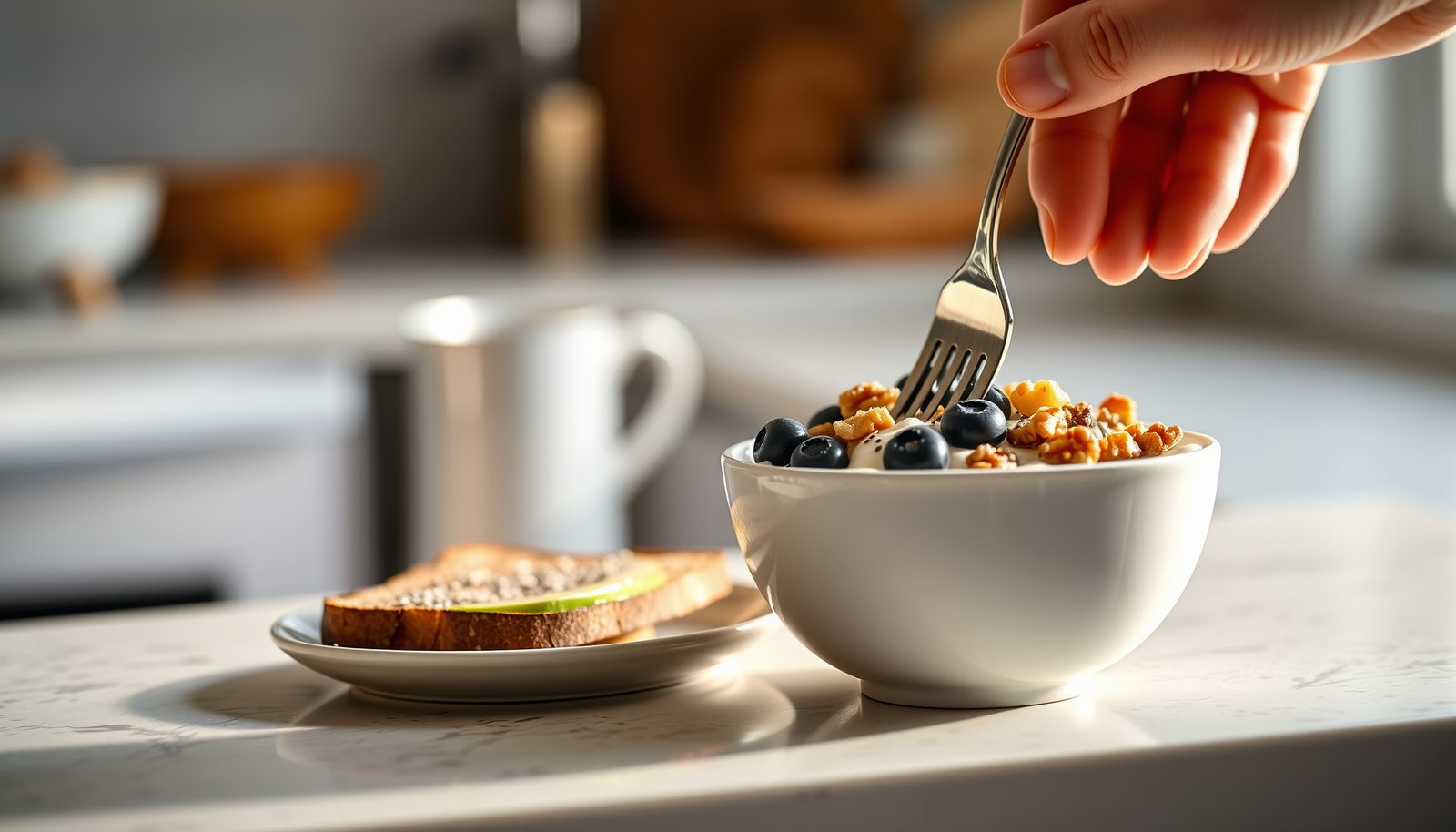
– Yogurt or cottage cheese bowl: plain/unsweetened Greek yogurt or cottage cheese + berries + nuts/chia.
– High-fiber, lower-sugar grain options: steel-cut oats or whole-grain hot cereal made with less sweetening (watch portion size).
– “No-cook” swaps: chia pudding (unsweetened) or overnight oats with controlled add-ins (no honey/maple/juice).
– Savory breakfasts: whole-grain toast or wrap + tuna/salmon or a protein you already eat well.
A simple comparison: savory vs sweet (both can work)
If your breakfast preference is sweet, you can still stay on target with portion control and by “anchoring” sweetness with protein and fiber. If you prefer savory, you can often reduce glucose spikes simply by avoiding juice, jam-heavy spreads, and sweetened yogurt.
| Breakfast style | Pros for glucose stability | Common risk |
|---|---|---|
| Savory (eggs/tuna/tofu + veggies) | Typically high in protein and low in added sugar, making portions easier to keep consistent. | Sauces/spreads can hide sugar or refined carbs if you’re not checking labels. |
| Sweet-leaning (yogurt/berries/oats) | Berries, chia, and measured oats add fiber that supports steadier absorption. | Sweetened yogurt, honey/maple, and “healthy” granola can increase total carbs quickly. |
A note on packaged “diabetes” products
Labels can be misleading. A “diabetes-friendly” snack may still contain carbohydrates that affect your glucose. In 2026, the most reliable approach is to still use your carb targets and portion sizes, then confirm how your body responds.
Portioning, carbs, and timing (so it actually matches your body)
The best breakfast is the one that stays within your personal carbohydrate target and timing plan. Even healthy foods can spike glucose if portions are too large or if timing clashes with how your medication peaks.
Many diabetes meal-planning approaches focus on consistent carbohydrate intake and monitoring post-meal glucose patterns. American Diabetes Association (ADA), Nutrition Therapy / Meal Planning
Medication timing matters because glucose changes can occur when medication action overlaps with digestion after meals. American Diabetes Association (ADA), glucose management guidance
Portioning rules that prevent “accidental carb creep”
– Use your personal carb target from your care plan: aim for consistency at breakfast rather than random large swings.
– Count carbs you may overlook: milk, yogurt, fruit, juice, sweeteners, and even some “healthy” granola.
– Consider timing alongside meds: if your medication schedule is tight, avoid sudden breakfast changes without guidance.
– Prefer whole foods over “diabetes-labeled” snacks: labels can still contain carbs that affect glucose.
Practical carb math you can use tomorrow
If you’re counting carbs, start with the “main carb” item (oats, toast, fruit) and then check the smaller contributors. For example, a breakfast might feel “balanced,” but milk plus fruit plus granola plus sweetened yogurt can exceed your breakfast carb range. This is where consistent measuring beats guessing—especially during busy weeks when you’re more likely to eyeball portions.
Timing: aim for consistency, then adjust
If your glucose peaks after breakfast, keep breakfast time and composition consistent for several days while you track your usual glucose measurements. Then adjust one variable at a time (e.g., reduce oats portion, add vegetables to an omelet, or skip juice entirely). That approach is often more effective than switching entire breakfast styles every morning.
What can go wrong (common breakfast mistakes)
Even the “right” foods can cause problems if breakfast structure breaks down. The most common issues are hidden carbs, low fiber, sugar-sweetened drinks, and medication/portion mismatches.
ADA guidance highlights that carbohydrate quality and total intake influence post-meal glucose, not just whether a food is marketed as healthy. American Diabetes Association (ADA), Nutrition Therapy / Meal Planning
For hypoglycemia, ADA recommends fast-acting carbohydrates (often 15–20 g) rather than delaying treatment—especially if breakfast changes affect glucose trends. American Diabetes Association (ADA), Hypoglycemia guidance in Standards of Care
Common traps that create glucose spikes
– Choosing “healthy” but carb-heavy portions: fruit + granola + sweetened yogurt can add up fast.
– Drinking calories: juice, sweet coffee drinks, smoothies with added sweeteners—often spike glucose more than expected.
– Skipping fiber: a breakfast that’s mostly white bread + jam (even if “small”) can raise blood sugar quickly.
– Forgetting added sugars in sauces/spreads: flavored yogurt, sweet spreads, and some protein bars.
– Making major changes without checking safety: if you’re on insulin or sulfonylureas, lower-carb changes can contribute to low blood sugar.
Pros and cons: what to watch when reducing carbs
| Choice | Potential benefit | Potential downside |
|---|---|---|
| Lowering refined carbs | May reduce rapid glucose rise after breakfast. | If you drastically cut carbs without medication adjustment, some people can run low—particularly with insulin/sulfonylureas. |
| Keeping carbs but adding fiber | Often supports steadier absorption and better satiety. | If portions still exceed your carb target, glucose can still spike even with “healthy” carbs. |
Edge cases to consider (so you don’t get blindsided)
– Hypoglycemia risk: If you use insulin or sulfonylureas, reducing breakfast carbs can increase low blood sugar risk. Coordinate any major breakfast changes with your clinician.
– Kidney disease: Some people need restrictions on protein, potassium, or phosphorus. If you have chronic kidney disease, this “balanced plate” approach may need clinician adjustment.
– Gastroparesis or slow digestion: For some people, fiber and fat can change the timing of glucose peaks—your “best breakfast” may depend more on timing than on the exact foods.
If you’re unsure how your meds interact with breakfast, treat breakfast adjustments as a clinical planning task—not just a food swap.
Verdict / tip
The best breakfast for type 2 diabetes is a repeatable “protein + fiber + healthy fat” meal that stays within your carb target and avoids sugar-sweetened drinks. If you want one starting point, try plain Greek yogurt or eggs plus non-starchy additions (berries, chia, nuts, or vegetables) and skip sweeteners.
Downside: some people find higher-fat breakfasts feel heavy, and some “whole grain” breakfasts still raise glucose if portions are too large—so measure your response (using your usual glucose monitoring plan) before you lock it in for 2025–2026.
For many adults, ADA commonly references individualized A1C goals; targets frequently used in practice are around American Diabetes Association (ADA), Standards of Care in Diabetes
ADA recommends fast treatment of hypoglycemia with fast-acting carbohydrates (often 15–20 g) to reduce risk of worsening lows. American Diabetes Association (ADA), Hypoglycemia guidance in Standards of Care
Quick scan checklist (save this)
| Build your breakfast | Do this | Avoid |
|---|---|---|
| Protein first | Eggs, Greek yogurt, tofu, cottage cheese, beans | Sweet pastries as the main “protein” source |
| Fiber + slow carbs | Berries, chia/flax, non-starchy veg, controlled whole grains | Juice, honey/maple, candy-like toppings |
| Healthy fats | Nuts, avocado, olive oil | “Diet” granola that’s still sugary |
| Carbs in your plan | Stick to your clinician’s carb target | Guessing portions and adding extra bread/granola |
| Check how you respond | Monitor per your usual plan | Ignoring repeated post-meal spikes |
How to use the checklist without getting overwhelmed
Pick one breakfast you can make consistently for at least several days. Then adjust only one piece at a time—portion size, carb source, or whether you’re adding juice/sweet spreads—so you can actually learn what your body responds to. Consistency is the “data collection system” that makes meal choices smarter.
Sources
– American Diabetes Association (ADA) — Nutrition Therapy / meal planning guidance for adults with diabetes (official ADA Standards of Care section).
– CDC (Centers for Disease Control and Prevention) — General diabetes education on diet, glucose control, and healthy eating patterns.
– USDA FoodData Central — Nutrition information used for food carb/fiber context (useful for checking labels at home).
Pick a breakfast you can repeat: protein plus fiber-rich foods plus healthy fats, staying within your personal carb guidance and skipping sugar-sweetened drinks. Start with one simple option (like eggs with vegetables or plain Greek yogurt with berries and nuts), then adjust portions based on how your blood sugar responds. If you share what you typically eat now (and whether you use insulin or other glucose-lowering meds), we can narrow this to a realistic “best breakfast” shortlist for your routine.
Frequently Asked Questions
What is the best breakfast for type 2 diabetes to help control blood sugar?
The best breakfast for type 2 diabetes is one that combines fiber-rich carbohydrates, lean protein, and healthy fats to reduce blood sugar spikes. Options like Greek yogurt with nuts and berries, or eggs with non-starchy vegetables and a small portion of whole-grain toast can support steadier glucose levels. Aim for a balanced plate and consider portion sizes rather than “no carbs,” since diabetes-friendly carbs are still important to plan carefully.
How can I build a type 2 diabetes breakfast meal that won’t spike my glucose?
Start by including protein (eggs, tofu, Greek yogurt, or cottage cheese) and add non-starchy vegetables (spinach, peppers, tomatoes, mushrooms) for volume and fiber. Choose carbs that are high-fiber and minimally processed, such as steel-cut oats, quinoa, or whole grains, and keep the portion moderate. Adding healthy fats like avocado, chia seeds, or olive oil can further slow digestion and improve post-meal blood sugar control.
Which breakfast foods should I avoid or limit with type 2 diabetes?
Limit sugary cereals, sweet pastries, juice, and breakfast bars because they often cause rapid glucose rises due to refined carbs. White bread, instant oats with added sugar, and large portions of pancakes or waffles can also spike blood sugar if portions aren’t controlled. If you want fruit, choose whole fruit and pair it with protein or nuts rather than drinking juice, which removes much of the fiber.
Why do high-fiber breakfasts help with type 2 diabetes?
High-fiber breakfast foods slow carbohydrate absorption, which can lead to lower post-meal blood sugar spikes and better overall glucose control. Fiber also improves fullness, helping many people manage appetite and reduce the likelihood of overeating later. Look for sources like oats, chia or flax, beans (where appropriate), berries, and whole grains to support diabetes-friendly eating.
Best breakfast ideas for type 2 diabetes when I’m short on time—what should I choose?
If you need quick options, try a protein-forward choice like Greek yogurt topped with chia seeds and berries, or a tofu scramble with pre-chopped vegetables. You can also prep overnight oats with unsweetened milk, nuts, and cinnamon, making sure the serving size fits your carb targets. For grab-and-go meals, choose plain yogurt, hard-boiled eggs, or a small whole-grain wrap with protein and vegetables to keep breakfasts both convenient and diabetes-friendly.
📅 Last Updated: October 24, 2026 | Topic: best breakfast for type ii diabetes | Content verified for accuracy and freshness.
References
- https://www.niddk.nih.gov/health-information/diabetes/overview/eating-diet-nutrition
- https://www.niddk.nih.gov/health-information/diabetes/overview/eating-diet-nutrition/carbohydrate-counting
- Healthy Eating | Diabetes | CDC
- Diabetes diet: Create your healthy-eating plan – Mayo Clinic
- Diabetes
- https://pubmed.ncbi.nlm.nih.gov/?term=breakfast+type+2+diabetes+glycemic+control
- https://scholar.google.com/scholar?q=best+breakfast+for+type+2+diabetes Google Scholar
- https://scholar.google.com/scholar?q=breakfast+glycemic+index+type+2+diabetes Google Scholar
- https://scholar.google.com/scholar?q=breakfast+meal+timing+type+2+diabetes+insulin+resistance Google Scholar