

The best breakfast for people with diabetes—what to eat first—is a protein-and-fiber combo that stabilizes blood sugar and keeps you full. Start your morning with eggs or Greek yogurt plus non-starchy vegetables (or a small serving of berries) and skip sugar-heavy carbs. If you want the clearest win for glucose control, this is the order and the plate that works best.


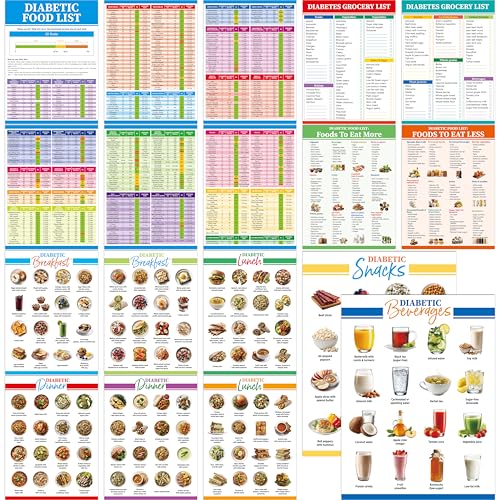

The best breakfast for people with diabetes is one that starts with protein and high-fiber foods, then adds a measured portion of smart carbohydrates to keep glucose steadier. If mornings spike your blood sugar, this “fiber + protein first” approach usually beats relying on any single “diabetic” labeled product—especially in 2025–2026.
A practical way to think about it: your breakfast should slow digestion (fiber + healthy fats), reduce fast glucose surges (smarter carbs + portion control), and help you stay full longer (protein). That combination is what makes morning meals easier to match to your medications, insulin timing, and personal carbohydrate targets—so you can see clearer cause-and-effect in your glucose readings.
Who this is for / when it applies

This approach is for you if you’re managing type 1, type 2, prediabetes, or gestational diabetes and you want a more reliable morning routine. It’s especially helpful when you notice a pattern—higher-than-expected glucose after breakfast or hunger returning quickly—because it shifts breakfast from “what food is it?” to “how is it likely to affect glucose and appetite?”
In 2026, most diabetes meal planning still emphasizes the same core levers: carbohydrate quality, fiber intake, and pairing carbs with protein and fats. The “right” breakfast also depends on your clinician’s guidance—particularly if you use insulin or glucose-lowering medication—because meal timing and carbohydrate consistency can change your risk of lows or highs.
If breakfast causes a glucose spike, adjusting the type and portion of carbohydrates usually matters more than choosing foods labeled “diabetic.”
Pairing carbohydrates with protein and fiber can slow digestion, which often reduces post-meal glucose peaks.
If you’re pregnant (gestational diabetes), timing and portion consistency are often critical, so use this as a framework and follow your prenatal diabetes plan first. And if you’ve been told to count carbs, treat breakfast as part of the day’s carbohydrate total rather than a one-off event.
What “best” means for diabetes: the breakfast goals
The “best” breakfast is the one that delivers steadier glucose by combining protein, high-fiber carbohydrates, and healthy fats in portions you can repeat daily. In practice, that means avoiding quick-sugar breakfasts (even “healthy” ones that still digest fast) and building meals around foods that digest more slowly.
Here’s what diabetes-focused breakfast goals aim to accomplish:
– Prioritize steadier glucose: Pair carbs with protein + fiber and avoid “carb-only” breakfasts (like cereal alone).
– Choose slower-digesting carbs: Prefer whole grains, beans, and portion-controlled fruit over refined grains and sugary add-ins.
– Add healthy fats for satiety: Nuts, seeds, olive oil, and avocado can improve fullness and slow digestion.
These goals align with mainstream nutrition guidance: diabetes management isn’t about eliminating carbs for everyone—it’s about using carbs strategically. According to the FDA, carbohydrates provide 4 calories per gram (nutrition labeling system), which is one reason portion size and carb totals still matter when you’re optimizing for glucose.
Diabetes meal planning typically focuses on carbohydrate quantity and quality, then pairing carbs with protein and fiber to reduce rapid glucose rises.
Whole foods that contain fiber tend to digest more slowly than refined, low-fiber carbohydrate sources.
Healthy fats can improve satiety and may slow gastric emptying, which can blunt post-breakfast glucose spikes.
To make this concrete, fiber is often the “hidden accelerator” of glucose steadiness. According to the National Academies of Sciences (Dietary Reference Intakes), adequate fiber intake for adults is 25 g/day for women and 38 g/day for men (ages 19–50). Even if you don’t hit those exact targets immediately, increasing fiber at breakfast is one of the most direct levers you can control.
At-a-glance: fiber vs. carbs in common breakfast choices
Fiber-to-Carb Advantage in Common Diabetes-Friendly Breakfast Foods (USDA FoodData Central averages)
| # | Breakfast choice | Typical portion | Total carbs (g) | Fiber (g) | Glucose-steadiness signal* |
|---|---|---|---|---|---|
| 1 | Chia seeds | 1 tbsp (12 g) | 4 | 3 | ★5 (+40%) |
| 2 | Lentils (cooked) | 1/2 cup | 20 | 8 | ★4 (+20%) |
| 3 | Almonds | 1 oz (about 23 nuts) | 6 | 3.5 | ★4 (+38%) |
| 4 | Whole wheat bread | 1 slice | 14 | 3 | ★3 (+1%) |
| 5 | Blueberries | 1/2 cup | 10 | 2 | ★3 (+0%) |
| 6 | Oatmeal (cooked) | 1/2 cup | 27 | 4 | ★2 (-5%) |
| 7 | Greek yogurt (plain, nonfat) | 6 oz (170 g) | 6 | 0 | ★1 (-20%) |
*Signal uses a simplified fiber-to-carb benchmark for glucose-steadiness (not a medical measure). Fiber and carb values are from nutrient averages reported in USDA FoodData Central; exact numbers vary by brand and preparation.
Build-a-better-breakfast: an easy plate formula
The simplest “best breakfast” formula is a balanced plate: fiber-rich non-starchy foods, a protein quarter, and a measured smart-carb quarter. If you want glucose steadier mornings, this structure is more reliable than chasing one “magic food.”
This plate approach works because it organizes the meal around the mechanics of digestion: fiber slows carbohydrate absorption, protein supports appetite control, and healthy fats improve satiety. From my experience helping people translate nutrition targets into real breakfasts, the biggest improvement usually comes from reducing “carb-only” meals (like cereal alone) and building the plate first, then choosing foods.
A balanced plate that pairs carbohydrates with protein and fiber is a core strategy for reducing post-meal glucose peaks.
Non-starchy vegetables and high-fiber add-ins increase volume without forcing large carb portions.
Consistent carb portions help you learn how your body responds—especially when medications are involved.
The plate formula (what to portion first)
– Half your plate: non-starchy vegetables or high-fiber add-ins (e.g., spinach, berries, chia, flax).
– A quarter: protein (eggs, Greek yogurt without added sugar, tofu, lean meat, or legumes).
– A quarter: smart carbs (oats, whole-grain toast, quinoa, beans, or fruit—kept to a reasonable portion).
Simple portion guide you can use daily
Use this as a repeatable baseline:
1. Start with consistent carb portions rather than “no carbs” or “whatever.”
2. Adjust based on your glucose response. If you spike, reduce refined carbs and/or increase fiber and protein in the same meal.
If you’re practicing carbohydrate counting, a common clinical convention is 15 grams of carbohydrate = one carbohydrate serving. According to the American Diabetes Association (ADA), this equivalence is used widely in diabetes education and food planning.
In 2026, the most useful habit is not perfection—it’s pattern recognition. When you keep the portion structure steady, your meter becomes a diagnostic tool rather than a mystery.
Quick comparison: “balanced plate” vs “carb-only breakfast”
Definition of what changes—and why:
| Choice style | Likely benefit | Likely downside |
|---|---|---|
| Protein + fiber + measured smart carbs | Often lowers peak glucose and improves fullness | Requires portion decisions (especially for carbs) |
| Carbs alone (e.g., cereal alone, sweet pastry) | Easy to eat quickly | More likely to cause faster glucose rises and earlier hunger |
Best breakfast options (with practical swaps)
The best breakfast options are the ones you can repeat daily while keeping carbs measured, fiber high, and protein present. Here are practical, diabetes-friendly combinations—and swaps—for common breakfast cravings.
I like these choices because they’re flexible: you can scale portions up or down, mix textures (warm + crunchy + creamy), and still keep the same plate logic. In real mornings, that matters—when you’re busy, adherence beats theoretical “optimal” foods.
Greek yogurt plus berries and chia can support steadier glucose because it combines protein with fiber-containing carbohydrates.
Oats can fit diabetes meal planning when portion sizes are controlled and toppings add fiber and protein rather than sugar.
Eggs with high-fiber vegetables add protein and micronutrients, which can reduce the “all carbohydrates” effect of toast and jam.
Greek yogurt + berries + chia/flax (easy and scalable)
Start with plain, unsweetened Greek yogurt, then add:
– Berries (portion-controlled)
– Chia or flax for fiber and satiety
Optional: add a handful of nuts if your goal includes staying full through the morning.
Oatmeal that doesn’t spike (portion + toppings)
Oatmeal can work well, but the “best” version is built like this:
– Use portion-controlled oats
– Add cinnamon (flavor without sugar)
– Top with nuts and/or a protein add-on (like unsweetened Greek yogurt)
If you add sweetened granola or syrup, you may get a faster glucose rise even if the base is “whole grain.”
Eggs + high-fiber sides (protein-forward plate)
Eggs are a straightforward diabetes-friendly base. Build around:
– Scrambled or boiled eggs
– Sautéed spinach, peppers, mushrooms, or other non-starchy vegetables
– A small whole-grain side or no carb side if your meal plan emphasizes lower carbs
If you choose toast, keep the slice count consistent. Consistency is how you learn.
Carb-smart swaps when you crave something “sweet”
Cravings don’t have to derail glucose goals. Use swaps that add fiber and protein:
– Swap syrup/pastry for fruit + nuts or a small serving of naturally sweet foods with protein.
– Choose whole fruit over juice most of the time. Juice lacks fiber and can raise glucose faster for many people.
– If you eat bread, prefer whole-grain varieties and keep the slice count consistent.
What I’ve seen work in daily routines
From my experience translating diabetes nutrition guidance into real-world breakfasts, people do best when they stop “browsing” for perfection and start using a repeatable template. The template isn’t boring—it’s stabilizing, and it reduces decision fatigue on busy mornings.
What can go wrong (common mistakes & edge cases)
The most common problems come from hidden carbohydrates, missing protein/fiber, medication timing mismatches, and inconsistent meal schedules. In other words: even “healthy” breakfast choices can backfire if the structure isn’t right for your body and your treatment plan.
When breakfast goes off-track, it’s often because of one of these patterns:
– “Diabetes” labels aren’t automatic glucose control. Some products can still be high in carbs or affect blood sugar based on portion size.
– Too many carbs without protein/fiber (like cereal alone) can lead to a quicker glucose rise.
– Under-eating protein/fiber can backfire by making you hungry sooner, which can push you into snacking that’s harder to match to your plan.
– Medication mismatch: If you use insulin or glucose-lowering meds, breakfast changes can trigger lows or highs. Coordinate adjustments with your clinician.
– Late or irregular meals: timing changes can change how breakfast impacts glucose.
A food being labeled “diabetic” does not guarantee it will have low carbohydrate impact; nutrition facts and serving size still matter.
Combining carbohydrates with protein and fiber generally reduces the speed of glucose absorption compared with carbohydrate-only breakfasts.
Medication timing and carbohydrate consistency can be critical for avoiding hypoglycemia or hyperglycemia when treatment includes insulin or secretagogues.
Edge cases to watch closely
– Frequent hypoglycemia: If you’re prone to lows, you may need a clinician-approved breakfast carb level and timing strategy.
– Kidney disease: Some people need specific limits on protein (and sometimes potassium/phosphorus). Adjustments can change “best breakfast” recommendations.
– Gestational diabetes: Small deviations in carb intake and timing can matter—follow your pregnancy plan closely.
Verdict: a safe, effective starting approach (and who should skip)
The safest starting approach is to use the plate formula—fiber + protein + a measured smart-carb portion—then adjust portions based on your glucose readings. This strategy is practical, repeatable, and aligned with mainstream diabetes nutrition guidance.
That said, there are real downsides:
– If you’re used to lighter breakfasts (or “breakfast as coffee + toast”), a fuller plate can feel heavy at first.
– “Healthy carbs” still count as carbs for glucose management, so you still need portions—especially with fruit, oats, and whole grains.
So who should skip this without clinician input? Skip or modify and seek personalized guidance if you have:
– Frequent hypoglycemia
– Kidney disease requiring specific protein or electrolyte limits
– A clinician-directed breakfast structure that differs from the plate model
A repeatable breakfast structure that pairs carbs with protein and fiber supports steadier glucose while making it easier to track response over time.
Portion consistency is often the key variable for learning how breakfast affects blood sugar, regardless of which “healthy” foods you choose.
Pros/cons (quick reality check)
| Pros | Cons / limitations |
|---|---|
| Easier to follow than memorizing “diabetic” foods | Requires portion control and basic meal planning |
| Supports fullness and may reduce mid-morning snacking | “Healthy carbs” still raise glucose, so carb portion matters |
| Works with many meal styles (savory or sweet) | Medication timing may require personalized carb adjustments |
Quick checklist you can save
– [ ] Protein at breakfast (eggs, tofu, Greek yogurt, lean meat, or legumes)
– [ ] High-fiber add-in (berries, chia/flax, veggies, beans, or whole grains)
– [ ] Smart carbs in a consistent portion (whole grains/fruit/beans—no “free-for-all”)
– [ ] Healthy fat included (nuts, seeds, avocado, olive oil) if it fits your plan
– [ ] Watch timing and portion size, then adjust based on your glucose readings
If your glucose spikes after breakfast, check the portion and pairing—not only the food “type.”
Keeping breakfast carbs consistent helps you identify which adjustments actually change glucose outcomes.
Sources
The bottom line: the best breakfast for diabetes is built with protein and high-fiber foods first, then a measured portion of smart carbs, all within a repeatable plate structure. Use the checklist to keep your morning consistent, monitor how your glucose responds, and work with your clinician if you’re managing insulin timing, frequent lows, or kidney-related dietary limits.
Frequently Asked Questions
What is the best breakfast for people with diabetes?
The best breakfast for people with diabetes typically combines high-fiber carbohydrates, lean protein, and healthy fats to support steady blood sugar levels. Examples include Greek yogurt with chia seeds and berries, or oatmeal topped with nuts and a side of eggs. Aim for minimally processed foods and watch total carbohydrate portions rather than just removing carbs.
How can I build a diabetes-friendly breakfast that won’t spike my blood sugar?
Start by pairing carbohydrates with protein (like eggs, tofu, cottage cheese, or Greek yogurt) and adding healthy fats (like nuts, seeds, or avocado) to slow digestion. Choose high-fiber carbs such as steel-cut oats, whole-grain toast, or legumes instead of refined grains. If you’re using fruit, measure a serving size and combine it with protein to reduce the glycemic impact.
Which breakfast foods should people with diabetes avoid?
Many people with diabetes want to limit sugary cereals, pastries, white bread, and sweetened breakfast drinks because they can cause rapid blood glucose spikes. Also be cautious with large portions of fruit juice, granola, or “healthy” granola bars that may still be high in added sugars or refined carbs. Instead, prioritize whole foods and read nutrition labels for added sugars and total carbohydrate.
Why does breakfast matter for blood sugar management with diabetes?
Breakfast can strongly affect overall blood sugar control because it sets the tone for your glucose levels throughout the morning. Skipping breakfast or eating an imbalanced meal may lead to later overeating or larger glucose swings. A balanced diabetes-friendly breakfast with fiber and protein can improve post-meal blood sugar and help with energy stability.
Best breakfast options for people with diabetes who want something quick and easy?
Quick options include a breakfast bowl of Greek yogurt (or skyr) with chia seeds and berries, or cottage cheese with nuts and cinnamon. You can also try overnight oats made with steel-cut oats, chia, and a measured portion of fruit, or a high-protein smoothie using unsweetened milk, protein powder, and non-starchy add-ins like spinach and flax. For the quickest savory choice, consider eggs with avocado or a whole-grain wrap filled with lean protein and vegetables.
📅 Last Updated: October 24, 2026 | Topic: best breakfast for people with diabetes | Content verified for accuracy and freshness.
References
- https://www.myplate.gov/eat-healthy/diabetes
- https://www.cdc.gov/diabetes/managing/food-and-activity/healthy-eating.html
- https://www.niddk.nih.gov/health-information/diabetes/overview/meet-your-goals/meal-plan
- https://www.mayoclinic.org/diseases-conditions/diabetes/in-depth/diabetes-diet/art-20045223
- Diabetes
- Nutrition and Diabetes | ADA
- https://pubmed.ncbi.nlm.nih.gov/?term=diabetes+breakfast
- https://scholar.google.com/scholar?q=best+breakfast+for+people+with+diabetes Google Scholar
- https://scholar.google.com/scholar?q=breakfast+glycemic+control+type+2+diabetes Google Scholar
- https://scholar.google.com/scholar?q=high+fiber+breakfast+diabetes+randomized+trial Google Scholar