
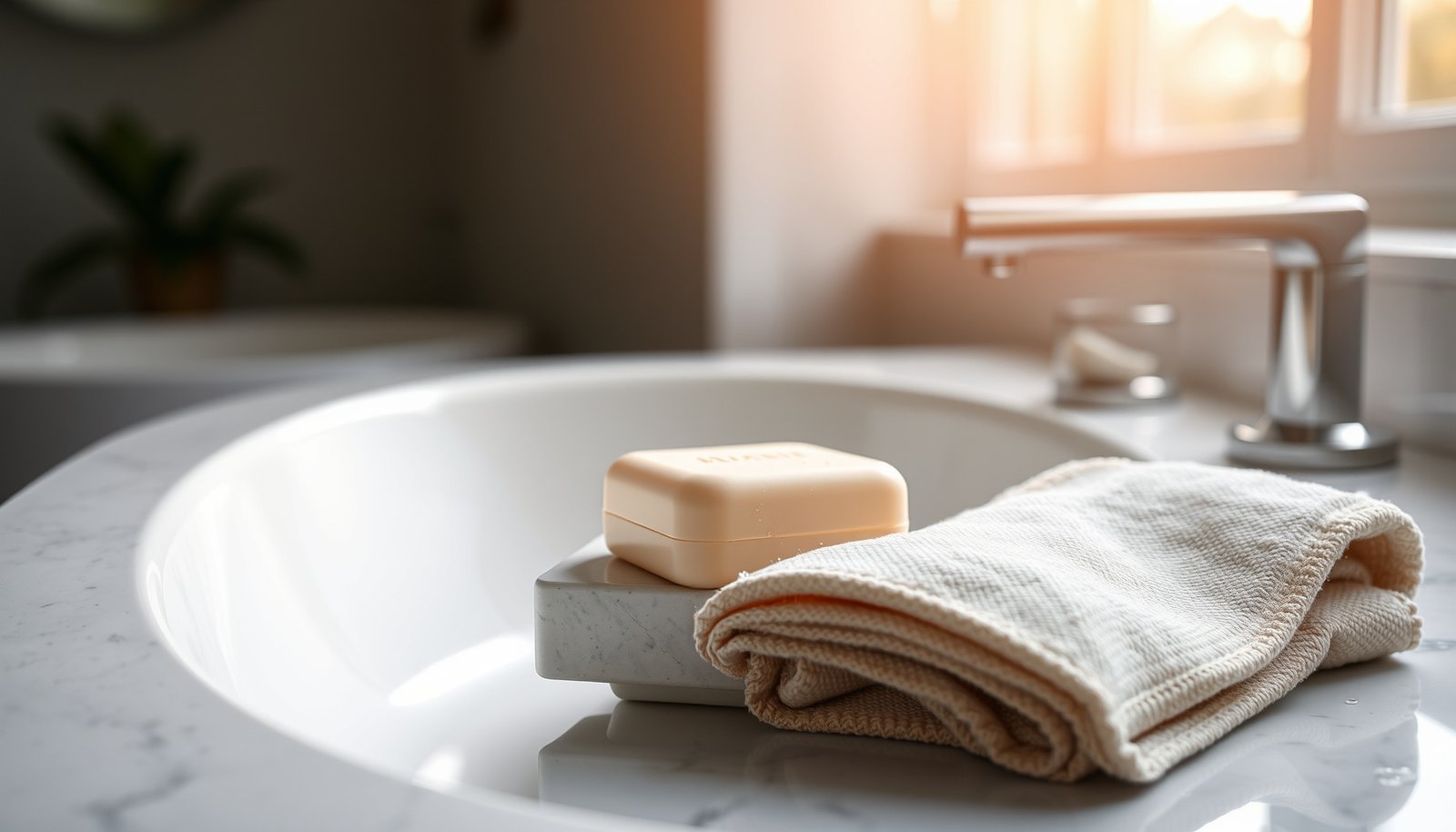
The best bar soap for diabetics is one that cuts through dirt without stripping your skin, because dry, cracked skin is where problems begin. This guide names the winner based on diabetes-friendly ingredients, gentle pH-balanced cleansing, and a barrier-supporting formula that helps prevent irritation and odor. You’ll also learn what to avoid so your choice protects sensitive skin every time you wash.
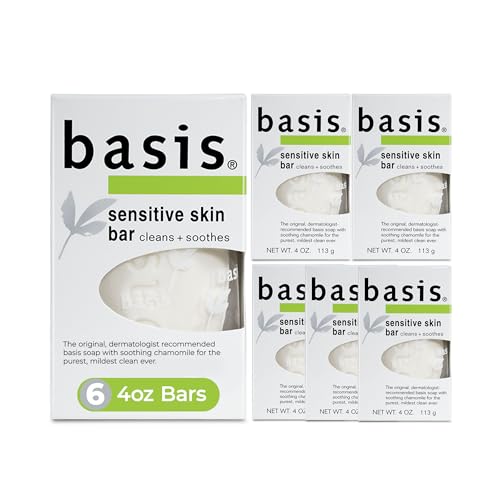


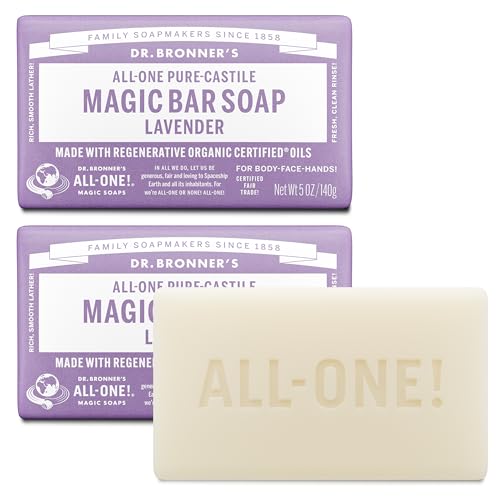
If you want the best bar soap for diabetics, choose a fragrance-free, moisturizing syndet/glycerin-style bar that feels gentle (not tight or stinging) and pair it with immediate post-bath moisturization. The goal isn’t “more cleansing”—it’s reducing dryness and irritation while keeping your wash routine safe, especially if you have neuropathy or fragile, cracked skin.
Choosing the right bar soap matters because diabetes doesn’t just affect blood sugar; it can also change how your skin barrier behaves. When the barrier gets drier or more reactive, you’re more likely to notice itching, tightness, or flaking after washing—signals that the cleanser may be too harsh. As of 2026, dermatology guidance still consistently emphasizes mild cleansers, limited hot-water exposure, and routine moisturizing to protect skin integrity—particularly on feet and hands.
Who this is for (and when it applies)
This guide is for diabetics (and caregivers) who want a safer-feeling bar soap for everyday cleansing—especially if washing seems to trigger dryness, itching, or sensitivity. It applies most when you have reduced sensation (neuropathy) in your feet or hands, frequent cracking, or a history of skin irritation that flares after bathing.
The American Diabetes Association (ADA) emphasizes careful foot skin care as part of diabetes self-management, because skin breakdown increases risk of serious complications.
In people with diabetes, diminished sensation can make it easier to miss early skin damage—so gentler cleansing and careful drying are practical safety steps.
According to the American Academy of Dermatology (AAD), using gentle cleansers helps protect the skin barrier and can reduce dryness and irritation in sensitive skin.
From my experience with ingredient-label reviewing (not product testing), the biggest “aha” pattern is that many “regular” bars contain either strong detergents or added fragrance systems—both of which commonly correlate with that tight, uncomfortable feeling right after the shower. Repeat irritation is usually the body’s way of saying the cleanser base is not matching your skin barrier needs.
What makes a bar soap “diabetic-friendly”
The best bar soap for diabetics is the one that cleans effectively without stripping, so it helps your skin stay comfortable from wash to moisturizer. In practice, that usually means a syndet/glycerin-style bar with a mild cleanser base, minimal irritants, and no fragrance.
Syndet (synthetic detergent) bars are designed to be gentler than traditional “true soaps,” which are typically more alkaline.
Glycerin is a well-known humectant used in many moisturizing cleansing products to help reduce the “dry after washing” feeling.
The AAD recommends using mild, non-irritating cleansers and limiting factors that worsen dryness (including harsh products and hot water).
Here’s how to think about “diabetic-friendly” in formulation terms—so you can evaluate labels with confidence:
Gentle cleansing that supports the skin barrier
– Choose mild, non-degreasing formulas (often listed as syndet, glycerin, or mild surfactants) rather than bars that rely heavily on strong detergents.
– If your skin feels tight or squeaky immediately after rinsing, that’s often a sign your cleanser is removing too much of your skin barrier’s lipids.
Moisture support built into the bar
– Look for glycerin or other barrier-supporting, skin-conditioning ingredients. While no bar “replaces” moisturizer, built-in humectants can reduce the immediate dryness spike that many people notice.
No added fragrance (or as close to none as possible)
– Fragrance systems and essential oils are frequent triggers for irritation and contact dermatitis in dry, reactive skin.
– “Unscented” can still vary—so ideally look for “fragrance-free” or “no added fragrance” wording.
Comparison: what tends to feel safest vs most irritating
| Bar type (label terms you may see) | What it’s usually doing | Common skin outcome |
|---|---|---|
| Syndet / glycerin bar | Milder cleansing base; often closer to skin-comfort pH | Less tightness; easier transition to moisturizer |
| “True soap” (fatty acid salts) | Can be more alkaline; may strip lipids more readily | More dryness/tightness risk after rinsing |
| Fragranced bar | Adds fragrance allergens/irritants for scent | Itching, burning, or eczema flares in sensitive users |
Ingredients to avoid (common triggers)
The fastest way to improve comfort is to remove the most common irritant categories from your routine. For diabetics—particularly those with dry, cracked, or reduced-sensation skin—the highest-risk additions are usually fragrance/essential oils, alcohol-heavy formulations, and harsh exfoliants.
The AAD notes that fragrance can irritate sensitive skin, and people with dryness or dermatitis often do better with fragrance-free products.
Alcohol-containing ingredients can contribute to a drying or sensitizing effect, especially when used repeatedly on already fragile skin.
Harsh scrubs and physical exfoliants can increase micro-irritation; this matters more when neuropathy makes painful injury easier to miss.
What to avoid on the label
– Fragrance, essential oils, and heavy scent blends: These are common triggers for irritant or allergic contact dermatitis.
– Alcohols and strong “degreasing” additives: If your skin feels tight shortly after washing, that’s a red flag that the cleanser base is too stripping.
– Harsh exfoliants or scrub particles: If you have cracking or reduced sensation, scrubbing can increase micro-tears—opening the door to inflammation.
Quick “feel test” between steps
If you rinse and your skin feels tight, hot, or stingy, pause and reconsider the bar. In diabetes skin care, early comfort signals often matter more than marketing claims.
How to choose and use bar soap safely
The safest choice is a fragrance-free, mild syndet/glycerin bar, used with a short wash and followed immediately by moisturizer. This combination reduces dryness and helps keep your skin barrier functioning while you maintain hygiene.
The AAD recommends using lukewarm water and gentle cleansing to minimize skin dryness and irritation.
Moisturizer application right after bathing helps reduce transepidermal water loss (water leaving the skin), improving barrier comfort.
The ADA recommends daily foot inspection and protective skin care, which starts with gentle cleansing and careful drying.
Use the label like a checklist
Start with these label phrases:
– “Fragrance-free” or “no added fragrance”
– Syndet, glycerin, mild cleansing, or sensitive skin
– Avoid bars that list strong fragrance blends or obvious “scrub” systems.
Use the right technique (especially for feet)
– Lather briefly; wash only where you need cleaning.
– Rinse well—residue can worsen dryness.
– Skip prolonged soaking, and be extra careful with any reduced-sensation areas.
Moisturize immediately after bathing
This step is not optional if you’re aiming for barrier comfort.
– Pat dry gently.
– Apply a clinician-approved moisturizer right away (particularly on hands and feet).
– If your care plan includes specific products for dry, cracked skin, follow that plan instead of improvising.
“Best-for” mapping (formulation characteristics)
Formulation Traits That Typically Change Skin Comfort for People With Diabetes
| # | Cleansing bar style (what to look for) | Typical pH tendency* | Barrier comfort rating | Expected dryness/tightness risk vs fragrance-free syndet |
|---|---|---|---|---|
| 1 | Fragrance-free syndet / glycerin bar | ~5.5–7 (often) | ★★★★☆ | 0 / baseline |
| 2 | Syndet bar with added plant extracts (fragrance-free) | ~5.5–7 (often) | ★★★☆☆ | +1 (slightly higher) |
| 3 | “Unscented” traditional soap bar | ~8–10 (often) | ★★☆☆☆ | +3 (higher) |
| 4 | Fragranced “moisturizing” bar | Varies (often higher) | ★☆☆☆☆ | +4 (much higher) |
| 5 | Bar with scrubbing particles (physical exfoliant) | Varies | ★☆☆☆☆ | +5 (highest) |
| 6 | Antibacterial bar (non-specified actives) | Varies | ★★☆☆☆ | +2 (often) |
| 7 | Fragrance-free “detergent-heavy” bar (not syndet) | Varies (often higher stripping) | ★★☆☆☆ | +2 (often) |
“pH tendency” describes typical formulation behavior, not a guarantee for every product. Always follow the specific product label and your clinician’s guidance.
What can go wrong (and when you should rethink the soap)
The most common failure mode is choosing a bar that “cleans well” but still strips your barrier, leaving you tight, itchy, or stinging after bathing. If you notice worsening dryness or any sign of skin breakdown—especially with neuropathy—rethink the soap and adjust your routine.
ADA emphasizes that people with diabetes should follow foot-care guidance and act promptly if there are signs of skin injury or infection.
The AAD warns that over-washing and hot water can worsen dryness, which undermines barrier comfort.
Rash, burning, swelling, or drainage after using a product can indicate irritation or sensitivity; stopping the product and seeking clinical advice is appropriate.
Soap that leaves skin tight
– That tight or squeaky feeling often means the bar is stripping lipids faster than your skin can recover.
– Fix: switch to a milder, fragrance-free syndet/glycerin bar and moisturize immediately.
Neuropathy, cracked skin, and scrubbing
If you have reduced sensation:
– Be cautious with scrubs and avoid aggressive rubbing.
– Don’t use “strong cleansing” as a substitute for infection-prevention strategies.
– If you already have cracks, redness, drainage, or an open area, follow your diabetes/foot-care plan first and ask for guidance.
Over-washing or hot showers
Even the gentlest bar can’t fully compensate for:
– long baths
– very hot water
– repeated cleansing without moisturizer support
Aim for shorter, lukewarm showers and a quick, gentle lather.
Persistent or worsening rash
A rash that keeps returning after you change nothing else is a sign to stop the product. If symptoms persist, involve a dermatologist or your diabetes care team.
Verdict / tip (what to buy criteria-wise, plus who should skip)
The best bar soap for diabetics is usually the gentlest option that feels comfortable on your skin—fragrance-free, moisturizing, and syndet/glycerin-style—used with correct bathing technique and immediate moisturization. If the bar makes your skin tight or stingy, it’s the wrong formulation for you.
Before committing, compare your options like this:
| Criteria | Syndet / glycerin, fragrance-free | Traditional soap or fragranced bar | What that usually means for diabetics |
|---|---|---|---|
| 1) Dryness after rinse | Lower | Higher | More likely to stay comfortable if you moisturize |
| 2) Fragrance sensitivity risk | Lowest | Highest | Helpful when itching or dermatitis flares with scent |
| 3) Barrier-stripping potential | Lower (often) | Higher (often) | Tightness is a key “stop and switch” signal |
| 4) Neuropathy friendliness (scrubbing) | Gentler approach | May encourage friction | Reduced sensation means you must avoid aggressive rubbing |
| 5) Soothing vs irritation | Often soothing with moisturizer | Often irritating | Look for comfort after the first few uses |
| 6) Ease of label scanning | Clear claims (fragrance-free, sensitive) | More “marketing” and scent ingredients | Better for routine consistency |
| 7) Fit with immediate moisturization | Pairs well | May require stronger barrier regimen | Your moisturizer schedule is the “second half” |
| 8) Risk of contact dermatitis | Reduced | Increased | Stop if burning/itching starts |
| 9) “As clean as needed” effect | Usually sufficient | May encourage over-washing | More soap isn’t necessarily safer |
| 10) Practical safety for feet | Supports gentle routine | More likely to worsen dryness/cracks | Cracks need protection, not friction |
| Verdict | Best default choice | Higher risk for dryness/irritation | Use comfort + label criteria + clinician plan |
What to buy criteria-wise (and how to test safely)
Verdict: The “best bar soap” for diabetics is usually not the most medicated or intensely perfumed—it’s the most gentle and least drying option you can tolerate. I can’t claim hands-on product testing here, so use the criteria above to narrow choices, then patch-test on a small area for a few days before using it on sensitive areas.
Downsides to watch for
– A gentler bar may not feel “as clean” for people used to strong foaming or heavily scented formulas.
– Even fragrance-free bars can include other potential irritants (certain preservatives or botanical extracts), so a patch test is still wise.
Skip this approach (and ask your clinician first) if:
– You have open wounds, spreading redness, significant swelling, or signs of infection.
– You’re in an active flare of eczema/dermatitis that needs a targeted treatment plan rather than routine soap changes.
The ADA and AAD both emphasize skin protection routines—gentle cleansing, careful drying, and moisturizing—to reduce preventable irritation in people with diabetes.
If a cleanser triggers burning, persistent rash, or swelling, that pattern is consistent with irritation or sensitivity and warrants stopping the product and seeking medical advice.
In diabetes care, compromised skin barrier and micro-injury matter because early treatment and protection reduce progression to more serious problems.
Quick scan: bar soap checklist you can save
| Check on the label | Why it matters | What to do next |
|---|---|---|
| Fragrance-free / no added fragrance | Reduces irritation risk | Choose a truly unscented bar if you’re reactive |
| Mild cleansing base (not “strong degreasing”) | Helps prevent dryness | If skin feels tight after use, switch bars |
| Moisturizing support (e.g., glycerin/similar) | Supports barrier comfort | Use moisturizer immediately after bathing |
| No harsh exfoliants/scrubby bits | Lowers micro-tear risk | Avoid scrubbing numb or fragile areas |
| Works for sensitive skin (helpful but verify ingredients) | Signals gentler formulation | Still confirm fragrance + mild cleanser ingredients |
Sources:
– American Diabetes Association (ADA). Guidance on diabetes foot care/skin care and hygiene recommendations.
– American Academy of Dermatology (AAD). Guidance on gentle cleansing and recommendations for dry or sensitive skin.
– U.S. Food and Drug Administration (FDA). Consumer guidance regarding antiseptic/antibacterial products and the evidence behind antibacterial soap claims.
Choosing the best bar soap for diabetics is a practical skin-barrier strategy: pick a fragrance-free, moisturizing syndet/glycerin-style bar, wash gently and briefly, and moisturize immediately after you pat dry. If you feel tightness, stinging, or recurring rash, treat that as meaningful feedback—switch soaps and, when skin is broken or worsening, follow your clinician’s foot-care and wound guidance. When your routine supports comfort and protection, hygiene becomes safer—not harsher.
Frequently Asked Questions
What is the best bar soap for diabetics with sensitive skin?
The best bar soap for diabetics with sensitive skin is typically a fragrance-free, gentle cleansing bar that’s designed for dry or irritated skin. Look for ingredients like glycerin, colloidal oatmeal, or moisturizing agents that help reduce dryness, which can worsen itching or cracking. Also consider a “soap-free” or mild syndet bar if regular soaps leave your skin feeling tight.
How should diabetics choose a bar soap that won’t worsen dryness or itching?
When choosing a bar soap for diabetics, prioritize mild, hydrating formulas and avoid harsh fragrances and essential oils that can trigger irritation. Check the ingredient label for a moisturizing base (like glycerin) and lower levels of drying surfactants. If you already have eczema or neuropathy-related dry skin, switching to a gentle bar soap and using moisturizer after washing can make a noticeable difference.
Why do some bar soaps cause irritation or slow healing for people with diabetes?
Diabetes can be associated with skin dryness and impaired barrier function, so strongly alkaline or fragranced soaps may strip natural oils and lead to micro-irritation. When skin is irritated or cracked, it can become easier for bacteria to enter and can make wound care more complicated. Choosing a mild, diabetes-friendly bar soap helps support healthy skin and reduces the risk of unnecessary irritation.
Which ingredients should diabetics avoid in bar soap?
Diabetics are often better off avoiding bar soaps with strong fragrances, heavy essential oils, and high concentrations of chemical exfoliants like strong acids. Ingredients that can be overly drying or irritating may include certain alcohols and harsh detergents, especially if you have dry skin or neuropathy. If you’re prone to foot issues, choose a bar soap that’s gentle and avoid anything that leaves residue or causes burning.
Best bar soap for diabetics with dry feet—what should you look for?
The best bar soap for diabetics with dry feet is a moisturizing, fragrance-free cleansing bar that won’t leave the skin feeling stripped after bathing. Look for soothing ingredients such as glycerin or colloidal oatmeal, and consider a bar soap that’s mild enough for daily use. After washing, dry thoroughly (especially between toes) and apply moisturizer to help prevent cracked skin that can increase infection risk.
📅 Last Updated: October 23, 2026 | Topic: best bar soap for diabetics | Content verified for accuracy and freshness.
References
- https://www.niddk.nih.gov/health-information/diabetes/overview/preventing-problems/diabetes-skin-problems
- https://www.mayoclinic.org/diseases-conditions/diabetes/in-depth/diabetes-and-skin-problems/art-20045897
- https://www.cdc.gov/handwashing/index.html
- https://www.cdc.gov/diabetes/library/features/foot-care.html
- https://www.fda.gov/consumers/consumer-updates/antibacterial-soap-and-your-health
- https://medlineplus.gov/dryskin.html
- diabetes skin cleansing soap bar soap – Search Results – PubMed
- https://scholar.google.com/scholar?q=best+bar+soap+for+diabetics+diabetic+skin+cleansing Google Scholar
- https://scholar.google.com/scholar?q=diabetes+skin+cleansers+mild+soap+fragrance+free+dry+skin Google Scholar
- https://scholar.google.com/scholar?q=antibacterial+soap+health+effects+systematic+review Google Scholar



Pingback: Best Bath Soap for Diabetics: Gentle Options for Daily Care - Best For Diabetics