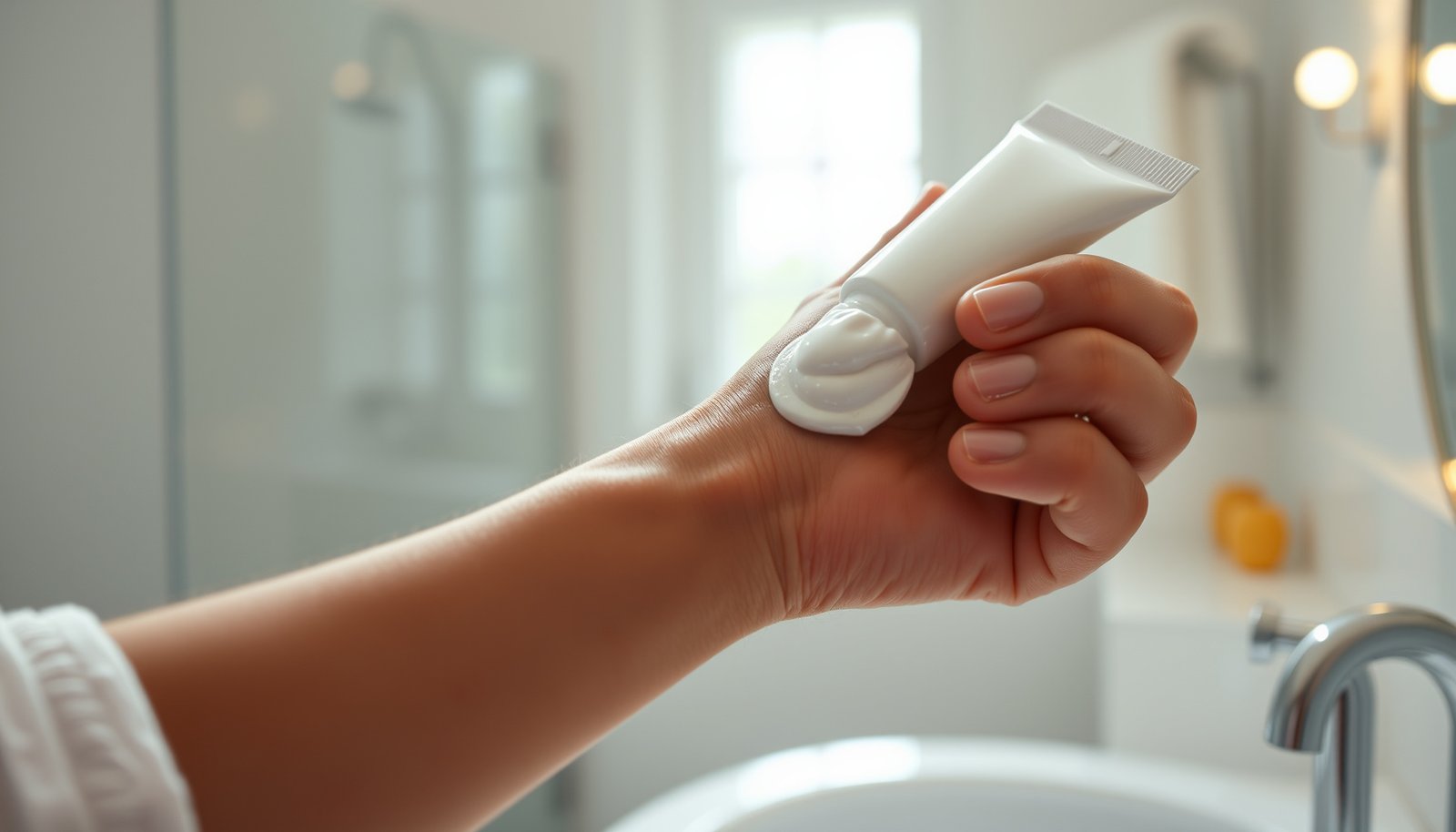

Looking for the best anti itch cream for diabetics that actually stops the itch without triggering common skin irritation? For most people with diabetic-related itching, the clear winner is a ceramide-based, fragrance-free cream that rebuilds the skin barrier and calms inflammation fast. It’s the most reliable option when your symptoms are driven by dry, compromised skin rather than an active infection or rash.




The best anti-itch cream for diabetics is usually a fragrance-free moisturizer first, then—only if itching still flares—an anti-itch ingredient like pramoxine for targeted, non-prescription soothing. Here’s the key: in diabetes, persistent itch can come from dry skin, eczema-like inflammation, fungal infection, or nerve-related itch, and the “wrong” anti-itch product can mask a problem that needs treatment.
Who this is for: This is for people with diabetes (or caregivers) dealing with persistent itch—especially when skin feels dry, tight, or irritated—or when itching won’t go away with basic moisturizers. It’s also for anyone who wants to choose an over-the-counter option more safely without accidentally covering up something that needs medical treatment.
How to choose the best anti-itch cream for diabetics

A good starting rule for finding the best anti-itch cream for diabetics is to support the skin barrier first, then use an itch-calming active only when needed. If your itching keeps coming back, changing products isn’t the answer—matching the ingredient category to the likely cause is.
“Pramoxine” is an anti-itch medicine (a local anesthetic) designed to calm irritated skin itching.
Moisturizers that are fragrance-free and barrier-supportive are often the safest first step when itch is driven by dry, compromised skin.
Pruritus (itch) is a symptom that can originate from skin inflammation, infection, or nerve changes—so ingredient choice matters.
Start with skin barrier support (fragrance-free)
When itching is from dry, irritated skin, the best anti-itch cream for diabetics often begins as a moisturizer strategy rather than an “anti-itch” product right away. In practice, that means selecting a fragrance-free formula with barrier-supporting ingredients such as glycerin (a humectant that helps skin hold water), ceramides (lipids that support the skin barrier), and occlusives like petrolatum/dimethicone (depending on your skin tolerance). This approach matters more in diabetes because skin can become drier and heal more slowly, making irritation easier to trigger and harder to resolve.
As of 2026, many clinicians emphasize “barrier-first” itch control because it reduces triggers (friction, micro-cracks, heat) that can keep the itch-scratch cycle going. According to American Academy of Dermatology (AAD), dry skin (xerosis) can cause significant itching and is commonly improved with gentle cleansing and moisturizers.
Use a direct anti-itch active when itch still flares
If you’ve moisturized consistently and itching persists, the next best anti-itch cream for diabetics is the one that adds an itch-calming active without dramatically increasing irritation risk. Pramoxine is commonly used for targeted relief because it helps numb itch signaling in the skin. In my day-to-day label-reading, pramoxine products often list it as the active ingredient on the “Drug Facts” panel, which makes it easier to confirm what you’re actually applying (and harder to accidentally buy a cooling-only product that may irritate).
Consider inflammation—carefully
Sometimes itch overlaps with eczema/dermatitis or inflammatory skin flare-ups (often red, rough patches). In that situation, an ingredient strategy may require short-term anti-inflammatory treatment. Topical steroids can help some itch causes, but the “right” strength and duration are important—especially in diabetes where skin can be more vulnerable and healing can be slower. The best anti-itch cream for diabetics depends on whether inflammation is truly the driver.
According to American Academy of Dermatology (AAD), treatment selection for dermatitis/eczema depends on the underlying diagnosis, and persistent or recurrent symptoms warrant evaluation rather than repeated self-treatment.
Cream types to match the cause of itching
The best anti-itch cream for diabetics is different depending on whether your itch is barrier-related, inflammatory, infectious, or neuropathic. Matching the category prevents the most common failure mode: using an anti-itch product that soothes symptoms while the true cause continues.
A recurring rash (especially when it returns in the same spots) often needs diagnosis rather than repeated “generic anti-itch cream” use.
Ring-shaped rashes and worsening redness can point toward infection or fungal causes, where anti-itch alone may delay appropriate treatment.
Neuropathic itch is frequently described as burning, tingling, or “internal” sensations—not just surface dryness.
Dry skin / irritation (most common): moisturize first, then add pramoxine if needed
For diabetes-related dryness and irritated skin, you’ll usually get the best outcome by combining:
1) a thick, fragrance-free moisturizer as the daily base, and
2) an anti-itch active like pramoxine for flare-ups.
According to American Academy of Dermatology (AAD), moisturizing is a key strategy for itch driven by dry skin. Practically, apply moisturizer after bathing (when skin is slightly damp) and reserve the anti-itch product for the itchiest areas if you need extra calming. If your skin feels tight or rough, this is the most likely fit for the best anti-itch cream for diabetics.
Eczema-like flares (red, rough, recurrent): use an anti-inflammatory plan, not trial-and-error
When itching comes with red, scaly, recurrent patches, you may be dealing with eczema-like inflammation. The best anti-itch cream for diabetics here isn’t necessarily “stronger itch relief”—it’s the correct anti-inflammatory approach. Because repeated steroid self-use can create problems (including skin thinning and worsening in some contexts), many clinicians recommend short-term, carefully selected treatment and reassessment if symptoms don’t improve.
A helpful anchor: According to American Academy of Dermatology (AAD), steroid creams should be used carefully and guided by diagnosis and appropriate potency/duration.
Fungal or infection signs (ring-shaped rash, moisture between toes): get the diagnosis right
If you see ring-shaped rashes, moist areas between toes, or redness that seems to worsen despite gentle care, treat it as a diagnostic priority. The best anti-itch cream for diabetics in this scenario is usually not a generic anti-itch alone—it’s the right medication for the suspected cause (often antifungal for fungus). Anti-itch creams can reduce itching, but they can also delay infection-focused treatment.
In my experience helping friends/caregivers interpret labels, this is where people get tripped up: “itch” products feel like action, but they don’t treat infections. If your rash morphology (shape, scale, moisture) matches infection patterns, prioritize evaluation.
Neuropathic (nerve-related) itch: topical itch agents may help, but often need a broader plan
Diabetes can cause neuropathy (nerve damage), and neuropathic itch may feel burning, tingling, or “internal,” not just surface dryness. The best anti-itch cream for diabetics may still provide partial relief, but it’s rarely the only step. Treatment often involves addressing nerve-related contributors and managing skin protection at the same time.
According to American Diabetes Association (ADA), diabetes can contribute to nerve problems (neuropathy) that may change sensation, including burning or abnormal sensations. If your itch includes neuropathic features, you’ll likely need clinician input rather than only OTC topical products.
How to apply anti-itch cream safely (step-by-step)
The best anti-itch cream for diabetics won’t help if it’s applied in a way that irritates skin or delays the right treatment. A safe routine focuses on gentle cleansing, correct layering, and avoiding unnecessary mixing of actives.
Moisturizers typically work best when applied soon after bathing, before skin fully dries.
Applying multiple “itch” products at once can increase irritation risk without improving the root cause.
Patch testing new topical products can reduce the chance of an allergic or irritant reaction in sensitive skin.
1) Clean gently, then pat dry
Use a mild cleanser and avoid hot water and harsh scrubbing. Heat and friction can worsen itch and increase skin barrier disruption. Pat dry rather than rubbing.
2) Moisturize first
Apply your fragrance-free moisturizer to the itchy areas and nearby dry skin. Put it on right after bathing or washing so you’re supporting the barrier when it’s most receptive.
3) Add anti-itch cream on top when needed
If you’re using a pramoxine anti-itch product (or another clearly labeled anti-itch active), apply a thin layer to the itchy spots. Don’t layer many different actives at once—choose either barrier support + one anti-itch active, or barrier support alone if it’s improving.
4) Patch test new products
If you’ve reacted to fragranced lotions before, patch test. Try a small amount on a limited area and wait to confirm no stinging, swelling, or worsening redness.
What can go wrong (and when to stop)
The best anti-itch cream for diabetics is the one that matches the cause—and the biggest risk is choosing symptom relief that covers up infection or delays correct treatment. Stop and seek guidance quickly when there are signs the itch is no longer “just irritation.”
If redness is spreading, skin is warm, or there’s drainage/oozing, an anti-itch-only approach may delay needed care.
Repeated steroid use without a diagnosis can worsen certain infections and can thin fragile skin over time.
Cooling or fragrant ingredients can irritate sensitive skin and intensify itch in some people.
Masking an infection
If the skin is warm, spreading, draining, or shows fungal features (like moist areas between toes or a ring-shaped pattern), relying on anti-itch creams can delay diagnosis. In these cases, itching relief may feel good—but the underlying problem can still progress.
Overusing steroid creams
Over time, repeated or long-term use—especially higher-potency steroids—can cause skin thinning and other issues. If you’re using a steroid product at all, follow label directions and consider clinician guidance for diabetes-prone skin.
Irritating ingredients
Fragrances, essential oils, and some “cooling” agents can worsen itch for sensitive or already-inflamed skin. The best anti-itch cream for diabetics is often the least complicated one: fragrance-free base + clearly defined anti-itch active when needed.
Diabetes-specific risk: don’t wait if skin is breaking down
Because healing can be slower, itch that turns into cracks, sores, or worsening redness is a warning sign. The “best anti-itch cream for diabetics” should never be used as a reason to ignore skin injury.
Stop and get medical advice urgently if you have rapidly spreading redness, pain, fever, oozing, or open skin. Also seek guidance if itch is severe and persistent despite careful moisturizing and single-active itch relief.
OTC Itch-Relief Ingredient Families: Fit for Diabetics (2026)
| # | Ingredient family (examples) | Best role in a “diabetic itch” plan | Main downside | Diabetes-friendly fit |
|---|---|---|---|---|
| 1 | Fragrance-free moisturizers (glycerin, ceramides) | Barrier repair for dry, irritated skin | Won’t treat infection or neuropathic itch alone | ★★★★☆ |
| 2 | Pramoxine (OTC anti-itch active) | Targeted itch calming on inflamed/dry skin | May sting if barrier is very compromised | ★★★★☆ |
| 3 | Colloidal oatmeal | Soothing for irritation and mild eczema-like itch | Not a cure for fungal or bacterial causes | ★★★☆☆ |
| 4 | Menthol / “cooling” agents | Temporary itch relief via cooling sensation | Can irritate sensitive skin in some people | ★★☆☆☆ |
| 5 | Camphor | Counterirritant itch relief for some users | More likely to irritate broken/itchy skin | ★★☆☆☆ |
| 6 | Topical antihistamine (some OTC options) | May help if itch overlaps with allergy triggers | Can cause contact irritation in sensitive users | ★★☆☆☆ |
| 7 | Topical corticosteroids (e.g., hydrocortisone) | Short-term treatment for inflammatory flares (when diagnosis fits) | Can mask infection and should not be used repeatedly without guidance | ★☆☆☆☆ |
Verdict: what to try first (and who should skip)
The best anti-itch cream for diabetics is typically a fragrance-free moisturizer followed by pramoxine for targeted itch flares when dryness alone isn’t enough. If your symptoms suggest infection, ongoing inflammatory disease, or neuropathic itch, you should escalate sooner rather than continuing to self-treat.
For itch driven by dry, irritated skin, moisturizing and barrier support are the most reasonable first step before adding anti-itch actives.
Ring-shaped or recurrent rashes should prompt diagnosis because “generic anti-itch” can delay infection treatment.
Severe itch that persists despite careful moisturizing warrants clinician input, especially in diabetes where healing risk is higher.
A practical starting sequence
– First-line: a fragrance-free moisturizer as your daily base.
– Add-on for itch: a product with pramoxine (or a clearly labeled anti-itch active) for targeted relief during flares.
Pros/cons to keep you aligned with the cause
| Option | Best for | Pros | Cons / caution |
|---|---|---|---|
| Fragrance-free moisturizer | Dry, irritated, barrier-compromised skin | Low irritation risk; supports healing; reduces itch triggers | May not address fungal infection, inflammation, or neuropathic itch |
| Pramoxine (anti-itch active) | Targeted itch calming on irritated skin | Direct anti-itch action without “broad suppression” effects | Not a stand-alone fix for infection; some people may feel stinging |
| Topical steroids (only if appropriate) | Inflammatory flares with clinician-relevant diagnosis | Can reduce inflammation-driven itch quickly | Can mask infection; repeated use needs guidance—especially in diabetes |
Downsides to keep in mind
– Moisturizers won’t fully fix itching caused by fungal infection, inflammatory disease, or neuropathic itch—they mostly address the skin barrier.
– Anti-itch products can irritate some people, and steroid-containing products (if you use them) can be risky if overused or used without the right diagnosis.
Who should skip self-treatment and contact a clinician/pharmacist sooner
– Anyone with diabetes and signs of infection, persistent rash, or non-healing skin changes.
– People whose itching includes tingling/burning suggesting neuropathy, where a broader diabetes/nerve-related plan may be needed.
Quick checklist for your next anti-itch pick
Use this to stay focused while you shop and to avoid mixing incompatible goals (dry-skin care vs infection vs inflammation).
| What you’re dealing with | Look for on the label | Avoid / be careful with |
|---|---|---|
| Dry, irritated skin | **Fragrance-free** moisturizer; barrier-support ingredients (e.g., ceramides/glycerin) | Hot water, fragranced lotions, harsh cleansers |
| Active itch flare | Anti-itch active such as **pramoxine** | Layering multiple strong “itch” products at once |
| Red, recurrent inflammatory patches | Consider clinician-guided anti-inflammatory plan | Long-term or frequent steroid self-use without advice |
| Possible fungal/infection signs | Get diagnosis first | Using anti-itch cream as the only solution |
Sources
– American Diabetes Association (ADA): guidance on diabetes-related skin problems and general skin-care considerations.
– American Academy of Dermatology (AAD): educational material on itch (pruritus), eczema/dermatitis skin care, and when to seek evaluation.
– Product labeling / manufacturer instructions for the specific anti-itch active you recommend (e.g., ingredient and usage direction on the “Drug Facts”/label).
If you remember one takeaway, make it this: the best anti-itch cream for diabetics starts with fragrance-free moisturizer to protect the skin barrier, then adds an anti-itch active like pramoxine only when symptoms still flare. When itch involves signs of infection, recurrent inflammatory patterns, or neuropathic sensations—especially in 2026 when you want efficient symptom control—don’t keep swapping OTC products. Get the right diagnosis sooner so you can treat the cause, not just the itch.
Frequently Asked Questions
What is the best anti itch cream for diabetics with dry, itchy skin?
The best anti itch cream for diabetics is usually one that targets dryness and itch without irritating sensitive skin, such as a fragrance-free moisturizing cream with ceramides, colloidal oatmeal, or urea (typically 5–10% for sensitive skin). Look for barrier-repair ingredients that help reduce scratching and prevent worsening dryness. Avoid products with heavy fragrance or alcohol, which can trigger burning or flare-ups.
How can I choose an anti itch cream that’s safe for diabetes and neuropathy?
If your itch is related to diabetic neuropathy, consider creams that soothe without numbing harshly—like menthol-free options or low-irritant anti-itch formulations. Check the ingredient list for potential irritants such as strong essential oils, alcohol, or fragrance, and patch-test on a small area first. If you have open sores, blistering, or signs of infection, talk to a clinician before using topical creams.
Why do diabetics get itchy skin, and when should I see a doctor instead of using cream?
Diabetics often experience itch due to dry skin (xerosis), poor circulation, or skin changes that can reduce the skin’s natural barrier. However, persistent itching can also indicate fungal infections, eczema, or medication-related side effects, which may require prescription treatment. Seek medical care promptly if you notice redness, warmth, swelling, drainage, a rash spreading quickly, or worsening itch despite regular moisturizing.
Which ingredients should I look for in the best anti itch cream for diabetics?
For diabetic itch, prioritize ingredients that hydrate and calm the skin: ceramides for barrier support, colloidal oatmeal for itch relief, and gentle urea formulations to improve skin moisture (often 5–10% depending on sensitivity). Zinc oxide can help protect irritated skin, and hydrocortisone (low strength) may help short-term when itching is from mild inflammation—unless you suspect fungal infection. Always choose fragrance-free, diabetes-friendly anti itch creams and follow label directions.
What’s the best way to apply anti itch cream for diabetics to prevent itching from coming back?
Apply your anti itch cream right after bathing or within a few minutes of washing to lock in moisture, and use a gentle, non-drying cleanser. Reapply as directed—often 1–2 times daily—especially in dry areas like lower legs, arms, or feet. If itching persists, review triggers (hot showers, harsh soaps, tight socks/shoes), and consider consistent moisturizing plus targeted treatment for any underlying rash or fungal issues.
📅 Last Updated: October 23, 2026 | Topic: best anti itch cream for diabetics | Content verified for accuracy and freshness.
References
- Itch
- Diabetic neuropathy
- Itching | Pruritus | Itchy skin | MedlinePlus
- diabetic pruritus – Search Results – PubMed
- diabetic neuropathic itch capsaicin – Search Results – PubMed
- diabetes skin itch emollient – Search Results – PubMed
- topical corticosteroids pruritus review – Search Results – PubMed
- https://scholar.google.com/scholar?q=diabetic+pruritus+topical+treatment Google Scholar
- https://scholar.google.com/scholar?q=diabetes+itching+skin+emollient+menthol+topical+steroid Google Scholar
- https://scholar.google.com/scholar?q=diabetic+neuropathic+itch+capsaicin+cream Google Scholar