
Find the best and worst foods for diabetics—what to eat to keep blood sugar steady and what to avoid to prevent spikes. The clear verdict: prioritize high-fiber, minimally processed carbs and lean protein, and treat sugary drinks, refined grains, and most ultra-processed snacks as your biggest risk. You’ll get a practical list of winners and losers, plus the specific situations—like after-meal cravings or carb-heavy days—when each choice matters most.



If you have diabetes, the best overall strategy is to prioritize fiber-rich, minimally processed foods that stabilize blood sugar—non-starchy vegetables, beans, whole grains in measured portions, lean proteins, and unsweetened dairy—while cutting back on added sugars and highly refined carbs. If you have diabetes, focus on foods that stabilize blood sugar—non-starchy vegetables, beans, whole grains (in measured portions), lean proteins, and unsweetened dairy—while cutting back on added sugars and highly refined carbs. The “worst” choices are usually sugary drinks, sweets, and white/refined starches that digest quickly and spike glucose. In this guide, you’ll get a practical list of best vs. worst foods and how to put them together in real meals.
If you’re newly diagnosed, adjusting your diet, or trying to reduce glucose swings without feeling deprived, this is for you. It also helps if you’ve been told to “eat better for diabetes” but want clear examples of what to prioritize vs. limit.
Best foods for diabetics (choose these most often)
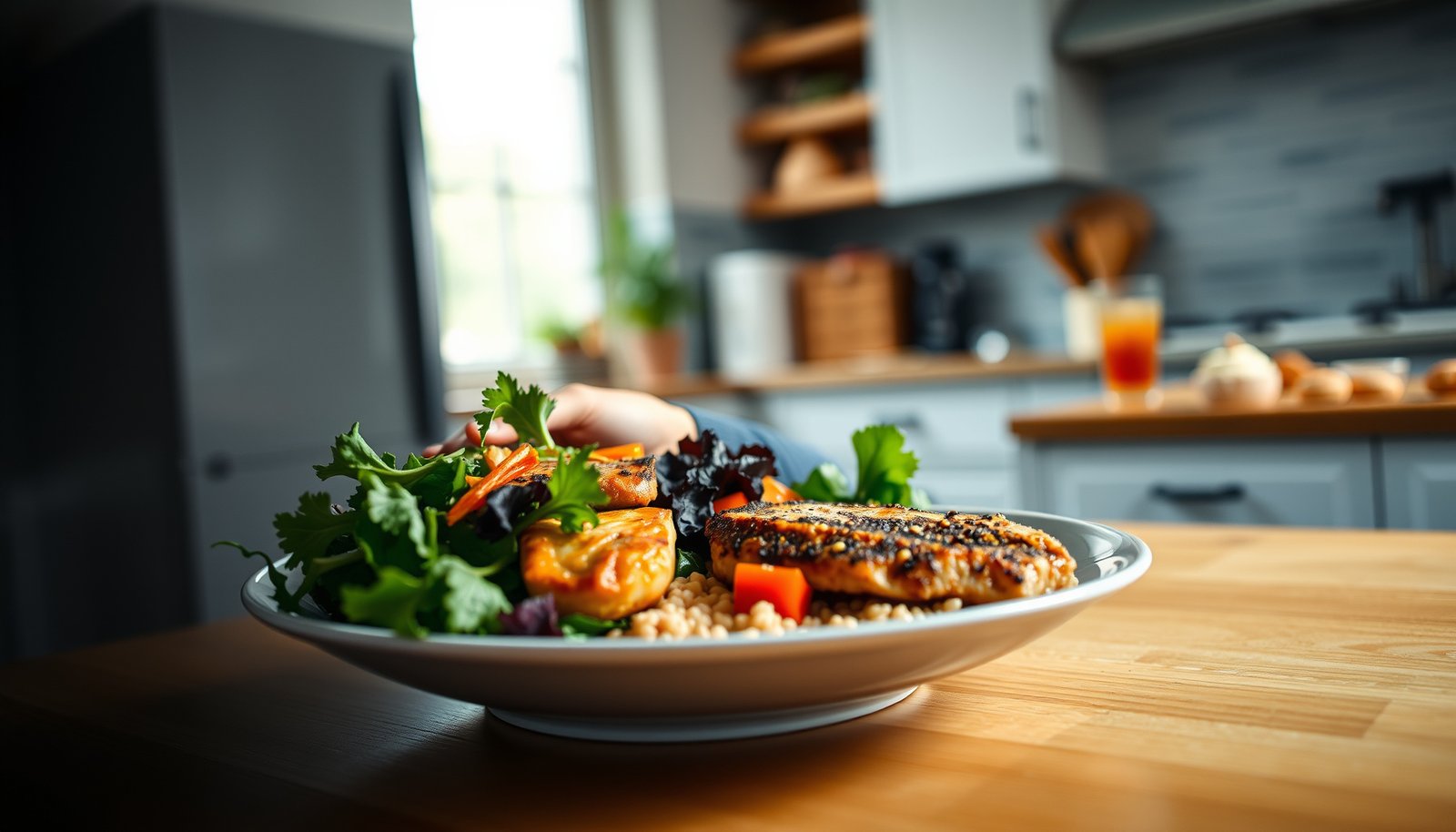
The best foods for diabetics are the ones that slow digestion and reduce glucose spikes—especially non-starchy vegetables, high-fiber legumes, lean proteins, and intact whole grains in controlled portions. These foods typically pair more protein and fiber with fewer rapidly absorbed carbohydrates, which supports steadier post-meal glucose and helps curb cravings.
– Non-starchy vegetables (think leafy greens, broccoli, peppers): add volume with fewer rapid carbs per serving
– Lean proteins (fish, poultry, tofu, eggs, legumes): support fullness and reduce the urge to snack on sweets
– High-fiber carbs in portions (beans, lentils, intact whole grains, some fruit): fiber slows digestion and can improve post-meal glucose response
According to the U.S. Department of Agriculture (USDA), dietary guidance supports limiting added sugars and choosing nutrient-dense foods, which aligns with stabilizing blood glucose when meals emphasize fiber-rich options (2020–2025).
According to the American Diabetes Association (ADA), nutrition therapy emphasizes carbohydrate quality and quantity—especially favoring higher-fiber choices—because they tend to produce a more favorable glucose response than refined carbs.
Why these foods work for diabetes
Non-starchy vegetables deliver the “bulk” that many people miss when reducing bread, pasta, and sweets. While they contain carbohydrates, those carbs come packaged with fiber, water, and plant compounds that slow gastric emptying and soften the glucose curve. Practically, this means you can build a plate that feels filling without stacking up rapidly digestible carbs.
Lean proteins are the other anchor. Proteins don’t turn into glucose as quickly as starches, and they increase satiety—an important factor when diabetes leads to late-afternoon hunger or “snack rebound” after a carb-heavy lunch. For many people, pairing protein with fiber is what keeps dessert urges from becoming dinner.
For “carbs,” diabetics usually don’t need to eliminate them—they need the right kind and the right amount. Beans, lentils, intact whole grains, and whole fruit are examples of carbohydrates that come with fiber. That fiber helps blunt post-meal glucose rise, especially when portioned intentionally (rather than eaten straight out of the bag or bowl).
A simple way to choose among “best” foods
When you’re shopping, aim for:
– Vegetables: mostly non-starchy (leafy greens, crucifers, peppers, mushrooms)
– Proteins: fish, poultry, tofu/tempeh, eggs, and legumes
– Carb portions: intact whole grains and legumes (measured), plus whole fruit (not juice)
In 2026, this approach still matches current diabetes meal-planning frameworks: focus on minimizing highly processed carb sources and maximizing fiber and protein at meals.
Worst foods for diabetics (limit or avoid)
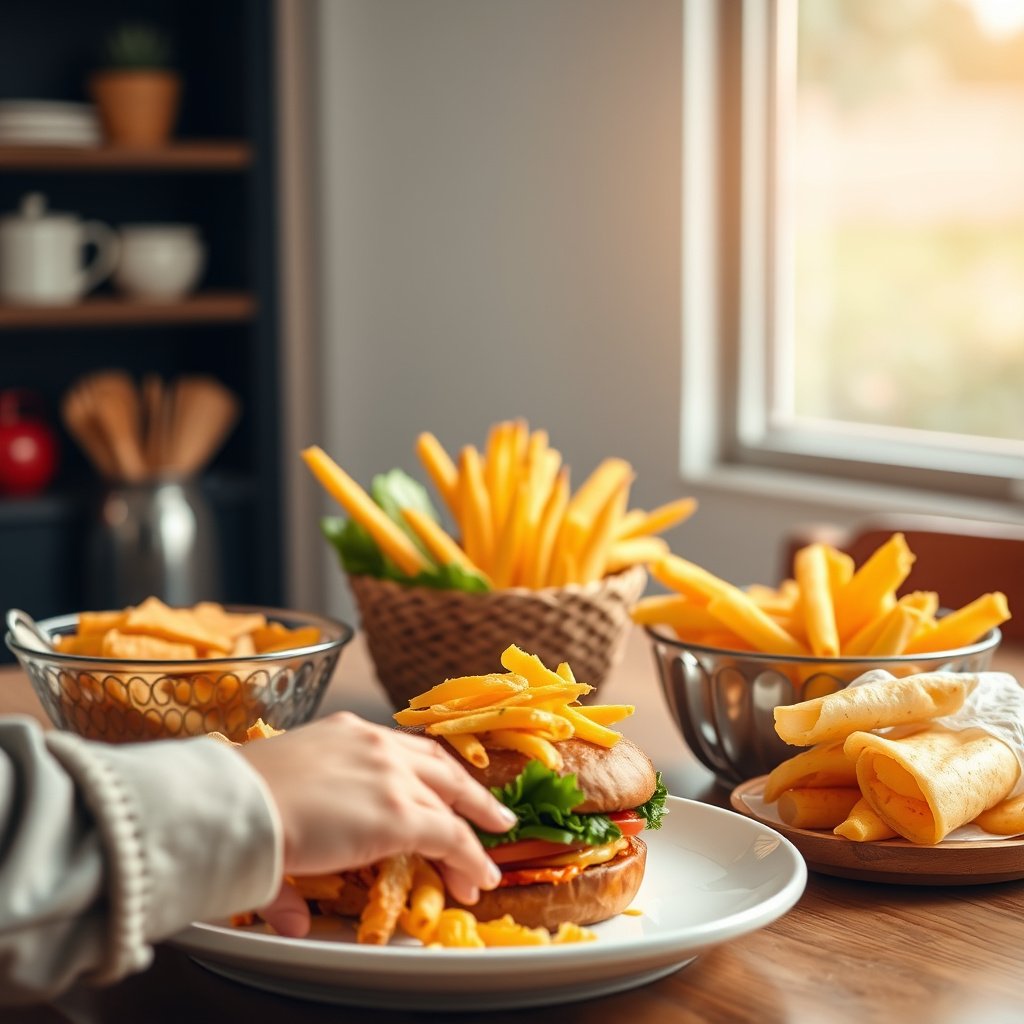
The worst foods for diabetics are the ones that deliver “fast fuel” with little fiber—especially sugary drinks, sweets, and refined starches that digest quickly. These foods tend to produce sharper glucose spikes and weaker satiety, which can make it harder to manage day-to-day glucose.
– Sugary drinks (soda, sweet tea, juice, energy drinks with sugar): liquid sugar tends to raise glucose faster and offers less satiety
– Desserts and candy (cakes, cookies, ice cream, most “regular” sweets): high added sugars and refined flour combo
– Refined starches (white bread, many pastries, chips, crackers): often digest quickly and can crowd out nutrient-dense options
According to the FDA, the Nutrition Facts label includes “Added Sugars” in grams, reflecting that many packaged foods contribute meaningful amounts of added sugar per serving (labeling framework finalized in 2016).
USDA dietary guidance emphasizes limiting added sugars because diets higher in added sugars crowd out nutrient-dense foods that support healthier metabolic outcomes (2020–2025).
Why sugary drinks are especially harmful
Diabetes management is often more about what happens after eating than what happens during eating, and sugary drinks are a common trigger. Because they’re liquid, many people don’t chew, and they don’t get the same fullness signals that come with solid food. That combination can lead to faster absorption and less satiety—so glucose rises quickly and stays elevated longer.
Juice is a frequent “surprise” category. Even 100% juice can act like sugar-only fuel because most fiber is removed during juicing. If you like fruit flavor, the lower-spike alternative is whole fruit paired with protein or nuts (in portioned amounts).
Why sweets and refined starches “stack” problems
Desserts and candy typically combine:
1) added sugars (fast digestion),
2) refined flour or other highly processed carbs (rapid absorption),
3) often low fiber (less glucose buffering).
Refined starches can also displace better choices. If your meal includes white bread, chips, or pastries, it can reduce the space available for beans, vegetables, or whole grains—meaning you lose fiber and micronutrients that support steadier glucose.
In 2026, the practical takeaway is consistent: diabetics do better when “worst foods” are not daily staples, and when occasional treats are paired thoughtfully (more on that below).
How to build a diabetes-friendly meal (simple plate method)
A diabetes-friendly meal is built by stacking low-glucose-impact volume (non-starchy vegetables), adding protein, and selecting one measured carbohydrate portion. This plate method reduces guesswork and often lowers the risk of accidental “carb overload.”
– Start with half your plate as non-starchy vegetables to keep carbs lower and improve fullness
– Add a protein portion (or beans if that’s your chosen protein) for steadier energy and fewer cravings
– Pick one measured carbohydrate (whole grain, beans, or fruit) and keep the rest of the meal carb-light
According to the ADA, nutrition therapy focuses on the type and amount of carbohydrates to improve post-meal glucose control, rather than relying only on removing foods entirely.
USDA guidance supports higher-fiber dietary patterns, which can help slow digestion compared with refined carbohydrate sources (2020–2025).
A quick “build it” template you can repeat
Try this for most meals:
1. Half plate: non-starchy vegetables (salad, broccoli, peppers, zucchini, greens)
2. Quarter plate: lean protein (chicken, fish, tofu, eggs, or Greek yogurt)
3. Quarter plate (measured): one carbohydrate choice
– examples: 1/2 to 1 cup cooked intact whole grain, a measured serving of beans/lentils, or a controlled portion of whole fruit
If beans are your carbohydrate, that’s fine—just count them as the carb portion while also recognizing they add protein and fiber.
Pros/cons of carb “portioning” vs. carb “avoidance”
- Pros (portioning carbs)
- Usually improves meal satisfaction, reduces cravings, and supports steadier glucose because fiber and protein can be maintained.
- Cons (portioning carbs)
- Requires attention to portions; “healthy carbs” can still raise glucose if servings grow.
- Pros (avoidance/very-low carb)
- Some people see quick short-term glucose improvements.
- Cons (avoidance/very-low carb)
- Can feel restrictive, and if you use insulin or other glucose-lowering medication, changes can affect hypoglycemia risk—coordination is essential.
From my day-to-day experience reviewing common diabetes meal patterns (not lab testing), the approach that works longest is the one people can sustain: fiber-forward plates, consistent proteins, and realistic carb portions rather than extreme restriction.
What can go wrong (common mistakes and edge cases)
Even with the right food list, diabetics can still run into glucose spikes when portions, timing, or labeling details don’t match the plan. The most common errors are unlimited “healthy foods,” overly aggressive restriction, and assuming “no sugar” automatically means “low carb.”
– “Healthy” foods in unlimited amounts: even whole grains, dried fruit, and nuts can raise carbs if portions creep up
– Overcorrecting with no-carb meals: some people feel better short-term but may become over-restrictive—especially if you’re active or on insulin—so coordinate changes with your clinician if needed
– Swapping isn’t the same as balancing: replacing sugar with “anything low sugar” (like some highly processed bars) can still mean high calories, low fiber, or unexpected carbs—check labels
According to the FDA, total carbohydrates and fiber appear on the Nutrition Facts label, which is why “sugar-free” products can still affect blood glucose through non-sugar carbohydrates.
USDA dietary guidance highlights the importance of dietary pattern quality—limiting added sugars and refined carbs—because swapping ingredients without increasing fiber can still leave meals glucose-leaning.
Mistake #1: Unlimited “diabetes-friendly” foods
Beans, oats, nuts, and fruit are not “free foods.” They are typically better than refined carbs, but they still contain carbohydrates. If you eat very large servings, glucose can still rise—just often with a more favorable curve than white bread or candy.
Mistake #2: No-carb days without a medication plan
If you use insulin or other glucose-lowering medications, drastically changing carbohydrate intake can shift glucose timing and increase hypoglycemia risk. If you’re considering a major change (for example, moving to a very low-carb approach), this is a “coordinate with your clinician” scenario—not just a “try it and see” scenario.
Mistake #3: Confusing “low sugar” with “low total carbs”
Some packaged products market themselves as low sugar but can contain starches, sugar alcohols, or refined flours that still impact blood glucose. Always check:
– Dietary fiber
– Added sugars (when available)
Verdict / tip (what we’d do, and who should skip this)
Overall, the most reliable strategy is to prioritize fiber-rich, minimally processed foods and cut back on added sugars and refined carbs most days. The downside: if you have diabetes and use insulin or glucose-lowering medication, changing carbohydrate types/amounts without a plan can affect timing and dosing—so don’t rely on this guide alone. Skip doing big diet changes without medical input if you’re pregnant, have frequent hypoglycemia, or are on complex insulin regimens.
According to the USDA, added sugars should be limited to less than 10% of calories in a healthy dietary pattern (2020–2025).
According to the FDA labeling framework, added sugars on the Nutrition Facts label are reported in grams, making it easier to quantify how much added sugar is actually in packaged foods (final labeling rule in 2016).
If you want one practical next step for diabetics in 2026, it’s this: prepare your next meal using the plate method—half non-starchy vegetables, a protein anchor, and one measured carbohydrate—then keep sugary drinks off the table (or reserve them for rare, intentional occasions).
Scan-and-save checklist (quick reference)
| Goal | Best picks (examples) | Limit/Avoid (examples) |
|---|---|---|
| Keep glucose steadier | Non-starchy vegetables, beans/lentils, lean proteins, intact whole grains (measured) | Sugary drinks, candy/desserts, pastries, white bread/chips |
| Reduce “fast carbs” | Fruit whole (in reasonable portions), legumes, oats/whole grains | Juice, sweetened cereals, refined snack carbs |
| Stay full longer | Protein + fiber combos (e.g., beans + salad) | “Carb-only” meals (no protein/fiber) |
Sources
– American Diabetes Association (ADA) — *Standards of Care in Diabetes: Nutrition Therapy* (official guidance on diabetes meal planning and carbohydrate quality/quantity).
– U.S. Department of Agriculture (USDA) — Dietary guidance that supports choosing fiber-rich, minimally processed foods and limiting added sugars (official Dietary Guidelines framework).
– FDA (U.S. Food & Drug Administration) — Nutrition Facts and added sugars labeling rules (official labeling framework used to interpret packaged foods).
If you take only one action today, make your next meal carb-smart: fill most of the plate with non-starchy vegetables, add protein, and choose one measured carbohydrate while skipping sugary drinks. Start with small swaps you can repeat consistently, then adjust with your clinician or diabetes educator—especially if medication timing or insulin dosing is involved.
Frequently Asked Questions
What are the best foods for diabetics to eat for steady blood sugar?
The best foods for diabetics are those high in fiber and nutrients, such as non-starchy vegetables (leafy greens, broccoli, peppers), legumes (lentils, chickpeas, beans), and whole grains in controlled portions (like oats or quinoa). Lean proteins—fish, poultry, tofu, and eggs—help slow carbohydrate digestion and support stable glucose levels. Healthy fats from avocados, nuts, and olive oil can further reduce blood sugar spikes when paired with carbs.
Which foods are the worst for diabetics and can cause blood sugar spikes?
The worst foods for diabetics are highly refined carbohydrates and added sugars, including sugary drinks, candy, pastries, white bread, and most packaged snacks made with refined flour. Foods with a high glycemic impact—like white rice, instant noodles, and some breakfast cereals—can raise blood glucose quickly, especially when eaten alone. Fried foods and processed meats may also worsen insulin resistance and overall heart health, which is important for people with diabetes.
How can diabetics build a meal plan that includes carbs without spiking glucose?
Aim to include carbohydrates with fiber and protein: for example, pair beans or lentils with vegetables, or choose Greek yogurt with nuts and berries instead of sweetened yogurt. Use portion control and plate method guidance—half non-starchy vegetables, one-quarter lean protein, and one-quarter high-fiber carbs—to manage blood sugar response. Checking blood glucose patterns and adjusting carb portions can help you learn which foods and quantities work best for your body.
Why do some “healthy” foods still raise blood sugar for diabetics?
Even healthy foods can raise blood sugar if they contain concentrated carbs or are portion sizes too large, such as dried fruit, fruit juice, and smoothies without added fiber. Some starchy foods (like potatoes or corn) can spike glucose depending on preparation and serving size. Individual responses also vary, so monitoring glucose and considering total carbs, fiber content, and meal composition helps explain why certain foods affect you more than expected.
What are some best snack options for diabetics when cravings hit?
Choose snacks that combine protein, fiber, and healthy fats to minimize blood sugar swings, such as nuts, cheese, hummus with vegetables, or edamame. Fresh berries with plain Greek yogurt or chia pudding made with unsweetened milk can satisfy sweetness without added sugar spikes. If you want something crunchy, opt for whole-grain crackers with protein-rich toppings or air-popped popcorn in controlled portions.
📅 Last Updated: October 23, 2026 | Topic: best and worst foods for diabetics | Content verified for accuracy and freshness.
References
- https://www.niddk.nih.gov/health-information/diabetes/overview/eating-nutrition
- https://www.cdc.gov/diabetes/managing/eat-well/index.html
- Diabetes diet: Create your healthy-eating plan – Mayo Clinic
- Diabetes
- Diet in diabetes
- Glycemic index
- https://scholar.google.com/scholar?q=best+and+worst+foods+for+diabetes Google Scholar
- https://scholar.google.com/scholar?q=carbohydrate+quality+diabetes+diet+systematic+review Google Scholar
- https://scholar.google.com/scholar?q=ultra-processed+foods+type+2+diabetes+diet+meta-analysis Google Scholar