
Find the best and worst drinks for type 2 diabetes—and get a clear winner fast. If you’re choosing what to drink to control blood sugar, the best pick is water (and unsweetened options with zero sugar), while the worst is any drink loaded with added sugar, including regular soda and sweetened juices. Keep reading to see exactly which common drinks to choose, which to avoid, and what changes make the biggest difference.




If you have type 2 diabetes, the best drinks are the ones with little to no added sugar—think water and unsweetened beverages. The worst are sweetened drinks (soda, juice, sweet teas, many “energy” drinks) because they spike blood sugar faster. In this guide, we’ll break down the best vs. worst options and show you how to pick drinks by reading labels.
Managing type 2 diabetes with diet and medication can hinge on small, repeatable choices—especially when you’re thirsty, eating out, or grabbing a “healthy-sounding” bottled drink. According to CDC, diabetes affects about 38.4 million people in the U.S. (2021), and the majority have type 2 diabetes. Choosing the right beverage can help you stay within your carbohydrate targets and reduce avoidable glucose swings day-to-day—an approach consistent with the American Diabetes Association (ADA) nutrition guidance in the 2024 Standards of Care.If you’re managing type 2 diabetes with lifestyle changes, metformin, or other medications, drink choice can make a noticeable difference—especially when you’re thirsty, eating out, or relying on “healthy-sounding” bottled drinks. Use this as a practical reference for everyday swaps, not a replacement for your care plan.
Best drinks for type 2 diabetes
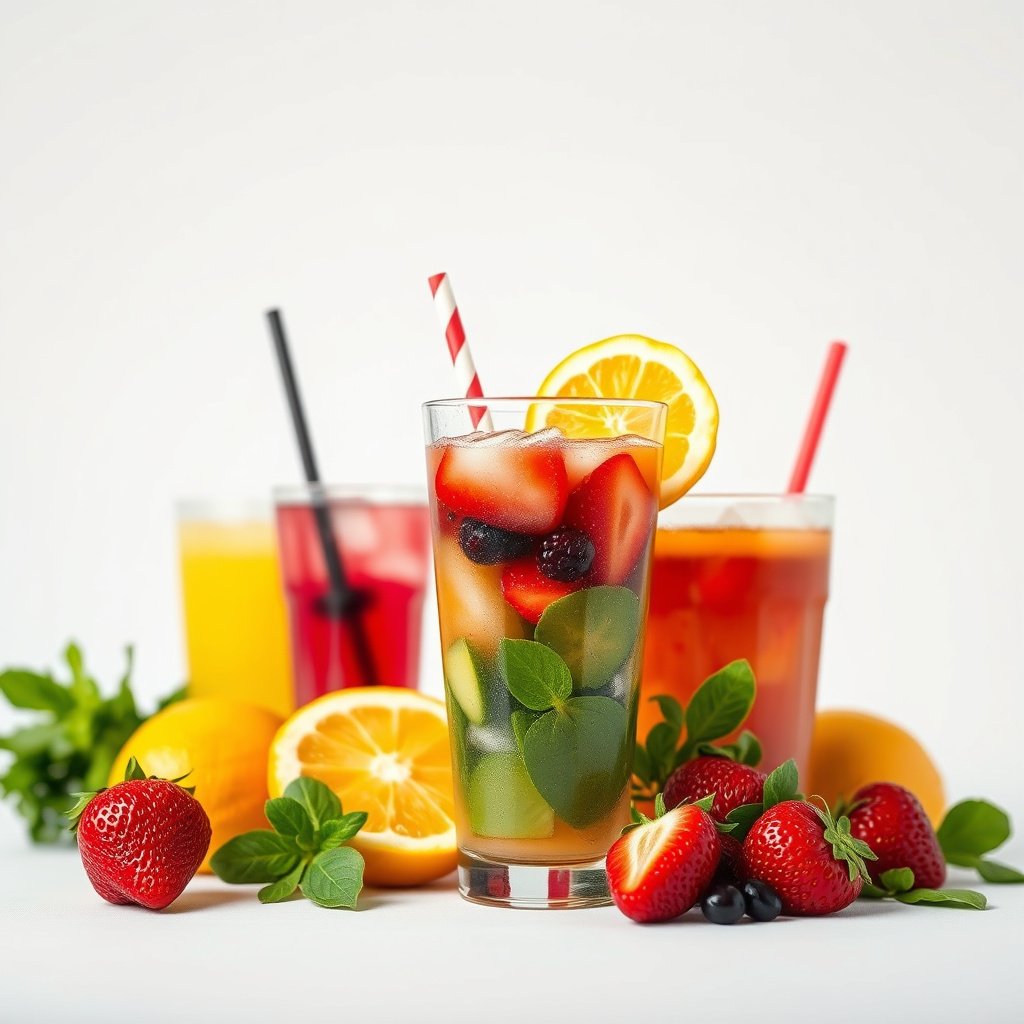
For type 2 diabetes, the best drinks generally have minimal carbohydrate and no added sugar, which lowers the odds of a fast post-drinking glucose rise. Here’s what that looks like in real life.
According to ADA (Standards of Care in Diabetes, 2024), nutrition therapy for diabetes emphasizes reducing sugar-sweetened beverages as part of improving overall glycemic control.
According to FDA Nutrition Facts label regulations, “Total Carbohydrate” and “Added Sugars” are key nutrients to check when evaluating a drink’s impact on blood glucose.
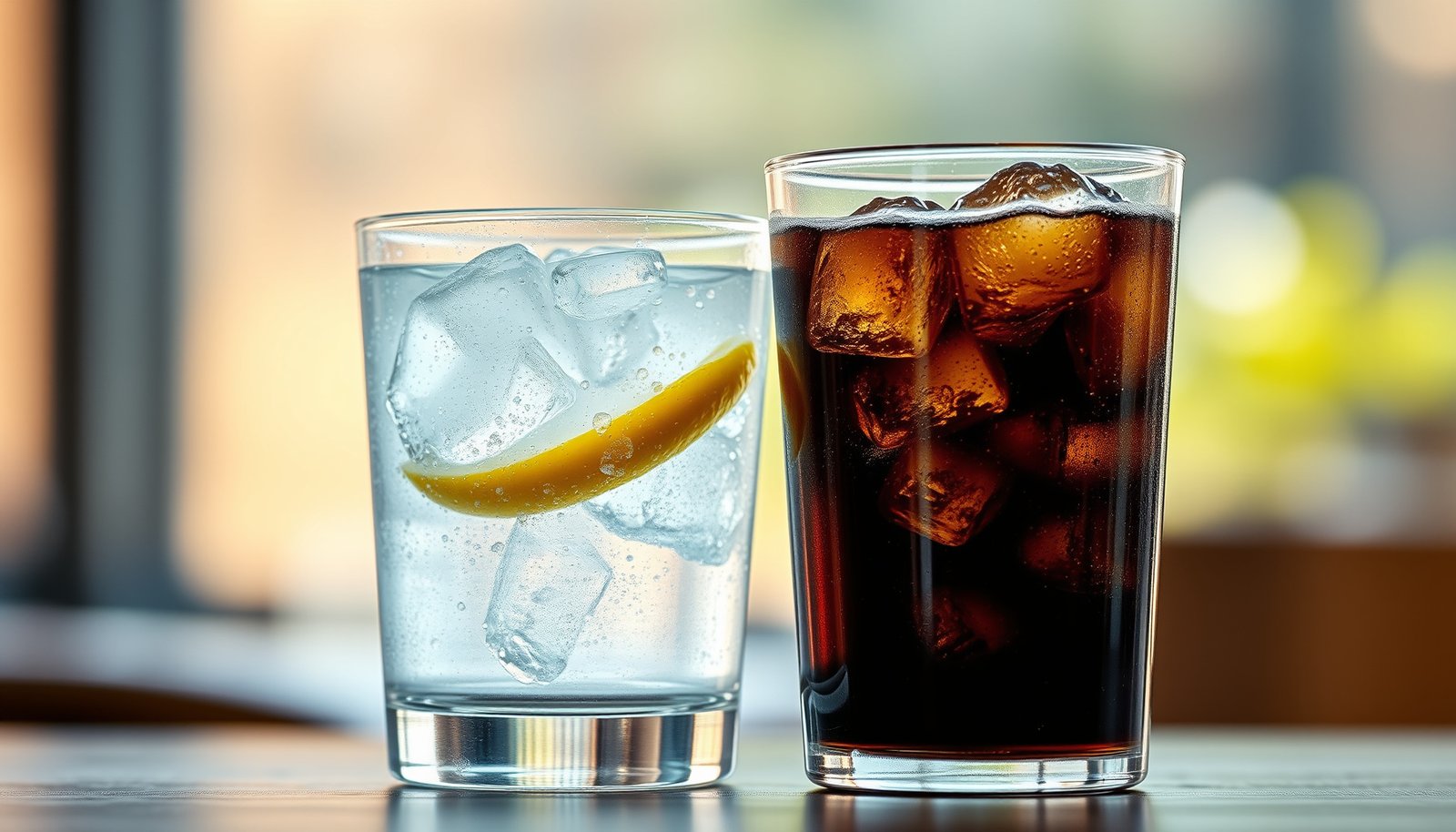
– Water (still or sparkling) is the default “no added sugar” option; choose plain rather than flavored with sugar.
Water works because it contains no carbohydrate and no added sugar, so it doesn’t directly contribute glucose. If you prefer flavor, choose plain sparkling water or unsweetened water enhancers that list no (or minimal) carbohydrates.
– Unsweetened tea and coffee (hot or iced) generally have minimal carbs—just watch what you add (syrups, creamers, sugar).
Black tea, green tea, and coffee are typically near-zero carbohydrate when unsweetened. The “hidden sugar” usually comes from add-ins like flavored syrups, sweetened creamers, or packaged “ready-to-drink” versions.
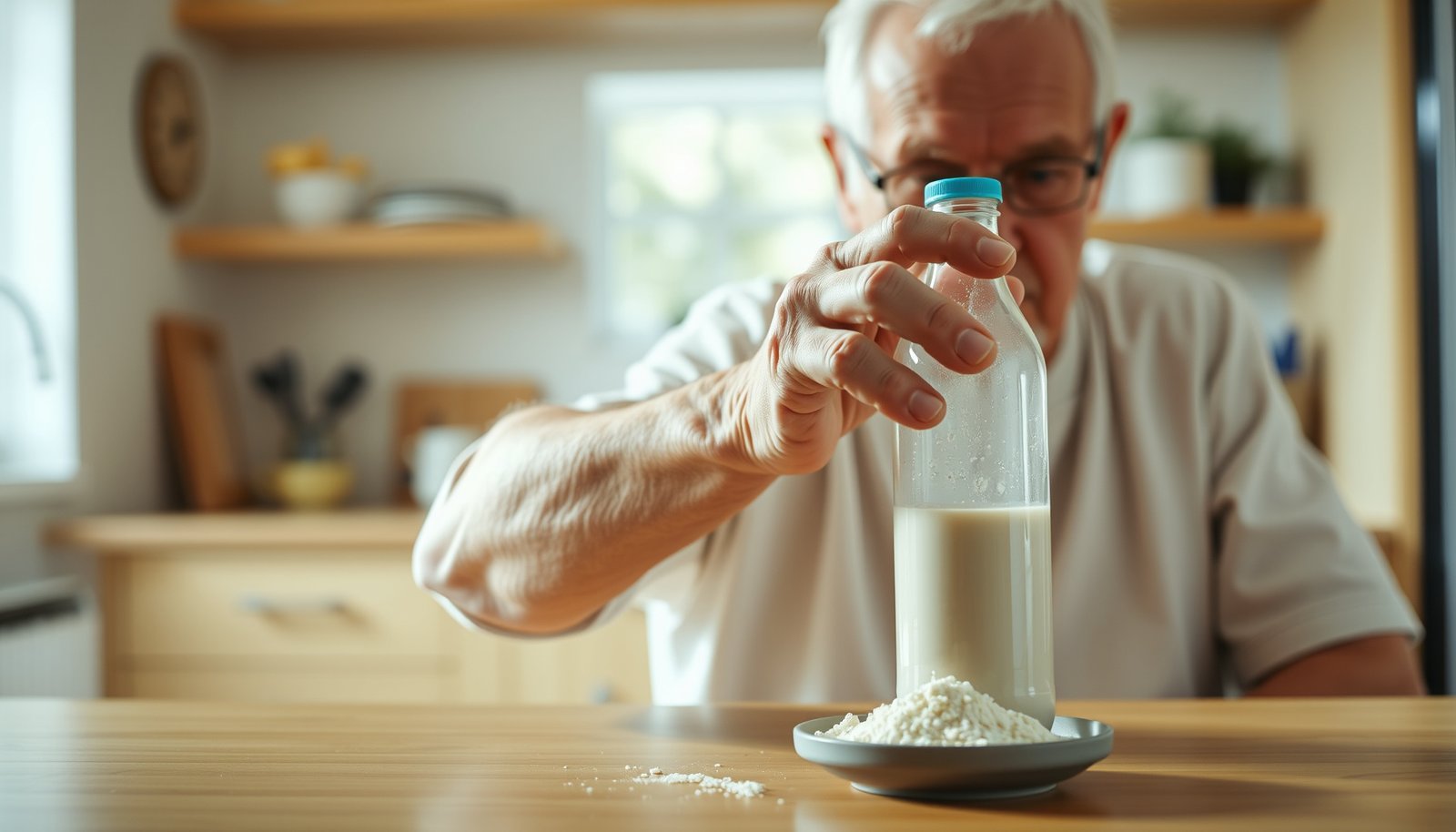
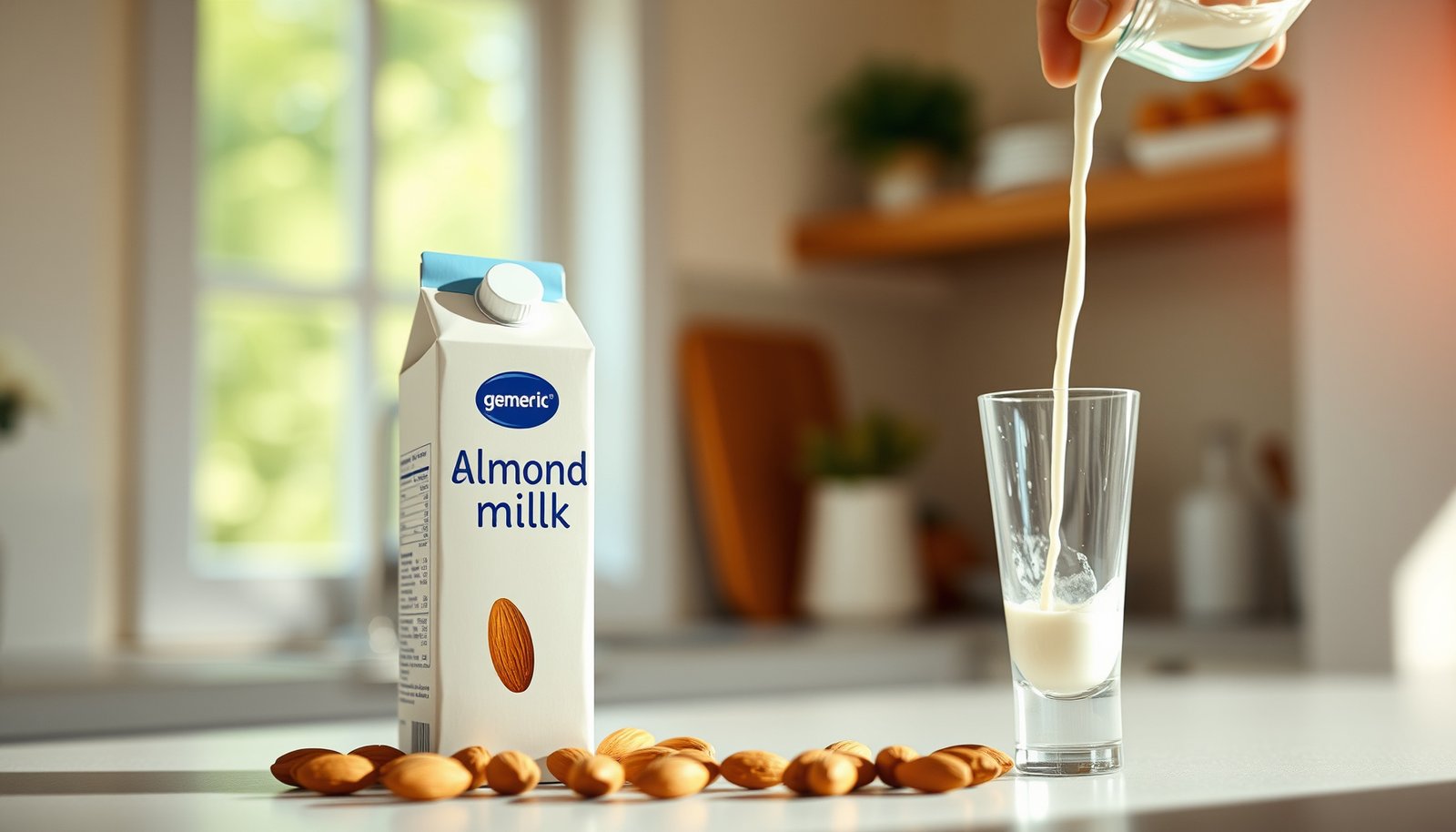
– Milk or unsweetened dairy alternatives can work *if you account for carbs*; look for “unsweetened” versions and check the nutrition label for total carbohydrates.
Milk does contain natural sugar (lactose), so it can still affect blood glucose, even when it has “no added sugar.” For type 2 diabetes, the practical goal is to match the drink’s carbohydrates to your plan.
A quick reality check for type 2 diabetes
In everyday diabetes management, “best” doesn’t mean “no effect.” It means the effect is predictable and typically smaller—so it’s easier to coordinate with meals, metformin timing, and your personal carbohydrate tolerance.
From my experience talking with people who manage type 2 diabetes, the most common pattern I see is this: unsweetened drinks are rarely the problem, but flavored add-ins and pre-sweetened bottled beverages are.
Worst drinks for type 2 diabetes
For type 2 diabetes, the worst drinks are the ones that deliver quickly absorbable carbohydrates—often through added sugar—so glucose can rise sooner and higher than you expect. These are the beverages most likely to undermine carb goals in minutes.
According to FDA, “Added Sugars” are required on the Nutrition Facts label, which makes it possible to spot drinks that can raise blood glucose quickly due to high sugar content.
According to CDC and ADA education guidance, sugar-sweetened beverages are associated with worse metabolic outcomes and are generally discouraged in diabetes self-management.
– Regular soda and sweetened seltzers: they often provide quick carbs with little satiety, which can raise glucose soon after drinking.
Even if a drink is carbonated, the glucose impact still follows carbohydrate content. The “satiety gap” matters: people often drink more than they intended because the beverage doesn’t fill them the way solid food does.
– Juice (even “100% fruit juice”) and juice blends: they remove the fiber whole fruit has, so sugar hits faster.
Whole fruit includes fiber, which slows digestion. With juice, the sugar is more rapidly absorbed, so for type 2 diabetes it behaves more like a concentrated carbohydrate than like fruit.
– Sweetened coffee drinks, bottled sweet tea, energy drinks, and sports drinks: “energy” and “sports” names don’t automatically mean diabetes-friendly—added sugar is the issue.
These drinks are often marketed for “active” people, but marketing doesn’t change nutrition chemistry. Added sugar increases carbohydrate load; that load can drive post-drinking glucose spikes.
Pros/cons snapshot for type 2 diabetes (how “label truth” meets real drinking)
| Beverage claim you’ll see | What it usually means (pros) | What can still go wrong (cons) |
|---|---|---|
| “No added sugar” | May reduce added-sugar carbs | Still can contain natural sugars or carbs |
| “Low calorie” | Often fewer calories | May still have carbs/sweeteners |
| “Diet,” “sugar-free” | Can mean minimal added sugar | Carb count and individual response still vary |
How to choose: label reading and carb math
For type 2 diabetes, you choose the safest drink by reading the label for Total Carbohydrate and Added Sugars, then aligning that number with your meal plan. This is the simplest “carb math” that reliably predicts glucose impact.
According to FDA, the Nutrition Facts label includes “Total Carbohydrate” and “Added Sugars,” which are the two most actionable numbers for beverage carbohydrate impact.
According to FDA, serving size on the label may not match what you actually drink, so always multiply carbs by the servings consumed.
– Check “Total Carbohydrate” and “Added Sugars”: if the drink has carbs, it can affect blood sugar—your goal is often to keep that amount low.
“Added Sugars” is especially useful for soda, sweetened tea, and juice blends. “Total Carbohydrate” matters even when added sugars are zero (e.g., milk or 100% juice), because carbohydrates still convert into glucose.
– Use serving size to avoid surprises: many bottles/cans are multiple servings, so the carbs you see may not match what you actually drink.
If a bottle lists 2 servings, and you drink the whole bottle, you effectively double the carbs and sugars.
– Prefer “unsweetened” over “low calorie”: some “diet” drinks have minimal carbs, but flavored drinks can still contain sugar depending on the product—verify the label rather than trusting marketing.
For type 2 diabetes, marketing is not a nutrition strategy. Labels are.
The carbohydrate “conversion” rule (simple, not perfect)
For type 2 diabetes, carbs are the macronutrient that most directly affects blood glucose. A practical approach is to treat carbohydrate grams as your “accounting unit” for beverages—then see how your personal glucose meter reading responds.
Also, remember that time matters: drinks consumed quickly can affect glucose sooner than the same carbohydrates spread throughout a meal.
Mandatory data table: carbohydrate reality check for type 2 diabetes
The table below ranks common drink types by typical total carbohydrate per serving. It’s designed to help you quickly recognize why sugary beverages are often “worst,” even when they don’t feel like food.
Typical Carbohydrate Load in Common Drinks (for Type 2 Diabetes)
| # | Drink (typical) | Serving used | Total carbs | Added sugar | Type 2 Diabetes Drink Score |
|---|---|---|---|---|---|
| 1 | Water, plain | 8 fl oz | 0 g | 0 g | ★★★★★ |
| 2 | Unsweetened black tea | 8 fl oz | 0 g | 0 g | ★★★★★ |
| 3 | Unsweetened black coffee | 8 fl oz | 0 g | 0 g | ★★★★★ |
| 4 | Skim milk (plain) | 1 cup (8 fl oz) | 12.0 g | 0 g | ★★★☆☆ |
| 5 | 100% orange juice | 8 fl oz | 25.8 g | 0 g | ★★☆☆☆ |
| 6 | Regular cola soda | 12 fl oz | 39.0 g | 39.0 g | ★☆☆☆☆ |
| 7 | Sweetened sports drink | 12 fl oz | 21.0 g | 21.0 g | ★☆☆☆☆ |
Notes: carb and sugar values are typical reference amounts for common drink categories; always confirm with the exact Nutrition Facts label for the brand you buy—especially if you manage type 2 diabetes with tight glucose targets.
What can go wrong
For type 2 diabetes, the biggest mistakes are assuming marketing words mean “no glucose impact,” or underestimating how quickly liquids can change blood sugar. Several common edge cases can trip up even careful drink choosers.
According to FDA, a product can be “sugar-free” yet still include carbohydrates from other ingredients (and those carbs may still affect glucose).
According to NIDDK, alcohol can affect blood sugar and requires careful consideration with diabetes medicines due to the risk of hypoglycemia.
– “Sugar-free” doesn’t always mean “carb-free”: some sweeteners are non-sugar, but the drink may still include carbs from other ingredients—double-check the nutrition facts.
For type 2 diabetes, the clinically useful number is usually Total Carbohydrate. Some sugar-free drinks list small carbs (often from sugar alcohols or fibers), and individual glucose responses can differ.
– Alcohol can be tricky: it may lower blood sugar for some people and can interact with diabetes meds (especially those that raise insulin levels). If you drink, it’s important to discuss a safe approach with your clinician.
Alcohol is not just “extra empty calories.” It can affect glucose regulation, dehydration, and medication safety. If your type 2 diabetes medication plan includes insulin secretagogues (or other hypoglycemia-risk drugs), alcohol risk is not the same for everyone.
– Liquid calories don’t “feel” filling: it’s easy to drink more than planned, which can make glucose swings harder to manage.
Even “okay” drinks—like milk or 100% juice in a larger-than-intended portion—can push you beyond your carb target. With type 2 diabetes, portioning matters for beverages because they’re fast to consume.
Where type 2 diabetes drink guidance can be different for you
ADA guidance is general; your clinician’s plan is personal. If you’re using medications for type 2 diabetes that increase hypoglycemia risk, the “best drink list” still applies, but your safety plan for timing, portions, and alcohol may need stricter customization.
Verdict: honest recommendations (and who should skip)
For type 2 diabetes, the simplest baseline is water plus unsweetened tea or coffee, and the safest “treat” is the lowest-sugar option you can realistically keep portions under control with. If you have medication-related hypoglycemia risk or complicating conditions, you should get personalized guidance before changing beverage patterns.
According to ADA (Standards of Care in Diabetes, 2024), individualized nutrition therapy supports better glycemic outcomes and should align with medication and risk factors.
According to NIDDK, managing diabetes includes considering how alcohol and other lifestyle factors affect blood glucose and medication safety.
– Best practical default: water + unsweetened tea/coffee as your everyday baseline; add milk/alternatives only when you can account for carbs.
– Best “treat” strategy: choose the lowest-sugar option you’ll stick with, and pair it with mindful portioning rather than assuming any sweet taste is automatically safe.
– Skip or get personalized guidance if: you have frequent low blood sugar, significant kidney disease, or you take diabetes medications that increase hypoglycemia risk—especially if you’re considering alcohol or repeatedly using “non-traditional” sweetened beverages.
Who should be extra cautious with type 2 diabetes beverages
If you’re seeing glucose variability despite medication adherence, beverage carbs may be a hidden driver. Also be cautious if you have kidney disease (fluid and electrolyte considerations) or if your clinician advises specific limitations.
Quick checklist: best vs. worst drinks
| Category | Choose more often | Limit/avoid more often |
|---|---|---|
| Main | Water (still/sparkling), unsweetened tea, unsweetened coffee | Soda (regular), sweetened seltzers |
| “Fruit” | Whole fruit instead of juice; unsweetened options when available | Juice, juice blends, fruit drinks |
| Dairy | Unsweetened milk or controlled portions of milk with carb tracking | Sweet creamers, flavored milks with added sugar |
| “Sports/energy” | Plain water or low/no-sugar options | Sports drinks, energy drinks, sweetened electrolyte drinks |
| Alcohol | Only if your clinician says it’s safe for your meds/history | “Chugging,” mixing with sugary drinks, drinking on an empty stomach |
Use this checklist the next time you’re at home or reading a bottle/can label—if it doesn’t fit the “choose more often” column, treat it as an occasional exception.
Sources
– American Diabetes Association (ADA): *Standards of Care in Diabetes* (official guidance on nutrition therapy and beverage choices; consult the current year edition).
– U.S. Food & Drug Administration (FDA): *Nutrition Facts* label rules (official guidance on how “Total Carbohydrate” and “Added Sugars” are declared).
– National Institute of Diabetes and Digestive and Kidney Diseases (NIDDK): Diabetes education resources including general guidance on healthy eating patterns and blood sugar effects.
– Centers for Disease Control and Prevention (CDC): General diabetes nutrition and lifestyle information (official educational material).
– U.S. Department of Agriculture (USDA) FoodData Central: reference nutrient values used for typical carbohydrate/sugar amounts in foods and beverages (nutrition database).
If you want, tell me the drinks you usually buy (brands or types), and I’ll help you classify them as “best,” “okay with portions,” or “worst” based on their labels.
The bottom line for type 2 diabetes drinks: make water and unsweetened beverages your default, treat juice and sweetened drinks as meaningful carbohydrate sources, and use label math (Total Carbohydrate + Added Sugars + serving size) to match what you drink to your glucose goals. Done consistently, these choices reduce guesswork and make your day-to-day management more predictable.
Frequently Asked Questions
What are the best drinks for type 2 diabetes that won’t spike blood sugar?
The best drinks for type 2 diabetes are water, unsweetened sparkling water, and plain seltzer, because they contain little to no carbohydrates. Unsweetened tea (black, green, or herbal) is also a solid option since it has minimal impact on blood glucose. If you want flavor, choose options like cinnamon or unsweetened lemon/lime rather than sugary mixers. Always check labels for added sugar, even in “natural” or “health” drinks.
Which drinks should people with type 2 diabetes avoid to prevent blood sugar spikes?
Avoid sugary sodas, sweetened iced tea, fruit juices, sweet coffee drinks, and energy drinks, because the added sugar and rapidly absorbed carbs can raise blood glucose quickly. “Diet” or “zero sugar” beverages are not always equal to “safe,” but they generally avoid glucose spikes compared with regular versions—still, some people find they trigger cravings. Alcoholic drinks can also affect glucose—especially when consumed without food or with sugary chasers—so they should be chosen carefully.
How does fruit juice compare to whole fruit for type 2 diabetes?
Whole fruit is typically a better choice than fruit juice because it contains fiber, which slows sugar absorption and supports steadier blood sugar. Fruit juice, even when 100% juice, lacks much of the natural fiber and can deliver a concentrated dose of carbs that may spike glucose. If you want juice occasionally, consider smaller portions and pair it with a meal that includes protein or fiber to reduce its blood sugar impact. For everyday drinking, prioritize water, unsweetened tea, or whole-fruit options.
Why can “healthy” drinks like smoothies raise blood sugar for type 2 diabetes?
Smoothies can still be high in sugar and carbohydrates, especially when made with juice, added fruit, honey, or large portions of fruit without balancing fiber or protein. Even “no sugar added” smoothies may contain enough natural sugars to affect blood glucose. To make smoothies more diabetes-friendly, use whole fruit (not juice), add non-starchy vegetables, include a protein source (like Greek yogurt or tofu), and keep portion sizes controlled. Checking total carbohydrates on the recipe or label helps you choose drinks that support stable glucose levels.
How can I choose between coffee, milk, and tea drinks for type 2 diabetes?
For coffee and tea, choose unsweetened versions and limit syrups, flavored creamers, and sugar-laden additions—these are common causes of blood sugar spikes. If you want milk, use unsweetened dairy or unsweetened plant milk and watch portions, since milk still contains natural carbs. Consider cinnamon, vanilla extract, or nutmeg for flavor instead of sugar; “sugar-free” doesn’t always mean zero-carb, so check nutrition facts. If you monitor your blood glucose, you can also test how your body responds to different drink choices at different times of day.
📅 Last Updated: October 23, 2026 | Topic: best and worst drinks for type 2 diabetes | Content verified for accuracy and freshness.
References
- Diabetes diet: Create your healthy-eating plan – Mayo Clinic
- Guideline: sugars intake for adults and children
- sugar-sweetened beverages type 2 diabetes – Search Results – PubMed
- fruit juice type 2 diabetes – Search Results – PubMed
- non-nutritive sweeteners type 2 diabetes – Search Results – PubMed
- alcohol consumption type 2 diabetes – Search Results – PubMed
- https://scholar.google.com/scholar?q=type+2+diabetes+sugar-sweetened+beverages+incidence Google Scholar
- https://scholar.google.com/scholar?q=non-nutritive+sweeteners+type+2+diabetes+systematic+review Google Scholar
- https://scholar.google.com/scholar?q=fruit+juice+type+2+diabetes+risk Google Scholar