
Choosing the best alternative sweetener for diabetics comes down to one practical question: which option lowers blood-sugar impact while still tasting like real sweetness? For most people managing diabetes, stevia is the clearest winner because it’s calorie-free, doesn’t spike glucose, and works in everyday drinks and cooking. If you need bulk sweetness or baking performance, erythritol is the runner-up—but for direct glycemic control, stevia takes the top spot.


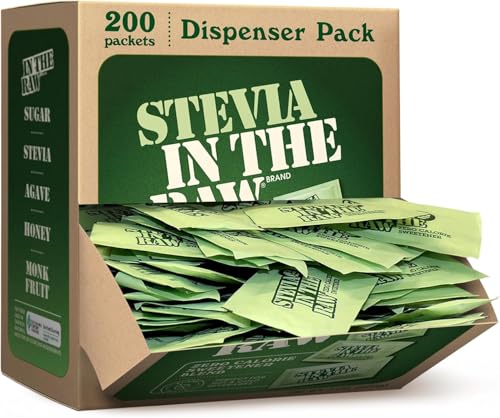

Stevia (steviol glycosides) or monk fruit are usually the best alternative sweeteners to start with for diabetics, because they add little to no sugar and typically don’t raise blood glucose like table sugar. If you need a “sugar-like” bulk option in baking, erythritol is often a practical second choice. This guide breaks down the best options, how to pick the right one for your meals, and what to watch out for on labels—especially when “sugar-free” products still include ingredients that count toward carbs.
Who this is for / when it applies:
This is for people with diabetes who want to sweeten coffee, tea, yogurt, or recipes without spiking glucose the way sugar does. It’s especially helpful if you’ve noticed that “diabetic-friendly” products still seem to affect your blood sugar—often due to hidden carbohydrates, sugar alcohols, or blended sweeteners.
Stevia vs. Monk Fruit vs. Erythritol (quick winner picks)
If you want one simple starting point, choose stevia (steviol glycosides) or monk fruit for everyday sweetness, and add erythritol when you need bulk for baking. Here’s why these three cover most real-world diabetes needs: they’re either non-nutritive (minimal glucose impact) or low-impact sugar alcohols (useful for texture).
Both stevia and monk fruit are high-intensity sweeteners, meaning you use very small amounts to get sweetness. That matters for diabetics because you can usually keep total carbohydrates low while still enjoying “sweet” foods. Erythritol is different: it can mimic the volume and mouthfeel of sugar, which is why many bakers turn to it—but sugar alcohol tolerance varies person to person.
Steviol glycosides (stevia) are approved high-intensity sweeteners and are intended for use in food with very low usage levels compared with sugar.
Monk fruit extract (often from mogrosides) is also used as a high-intensity sweetener in many “no/low sugar” products and is typically formulated to contribute minimal available carbohydrate per serving.
Erythritol is a sugar alcohol used for bulk with lower caloric impact than sucrose (table sugar) and is generally designed for minimal blood glucose effect.
Quick compare (what each one does best)
– Stevia (steviol glycosides): Often a top pick because it’s non-nutritive (doesn’t act like sugar in the body) and comes in many “for coffee” and baking formats.
– Monk fruit (often “monk fruit extract”): Similar goal—sweetening with minimal impact on blood sugar for many people, though formulas vary by brand.
– Erythritol (sugar alcohol): A good option when you need bulk (baking/texture). It’s usually lower impact than sugar, but not always “zero effect” for everyone.
Diabetes-Friendly Sweeteners at a Glance (U.S.-market categories)
| # | Sweetener (type) | Sweetness vs. sugar | Energy (kcal/g) | Best for | Diabetes-friendliness |
|---|---|---|---|---|---|
| 1 | Steviol glycosides (stevia) | ~200–300× | ~0 | Coffee/tea & low-carb recipes | ★★★★★ |
| 2 | Monk fruit extract | ~150–300× | ~0 | Yogurt, beverages & sweet toppings | ★★★★★ |
| 3 | Erythritol (sugar alcohol) | ~60–70% (≈0.6–0.7×) | ~0.2 | Baking bulk & frosting texture | ★★★★☆ |
| 4 | Allulose | ~70–90% (≈0.7–0.9×) | ~0.2 | Caramel notes & “sugar-like” cooking | ★★★★☆ |
| 5 | Xylitol (sugar alcohol) | ~1.0× | ~2.4 | Mouthfeel in some “sugar-free” foods | ★★★☆☆ |
| 6 | Sucralose | ~600× | ~0 | Beverages (brand-dependent) | ★★★★★ |
| 7 | Aspartame | ~180× | ~4 (used in tiny amounts) | Low-calorie beverages & desserts | ★★★★★ |
> Note: Sweetness intensity and calories can vary by product formulation (especially blends). For decisions, always confirm the nutrition facts per serving on the specific item you buy.
How diabetics should choose an alternative sweetener
The best choice is the one that keeps total carbohydrates low per serving while matching how you’ll use it (liquid vs baking). In practice, that means you should choose stevia/monk fruit first for everyday use, then use erythritol (or a tested blend) only when you truly need bulk and texture.
The “marketing story” on the front of a package is often less informative than the nutrition label and ingredient list. As of 2026, many products combine stevia or monk fruit with sugar alcohols, fibers, or other carbs to improve taste and texture—so two “sugar-free” foods can behave very differently for diabetics.
Table sugar (sucrose) supplies about 4 kcal per gram, so replacing it can lower total calories—while the nutrition label still determines carbs that may influence glucose.
Most high-intensity sweeteners (like steviol glycosides and monk fruit extract) are used at amounts too small to meaningfully contribute carbs in typical servings.
Sugar alcohols are carbohydrate-like ingredients that can still add to total carbs and may affect individuals differently based on dose and tolerance.
Prioritize “no sugar” + check the carbs
– Prioritize “no sugar” + check the carbs: Look for labels that clearly state sugar and total carbohydrates per serving.
– Be careful with blended sweeteners: Many “diabetic” products use mixtures (e.g., stevia + sugar alcohols + fibers). The blood sugar effect depends on the *full nutrition label*, not the marketing claim.
– Match the sweetener to the use:
– Liquids (coffee/tea) → stevia or monk fruit blends are often easiest
– Baking → erythritol (or stevia/monk blends designed for baking) tend to work better
A practical decision rule (fast and repeatable)
If your goal is lower glucose impact, start by selecting a product where the total carbs per serving are low, and keep the serving size consistent. If your goal is texture (cookies, frosting, baked goods), prioritize erythritol or an erythritol-forward baking blend—but test how your stomach responds.
- Use stevia/monk fruit first
- Pros: Typically minimal available carbs; easy for coffee, tea, yogurt, and simple recipes.
- Cons: Some people dislike aftertaste; “baking” versions may still require careful measurement.
- Use erythritol for bulk
- Pros: Helps mimic sugar’s volume and browning in many recipes.
- Cons: Can cause gas/bloating/looser stools at higher amounts for some people.
What can go wrong (and why “it’s sugar-free” can still matter)
“Sugar-free” is not the same thing as “carb-free,” and it’s definitely not the same thing as “no blood glucose impact.” For diabetics, the most common failures come from hidden carbs in blends and from sugar alcohols affecting either glucose or digestion.
This is especially relevant as of 2026, because many new “diabetic” snacks combine stevia or monk fruit with multiple non-sugar ingredients to improve palatability. The result: carbs can still be present, and they can still influence glucose for some people—even if the product claims to be sugar-free.
Sugar alcohols are carbohydrate-like ingredients that can contribute to total carbohydrate content on the label and may be partially absorbed.
Erythritol and other sugar alcohols can cause gastrointestinal symptoms (gas, bloating, loose stools) when intake is high enough for an individual.
Individual glucose response varies, so the same sweetener can have different outcomes depending on the person and the overall meal composition.
Common pitfalls to watch for
– Hidden carbs in “sugar-free” foods: Some products contain sugar alcohols or other ingredients that still contribute to total carbs and can affect glucose for certain people.
– Tummy issues with sugar alcohols: Erythritol and other sugar alcohols can cause gas, bloating, or loose stools—especially at higher amounts. That discomfort can limit how useful they are.
– Individual glucose response varies: Even with low-impact sweeteners, your body may react differently. If you track glucose, test a small amount and observe your personal response.
Label-reading checklist for blends
When you see stevia or monk fruit in an ingredient list, don’t stop there. Also look for:
– Sugar alcohol names (often ending in “-itol”)
– Added starches/fibers that can still count toward carbs
– Serving size—small servings can make nutrition look great, even if the food is easy to overeat
Best way to use sweeteners without surprises
The safest approach is to choose a low-carb sweetener strategy you can repeat, then “learn your label” instead of guessing. For most diabetics, that means starting with stevia/monk fruit for liquids and using erythritol only when you’re also managing dose and serving size.
From a diabetes-management perspective, consistency matters as much as ingredient choice. If you change sweeteners and portion sizes at the same time, it becomes hard to tell what influenced glucose or how your digestion responded.
Testing a small serving and monitoring glucose (or symptoms) is a practical way to identify personal responses to nonnutritive sweeteners.
Recipe math affects real-world carbs because sweeteners vary in potency and baking formulations change how much ingredient actually lands in each serving.
How to use them confidently
– Start small and stay consistent: Try a modest serving size, then keep the serving and timing consistent when you’re learning how it affects you.
– Account for the recipe math: In baking, “net carbs” and serving size can change fast depending on how much sweetener you use and how many servings you make.
– Prefer single-ingredient sweeteners when learning: If you’re still figuring out what works for you, choose products with fewer components so it’s easier to tell what caused any change.
Practical meal examples (so you can apply this today)
– Coffee/tea: Start with stevia or monk fruit in a measured amount (and avoid “creamer” products that also contain starches or sugar alcohol blends).
– Yogurt or oatmeal: Use the sweetener you tolerate best, then check carbs per serving—especially if the yogurt already includes fruit concentrates or added sugar.
– Baking: Use erythritol-forward sweeteners for volume, and follow the specific product’s substitution guidance (many blends are not 1:1 with sugar).
Verdict: the “best” alternative sweetener depends on your goal
If you want the simplest, most diabetes-friendly starting point, choose stevia or monk fruit (especially those without added sugars and with clearly low carb counts per serving). If you need bulk for texture (like cookies or frosting), erythritol can be a better fit—just be mindful of possible GI side effects.
The “best” choice for diabetics is rarely the one with the flashiest label. It’s the one that keeps your carbs per serving where you and your clinician want them—while you also tolerate it well enough to use consistently.
ADA Standards of Care address that nonnutritive sweeteners can be part of diabetes meal planning, but the total nutrition profile and individual response still matter.
Who should skip or be extra cautious:
– If you have a history of sensitivity to sugar alcohols, start with stevia/monk fruit rather than erythritol.
– If you have kidney disease or are on a clinician-restricted diet, ask your healthcare team before using sugar alcohols regularly ().
Quick scan checklist (save this)
– [ ] Pick stevia (steviol glycosides) or monk fruit to start
– [ ] If baking: consider erythritol for bulk, but expect GI sensitivity in some people
– [ ] Check the nutrition facts per serving (carbs/sugar)
– [ ] Watch for blends—read the ingredient list, not the label headline
– [ ] Test your response with a small portion and track how you feel and/or your glucose
Sources
– American Diabetes Association (ADA) — *Standards of Care in Diabetes: Nutrition/Recommendations regarding nonnutritive sweeteners* ().
– U.S. Food & Drug Administration (FDA) — *High-Intensity Sweeteners and related “permitted” sweeteners list* (FDA documentation for approved sweeteners in food).
– FDA — *Food ingredient and sweetener regulation materials for steviol glycosides / monk fruit components* (use FDA GRAS/approval or listing documents as applicable) ().
If you take one practical step from this guide, make it this: start with stevia or monk fruit, confirm total carbs per serving, and only add erythritol when you need bulk—then verify your results with small, consistent tests. That approach keeps the focus where it belongs for diabetics: ingredient choice, label truth, and your personal response.
Frequently Asked Questions
What is the best alternative sweetener for diabetics to use daily?
For many people with diabetes, stevia and monk fruit (often sold as stevia/monk sweeteners) are popular because they don’t raise blood sugar and can be used in baking or beverages. Erythritol is another common option with a very low glycemic impact, though portion size still matters for gut comfort. The “best” choice often depends on your taste preference, tolerance, and whether you need a sweetener that measures like sugar for recipes.
Which sweeteners for diabetics are safest for blood sugar control?
Sweeteners with minimal or no digestible carbohydrates—such as stevia, monk fruit, and sucralose—are generally considered safer choices for blood glucose management than regular sugar or honey. In contrast, agave nectar and “sugar alcohol blends” can still affect blood sugar for some people, especially in larger amounts. If you’re unsure, check the nutrition label for total carbs and consider monitoring your blood glucose after trying a new sweetener.
How do stevia and monk fruit compare as alternative sweeteners for diabetics?
Stevia is derived from the stevia plant and is available as a concentrated extract or in blended products that may include fiber or sugar alcohols. Monk fruit extract works similarly by providing sweetness without significant carbohydrates, but some blends may contain added ingredients that can change blood sugar response. If you’re choosing between them, compare labels for “added carbs” and look for products labeled as having zero or very low net carbs.
Why do sugar alcohols like erythritol sometimes affect diabetics anyway?
While erythritol typically has a low glycemic impact, other sugar alcohols (like maltitol, sorbitol, or xylitol) can raise blood sugar more because they’re partially metabolized. Even when blood sugar stays stable, sugar alcohols can cause digestive side effects such as gas or diarrhea, especially at higher intakes. To find your best alternative sweetener, start with small amounts and observe both your glucose readings and how your body responds.
What should you look for when choosing the best low-sugar sweetener for diabetes-friendly recipes?
Start by checking for “net carbs” and total carbohydrates per serving, and avoid products where sugar alcohols or syrups make the carbs add up. For baking, consider whether the sweetener can replace sugar by weight or whether you’ll need a recipe designed for that ingredient (some sweeteners don’t brown or behave like sugar). Many diabetics prefer stevia or monk fruit blends that are formulated for cooking, but the best alternative sweetener is the one that fits your recipe and keeps your blood sugar within your target range.
📅 Last Updated: October 23, 2026 | Topic: best alternative sweetener for diabetics | Content verified for accuracy and freshness.
References
- https://www.who.int/publications/i/item/9789240027206
- https://www.fda.gov/food/nutrition-education-resources-materials/high-intensity-sweeteners-and-other-sugar-substitutes
- Sugar substitute
- Sugar alcohol
- non-nutritive sweeteners diabetes glycemic control systematic review – Search Results – PubMed
- steviol glycosides diabetes – Search Results – PubMed
- sugar alcohols diabetes glycemic response – Search Results – PubMed
- https://scholar.google.com/scholar?q=non-nutritive+sweeteners+diabetes+glycemic+control Google Scholar
- https://scholar.google.com/scholar?q=steviol+glycosides+diabetes+randomized+trial Google Scholar
- https://scholar.google.com/scholar?q=sugar+alcohols+diabetes+glycemic+response Google Scholar