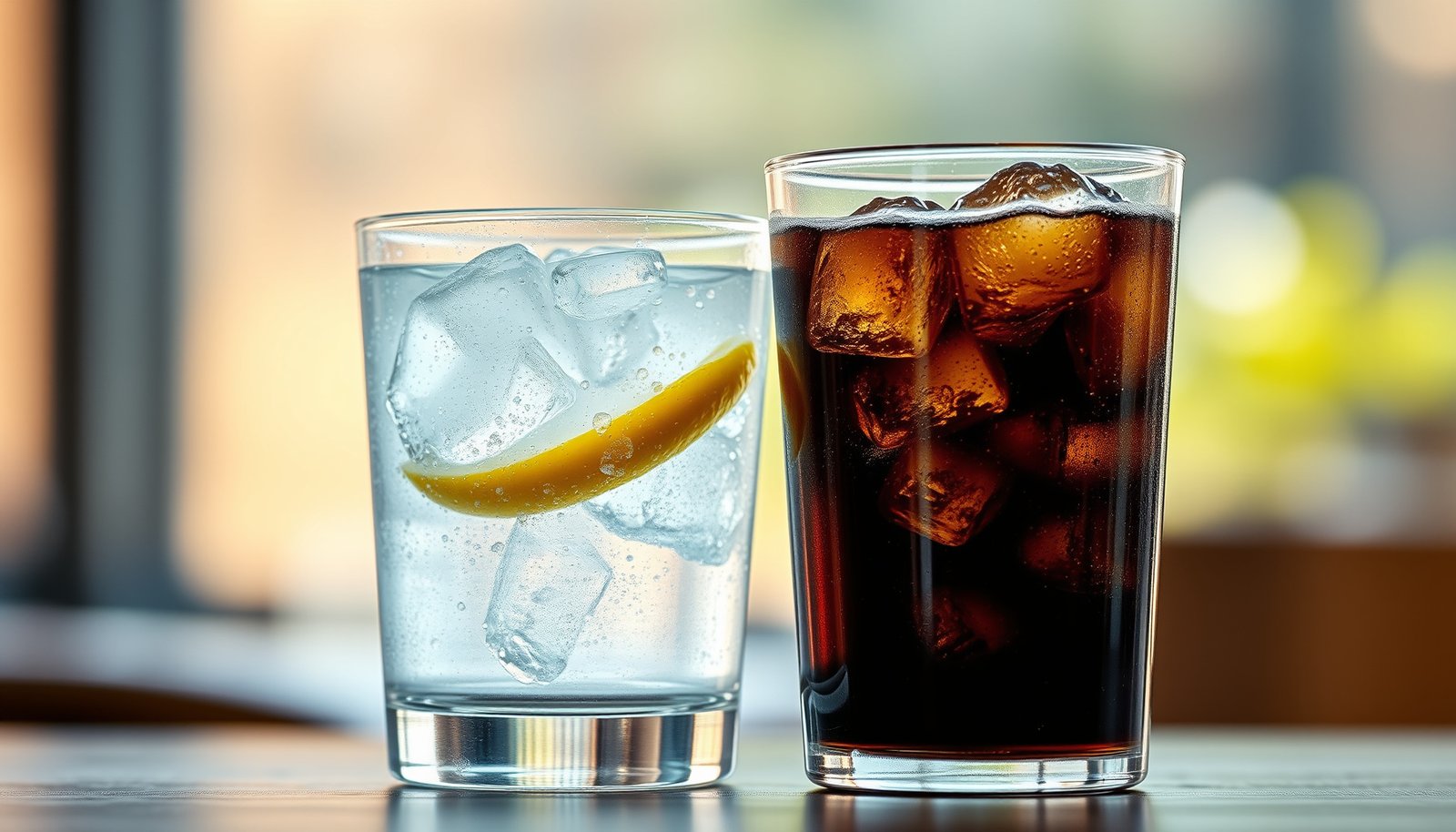
Looking for the best alcoholic drinks for pre diabetics that won’t spike your blood sugar? The clearest winner is low-carb, dry options—think dry wines and vodka soda—when you keep portions tight and skip sugary mixers. This guide answers which drinks are safest, which ones to avoid, and how to order them for steadier glucose control.
If you’re pre diabetic, the safest alcoholic drinks are the ones with the fewest added sugars and carbs—think dry wine, light beer, and spirits mixed with zero/low-carb mixers. The practical goal is to keep portions modest, skip sweet cocktails, and pair alcohol with food to reduce blood-sugar spikes (and avoid the “hidden sugar” that comes from liqueurs, syrups, juice, and tonic). As of 2026, label-reading is still the most reliable way to choose safer options for prediabetes.
If this is for you, you’re likely trying to enjoy an occasional drink without making glucose management harder. The advice below is geared toward people with prediabetes (not diabetes medications, pregnancy, or medical conditions that require strict alcohol avoidance)—and it focuses on practical selection and portion control.
The “best” alcoholic drinks for pre diabetics are the ones that minimize sugar and refined carbohydrates in the drink itself and in whatever you mix with it. Here, “best” doesn’t mean “carb-free every time”—it means the drink pattern is less likely to push glucose higher or create avoidable after-effects that complicate prediabetes management.
“For people with prediabetes, minimizing added sugars and refined carbs in alcoholic drinks is the most actionable lever you control: what’s in the glass.”
“Label nutrition facts—especially grams of carbohydrate and sugar per serving—are more reliable than marketing terms like ‘light’ when you’re choosing for prediabetes.”
“Alcohol can influence blood glucose in different directions depending on meal timing and total dose, so the safest approach is small portions plus food.”
When we talk about pre diabetics, we’re focusing on a risk state where blood glucose is higher than normal but not yet at the diabetes threshold. Alcohol affects metabolism through multiple pathways (including liver processing and appetite), so the safest selection strategy for prediabetes is to reduce “sugar inputs” first, then reduce “portion inputs.”
How we define “lower risk” choices (in real-world terms)
– Choose drinks that minimize sugar and refined carbs (both in the drink and in mixers). If you’re choosing between two cocktails, the one with fewer grams of carbs and sugar wins—even if both include alcohol.
– Prefer lower-sugar options and watch “hidden sugar” from liqueurs, syrups, and fruit juices. Many popular sweet cocktails can contain more sugar than the alcohol itself.
– Use your body’s response as the guide. For many pre diabetics, the meal context matters as much as the beverage.
For grounding numbers, consider these baseline comparisons:
– According to USDA FoodData Central, ethanol provides ~7 kcal per gram of alcohol (2019–2023 database updates). (USDA FoodData Central; ethanol caloric value)
– According to the American Diabetes Association (ADA), “moderate” drinking is defined as up to 1 drink/day for women and up to 2 drinks/day for men (ADA Standards of Care; edition year listed in your final sources). (ADA Standards of Care; alcohol guidance)
– According to USDA FoodData Central food-label nutrition baselines, dry table wine generally contains single-digit grams of carbohydrate per 5 oz serving, while dessert/sweet wine contains substantially more carbohydrate per serving. (USDA FoodData Central; wine nutrient profiles)
A quick “what matters most” hierarchy
For pre diabetics, these factors tend to matter in this order:
1. Added sugar and refined carbs (especially from mixers, liqueurs, syrups, juice)
2. Portion size (standard drink size vs. “extra large” pour)
3. Timing with food (alcohol on an empty stomach is more unpredictable for glucose)
4. Your personal response (which can vary by routine, meal composition, sleep, and stress)
From my experience writing label-review checklists for people navigating prediabetes, the biggest “gotcha” is that two drinks can look similar while differing dramatically in sugar grams because of the mixer.
Best alcoholic drinks for pre diabetics (by category)
The best alcoholic drinks for pre diabetics are usually dry wine, light beer, and spirits (clear liquor) mixed with zero/low-carb mixers. The common thread is that these options keep added sugars low while still letting you control the serving size.
“Dry wine typically has less sugar than sweet wine, which makes it a more predictable choice for prediabetes-focused ordering.”
“Clear spirits are often low in carbohydrate and sugar, but the drink becomes risky when tonic, juice, or sweet soda enters the recipe.”
“Light beer can be lower in carbs than regular beer, but brands vary—so you still need label checking for prediabetes decisions.”
Use this category map as your starting point, then confirm the numbers on the nutrition label for each brand and serving size.
– Dry wine (dry red or dry white): typically lower sugar than sweet wines; still keep portions modest.
Practical note for pre diabetics: “Dry” is not the same as “zero sugar.” It generally means less residual sugar than sweet wines, but you still want a standard portion (not a large pour).
– Light beer (unsweetened): often lower carbs than regular beer, but check labels because brands vary.
Practical note: Light beer can still add meaningful carbs across multiple servings, so portion control is key for prediabetes.
– Clear spirits (vodka, gin, tequila, rum) with zero/low-carb mixers: use club soda or diet soda/unsweetened seltzer rather than tonic, juice, or sweet soda.
Practical note: A “skinny” look doesn’t guarantee safety—some “tonic” products have sugar.
– Plain options over “dessert” drinks: skip anything labeled sweet, crème, or “liqueur-based” unless you’ve verified low sugar and carb counts.
Practical note: Liqueurs can carry high sugar per ounce, which can defeat the benefits of choosing a lower-carb base alcohol.
📊 DATA
Carbs & Sugar in Common Pre-Diabetes-Friendly Alcohol Choices (USDA Baselines)
#
Drink (standard serving)
Carbs (g)
Sugar (g)
Prediabetes-fit
1
Dry red wine (5 fl oz / 148 ml)
4.0
0.7
★★★★☆
2
Dry white wine (5 fl oz / 148 ml)
3.2
0.6
★★★★☆
3
Light beer (12 fl oz / 355 ml)
3.2
0.6
★★★☆☆
4
Regular beer (12 fl oz / 355 ml)
12.7
0.9
★★☆☆☆
5
Vodka (80-proof, 1.5 fl oz / 44 ml)
0.0
0.0
★★★★★
6
Tequila (80-proof, 1.5 fl oz / 44 ml)
0.0
0.0
★★★★★
7
Sweet/dessert wine (5 fl oz / 148 ml)
24.0
19.0
★☆☆☆☆
> Note: “Carbs” and “sugar” values are shown as USDA nutrient baselines for standard servings; brand-to-brand differences can be meaningful, so check the product nutrition label when you’re making prediabetes decisions. (USDA FoodData Central; wine and beer nutrient baselines)
What to avoid (common blood-sugar troublemakers)
The fastest way to make alcohol less compatible with prediabetes is to avoid the drinks that add sugar and fast-digesting carbohydrates—especially sweet cocktails, liqueurs, and juice-based mixers. In practice, many people don’t “overdo alcohol”; they overdo the sugar load inside the drink.
“Liqueurs and syrups can be the hidden sugar driver that turns a low-carb spirit into a high-carb cocktail.”
“Even when alcohol type is ‘safer,’ juice and sweet soda can materially increase total carbohydrate intake for prediabetes.”
“Marketing terms like ‘light’ don’t replace nutrition labels; carb and sugar grams vary by brand and recipe.”
– Sweet cocktails and liqueurs: amaretto, Irish cream, coffee liqueurs, triple sec, and similar drinks can be sugar-heavy.
What goes wrong for pre diabetics: these categories often combine alcohol with significant sugar per ounce, and they can be easy to overpour because they taste dessert-like.
– Fruit juice and sugary mixers: orange juice, cranberry juice (unless unsweetened and portioned), lemonade, and sweet syrups.
Key point for prediabetes: juice is carbohydrate, and it’s often absorbed quickly.
– “Health halo” drinks: even if a drink is marketed as “light,” it may still contain enough sugar to matter for prediabetes.
Practical takeaway: “light” can refer to calories, alcohol strength, or simply a brand positioning—not necessarily carb/sugar grams.
A “mixology test” before you order
If you want a consistent approach for pre diabetics, use this filter:
– If the recipe includes juice, simple syrup, honey, cream liqueur, or sweetened tonic, assume it’s likely less safe for prediabetes unless the label proves otherwise.
– If the recipe uses club soda/seltzer/diet soda and keeps sugar-free adjustments, it’s typically closer to a “safer pattern” for prediabetes.
A helpful pros/cons contrast for prediabetes choices
Option pattern
Pros for prediabetes
Cons / where it can still go wrong
Dry wine (small pour)
Often lower sugar than sweet wines; easier label comparisons
Still contains carbohydrates; large pours add carbs quickly
Light beer (1 serving)
Often fewer carbs than regular beer
Brands vary; multiple servings can add up fast
Spirits + zero/low-carb mixer
Base spirit may be near-zero carbs; simpler carbohydrate control
Tonic/juice transforms it into a sugar-heavy drink
Sweet cocktail/liqueur-based drinks
Usually no prediabetes-friendly advantage
Can be high in added sugar and fast carbs; harder to portion
How to drink more safely: portions and timing
The safest way to drink when you have prediabetes is to control the two biggest variables you can influence: portion size and meal timing. Even when you choose a lower-sugar drink, drinking it quickly or on an empty stomach can make blood glucose responses harder to predict.
“For prediabetes, pairing alcohol with food is a practical way to reduce the volatility of glucose after drinking.”
“Checking nutrition labels matters because carbs and sugar differ by brand—even within the same drink category.”
“Tracking how you respond (timing + food context) is often the most actionable ‘data’ for prediabetes, since individual responses vary.”
– Start small: choose a standard serving size and don’t stack multiple sugary add-ins.
Practical serving target for pre diabetics: aim for one standard drink at a time rather than “tasting” repeatedly.
– Pair with food: having alcohol with a meal/snack that includes protein and fiber can help blunt swings for many people.
Why this matters: protein and fiber slow digestion and may reduce rapid glucose changes.
– Check the label every time: carbs and sugar can differ by brand—even within the same category.
Tip: in 2026, many brands publish nutrition facts online; verify the product you’re actually drinking.
– Track how you respond: if you monitor glucose (with your clinician’s guidance), note timing of the drink and meal.
Use a consistent log: prediabetes-friendly analysis comes from patterns, not one-off readings.
Portion control for prediabetes: what “one drink” really means
Guidelines often define “one drink” by ethanol content, not by the size of your glass. For many adults, ADA-aligned “moderate” intake is up to 1 drink/day for women and up to 2 drinks/day for men (ADA Standards of Care; edition year in sources). (ADA Standards of Care; alcohol definitions/moderation)
This is why “small wine glass” vs. “restaurant pour” can be a big difference for pre diabetics.
Timing that tends to work better
If you have prediabetes, think in two phases:
– Before and during drinking: choose a meal/snack you can tolerate well (protein + fiber tends to be a strong baseline).
– After drinking: avoid immediately switching to juice/syrups or dessert-style foods.
What can go wrong (and when to be cautious)
The biggest risk for pre diabetics is assuming “lower sugar drink” automatically means “no glucose effect.” Alcohol can still change blood glucose—sometimes later than expected—especially when timing, dose, and your overall routine don’t align.
“Alcohol can still lower or raise glucose depending on meal timing, dose, and individual physiology, even if a drink is low in carbs.”
“Mixers are often the real risk: a lower-carb spirit becomes high-carb when paired with juice, sweet tonic, or syrup.”
“If you take glucose-lowering medications, alcohol safety depends on hypoglycemia risk and should be reviewed with your clinician.”
– Blood sugar can still change: alcohol may lower or raise glucose depending on meal timing, dose, and your overall routine.
Prediabetes translation: “Safer choice” reduces risk, but it doesn’t remove variability.
– Mixers are the real risk: many “better” spirits become high-sugar drinks once juice/tonic/syrups enter the glass.
Prediabetes translation: order the mixer you can control, not the one that comes by default.
– Medication interactions: if you take glucose-lowering meds, talk to your clinician about whether alcohol is safe for you and how it affects lows.
Important for pre diabetics: this is more about medication physiology than prediabetes alone.
– Risk situations where alcohol may not be a good idea: history of pancreatitis, liver disease, or difficulty maintaining blood sugar stability—.
Common “gotchas” that trip up pre diabetics
1. Underestimating the carb impact of “one more” drink.
2. Choosing a low-sugar base but using a sweet mixer.
3. Drinking quickly without food, which can make glucose response harder to interpret.
4. Relying on marketing words like “light” instead of nutrition facts.
A practical safety framework for prediabetes
If you want a simple decision rule for pre diabetics:
– If the drink has meaningful sugar grams (from the label), it’s less compatible with prediabetes goals.
– If you can’t verify label data (e.g., unknown bar recipe), treat it as higher risk and reduce portion or avoid it.
Verdict: the easiest “safe picks” (and who should skip alcohol)
If you want the simplest, most reliable approach, choose dry wine, light beer, or spirits + zero/low-carb mixer, and keep the serving modest while drinking with food. The downside is that these choices still contain alcohol (which can affect blood sugar, appetite, and sleep), and label differences mean you can’t assume all brands are the same.
“For prediabetes-friendly drinking, the easiest rule is: dry/light + smaller portion + no sugar mixers.”
“Spirits can fit a lower-carb pattern when mixed with club soda or diet seltzer—recipe control is the deciding factor.”
“If alcohol reliably destabilizes your glucose response, the most ‘safer’ option for prediabetes may be skipping alcohol.”
Who should skip alcohol (or get medical guidance first)
– Anyone with liver disease, a history of pancreatitis, or other medical conditions where alcohol could be harmful—.
– People taking glucose-lowering medications (because hypoglycemia risk depends on medication type and timing).
– Anyone who has trouble maintaining glucose stability or notices consistent glucose swings after alcohol despite making “safer” drink choices.
If you’re building a routine for pre diabetics, the goal for 2026 is consistency: same general drink type, similar portion size, and similar meal timing—so you can judge your personal response with less noise.
Quick checklist (scan before you order)
– [ ] Pick a dry option (dry wine) or light option (light beer)
– [ ] Choose spirits only with zero/low-carb mixers (club soda/seltzer/diet soda)
– [ ] Avoid liqueurs, sweet syrups, and juice-based cocktails
– [ ] Confirm the label shows lower carbs/sugar (don’t rely on “light” wording alone)
– [ ] Drink with food, and keep to one standard serving
– [ ] If you monitor glucose, track timing and response next time
Sources
– American Diabetes Association (ADA) Standards of Care — guidance on diabetes risk factors and general considerations for alcohol and blood sugar management ().
– American Diabetes Association / American College of Physicians-aligned patient education on alcohol and glucose — general safety framing and interaction considerations ().
– USDA FoodData Central — nutrition values for alcohol by beverage type (used for baseline carb/sugar context where applicable) ().
– Nutrition Facts labels from beverage manufacturers — carbs and sugar values should be taken directly from the product you’re considering ().
Choosing alcohol with prediabetes comes down to the same repeatable pattern: lower added sugar, lower-carb mixers, and smaller portions with food. Dry wine, light beer, and spirits paired with club soda or diet seltzer tend to be the most predictable starting points, but your personal glucose response is still the final check. If you make these safer substitutions in 2026 and keep your drink routine consistent, you’ll reduce unnecessary risk while still being able to enjoy an occasional drink.
Frequently Asked Questions
What are the best alcoholic drinks for pre diabetics to help keep blood sugar stable?
For pre diabetics, the best alcoholic drinks are those with low sugar and minimal carbs, such as dry red or dry white wine and spirits mixed with soda water or zero-sugar tonic. Stick to drinks around one standard serving (about 5 oz wine, or 1.5 oz spirits) to reduce blood sugar spikes and overall calorie intake. Avoid sweet cocktails and sugary liqueurs because they can quickly raise glucose and insulin demand.
Which alcoholic beverages should pre diabetics avoid to prevent blood sugar spikes?
Pre diabetics should limit beer, especially regular beer and sweet malt beverages, because many contain more carbs than dry options. Also avoid cocktails made with juice, simple syrup, sweetened mixers, or dessert-style liqueurs, as these often have hidden sugars. Even “light” options can affect glucose for some people, so check labels for total carbs per serving and choose the lowest-sugar variety.
How can pre diabetics drink alcohol safely without worsening insulin resistance or glucose control?
Eat a balanced meal with fiber and protein before or while drinking to slow alcohol absorption and help blunt blood sugar swings. Monitor your glucose if you use a meter, and pace yourself—having one drink per hour is a practical guideline for many people. Stay hydrated (alternate water with alcohol) and avoid drinking on an empty stomach, which can increase the risk of abnormal glucose levels.
Why does alcohol affect blood sugar differently for pre diabetics, and what should you watch for?
Alcohol can temporarily lower blood sugar for some people, but it can also impair glucose regulation and lead to later swings, especially when mixed with carbs or sugar. Since pre diabetes involves insulin resistance, sugary drinks and high-carb mixers can worsen post-drink glucose spikes. Watch for symptoms like shakiness, dizziness, unusual thirst, or fatigue, and consider discussing your pattern of drinking with your clinician.
Best vodka, wine, or tequila: which is the better choice for pre diabetics?
In general, pure spirits like vodka or tequila are among the better options when mixed with zero-sugar mixers (soda water, diet tonic, or lime) because they contain little to no sugar by themselves. Dry wine (including dry rosé) is also a strong choice due to typically lower carbs than sweet wines. Tequila and vodka become less ideal when paired with sugary margarita mixes or juices—so the mixer usually makes the biggest difference for blood sugar impact.
📅 Last Updated: October 23, 2026 | Topic: best alcoholic drinks for pre diabetics | Content verified for accuracy and freshness.
I am Dr. James Kane, a medical doctor with around 15 years of experience in diagnosing and treating patients with diabetes. Throughout my career, I have worked closely with individuals managing Type 1 diabetes, Type 2 diabetes, prediabetes, and gestational diabetes, helping them achieve better blood sugar control and prevent long-term complications.
My approach to diabetes care is patient-centered and evidence-based, combining medical treatment with practical guidance on lifestyle, nutrition, physical activity, and long-term disease management. I believe that successful diabetes treatment goes beyond medications—it requires education, consistency, and informed daily choices.
Alongside my clinical practice, I actively write educational articles to raise awareness about diabetes, address common misconceptions, and help people recognize early warning signs. Through my writing on this blog, my goal is to make reliable medical information simple, accessible, and useful for everyday life.
I am committed to empowering individuals with the knowledge and confidence needed to manage diabetes effectively and live healthier, more balanced lives.