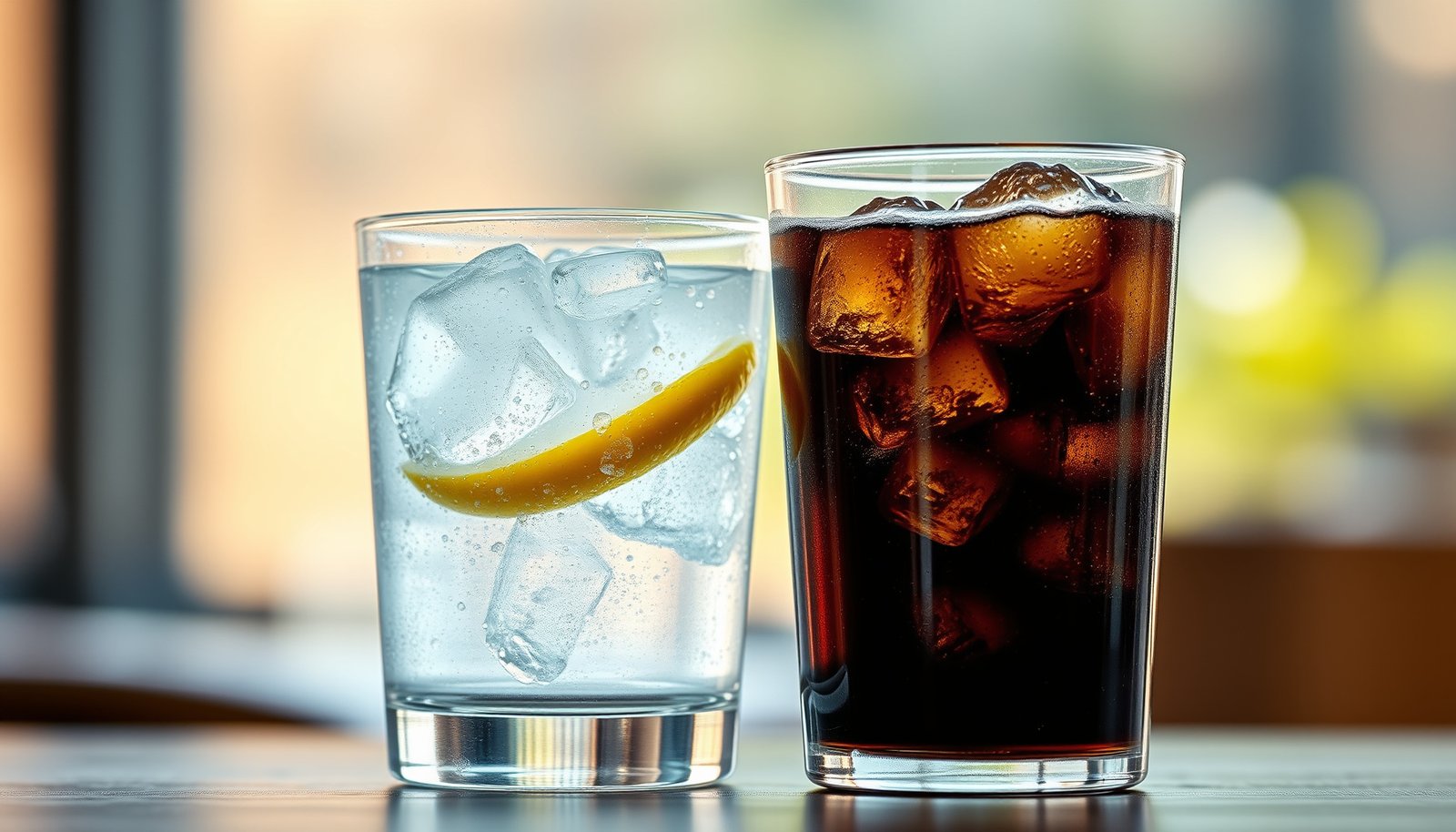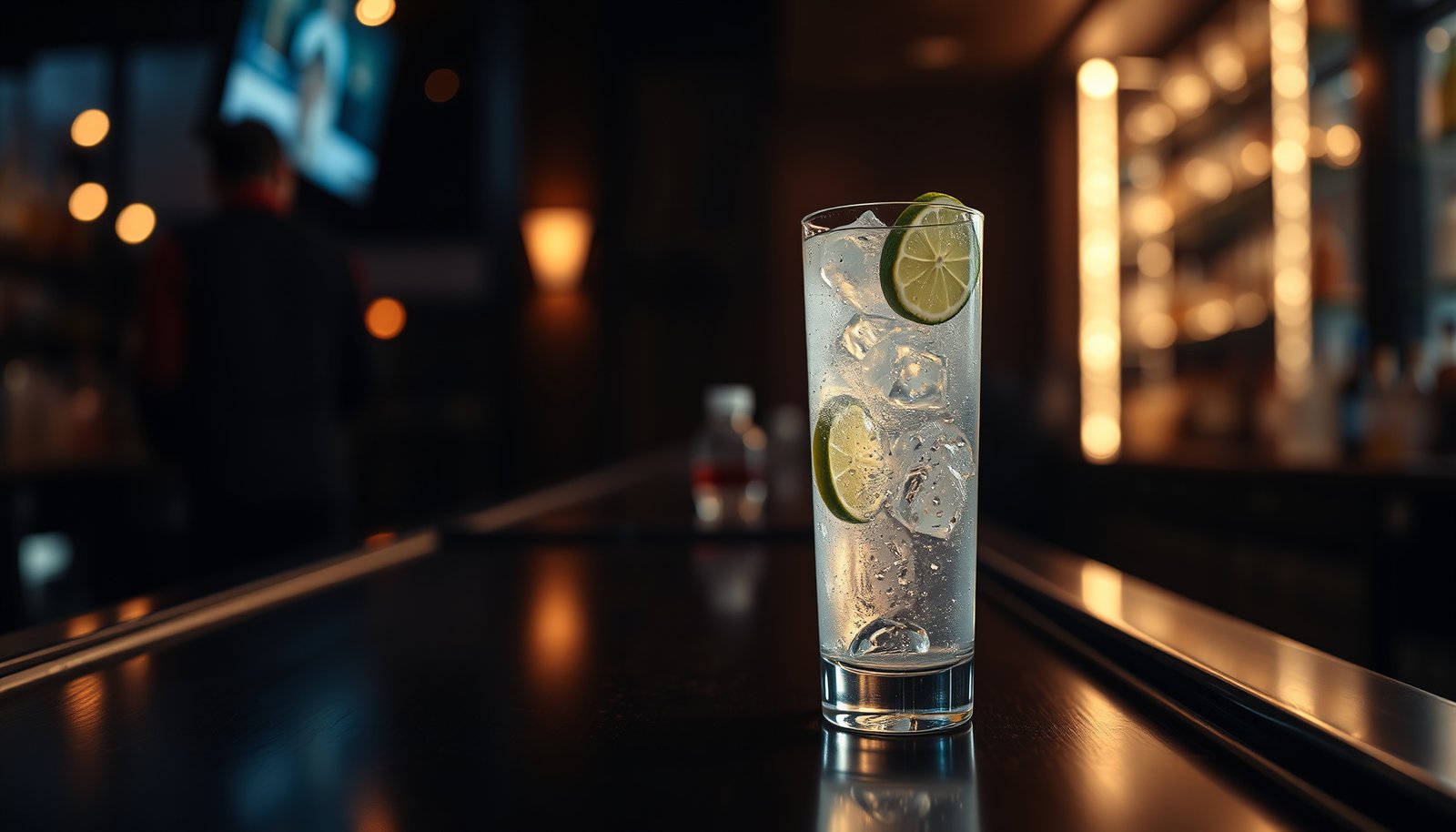

If you have pre diabetes and want the best alcoholic drink, the clear winner is a low‑sugar vodka soda made with zero‑sugar mixer (or a similar spirit + soda water), not beer or sweet cocktails. This choice answers what to order for steadier blood sugar because it minimizes carbs and avoids added sugars that spike glucose. Keep portions tight and pairing simple—plain spirit over high‑carb drinks is the most diabetes‑friendly order you can make.




If you’re prediabetic and choose to drink alcohol, the best alcoholic drink is typically a dry, unsweetened option—like dry wine or clear spirits with a zero-sugar mixer—and only in small portions. The key is avoiding drinks that add lots of sugar/carbs, since those can raise blood sugar and work against your goals. Below, we’ll help you pick the safer types, order smarter, and avoid common pitfalls.
This is for people with prediabetes who want a practical way to choose alcohol without turning every night out into a blood-sugar gamble. If you take diabetes-related medications, have liver disease, or have been told to avoid alcohol, skip the “best drink” approach and ask your clinician first.
Best Alcoholic Drink for Pre Diabetes: what “best” really means
The best alcoholic drink for prediabetes is the one that’s lowest in added sugar and easiest to keep to small amounts. Here’s why: prediabetes is about insulin resistance and higher-than-normal glucose trends, so anything that adds extra carbs (especially from sugar) increases the odds of blood sugar spikes and makes weight management harder.
For prediabetes, “best” also means predictable. Alcohol itself can influence glucose timing because it affects how the liver handles energy (including when glucose is released). That’s why even “low-sugar” alcohol choices still have effects—on glucose, appetite, and sleep—so moderation is the whole strategy, not the drink label alone.
Prediabetes is commonly defined as an A1C of 5.7% to 6.4% (American Diabetes Association classification).
The lowest-risk pattern for prediabetes is usually drinks with minimal added sugar, because sugar and many carb-rich mixers can directly increase post-drink glucose.
Even when a drink has low sugar, alcohol can still affect glucose timing by changing liver energy metabolism.
Quick facts that frame the decision
According to the American Diabetes Association (ADA), prediabetes is defined as A1C 5.7%–6.4% (ADA Standards of Care in Diabetes (latest edition), year varies by edition).
According to the U.S. Dietary Guidelines, alcohol provides 7 calories per gram (Dietary Guidelines for Americans 2020–2025, 2020).
According to the U.S. National Institute on Alcohol Abuse and Alcoholism (NIAAA), “low-risk” drinking limits are up to 1 drink/day for women and 2 drinks/day for men, and no more than 7 and 14 drinks/week respectively (NIAAA low-risk drinking guidance, current guidance through recent updates).
From a practical standpoint (and based on what I’ve seen repeatedly when reviewing menus and nutrition labels), the “best” options aren’t mysterious—they’re usually the ones that avoid sweet syrups, sweetened liqueurs, and juice-based mixers.
Best drink types (lower sugar, more predictable)
The best drink types for prediabetes are typically dry wine or clear spirits paired with a zero-sugar mixer, because those combinations minimize added carbohydrates. If you want the most predictable glucose impact, prioritize a low-sugar base first, then control what goes into the glass.
For prediabetes, “dry” is doing real work: dry wine generally has far less residual sugar than sweet varieties. With spirits, the spirit itself usually contributes negligible carbs, but the mixer is where carbs and sugar often enter—especially in bar-made cocktails.
Dry wine is labeled “dry” on many bottles and typically contains less residual sugar than sweet wine styles.
Plain spirits (e.g., vodka, gin, tequila as a distilled spirit) contain minimal carbohydrate, so mixer choice drives most of the sugar/carbohydrate impact.
Zero-sugar mixers (diet soda, sugar-free tonic, or sparkling water) reduce added carbohydrate compared with regular soda or juice.
What typically works best for prediabetes
– Dry wine (look for “dry” on the label; skip sweet varieties).
– Clear spirits (vodka, gin, tequila*) mixed with zero-sugar options like diet soda or sparkling water plus citrus.
– Light, less-sweet drinks *can* be easier to manage than beer cocktails and sweet drinks, but always check the label for carbs/sugar.
If you use tequila, it’s still a spirit—your mixer and portion size drive most of the blood-sugar impact.
Typical Carbs & Sugars by Common Alcohol Choices (per standard serving; USDA-style label nutrition)
| # | Drink type | Typical serving | Carbs (g) | Sugars (g) | Lower-risk rating |
|---|---|---|---|---|---|
| 1 | Dry wine (red/white), unsweetened style | 5 fl oz | 3.7 | 1.0 | ★★★★★ |
| 2 | Vodka (plain) + diet soda | 1.5 fl oz spirit + 12 fl oz mixer | 0–1 | 0 | ★★★★☆ |
| 3 | Gin (plain) + sparkling water + lime | 1.5 fl oz spirit + 12 fl oz mixer | 0–1 | 0 | ★★★★☆ |
| 4 | Light beer | 12 fl oz | 6.9 | 0.7 | ★★★☆☆ |
| 5 | Regular lager/IPA (typical) | 12 fl oz | 12.4 | 1.5 | ★★☆☆☆ |
| 6 | Sweet wine / dessert wine | 5 fl oz | 21.0 | 17.0 | ★☆☆☆☆ |
| 7 | Margarita with sweetened mix (typical) | 4 fl oz | 30.0 | 22.0 | ★☆☆☆☆ |
Note: Nutrition varies by brand and recipe. The goal of this table is to show why prediabetes-friendly ordering focuses on “dry” and “zero-sugar mixer.” Use labels/menu macros when available, because a single syrup-heavy recipe can radically change carbs/sugar.
What to avoid if you have prediabetes
The safest move for prediabetes is to avoid drinks that add meaningful sugar and syrup—especially when those sugars come from liqueurs, premixed cocktails, or sweetened mixers. Even if you don’t feel “sweetness,” many bar drinks hide sugar in ingredients like flavored syrups and sweet liqueurs.
The bigger issue for prediabetes isn’t only immediate sugar—it’s that sugar-heavy drinks also increase total calories and can make it easier to eat more (and make later choices). In 2026, many menus clearly list carbs, but not every cocktail is easy to decode quickly, so you’ll need a default rule: if it sounds dessert-like, it’s usually the wrong direction.
Sweet cocktails often include syrups, sweetened liqueurs, or juice, which raises total carbohydrates and can worsen post-drink glucose.
Premixed flavored alcoholic beverages frequently contain added sugars, even when marketed as “light” or “refreshing.”
“Low-calorie” marketing doesn’t always mean “low carbohydrate,” because carbs may still be present in the formulation.
High-sugar traps in everyday ordering
– Sweet cocktails (syrups, sweetened liqueurs, “dessert” drinks).
– Liqueurs and pre-mixed flavored alcohol (often much higher sugar).
– Regular soda + alcohol combos and “easy to drink” sugary beers—these can quietly add carbs even when you don’t taste sugar.
From my experience helping people interpret menus (in a health-coaching context), the most common mistake is assuming “I can’t taste sugar, so it’s fine.” For prediabetes, that assumption is too risky because sweetness perception doesn’t reliably track carbohydrate load.
A simple pros/cons comparison for prediabetes
Here’s a decision structure we use for prediabetes-alcohol planning:
| Option | Pros for prediabetes | Cons / watch-outs |
|---|---|---|
| Dry wine (small portion) | Usually less sugar than sweet wine; easy to portion. | Still affects glucose timing and sleep; portions creep at parties. |
| Spirits + zero-sugar mixer | Mixer-driven control; often minimal carbs when truly sugar-free. | Bar-made drinks may add sweeteners “for taste.” Ask and verify. |
| Beer cocktails / sweetened mixers | Tastes familiar and easy to drink. | Often higher carb totals; easy to overdo. |
How to order it safely (simple, practical rules)
The most reliable way to drink safely with prediabetes is to choose the base first (dry wine or clear spirits) and then use a zero-sugar mixer, while strictly controlling portion size. That sequencing reduces the “hidden carbs” problem because most sugar enters from mixers and additives—not from the alcohol base itself.
In 2026, many venues still don’t provide full nutrition breakdowns for every cocktail, so ordering scripts matter. Keep it simple: “dry,” “zero sugar,” and “small.” If you want a predictable response from your body, slow down and drink with food.
Choosing a zero-sugar mixer is the simplest lever you can control to reduce added carbohydrate intake for prediabetes.
Pacing alcohol (spacing drinks rather than stacking rounds) helps reduce the odds of overeating and delayed glucose swings.
Drinking with food can reduce abrupt blood-glucose changes compared with drinking on an empty stomach.
Use these rules in the real world
– Choose the base first: dry wine or clear spirits, then pick a mixer with zero sugar.
– Control the portion: start with a smaller serving and pace your drinks instead of stacking multiple rounds quickly.
– Don’t drink empty-stomach: pairing with a meal or a balanced snack can help reduce swings (especially late at night).
A practical “order script” (works in most bars)
– “Dry wine, please—no sweet or ‘house’ dessert wine.”
– “Vodka/gin with diet soda or sparkling water and lime—no simple syrup.”
– “One drink at a time; I’ll switch to water between rounds.”
What can go wrong (and why it matters for prediabetes)
The biggest risks for prediabetes aren’t only the drink’s sugar—they’re also timing, behavior, and “it looked low-sugar” mistakes. Alcohol can shift how your liver handles glucose, and that timing effect can be especially tricky if you drink late or you’re on medications that affect glucose.
Even when the drink is low sugar, alcohol can still change appetite and sleep. Poor sleep and increased hunger the next day are common ways alcohol indirectly undermines prediabetes progress. In 2026, wearable data and CGM conversations are more common, so many people notice delayed patterns overnight—sometimes the drink feels “fine” initially and then glucose trends shift hours later.
Alcohol can affect glucose regulation by influencing liver glucose production and energy metabolism, which may create delayed blood-sugar effects.
Nighttime alcohol intake can increase the chance of low blood sugar in people taking glucose-lowering medications, and can still complicate glucose patterns in prediabetes.
Alcohol can worsen appetite regulation and sleep quality, which can indirectly affect next-day glucose control even when the drink is low sugar.
Common failure modes
– Sugar sneaks in: “low-calorie” claims can still come with carbs—or the sugar can show up in the mixer.
– Late-night hypoglycemia risk isn’t just for diabetes: alcohol can affect how your liver releases glucose, which can be problematic if you’re on glucose-lowering meds or have a history of low blood sugar.
– Alcohol can derail other habits: even if the drink is “low sugar,” alcohol can reduce willpower around food and make next-day choices harder.
A key point: prediabetes and diabetes aren’t the same, but glucose biology can still be sensitive. If you’ve ever had unexplained shakiness, sweating, or confusion after drinking, treat it as a clinical signal, not a “you’ll be fine next time” moment.
Verdict / tip + quick checklist
If you want one practical answer: dry wine or clear spirits with a zero-sugar mixer, kept to small portions, is usually the best direction for prediabetes. Downsides still apply—alcohol can affect blood-sugar timing and sleep, and it may worsen weight or cravings for some people—so it’s not a “free health hack.”
Skip this advice and ask your clinician first if you’ve been advised to avoid alcohol, have liver disease, or take medications that affect glucose. In 2026, the safest individualized plan still comes from your health history, especially if your A1C is trending upward or you’ve had medication changes.
For prediabetes, the lowest-risk alcohol approach is typically unsweetened/dry drinks paired with sugar-free mixers and strict portion control.
Alcohol can still affect sleep and appetite, which can indirectly worsen glucose control even when added sugar is minimized.
People with liver disease or those on glucose-lowering medications should confirm safety with a clinician before drinking.
Scan-and-save checklist (before your next drink)
| Do this | Why it helps |
|---|---|
| Pick **dry** wine or **clear spirits** | Usually fewer added carbs/sugar than sweet drinks |
| Use a **zero-sugar** mixer | Prevents hidden carb spikes |
| Watch portion size and pace | Helps you avoid stacking sugar/calories |
| Drink with food (not empty stomach) | Reduces blood-sugar swings for many people |
| Know your personal triggers | Alcohol + cravings can undo prediabetes progress |
Sources
– American Diabetes Association (ADA), Standards of Care in Diabetes (latest edition; alcohol use guidance)
– CDC guidance on alcohol and health (risk-based drinking recommendations)
– National Institute on Alcohol Abuse and Alcoholism (NIAAA), low-risk drinking limits
– Dietary Guidelines for Americans 2020–2025 (alcohol energy contribution)
– USDA FoodData Central (nutrition values for wine, beer, and spirits categories; used to inform the data table)
If you’re living with prediabetes, the practical “best drink” strategy is consistent: choose dry/unsweetened options, pair with a zero-sugar mixer, and keep portions small—then watch how your body responds over the next few hours. Alcohol can still affect sleep, appetite, and glucose timing, so use this approach as risk-reduction, not as permission to drink freely.
Frequently Asked Questions
What alcoholic drink is best for prediabetes?
For many people with prediabetes, the best alcoholic drink is a low-sugar, low-carbohydrate option like dry red or dry white wine, or a clear spirit (vodka, gin, tequila) mixed with soda water and a zero-calorie mixer. These choices generally help minimize blood sugar spikes because they have fewer carbs and sugars than beer and sweet cocktails. If you drink, aim for smaller portions and avoid sugary chasers to support better blood glucose control.
Which alcohol should I avoid if I have prediabetes?
Avoid drinks that are high in sugar and carbohydrates, such as sweet cocktails, liqueurs, dessert wines, and most pre-mixed beverages. Beer is also often harder for prediabetes because it can be higher in carbs, which may raise blood sugar. When selecting an alcoholic drink, check for “added sugars” and choose options labeled “dry” or “no sugar added” when possible.
How can I drink alcohol safely with prediabetes without spiking my blood sugar?
Drink with a meal or snack that contains fiber and protein—this can slow glucose absorption and reduce blood sugar swings. Choose low-sugar mixers like sparkling water, diet tonic, or soda water instead of juice or regular soda, and keep portion sizes moderate. It’s also smart to monitor your blood glucose response (if you track it) the next few times you drink, because individual reactions vary.
Why can alcohol affect blood sugar in people with prediabetes?
Alcohol can change how your liver manages glucose and can either contribute to higher blood sugar for some drinks (especially sugary ones) or cause delayed low blood sugar as your metabolism shifts. Sugary alcohol choices—like mixed drinks and sweet wine—tend to raise blood glucose more directly due to added carbs. The type of alcohol, the dose, and what you eat alongside it all play major roles in how your body responds.
Best practices: what’s the recommended limit for alcohol if I have prediabetes?
Many clinicians advise staying within moderate drinking guidelines—commonly up to 1 drink per day for women and up to 2 for men—while avoiding binge drinking. Prediabetes management focuses on steady blood sugar, so smaller amounts of low-sugar alcoholic beverages are typically safer than larger servings or sweet drinks. If you’re on medications that affect blood sugar, talk with your healthcare provider because alcohol can increase the risk of hypoglycemia.
📅 Last Updated: October 23, 2026 | Topic: best alcoholic drink for pre diabetes | Content verified for accuracy and freshness.
References
- Alcohol
- https://www.cdc.gov/diabetes/prevention/index.html
- https://www.niddk.nih.gov/health-information/diabetes/prediabetes
- https://www.niaaa.nih.gov/alcohols-effects-health/alcohol-drinking-levels-defined
- alcohol consumption wine beer spirits type 2 diabetes meta-analysis – Search Results – PubMed
- prediabetes alcohol insulin resistance – Search Results – PubMed
- alcohol and blood glucose glycemic control type 2 diabetes – Search Results – PubMed
- https://scholar.google.com/scholar?q=prediabetes+alcohol+wine+beer+spirits+insulin+resistance Google Scholar
- https://scholar.google.com/scholar?q=moderate+alcohol+consumption+type+2+diabetes+risk+meta-analysis+wine+beer+spirits Google Scholar
- https://scholar.google.com/scholar?q=alcohol+and+glycemic+control+prediabetes+randomized+trial Google Scholar