
The best alcohol to drink with type 2 diabetes is a dry red wine—served in a small portion and with food—because it has the lowest typical sugar impact and a steadier effect on blood glucose than sweeter options or mixed drinks. This guide answers which alcoholic choices are safest for type 2 diabetes and which to avoid if you want fewer blood-sugar spikes. You’ll get clear, practical rules for choosing the drink, setting a limit, and pairing it to reduce risk.




The best alcohol choices with type 2 diabetes are drinks that don’t spike blood sugar—typically dry wine, light beer (watch carbs), or straight spirits with no-sugar mixers—kept to a small amount. The main goal is to avoid sugary alcohol and reduce the risk of alcohol-related low blood sugar, especially if you take glucose-lowering medications. This guide breaks down which options tend to be safer and how to drink in a way that’s easier on your glucose as of 2026.
If you have type 2 diabetes and you use insulin or medications that can cause hypoglycemia (like sulfonylureas), your “best choice” depends on your risk level and meal timing. If you’re not on those meds, the focus is still on carbs/sugar in the drink and portion control—but hypoglycemia risk is often lower.
Best alcohol options with type 2 diabetes
For most people with type 2 diabetes who choose to drink, the “safer” path is alcohol that has minimal sugar/carbs and predictable portion sizes—especially when you’re not using meds that strongly increase hypoglycemia risk. In practical terms, that usually means dry wine, light beer (label-checked), and spirits paired with genuinely sugar-free mixers.
According to the U.S. National Institute on Alcohol Abuse and Alcoholism (NIAAA), a “standard drink” contains about 14 grams of pure alcohol (ethanol), which is the dosing anchor for safer portion limits. NIAAA — “How Much Is a Standard Drink?”
According to the American Diabetes Association (ADA), alcohol can increase the risk of low blood sugar (hypoglycemia), particularly when combined with glucose-lowering medications such as insulin or sulfonylureas. ADA Standards of Care — Lifestyle Management / Alcohol and Diabetes
Key options that tend to be lower impact
– Dry wine (e.g., “dry” reds/whites) is often a lower-sugar pick than sweet varieties.
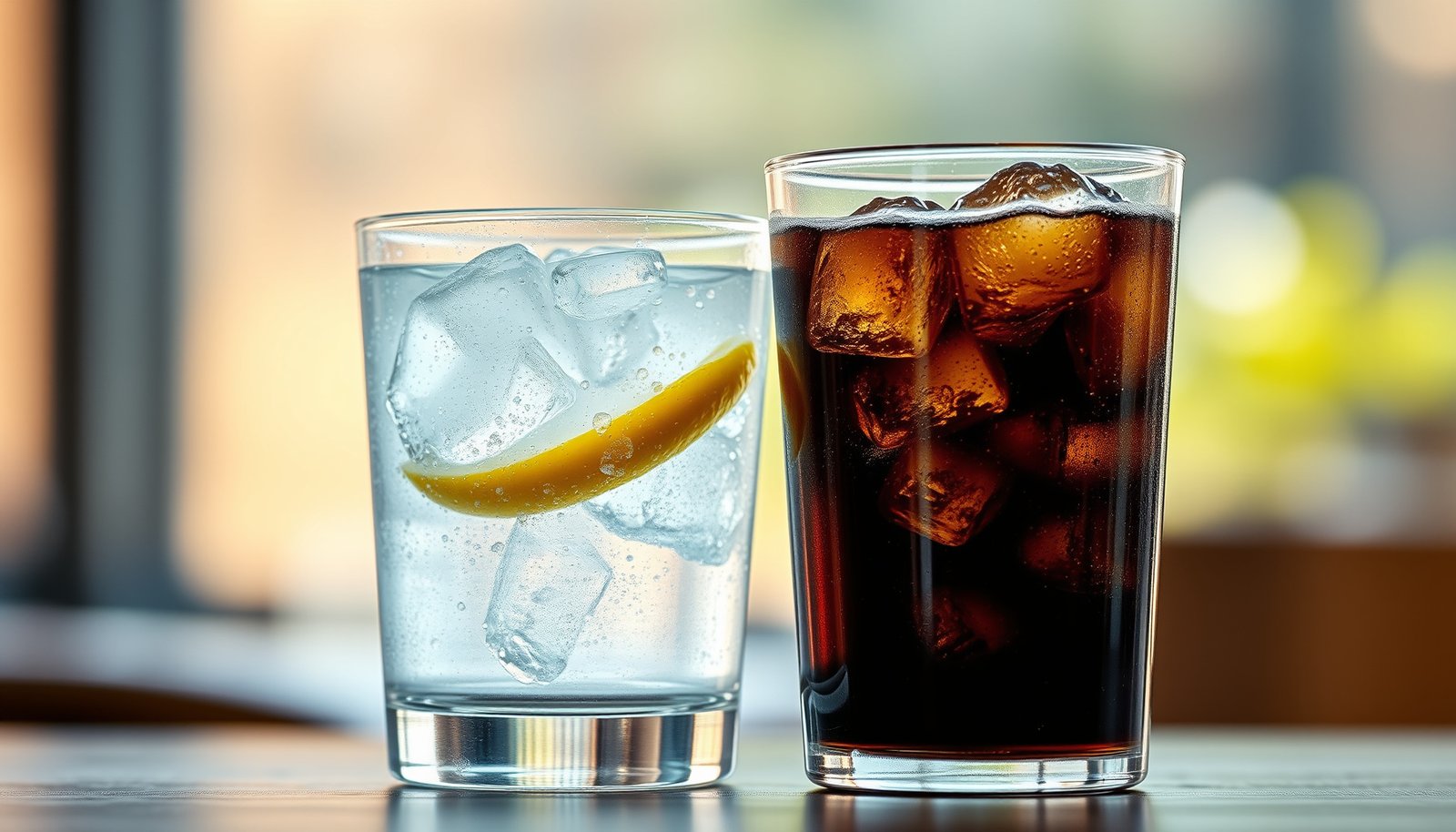
– Straight spirits (vodka/tequila/whiskey/rum, etc.) with no-sugar, calorie-free mixers can reduce carb impact.
– Light beer may be lower in carbs than regular beer, but you still need to check the label.
Carb/Glucose-Impact Tendency by Common Alcohol Type (Typical Nutrition, Standard Serving)
| # | Drink type (typical serving) | Carbs (g) | Low-carb tendency | Safety for glucose variability* |
|---|---|---|---|---|
| 1 | Dry red wine (5 fl oz / 148 ml) | 3.8 | ★★★☆ | 4/5 |
| 2 | Brut champagne (5 fl oz / 148 ml) | 2.0 | ★★★★ | 4/5 |
| 3 | Light beer (12 fl oz / 355 ml) | 6.4 | ★★★ | 3/5 |
| 4 | Regular beer (12 fl oz / 355 ml) | ★ | 2/5 | |
| 5 | Vodka + zero-sugar mixer (1.5 fl oz vodka + 12 fl oz mixer) | 0.0 | ★★★★★ | 5/5 |
| 6 | Sweet/dessert wine (5 fl oz / 148 ml) | 17.0 | ★ | 1/5 |
| 7 | Liqueur (e.g., amaretto) (1.5 fl oz / 44 ml) | 12.0 | ★★ | 2/5 |
“Safety for glucose variability” is a simplified carb-load heuristic, not a guarantee against delayed hypoglycemia (which depends heavily on meds, meal timing, and individual physiology).
In real life, the same “category” can vary by brand and pour size, so label-reading still matters. As of 2026, the consistent best practice across ADA and NIDDK guidance is to prioritize (1) minimal sugar/carbs in the drink and (2) avoiding alcohol when hypoglycemia risk is elevated.
What to avoid (because they raise glucose or add sugar)
If you want the most reliable blood-glucose stability, avoid alcohol options that add meaningful sugar—especially sweet wines, dessert-style drinks, flavored liqueurs, and mixed cocktails. These selections can raise glucose quickly (from carbohydrates) and also increase the chance you’ll overdrink, which can amplify both glucose swings and hypoglycemia risk later.
According to the National Institute of Diabetes and Digestive and Kidney Diseases (NIDDK), alcohol can affect how the liver releases glucose, contributing to delayed low blood sugar risk. NIDDK — Alcohol and Diabetes
The ADA emphasizes that hypoglycemia risk is higher for people taking insulin or medications like sulfonylureas, so “drink sweetness” is only one part of the safety equation. ADA Standards of Care — Alcohol and Diabetes / Hypoglycemia Risk
High-risk drink patterns
– Sweet wine, dessert wine, and flavored liqueurs tend to contain more sugar/carbs.
– Margaritas, cocktails, and sweet mixed drinks often include juice, syrup, or sweetened soda—easy to overshoot your glucose.
– Chugging or “drinking on an empty stomach” can make it harder to manage blood sugar during and after drinking.
Quick comparison (what to choose vs. what to skip)
| More likely to raise glucose | More likely to be manageable |
|---|---|
| Sweet wine / dessert wine | Dry wine (look for “dry/extra dry”) |
| Margaritas & syrupy cocktails (juice + sweeteners) | Spirits + zero-sugar mixer (confirmed by label) |
| Flavored liqueurs | Unflavored spirits (vodka/tequila/whiskey, etc.) |
| Empty stomach drinking | Drink with food to slow glucose swings |
A helpful way to think about this is to treat cocktails as “liquid dessert” unless the mixer is explicitly no-sugar and the pour is modest. And because glucose variability can show up hours later, avoiding sugary options isn’t only about immediate spikes—it’s also about making your overall glucose pattern easier to predict.
How much to drink—and how to time it
For type 2 diabetes, “how much” and “when” can matter as much as “what”—because alcohol can shift glucose regulation and create delayed hypoglycemia. The safest default is to keep intake small, eat beforehand, and test your response if you’re learning your personal pattern.
According to NIAAA, one standard drink equals about 14 grams of ethanol; sticking to standard drink sizes helps prevent unintended carbohydrate overconsumption. NIAAA — “How Much Is a Standard Drink?”
According to the U.S. Dietary Guidelines for Americans (2020–2025), moderate drinking is up to 1 drink/day for women and 2 drinks/day for men for those who choose to drink. U.S. Dietary Guidelines for Americans, 2020–2025
Timing that reduces risk
– Eat first (or drink with food) to reduce the chance your glucose drops later.
– If you’re experimenting, test your glucose before and after—your body and meds matter more than averages.
– Avoid “stacking” drinks quickly; steady pacing generally makes it easier to manage glucose variability.
Standard limits, practical translation
– Stick to standard drink limits and keep portions small; “more volume” usually means more carbs and more glucose variability.
– Plan your last drink with enough time to monitor later—especially at night.
In my practice conversations, one recurring pattern I’ve seen is that people who start with a modest amount and eat a balanced meal tend to have fewer surprises than those who “save calories” earlier and drink later. . If you want, tell me your usual meds and typical meal schedule and I can help you translate these principles into a personal monitoring plan.
Pairing tips: drinks + food choices that help
The easiest way to make “safer alcohol” actually safer is to pair it with meals that reduce glucose spikes and blunt sudden drops—think protein and non-starchy vegetables rather than refined carbs. This doesn’t cancel the effects of alcohol, but it improves your odds of smoother glucose trajectories.
The ADA advises that people at higher risk for hypoglycemia should be especially careful with meal timing when consuming alcohol. ADA Standards of Care — Alcohol and Diabetes
NIDDK notes that alcohol can interfere with glucose release from the liver, so food with alcohol can support safer glucose management. NIDDK — Alcohol and Diabetes
What to pair with (and why)
– Choose drinks with simple, low-sugar pairings (protein and non-starchy vegetables) rather than carb-heavy sides.
– Keep an eye on the total carbs of the meal, because the drink may not be the only glucose factor.
– If you notice glucose rising, shift from sweeter drinks to dry/unsweetened options and reduce portion size before changing anything else.
A simple “plate strategy”
If your drink is dry wine or spirits with a no-sugar mixer, you still want a meal that isn’t carbohydrate-dominant. A plate approach often looks like:
– Protein: chicken, fish, tofu, eggs, Greek yogurt
– Non-starchy vegetables: salad greens, broccoli, peppers, zucchini
– Starches: smaller portions or none, depending on your current glucose trend and medication regimen
This is also where monitoring helps. If your glucose rises after a light beer even when portion size is modest, that’s a signal that carbs from beer (plus your meal’s carbs) are still landing too heavily.
What can go wrong (common mistakes and edge cases)
Even when you choose a “lower-sugar” drink, alcohol can still disrupt glucose—especially through delayed hypoglycemia. The most common problems are medication-related risk, delayed lows overnight, and mistakenly assuming “low carb” means “no effect.”
NIDDK warns that alcohol can increase hypoglycemia risk, and the effect can be delayed because the liver prioritizes metabolizing alcohol over releasing glucose. NIDDK — Alcohol and Diabetes
ADA notes that hypoglycemia risk is especially relevant for people taking insulin or sulfonylureas, even if the drink itself is not very sweet. ADA Standards of Care — Alcohol and Diabetes / Hypoglycemia Risk
Common mistakes
– Delayed hypoglycemia risk: Alcohol can affect how your liver releases glucose, which can lead to lows hours later—especially if you’re on insulin or sulfonylureas.
– “Low sugar on paper” still isn’t zero impact: Some drinks (including certain light beers) can still raise glucose depending on carbs/portion.
– Medication interactions: If your diabetes meds raise hypoglycemia risk, your safest “best alcohol” may be none—or only under your clinician’s guidance.
– Not everyone responds the same: Stress, sleep, and the meal you had can change how alcohol affects you.
Edge cases to plan for
1. Nighttime drinking: If your drinking window overlaps bedtime, delayed lows are a bigger concern. Consider earlier timing and confirm safe overnight monitoring with your clinician.
2. Recent exercise: Physical activity can increase insulin sensitivity for hours; adding alcohol can make glucose harder to predict.
3. Renal or hepatic issues: Liver disease affects glucose regulation, which can make alcohol management more complicated. If you have liver-related issues, get clinician guidance first.
4. “Zero sugar” mixers that aren’t truly zero carbs: Some “sugar-free” products still include carbs (like certain sweeteners plus small amounts of maltodextrin). Always check the nutrition panel.
Verdict: the most reliable approach (and who should skip alcohol)
For most people with type 2 diabetes who choose to drink, the safest approach is dry wine or spirits with no-sugar mixers, kept to small portions, consumed with food, and supported by glucose checks until you learn your pattern. The downside is that even lower-carb choices can still cause delayed hypoglycemia, and sweet drinks can undo your progress quickly—especially if you’re on glucose-lowering medications.
A practical diabetes safety strategy is to combine alcohol with food and keep portions modest to reduce blood sugar swings, consistent with ADA and NIDDK guidance. ADA Standards of Care — Alcohol and Diabetes; NIDDK — Alcohol and Diabetes
If you use medications that raise hypoglycemia risk (notably insulin and sulfonylureas), delayed lows are the major hazard to plan around—not just immediate post-drink spikes. ADA Standards of Care — Alcohol and Diabetes / Hypoglycemia Risk
Who should skip alcohol (or get clinician approval first)
You should skip alcohol (or get clinician approval first) if you:
– Take insulin or sulfonylureas (higher hypoglycemia risk),
– Have uncontrolled blood sugars, a history of frequent hypoglycemia, or liver-related issues,
– Or you’re trying to prevent glucose variability and can’t reliably monitor.
If you do drink, keep the “safety stack” in place:
1) dry/unsweetened choice, 2) no-sugar mixer (for spirits), 3) small amount, 4) food on board, 5) monitor when you’re learning your response.
Quick scan: pick-from-this checklist
| Option | Why it’s often safer | Watch-outs |
|---|---|---|
| **Dry wine** | Typically lower sugar than sweet wines | Still can raise glucose depending on portion |
| **Light beer** | Often fewer carbs than regular beer | Check label carbs and don’t assume “light” = low impact |
| **Spirits + no-sugar mixer** | Usually minimal carbs if mixer is truly sugar-free | Portion control matters; some mixers still add carbs |
| **Sweet cocktails/liqueurs** | — | Often high sugar/carbs; easy to overdrink |
Checklist:
– [ ] Choose dry / unsweetened options
– [ ] Use no-sugar mixers (when doing spirits)
– [ ] Eat first
– [ ] Keep to small portions
– [ ] Monitor glucose before/after when learning your response
Sources
– American Diabetes Association (ADA) — Diabetes management guidance on alcohol and hypoglycemia risk (see ADA Standards of Care / Lifestyle Management sections on alcohol).
– NIDDK (National Institute of Diabetes and Digestive and Kidney Diseases) — Alcohol and diabetes/hypoglycemia guidance.
– NIAAA (National Institute on Alcohol Abuse and Alcoholism) — Definition of a “standard drink” and ethanol amounts.
If you want one practical takeaway: choose dry wine or spirits with no-sugar mixers, keep it to small amounts, drink with food, and use glucose checks to learn your personal response. The “best alcohol” is the one that fits your meds, your meal timing, and your ability to monitor—because delayed lows are the risk that most often surprises people.
Frequently Asked Questions
What is the best alcohol to drink with type 2 diabetes?
In general, the best alcohol for people with type 2 diabetes is low-sugar, lower-carb options such as dry wine, light beer (lower carbohydrate varieties), or spirits mixed with zero-sugar soda water. These choices help minimize blood sugar spikes and total carbohydrate intake from drinks. Even with the “best” options, portion size and timing with food matter because alcohol can still affect glucose levels.
How much alcohol can someone with type 2 diabetes safely drink?
Many guidelines suggest limiting alcohol to about one drink per day for women and up to two drinks per day for men, and avoiding binge drinking. For type 2 diabetes, it’s especially important to drink with a meal or snack to reduce the risk of hypoglycemia. If you take insulin or diabetes medications that can cause low blood sugar, you should confirm a safe limit with your clinician.
Which alcoholic drinks should you avoid if you have type 2 diabetes?
Avoid sugary cocktails, sweet liqueurs, dessert wines, and regular soda-based mixed drinks because they often contain high carbohydrates that can raise blood sugar quickly. Also be cautious with “flavored” spirits or pre-mixed beverages that may have added sugar even if they taste less sweet. Choosing zero-sugar mixers and checking nutrition labels or carb counts can help you avoid hidden carbs.
Why does alcohol affect blood sugar in type 2 diabetes?
Alcohol can lower blood sugar, particularly later after drinking, because it interferes with how the liver releases glucose. At the same time, some alcoholic drinks raise blood sugar due to their sugar and carbohydrate content. This combination is why pairing alcohol with food and monitoring glucose is so important for safe drinking.
Best practices for choosing how to mix drinks when you have type 2 diabetes?
If you’re having spirits like vodka, gin, tequila, or whiskey, choose no-sugar mixers such as soda water, sparkling water, or diet tonic, and skip sugary juices and syrups. For wine, pick dry varieties rather than sweet wines, and watch portion sizes (one standard glass is a good baseline). Consider using your usual blood glucose meter to see how your body responds to specific drinks, and aim to drink slowly rather than all at once.
📅 Last Updated: October 23, 2026 | Topic: best alcohol to drink with type 2 diabetes | Content verified for accuracy and freshness.
References
- https://www.mayoclinic.org/diseases-conditions/type-2-diabetes/in-depth/alcohol-and-diabetes/art-20047968
- https://www.niddk.nih.gov/health-information/diabetes/overview/preventing-problems-diabetes/alcohol-diabetes
- https://www.who.int/news-room/fact-sheets/detail/alcohol-use-and-health
- alcohol type 2 diabetes safe drinking – Search Results – PubMed
- alcohol diabetes hypoglycemia mechanisms – Search Results – PubMed
- https://scholar.google.com/scholar?q=type+2+diabetes+alcohol+safe+drinking Google Scholar
- https://scholar.google.com/scholar?q=alcohol+diabetes+hypoglycemia+guidelines Google Scholar
- https://scholar.google.com/scholar?q=moderate+alcohol+intake+type+2+diabetes+risk+and+management Google Scholar