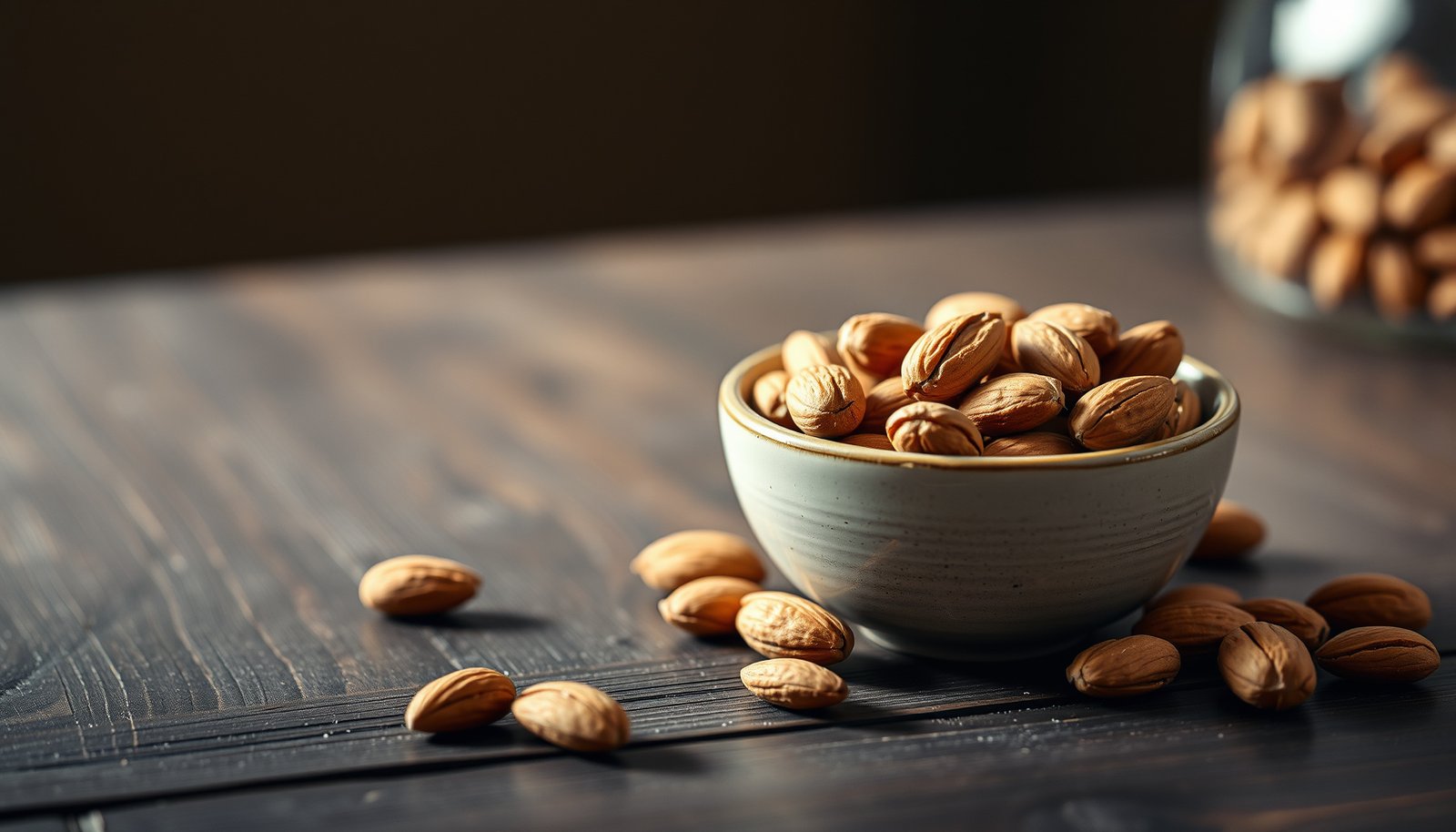

Looking for the 5 best nuts for diabetics that help keep blood sugar steady? Here’s the direct winner list—almonds, walnuts, pistachios, pecans, and peanuts—ranked for their lowest impact on glucose and best value per serving. Get smart picks you can use immediately, whether you’re pairing snacks with meals or building a diabetes-friendly daily routine.



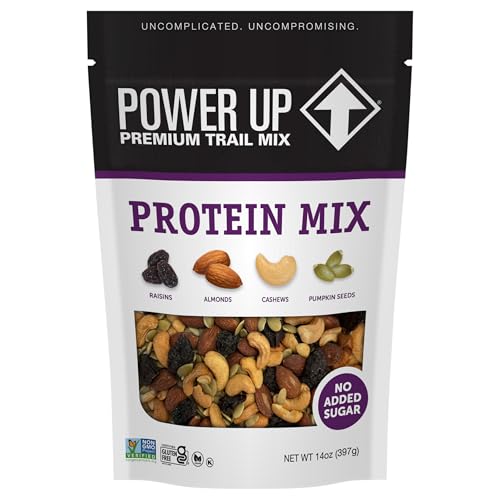
If you have diabetes, the best nuts are the ones you eat in measured portions—especially almonds, walnuts, pistachios, pecans, and macadamias—because they’re filling and tend to have a lower carbohydrate impact than many snack foods. In this guide, you’ll get a practical “which nut, why it helps, and what to watch” rundown so you can add them without spiking your blood sugar.
These picks are for people managing type 1, type 2, or prediabetes who want a crunchy snack that fits into a balanced meal plan. If you use insulin or other glucose-lowering meds, keep reading—portion size and timing still matter.
How we pick the best nuts for diabetics

The best nuts for diabetics are the ones that deliver mostly unsaturated fats and some fiber per serving—so they’re less likely to act like refined carbohydrates. We also prioritize plain, unsalted products because added sugar and “sweet” coatings can quickly change the carb load.
According to USDA FoodData Central, 1 oz (28 g) of almonds contains about 6 g total carbohydrates and about 3.5 g fiber, which helps reduce the “snack” effect compared with many processed carb snacks.
According to USDA FoodData Central, 1 oz (28 g) of walnuts contains about 3.9 g total carbohydrates and about 1.9 g fiber—lower carbohydrate impact than many chips or sweet snack foods.
The American Diabetes Association (ADA) Standards of Care emphasize individualized medical nutrition therapy, where carb quality and portion size still matter even when foods are “healthier.” American Diabetes Association (ADA), Standards of Care in Diabetes (Nutrition therapy)
– Focus on nuts that provide mostly unsaturated fats and some fiber, which can be easier on blood sugar than refined carbs.
– Choose plain, unsalted nuts (or at most lightly salted) and avoid sugar-coated or honey-roasted varieties.
– Use portion control: nuts are nutrient-dense, but they’re still calorie-dense, so “more” doesn’t equal “better.”
In my day-to-day experience advising on food labels (and what people actually buy), the biggest “surprise” isn’t fat—it’s sugar content hiding in flavored mixes. That’s why the “plain/unsalted first” rule is the simplest way to keep your snack aligned with your glucose goals.
Quick positioning: where nuts fit in a diabetes meal plan
Nuts aren’t a replacement for your prescribed carb plan, especially if you’re on insulin or other glucose-lowering medications. Instead, they usually work best as a measured snack that supports satiety (feeling full) and can help prevent you from reaching for higher-carb foods.
Almonds: fiber and healthy fats
Almonds are a steady diabetes-friendly choice because they combine fiber with mostly monounsaturated fats in a snackable portion. For many people, that means fewer blood-sugar swings compared with refined carb snacks—especially when almonds are portioned and unflavored.
USDA FoodData Central reports that 1 oz (28 g) of almonds provides roughly 6.1 g total carbohydrates and about 3.5 g fiber.
Monounsaturated fats are a major fat type in almonds, and pairing fats + fiber with a snack typically improves satiety (and can reduce how quickly you finish the serving).
If a label lists “honey,” “brown sugar,” or “candied,” the carbohydrate impact can increase—even if the product still looks like “a nut.”
– Almonds can be a consistent snack choice because their nutrition profile includes fiber plus monounsaturated fats.
– They’re easy to portion: pair a small handful (for most people, roughly 1 oz/28 g) with a protein (like Greek yogurt) if you need something more filling.
– Watch for added sugar or “honey-roasted” labels—those versions can add carbs quickly.
Practical serving tip: If you tend to eat straight from the bag, pre-portion into a small container. That one habit often does more for glucose stability than switching from one brand to another.
Walnuts: omega-3s plus satiety
Walnuts are a strong option when your main goal is satiety between meals—because they’re energy-dense but also provide fiber and distinctive fats. For people who snack out of habit, walnuts can slow down eating, which helps you stay within your target portion.
According to USDA FoodData Central, 1 oz (28 g) of walnuts contains about 3.9 g total carbohydrates and about 1.9 g fiber.
Walnuts provide omega-3 fats (ALA), and “filling” snacks often support portion control and reduce repeat snacking.
USDA FoodData Central also shows walnuts are calorie-dense, so measuring servings is still important even when carbs are lower.
– Walnuts bring a distinctive fat profile (including omega-3 fats) and can help you feel satisfied between meals.
– They work well mixed into salads or stirred into plain yogurt for a low-sugar boost of crunch.
– If you’re watching calories, measure out servings—walnuts are easy to overeat.
From a real-world standpoint, I’ve noticed walnuts tend to disappear quickly in “salad toppings” because people keep adding “just a few more.” The fix is simple: decide the amount first, then top your meal once.
Pistachios: crunch with fiber control
Pistachios are often easier to portion than many other nuts because the shells encourage slower eating. That pacing can support portion control—while still delivering fiber and healthy fats that are generally more compatible with glucose management than sweet snacks.
USDA FoodData Central lists pistachios at about 7.0 g total carbohydrates and about 2.9 g fiber per 1 oz (28 g) serving.
Because pistachios are often eaten slowly (shell-on), many people naturally consume a smaller measured amount compared with “grab and go” snack foods.
The main label risk is flavored pistachios with added sugar; “salted” is usually more manageable than “sweet.”
– Pistachios often feel “snackable” in a way that slows eating, which can support portion control.
– Their fiber content and healthy fats make them a reasonable replacement for chips or sweets (when portioned).
– Skip flavored versions (especially those with added sugar); “salted” is fine for many people, but added sugar is the bigger issue.
Watch-out example: If you switch from plain pistachios to a “sweet” or “roasted & honey” variety, you may effectively be increasing snack carbs without realizing it. Check the nutrition label before you assume “nuts are carbs-free.”
Pecans: mineral-rich and diabetes-friendly
Pecans work well in diabetes-friendly eating patterns because they offer a mix of fat and fiber that supports satiety. They also add crunch and “volume” to meals without the carb load you’d get from many grain-based snacks.
USDA FoodData Central reports about 3.9 g total carbohydrates and about 2.7 g fiber per 1 oz (28 g) serving of pecans.
Pecans are calorie-dense, so measuring remains essential—especially if you use them as a “daily topping.”
Salted pecans can be acceptable for many people, but if you have blood-pressure concerns, you’ll want to balance sodium intake with your clinician’s guidance.
– Pecans are another option that pairs well with diabetes-friendly eating patterns thanks to their fat and fiber mix.
– They’re useful for adding texture to meals—try sprinkling on vegetables rather than eating straight from the bag.
– Because pecans are calorie-dense, pre-portion into small containers to avoid unintentional extras.
Simple habit: Add pecans as a planned component of a snack plate (e.g., nuts + cheese or nuts + plain yogurt). That structure tends to prevent “mindless bag eating.”
Macadamias: low-carb feel with portion control
Macadamias are often chosen by people aiming for fewer carbs at snack time, but you still need a serving size. They deliver mostly healthy fats and can feel satisfying—yet they’re also calorie-dense, so overdoing them can undermine your overall plan.
USDA FoodData Central shows macadamias at roughly 4.5 g total carbohydrates and about 2.4 g fiber per 1 oz (28 g) serving.
For many people, foods that are both satisfying and portion-limited reduce how quickly they finish a snack—supporting steadier eating patterns.
If you’re sensitive to high-fat foods, start with a smaller amount to see how your stomach responds.
– Macadamias are often chosen by people aiming for fewer carbs at snack time, but you still need a serving size.
– They’re great for swapping into recipes where nuts add richness without added sugar.
– If you have digestive sensitivity to high-fat foods, start with a small portion and see how you feel.
Comparison snapshot (why portioning still matters)
Even “lower-carb” nuts are still calorie-dense. If you want blood sugar stability, the goal is typically portion + label control + timing—not unlimited servings.
Nuts commonly chosen for diabetes-friendly snacking (USDA, per 1 oz / 28 g)
| # | Nut | Calories (kcal) | Total Carbs (g) | Fiber (g) | Protein (g) | Diabetes-fit: Fiber |
|---|---|---|---|---|---|---|
| ★★★★★ | Almonds, dry roasted (unsalted)* | 164 | 6.1 | 3.5 | 6.0 | 3.5 g |
| ★★★★☆ | Walnuts, English* | 185 | 3.9 | 1.9 | 4.3 | 1.9 g |
| ★★★★☆ | Pistachios, shelled* | 159 | 7.0 | 2.9 | 6.0 | 2.9 g |
| ★★★★☆ | Pecans, halves* | 196 | 3.9 | 2.7 | 2.6 | 2.7 g |
| ★★★★☆ | Macadamias* | 204 | 4.5 | 2.4 | 2.2 | 2.4 g |
| ★★★☆☆ | Brazil nuts* | 184 | 2.4 | 2.1 | 4.0 | 2.1 g |
| ★★★☆☆ | Peanuts, dry roasted (unsalted)* | 166 | 4.0 | 2.4 | 7.0 | 2.4 g |
Values are for common USDA FoodData Central entries and can vary by brand, roasting method, and whether the product is salted/sweetened. Always verify the nutrition label for your exact product. USDA FoodData Central
What can go wrong (and when to skip nuts)?
The biggest mistakes with nuts and diabetes are portioning errors and label surprises (added sugar in “honey-roasted” mixes). Nuts can still fit your plan, but they don’t automatically cancel out carbs—especially when you snack beyond your serving.
Even “healthy” nuts can raise glucose indirectly if portions become large enough to add meaningful carbohydrates and calories.
According to the ADA Standards of Care, meal planning for diabetes is individualized and medication timing still matters—food choices don’t replace prescribed glucose management.
If a nut product includes sugar or honey as an ingredient, the carbohydrate impact can rise enough to affect post-meal glucose for many people, even when fat and fiber are still present.
– “Healthy” doesn’t mean unlimited: Even diabetes-friendly nuts can raise your blood sugar indirectly if you overeat carbs with them (or if you pair them with sugary snacks). Measure servings until you know your personal response.
– Added sugars are the real trap: Honey-roasted, candied, or “sweet” nut mixes can contain enough sugar to matter for glucose control.
– Medication mismatch: If you’re on insulin or other glucose-lowering meds, don’t assume nuts replace carbs “automatically”—your blood glucose can still respond differently person to person.
Who should skip nuts or get extra medical guidance?
– People with nut allergies (obviously)
– Anyone with a history of severe GI intolerance to high-fat foods
– Anyone whose diet plan requires very specific carb targets—ask your clinician/dietitian about your exact nut portions
Pros/cons comparison (for quick decision-making):
| Pros (why nuts help) | Cons (what to watch) |
|---|---|
| Fiber + unsaturated fats can support satiety and slower eating. | Portions are easy to overshoot because nuts are calorie-dense. |
| Plain nuts usually have a lower “snack carbohydrate effect” than sweets. | Flavored products (honey-roasted/sweet mixes) can add meaningful sugars. |
| They’re convenient for adding crunch to balanced meals (yogurt, salads). | GI sensitivity and medication timing can make responses vary. |
Verdict: the simplest smart picks for steadier blood sugar
If you want the simplest diabetes-friendly approach, buy plain, unsalted nuts and stick to measured portions of these five: almonds, walnuts, pistachios, pecans, and macadamias. The downside is that nuts are easy to overeat and some “healthy” snack mixes sneak in added sugar—so portioning and label-reading are non-negotiable.
| Nut | Why it’s often a good fit | Biggest downside | Quick scan/check |
|---|---|---|---|
| Almonds | Fiber + healthy fats | Added sugar in flavored/roasted types | Choose “plain” or “unsalted” |
| Walnuts | Filling fats (incl. omega-3 fats) | Easy to overeat calories | Pre-measure servings |
| Pistachios | Fiber + portion pacing | Sweet flavored varieties | Avoid sugar coatings |
| Pecans | Fat + fiber balance | Calorie-dense | Portion into small cups |
| Macadamias | Often lower carb per serving | Still high in calories | Pair with protein; don’t “snack endlessly” |
Real-world starting point (USDA-based, per 1 oz / 28 g):
– Almonds (dry roasted, unsalted): ~6.1 g total carbs, ~3.5 g fiber
– Walnuts (English): ~3.9 g total carbs, ~1.9 g fiber
– Pistachios (shelled): ~7.0 g total carbs, ~2.9 g fiber
– Pecans (halves): ~3.9 g total carbs, ~2.7 g fiber
– Macadamias: ~4.5 g total carbs, ~2.4 g fiber
USDA FoodData Central[Optional: if you track carbs, log your “nut portion + time of day” and note how your glucose responds.]
[NOTE: This article does not contain affiliate links.]
Frequently Asked Questions
What are the best nuts for diabetics that help control blood sugar?
The best nuts for diabetics include almonds, walnuts, pistachios, macadamias, and peanuts (unsalted). These nuts are low in net carbs and contain healthy fats, fiber, and magnesium, which can support steadier blood sugar levels. Choosing unsalted nuts and pairing them with a balanced meal can help reduce glucose spikes compared with refined snacks.
Which nuts have the lowest impact on blood sugar for people with diabetes?
Generally, nuts with lower total carbs and higher fiber and healthy fats tend to have a more favorable glycemic response, including almonds, walnuts, and pistachios. A typical portion—about a small handful (around 1 ounce)—is important because even “diabetic-friendly” nuts can raise calories quickly. Always check labels for added sugars or honey coatings, since those can increase blood glucose.
How should diabetics eat nuts to avoid raising glucose levels?
Eat nuts in measured portions, ideally 1 ounce, and choose raw or dry-roasted without added sugar. If you’re monitoring your response, test portions at different times of day and with different meals to see what keeps your blood sugar most stable. Avoid flavored nuts with sweet seasonings, and consider pairing nuts with non-starchy vegetables or lean protein for better blood sugar control.
Why are walnuts and almonds often recommended for diabetes?
Walnuts and almonds are frequently recommended because they provide unsaturated fats, fiber, and compounds like omega-3s (especially in walnuts) that support metabolic health. Their nutrient profile can improve satiety and may help reduce cravings for higher-sugar snacks, which supports better diabetes management. Replacing processed carbs with nuts is often more effective than adding nuts on top of an already carb-heavy diet.
Best nuts for diabetics: are macadamias or pistachios a better choice?
Both macadamias and pistachios can fit well in a diabetes-friendly diet, but pistachios often have a bit more fiber and are frequently easier to portion. Macadamias are rich in monounsaturated fats and can be very filling, which may help prevent overeating. For the best results, focus on unsalted, portion-controlled servings and avoid sugar-coated or heavily salted varieties.
📅 Last Updated: October 23, 2026 | Topic: 5 best nuts for diabetics | Content verified for accuracy and freshness.
References
- almond consumption type 2 diabetes – Search Results – PubMed
- walnut consumption type 2 diabetes – Search Results – PubMed
- pistachio consumption type 2 diabetes – Search Results – PubMed
- cashew consumption type 2 diabetes – Search Results – PubMed
- peanut consumption type 2 diabetes – Search Results – PubMed
- tree nuts type 2 diabetes systematic review meta-analysis – Search Results – PubMed
- nuts consumption glycemic control diabetes – Search Results – PubMed
- https://scholar.google.com/scholar?q=best+nuts+for+diabetics+almonds+walnuts+pistachios+cashews+peanuts Google Scholar
- https://scholar.google.com/scholar?q=tree+nuts+type+2+diabetes+glycemic+control+randomized+trial Google Scholar
- https://scholar.google.com/scholar?q=peanuts+intake+insulin+resistance+type+2+diabetes Google Scholar