
Looking for the 10 best desserts for diabetics with lower-sugar options—so you can satisfy a sweet tooth without spiking blood sugar? This guide names the clear winners and explains what makes each pick diabetes-friendlier, from portion size to ingredient choices. You’ll leave with a short list you can confidently shop for and serve.



If you have diabetes, the best desserts are the ones that keep carbohydrates steady and avoid big sugar spikes. In this guide, you’ll find 10 diabetic-friendly dessert ideas plus simple swaps (fiber, portion control, and smarter sweeteners) to help them fit into your meal plan.
If you’re newly diagnosed or you’re trying to improve blood-sugar control, these options are meant to be practical—not “no dessert ever.” Use them as starting points, then adjust portions based on your meds, activity, and the carb guidance your clinician provides.
What “diabetic-friendly” desserts should do
“Carbohydrate counting” commonly uses 15 grams of carbohydrate as a reference amount (“one carb choice/serving”) for estimating post-meal glucose impact in people with diabetes.
FDA labeling uses “total carbohydrate” as the nutrition-facts metric consumers should track, because it reflects carbohydrate grams from all sources in the serving—not only added sugars.
When two desserts have similar total carbs, the one with more fiber (or added protein/fat) usually slows digestion and can reduce the speed of glucose absorption.
When you choose diabetic-friendly desserts, focus on three practical outcomes: (1) fewer refined carbs, (2) predictable servings, and (3) “structure” ingredients that slow absorption.
Carbs matter more than “sugar-free” wording
Sugar-free marketing can be misleading for diabetic-friendly desserts. Some “sugar-free” desserts still contain carbs (often from starches or sugar alcohols), which can affect blood sugar. So you still need to check total carbs per serving.
Balance carbs with slowing agents
Diabetic-friendly desserts typically work best when they include:
– Fiber (chia, berries, nuts, cocoa, legumes in small portions)
– Protein (Greek yogurt, cottage cheese, protein-rich dairy)
– Fat (nuts, nut butters, seeds, unsweetened cocoa)
This pairing helps reduce the chance that a dessert acts like a quick “sugar hit,” even when it tastes sweet.
Portion predictability is a blood-sugar tool
The most blood-sugar-friendly diabetic-friendly desserts are often the ones you can measure without guesswork. Pre-portioning, using small ramekins, or building “single-serving” recipes makes carb counting realistic.
The 10 best desserts for diabetics (what to look for)
The 10 best diabetic-friendly desserts are the ones that combine controlled carbs with fiber and/or protein in a repeatable serving size. Below are practical templates you can use right away—no special gadgets required.
According to ADA guidance on glycemic response, carbohydrate amount and how your body responds matter more than “diabetic” branding on the package.
FDA defines “sugar-free” based on sugar content per serving, but “sugar-free” does not guarantee “carb-free,” so total carbohydrate still needs to be checked.
USDA nutrition data commonly lists granulated sugar at about 4 grams of carbohydrate per teaspoon, which is a useful reference when sweeteners enter diabetic-friendly desserts.
Quick criteria we use for diabetic-friendly desserts
Each pick below is chosen because it generally improves blood-sugar friendliness via one or more levers:
– Lower added sugar (measured sweeteners or less-sweet bases)
– Higher fiber/protein (chia + yogurt, nuts, berries, cocoa)
– Built-in portion control (single-serve formats, structured recipes)
Best dessert #1: Chia seed pudding (unsweetened or lightly sweetened)
Why it works: Chia provides fiber and forms a gel that slows digestion—often a strong match for diabetic-friendly desserts.
How to keep it lower-sugar: Use unsweetened milk (dairy or unsweetened soy/almond), add cinnamon/vanilla, and sweeten lightly with a measured amount of your preferred option.
Portion target: Start with ~1/2 cup finished pudding and check total carbs.
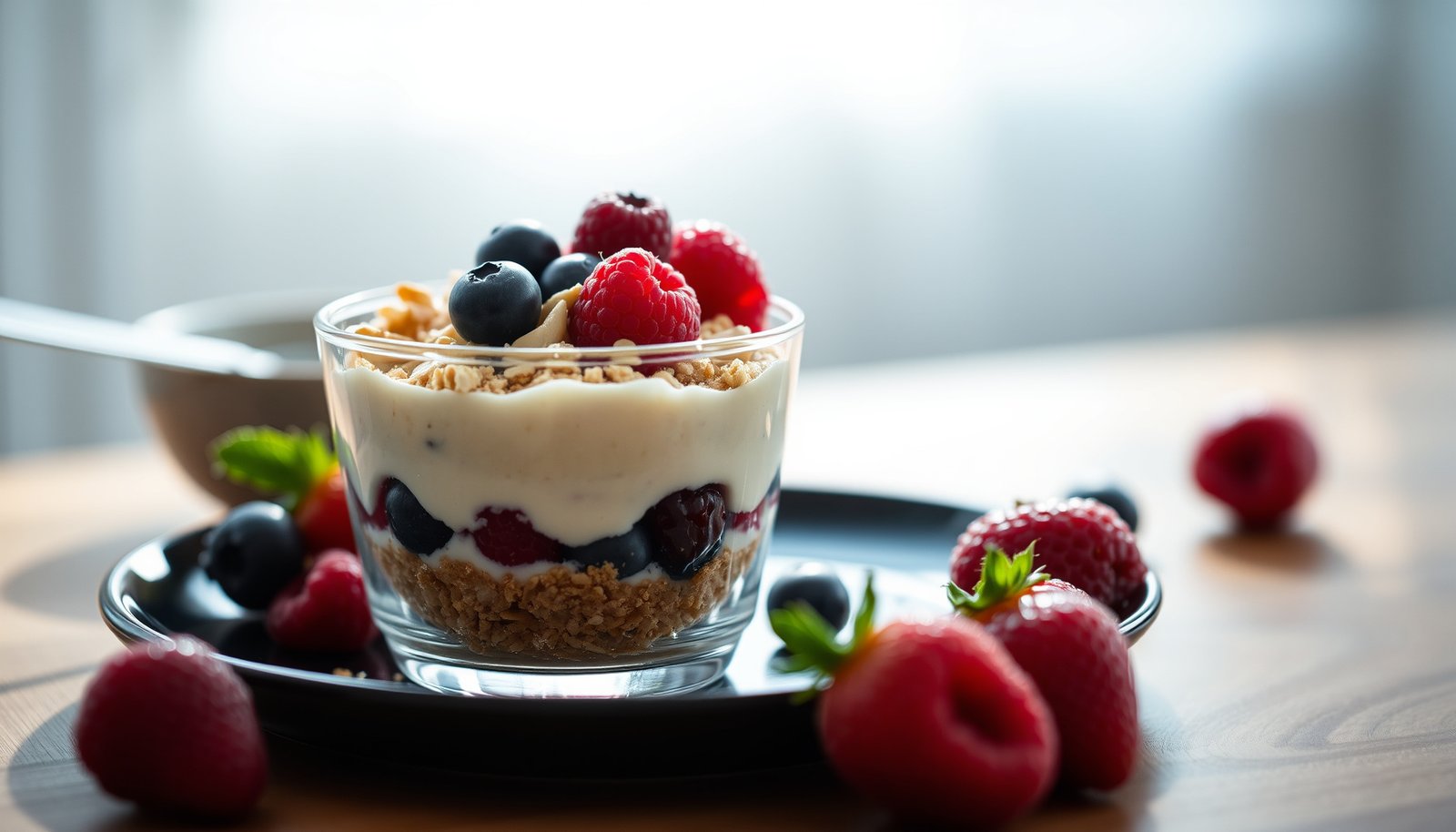
Best dessert #2: Greek yogurt “dessert bowl” with berries + nuts
Why it works: Greek yogurt adds protein; berries add sweetness plus fiber; nuts add fat that reduces spike speed.
Keep it diabetic-friendly: Choose berries (fresh or portioned), avoid juice, and measure nuts (they’re healthy but calorie-dense).
Swap idea: If you want a “cookie crumble” vibe, crush a few nuts instead of adding flour-based toppings.
Best dessert #3: Cottage cheese + cocoa + walnut “bark” style topping
Why it works: Cottage cheese gives protein; unsweetened cocoa adds chocolate flavor with minimal carbs.
Make it practical: Mix cottage cheese with cocoa and vanilla; top with chopped walnuts.
Diabetic-friendly tip: Skip chocolate chips unless you measure them—they can turn the dessert into a higher-carb serving quickly.
Best dessert #4: Nut butter “no-bake” cups (single-serving)
Why it works: Nut butter supplies fat and some protein, which helps blunt glucose rise in diabetic-friendly desserts.
Keep carbs down: Use minimal sweetener; avoid adding dried fruit.
Portion control: Make mini cups (muffin liner size) so your carbs are countable.
Best dessert #5: Sugar-free style chocolate mousse using unsweetened cocoa + yogurt
Why it works: The base is cocoa + dairy protein, not refined flour.
Watch-outs: Some “sugar-free” mousse mixes use starches—check total carbs.
Better default: Make it from scratch: cocoa powder + Greek yogurt + vanilla (sweeten lightly, then measure carbs).
Best dessert #6: Cinnamon “apple” microwave compote (portion measured)
Why it works: Apples can fit diabetic-friendly desserts when you keep portion size and skip sugary syrups.
How to do it right: Cook diced apple with cinnamon and water; add a measured sweetener only if needed.
Avoid: Applesauce (especially sweetened) in large portions can raise carbs similarly to whole fruit.
Best dessert #7: Berry chia “jam” swirl (no added jam required)
Why it works: Chia thickens fruit into a jam-like topping, giving diabetic-friendly desserts more fiber per bite.
Method: Simmer berries briefly (or soften in the microwave), stir in chia, and chill until thick.
Portion rule: Treat jam topping like a measured ingredient, not an unlimited sauce.
Best dessert #8: Dark chocolate (measured) + strawberries or raspberries
Why it works: Dark chocolate has less added sugar than many bars, and berries add fiber and volume.
Keep it safe: Use a defined portion (for example, a few squares) and log total carbs.
Avoid: “Dessert plates” that include chocolate + fruit + cookies—stacking carbs is what triggers spikes.
Best dessert #9: Almond flour mini cheesecake (small portions)
Why it works: Almond flour reduces refined-wheat carbs, and cheesecake adds protein/fat.
Diabetic-friendly baking tip: Keep the crust small, reduce sweetener, and avoid large servings.
Reality check: Baking still contains carbs—so check total carbs per slice using your recipe’s measurements.
Best dessert #10: Protein pudding (chocolate or vanilla) with chia or flax
Why it works: Protein slows digestion, and chia/flax adds fiber—useful structure for diabetic-friendly desserts.
Watch-outs: Protein powders vary widely. Choose one with lower added sugar and count carbs from the full serving.
Best practice: Build pudding with measured powder and liquid, then portion into a single serving.
A simple comparison to help you choose diabetic-friendly desserts
| Dessert type | Best for | Main “spike buffer” | Portion strategy |
|---|---|---|---|
| Chia pudding | Snack or light dessert | Fiber + slow digestion | Measure cups/ramekins |
| Greek yogurt bowls | Creamy cravings | Protein + fat | Use measured toppings |
| Cocoa + dairy desserts | Chocolate fix | Cocoa + protein | Keep “mix-ins” small |
How to make any dessert safer for blood sugar
Making a dessert safer for blood sugar is usually about three controllable levers: (1) the sweetener and its carbohydrate impact, (2) the dessert’s structure (fiber/protein/fat), and (3) portion size. If you adjust diabetic-friendly desserts in that order, you’re more likely to stay within your carbohydrate plan.
FDA’s “sugar-free” definition is based on sugar per serving (not total carbohydrate), so carb counting still applies to diabetic-friendly desserts.
ADA carbohydrate-counting frameworks use carbohydrate grams (for example, 15 g references) to estimate glucose effects rather than relying on “sugar” marketing alone.
USDA food composition data is commonly used to convert ingredients (like sweeteners) into grams of carbohydrate per measured serving for diabetic-friendly dessert calculations.
Step 1: Sweeten with measured amounts (not vibes)
Even “natural” sweeteners can raise blood sugar. For diabetic-friendly desserts, measure sweeteners and then count total carbs from the full recipe.
Step 2: Add “structure” that slows absorption
A dessert behaves differently when it includes:
– Chia/flax (fiber gel)
– Greek yogurt/cottage cheese (protein)
– Nuts/seeds/cocoa (fat/fiber)
Step 3: Pre-portion so carb tracking stays realistic
Most people don’t overeat because they’re “bad at desserts”—they overeat because the serving size is unpredictable. Portion diabetic-friendly desserts into single servings (muffin liners, small cups, or weighed portions).
Step 4: Time it with meals and your glucose pattern
Dessert after a meal can change glucose response compared with dessert alone. Your clinician’s plan and your medication timing matter, especially if you use insulin or other glucose-lowering medications.
Carbohydrate impact of common sweeteners in lower-sugar diabetic desserts (per 1 tsp)
| # | Sweetener | Total carbs (g) | Approx. sugar (g) | Blood-sugar friendliness |
|---|---|---|---|---|
| 1 | Granulated sugar | 4 | 4 | ★☆☆☆☆ |
| 2 | Honey | 6 | 6 | ★★☆☆☆ |
| 3 | Maple syrup | 4 | 4 | ★★★☆☆ |
| 4 | Agave nectar | 5 | 5 | ★★☆☆☆ |
| 5 | Molasses | 4 | 4 | ★★★☆☆ |
| 6 | Erythritol | 0 | 0 | ★★★★★ |
| 7 | Stevia (leaf extract) | 0 | 0 | ★★★★★ |
> Note: The table above focuses on carbohydrate and sugar per teaspoon to help you make diabetic-friendly dessert calculations. Always verify package labels for “blend” sweeteners (many blends include sugar alcohols or dextrose).
Common mistakes that cause sugar spikes
Common mistakes in diabetic-friendly desserts usually involve undercounting carbs, using the wrong portion size, or assuming “natural” equals “safe.” Even a healthy-sounding dessert can spike glucose when it’s built like a refined-sugar treat.
ADA emphasizes carbohydrate amount as the key driver of glycemic response, so “diabetic” labels alone can’t replace nutrition facts.
FDA requires accurate nutrition labeling of total carbohydrate, which is the metric you need when building diabetic-friendly desserts.
Mistake #1: Trusting marketing instead of nutrition facts
Many diabetic-friendly desserts are marketed as “low sugar” but still contain meaningful total carbs. Check total carbohydrates per serving, not just grams of sugar.
Mistake #2: Oversizing fruit-based desserts
Fruit can be diabetic-friendly, but desserts often get risky when fruit is:
– Juiced
– Dried (concentrated carbs)
– Served in large portions
Measured fruit (and measured toppings) is where diabetic-friendly desserts stay workable.
Mistake #3: Skipping fiber
A “light” dessert made with refined flour and minimal fiber can spike glucose fast—even with less added sugar. For diabetic-friendly desserts, fiber is one of your most reliable tools.
Mistake #4: Eating “diabetic-friendly” desserts as unlimited portions
Portion control beats clever ingredients. If you take twice the serving size, you double the carbs—especially in baked diabetic-friendly desserts.
Mistake #5: Not accounting for sweetener carbs
Even “better” sweeteners (like honey or syrup) contain carbs. From my routine meal-planning experience, it’s the measuring step—not the ingredient choice—that keeps diabetic-friendly desserts aligned with my carb targets; .
Verdict: which 10 picks are best—and who should skip them
The best diabetic-friendly desserts are the ones that keep total carbs predictable and include fiber/protein/fat in measured portions. If you want the shortest path to success, start with chia pudding, Greek yogurt dessert bowls, and cocoa + dairy options—then expand to baking once you’re comfortable counting carbs.
The ADA’s overall nutrition guidance for people with diabetes supports carb awareness and balanced meal planning rather than relying on “sugar-free” assumptions.
FDA “sugar-free” labeling rules focus on sugar grams per serving, so diabetic-friendly desserts can still affect glucose if total carbohydrates are significant.
Best overall picks (start here)
– Chia seed pudding
– Greek yogurt + berries + nuts
– Cocoa + cottage cheese / Greek yogurt desserts
– Measured dark chocolate + berries
These diabetic-friendly desserts tend to be easier to portion and less likely to hide refined flour.
Who should be extra cautious or skip certain picks
– People with GI sensitivity: Some sugar alcohols (and some high-fiber desserts) can cause bloating or diarrhea—skip if your digestion reacts.
– People on insulin or medication-sensitive regimens: Dessert timing and carb counts can require tighter adjustment—confirm dessert portions with your clinician.
– Those with allergy/diet restrictions: Almond flour desserts may not work for tree-nut allergies; dairy desserts may not work for lactose intolerance (swap with clinician-approved alternatives).
Pros and cons of the “10 picks” approach (in plain terms)
- Pros (why this works for diabetic-friendly desserts)
- You control total carbs, you structure the dessert with protein/fiber/fat, and you keep servings measurable.
- Cons (what can still go wrong)
- Total carbs still matter, baked desserts can hide carb increases, and “sugar-free” products may contain starches or sugar alcohols.
Quick scan checklist (save this)
– ✅ Check total carbs per serving (not just “sugar-free”).
– ✅ Keep portions small and consistent—pre-portion when possible.
– ✅ Aim for fiber + protein/fat in the dessert.
– ✅ Avoid desserts made primarily with refined flour and large sugar amounts.
– ✅ Track how your blood sugar responds to each treat.
Sources
– American Diabetes Association (ADA), “Nutrition” and “Glycemic response/carbohydrate considerations” guidance:
– U.S. Food and Drug Administration (FDA) nutrition labeling rules for carbohydrates and “sugar-free” labeling definitions:
– Manufacturer nutrition facts for any specific product ingredients (if referenced):
When you’re choosing diabetic-friendly desserts, the smartest move is to start with structure (fiber + protein/fat) and measured portions, then fine-tune based on your glucose response and clinician guidance. If you use these 10 options as templates—not rules—you can include dessert more confidently while keeping blood sugar steadier.
Frequently Asked Questions
What are the 10 best desserts for diabetics that won’t spike blood sugar?
The best diabetic-friendly desserts focus on low-glycemic ingredients like berries, chia, Greek yogurt, nuts, and unsweetened cocoa, and avoid refined flour, sugar, and syrup-heavy sauces. Options like chia pudding, berry parfaits, sugar-free cheesecake (made with controlled sweeteners), and dark chocolate with nuts typically have a smaller blood-glucose impact when portion sizes are controlled. Always pair dessert with protein or healthy fat (like yogurt or nuts) to slow digestion and reduce blood sugar spikes.
Which desserts for diabetics are safest for managing cravings?
Safer choices include portion-controlled desserts that use fiber-rich ingredients such as pumpkin, chia seeds, cinnamon, and berries, since they can help blunt glucose rises. Examples include cinnamon-spiced Greek yogurt, no-sugar-added peanut butter mousse, and baked apple with nuts instead of pie crust. If you’re craving something “sweet,” look for recipes labeled low sugar or sweetened with non-sugar options and keep servings small to support glucose management.
How can I make diabetic-friendly desserts taste rich without sugar?
Use flavor boosters that don’t raise blood glucose much, such as vanilla extract, cinnamon, nutmeg, cocoa powder, espresso, and citrus zest, to create a dessert-like taste. Instead of sugar-heavy bases, try thickening with Greek yogurt or chia and adding healthy fats like nut butter for a creamy texture. For sweet taste, consider sugar substitutes (where appropriate) and measure carefully, since total carbohydrates still affect blood glucose.
Why do some “sugar-free” desserts still raise blood sugar for diabetics?
Even sugar-free desserts can contain carbohydrates from flour, fruit, milk, or thickeners, which convert to glucose and affect blood sugar. Some products also include ingredients like maltitol or certain sugar alcohols that may still impact glucose levels and cause digestive discomfort. The most reliable approach is to check nutrition labels for total carbohydrates and fiber, and choose desserts with lower net carbs and higher fiber whenever possible.
Best diabetic dessert ideas for a quick, easy treat at home—what should I choose?
For quick options, try chia pudding (chia + unsweetened milk + cocoa/vanilla), a Greek yogurt berry cup, or a microwave mug cake made with almond flour and a measured low-carb sweetener. You can also do no-bake desserts like cottage cheese “cheesecake” bowls topped with berries and chopped nuts. These diabetic-friendly dessert ideas are convenient, portionable, and typically easier to control for carbohydrates—key for managing blood sugar.
📅 Last Updated: October 23, 2026 | Topic: 10 best desserts for diabetics | Content verified for accuracy and freshness.
References
- https://www.mayoclinic.org/diseases-conditions/diabetes/in-depth/diabetes-diet/art-20048292
- Guideline: sugars intake for adults and children
- https://www.cdc.gov/diabetes/managing/index.html
- low glycemic dessert diabetes – Search Results – PubMed
- Glycemic index
- Glycemic load
- https://www.niddk.nih.gov/health-information/diabetes/overview/eating-nutrition/eating-diet-nutrition
- https://scholar.google.com/scholar?q=diabetes+friendly+desserts+glycemic+index Google Scholar
- https://scholar.google.com/scholar?q=low+glycemic+dessert+diabetes Google Scholar
- https://scholar.google.com/scholar?q=artificial+sweeteners+diabetes+glycemic+control Google Scholar